Daily Life · Guatemala
Guatemala: A Day Kept by the Cooking Fire
A household's morning starting with the wood stove, a fixed weekly market day that pulls whole highland towns together, and an economy quietly propped up by family working far away in the United States
By Worldlore Editorial · 30 September 2026
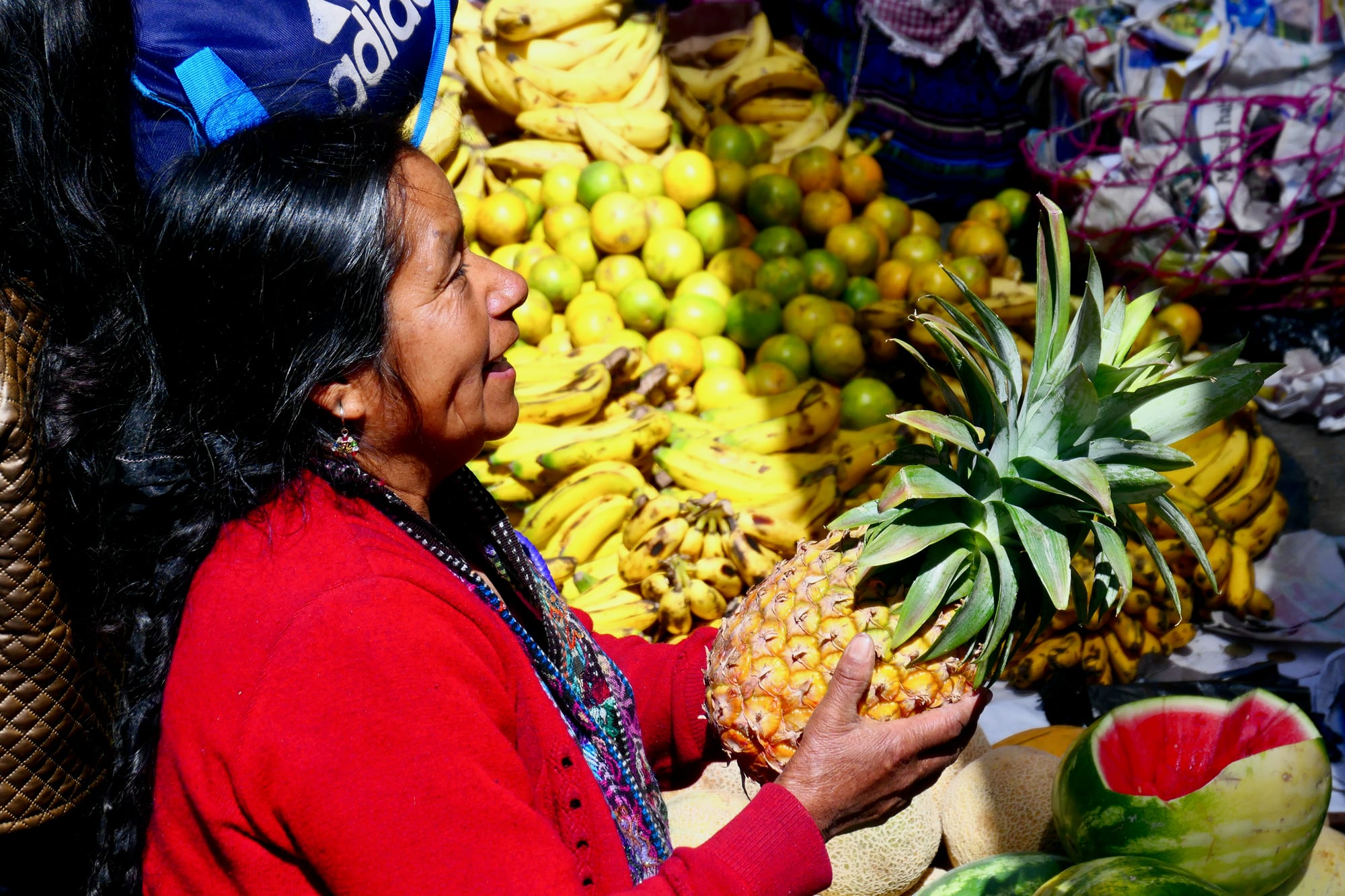
An ordinary day in Guatemala tends to start before sunrise, with someone lighting a wood stove to make coffee and the first tortillas. Much of the country still lives by the week as much as by the clock: a fixed market day that pulls farmers and shoppers into town from the surrounding hillsides, a comedor lunch eaten at a shared table, and, in the cool highland evenings, a fire that draws the household into one room. In Guatemala City the pace is more urban, but across the highlands and the countryside, where roughly half of Guatemalans still live, daily life runs on agriculture, the household, and a long-established market circuit, even as buses and mobile phones have changed its speed.
Family and home life
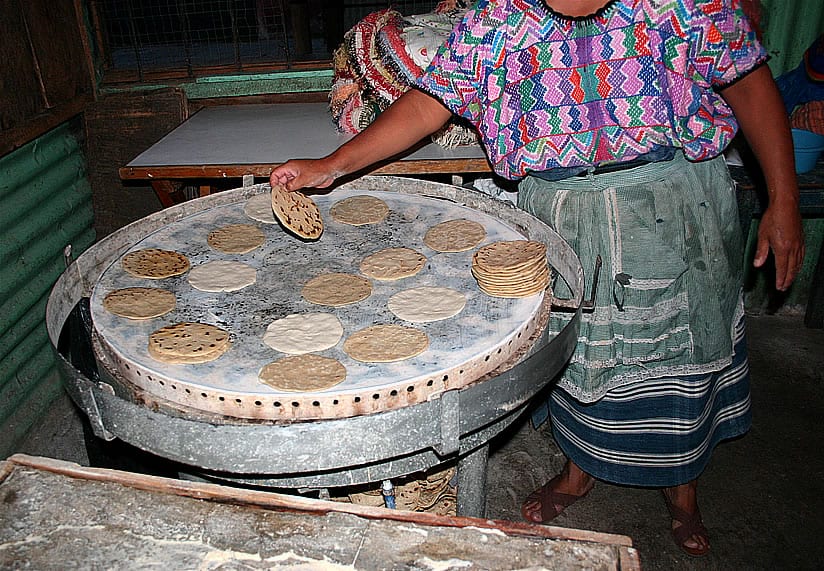
Extended family living arrangements are common, especially in Indigenous Maya highland communities, where a married son and his own family, unmarried siblings, and grandparents may share one home or a small compound of rooms around a shared yard. Guatemalan family culture places a high value on a strong sense of loyalty and mutual obligation that extends beyond the immediate household to aunts, uncles, and cousins, who often help with food, money, and childcare when needed. Much of a household's day is organised around the wood stove or fire, traditionally the woman's domain: it is lit at dawn to cook the day's tortillas and coffee, tended throughout the day, and becomes, in the colder highland evenings, the place where the family gathers to talk over the day's events.
Work, school and the rhythm of the day
Guatemala's public schools commonly run on a double-shift system, with one group of students attending a morning session and a second group using the same building and teachers in the afternoon, a way of making limited buildings go further; the morning session usually finishes around midday. Around a fifth of Guatemalans live in Greater Guatemala City, where office and formal working hours look much like anywhere else in Latin America, but agriculture remains a leading employer: small farmers grow maize and beans on small highland plots, while coffee, sugar, and bananas come from larger lowland estates. For many families, the working day of someone else entirely also shapes the household budget: remittances sent home by Guatemalans working abroad, the great majority of them in the United States, now equal roughly a fifth of the country's entire economic output.
Community life and public spaces
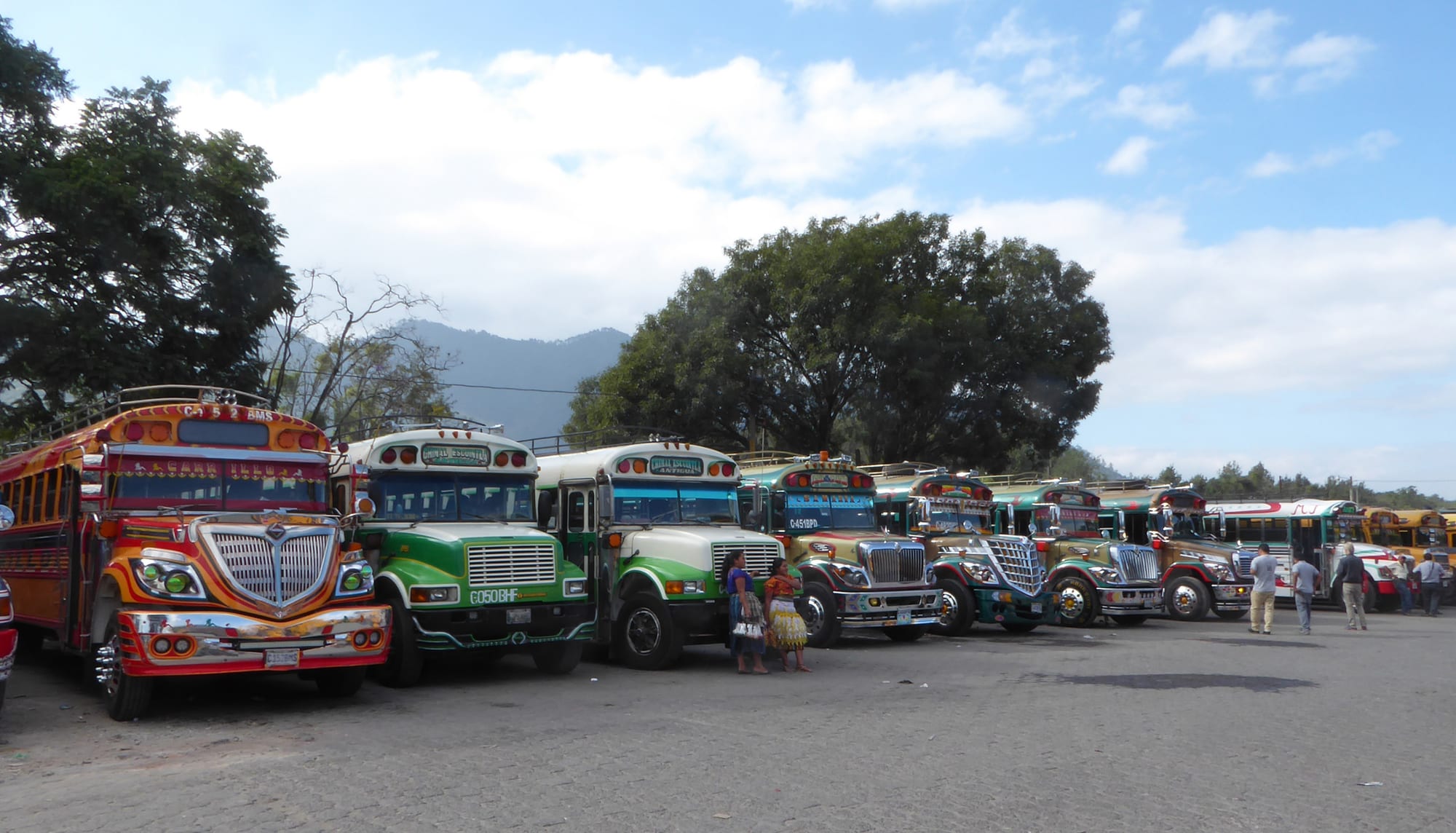
Many highland towns hold one or two fixed weekly market days, when farmers and traders arrive from surrounding villages, some travelling several hours by chicken bus, to sell produce, textiles, and household goods in the central plaza; smaller markets wind down by midday, while large ones such as Chichicastenango's, held on Thursdays and Sundays, run for most of the day. The chicken bus, as visitors call it, a repainted, retired North American school bus, is the backbone of everyday transport between highland towns, alongside shared vans and pickup trucks for shorter hops. The plaza and its church, and the market that fills it once or twice a week, function as the real public square in most towns.
Free time and weekends
Sunday is often the day for an extended family lunch that can run well into the afternoon, and, where a family can manage the trip, a visit to relatives in another town. Football, the most popular sport, is followed closely nationwide, watched at home, in a comedor, or wherever a set is on. The market day itself doubles as a social occasion as much as a commercial one, especially in smaller towns where it is one of the few times in the week that much of the community is in the same place at once. Where finances allow, weekend trips to Lake Atitlán or the Pacific coast are popular among city families.
A visitor's ordinary day
Outside Antigua and the capital, Guatemala runs largely on cash, and ATMs thin out quickly once away from the main tourist circuit. Many travellers use tourist shuttle vans rather than chicken buses to move between towns, both for comfort and because the buses have a poor safety record. A comedor meal costs a small fraction of a restaurant price and is a reliable way to eat where locals eat. The highlands sit at altitude, so days are mild but evenings turn cold enough for a jacket even in the tropics, and market days are worth timing a visit around, since a town can feel completely different on and off its weekly market day.
What to take away
However a day in Guatemala unfolds, from the highland cooking fire to the chicken bus and the weekly market, it tends to circle back to the same thing: family, food, and a fixed rhythm the whole household, and often family working abroad as well, still keeps together.