Food · Guam
Guam: Food and the National Dish
Grilled chicken chopped fine with lemon, onion and coconut, a fiesta culture built around feeding an entire village, and a Chamorro food tradition older than any of the powers that later ruled the island
By Worldlore Editorial · 16 September 2026
A Chamorro food tradition older than any colonial power
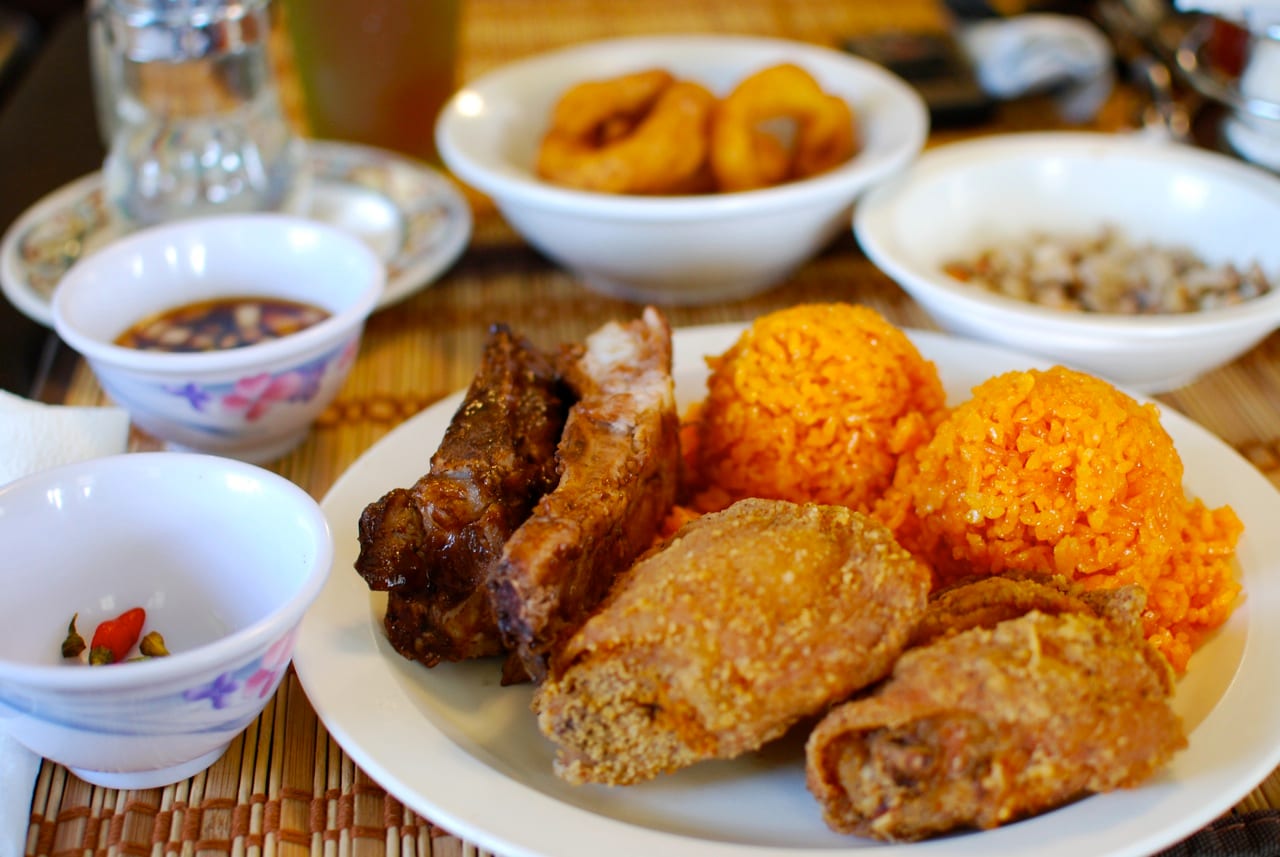
Guam's food culture is rooted in Chamorro tradition that predates Spanish, American and Japanese rule by centuries, built on grilled and marinated meats, coconut, citrus and root vegetables, and carried forward today through the island's distinctive fiesta culture, where entire villages gather over long tables of shared food.
The signature dish: kelaguen
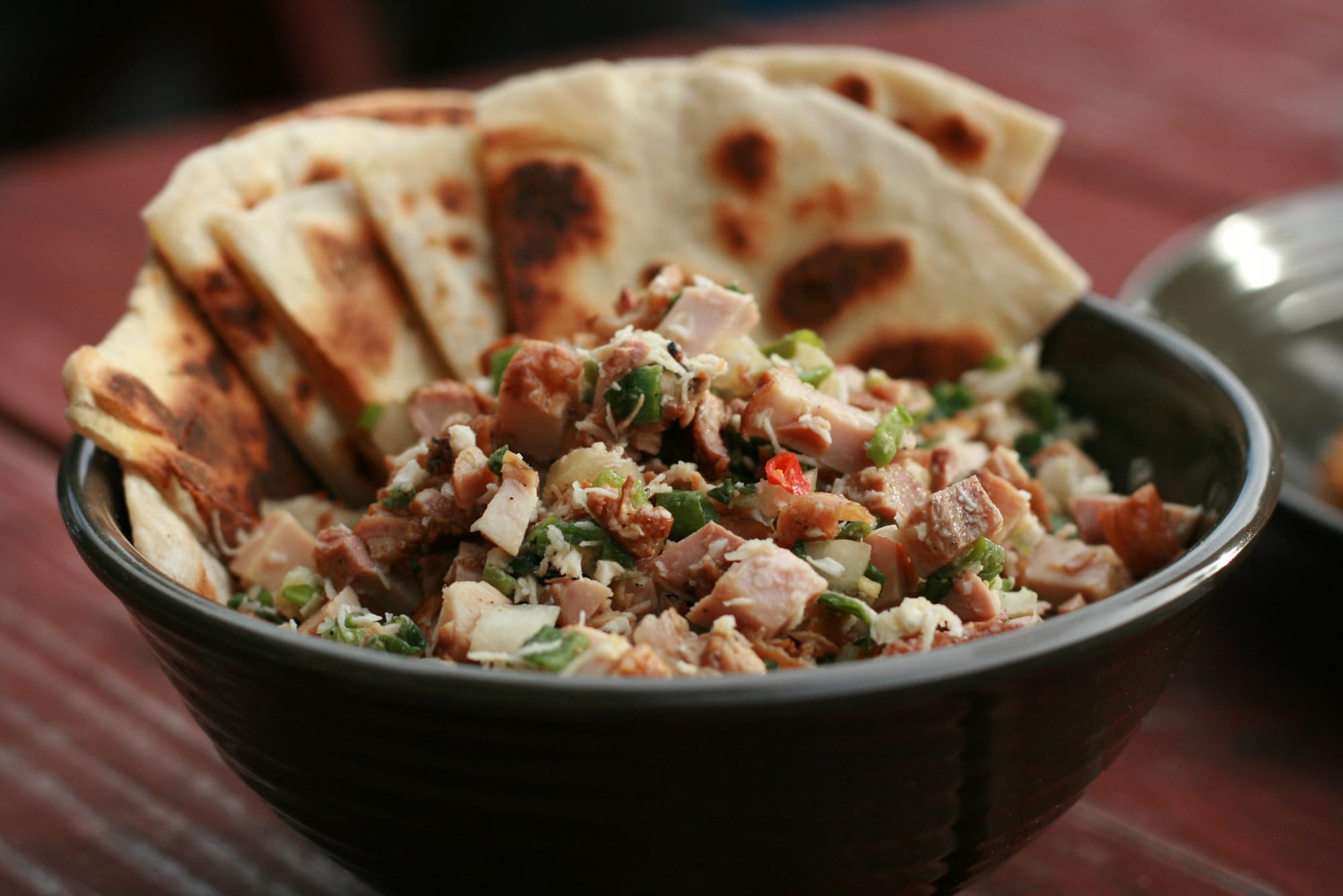
Kelaguen, finely chopped grilled meat, most often chicken, mixed with lemon or lime juice, minced onion, hot pepper and grated coconut, is Guam's most iconic Chamorro dish. The citrus lightly "cooks" the meat much as in a ceviche, and the dish is traditionally scooped up with titiyas, a flatbread made from cassava or flour, rather than eaten with cutlery.
Coconut, citrus and the everyday pantry
Coconut, in milk and grated flesh, along with citrus, hot peppers and soy sauce, define much of the flavour in Chamorro cooking, most visibly in finadene, a dipping sauce of soy sauce, vinegar, lemon and chilli served alongside nearly every meal. Red rice, coloured and flavoured with achote (annatto seed), and grilled or barbecued meats round out the everyday Chamorro table.
History behind the table
Chamorro food traditions predate Spanish colonisation, which began in the 17th century, by many centuries, and survived through Spanish, then American, then a brief period of Japanese occupation during the Second World War, without losing its core identity. Guam's status as a U.S. territory has brought American food readily into daily life, but Chamorro dishes remain the clear centrepiece of the island's own identity, especially at family and community gatherings.
Dishes to know
Five more to recognise across Guam:
- Red rice — rice coloured and flavoured with achote seed, a standard
side at nearly every Chamorro meal.
- Finadene — a dipping sauce of soy sauce, vinegar, lemon and chilli,
served alongside almost everything.
- Chamorro barbecue — marinated grilled meat, usually chicken, pork or
ribs, central to fiesta culture.
- Titiyas — a flatbread made from cassava or flour, used to scoop up
kelaguen and other dishes.
- Kadu — a Chamorro soup, often made with chicken and vegetables.
Drinks
Tuba, a traditional coconut palm wine, and fresh coconut water are the island's most distinctly local drinks, while American soft drinks and beer are widely available given Guam's territorial status. Coffee culture reflects a strong American influence, found in cafés across the island.
Eating as a traveller
Vegetarians will find options more limited in traditional Chamorro cooking, which leans heavily on grilled meat, though rice and vegetable side dishes are widely available. Tap water is safe to drink throughout the island. Attending or being invited to a genuine village fiesta, if the opportunity arises, is the single best way to see Chamorro food culture in its natural setting.
What to take from the table
Kelaguen, bright with citrus and coconut, is the dish that best represents Guam's Chamorro food identity — and a fiesta plate loaded with red rice, barbecue and finadene shows just how central communal eating remains to the island's culture.