History · Guadeloupe
Guadeloupe: The Sugar Islands That Stayed French
A butterfly-shaped archipelago in the Lesser Antilles — Carib resistance, a rich slave-sugar colony France once valued above Canada, a crushed 1802 rebellion, and a French department still arguing about it
By Worldlore Editorial · 19 September 2026
An archipelago, and a department
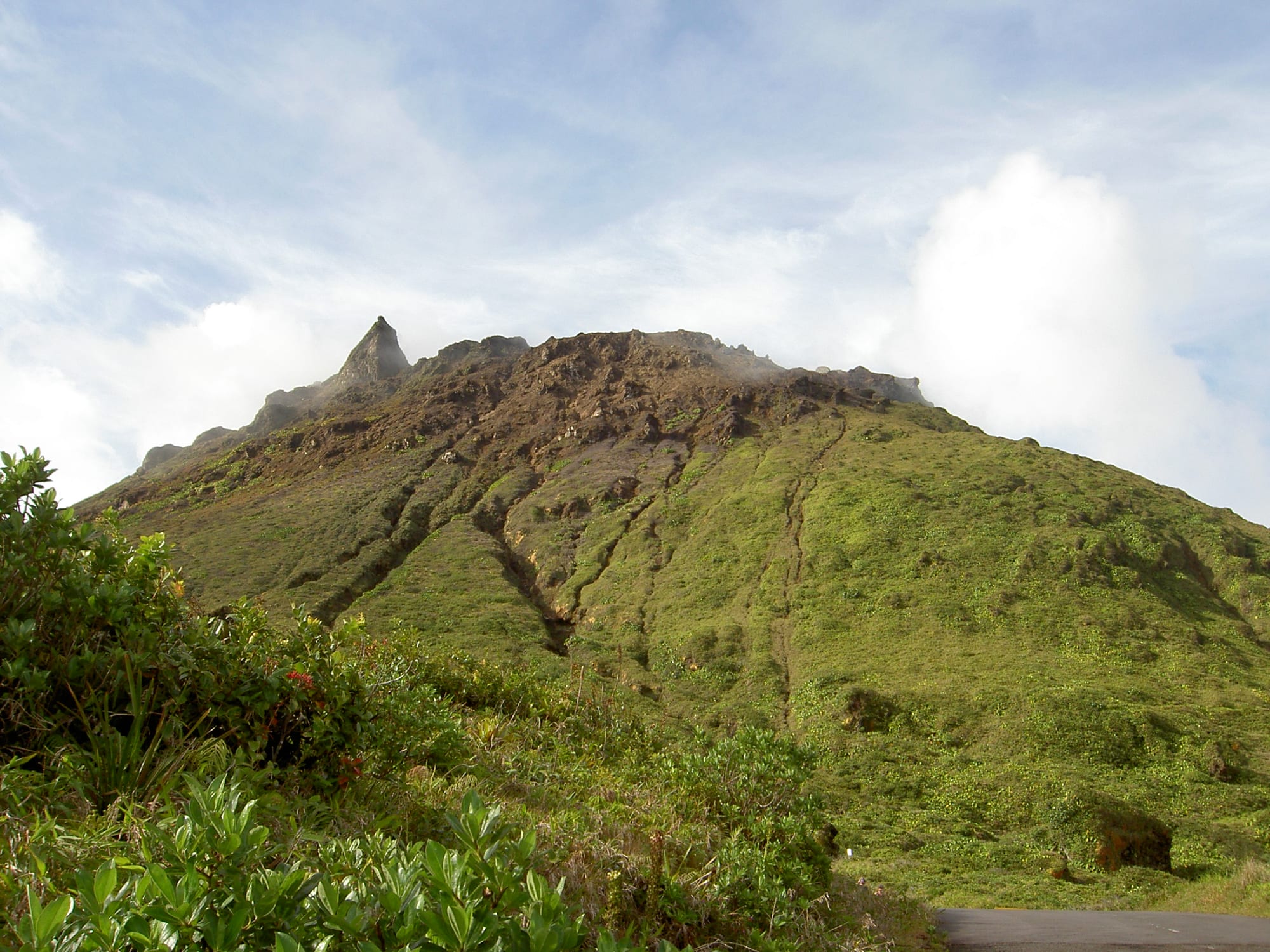
Guadeloupe is a cluster of islands in the eastern Caribbean shaped, on the map, like a butterfly: mountainous, volcanic Basse-Terre and flat Grande-Terre, separated by a sea channel a few metres wide, plus Marie-Galante, Les Saintes and La Désirade. About 380,000 people live there. It is not a colony or a territory but a full department of France, inside the European Union, using the euro — and its politics are still shaped by how it got there: through sugar, slavery, and a long demand for equality with the mainland.
A short history
- pre-1493
Karukera
The Kalinago call the island "island of beautiful waters".
- 1493
Columbus
Names it Guadalupe; Spain does not settle.
- 1635
French colony
France begins settlement and war with the Caribs.
- 1700s
The sugar peak
Guadeloupe is a hugely valuable slave colony.
- 1763
Kept over Canada
France chooses to retain Guadeloupe at the Treaty of Paris.
- 1794 / 1802
Abolition and reversal
Slavery is abolished, then reimposed by Napoleon.
- 1802
Delgrès
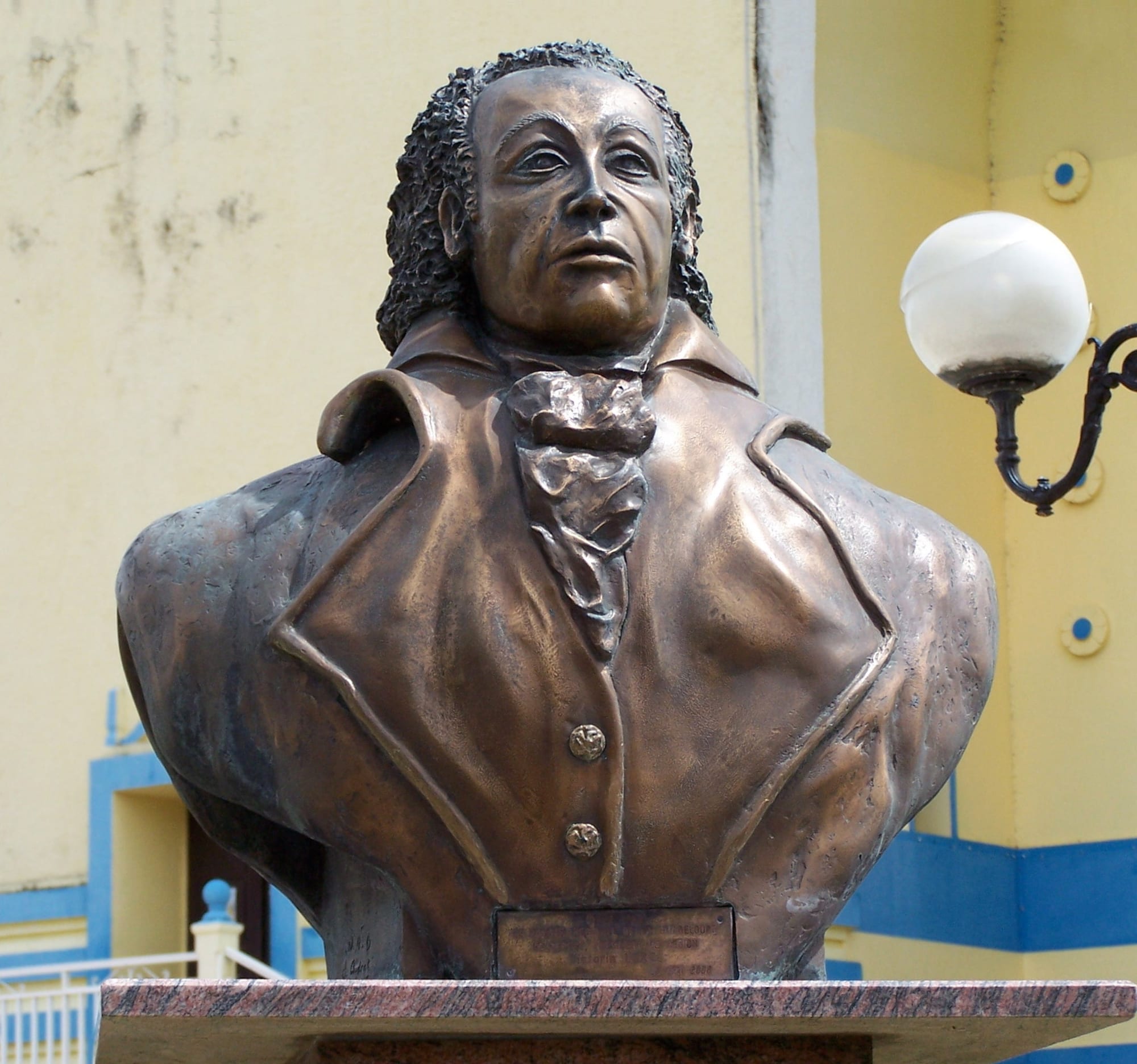
The rebel leader and his followers die rather than surrender.
- 1848
Final abolition
About 87,000 people are freed.
- 1946
Departmentalisation
Guadeloupe becomes a department of France.
Caribs, French, and sugar
The Kalinago, who called the island Karukera, resisted European settlement long enough that Spain never bothered. France began colonising in 1635 and fought wars of extermination against the Caribs through the following decade. Sugar plantations, worked by enslaved Africans in ever-larger numbers, followed from mid-century.
By the 1700s Guadeloupe was one of the richest sugar colonies in the world — so valuable that when Britain occupied it during the Seven Years' War, France, at the 1763 Treaty of Paris, chose to keep Guadeloupe and hand Britain the whole of Canada.
Abolition, and its reversal
The French Revolution abolished slavery in 1794. In Guadeloupe a republican commissioner, Victor Hugues, drove out a British occupation with a mixed-race army, guillotined royalist planters, and freed the enslaved — as coerced wage labourers. Then, in 1802, Napoleon reimposed slavery.
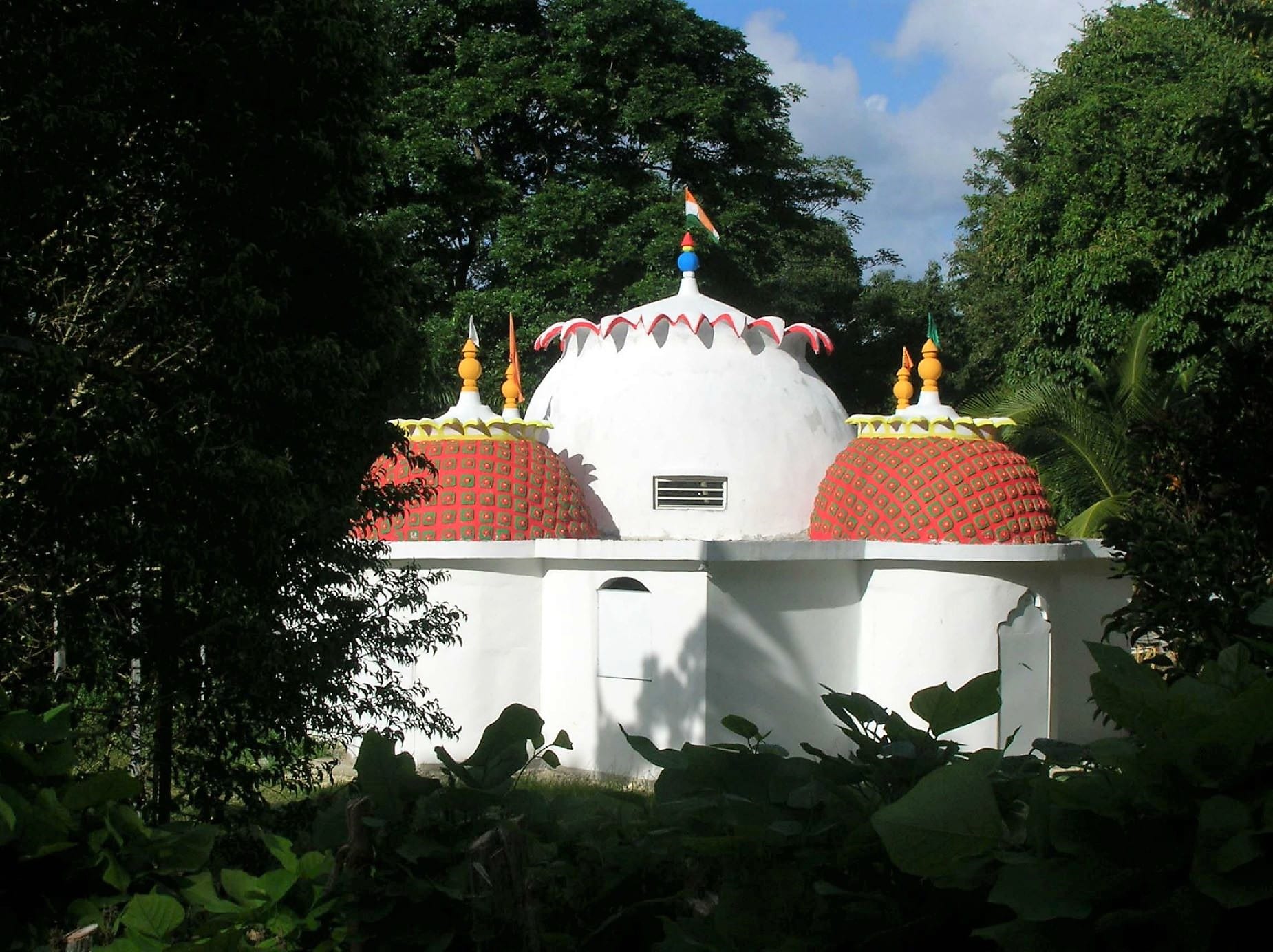
Slavery lasted another 46 years in Guadeloupe before its final abolition in 1848, which freed about 87,000 people. As on other French islands, indentured labourers were then brought from India to keep the plantations running, adding a lasting Indo-Guadeloupean community.
Becoming a department
After the Second World War — during which Guadeloupe was held by the Vichy regime until 1943 — the island became a French overseas department, on 19 March 1946. This was a demand for full equality with mainland France, and it brought French institutions and, over time, social benefits and public-sector salaries.
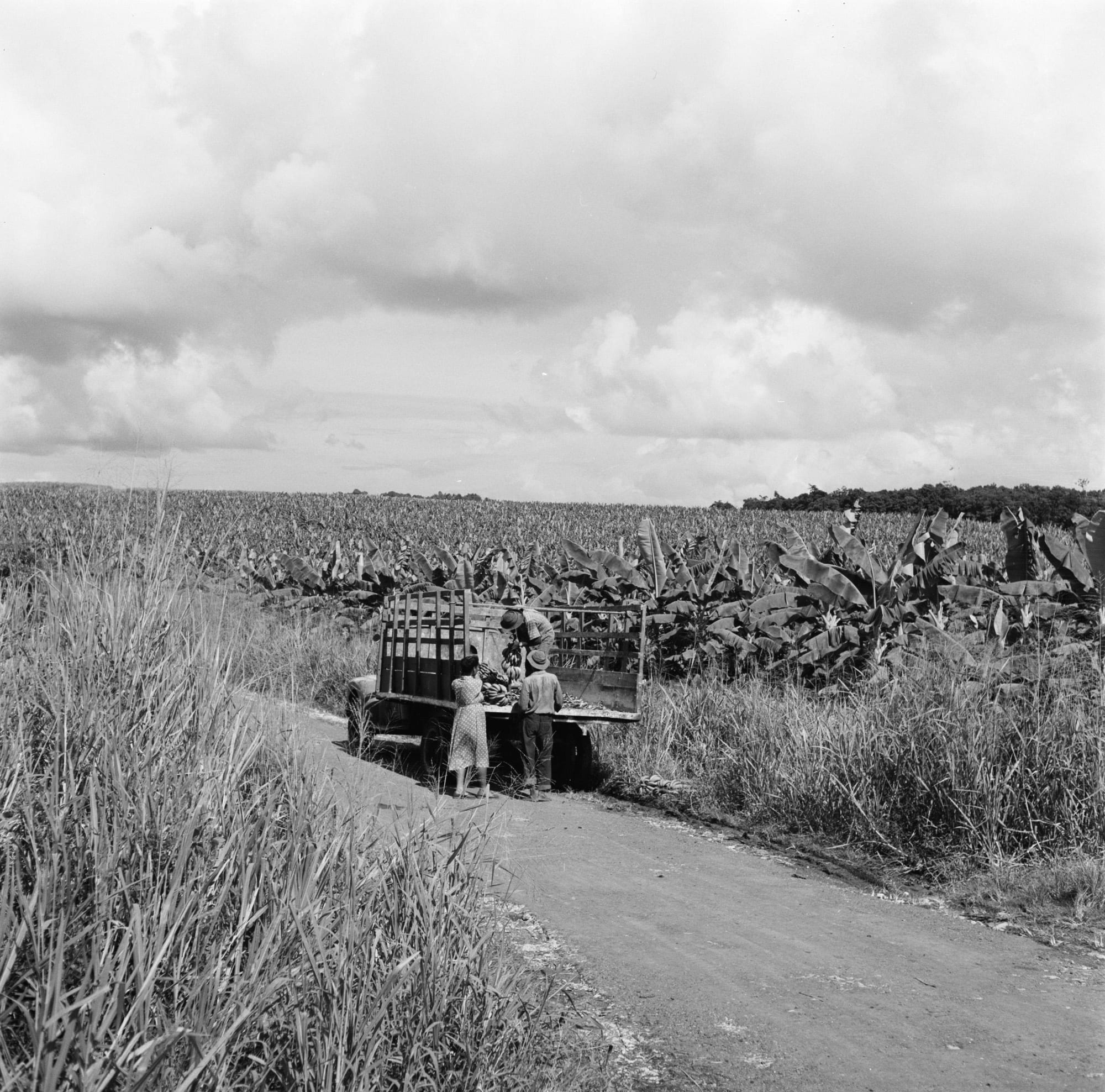
It did not close the economic gap. Unemployment stayed high, land and commerce remained concentrated in the hands of the white creole béké elite, and the state organised mass migration of Guadeloupeans to jobs in mainland France in the 1960s and 70s. In May 1967, police fired on striking construction workers in Pointe-à-Pitre, killing a still-disputed number of people. A 44-day general strike in 2009, against the cost of living and béké dominance, was the largest social movement in the French Caribbean in decades.
Guadeloupe now
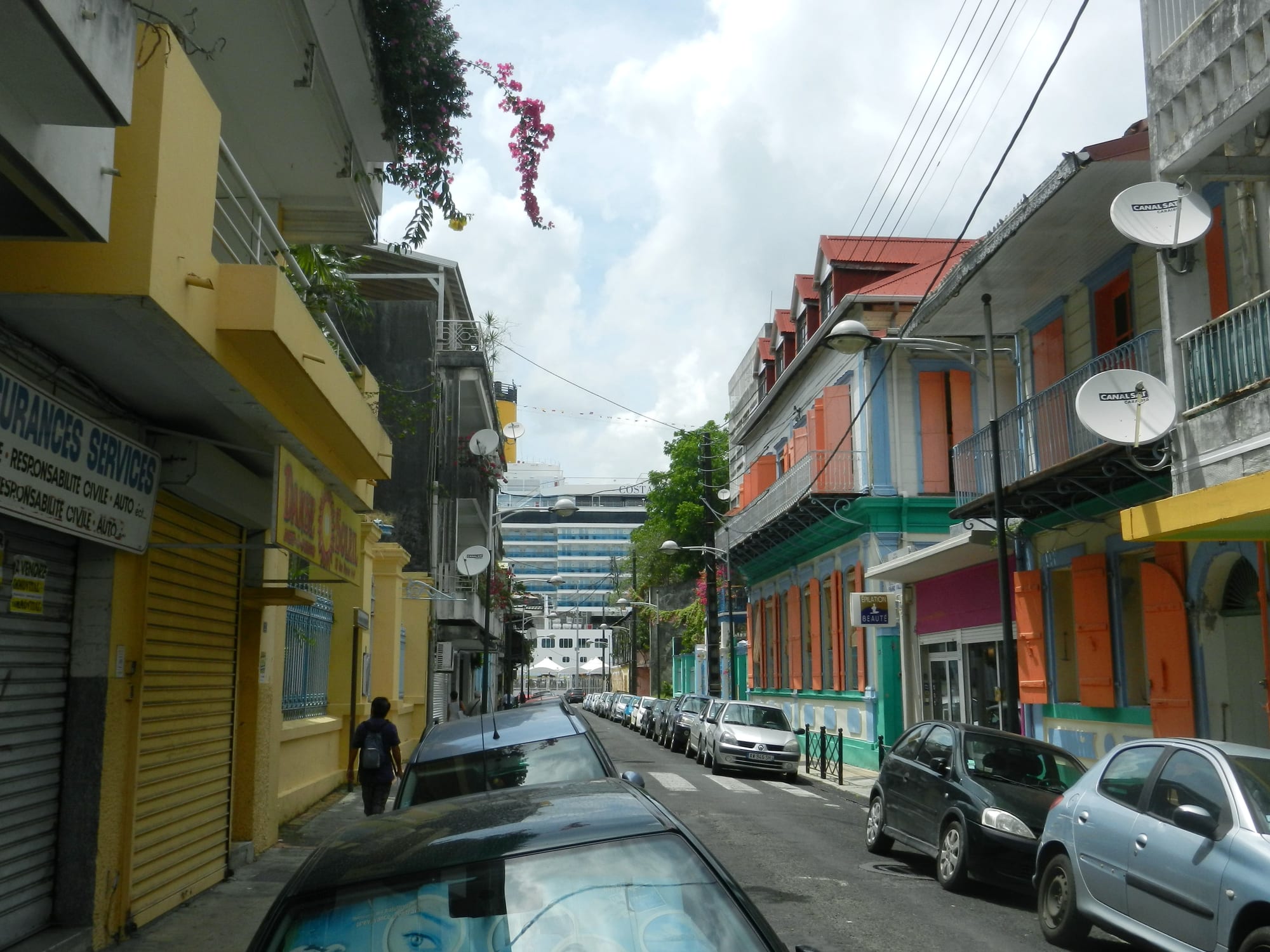
Guadeloupe remains prone to hurricanes and volcanic scares, dependent on public spending, and periodically convulsed by strikes and protest — most recently in 2021 — in which cost-of-living anger, the chlordécone scandal and older colonial grievances run together. Saint-Martin and Saint-Barthélemy, once part of Guadeloupe, split off as separate French collectivities in 2007.
What Guadeloupe carries
Guadeloupe's history is the French Caribbean in miniature: an island emptied of its first people, filled with enslaved Africans to grow sugar, briefly freed and then re-enslaved, and finally made legally equal to the country that had colonised it. Departmental status settled the constitutional question and left the economic and ecological ones — land, prices, chlordécone — open, which is what the island keeps returning to the streets about.