Daily Life · Guadeloupe
Guadeloupe: French on Paper, Creole in Practice
An overseas department of France where the euro, French schooling and Paris-set law sit alongside a Creole spoken at home, roadside lolos instead of cafés, and gwoka drumming circles recognised by UNESCO
By Worldlore Editorial · 30 September 2026
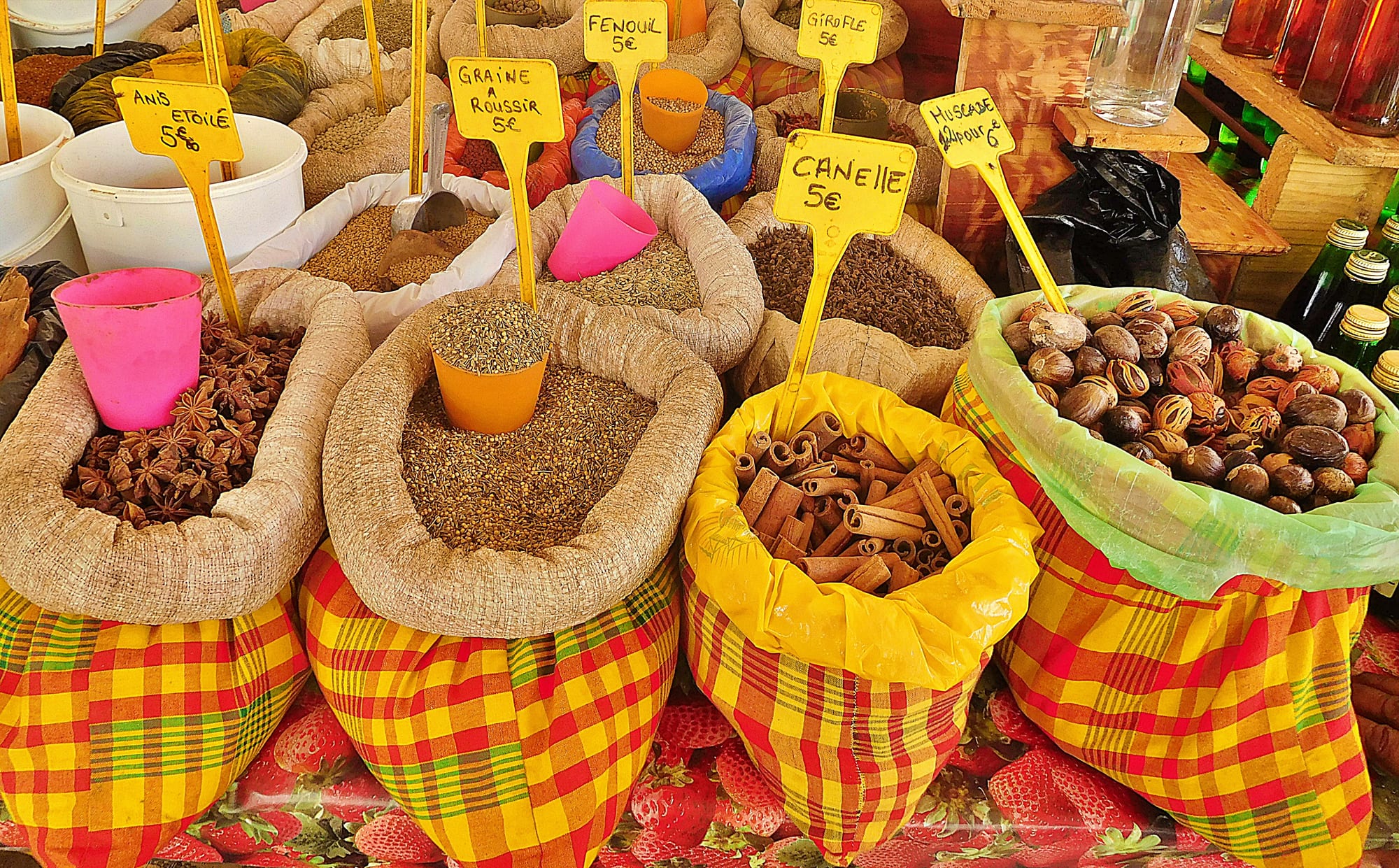
Guadeloupe is legally as much a part of France as Paris or Marseille, an overseas department using the euro, French law and the French school curriculum, yet an ordinary day here runs through Creole as much as French: 84 per cent of people speak French, the official language, but Guadeloupean Creole is the island's native language and the one heard most in everyday conversation. That doubled identity, French institutions layered over an Afro-Caribbean and Creole culture, shows up everywhere from the markets to the music: gwoka, a drumming, song and dance tradition that developed among enslaved people in the seventeenth century, was recognised by UNESCO in 2014 and is still played at community gatherings across the island.
Family and home life
Housing ranges from traditional wooden Creole houses with shuttered windows and wide verandas to newer concrete-block homes and French-style apartment blocks in Pointe-à-Pitre and the larger towns. High local unemployment, among the worst in the European Union for a region using the euro, has long pushed working-age Guadeloupeans toward mainland France for jobs and further education: between 1963 and 1981 alone, a government migration agency called Bumidom moved over 16,000 Guadeloupeans to the mainland, and the pattern of young people leaving for France, sometimes for good, sometimes returning later, has continued well beyond the programme's end. That migration means extended families are often split between the island and mainland France, with visits home and video calls filling the gap grandparents once filled in person.
Work, school and the rhythm of the day
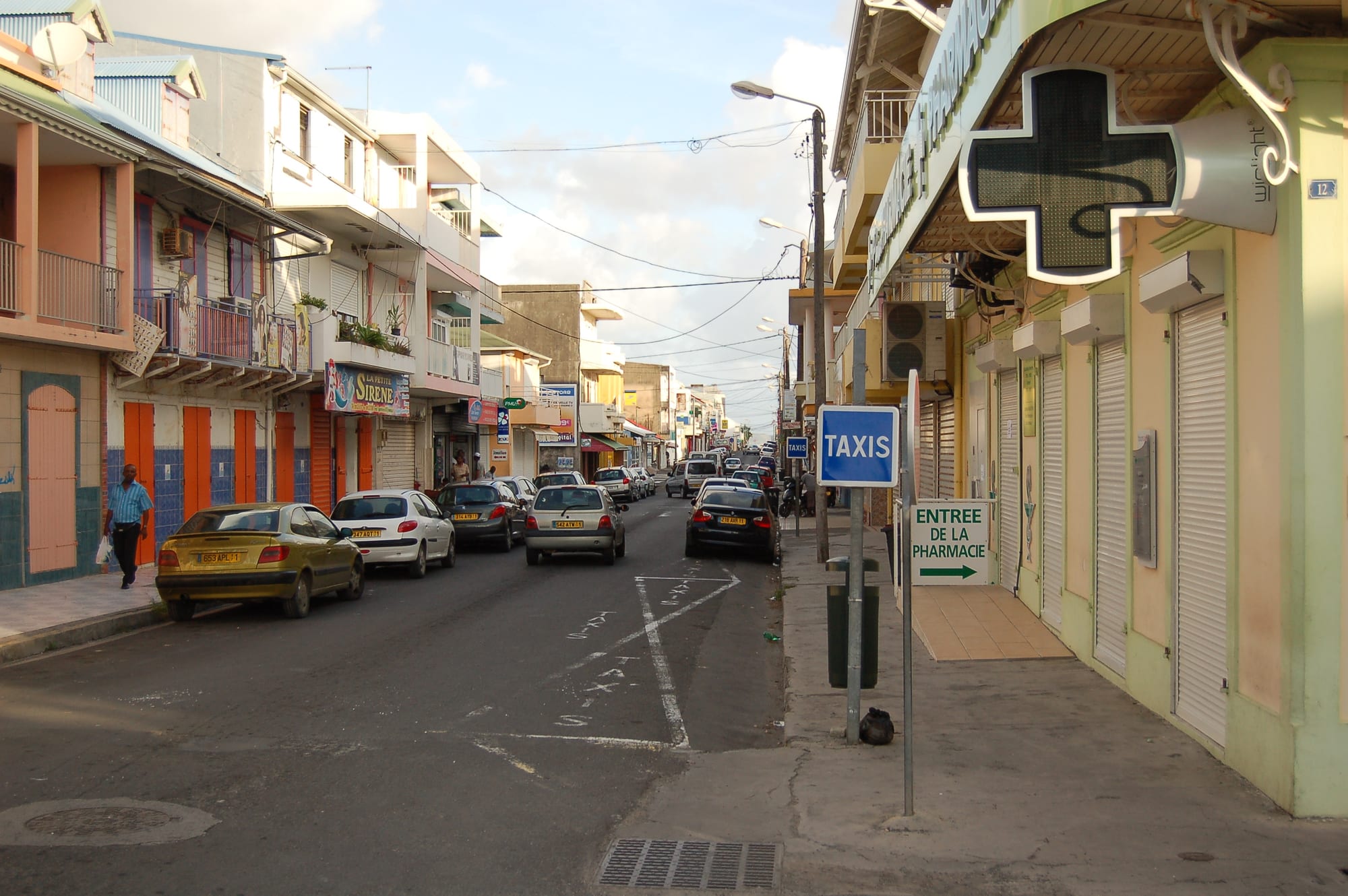
Schools follow the French national curriculum and calendar, with classes taught in French even though many children arrive speaking Creole first at home, a gap teachers are used to bridging in the early years. Public administration, tied closely to the French state, is a major employer alongside tourism, agriculture, particularly bananas and sugar cane, and the transfers and pensions that flow from mainland France, which make up a meaningful part of the island's economy given the persistently high unemployment rate. Away from Pointe-à-Pitre's offices, small farms, fishing boats and roadside food stalls called lolos, serving grilled meat and fish, run on a far less fixed schedule than any French civil-service job.
Community life and public spaces
Markets remain a genuine daily institution: the central market in Pointe-à-Pitre and the markets of Saint-François and Sainte-Anne are where much of the island still buys food, alongside supermarkets that have become more common in recent decades. Getting around depends heavily on a car, since public buses cover the two main islands only thinly, and a hire car or shared ride is often the practical way to get from a home to a market or a job. Roman Catholic churches, reflecting the island's dominant faith, stand at the heart of most town centres, and Sunday Mass remains a fixture of the week for many families.
Free time and weekends
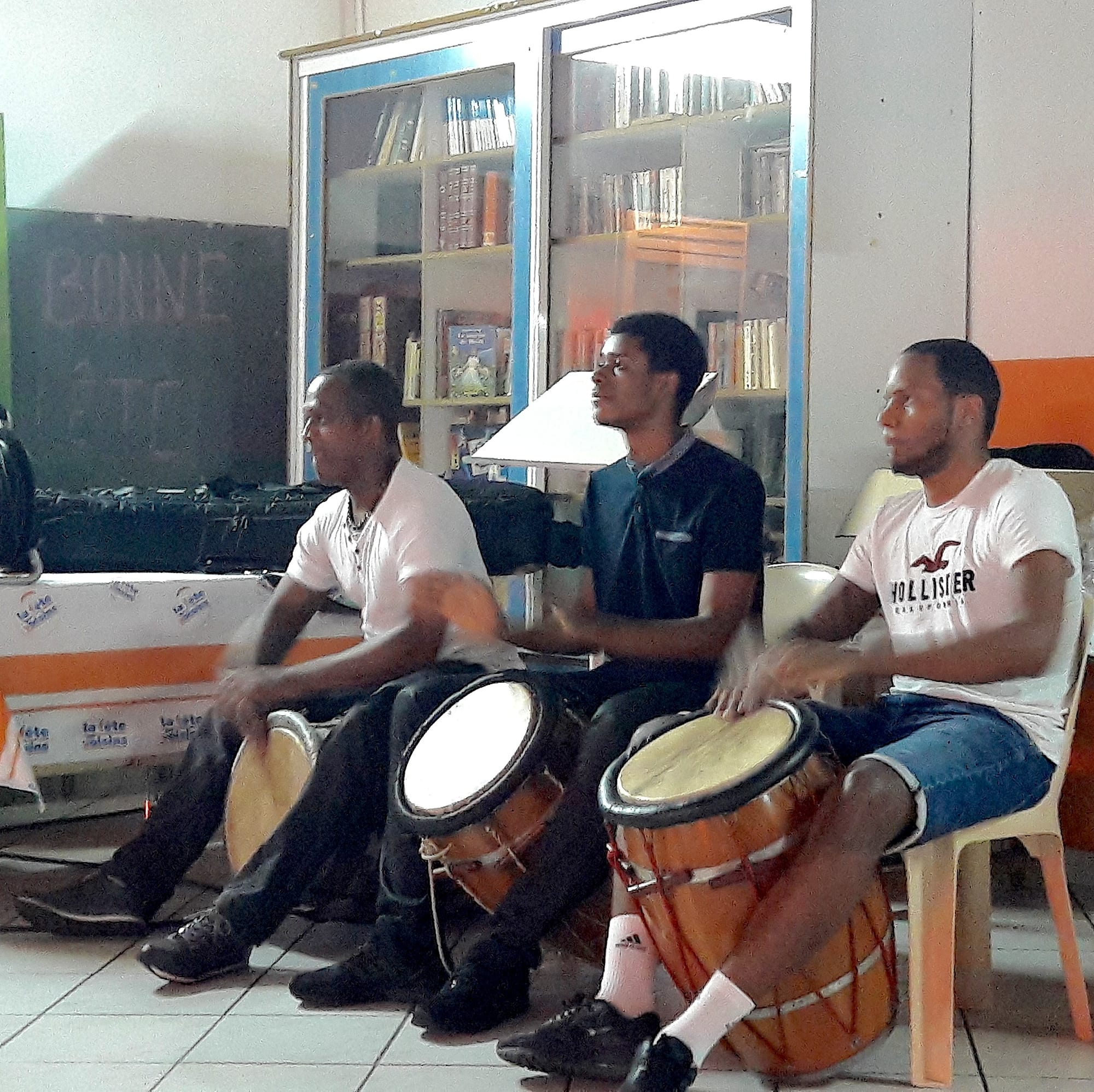
Gwoka evenings called léwòz, traditionally held on Saturday nights, remain a real and ongoing part of community life in rural Guadeloupe, not only a performance for visitors, drawing neighbours together around a circle of drummers, singers and dancers. Beaches, particularly around Sainte-Anne and Le Gosier, draw local families at the weekend as much as tourists, and a day trip by ferry to Les Saintes or Marie-Galante is a genuinely popular way for islanders, not just visitors, to spend a day off. Carnival, which builds from January through to Ash Wednesday, is the biggest event of the year, with costumed groups parading through the streets every Sunday afternoon of the season.
A visitor's ordinary day
Guadeloupe uses the euro, and cards are widely accepted, though carrying some cash is useful for lolos, markets and small shops in rural areas. Many shops close for a stretch around midday, particularly outside Pointe-à-Pitre, so errands are best planned for the morning or late afternoon. Hiring a car is close to essential for getting around independently, since buses run limited routes and taxis are relatively expensive; the two main islands, Basse-Terre and Grande-Terre, are linked by bridges over the Rivière Salée channel. Ferries to Les Saintes and Marie-Galante are popular enough in high season that booking a return ticket in advance is worth doing rather than assuming a same-day spot.
What to take away
An ordinary day in Guadeloupe runs on two systems at once: French paperwork, schooling and currency on one hand, and a Creole language, cuisine and gwoka rhythm on the other, with a good many families split between the island and mainland France holding both together.