Food · Guadeloupe
Guadeloupe: Food and the National Dish
A turmeric-spiced curry stew brought by 19th-century Indian labourers, saltfish fritters served alongside rum punch, and a Creole table shaped by Africa, France and India at once
By Worldlore Editorial · 16 September 2026
A Creole table with three continents behind it
Guadeloupe's food draws on West African, French and South Asian influences, a direct result of the island's history: enslaved Africans brought foundational Creole cooking techniques, French colonial rule added its own layer, and indentured labourers who arrived from India after the abolition of slavery in 1848 brought spice blends and cooking methods still used across the island today.
The signature dish: colombo
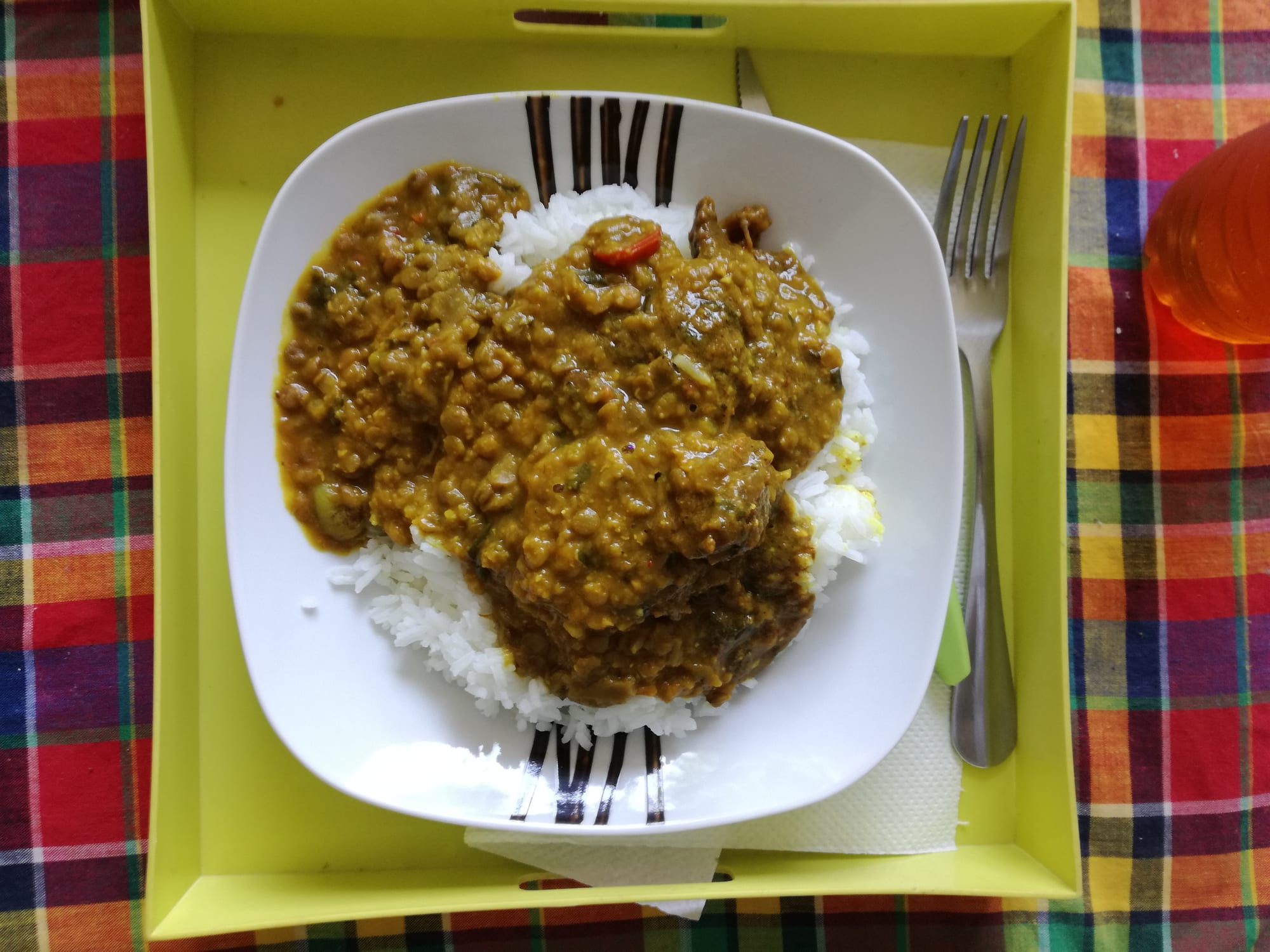
Colombo, a turmeric- and spice-based curry stew typically made with chicken, goat or pork and root vegetables, is Guadeloupe's best-known dish and the clearest culinary legacy of the island's Indian-indentured- labour history. The name is believed to reference the Sri Lankan capital, and the dish, built on a distinct colombo spice blend, is now cooked across the French Antilles as a genuine mark of that shared Indo- Caribbean heritage.
Saltfish, avocado and the everyday pantry
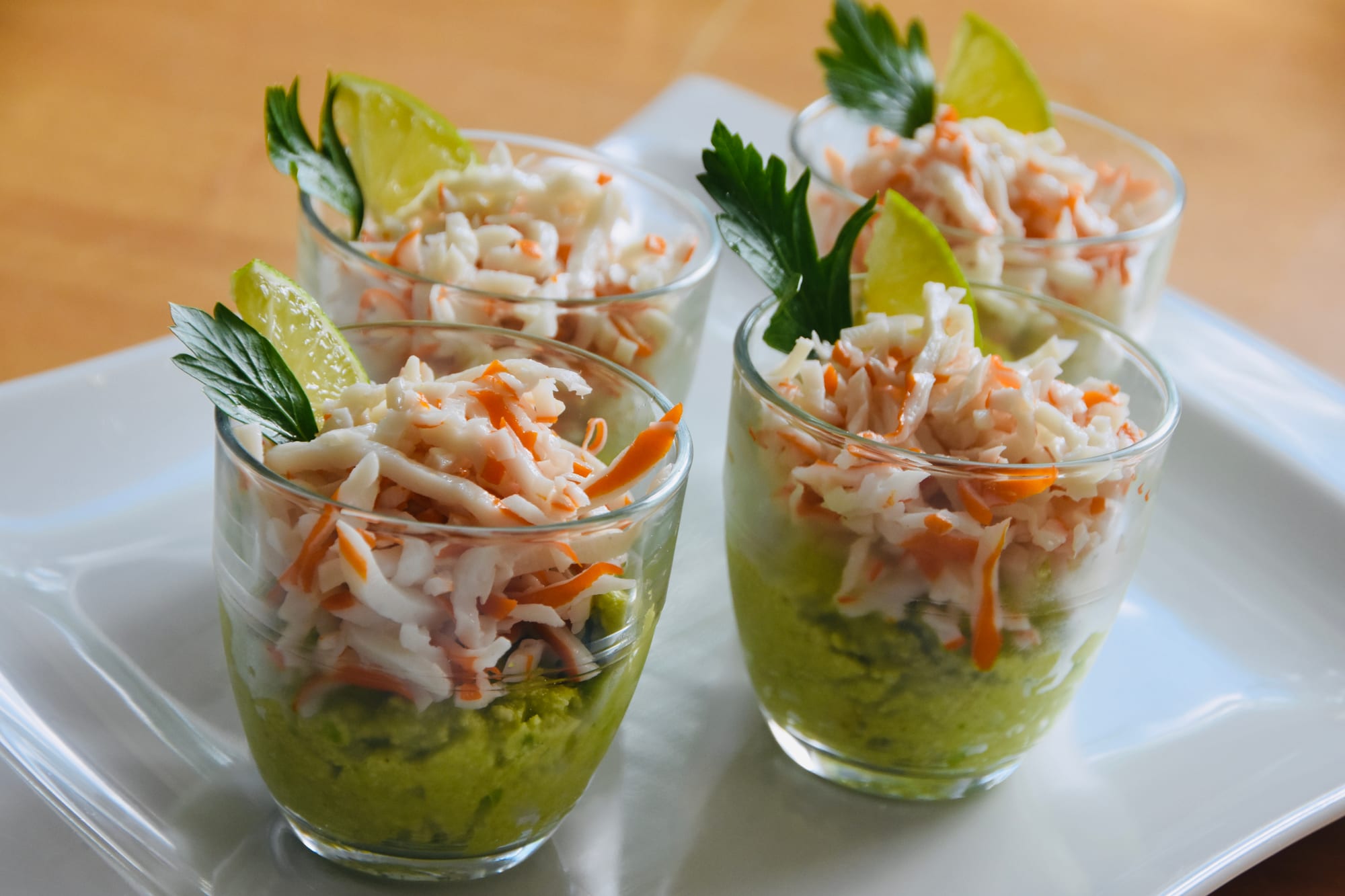
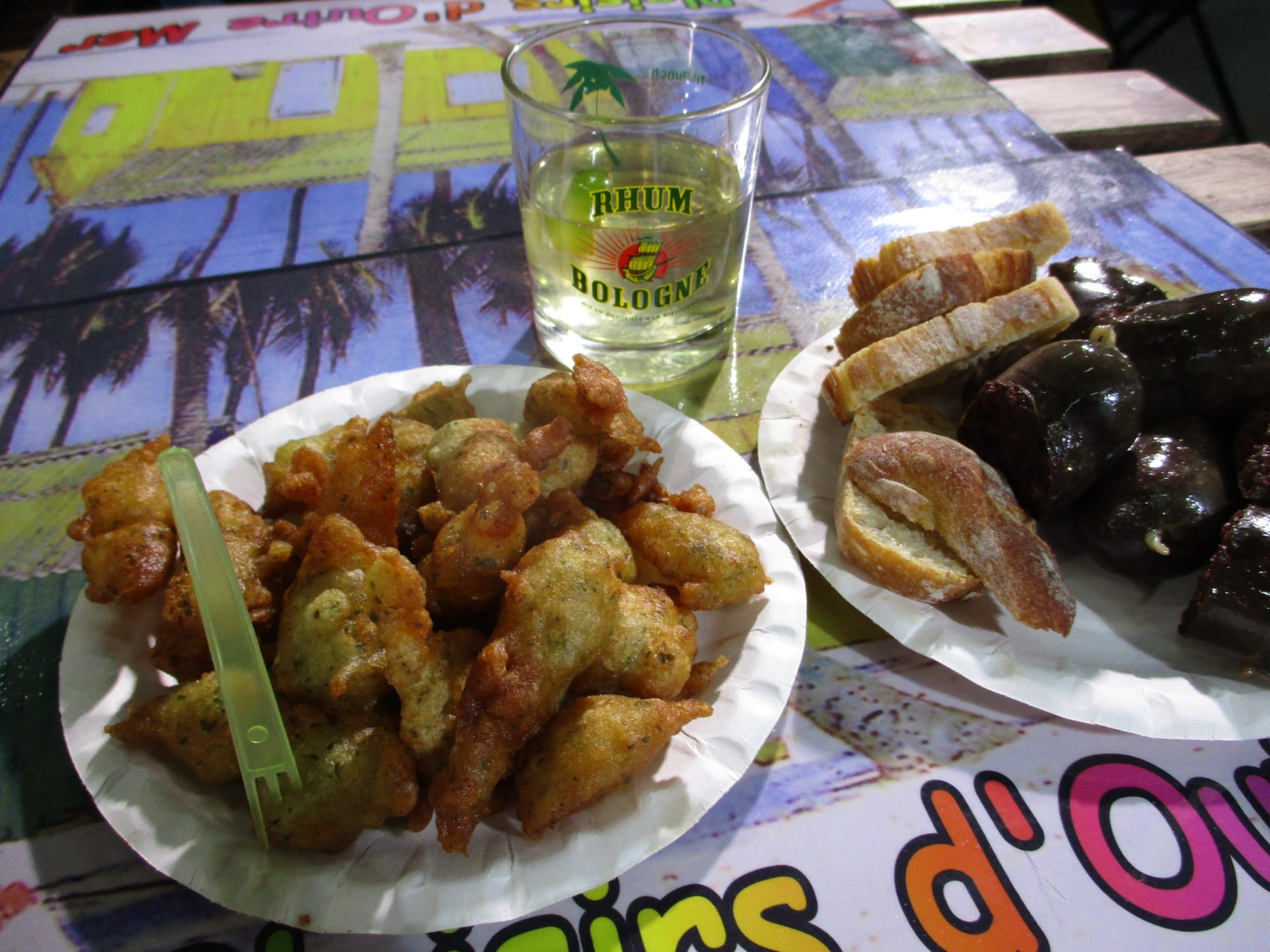
Accras de morue, deep-fried saltfish fritters, are one of Guadeloupe's most beloved everyday foods, served as a snack, starter or street food across the island. Féroce d'avocat, a distinctly Guadeloupean dish combining mashed avocado, cassava flour, saltfish and fiery Scotch bonnet chilli, is another genuine local specialty rather than a dish shared broadly across the wider Caribbean.
History behind the spice
Colombo's spice blend and cooking method trace directly to the roughly 42,000 Indian indentured labourers brought to Guadeloupe between 1854 and 1889 to work sugar plantations after slavery's abolition, a history that also shaped Guadeloupe's Hindu temples and cultural festivals still active today. That layer sits alongside an older African-rooted Creole cooking tradition and French culinary technique carried over from Guadeloupe's status as part of France.
Dishes to know
Five more to recognise across Guadeloupe:
- Accras de morue — deep-fried saltfish fritters, one of the island's
most common snacks and starters.
- Boudin créole — a spiced Creole blood sausage, often served alongside
accras at gatherings.
- Bébélé — a tripe and vegetable stew associated with the island of
Marie-Galante, part of Guadeloupe.
- Court-bouillon de poisson — fish poached in a spiced tomato-based
broth.
- Dombré — small dumplings, often served in a bean or vegetable stew.
Drinks
Ti-punch, a simple mix of rum, lime and cane sugar syrup, is Guadeloupe's signature drink, usually mixed to each drinker's own taste rather than a fixed recipe. Guadeloupe's rhum agricole, distilled directly from fresh sugarcane juice rather than molasses, is internationally respected and distinct from most other Caribbean rum styles.
Eating as a traveller
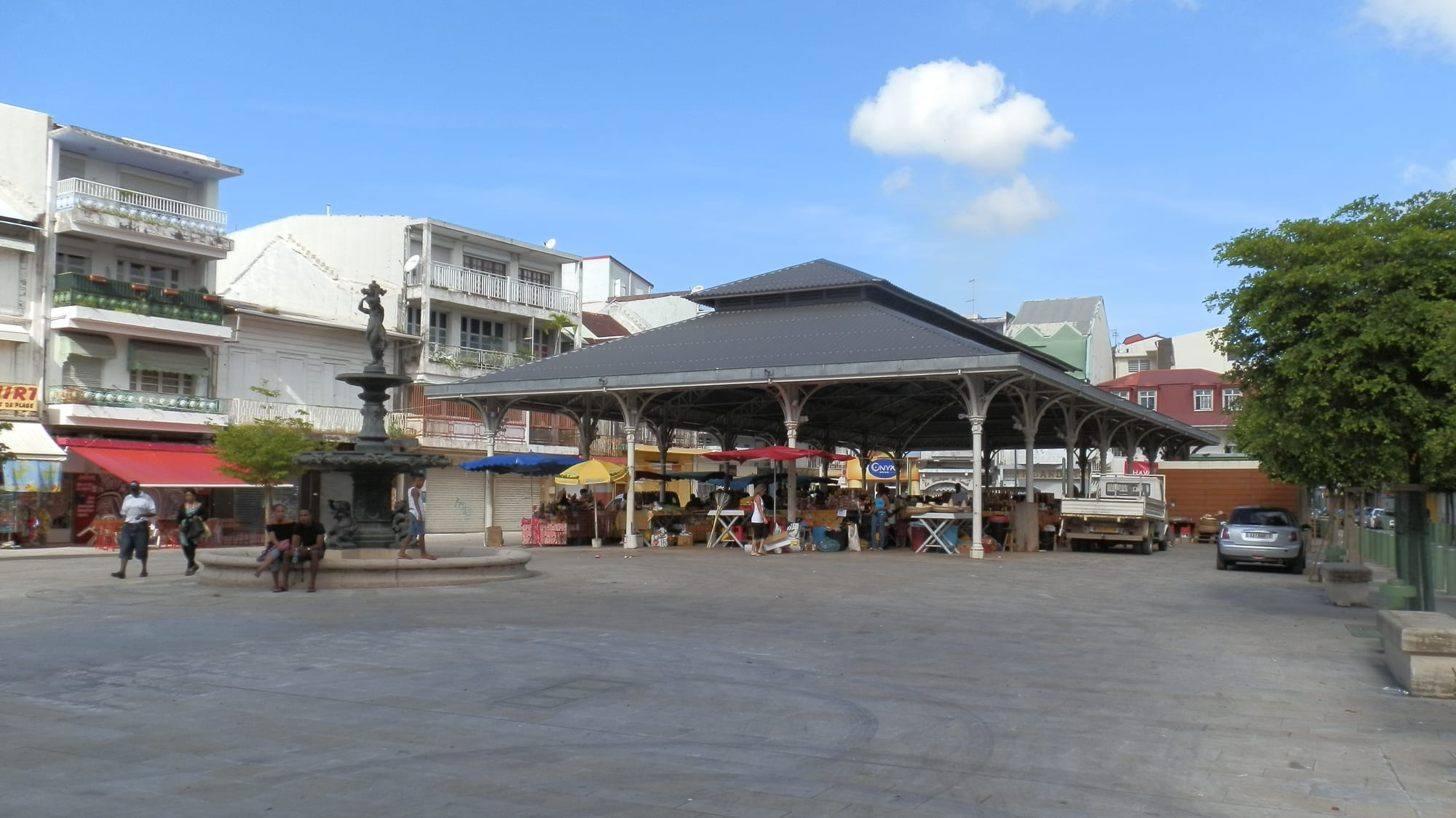
Vegetarians will find dombré, vegetable stews and some accras variations manageable, though seafood and meat dominate most traditional dishes. Tap water is safe throughout the island. Visiting Pointe-à-Pitre's historic covered market is a genuinely good way to see Guadeloupe's Creole, French and Indian food traditions side by side before choosing what to eat.
What to take from the table
Colombo, rich with its distinctive spice blend, is the dish that most directly tells Guadeloupe's food story — and a plate of accras with a ti-punch alongside it is the easiest, most sociable way into the rest of the island's Creole table.