History · Grenada
Grenada: The Spice Island and the Revolution
A small Windward island of nutmeg and cocoa — Carib resistance, French and British sugar, a socialist revolution in 1979, and the American invasion that ended it
By Worldlore Editorial · 10 September 2026
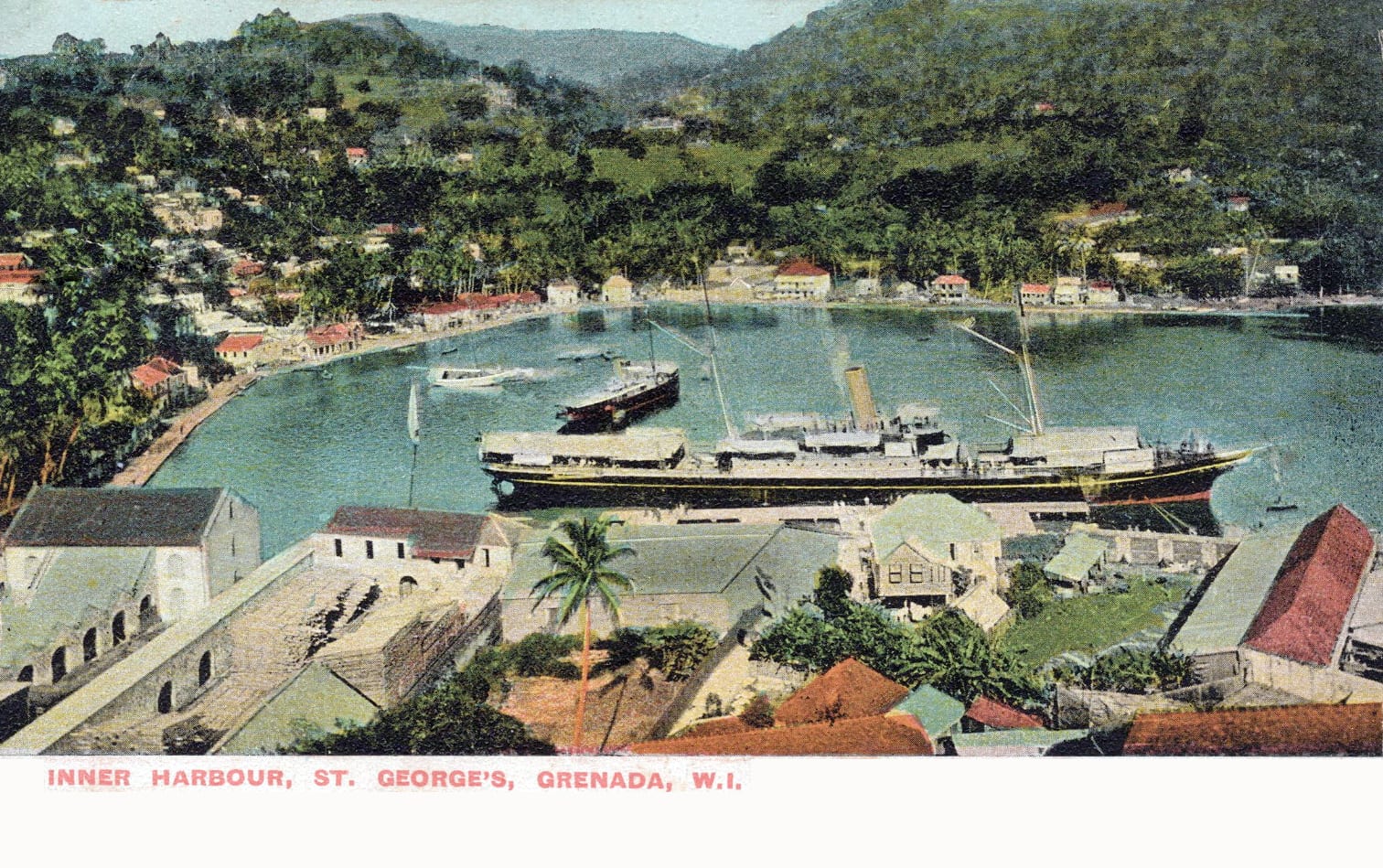
A small island with an outsized story
Grenada is the southernmost of the Windward Islands, a volcanic speck of rainforest and spice plantations with about 113,000 people, along with the smaller islands of Carriacou and Petite Martinique. It is known as the Spice Isle for its nutmeg, mace, cinnamon and cloves. And for a few years in the early 1980s it was one of the most closely watched places on Earth, as a Caribbean socialist revolution unravelled and drew in an American invasion.
A short history
- pre-1498
The Kalinago
Carib people call the island Camáhogne.
- 1498
Columbus
Sights the island; European settlement is resisted for 150 years.
- c. 1650
French colony
France takes the island; the last Caribs die at Sauteurs.
- 1763
British rule
Grenada is ceded to Britain; sugar and slavery expand.
- 1795–1796
Fédon's Rebellion
A major uprising nearly takes the island.
- 1843
Nutmeg
Introduced; it becomes the island's signature crop.
- 1974
Independence
Eric Gairy becomes prime minister.
- 1979
The Revolution
The New Jewel Movement overthrows Gairy.
- 1983
Collapse and invasion
Maurice Bishop is killed; the US invades.
Caribs, French, and British
The Kalinago resisted European settlement for a century and a half. When the French finally took the island around 1650, the last Carib defenders are said to have leapt from a cliff at Sauteurs rather than surrender. The French built indigo and then sugar plantations worked by enslaved Africans.
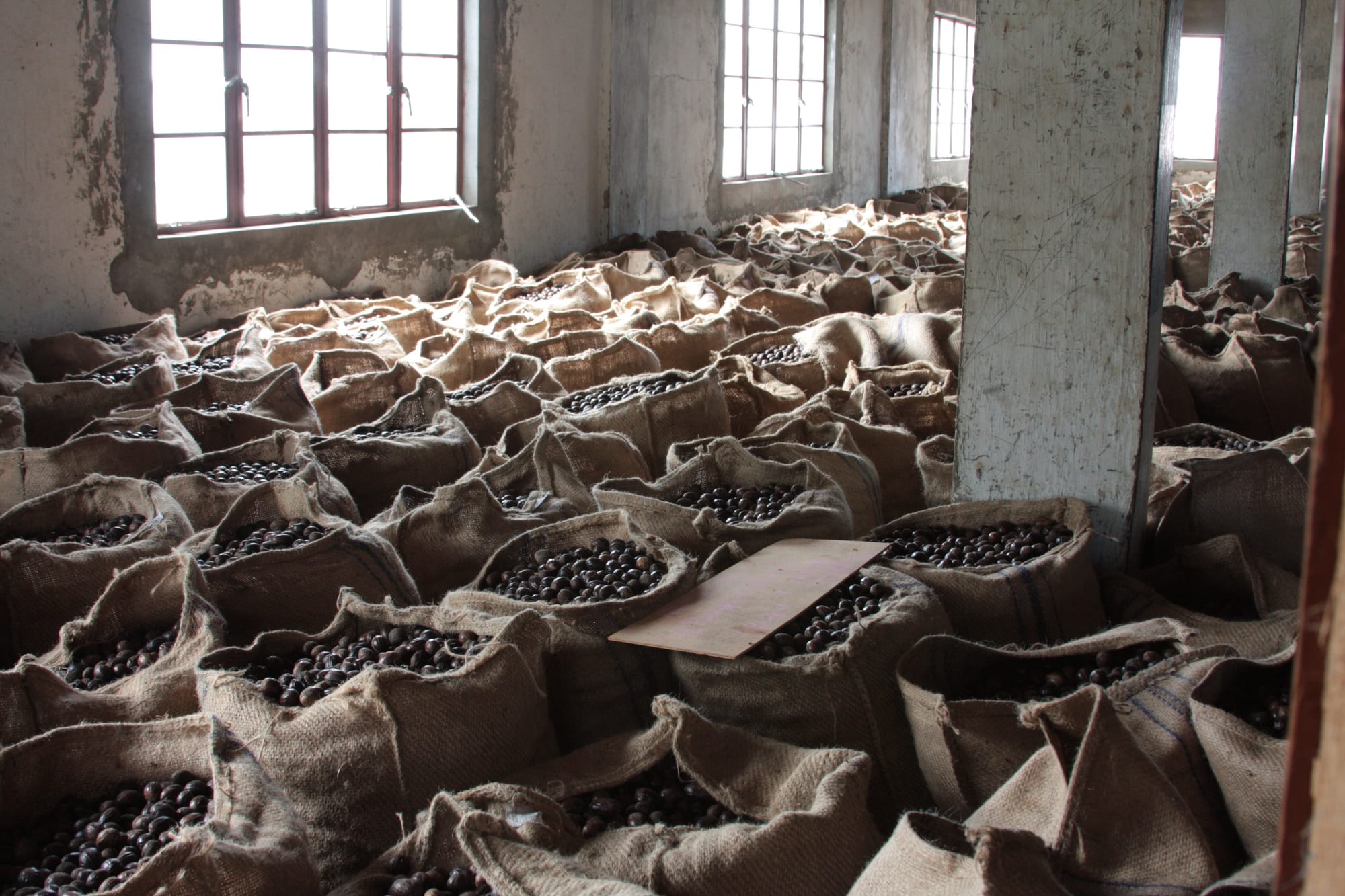
Grenada was ceded to Britain in 1763. In 1795 Julien Fédon, a mixed-race planter inspired by the French and Haitian revolutions, led an uprising that held most of the island for more than a year before it was crushed. After slavery was abolished in the 1830s, and after hurricanes and falling prices hurt sugar, the island turned to nutmeg, introduced in 1843.
Gairy, and the Revolution
Grenada gained internal self-government in 1967 and full independence on 7 February 1974, under Eric Gairy — a union leader turned populist politician whose rule became autocratic, complete with a private squad of enforcers and the prime minister's well-known preoccupation with UFOs.
On 13 March 1979 the leftist New Jewel Movement, led by Maurice Bishop, overthrew Gairy in a near-bloodless coup while he was abroad. The People's Revolutionary Government suspended the constitution and ruled by decree, but it was also genuinely popular for a time, with literacy drives, clinics and co-operatives, and it aligned Grenada with Cuba and the Soviet bloc. A new international airport, built with Cuban help, alarmed Washington.
Collapse and invasion
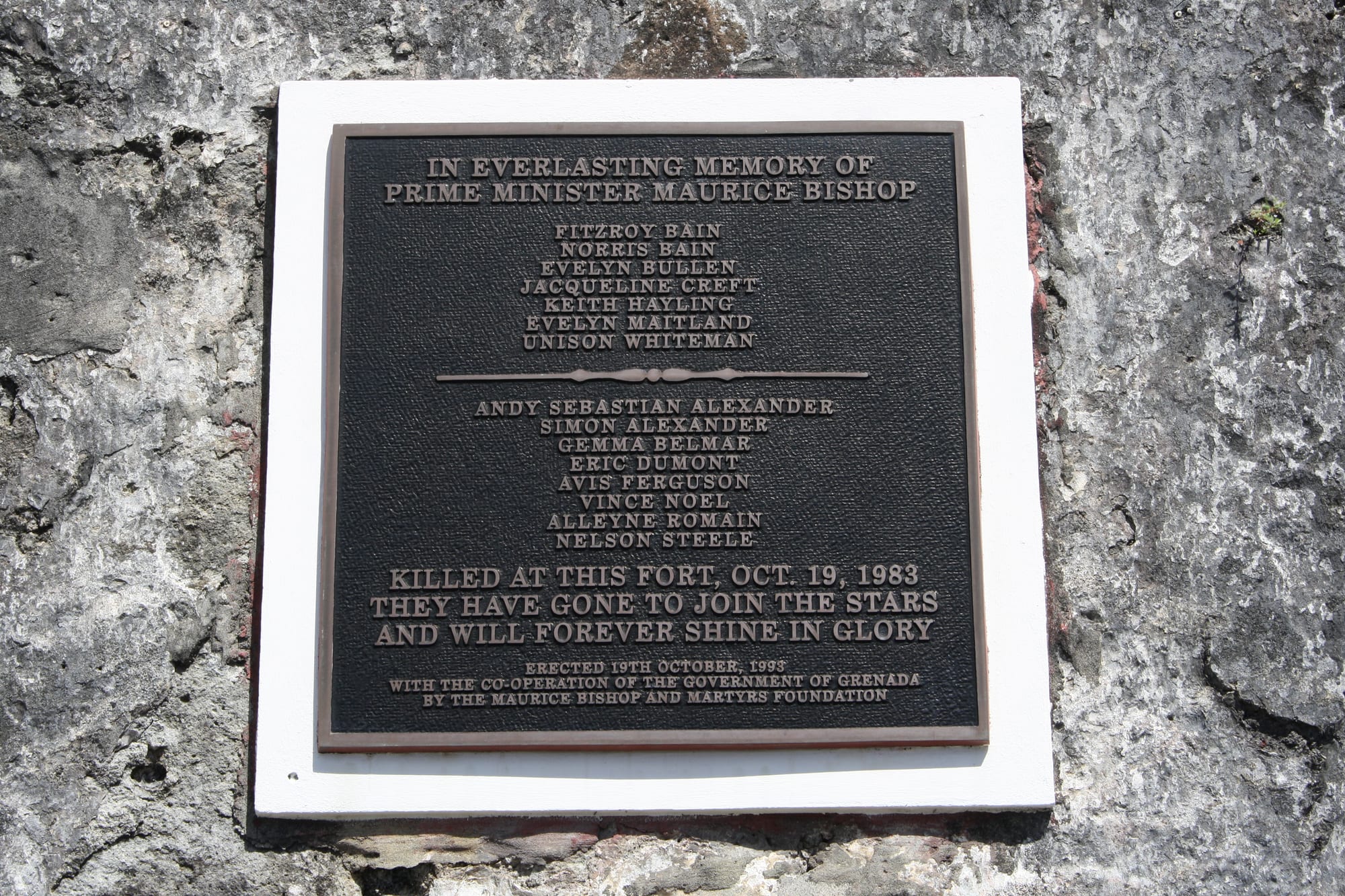
A power struggle inside the New Jewel Movement between Bishop and the more hardline Bernard Coard ended with Bishop under house arrest. A crowd freed him on 19 October 1983 and marched to Fort George, where soldiers opened fire and Bishop and others were taken inside and shot. A Revolutionary Military Council seized power and imposed a shoot-on-sight curfew.
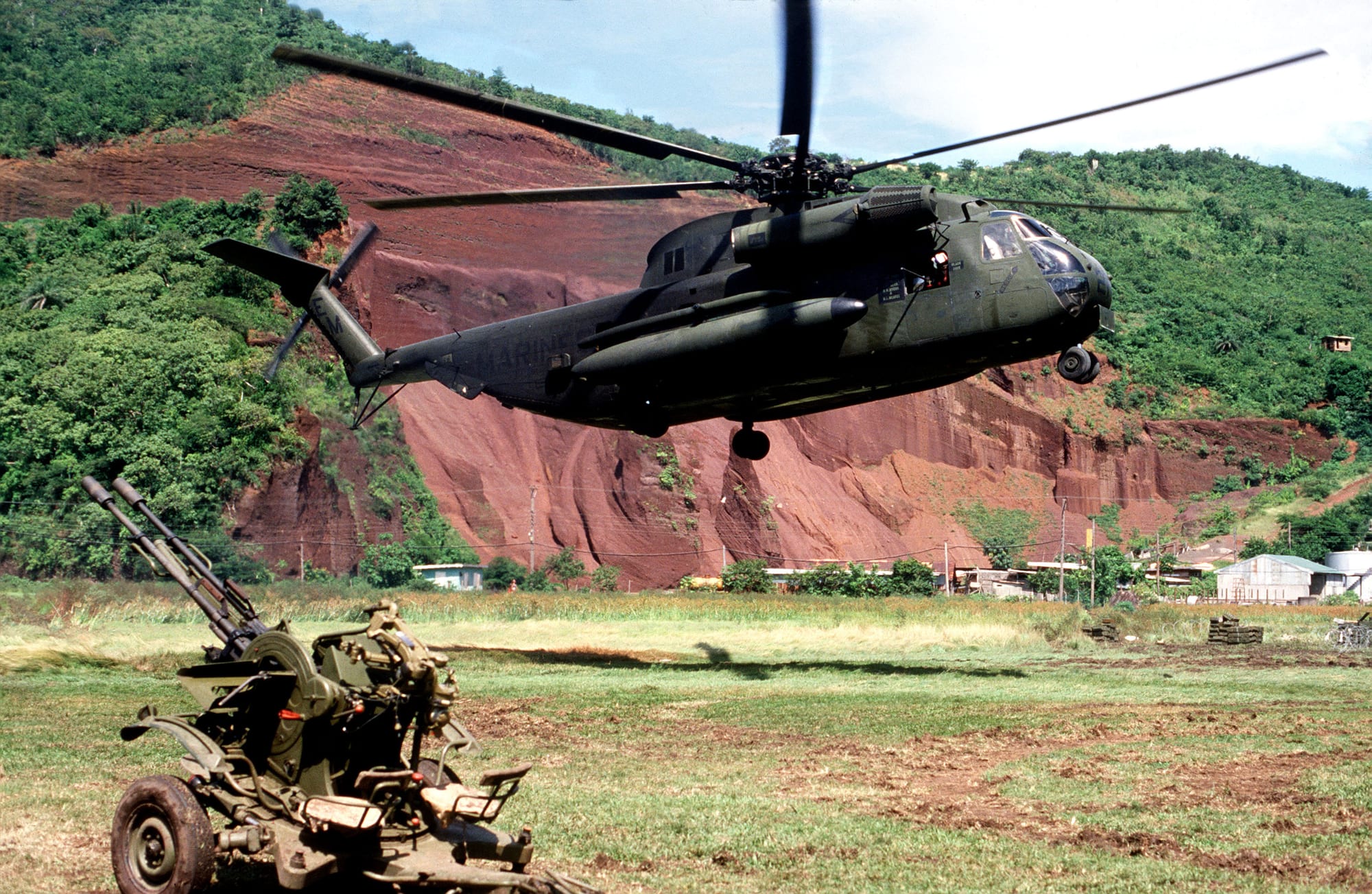
On 25 October 1983 the United States invaded, citing the safety of American medical students, a request from neighbouring Caribbean states, and the Cold War stakes. Resistance from the Grenadian army and armed Cuban workers ended within days. The invasion was condemned abroad and welcomed by many Grenadians relieved to see the military council gone.
Grenada now
Democracy was restored, with elections in 1984. The airport was finished with American money and later renamed for Bishop, whose body was never recovered. Coard and others were convicted of his murder and eventually released by 2009. Since then Grenada has been a stable parliamentary democracy, its two main parties alternating in power, its economy resting on tourism, spices and the offshore medical university. Hurricane Ivan flattened much of the island in 2004 and destroyed the nutmeg trees, which take years to regrow; Hurricane Beryl struck Carriacou hard in 2024.
What Grenada carries
Grenada's revolution was the only one of its kind in the English-speaking Caribbean, and its violent end — a socialist government executing its own leader, followed by an American invasion — marked the region for a generation. The island has been quietly democratic ever since, but the events of October 1983, and the unfound grave of Maurice Bishop, remain unfinished business.