Daily Life · Grenada
Grenada: An Island Still Paid in Nutmeg
A small, densely populated island where children are commonly raised by a wide circle of parents, grandparents and aunts and uncles, and where a spice largely destroyed by a single hurricane in 2004 is still a livelihood for many households
By Worldlore Editorial · 30 September 2026
Grenada packs around 115,000 people onto 133 square miles, one of the higher population densities in the Caribbean, and an ordinary day here still runs, more than most visitors expect, on nutmeg. The spice is on the national flag for good reason: nutmeg is Grenada's top export, and small farming households across the island still depend on it, even after Hurricane Ivan destroyed about 80 per cent of the island's nutmeg in 2004 and the industry had to be slowly rebuilt as new trees matured. Hurricane Beryl caused widespread damage again in 2024, especially on Carriacou and Petite Martinique. Family life is wide rather than narrow, churchgoing is widespread in a population that is about 85 per cent Christian, and markets and school runs still shape the rhythm of most towns more than any office routine does.
Family and home life
Raising children in Grenada is generally understood as a shared job across a wide family circle rather than one held tightly by two parents: it is common and unremarkable for grandparents, older siblings, and aunts and uncles to take an active hand in childcare, particularly when a parent is working away from home or abroad. Children born to parents who are not formally married are common and widely accepted, without the stigma the arrangement might carry elsewhere, and land is, for many rural households, the main form of family wealth. Housing ranges from traditional wooden houses with wide porches to newer concrete-block homes, with extended family often settled within walking distance of one another on the same family land.
Work, school and the rhythm of the day
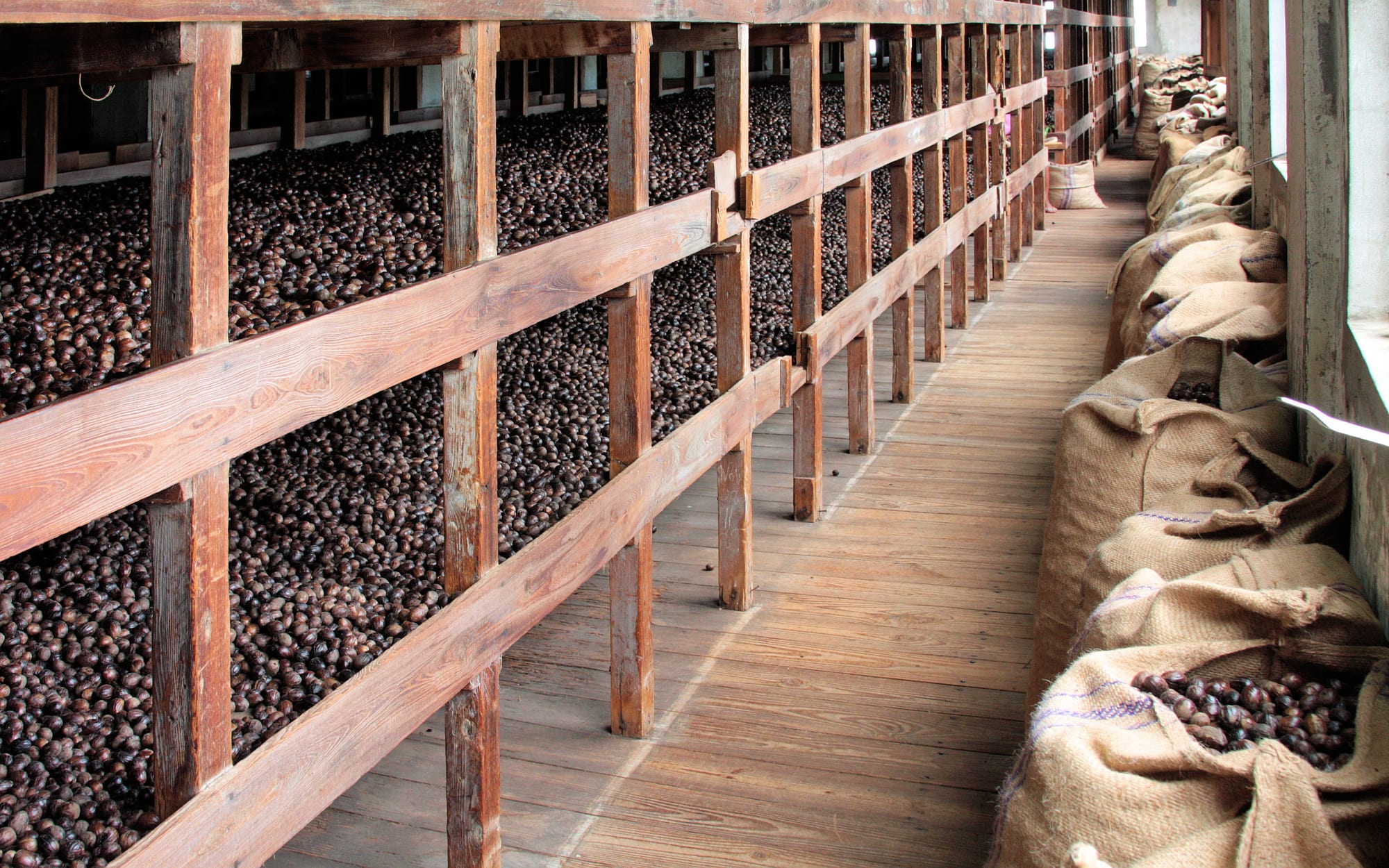
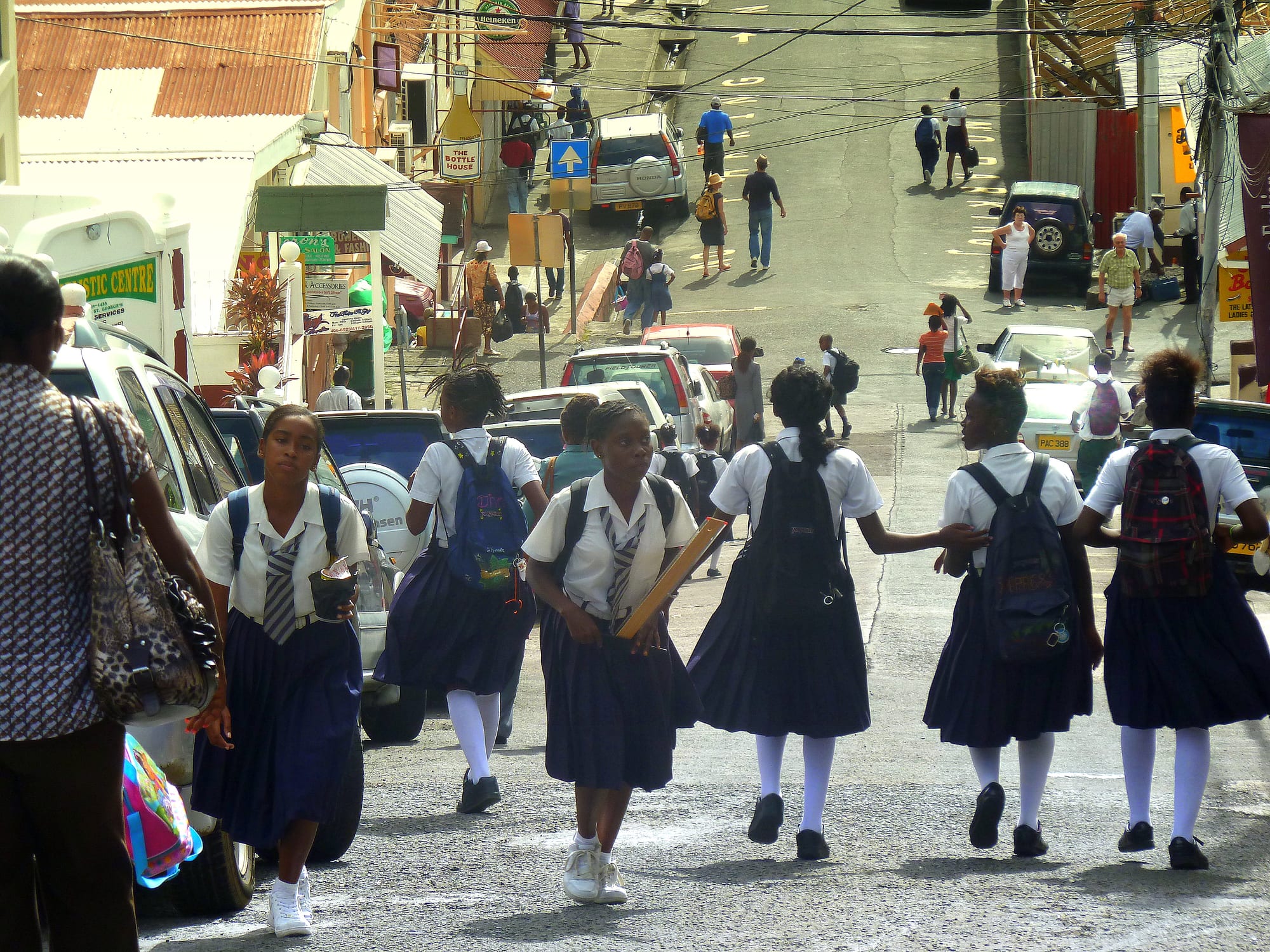
Nutmeg and its by-product mace, along with cocoa, are still grown by a large number of small farmers: about three in four nutmeg growers sell less than 500 pounds a year, though a small number of larger growers produce a big share of the crop. Many farmers bring their harvest to the Grenada Co-operative Nutmeg Association for processing and export, work that ties a meaningful share of rural households to the same crop that's stamped on the national flag. Schoolchildren wear uniforms, a normal sight on the roads and in town centres at the start and end of the school day, and the school run remains one of the most visible daily rhythms in St George's and the smaller towns alike.
Community life and public spaces
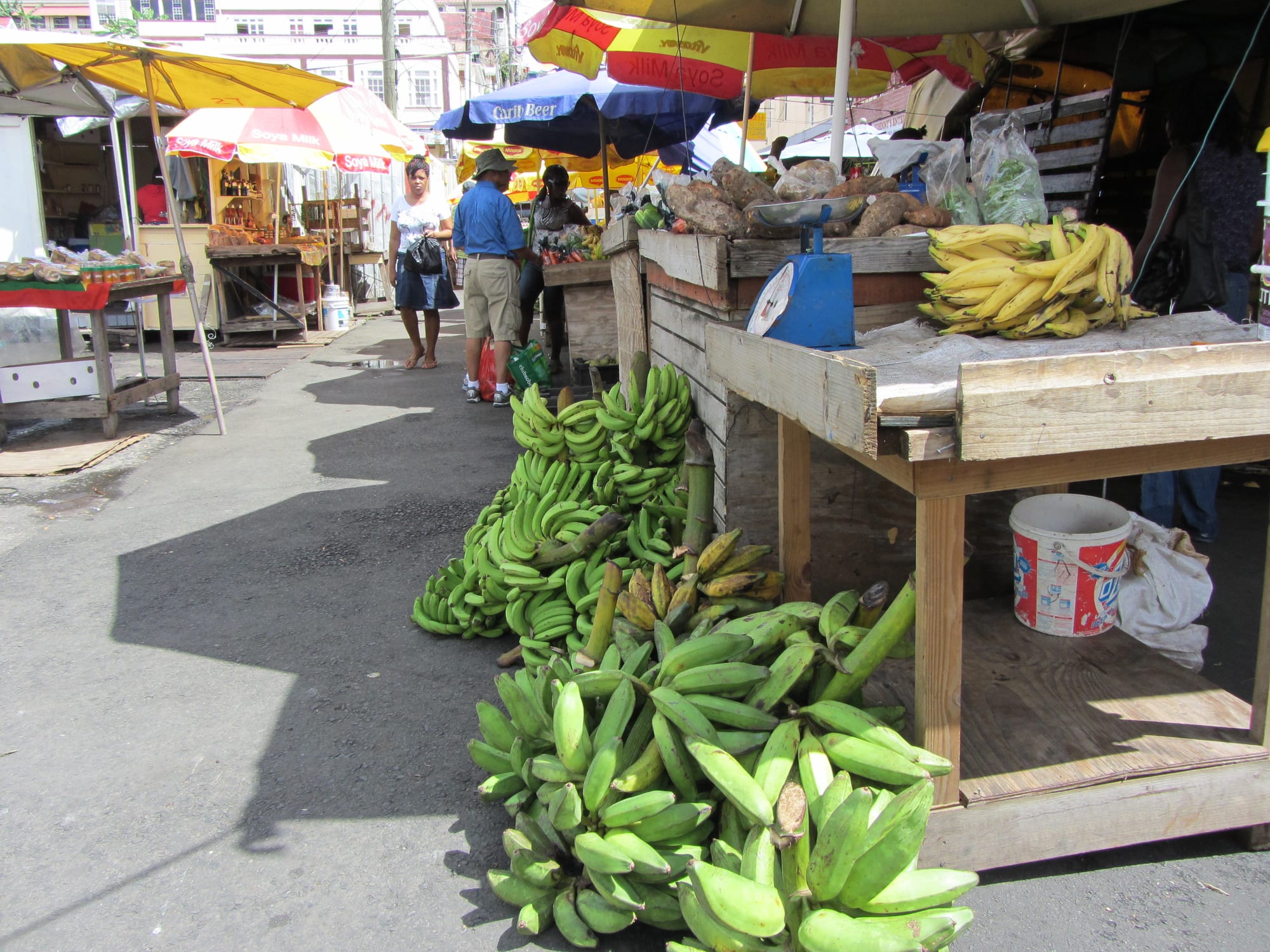
The market in St George's is the country's clearest everyday gathering point, stalls of bananas, root vegetables and spices spilling into the surrounding streets and drawing shoppers from across the island. Shared minibuses, identifiable by route numbers rather than fixed timetables, are the ordinary way most Grenadians without a car get around, leaving from informal stands once they have enough passengers. Church, given how overwhelmingly Christian the population is, remains a central weekly fixture, and Sunday services draw large, well-attended congregations in towns and villages alike.
Free time and weekends
Cricket is the national and most popular sport, played on open ground across the island and part of a wider West Indian sporting culture; Grenada was one of the hosts of the 2007 Cricket World Cup. Sitting and talking with friends and neighbours, often outside a local rum shop or on a porch, an unhurried social habit known locally as liming, is a common and genuinely ordinary way to spend free time rather than a special occasion. Grand Anse and the island's other beaches draw local families at the weekend as much as visitors, and church-related social events fill a good deal of Sunday afternoons for many households.
A visitor's ordinary day
Grenada uses the East Caribbean dollar, pegged at EC$2.70 to the US dollar, and US dollars are widely accepted with change usually given in EC dollars. Cash is worth carrying for minibuses and market stalls even where cards are accepted elsewhere. Getting around by minibus means learning the route numbers and flagging one down rather than looking for a fixed stop, and fares are agreed or already known rather than metered. Away from Grand Anse and the main hotel strip, the roads climbing into the interior are narrow, steep and winding, so a hired car is worth taking slowly, especially after rain.
What to take away
An ordinary day in Grenada still turns on two things that predate any resort: a spice the island has spent years replanting, and a family structure built wide enough that raising a child has never really been just one or two people's job.