History · Greece
Greece: The Long Inheritance
Minoan palaces, the city-states and their golden age, Alexander's empire, a thousand years of Byzantium, four centuries under the Ottomans, and a modern nation rebuilt on the memory of all of it
By Worldlore Editorial · 19 September 2026
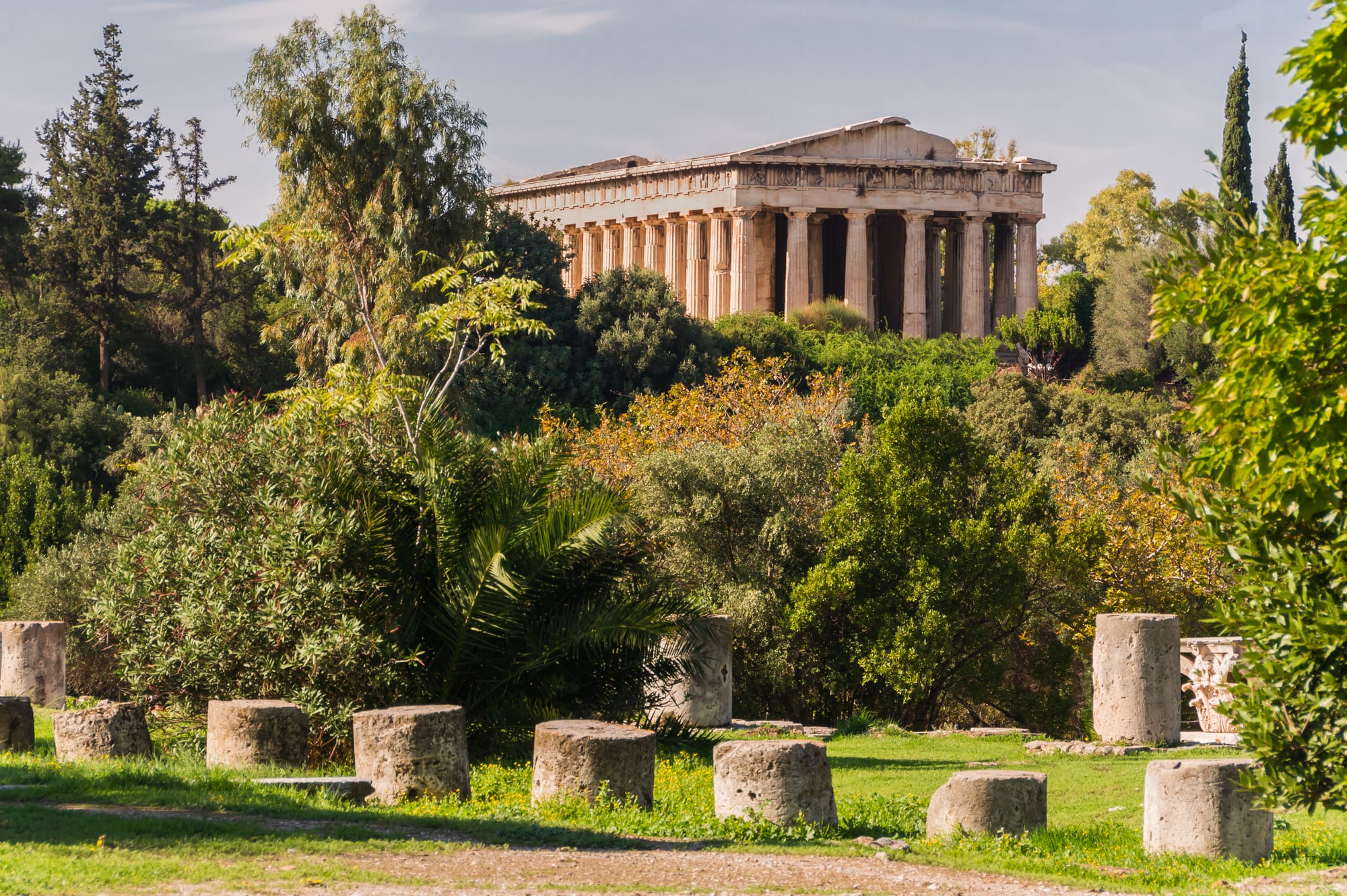
A country carrying several histories
Few places are asked to be as many things as Greece. It is the source, with qualifications, of Western philosophy, drama, historical writing, competitive athletics and democracy. It was also, for a thousand years, the heart of the Christian Byzantine Empire. It then spent four centuries inside the Ottoman Empire. And it is a small modern nation-state, built after 1830 on the deliberate memory of the classical and Byzantine pasts — a project that has shaped, and sometimes burdened, everything since.
A short history
- c. 2000–1450 BCE
Minoan Crete
Palace civilisation with its own script and frescoes.
- c. 1600–1100 BCE
Mycenaean Greece
Citadel kingdoms; the world of Homer.
- 776 BCE
First Olympics
Traditional date; the city-state era is under way.
- 480–479 BCE
The Persian Wars
A Greek coalition repels the Persian Empire.
- 447–432 BCE
The Parthenon
Athens' golden age under Pericles.
- 336–323 BCE
Alexander
Macedon conquers Persia; Greek culture spreads to India.
- 330 CE
Constantinople
The Greek-speaking Christian empire begins.
- 1453
The fall
The Ottomans take Constantinople.
- 1821–1830
War of Independence
A small Greek kingdom is created.
- 1967–1974
The junta
Military dictatorship, then democracy.
Before the Greeks
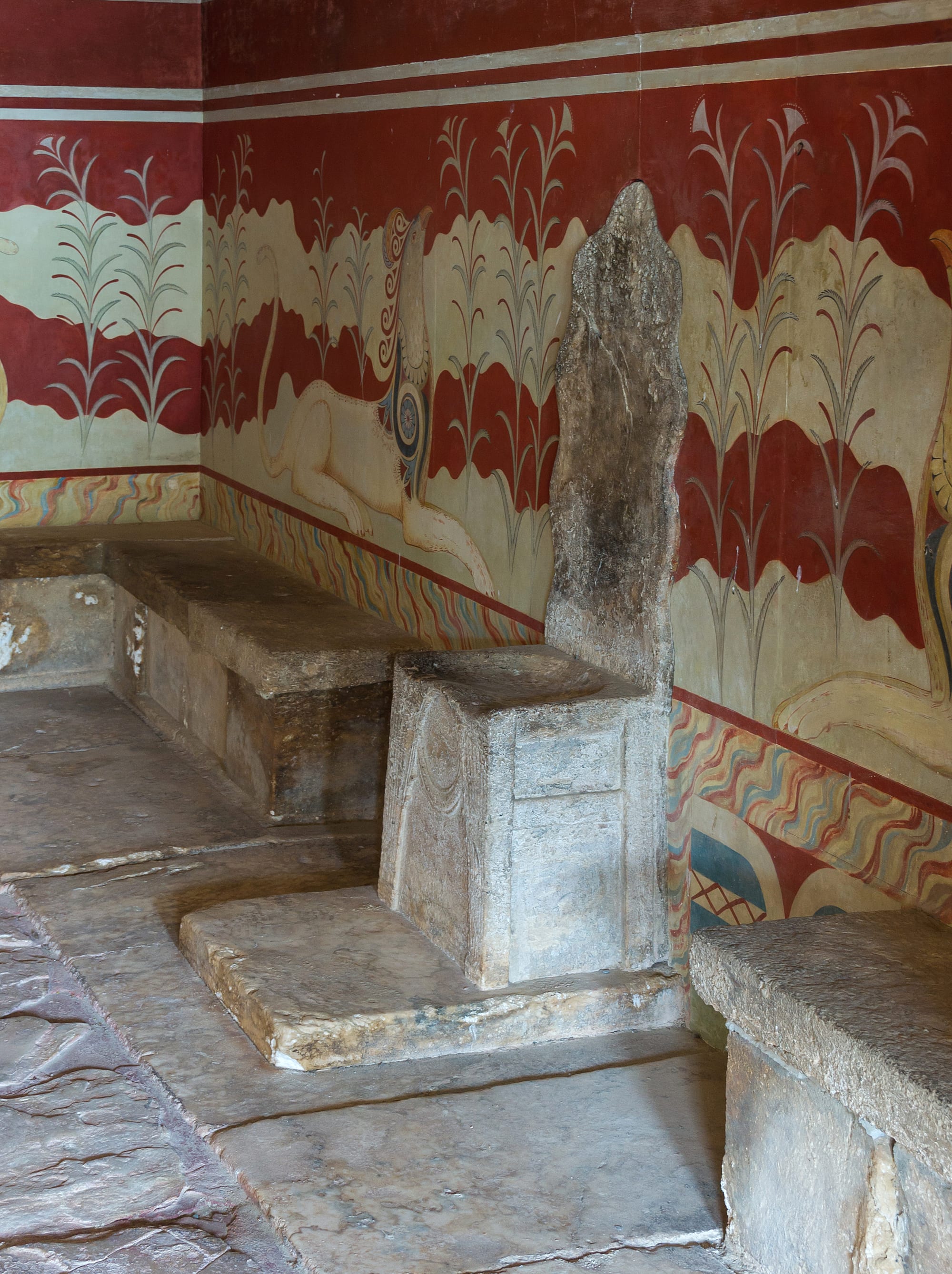
By around 2000 BCE the island of Crete held Europe's first advanced civilisation, the Minoan — palace complexes, a still-undeciphered script, wall paintings of bull-leaping and processions, and a fleet that dominated the Aegean.
Minoan Crete
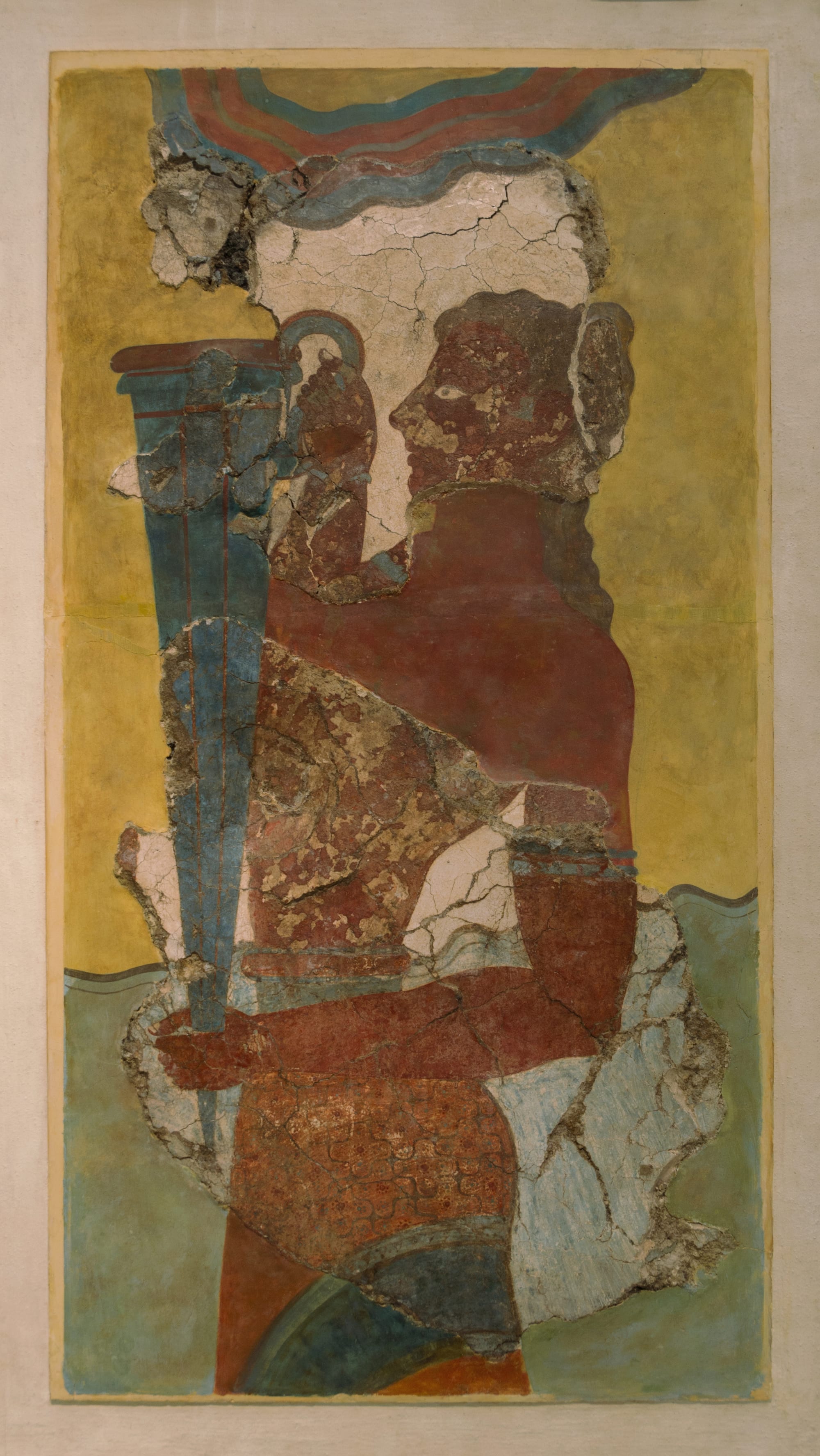
On the mainland, the Mycenaeans built fortified palace-kingdoms and wrote an early form of Greek. Their world collapsed around 1200–1100 BCE in the wider Late Bronze Age crisis, and Greece lost writing for centuries.
The city-states and the classical age
Out of the recovery came the polis, the independent city-state, and a burst of expansion: a new alphabet adapted from the Phoenicians, the Homeric epics written down, colonies planted from Marseille to the Black Sea, and the first Olympic Games. In 490 and 480 BCE a coalition of these small states — Athens and Sparta foremost — repelled two invasions by the Persian Empire, at Marathon, Salamis and Plataea.
The victory made possible the Athenian golden age: radical citizen democracy, the Parthenon, the tragedies of Aeschylus, Sophocles and Euripides, the histories of Herodotus and Thucydides, and the philosophy of Socrates. Athens and Sparta then wrecked each other in the Peloponnesian War (431–404 BCE), and in the vacuum the kingdom of Macedon rose. Philip II conquered Greece in 338 BCE; his son Alexander conquered the Persian Empire as far as India.
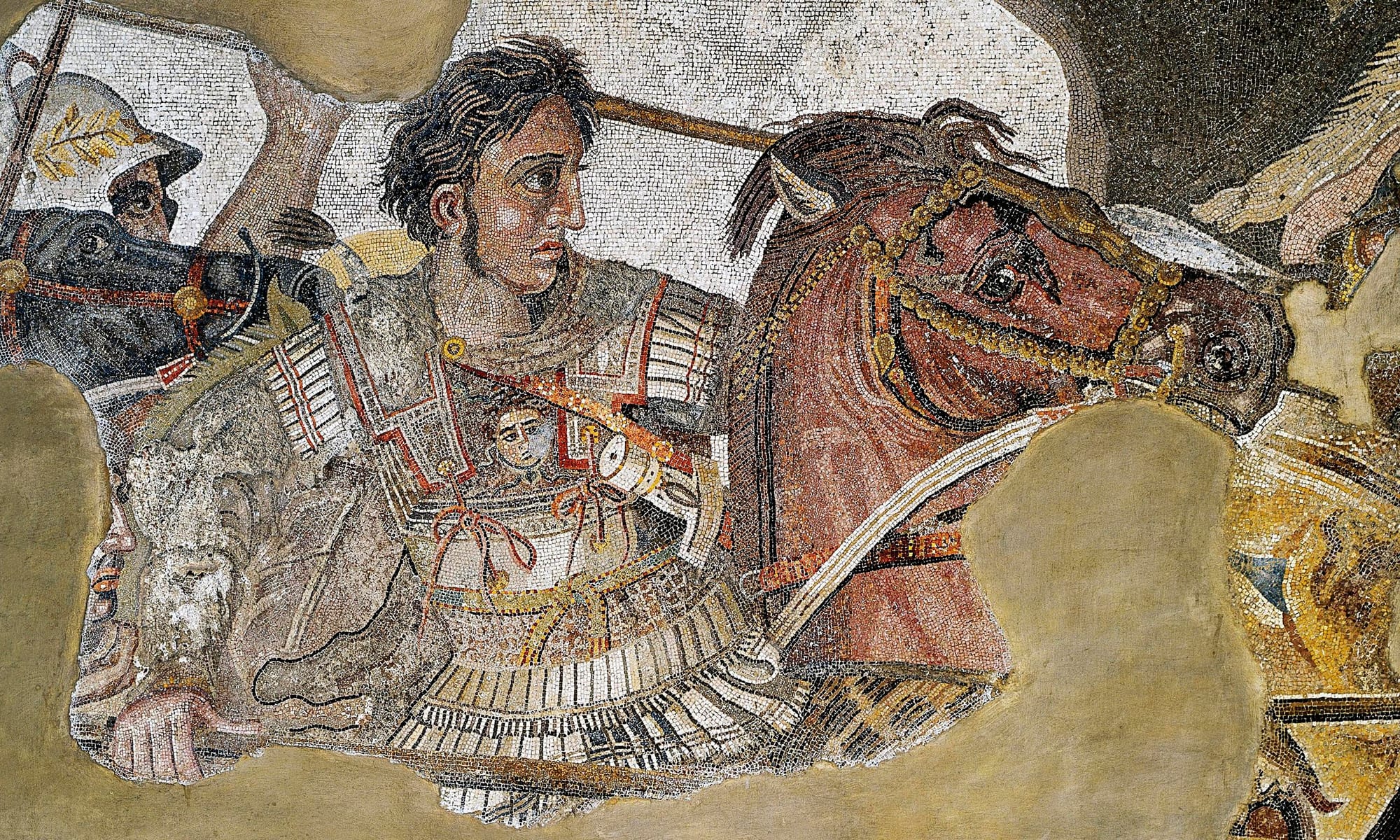
Rome absorbed the Greek world over the 2nd and 1st centuries BCE — and was thoroughly Hellenised in the process. Christianity spread early through the Greek cities of Corinth, Athens and Thessalonica.
The Byzantine millennium
When the Roman Empire divided, its eastern half — Greek-speaking, Orthodox Christian, ruled from Constantinople, founded in 330 — carried on for more than a thousand years as what later historians called the Byzantine Empire. Greece proper was one of its core regions, though repeatedly raided, and after the Fourth Crusade of 1204 partly carved up among Venetian and "Frankish" lords.
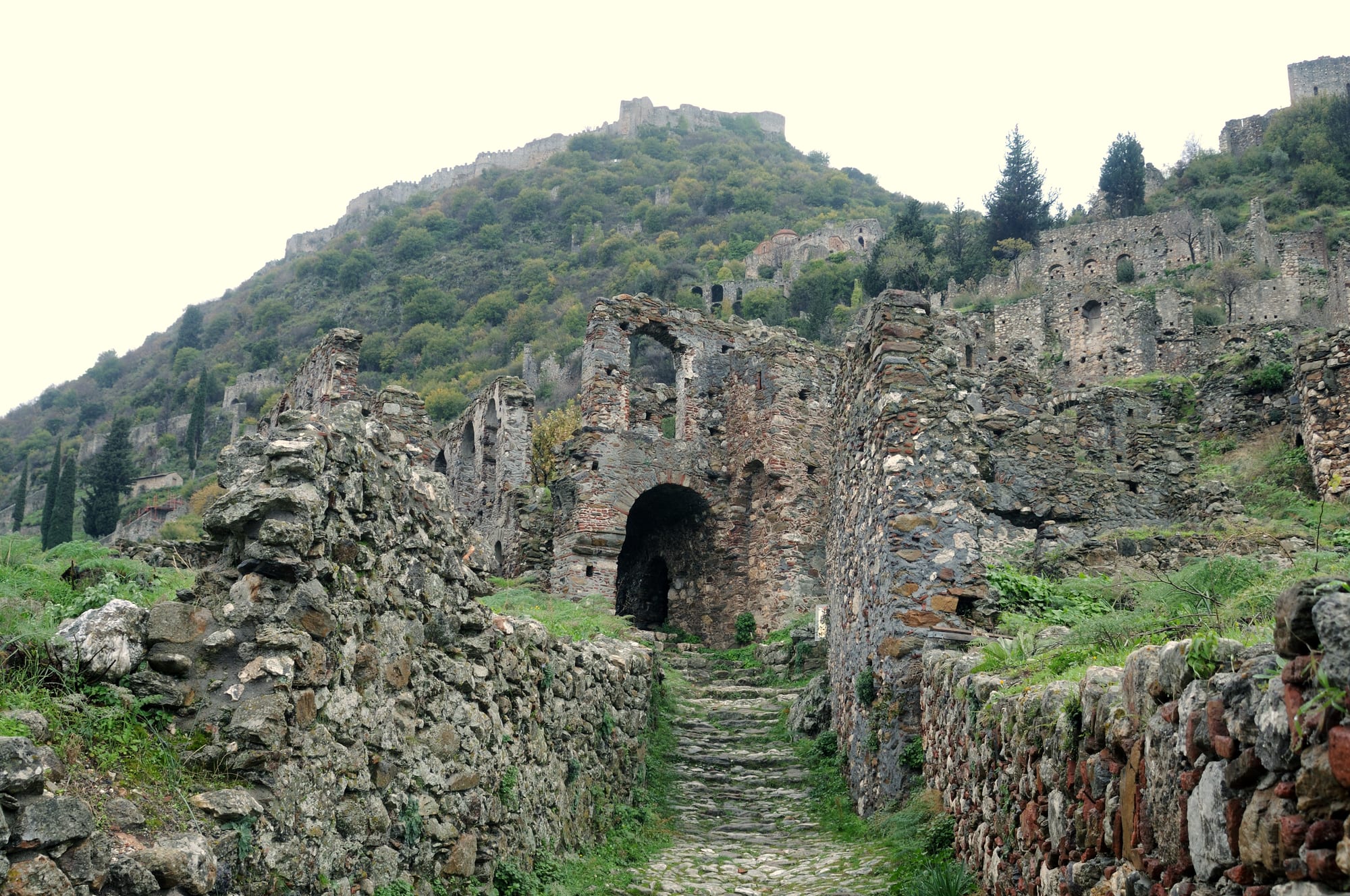
Constantinople fell to the Ottomans in 1453, and over the next two centuries the Greek lands became Ottoman provinces. The Orthodox Church was given authority over the Christian population, a Greek administrative class rose in Ottoman service, and a Greek merchant diaspora spread across the Mediterranean and beyond.
Independence and the Great Idea
Inspired by the Enlightenment and organised by a secret society, Greeks rose against Ottoman rule in 1821. The war was savage — massacres at Chios, the siege of Missolonghi — and drew passionate European sympathy; Lord Byron died at Missolonghi.
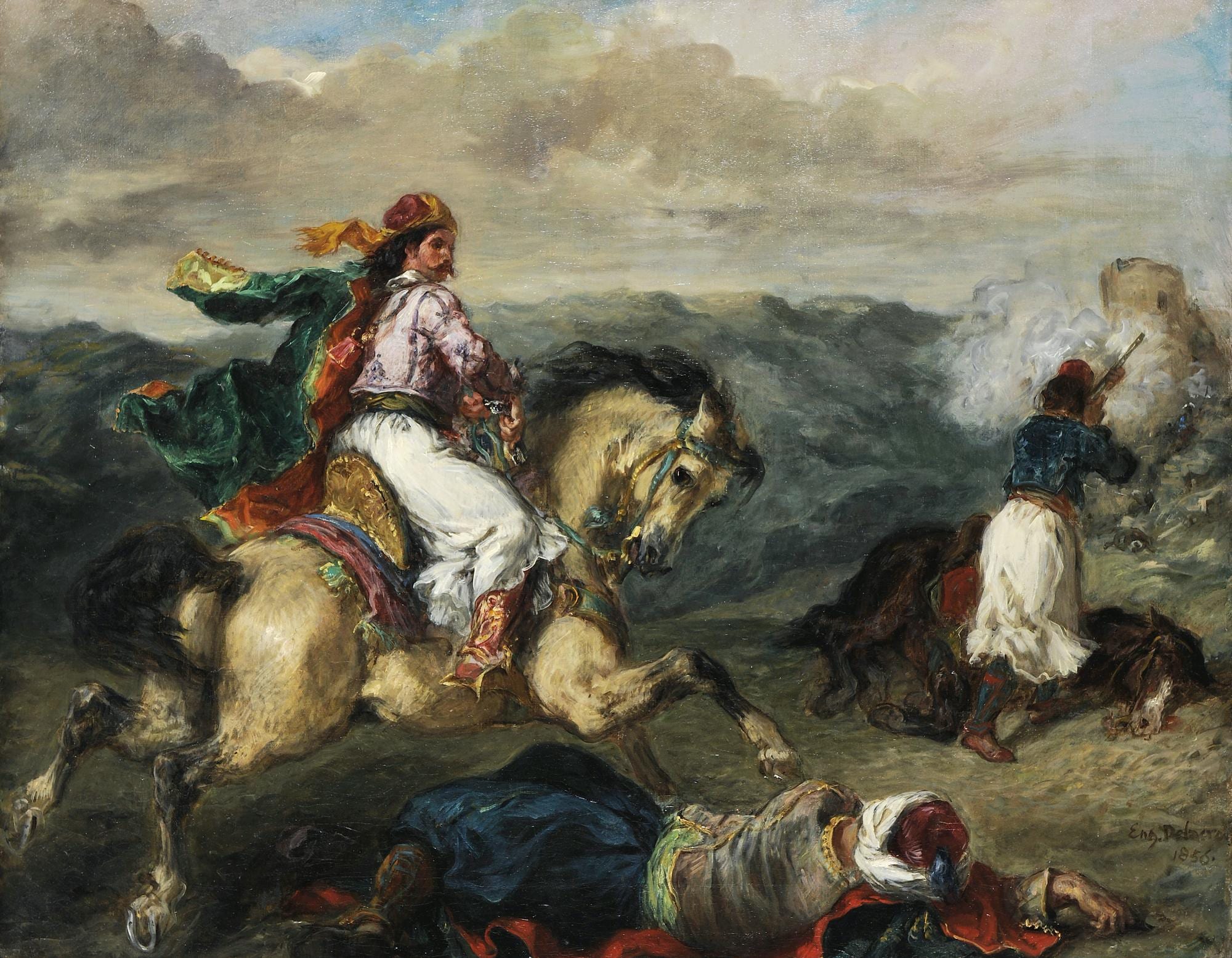
The kingdom recognised in 1830 was small — the Peloponnese, part of central Greece, the Cyclades — holding only a fraction of the land and people that Greeks considered Greek. Reuniting them became the national goal, the Megali Idea, the "Great Idea", and over the following century the borders grew: the Ionian Islands, Thessaly, and then, in the Balkan Wars of 1912–13, Macedonia, Epirus, Crete and the northern Aegean, nearly doubling the country.
Catastrophe, occupation, civil war
After the First World War Greece was awarded Smyrna and pushed an army deep into Anatolia. The Greco-Turkish War of 1919–22 ended in disaster — the Greek army routed, the city of Smyrna burned.
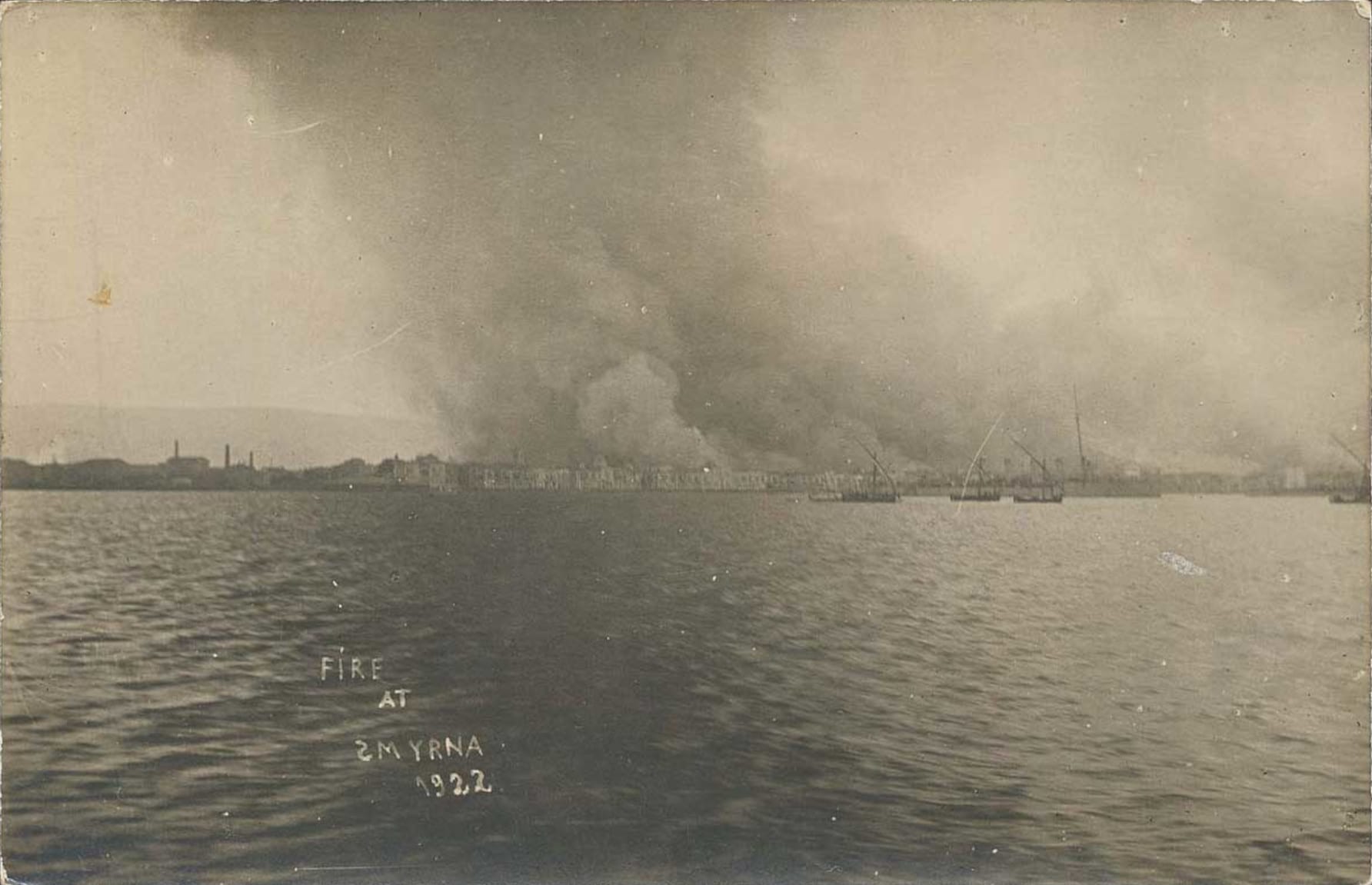
The refugees transformed Greek society. Instability followed — coups, a short-lived republic, then the Metaxas dictatorship. In 1940 Greece repelled an Italian invasion, then fell to Germany in 1941; the occupation brought famine to Athens, the destruction of the ancient Jewish community of Thessaloniki, and a large, mostly communist-led resistance. Almost immediately after liberation, a civil war (1946–49) between the Western-backed government and communist forces killed tens of thousands and split the country for a generation.
Junta, democracy, and crisis
Greece joined NATO in 1952 and grew fast, exporting workers to Germany and elsewhere. In April 1967 a group of army officers seized power and ran a repressive dictatorship for seven years.
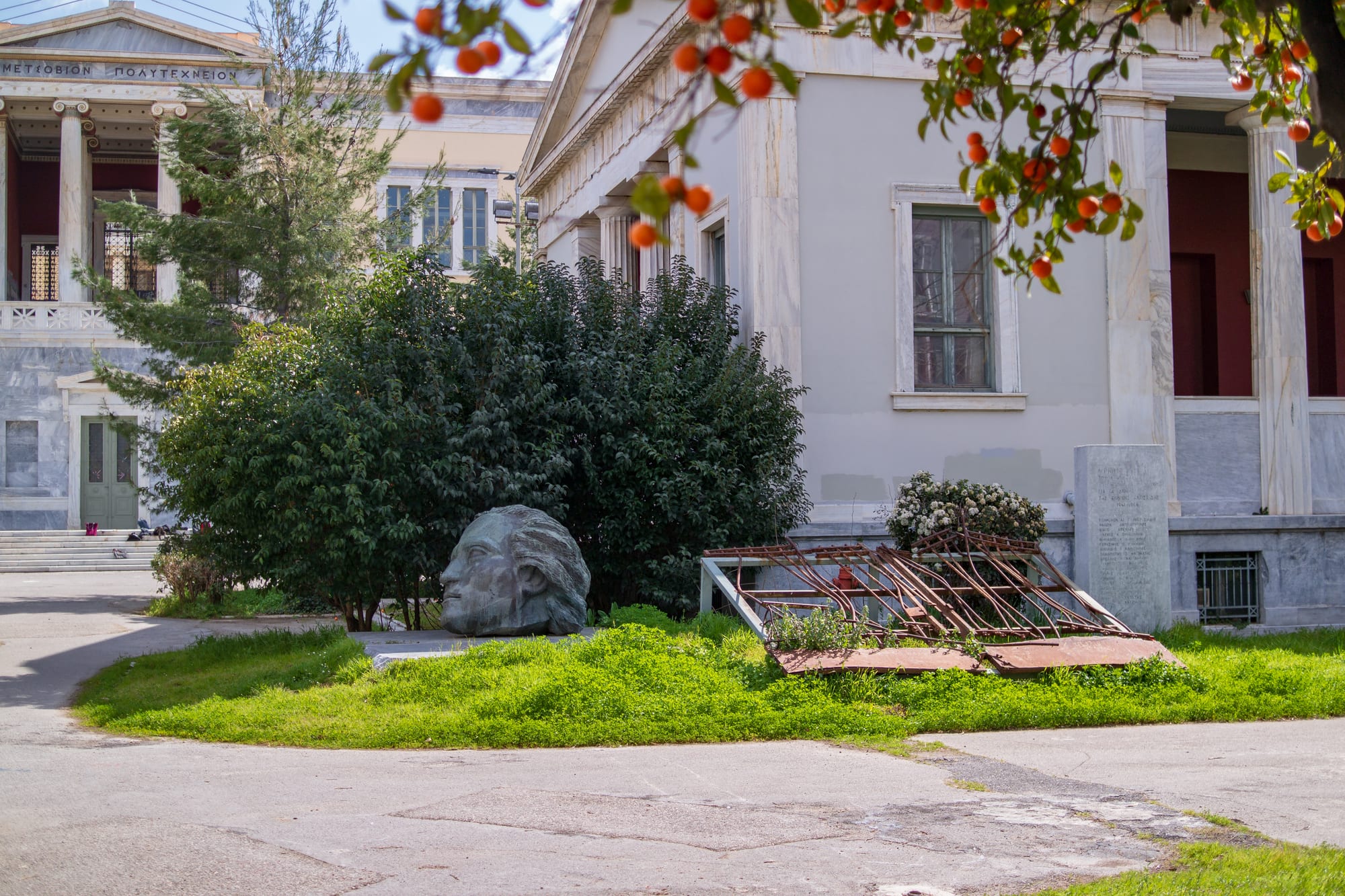
The restored democracy of 1974 abolished the monarchy and has held since. Greece joined the European Communities in 1981 and the euro in 2001. Then, from 2009, came the debt crisis: three international bailouts, years of severe austerity, a quarter of the economy lost, and a decade of political upheaval, before recovery began around 2018.
What Greece carries
Greece's inheritance is enormous and double-edged. The classical and Byzantine pasts gave the modern state its identity and a place in the imagination of the world — but also a standard impossible to live up to, and a national idea, the Great Idea, whose pursuit ended in the ruin of 1922. Modern Greece is the ongoing work of being an ordinary European country while carrying an extraordinary name.