Culture & Customs · Greece
Greece: Honour, Hospitality and the Midnight Candle
A faith woven into national identity, a sense of honour called philotimo, a table where refusing a second helping is almost impossible, and an Easter night lit by thousands of candles
By Worldlore Editorial · 30 September 2026
It is almost midnight on Holy Saturday, and the church and the square outside are packed and dark. Then a single flame appears: the priest brings out the Holy Light, and it passes from candle to candle until the whole crowd is holding a small, trembling light. As midnight strikes the bells ring out, fireworks crack overhead and everyone sings "Christos Anesti" — Christ is risen. Then families gather at the table, crack red eggs against one another's, and sit down to break the long Lenten fast. Easter is the heart of the Greek year, and in that crowded square many of the things that matter most in Greek life come together: faith, family, community and a gift for turning a solemn moment into a celebration.
Faith, identity and values
The Greek Orthodox Church is woven deeply into Greek identity. According to the World Religion Database figures cited by the Cultural Atlas, about nine in ten Greeks identify as Christian, the great majority of them Orthodox, and Muslims form the largest religious minority: about 2 per cent of citizens, alongside a larger number of recent migrants and refugees. In a Pew Research Center survey, 76 per cent of Greeks said that being Orthodox is important to being truly Greek, reflecting the Church's central role in the struggle for independence from Ottoman rule. Practice is more personal than institutional: only a minority attend services every week, but many homes contain icons, many people wear a cross, and fasting before Easter, Christmas and the Dormition of the Virgin in August is kept by many.
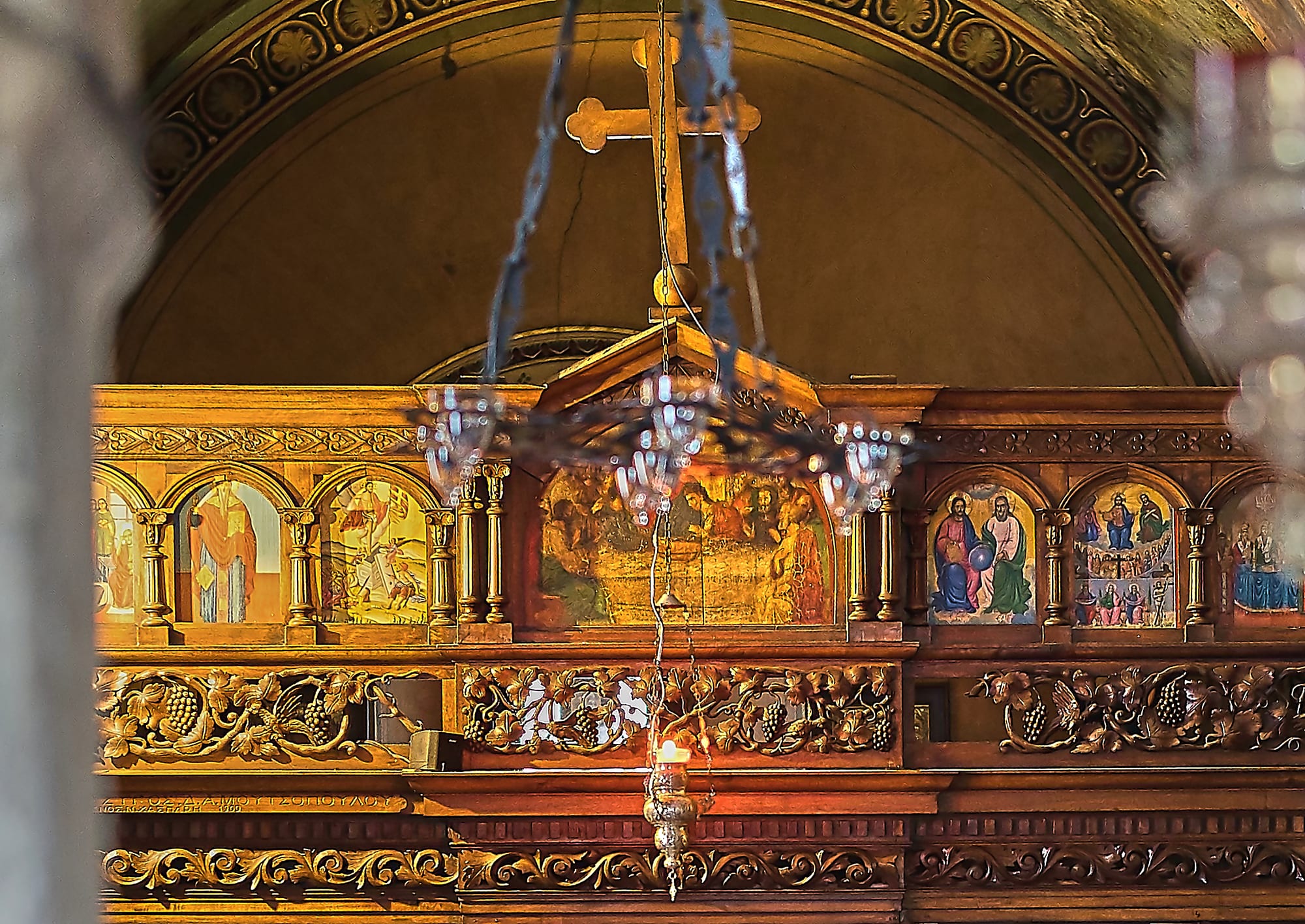
Visitors are welcome in churches and monasteries, but modest dress is expected. Shoulders should be covered, and monasteries in particular expect women to wear a skirt, and a scarf to cover the head is a thoughtful gesture. Inside, voices are kept low, and photography rules vary, so it is best to look for signs or ask.
The value Greeks most often name as their own is philotimo, usually translated as "love of honour": an inner compulsion to do the right thing and to meet one's obligations to family and community, even at personal cost. Family and close networks are the foundation of social life, and Greeks rely on personal connections for practical help as a matter of course. Conversation is prized. Greeks enjoy lively argument, and a heated debate in a café is usually a pleasure rather than a quarrel; the aim is kefi, a mood of joy and good spirits in good company. National pride runs deep, and many Greeks are sensitive to criticism of their country from outsiders, even when they criticise it freely themselves. Older beliefs persist alongside faith: many people guard against the evil eye, or mati, with blue charms, and a quick "ftou ftou" or a puff of breath after a compliment is a way of warding off envy rather than a sign of disdain.
Greetings and meeting people
A handshake with direct eye contact is the usual greeting between people meeting for the first time, whatever their age or gender. Friends often embrace or kiss on the cheek, and men may pat one another on the arm or back. "Yassas" is the polite hello, and "yiasou" the more casual form. Older people are addressed respectfully as Kyrios (Mr) or Kyria (Mrs) with their surname until they suggest otherwise, and elders who are not relatives may be called theia or theios, "auntie" or "uncle", as a mark of affection and respect.
Greeks are warm and tactile. People stand close, touch an arm or a shoulder while talking and speak with animated gestures, and raised voices usually signal enthusiasm rather than anger. Two gestures need care. The moutza, an open palm with spread fingers pushed towards someone's face, is a grave insult, and the circle made with finger and thumb can also cause offence. Head movements can confuse visitors: a backward tilt of the head means "no", while a slight forward nod means "yes", so it is worth confirming in words. When a request is unwelcome, a Greek may say something like "I'll see what I can do" rather than refuse outright.
Hospitality and being a guest
Filoxenia, the love of guests, is a point of great pride, and Greeks are generous with invitations, sometimes on first meeting. Punctuality for a meal at home is relaxed, and turning up a little late is common. Flowers, sweets or a bottle of wine make a welcome gift, though none is required. A gift that is too expensive can embarrass a host who cannot return it.
At the table, food is offered generously and refusing it can be taken as an insult, so hosts will often keep insisting until a guest accepts. The graceful course is to take a little of everything, praise the cooking and finish what is on the plate. The eldest person is often served first, and guests wait for the host's signal before starting. When glasses are raised, the toast is to good health — "stin ygeia sou" among friends, "eis ygeian sas" more formally — and wine is sipped rather than drunk to excess.
Name days are among the most sociable occasions of the year. Most Greeks are named after a saint, and on that saint's feast day they are wished "chronia polla", "many years", in person, by phone or online. Traditionally the celebrant kept open house, and friends and relatives dropped by with small gifts to be offered kerasma — sweets, food, coffee and drinks — though invitations are now more usual. Because the eldest grandchildren are often named after their grandparents, several members of one family may share a name day.
Festivals and life's big moments
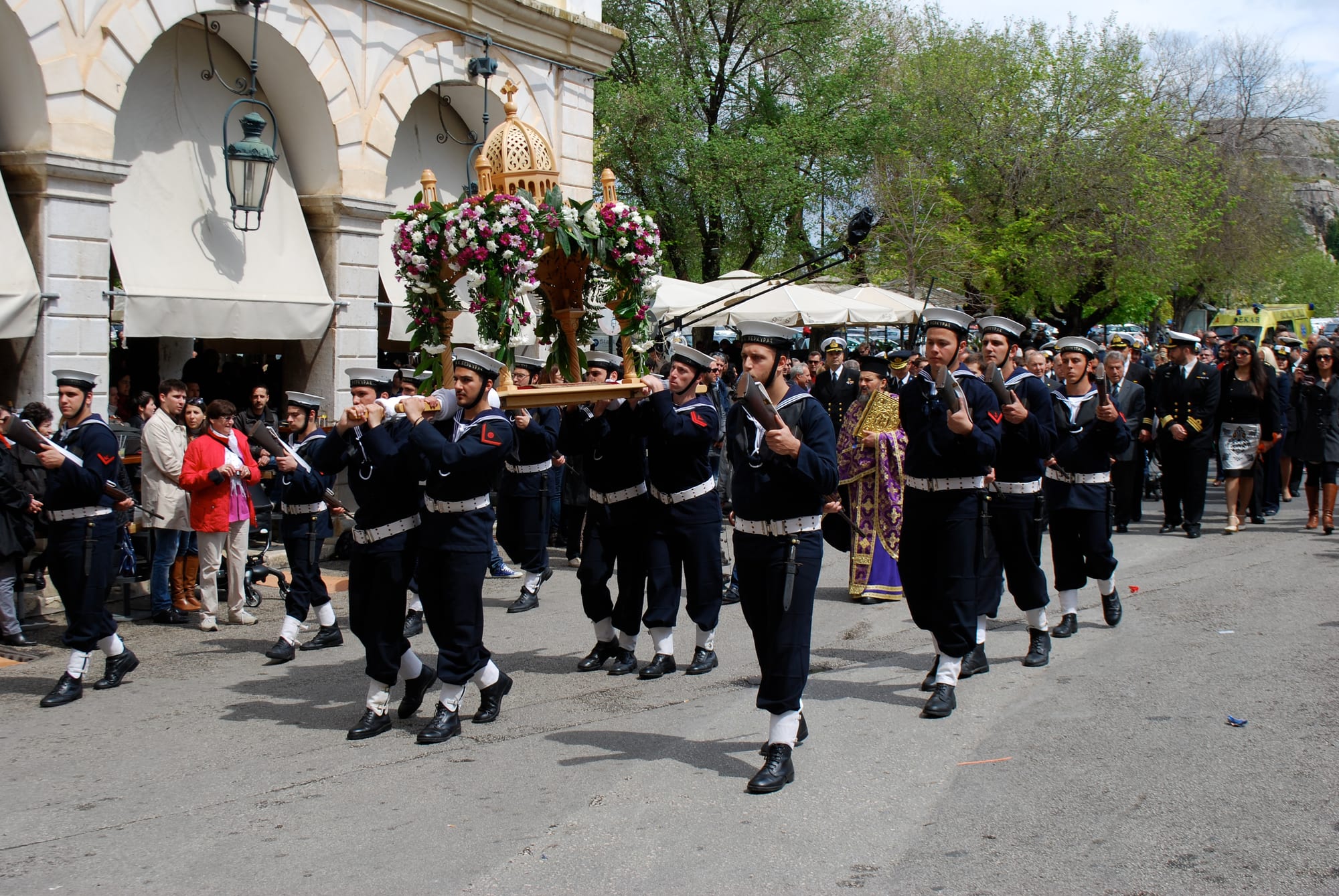
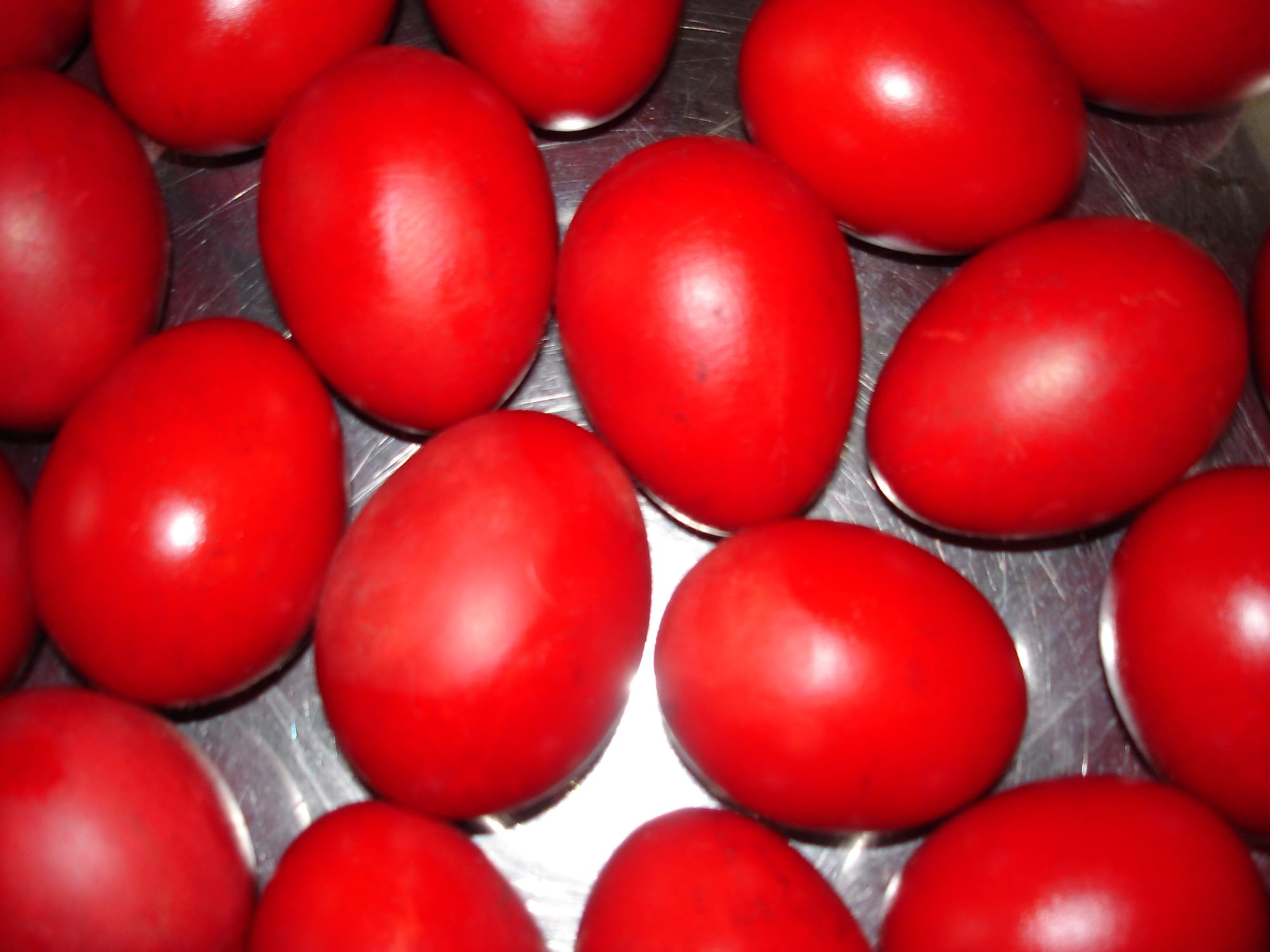
Easter, which follows the Orthodox calendar and usually falls on a different date from Easter in Western churches, is the greatest festival of the year. Holy Week is a time of mourning and fasting. On Maundy Thursday families bake sweet Easter bread and dye eggs a deep red. On Good Friday the Epitaphios, a bier representing the tomb of Christ, is covered in flowers and carried through the streets in procession, with the faithful following, candles in hand, as hymns are sung. After the midnight service on Holy Saturday comes the egg-cracking: each person taps a red egg against a neighbour's, saying "Christos Anesti", and the owner of the last unbroken egg is the winner. Easter Sunday is a day of feasting, music and dancing.
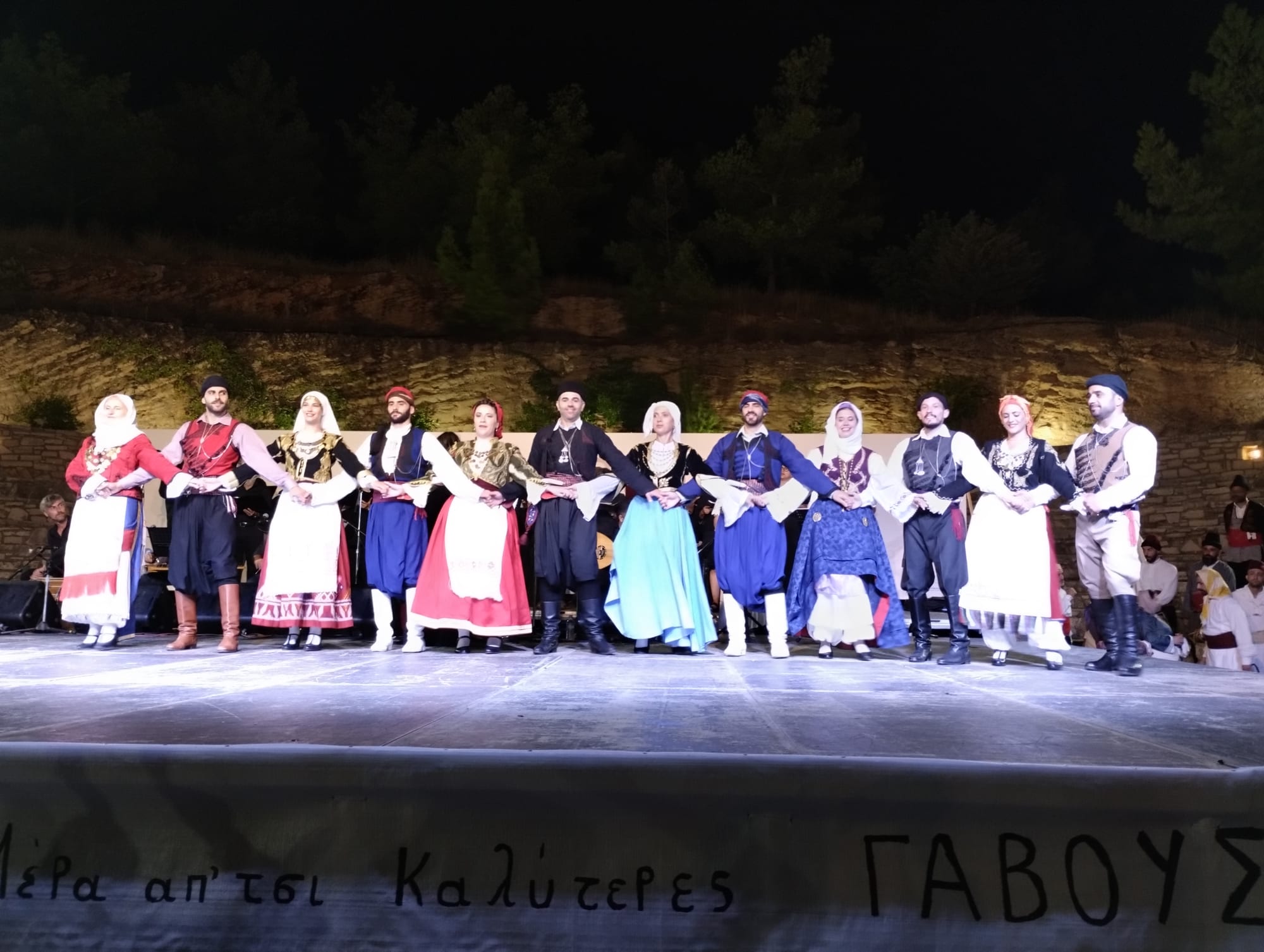
The national calendar also marks Independence Day on 25 March and Ochi Day, "No" Day, on 28 October. In summer, 15 August, the Dormition of the Virgin, is celebrated across the country. UNESCO has listed the festivities held that day in two highland communities of the north, where dancers of all ages form a great open circle, holding hands and dancing to slow songs sung without accompaniment. Once the annual reunion of shepherding families before they moved to winter pastures, the feast now draws back villagers who have migrated to the cities, and young people learn the dances simply by watching and joining in.
Weddings centre on the Orthodox crowning service. After the rings are blessed, the couple are crowned with the stefana, two crowns joined by a ribbon to symbolise their unity, and the koumbaros or koumbara, the couple's sponsor, takes part in the crowning. The couple drink from a common cup, sharing joy and sorrow, and the priest leads them, with the sponsor, three times around the table bearing the Gospel and the Cross. Being chosen as sponsor is a role of great honour.
Death, too, is marked by a clear sequence of rites. Short prayers for the dead, the Trisagion, are sung, and after the burial mourners often share a meal at which memories of the dead are shared. Memorial services follow at set intervals — on the third, ninth and fortieth days after the death, and then on anniversaries. For these, families prepare koliva, a dish of boiled wheat, which is blessed by the priest and shared among those present.
Arts, crafts and music
Two musical traditions on UNESCO's list sum up the range of Greek song. Byzantine chant, the music of the Orthodox liturgy, is exclusively vocal, essentially monophonic and organised in a system of eight modes, and it has been handed down, largely by ear, for many centuries. It is still heard in every church service, and its study and performance are flourishing among professional and amateur chanters alike.
Rebetiko, at the other end of the social scale, grew up among the urban working class in the early twentieth century. Its songs, full of references to the customs and hardships of a particular way of life, are played on plucked string instruments such as the bouzouki and combine song and dance, with performers drawing their audience into the music. Once passed on informally, it is now also taught in music schools, conservatories and universities, and it is still performed wherever Greek is spoken.
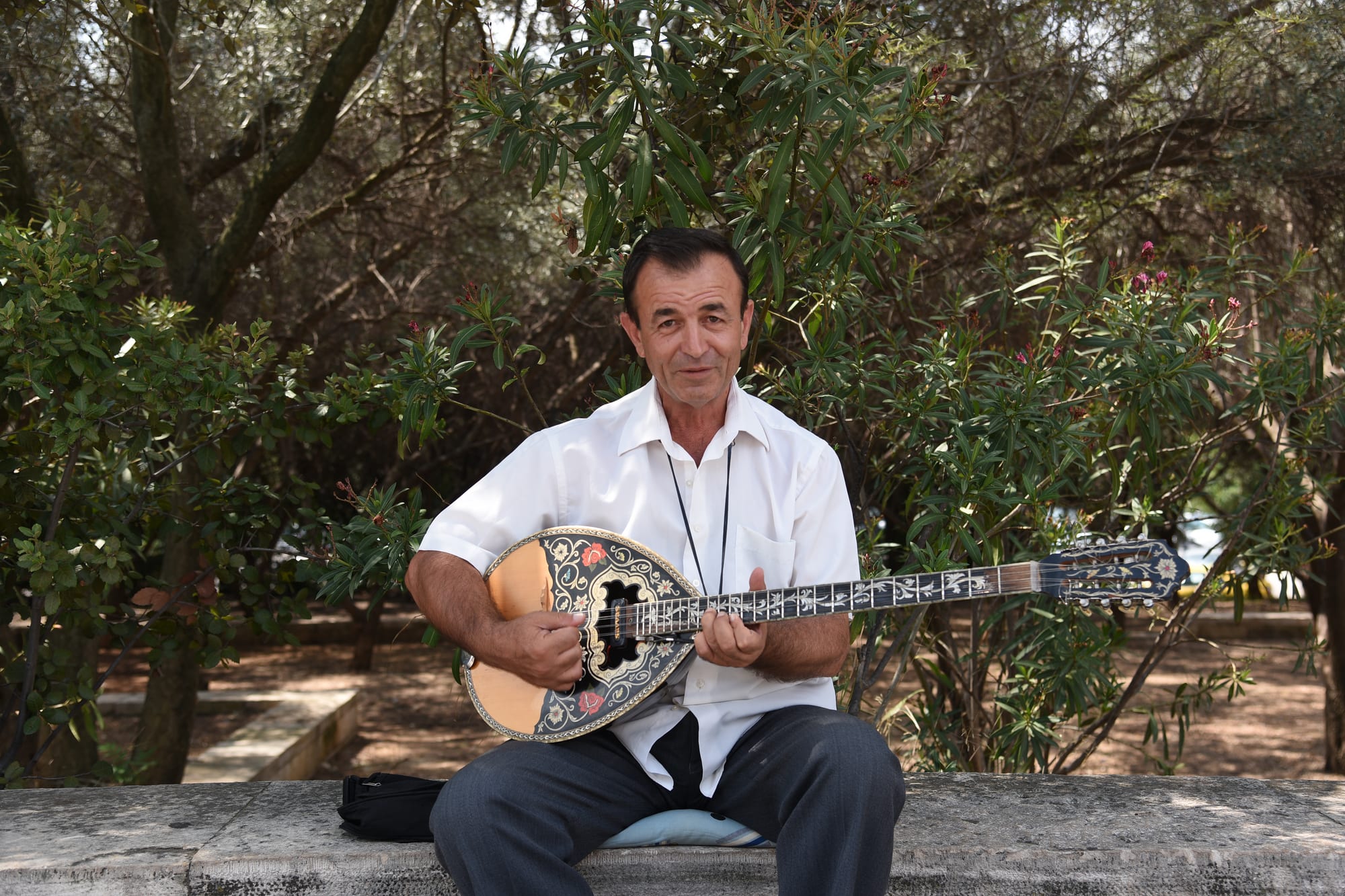
Greece's other listed traditions show how much of its heritage lives in craft and the rhythms of rural life: marble carving on the island of Tinos, dry-stone building, the seasonal droving of flocks, a programme safeguarding the polyphonic song of Epirus, and the New Year rituals known as Momoeria. It is a reminder that modern Greek culture is a living, changing thing, not simply a backdrop of ancient ruins.
Dos and don'ts for visitors
- Do accept food and drink when it is offered; a flat refusal can seem insulting.
- Do greet with a handshake and eye contact, and use Kyrios or Kyria with older people until invited otherwise.
- Do wish "chronia polla" to anyone celebrating a name day.
- Do cover shoulders and knees in churches and monasteries; women may be asked to wear a skirt.
- Don't make the moutza, an open palm pushed towards someone's face, or the finger-and-thumb circle.
- Don't read an upward tilt of the head as "yes"; it means "no".
- Don't provoke discussion of relations with Turkey, Cyprus or North Macedonia, or suggest Greeks brought the debt crisis on themselves.
- Don't judge modern Greece by ancient stereotypes; it is a living culture, not a museum.
What to take away
Greek customs flow from philotimo and filoxenia — a sense of honour and a love of the guest — and visitors who accept the second helping, return the warmth and treat the country as a living culture will be welcomed as friends.