Food · Greece
Greece: Food and the National Dish
A baked layered casserole of aubergine, spiced meat and béchamel, grilled meat skewers eaten on the go, and a Mediterranean pantry built on olive oil more than any other ingredient
By Worldlore Editorial · 16 September 2026
A cuisine built on olive oil, above all else
Greek food leans more heavily on olive oil than almost any other European cuisine, used as a cooking fat, a dressing and a flavour base all at once, alongside fresh vegetables, grilled meat and fish, and a strong dairy tradition built around feta and yoghurt. Meals tend to be shared, unhurried, and built around several dishes at once rather than a single plated course.
The national dish: moussaka
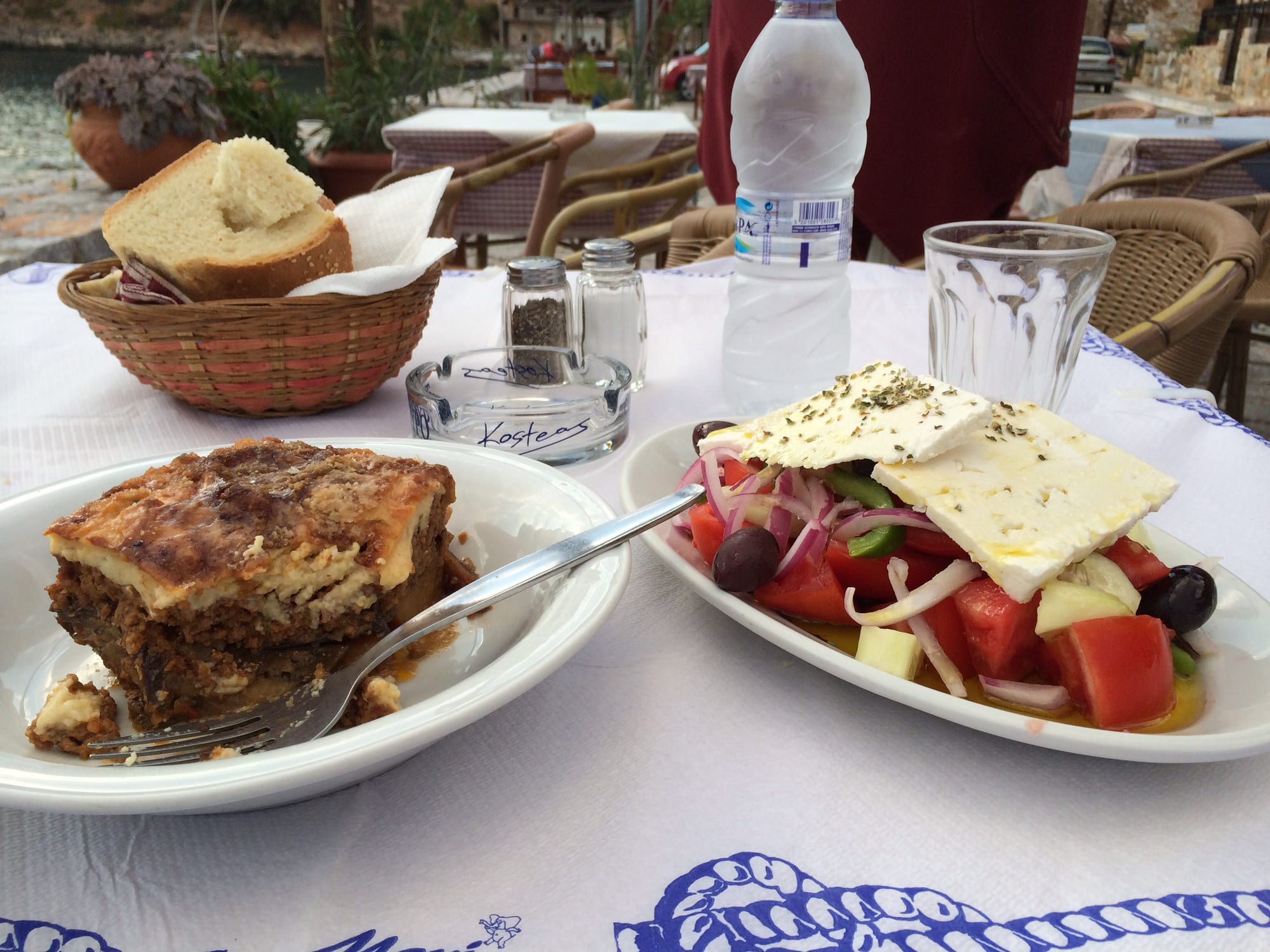
Moussaka, a baked casserole of layered aubergine, spiced minced meat and a creamy béchamel topping, is widely regarded as Greece's national dish. Despite its strong Greek identity today, the dish's layered, béchamel- topped form was popularised in its current version in the early 20th century by chef Nikolaos Tselementes, who adapted it with French technique — a reminder that even Greece's national dish has a documented, relatively recent history behind its familiar form.
Olives, feta and the everyday pantry
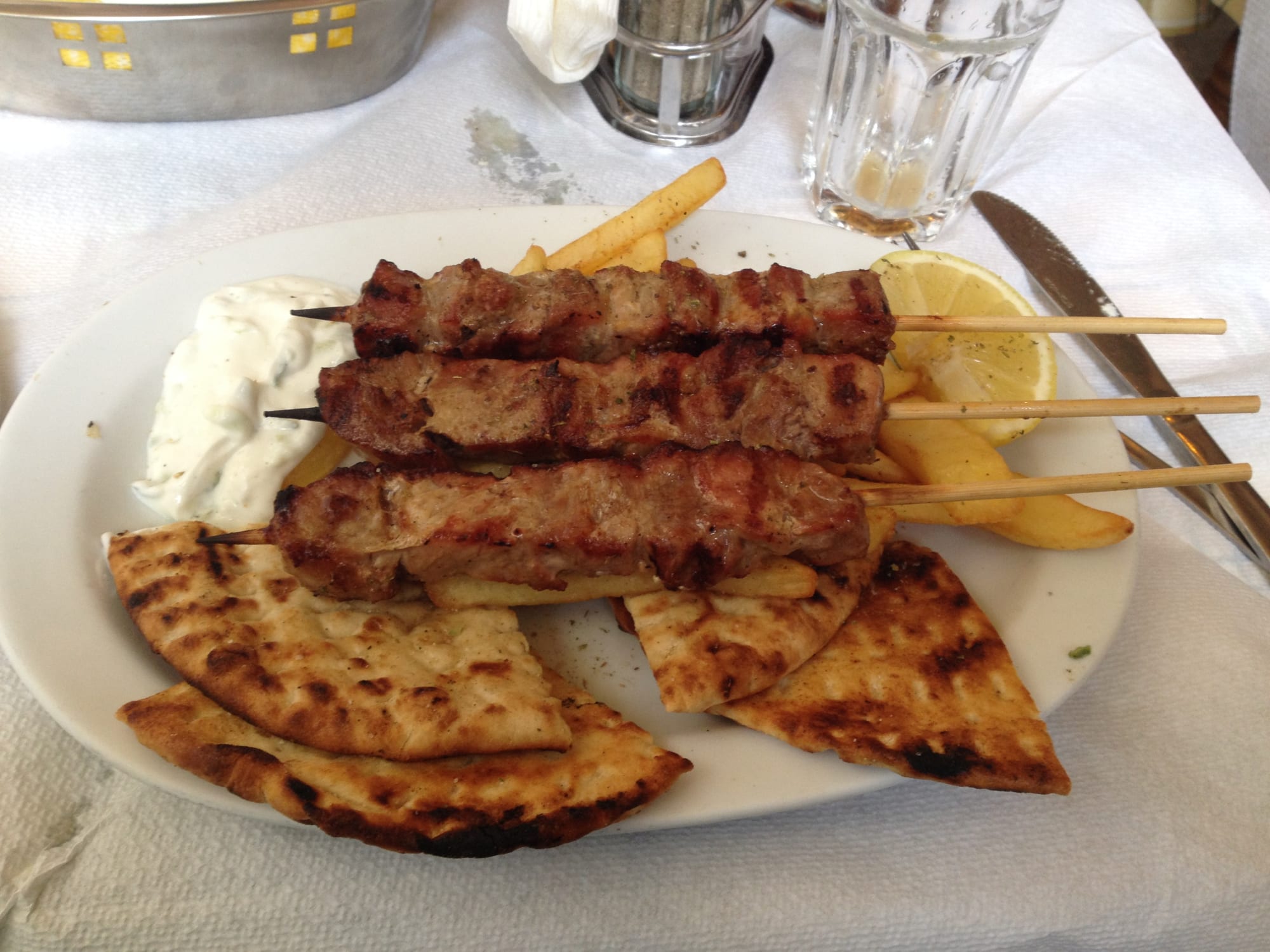
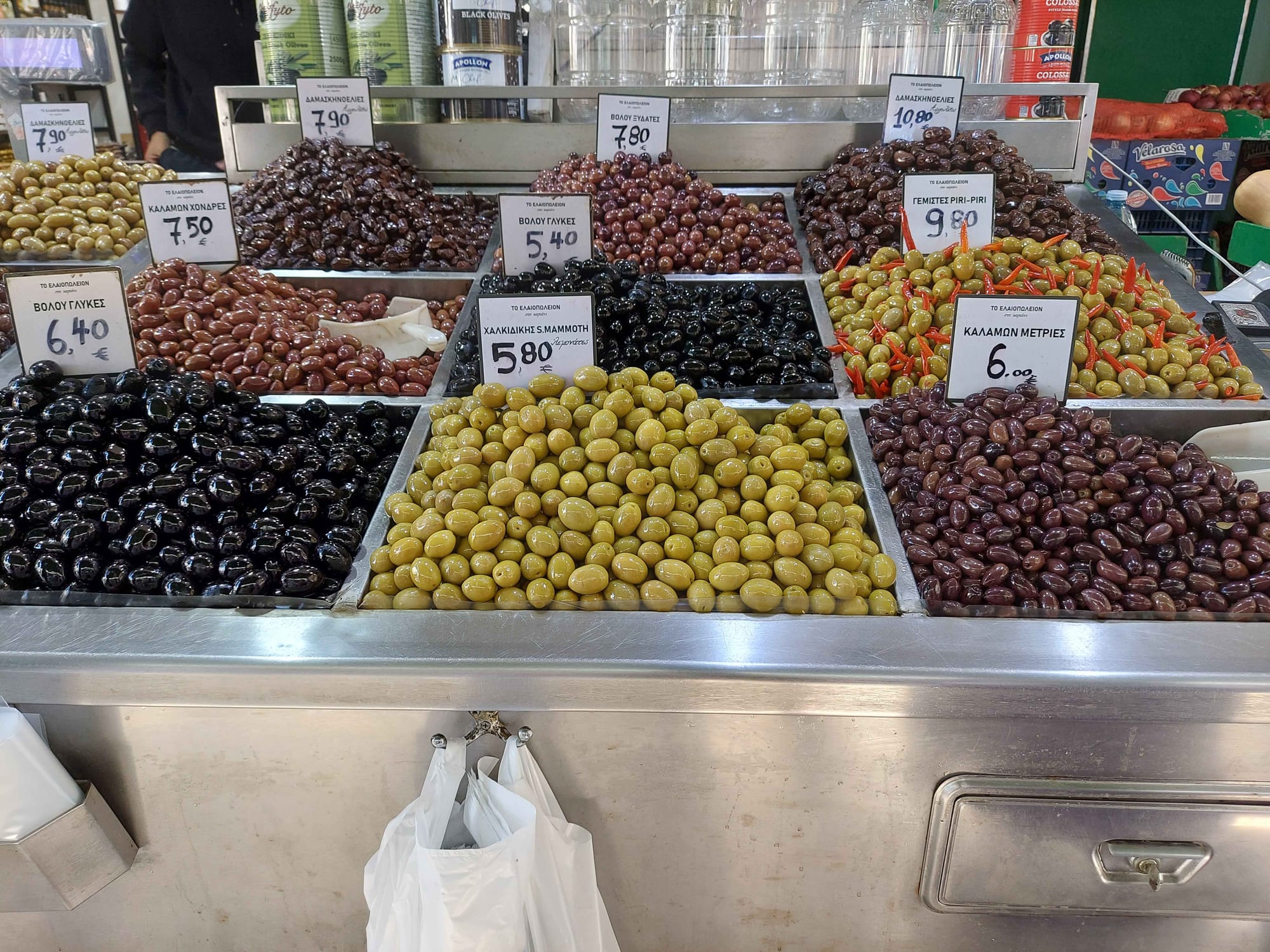
Olives and olive oil, feta and other sheep's and goat's milk cheeses, fresh tomatoes, cucumber and herbs like oregano form the backbone of Greek cooking, alongside grilled or roasted lamb, fish along the coasts, and pulses like fava beans and lentils inland. Souvlaki, grilled meat skewers served with pita, tomato, onion and tzatziki, is Greece's most common everyday food, eaten far more often than moussaka itself.
History and geography behind the plate
Greek food carries influence from centuries under Ottoman rule, visible in shared dishes and techniques found across much of the former Ottoman world, layered onto a much older Greek and Mediterranean culinary tradition of its own. Greece's mountainous mainland and its scattering of islands have also long shaped what's cooked where, from mainland meat and dairy dishes to the lighter, seafood-forward cooking of the Aegean and Ionian islands.
Mainland and islands
The mainland and Epirus lean on meat, pies and dairy, closer in style to the Balkans; Crete keeps its own distinct culinary identity, often cited for its particularly high use of olive oil and wild greens; and the smaller Aegean islands favour fresh fish and simply prepared seafood, shaped by limited farmland and easy access to the sea.
Dishes to know
Five more to recognise across Greece:
- Souvlaki — grilled meat skewers, Greece's most common everyday
street food.
- Tzatziki — a cold yoghurt, cucumber and garlic dip, served alongside
grilled meat and bread.
- Spanakopita — a savoury pie of spinach and feta wrapped in filo
pastry.
- Greek salad (horiatiki) — tomato, cucumber, onion, olives and a slab
of feta, dressed simply in olive oil.
- Baklava — a syrup-soaked pastry of layered filo and chopped nuts,
shared across much of the former Ottoman world.
Drinks
Greek coffee, brewed unfiltered in a small pot and served in a small cup with the grounds settled at the bottom, remains a genuine daily ritual. Ouzo, an anise-flavoured spirit traditionally sipped alongside small mezze plates, and Greek wine, with a winemaking tradition stretching back thousands of years, round out the country's drinking culture.
Eating as a traveller
Vegetarians eat well in Greece, thanks to a strong tradition of vegetable, pulse and cheese-based dishes alongside the meat-heavy options. Tap water is generally safe in Athens and most of the mainland, though bottled water is more common on some smaller islands. Meals tend to start later in the evening than in much of northern Europe, and lingering at the table is expected rather than rushed.
What to take from the table
Moussaka, layered and unhurried, is the dish that carries Greece's national-dish title, but a souvlaki eaten standing up on an Athens street corner is the truer everyday taste of how most Greeks actually eat.