Attractions & Natural Wonders · Greece
Greece: Twelve Attractions and Natural Wonders
The temple that defined Western architecture, monasteries on rock pillars, white villages above a drowned volcano, and thousands of islands across two seas
By Worldlore Editorial · 19 September 2026
The cradle, and the islands
Greece occupies the southern tip of the Balkan Peninsula and some 6,000 islands and islets across the Aegean and Ionian seas, of which fewer than 230 are inhabited. It gave the West its alphabet, its philosophy, its theatre, the Olympic Games, and the word "democracy", and the physical evidence — temples, theatres, sanctuaries — is spread across the whole country. Alongside it runs the other Greece of the tourist imagination: whitewashed villages, blue domes, beaches, and long lunches.
The twelve below mix the great archaeological sites with islands and mountain landscapes. Late April to mid-June and September to October are ideal; July and August are hot and crowded, especially on the popular islands, and many island services wind down from November to April.
1. The Acropolis and Athens
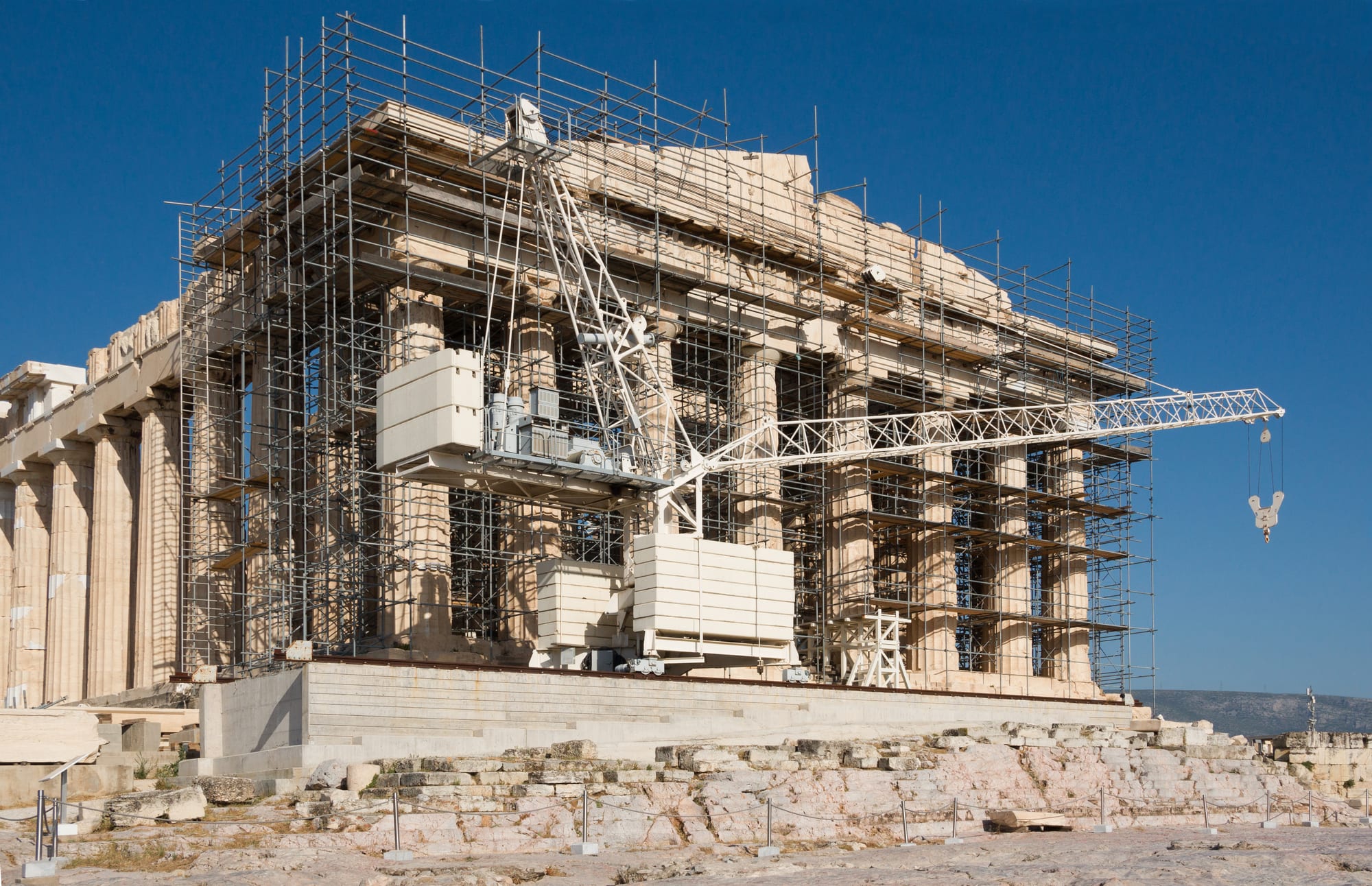
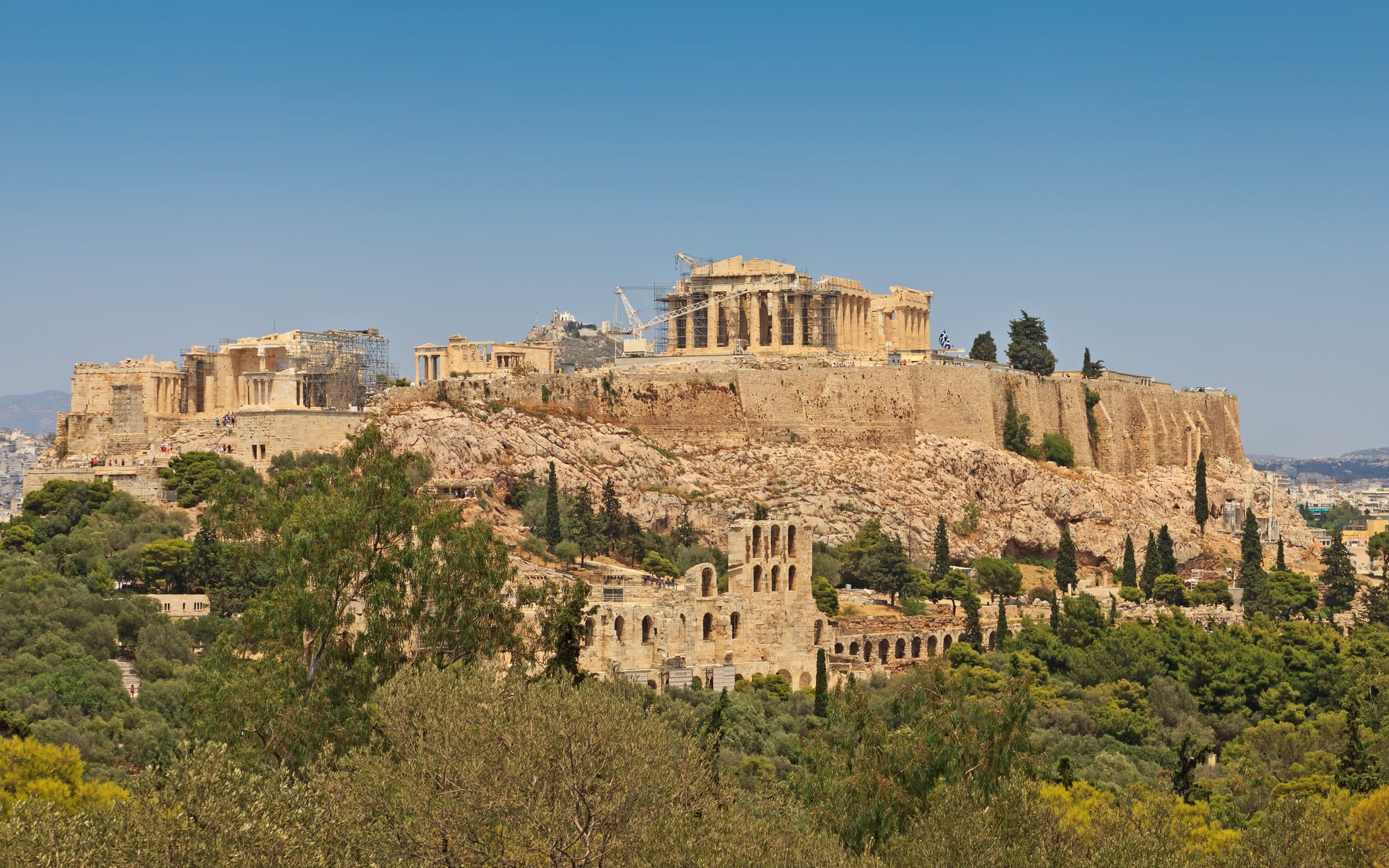
The Acropolis, a limestone crag above Athens, carries the Parthenon, the Erechtheion with its porch of maiden columns, and the Temple of Athena Nike — the high point of Classical Greek architecture, built in the age of Pericles. Below sit the Ancient Agora, the Roman-era Odeon, and the superb Acropolis Museum. The rest of Athens ranges from the neoclassical centre and the National Archaeological Museum to the cafés and street art of Psyrri and Exarcheia.
Two days covers the centre; go to the Acropolis at opening or late afternoon to beat the heat and the tour groups.
2. Delphi
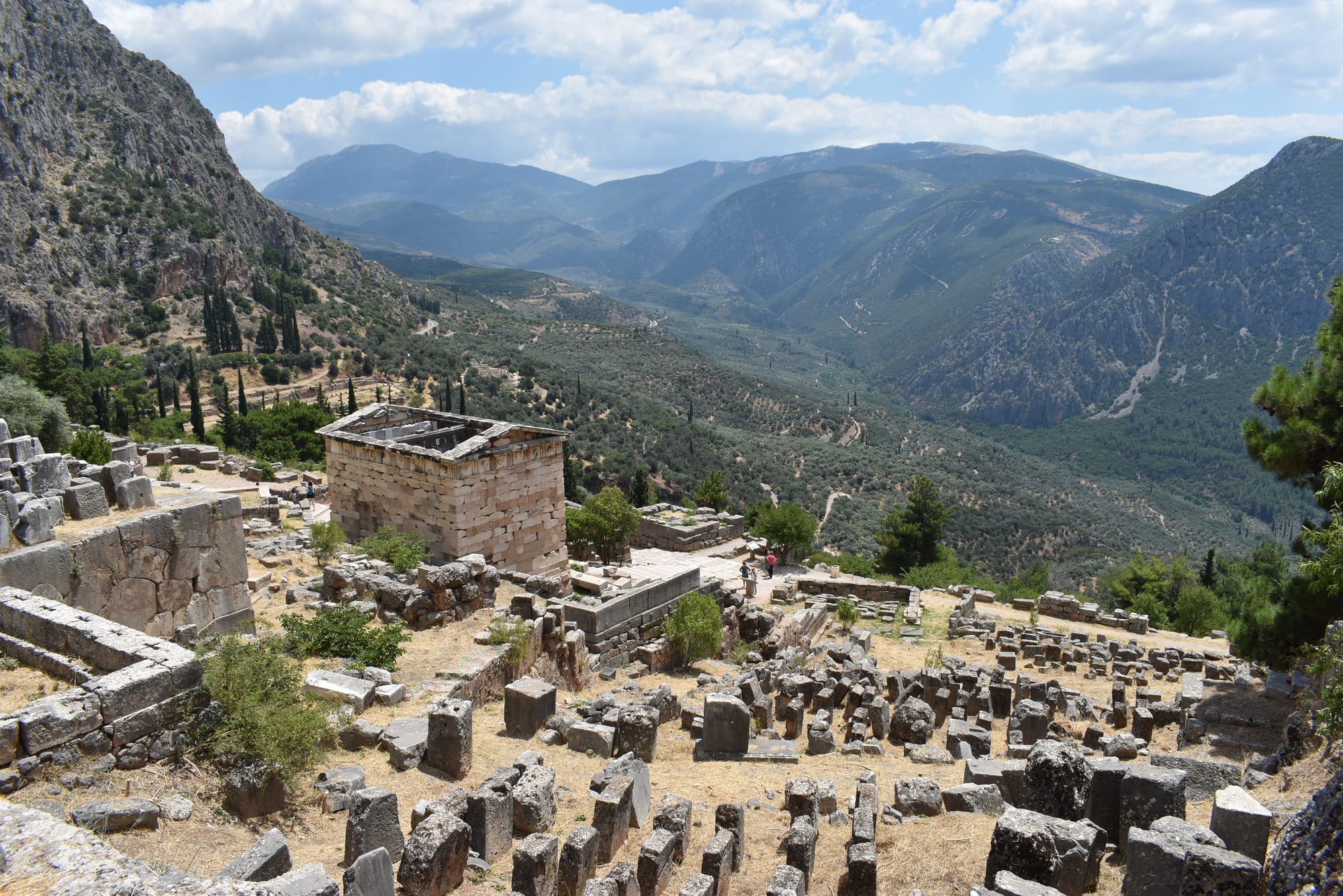
Delphi, about 2.5 hours northwest of Athens, was the most important oracle of the ancient Greek world — the place they called the omphalos, the navel of the earth. Terraced up a dramatic mountainside are the Sanctuary of Apollo, where the priestess delivered her cryptic prophecies, a well-preserved theatre and stadium, the round tholos at Athena Pronaia, and a museum with the bronze Charioteer.
It is a long day trip from Athens or an overnight in the modern village.
3. Meteora
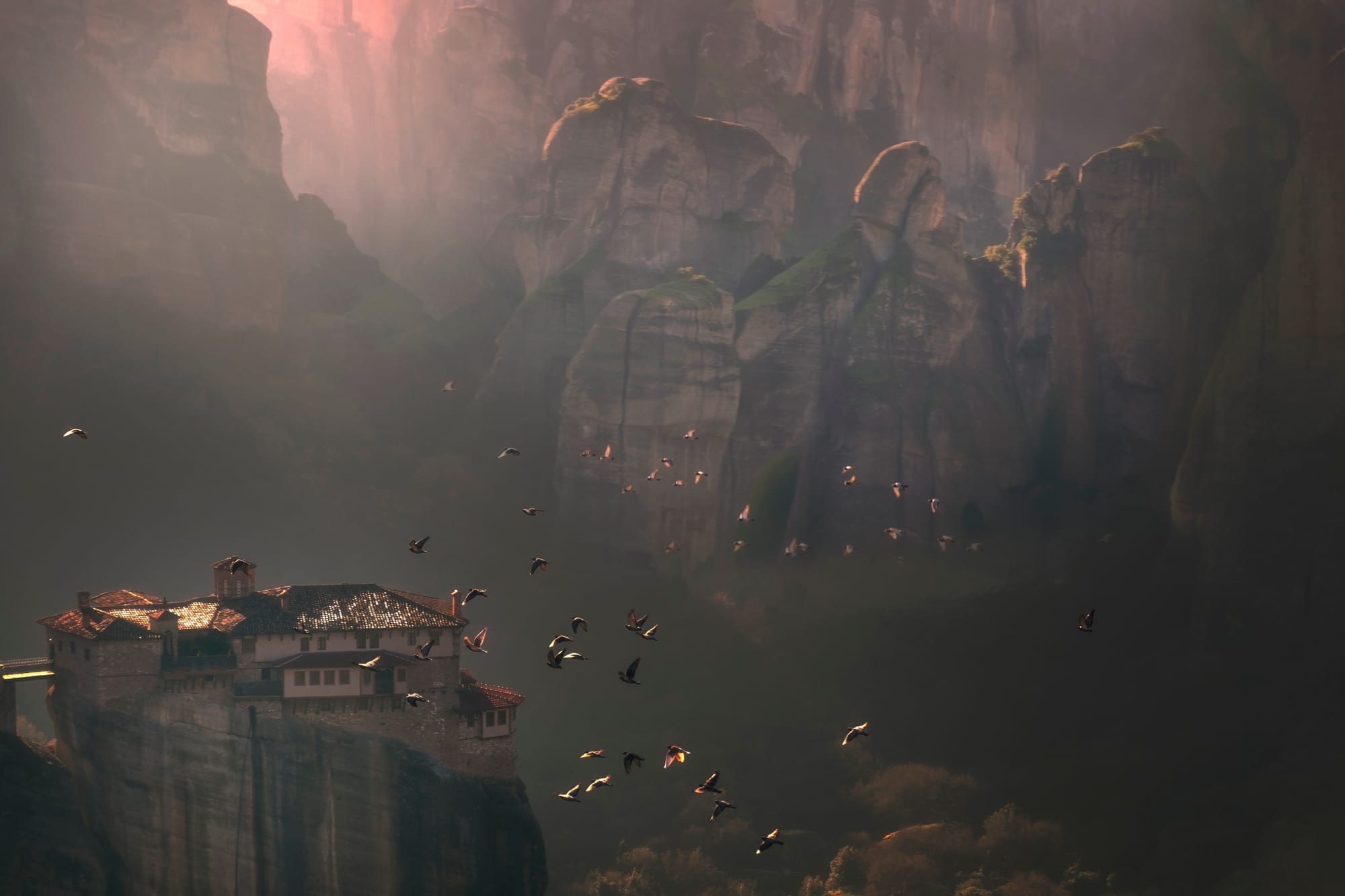
At Meteora, in central Greece, monks began climbing a cluster of vertical sandstone pillars in the 14th century to build monasteries beyond the reach of raiders, hauling people and supplies up in nets and baskets. Six are still active and open to visitors, reached now by steps and bridges, with frescoed churches and long views over the Thessalian plain. It is a UNESCO World Heritage Site on both cultural and natural grounds.
The town of Kalambaka at the foot has the train and bus connections.
4. Santorini
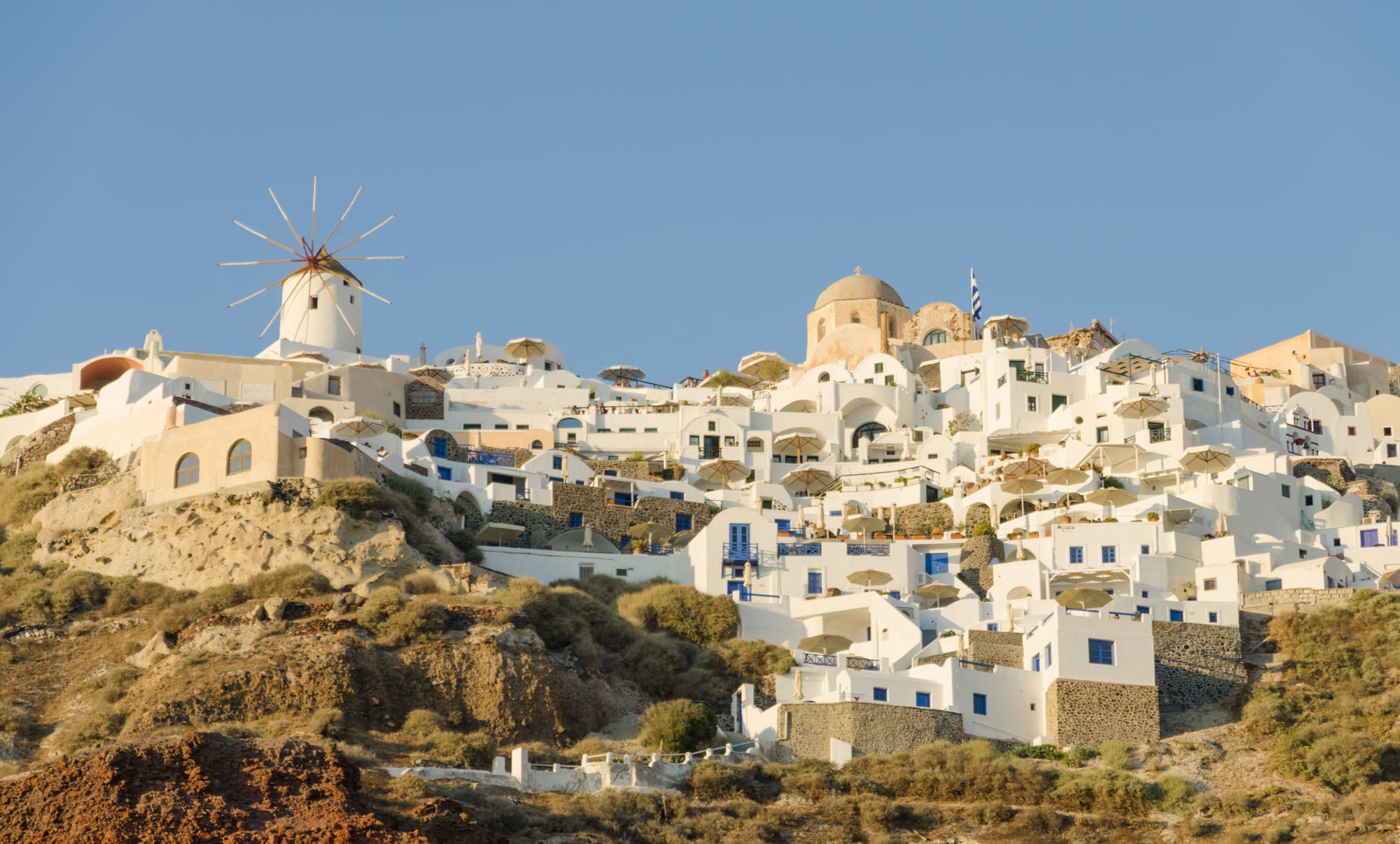
Santorini is the rim of a volcano that blew apart around 1600 BC in one of the largest eruptions in human history — possibly the seed of the Atlantis legend. Its western towns, Fira and Oia, cling to cliffs 300 metres above the flooded caldera, their whitewashed houses and blue churches making the most photographed sunset in Greece. The Bronze Age town of Akrotiri, buried in ash, is a remarkable excavation, and the beaches are black and red volcanic sand.
It is very crowded in summer; spring and autumn, or a night rather than a cruise-ship day, are far better.
5. Mykonos and Delos
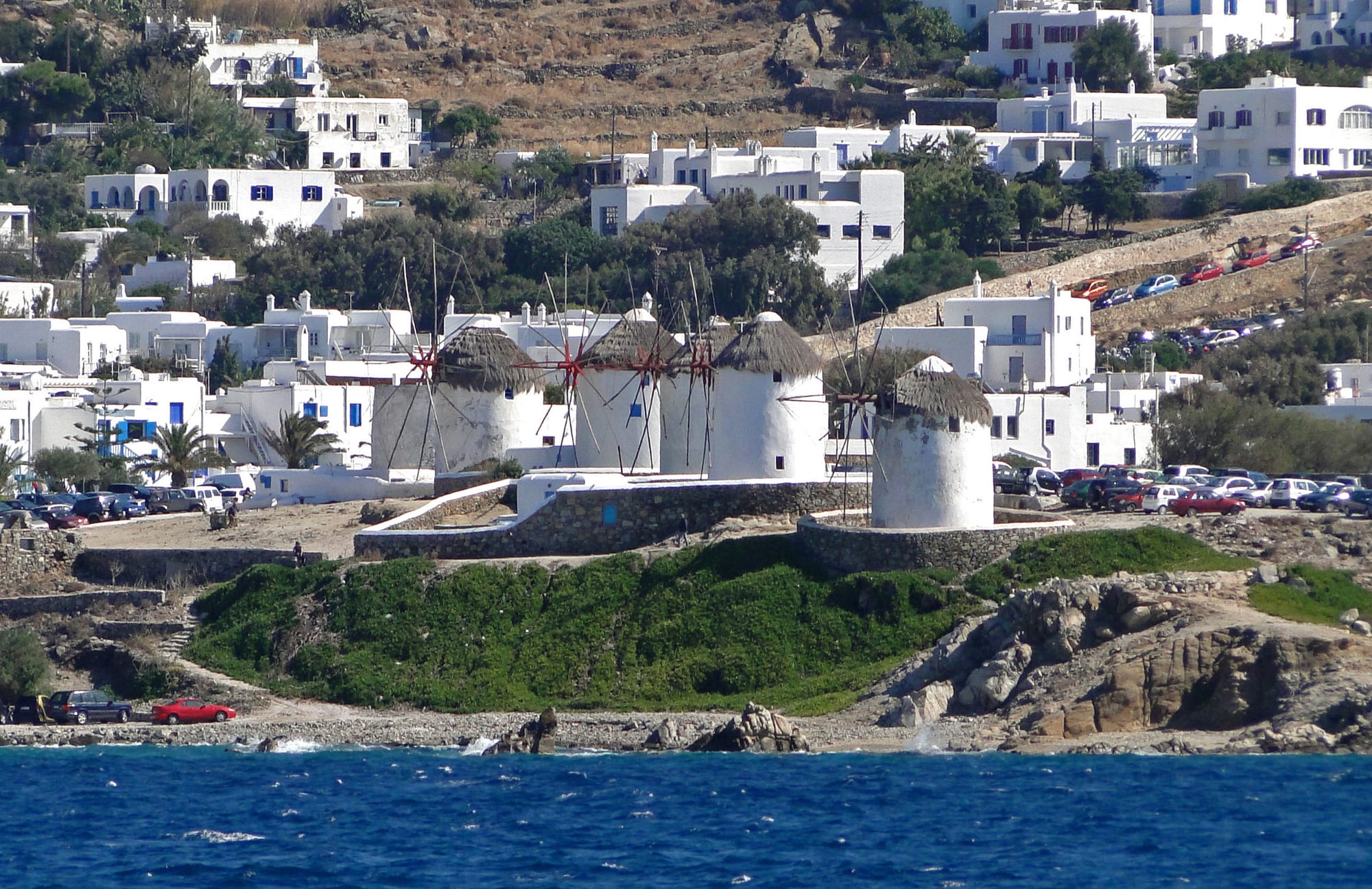
Mykonos is the Cyclades' party island — a maze-like whitewashed town built to confuse pirates, now full of boutiques and bars, ringed by beach clubs. A short boat ride away is its opposite: Delos, an uninhabited island that was one of the holiest places in the ancient Greek world, the mythical birthplace of Apollo and Artemis, now an vast open-air archaeological site with the famous Terrace of the Lions.
Delos closes in the afternoon and has no shade or shop; go early with water.
6. Crete and Knossos
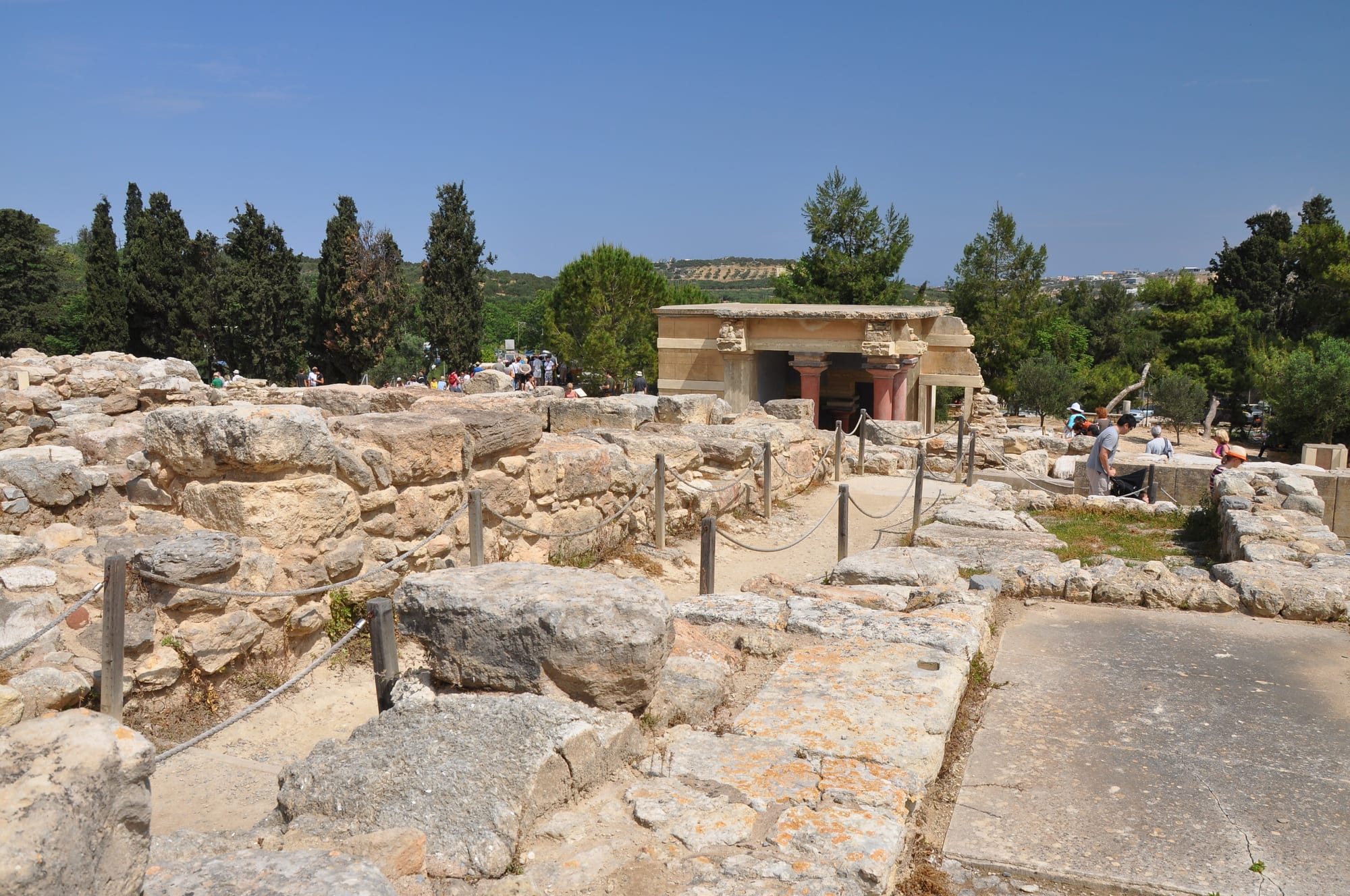
Crete, Greece's largest island, was the seat of Europe's first advanced civilisation, the Bronze Age Minoans. The palace of Knossos, controversially part-rebuilt in concrete by Arthur Evans, is the largest Minoan site; the Heraklion museum holds the frescoes and the enigmatic Phaistos Disc. Beyond the archaeology, Crete has Venetian harbour towns (Chania, Rethymno), the palm beach of Vai, and a proud mountain culture of its own.
It is big enough for a week or more on its own.
7. The Samaria Gorge
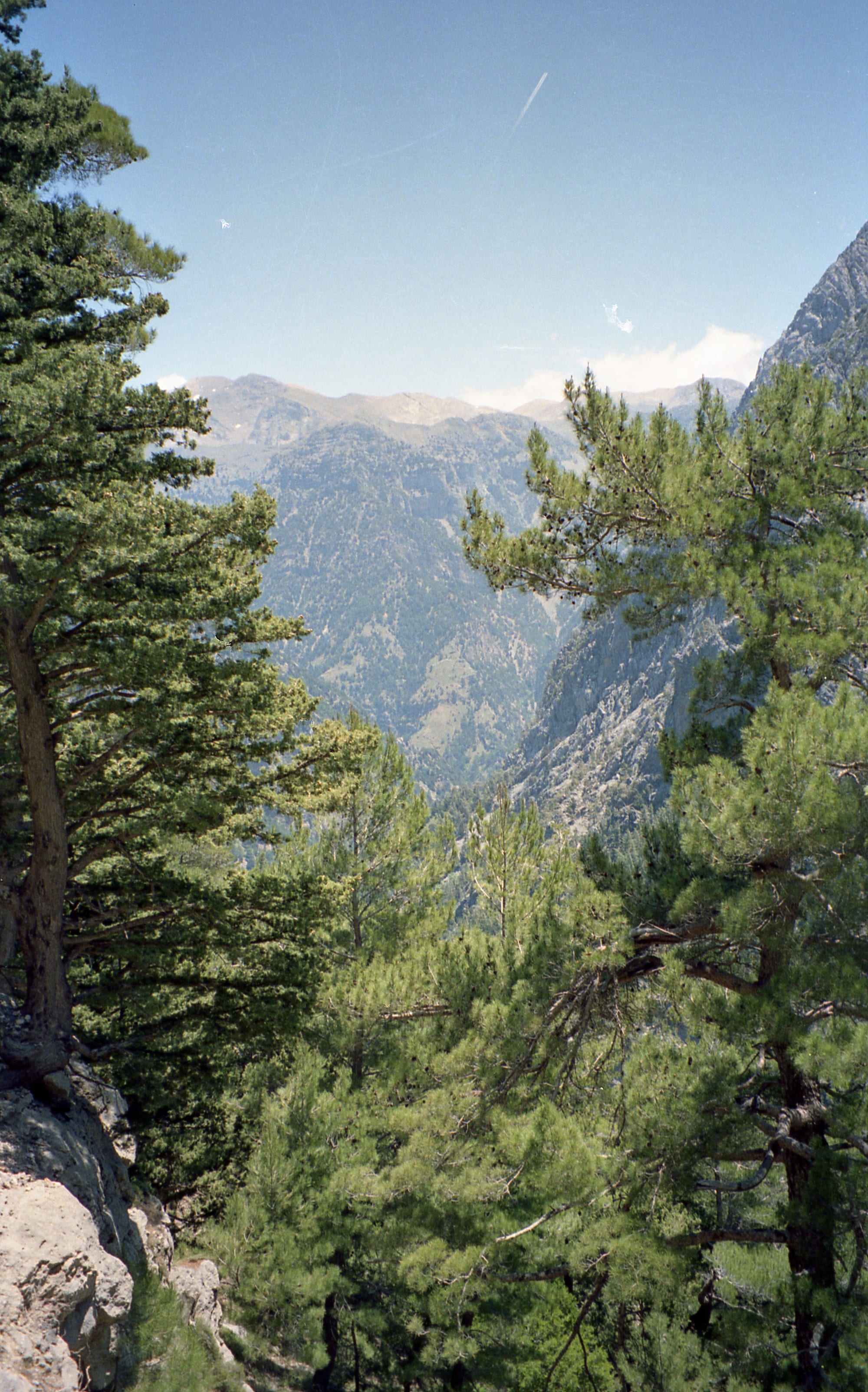
The Samaria Gorge, in southwest Crete, is a 16-kilometre walk down from the Omalos plateau through the White Mountains to the Libyan Sea, squeezing at the "Iron Gates" to just a few metres wide between 300-metre walls. It is a national park, home to the wild Cretan goat (kri-kri), and takes five to seven hours, one way and downhill, ending at a village reached only by boat.
It is open roughly May to October; you start early and catch a ferry and bus back.
8. Rhodes
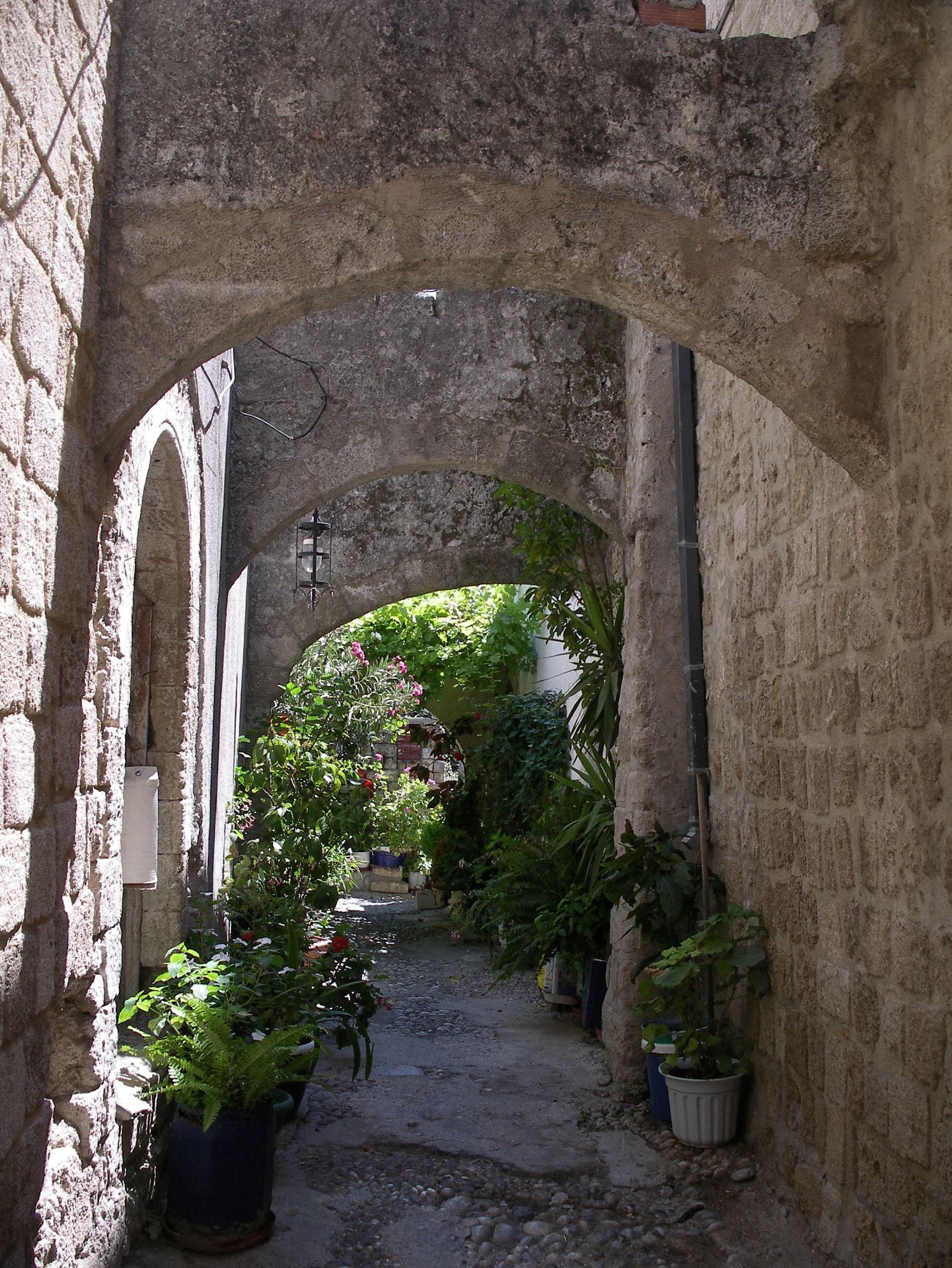
The old town of Rhodes, in the Dodecanese near the Turkish coast, is the largest inhabited medieval town in Europe — a walled maze built by the crusading Knights of St John in the 14th and 15th centuries, with the Street of the Knights and the restored Palace of the Grand Master. The island also has the acropolis of Lindos above a white village and bay, and the ancient site of Kamiros.
The harbour is where the Colossus of Rhodes, one of the Seven Wonders, is thought to have stood.
9. Nafplio and the Peloponnese
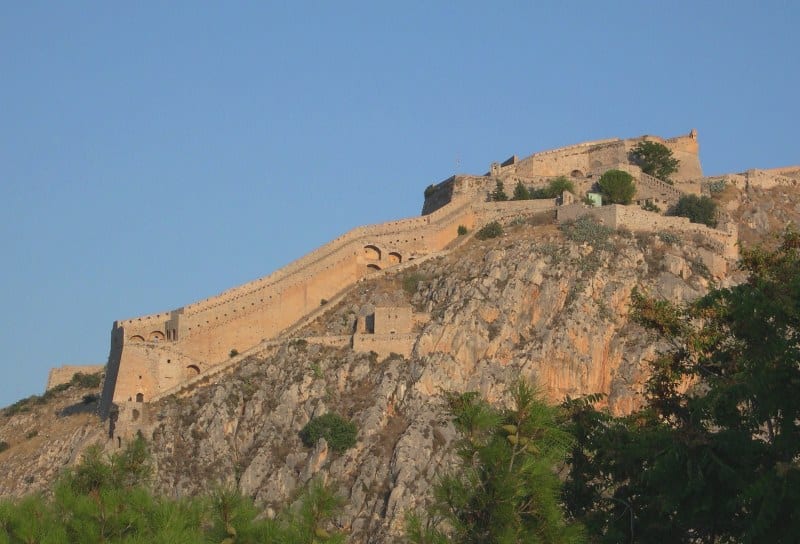
Nafplio, a graceful Venetian-Ottoman port town below two hilltop fortresses, was Greece's first capital after independence and makes the ideal base for the Peloponnese. Within an hour or two are the theatre of Epidaurus (still used, with famous acoustics), the Lion Gate and beehive tombs of Mycenae, ancient Corinth, and — further south — Olympia, birthplace of the Games, and the Byzantine ghost city of Mystras.
The Mani peninsula's tower villages and the town of Monemvasia lie further south again.
10. Zakynthos and the Ionian islands
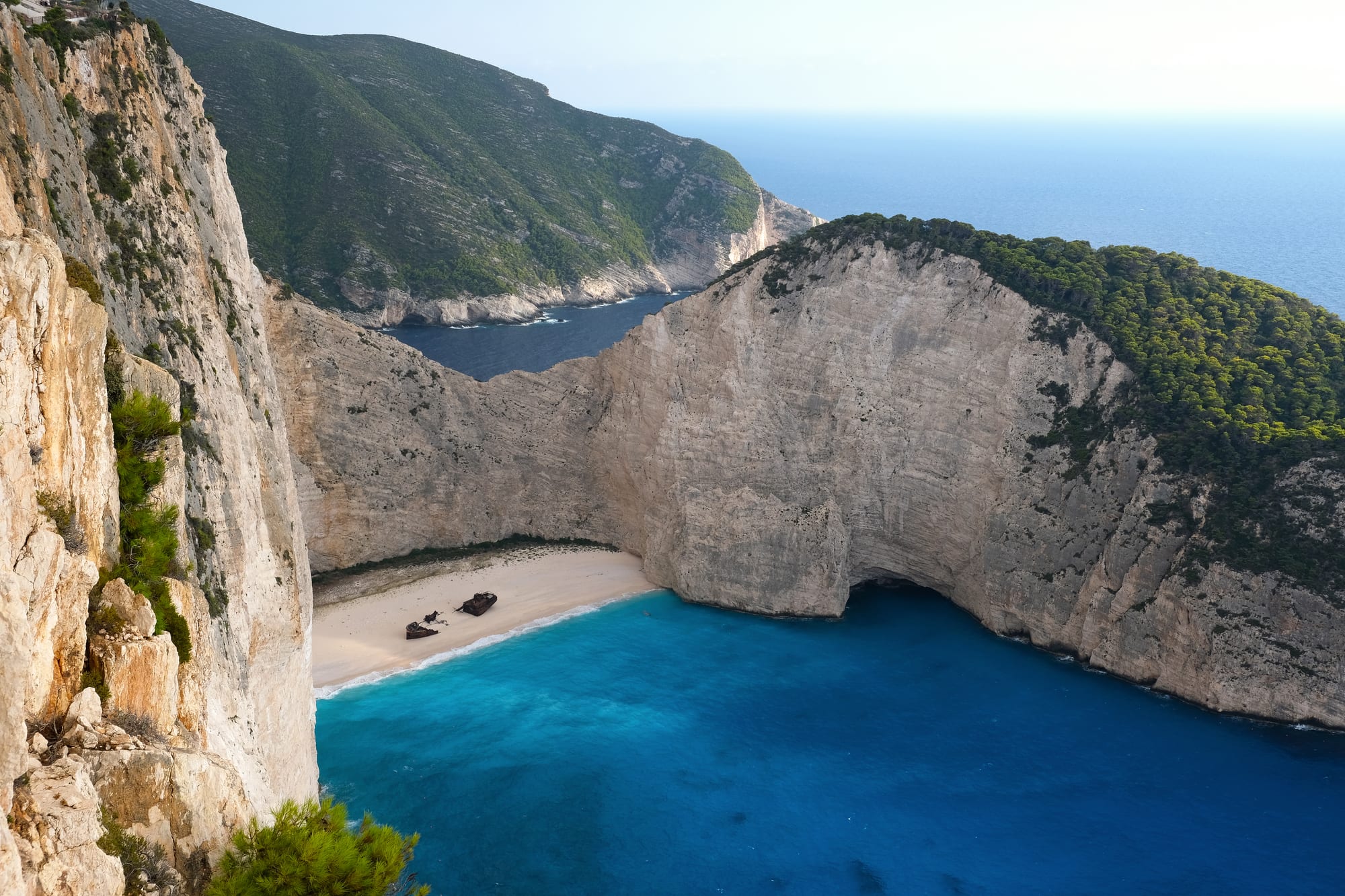
The Ionian islands off the west coast — greener and more Italian-influenced than the Aegean — have Greece's most striking beaches. Zakynthos has Navagio, a cliff-ringed cove with a shipwreck, and the Blue Caves, plus loggerhead turtles nesting in Laganas Bay. Nearby are Kefalonia's Myrtos beach and Melissani cave lake, and, to the north, elegant Corfu with its Venetian old town.
Boat trips are the way to see the coves; the beaches are busiest in July and August.
11. Thessaloniki
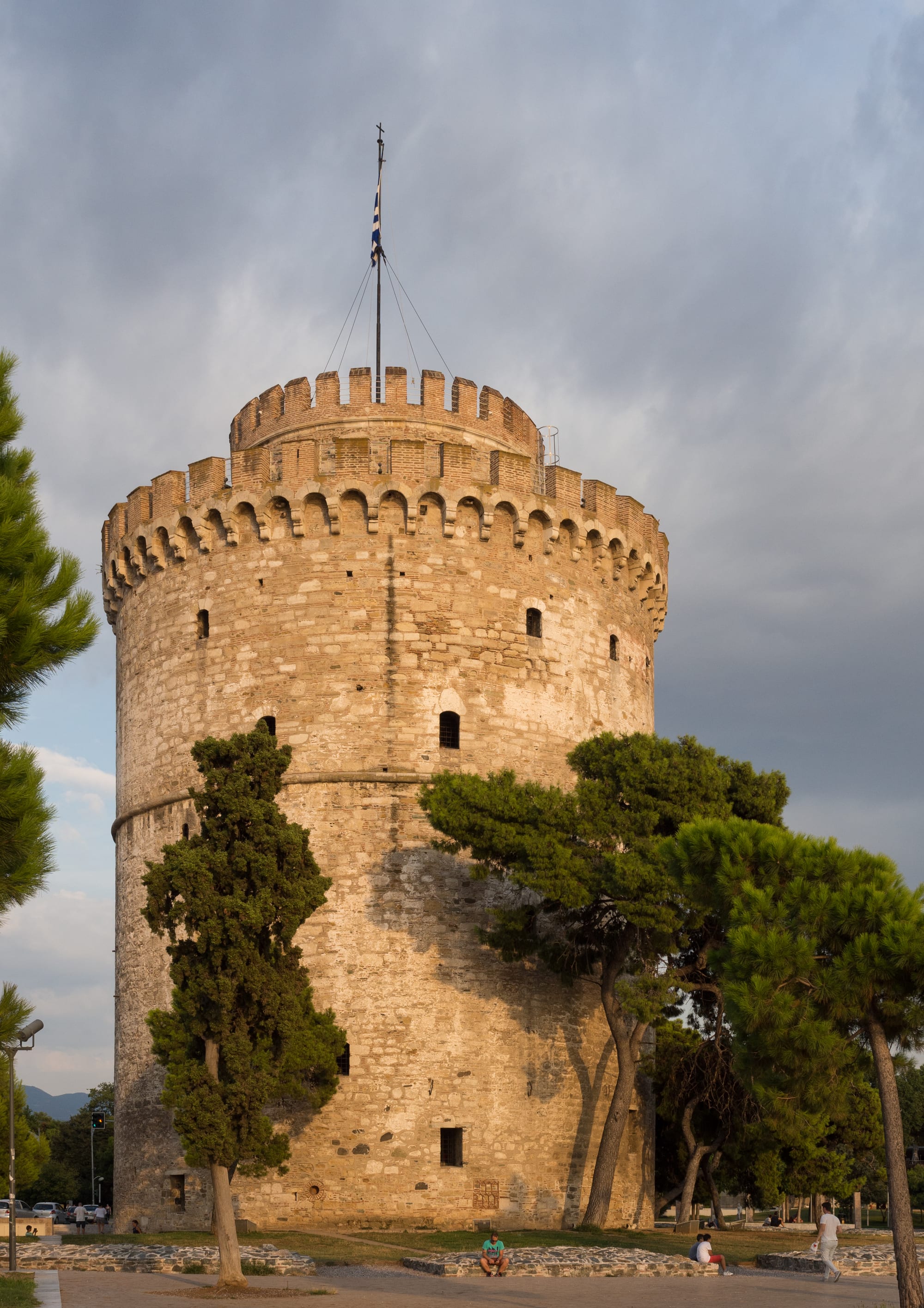
Thessaloniki, in the north, is Greece's second city and its liveliest — a university town with a long waterfront, a superb food scene rooted in its Ottoman and Sephardic Jewish past, and a strong music and nightlife culture. It also has some of the finest Byzantine churches anywhere (a collective UNESCO site), the Roman Rotunda and Arch of Galerius, and an excellent archaeological museum with the gold of the Macedonian kings.
Nearby are the royal tombs of Vergina and the beaches and monasteries of the Halkidiki peninsulas.
12. Zagori and the Vikos Gorge
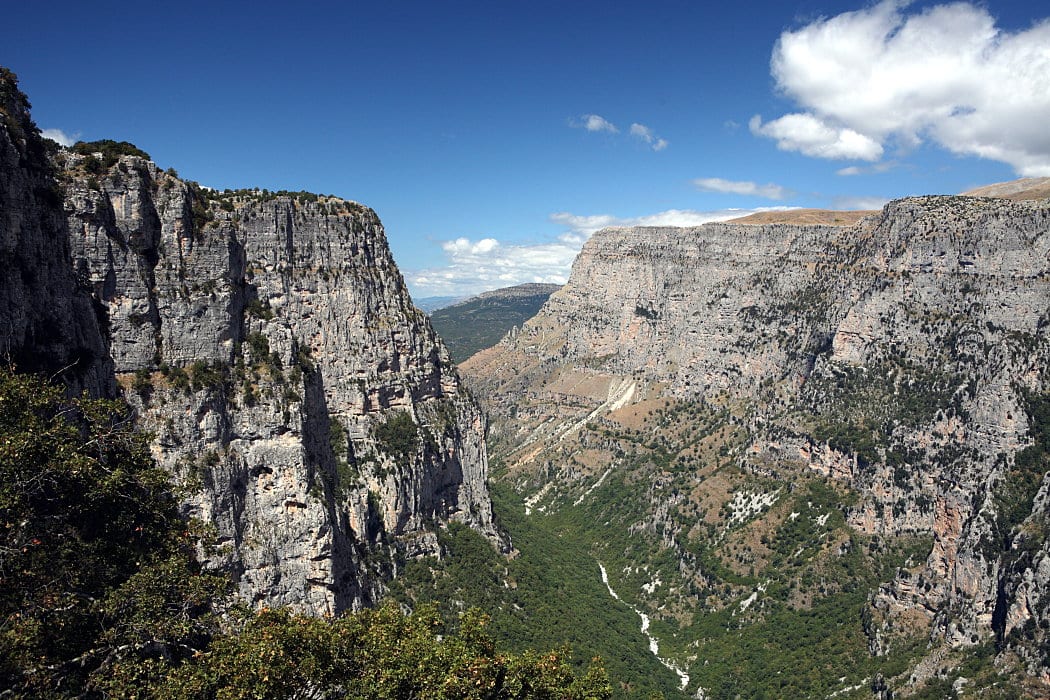
In the mountains of Epirus, near the Albanian border, the Zagori region is a scatter of 46 stone-built villages linked by old arched packhorse bridges and cobbled paths, set around the Vikos Gorge — a limestone canyon so deep and narrow it holds a place in the record books. It is Greece's best walking country, with the Vikos–Aoös national park, river rafting, and small guesthouses in restored mansions.
Ioannina, on its lake, is the regional capital and gateway.
Greece rewards not trying to do too much. A first trip often pairs Athens with one or two islands, or Athens with the Peloponnese and Delphi. Ferries are the classic island transport but slow; domestic flights save days on longer trips.