Daily Life · Greece
Greece: An Afternoon Built Around a Long Lunch
A country where many small shops still close for a long afternoon break on several days of the week, young adults often live with their parents until around 30, and inter-island ferries are as ordinary a part of the commute as any bus
By Worldlore Editorial · 30 September 2026
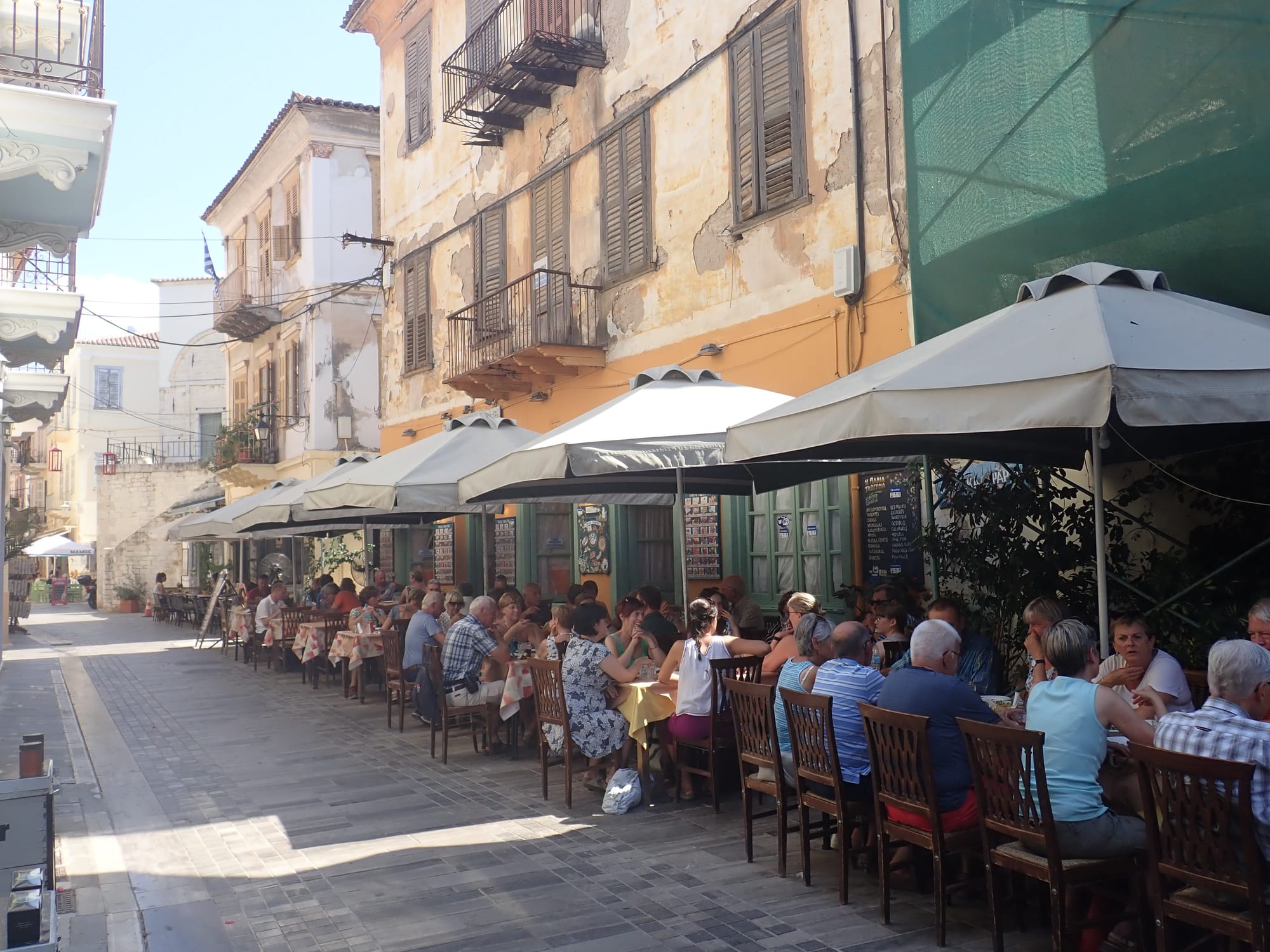
Greece runs on a working day with a long pause built into the middle of it: on Tuesdays, Thursdays and Fridays many small shops close from around two until half past five, splitting the day into a working morning, a slower middle stretch, and a second working period that can run until about nine at night. Around eight in ten Greeks are Orthodox Christian, and the Church's calendar of feasts and Easter, the country's biggest holiday, shapes the year alongside the working week. Family ties run close and practical rather than just sentimental — young adults commonly live with their parents until around 30, and ageing parents in turn often move in with their own children later in life.
Family and home life
Homeownership is highly valued in Greece, where about seven in ten people live in a home their household owns rather than rents, a preference that shapes how families plan and save. Sons and daughters inherit equally under Greek law, and the old dowry system was abolished in the 1980s. While the nuclear family is the most common household unit day to day, elderly parents frequently move in with an adult child's household later in life rather than into separate accommodation, and raising children is generally treated as a task shared across parents and grandparents rather than one household's job alone. Women now make up a large share of the paid workforce, a marked change from the more clearly divided gender roles of previous generations.
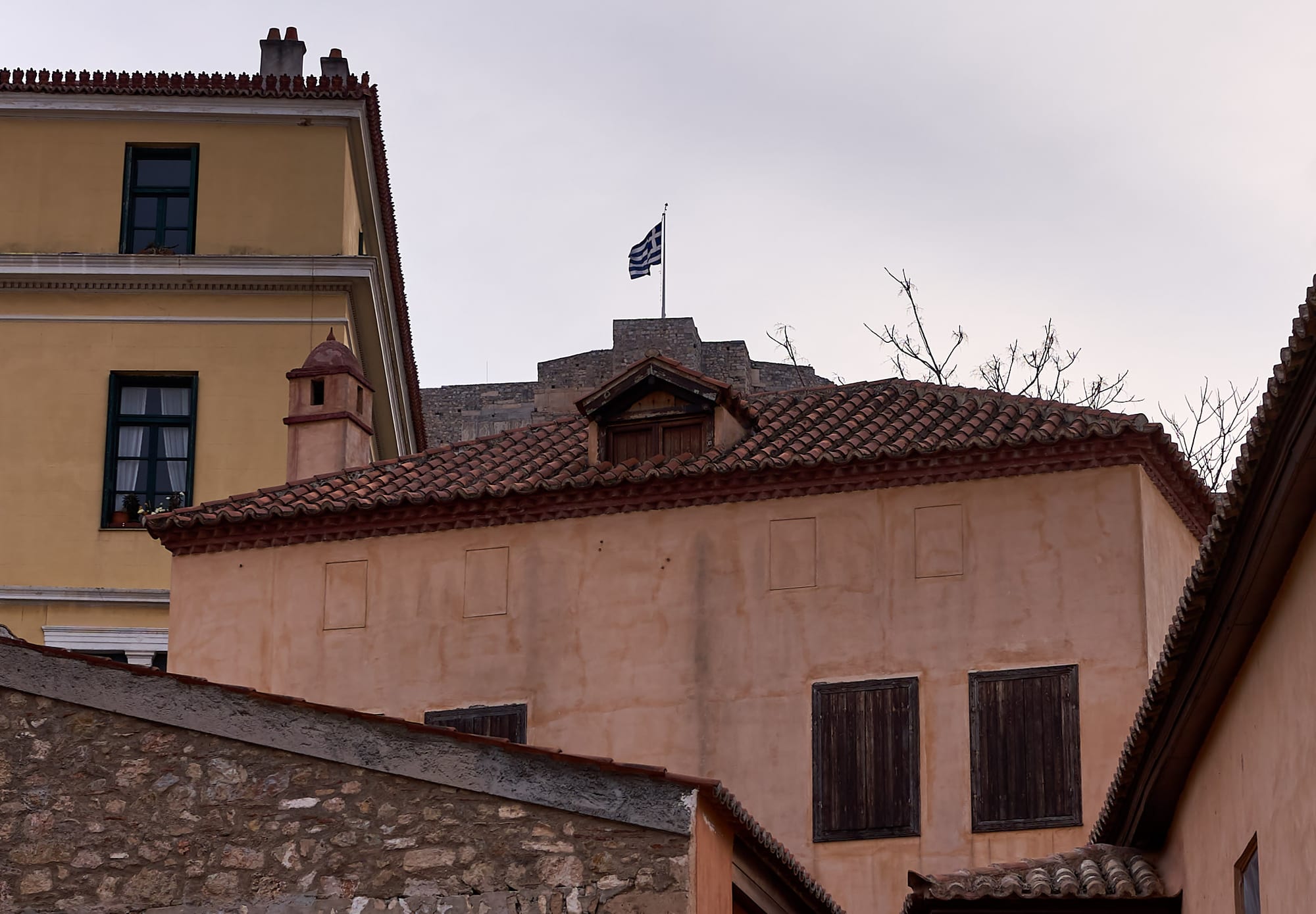
Work, school and the rhythm of the day
The traditional split day, still common among small shops, runs a morning shift from about nine, breaks from around two until half past five on Tuesdays, Thursdays and Fridays, then resumes into the evening; on Mondays, Wednesdays and Saturdays such shops usually close for the day in mid-afternoon. Larger chains, department stores and many offices keep a single continuous working day instead. On the islands and in tourist areas, the rhythm shifts further still, following the summer season rather than a fixed calendar.
Community life and public spaces
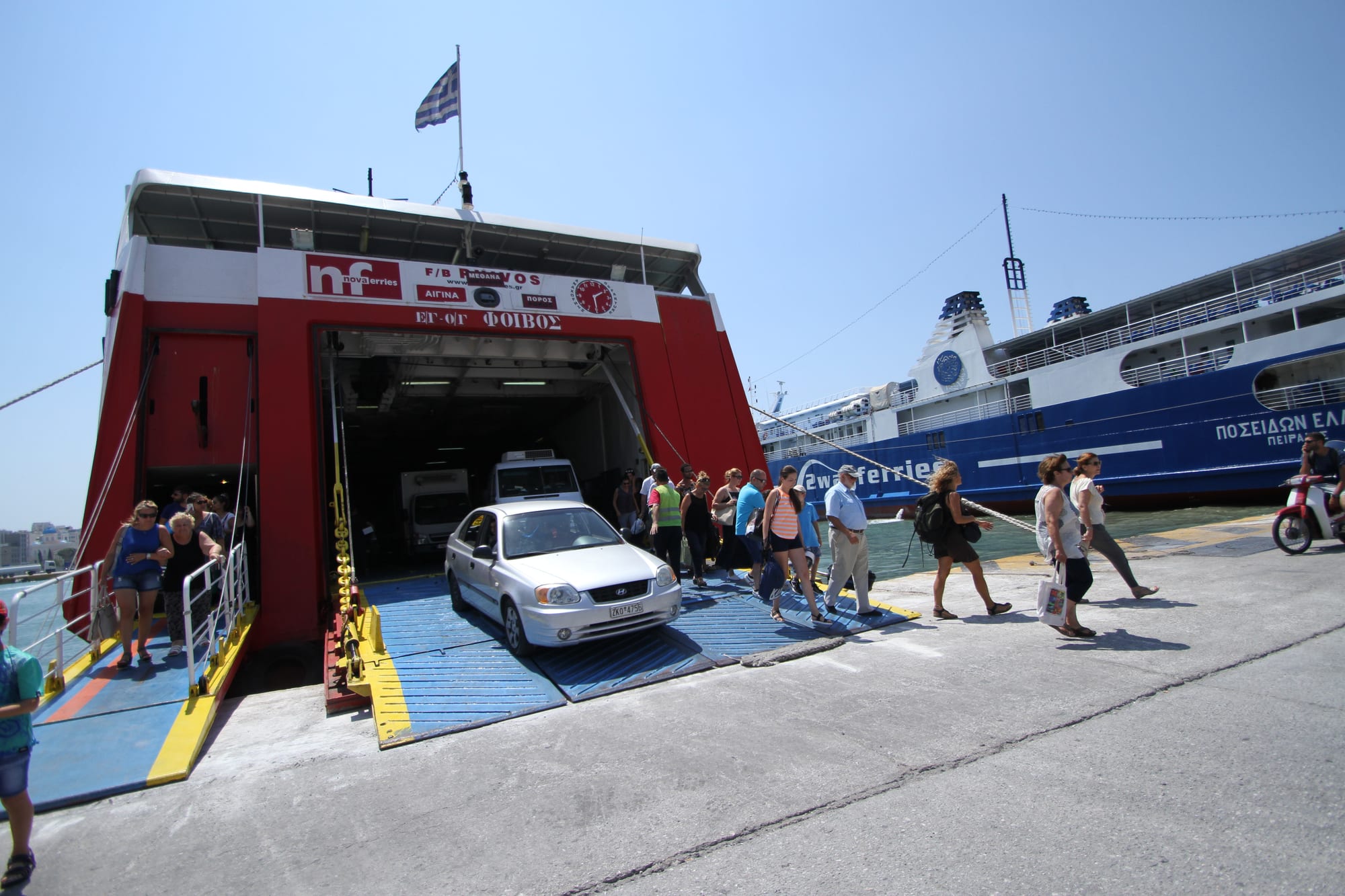
Ferries are not just a tourist novelty but a genuine part of everyday transport for a large share of the population: Piraeus, the largest passenger port in Europe, links Athens to dozens of islands, and inter-island ferry connections carry commuters, students, and goods as reliably as any bus route on the mainland. In towns and city neighbourhoods, the local kafeneio or café, the periptero street kiosk selling everything from cigarettes to bus tickets, and the weekly street market, or laiki agora, remain regular points of daily contact with neighbours. Public squares (plateies) anchor community life in most towns, doubling as playgrounds, meeting points and the setting for evening strolls.
Free time and weekends
Evenings, especially in warmer months, often include a volta, an unhurried walk along a seafront promenade or through the town centre, similar in spirit to the evening walking traditions found elsewhere in the region. Sunday lunch with extended family is a fixture for many households, often running long into the afternoon. Name days, marking the feast day of the saint a person is named after, are noted on the calendar across the country and are celebrated much like a birthday, with visits and good wishes from friends and family.
A visitor's ordinary day
Greece uses the euro, and cards are now accepted almost everywhere, including small tavernas, though carrying some cash is still useful on quieter islands and in rural areas. Shops in tourist areas increasingly stay open through the afternoon, but away from the main resorts it is still common to find them shut between early afternoon and early evening, so it is worth planning errands for the morning or after half past five. Ferry schedules can shift with the weather, particularly when the strong meltemi wind blows in summer, roughly from mid-May to mid-September, so it is worth booking a buffer day before any flight home. Orthodox Easter, on a different date from Western Easter most years, is the single biggest holiday of the year and closes many businesses for several days around it.
What to take away
An ordinary day in Greece bends around two things that outlast any single schedule: a long midday pause that has never quite disappeared, and a family network, spanning grandparents to grown children, that still does much of the work an institution might do elsewhere.