Food · Ghana
Ghana: Food and the National Dish
Pounded cassava and plantain eaten with a hot pepper soup, a jollof rice rivalry with Nigeria that never quite settles, and one of the world's great cocoa-growing nations
By Worldlore Editorial · 16 September 2026
A soup-and-starch tradition across many ethnic kitchens
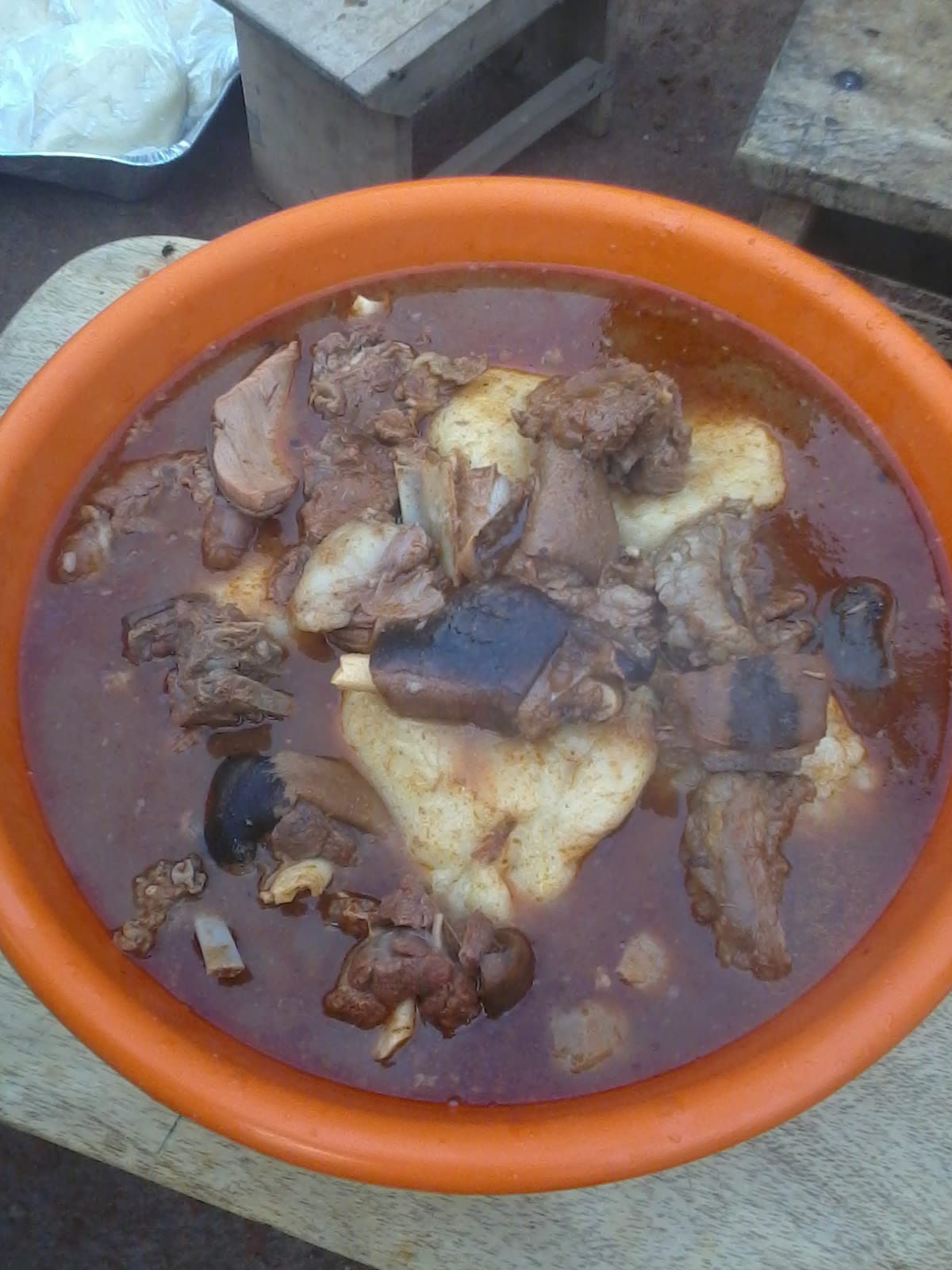
Ghana's food reflects the country's ethnic diversity — Akan, Ga, Ewe, Dagomba and other traditions each bring their own dishes — but nearly all of them share a basic structure: a starchy base, whether pounded, boiled or fermented, eaten together with a rich, often spicy soup or stew. That pattern, more than any single dish, is what unites Ghanaian cooking across the country.
The national dish: fufu with soup
Fufu, a smooth, stretchy dough pounded from boiled cassava and plantain, yam or cocoyam, served with a soup such as light soup (a tomato-based broth) or groundnut soup, is widely regarded as Ghana's national dish. It's eaten by tearing off a small piece with the fingers, dipping it into the soup, and swallowing it without chewing — a technique that takes newcomers some practice but is second nature to most Ghanaians.
Cassava, palm oil and the everyday pantry
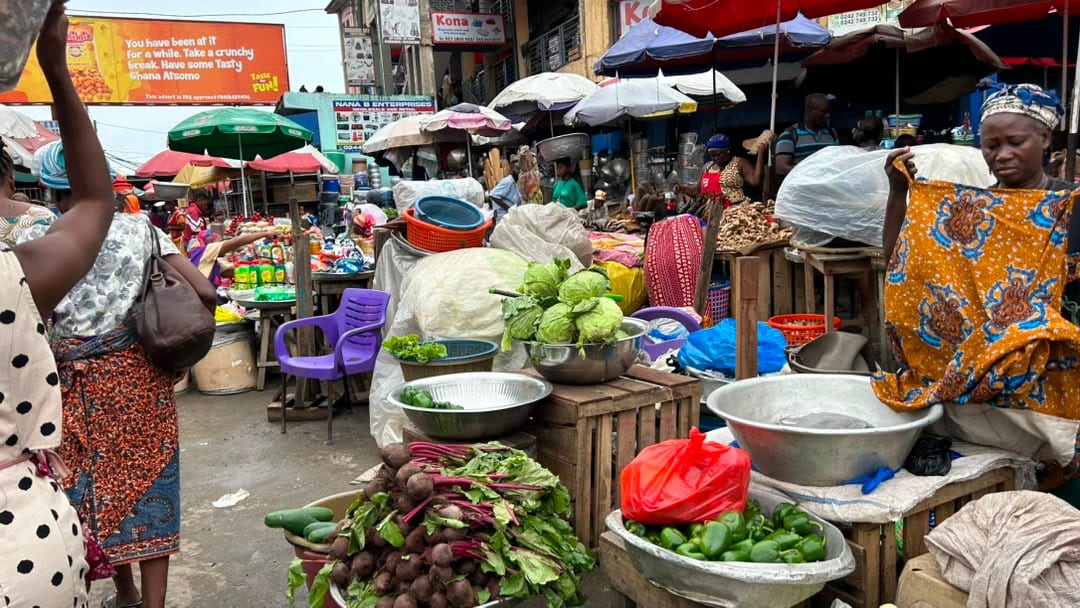
Cassava, plantain, yam and maize form the starchy backbone of Ghanaian cooking, while palm oil, groundnuts and a range of dried and fresh peppers give most soups and stews their depth and heat. Fresh and smoked fish from Ghana's Atlantic coast and inland rivers is the most common protein, especially tilapia.
History behind the plate
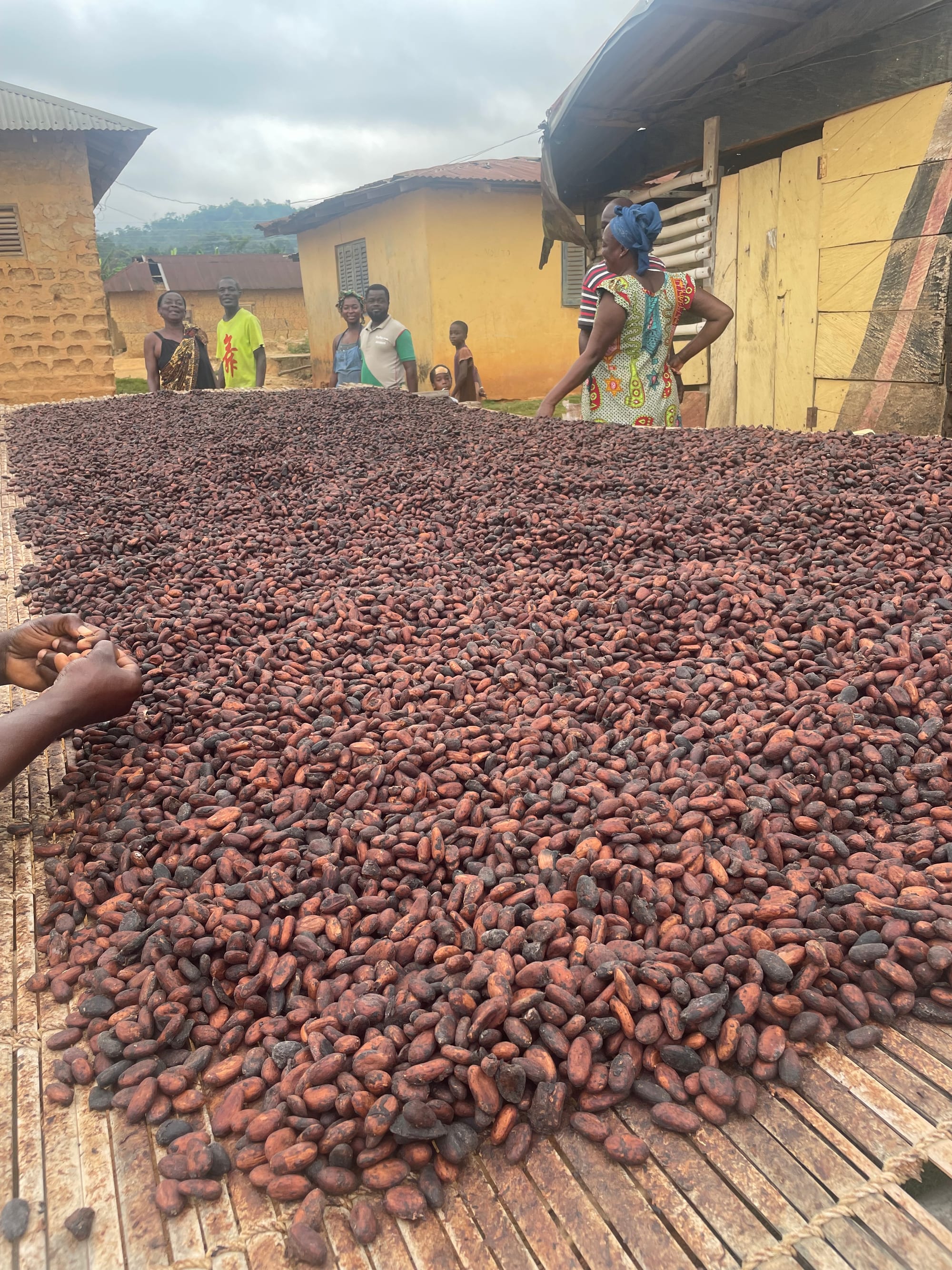
Cassava, maize and chilli peppers, all now central to Ghanaian cooking, arrived from the Americas through Atlantic trade routes established from the 15th century onward, layering onto older West African staples like yam and millet. Ghana's cocoa industry, among the largest in the world, grew out of the same colonial-era trade patterns and remains a major export crop today, even though chocolate itself is a relatively minor part of everyday Ghanaian eating.
North and south
Southern and coastal Ghana lean on fish, cassava and plantain-based fufu and banku, while the drier north favours millet and guinea fowl, with tuo zaafi, a millet or maize dough served with a leafy green soup, taking the place fufu holds further south.
Dishes to know
Five more to recognise across Ghana:
- Jollof rice — a one-pot tomato rice dish at the centre of a famous,
good-natured rivalry with Nigeria over whose version is better.
- Waakye — rice and beans cooked together, often coloured red by dried
millet leaves, sold as a popular street-food breakfast and lunch.
- Banku — fermented corn and cassava dough, usually paired with grilled
tilapia and pepper sauce.
- Kelewele — spiced, fried ripe plantain, a beloved street snack.
- Red red — a bean stew cooked in palm oil, served with fried plantain.
Drinks
Sobolo, a tart red drink made from dried hibiscus flowers, ginger and spices, is a widely loved traditional Ghanaian drink, alongside palm wine and a strong local beer culture built around brands like Club and Star. Fresh coconut water is a common street drink in coastal areas.
Eating as a traveller
Vegetarians will find plantain, bean and vegetable-based dishes like red red manageable, though fish and meat are central to most traditional soups. Tap water is not reliably safe outside major hotels; bottled "pure water" sachets are the common local solution. Trying fufu the proper way, by hand rather than with cutlery, is a genuinely appreciated gesture toward Ghanaian food culture.
What to take from the table
Fufu with light soup, eaten by hand, is the dish that best represents Ghana's soup-and-starch tradition — and a bowl of jollof rice afterward is the friendliest way to join a debate that shows no sign of ending anytime soon.