Daily Life · Georgia
Georgia: Three Generations, One Table
Grandparents helping raise the grandchildren, a large diaspora abroad, marshrutka minibuses threading every town, and an autumn calendar still set by the grape harvest
By Worldlore Editorial · 30 September 2026
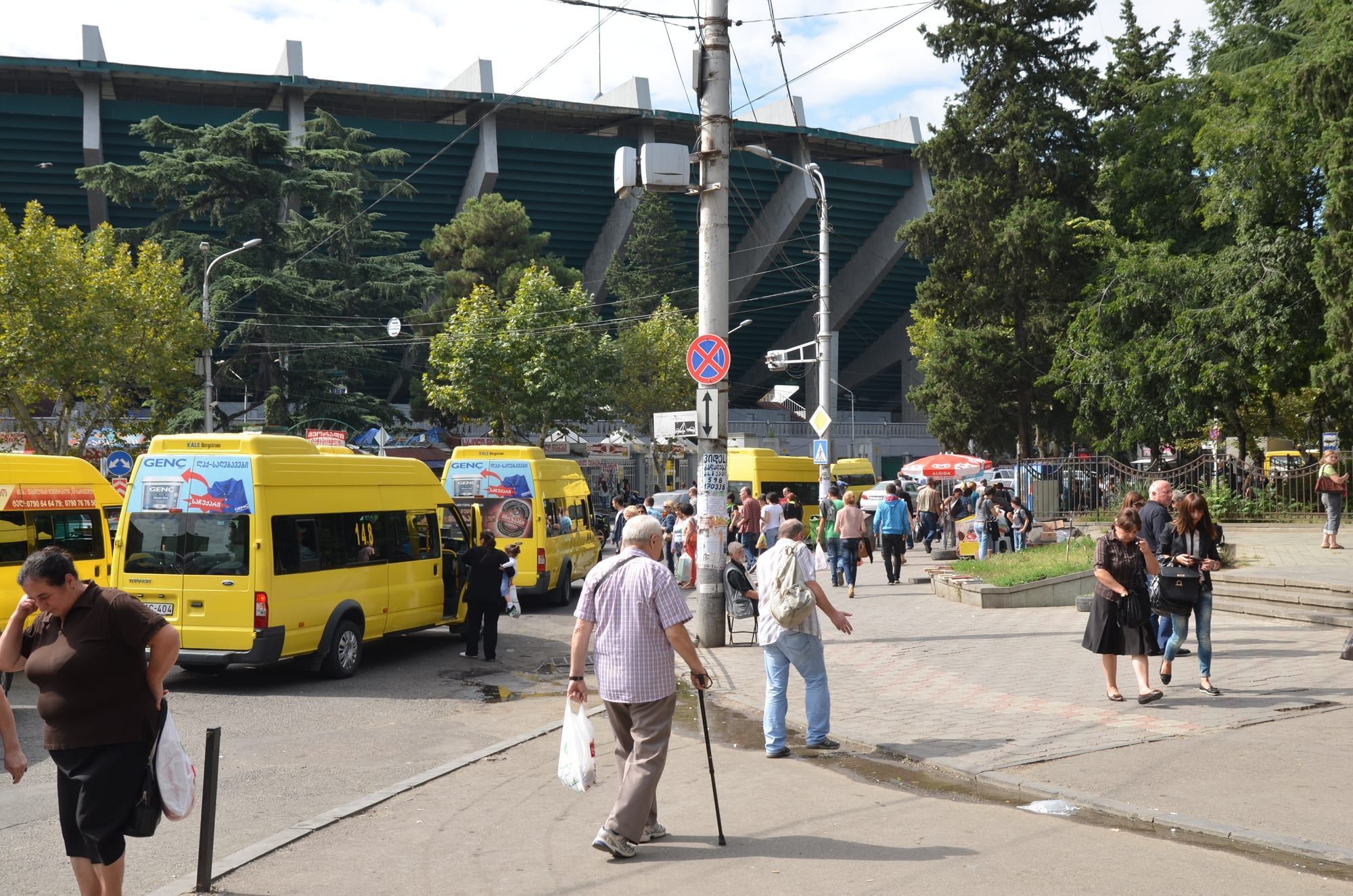
Georgia is a country where family still runs several generations deep in practice, not just on paper. In Tbilisi and the other cities, most households are nuclear, but it is common for grandparents to live with the family and take an active hand in raising the children while parents work; in the mountains and rural valleys, extended households of brothers, their parents and all their children sharing one roof remain ordinary. Kinship matters well beyond the immediate household — a wide circle of relatives is expected to show up for both weddings and funerals — and the country's Orthodox Christian calendar and, in autumn, the grape harvest give the year its shape as much as any working week does.
Family and home life
The typical urban household is a nuclear family, though grandparents frequently live under the same roof and take a hands-on role in childcare and running the home, freeing parents to work. Outside the cities and in the mountainous regions, extended families are still common: several brothers, their parents, and their own children sharing a single household and its land. Women are frequently both breadwinners and homemakers, and much of the day-to-day housework still falls to them, while men have traditionally taken the lead in public life. Beyond the household, a wide circle of relatives is considered close family, expected to turn out for both celebrations and funerals as a matter of course.
Work, school and the rhythm of the day
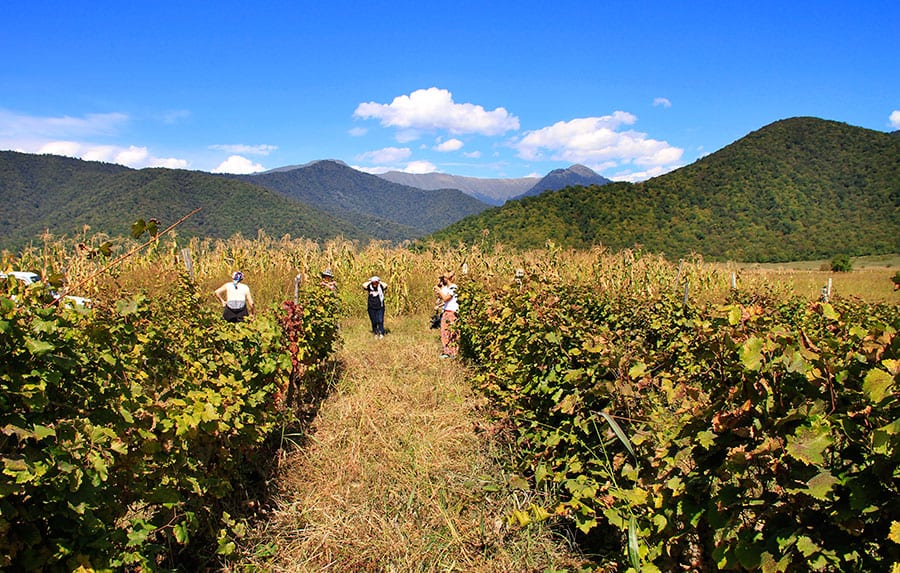
Roughly a third of Georgia's population lives in Tbilisi, and the pull of work has sent a great many more abroad entirely: net emigration cut the population by more than a million between 1990 and 2010, and about 3.9 million people live in the country today, with sizeable Georgian communities in Russia, Turkey, Greece and the European Union. Money sent home by relatives working abroad is a meaningful part of many households' income, and it is common for a family to have at least one member working outside the country for periods at a time. Within Georgia, the working week is a standard five-day one in offices and services, but agriculture still occupies a large share of rural households, and the autumn grape harvest, known as rtveli, pulls whole extended families into the vineyards for several busy days each year.
Community life and public spaces
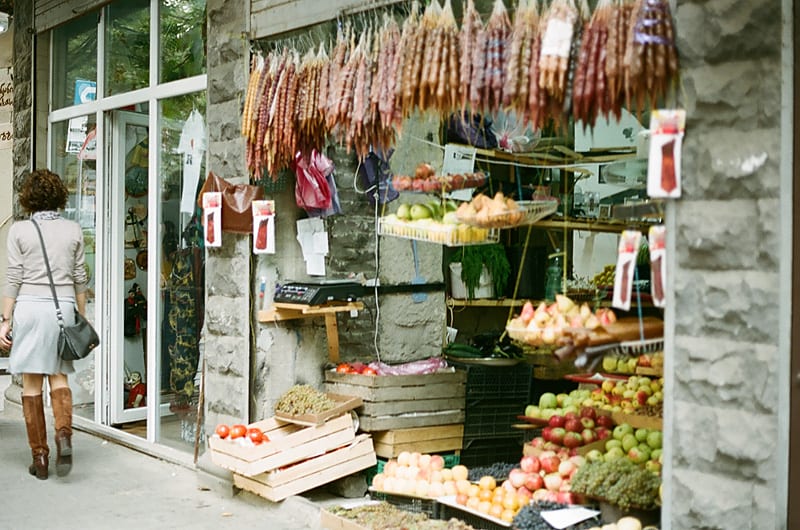
Tbilisi has a metro and municipal buses, but between towns shared marshrutka minibuses do much of the work, often leaving from informal stands once they fill up rather than on a set timetable. Open-air and covered markets selling fruit, vegetables, cheese and spices remain where many Georgians do their food shopping, doubling as a daily meeting point in a way a supermarket rarely is. With more than four in five Georgians Orthodox Christian, church bells and roadside shrines are a familiar part of the built landscape nationwide, and Sunday services draw steady, if not universal, attendance in cities and villages alike.
Free time and weekends
Weekends bring extended family visits, especially to grandparents, and attending a wedding, a name day or a funeral is treated as an obligation rather than an optional social call, often filling a Saturday on short notice. In wine-growing regions such as Kakheti, the autumn grape harvest turns into a genuine family and community event, with relatives returning from the cities to help bring it in. Rugby, often considered the national sport, and football are followed closely, and a weekend excursion to the mountains — hiking in summer, skiing at Gudauri or Bakuriani in winter — is a common and relatively affordable way for city families to spend a day off.
A visitor's ordinary day
Georgia uses the lari, with ATMs widespread in cities and towns and cards accepted almost everywhere in Tbilisi and Batumi, though cash remains useful in villages and markets. In the cities many shops and markets open daily and stay open into the evening. Large political protests have been frequent in Tbilisi since the disputed 2024 parliamentary election, and visitors are advised to avoid demonstrations. Getting around by marshrutka means finding the right informal stand and waiting for the minibus to fill rather than checking a timetable, which can feel disorienting at first but works reliably once understood. Mountain roads such as the route to Kazbegi can close without much notice in poor winter weather, and the unpaved road into Tusheti is open only in summer, so it is worth checking conditions before setting out into the high country.
What to take away
An ordinary day in Georgia still runs through the extended family more than through the individual: grandparents raising grandchildren, relatives returning for the harvest or a wedding, and a household that, in the mountains at least, has rarely shrunk down to just one generation.