Attractions & Natural Wonders · Georgia
Georgia: Ten Attractions and Natural Wonders
Cave cities and cliff-top monasteries, medieval tower villages under the High Caucasus, an 8,000-year-old wine culture, and a subtropical Black Sea coast
By Worldlore Editorial · 19 September 2026
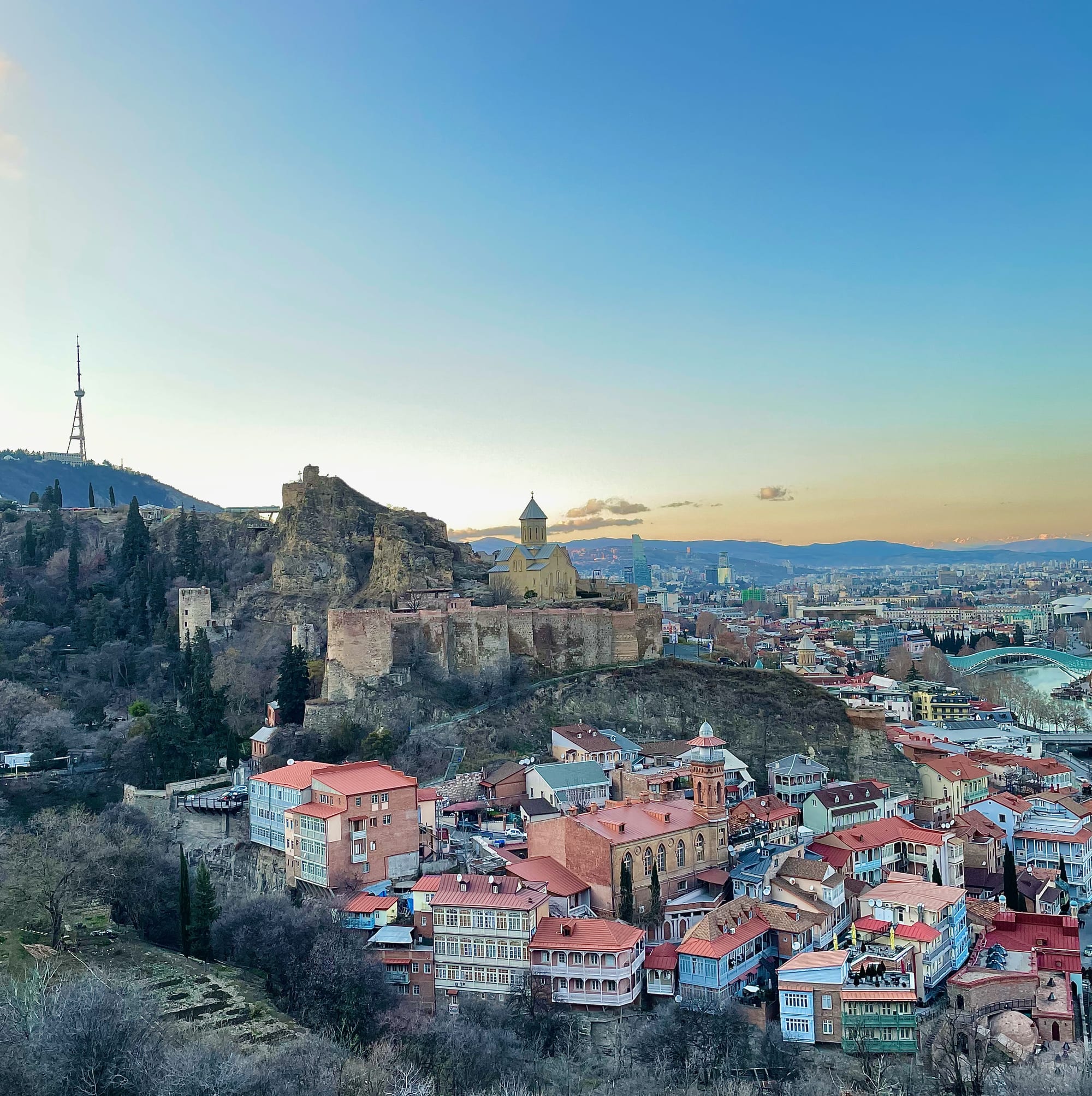
Where Europe and Asia overlap
Georgia sits on the southern side of the Caucasus mountains, between the Black Sea and Azerbaijan, with Russia to the north and Armenia and Turkey to the south. It is a small country — under four million people — with its own alphabet, one of the world's oldest Christian churches (state religion from around AD 337), and a claim to the oldest winemaking on earth, in clay qvevri buried in the ground. The landscape swings from semi-desert to glaciated 5,000-metre peaks to palm-lined seafront in the space of a few hours' drive.
The ten below run from the capital out to the mountains, the cave country of the south, the wine region, and the coast. Late spring and autumn are ideal; mountain roads to Svaneti and Kazbegi are best from June to October, and the Black Sea coast is a summer destination.
1. Tbilisi
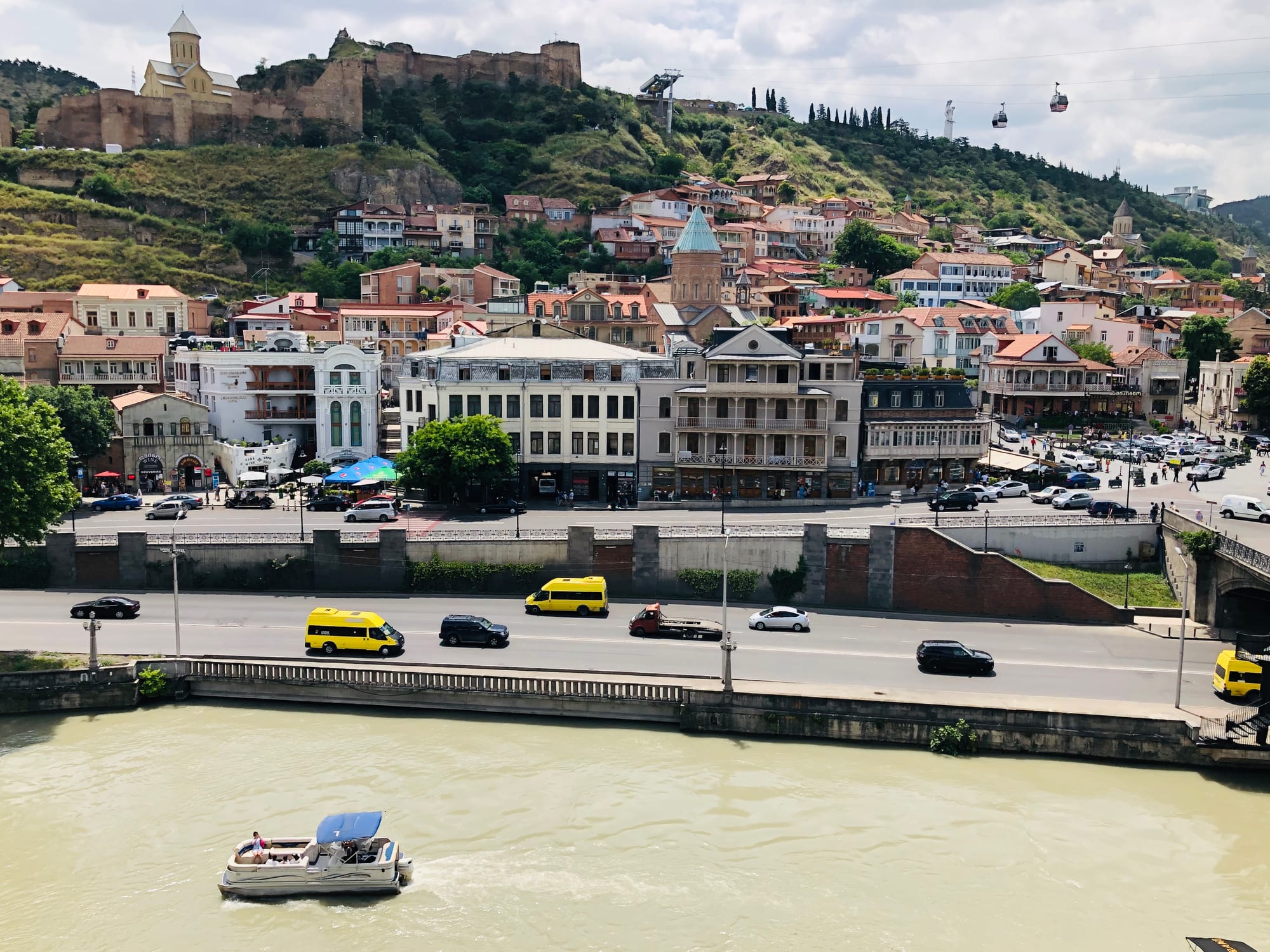
Tbilisi, founded in the 5th century around its hot springs, is a layered capital of carved wooden balconies, Persian-style bathhouses in the Abanotubani quarter, Art Nouveau facades, Soviet blocks, and bold new glass architecture. The old town climbs to the Narikala fortress and the giant Kartlis Deda ("Mother of Georgia") statue; below run the lively Rustaveli avenue, the flea market on the Dry Bridge, and a wine-bar and restaurant scene that has made the city a magnet for travellers.
Two or three days is enough for the centre, with the cable car, the botanical garden, and day trips to Mtskheta.
2. Mtskheta and Jvari
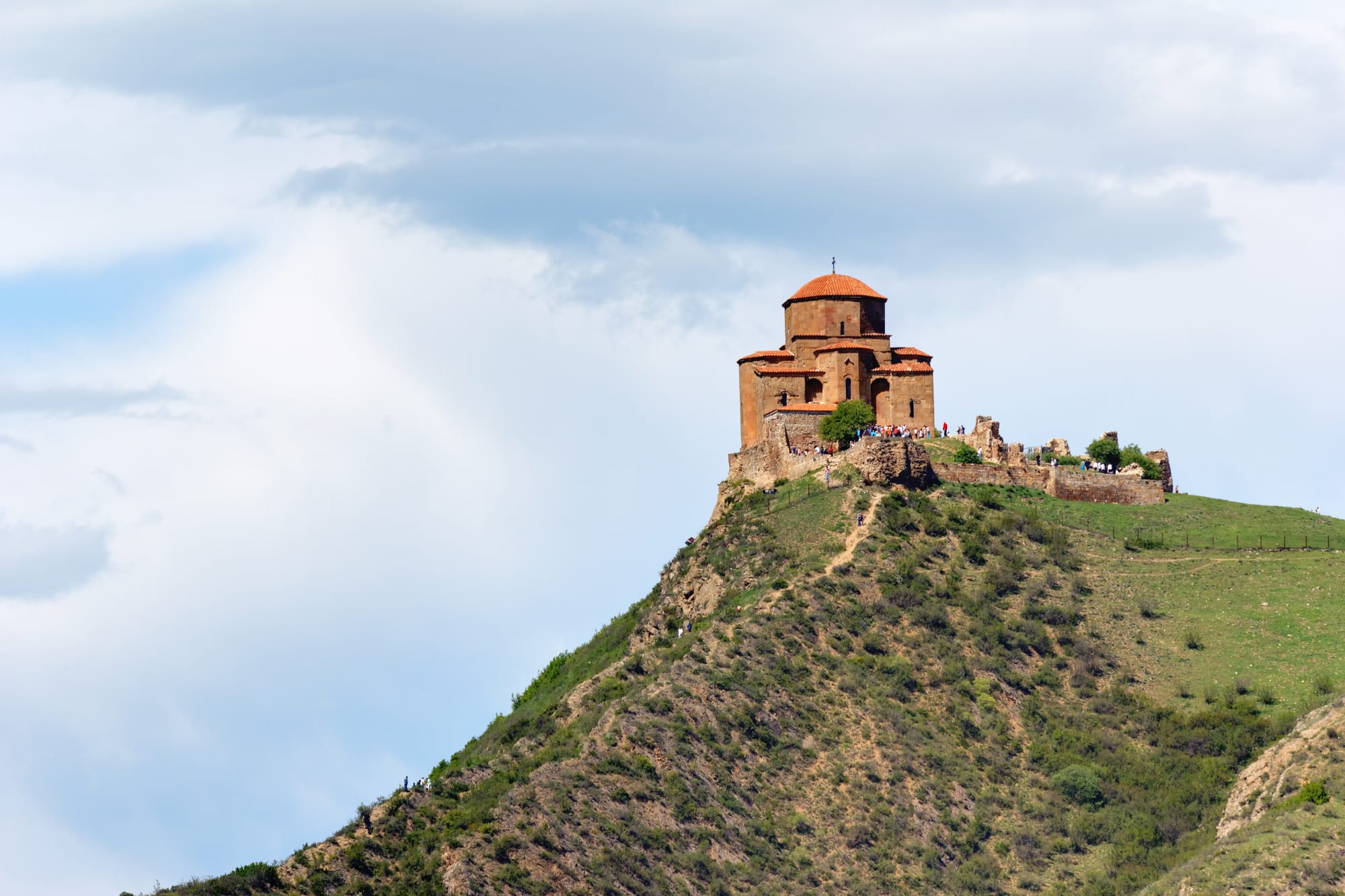
Mtskheta, 20 kilometres north of Tbilisi, was the capital of the Georgian kingdom for a thousand years and remains the spiritual centre of the church. Its 11th-century Svetitskhoveli cathedral, said to hold Christ's robe, dominates the small town; on the ridge across the water stands the perfectly proportioned 6th-century Jvari church, one of the oldest surviving in Georgia. Together they form a UNESCO World Heritage Site.
It is an easy half-day trip and the usual first taste of Georgian church architecture.
3. Kazbegi and the Gergeti Trinity Church
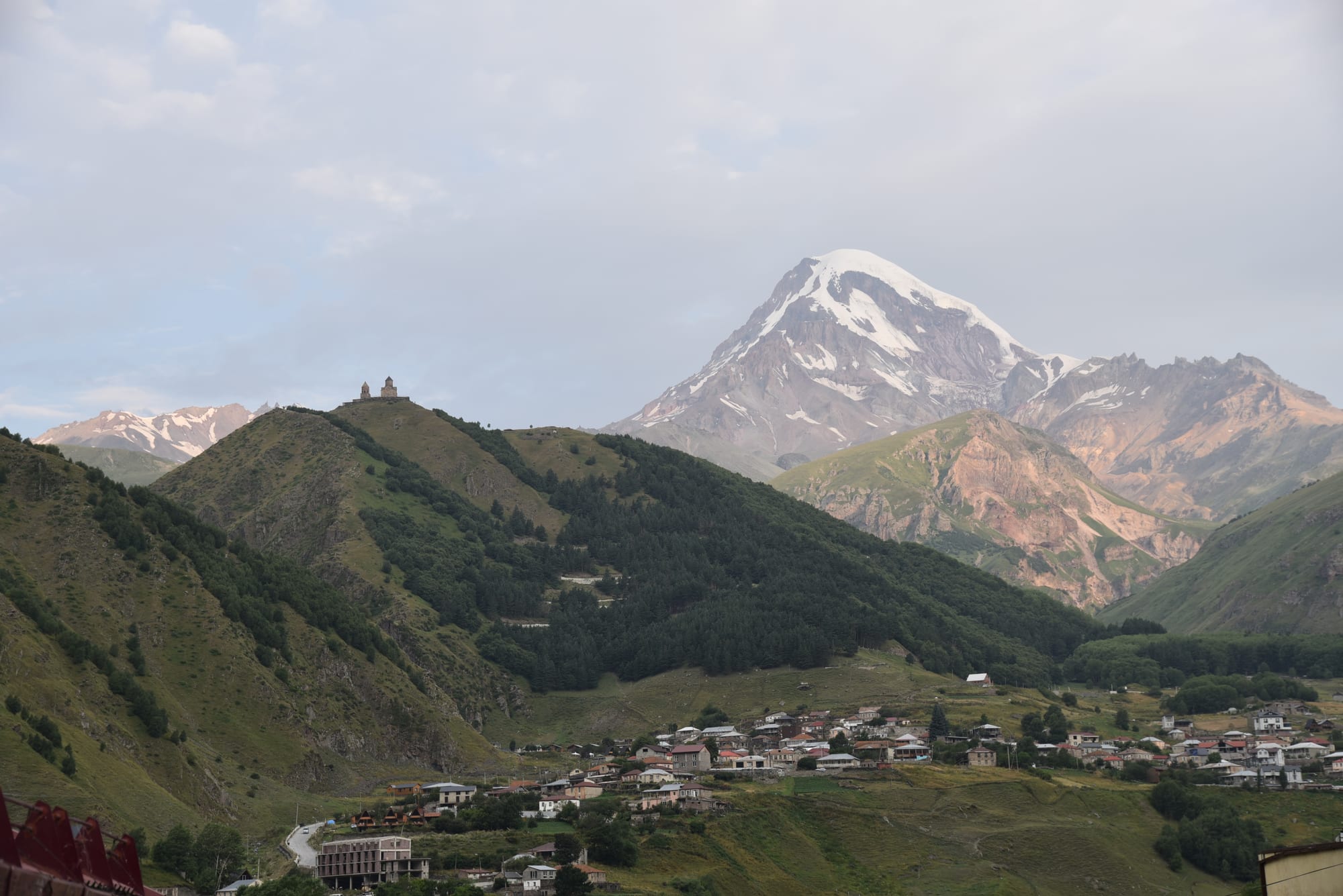
Stepantsminda (Kazbegi), on the Georgian Military Highway three hours north of Tbilisi, sits under the 5,047-metre cone of Mount Kazbek. Above the town, a 14th-century church stands alone on a grassy shoulder with the glaciers of Kazbek behind it — the classic image of Georgia, reached on foot in about 1.5 hours or by 4x4. The drive up, over the 2,379-metre Jvari Pass, is spectacular in itself.
It is doable as a long day trip, but an overnight lets you catch it in clear morning light.
4. Svaneti and Ushguli
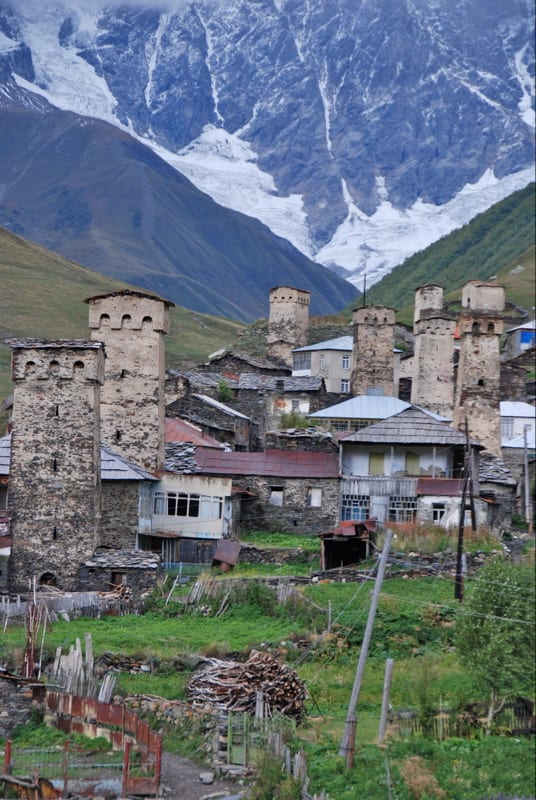
Svaneti, a remote mountain province in the northwest, is famous for its koshki — tall stone defensive towers, most built between the 9th and 13th centuries, that let families hold out against raiders and blood feuds. The hub is Mestia, with its museum of Svan icons and metalwork; a rough road continues to Ushguli, a UNESCO-listed group of tower villages at 2,100 metres below Mount Shkhara. The hiking, especially the four-day Mestia–Ushguli trek, is superb.
Access is by a mountain road or a short flight from Tbilisi to Mestia.
5. Vardzia
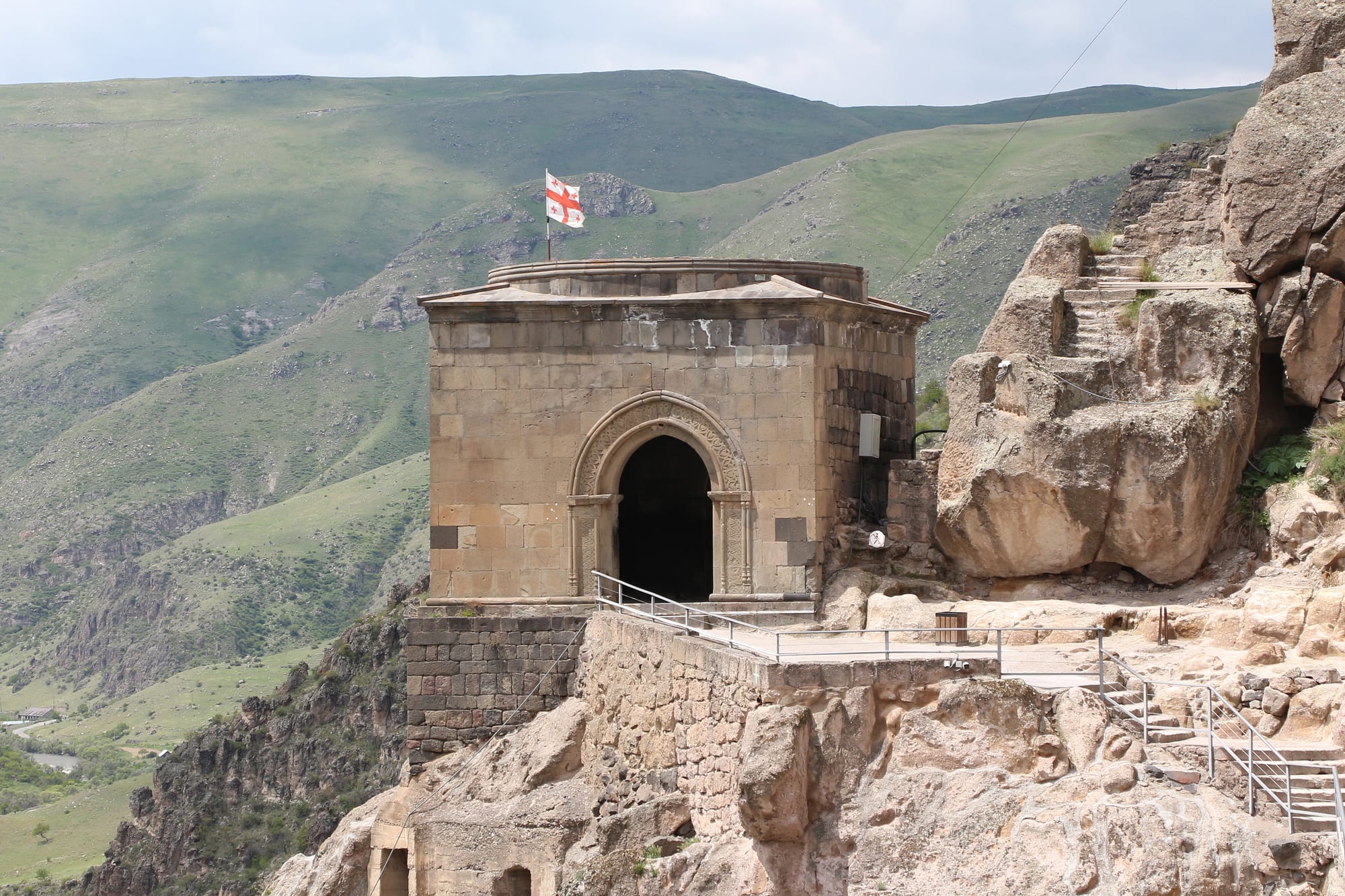
In the far south near the Turkish border, the cave city of Vardzia was hollowed out of a cliff above the Kura in the 1180s under Queen Tamar as a monastery and a refuge for thousands of people — a warren of chapels, cells, wine cellars, and tunnels over 13 levels, partly opened up by a later earthquake. The frescoed Church of the Dormition, with a rare contemporary portrait of Tamar, is the centrepiece.
Nearby are the Khertvisi fortress and the alpine Javakheti lakes.
6. Uplistsikhe
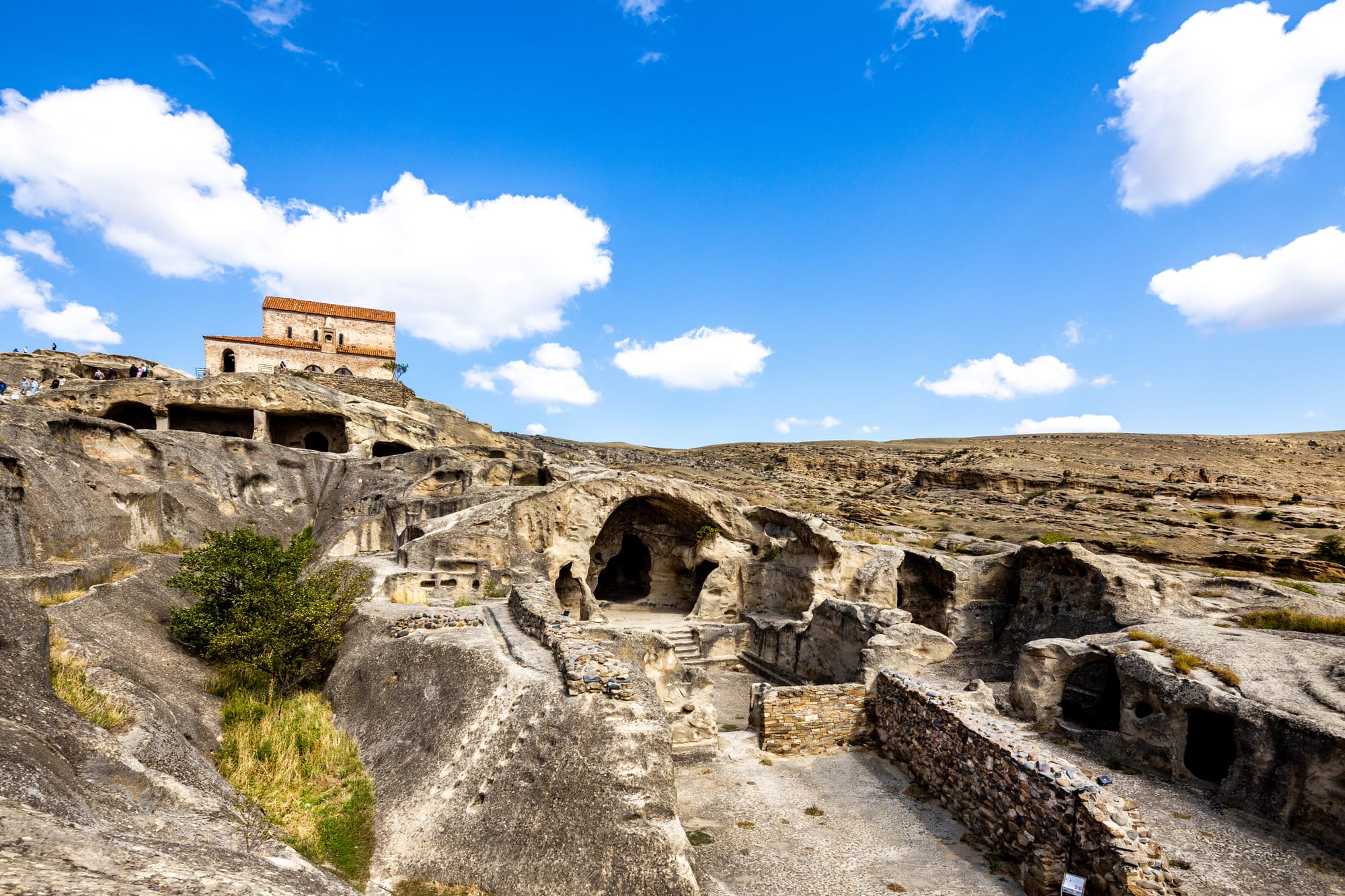
Uplistsikhe, near Gori in central Georgia, is one of the oldest urban settlements in the country — a town carved directly into a sandstone outcrop, occupied from around the 1st millennium BC and a major stop on trade routes until the Mongols sacked it. You can walk through its pagan-era halls, a "theatre", a pharmacy, and wine presses, with a 10th-century church crowning the rock.
Gori itself has the museum and preserved birth-house of Joseph Stalin.
7. David Gareja
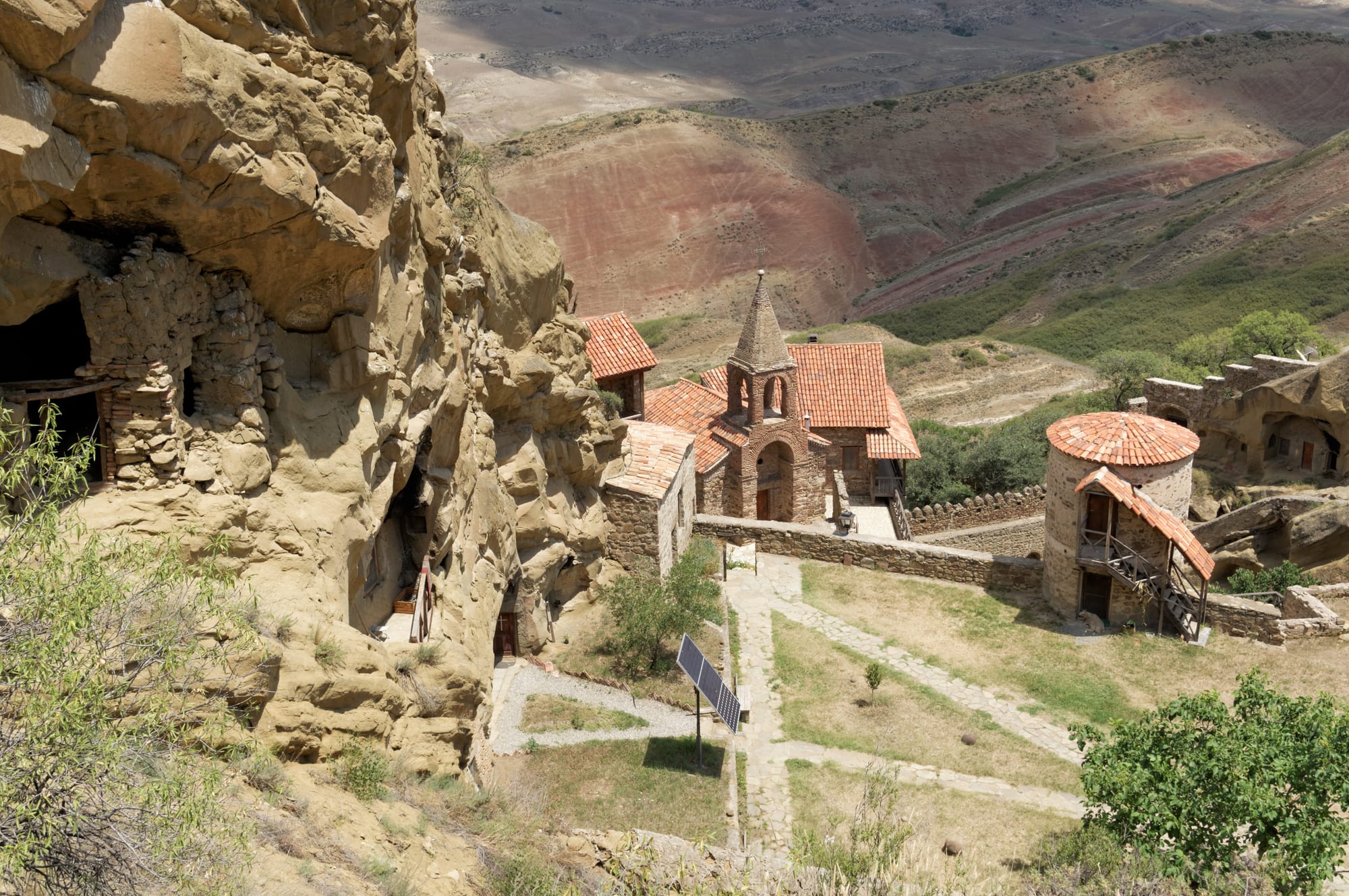
David Gareja, about 70 kilometres southeast of Tbilisi, is a spread-out complex of rock-cut monasteries founded in the 6th century in stark, striped semi-desert. The lower Lavra monastery is active; a trail climbs to the Udabno caves with faded frescoes and long views into Azerbaijan.
Part of the site sits on a disputed stretch of border, and the upper trail is periodically closed; check locally before visiting.
8. Kakheti wine country
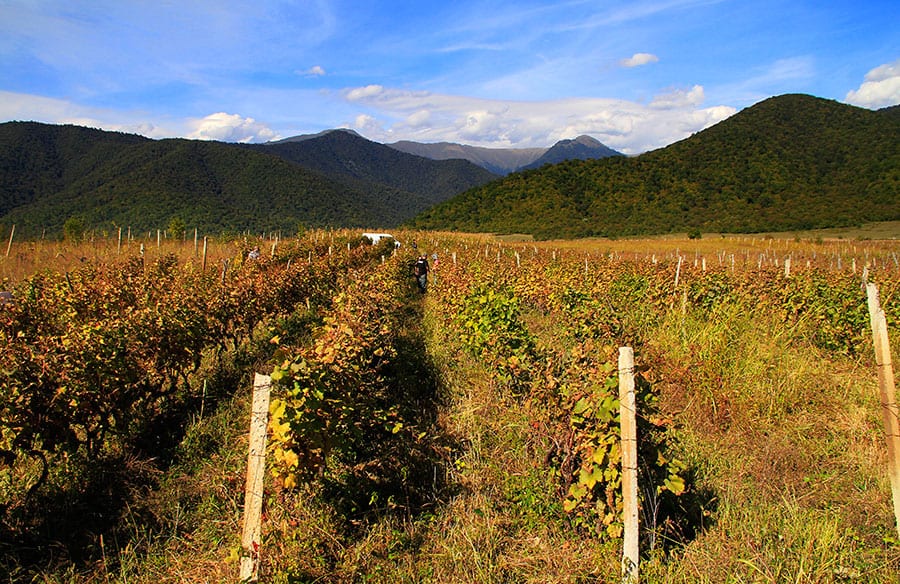
Kakheti, the eastern lowland below the Caucasus, is the heart of Georgian wine: family cellars and large estates around Telavi and Sighnaghi press grapes like Saperavi and Rkatsiteli and ferment them, skins and all, in buried qvevri — a method on the UNESCO intangible-heritage list. Sighnaghi is a small walled hill town with a long rampart walk; nearby are the Bodbe convent and the Alaverdi cathedral.
It makes an easy one- or two-day trip from Tbilisi, ideally around the September harvest.
9. Batumi and the Black Sea coast
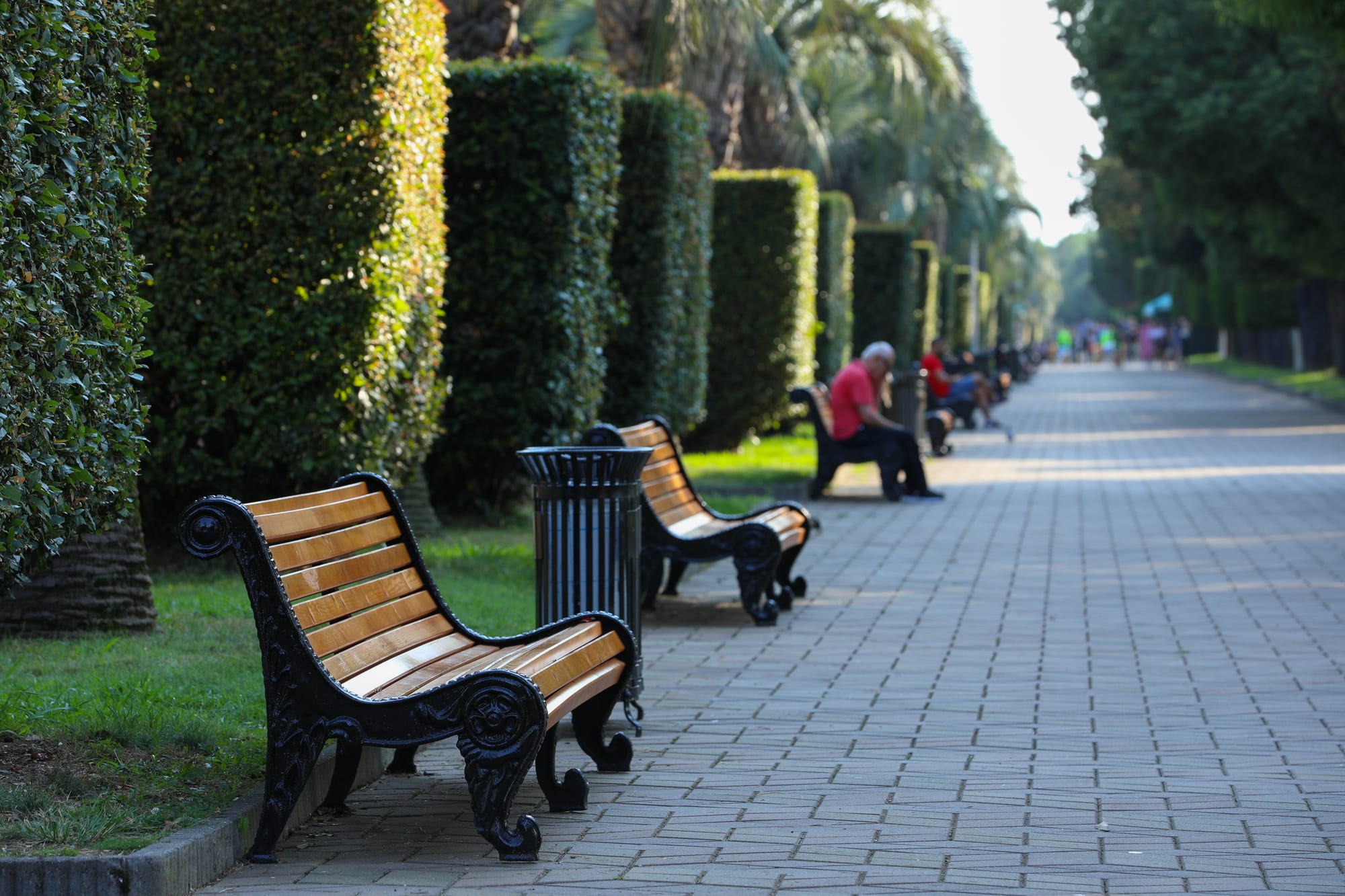
Batumi, near the Turkish border, is Georgia's summer capital — a humid, subtropical port with a long pebble beach, a green seafront boulevard, a jumble of brash new towers and restored Belle Époque quarters, and botanical gardens on a headland just north. Inland rise the rainforested hills of Adjara, with the arched Makhuntseti bridge and waterfall and the Mtirala rainforest park.
It is a one-hour flight or a five-hour train from Tbilisi.
10. Kutaisi and Prometheus Cave
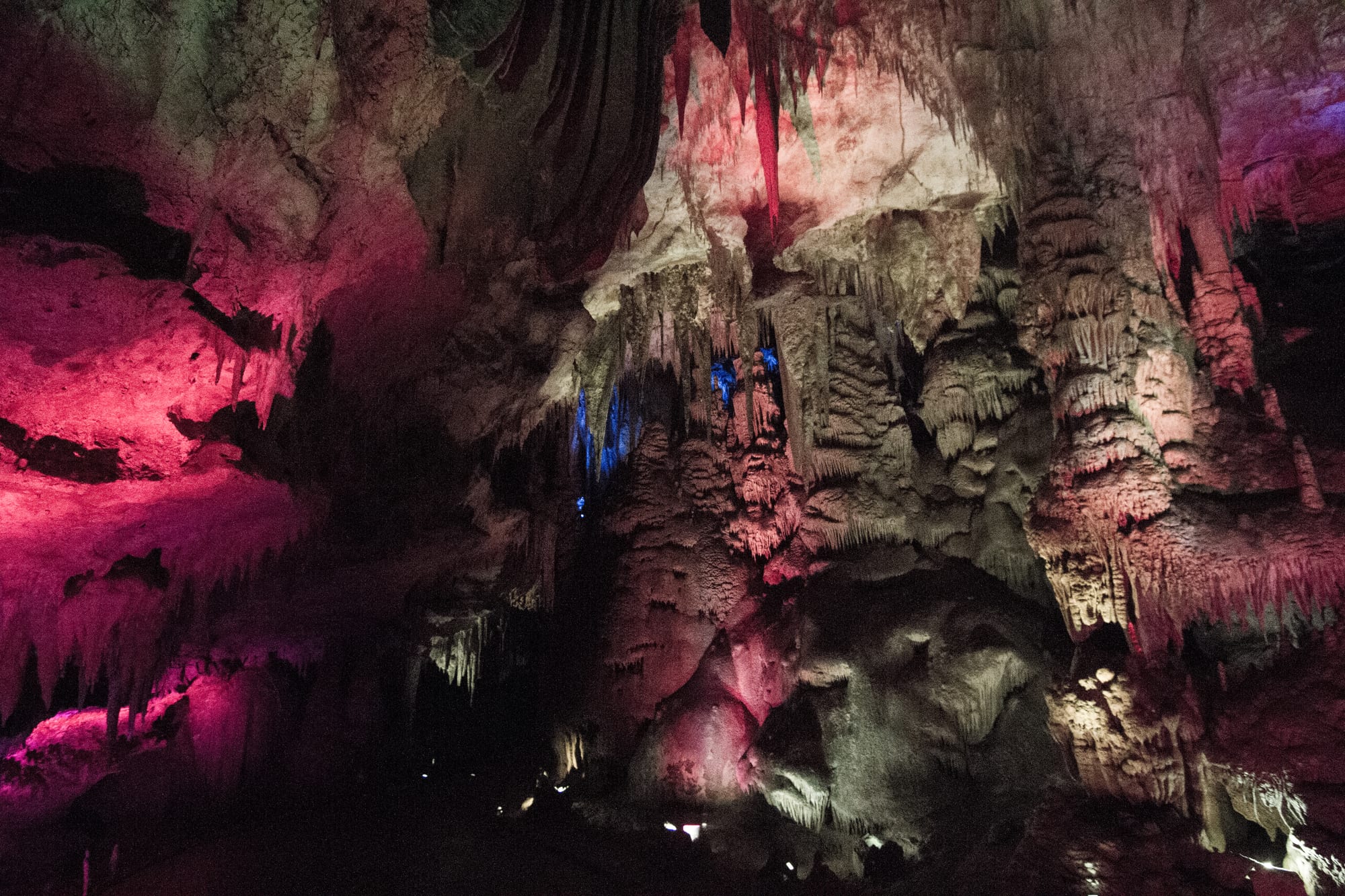
Kutaisi, Georgia's second city, is the gateway to the western region of Imereti and its two UNESCO-listed monasteries, Gelati and Bagrati. Just outside are two big show caves — Prometheus, with a 1.5-kilometre lit walk and boat section, and Sataplia, which adds preserved dinosaur footprints — plus the Okatse canyon walkway and the Martvili canyon boat trip.
Kutaisi has a budget-airline airport, making it many travellers' entry point to Georgia.
Georgia is small, cheap, and rewarding. A first trip of a week covers Tbilisi, Mtskheta, Kazbegi, and Kakheti; adding Svaneti, the southern cave cities, or the Black Sea coast makes it a comfortable two weeks.