History · Gabon
Gabon: The Forest Republic
A thinly peopled, heavily forested slice of the Equator — a coastal trading world, a French timber and oil colony, and 56 years ruled by a single family
By Worldlore Editorial · 19 September 2026
A country that is mostly trees
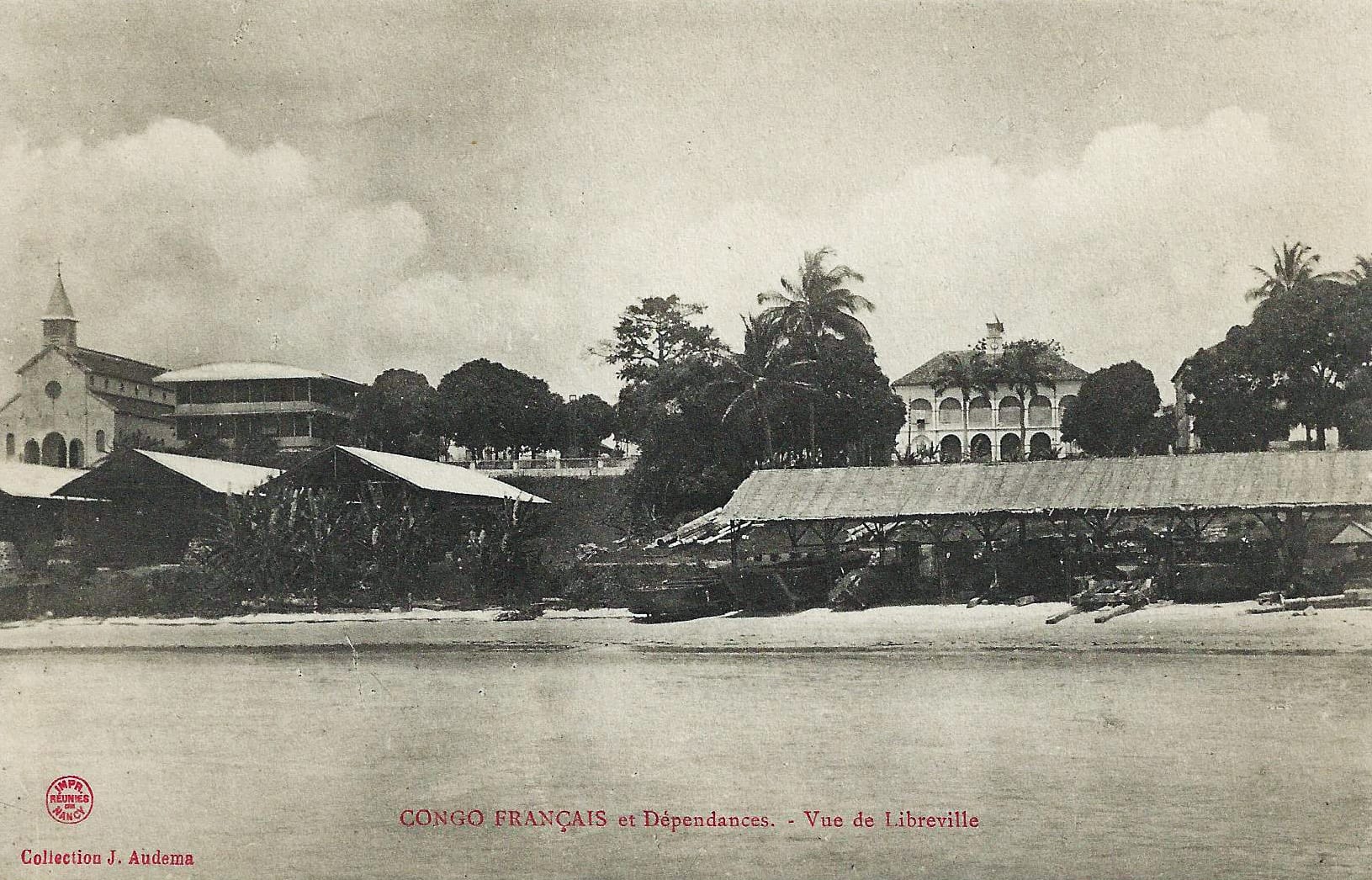
Gabon sits on the Atlantic coast of Central Africa, straddling the Equator, and it is unusual in two ways: nearly nine-tenths of it is rainforest, and only about 2.3 million people live there, one of the lowest population densities on the continent. Oil found offshore made it, for decades, one of the richer countries in sub-Saharan Africa by the numbers — though not for most Gabonese. And from independence in 1960 until 2023, it was governed by just three men, two of them father and son.
A short history
- 1st millennium CE
Bantu settlement
Farming peoples move into the forest.
- 1470s
Portuguese contact
Sailors name the Gabon Estuary.
- 1700s–1800s
The coastal trade
Orungu and Mpongwe brokers deal in ivory and slaves.
- 1839–1842
French treaties
France establishes a post on the estuary.
- 1849
Libreville
Freed captives are settled at "Freetown".
- 1910
French Equatorial Africa
Gabon becomes one of its four territories.
- 1960
Independence
Léon Mba becomes president.
- 1964
French intervention
Paris restores Mba two days after a coup.
- 1967–2009
Omar Bongo
Four decades of one-man rule on oil money.
- 2023
The coup
The military ends 56 years of Bongo family rule.
Coast and forest
Bantu-speaking farmers moved into the region over the first millennium CE, settling among the forest-dwelling Babongo. Later came the Fang from the north, and along the coast the Myènè peoples — the Mpongwe around the Gabon Estuary, the Orungu at Cape Lopez, whose Kingdom of Orungu grew into a significant broker of the Atlantic slave trade. Portuguese ships reached the estuary in the 1470s and named it; for the next three centuries Dutch, British, French and Portuguese traders worked the coast for ivory, dyewood and enslaved people, with the Mpongwe as middlemen.
France on the estuary
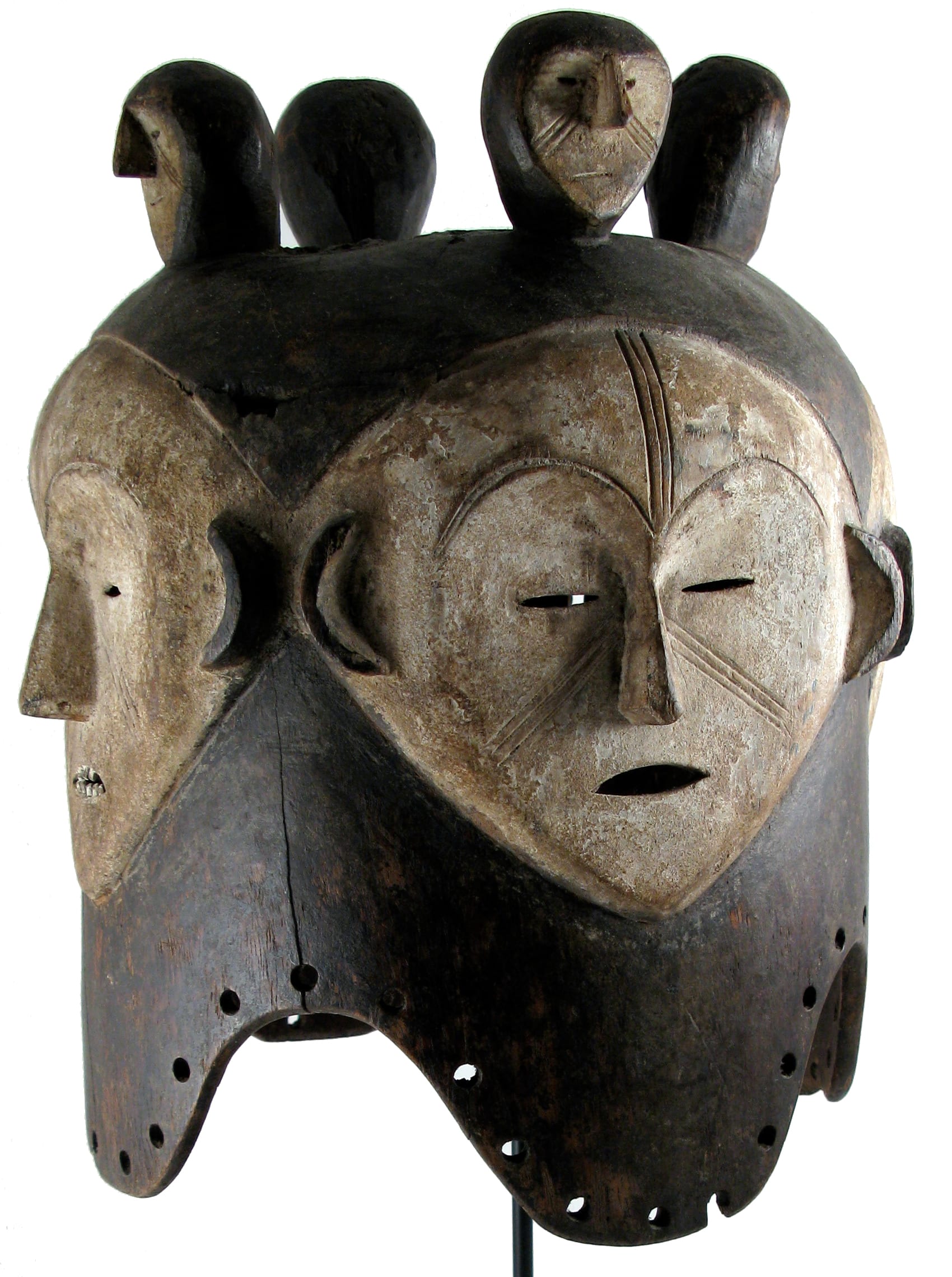
France signed treaties with Mpongwe chiefs in 1839 and 1842 to set up a trading and anti-slavery post. In 1849 a French warship freed a captured slave ship and settled the liberated Africans in a new village on the estuary, named Libreville — "Freetown". From there, and from Pierre Savorgnan de Brazza's expeditions up the Ogooué River in the 1870s and 80s, French control spread inland. Gabon was folded into French Congo and then, in 1910, made one of the four territories of French Equatorial Africa, ruled from Brazzaville.
The colonial economy ran on okoumé timber — Gabon became the world's leading producer, the wood used for plywood — along with rubber, and later manganese, uranium and oil. The population was too small for the labour the concessions wanted, so forced labour and heavy taxes filled the gap.
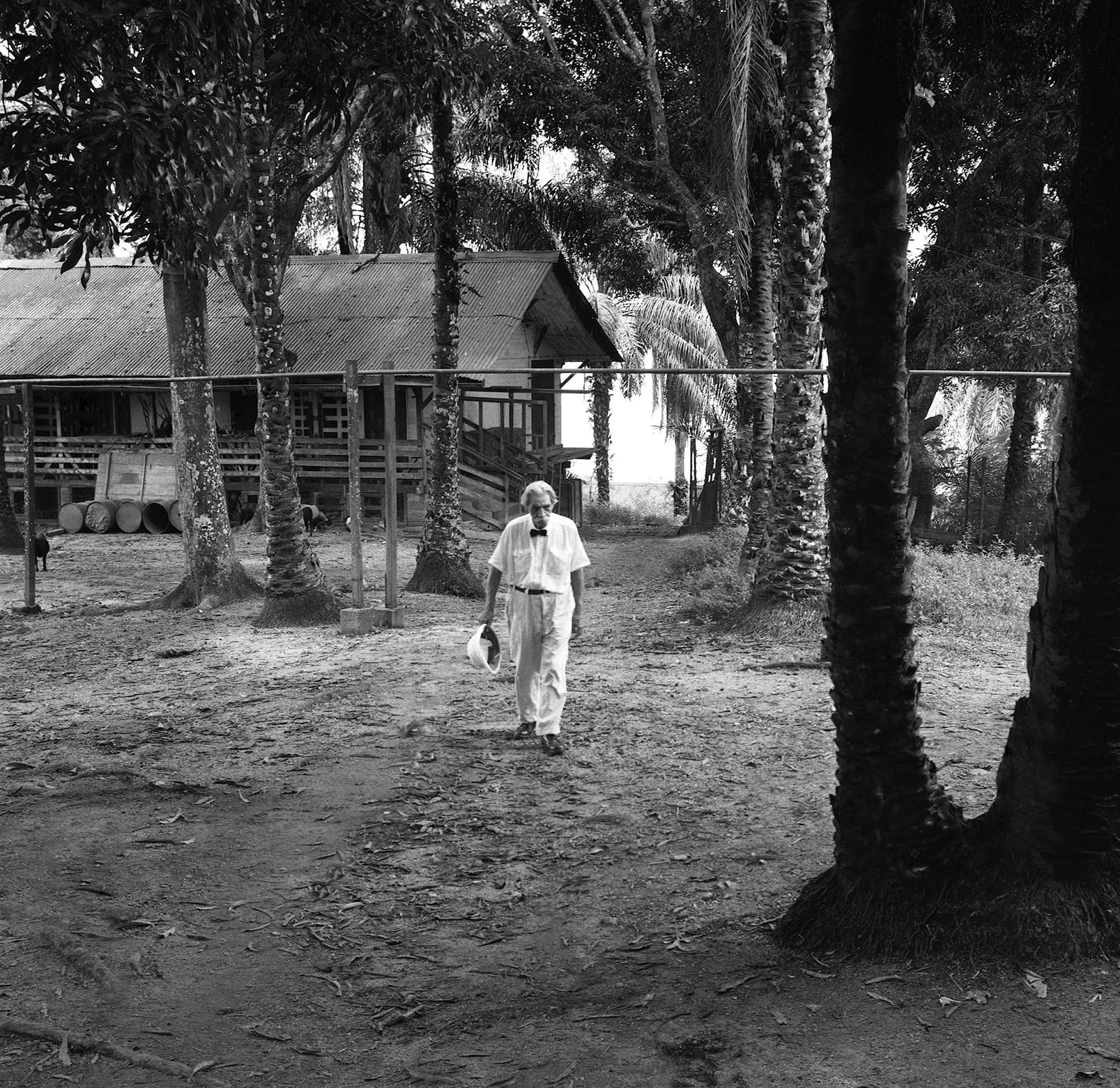
In the Second World War, Gabon was the one Equatorial African territory that sided with Vichy; Free French forces took Libreville by force in November 1940.
Independence, and the Bongo system
Léon Mba, a Fang leader and mayor of Libreville, led Gabon to independence on 17 August 1960. He was conservative and closely tied to Paris — so much so that when he was briefly overthrown in February 1964, French paratroopers landed within two days, on de Gaulle's order, and put him back. It was one of the clearest early cases of the military side of "Françafrique".
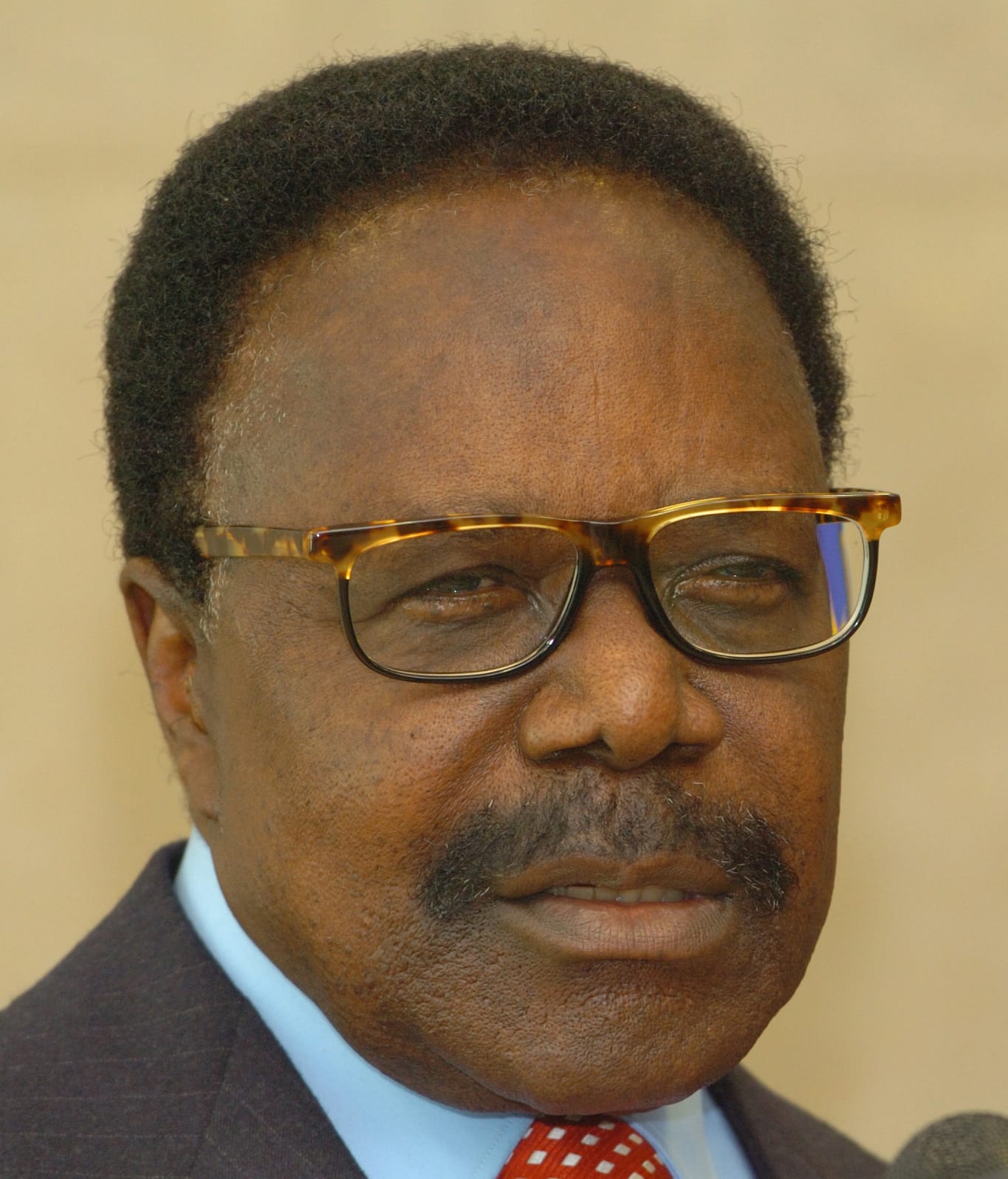
On Mba's death in 1967 his protégé, Albert-Bernard — later Omar — Bongo became president at 31. He ruled for 41 years. He made Gabon a one-party state in 1968, lived off offshore oil and a tight relationship with France, and channelled money to French political parties across the spectrum, a system exposed in the Elf scandal. Riots forced him to allow other parties in 1990, but he kept winning disputed elections, and amassed a property portfolio in France that later drew criminal investigation there.
The end of the dynasty
Omar Bongo's son Ali won a disputed election to succeed him in 2009, extending the family's hold past four decades. His 2016 re-election was marked by violence and a fire at the National Assembly; a stroke in 2018 left him weakened, and a small military mutiny in 2019 failed. He also set aside about a tenth of Gabon as national parks and marketed the country's forest as a carbon sink. When he was declared winner of a third term on 30 August 2023, the military moved within minutes: they placed him under house arrest and installed General Brice Oligui Nguema, a Bongo cousin, as transitional leader — ending 56 years of family rule. Oligui won a presidential election in 2025.
What Gabon carries
Gabon's forest kept its population small and its history quiet — no large pre-colonial kingdom inland, no mass settler colony, no war of independence. Instead the defining structure was external and financial: a French client relationship and an oil rent, held together for two generations by one family. The 2023 coup removed the family; whether it changes the structure is the open question.