Daily Life · Gabon
Gabon: A Forest Nation That Moved to the City
A country where rainforest covers most of the map but most people live in cities, French is the language of school, work and most homes, and oil wealth sits alongside a household day still built around the market and the shared taxi
By Worldlore Editorial · 30 September 2026
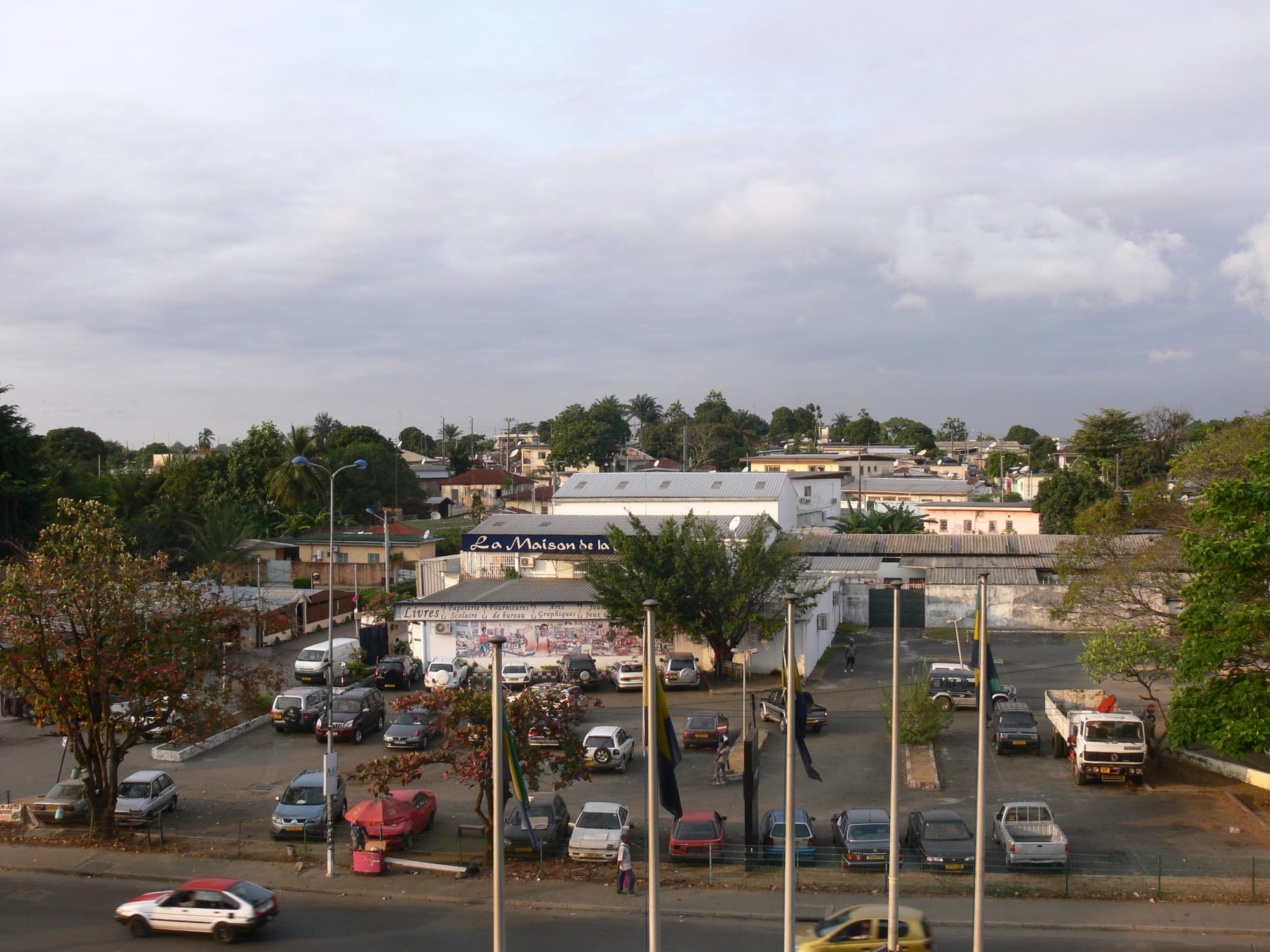
Gabon is one of Africa's most heavily forested countries and, at the same time, one of its most urban: roughly 85 per cent of the land is rainforest, yet most Gabonese live in a handful of cities and large towns rather than in it. An ordinary day usually starts in a city flat or a family compound in Libreville, Port-Gentil or Franceville rather than a forest village, with French spoken at school, in offices and in most homes, while Bantu languages such as Fang or Myene are still spoken in many families. Oil has made Gabon one of the wealthier countries in the region on paper, but that wealth is unevenly shared, and for most households an ordinary day looks considerably more modest than the country's income figures suggest.
Family and home life
Households are often extended, sometimes spanning several generations or several branches of the same family sharing one home or a walled compound built up room by room over the years. In rural villages this commonly means parents, married sons and their own families, and other relatives sharing a single roof or courtyard; in Libreville and the other cities, homes are usually more compact, but taking in relatives who have come to the city for work or school remains common. Polygamy remains legal, and couples state at marriage whether they intend it; in some rural or older households a man has more than one wife, each with her own house or cooking area within the family compound, though the pattern is less common in the cities. Cooking, childcare and the running of the household often fall mainly to women, while men more often handle building and repairs, and the oldest generation typically has the final say in family decisions.
Work, school and the rhythm of the day
The standard office week generally runs Monday to Friday, though market stalls, small trades and roadside stands routinely keep going well beyond normal office hours. Schooling follows the French model and is compulsory from six to sixteen, and because secondary schools are concentrated in the bigger towns, families in remote villages often send older children to stay with relatives once primary school ends. Oil, timber and manganese dominate the formal economy and the government budget, but that wealth is unevenly spread: a large share of national income sits with a small part of the population, and roughly a third of Gabonese live in poverty, so subsistence farming, fishing and informal trade are how much of the country actually gets through a working day.
Community life and public spaces
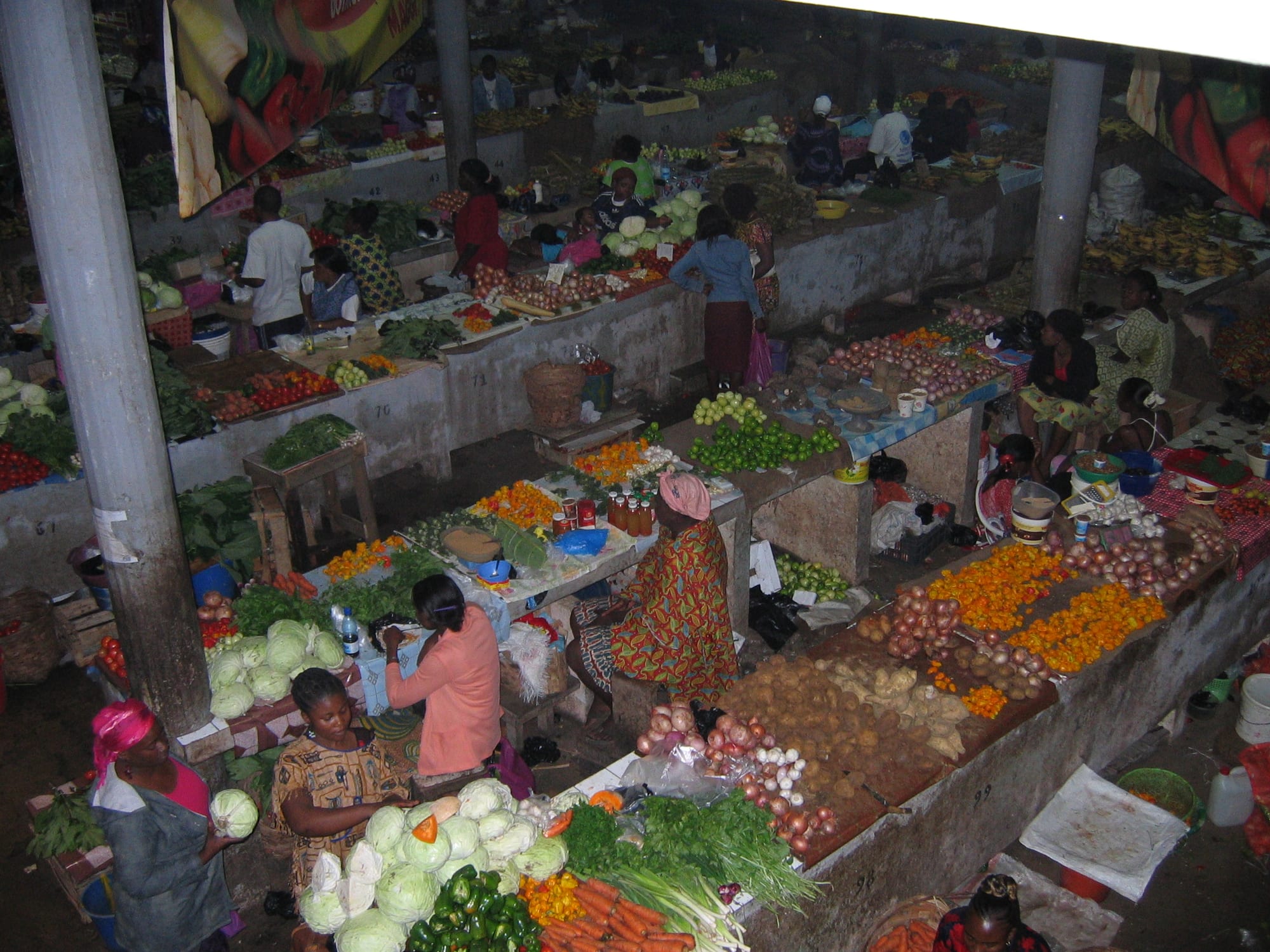
Markets are the country's real everyday gathering point: covered halls and roadside stalls selling cassava, plantain, fish and imported goods are where many Gabonese do their daily shopping, and where a good share of the day's conversation and news actually happens. Shared taxis and minibuses, rather than any fixed public transport network, carry many people around the cities, and reaching villages along the rivers and roads often still depends on a boat or a shared pick-up truck. Electricity reaches most city households but only a minority in the countryside, where wood and charcoal remain the normal way to cook, a divide that shapes what an ordinary evening looks like depending on where in Gabon someone lives.
Free time and weekends
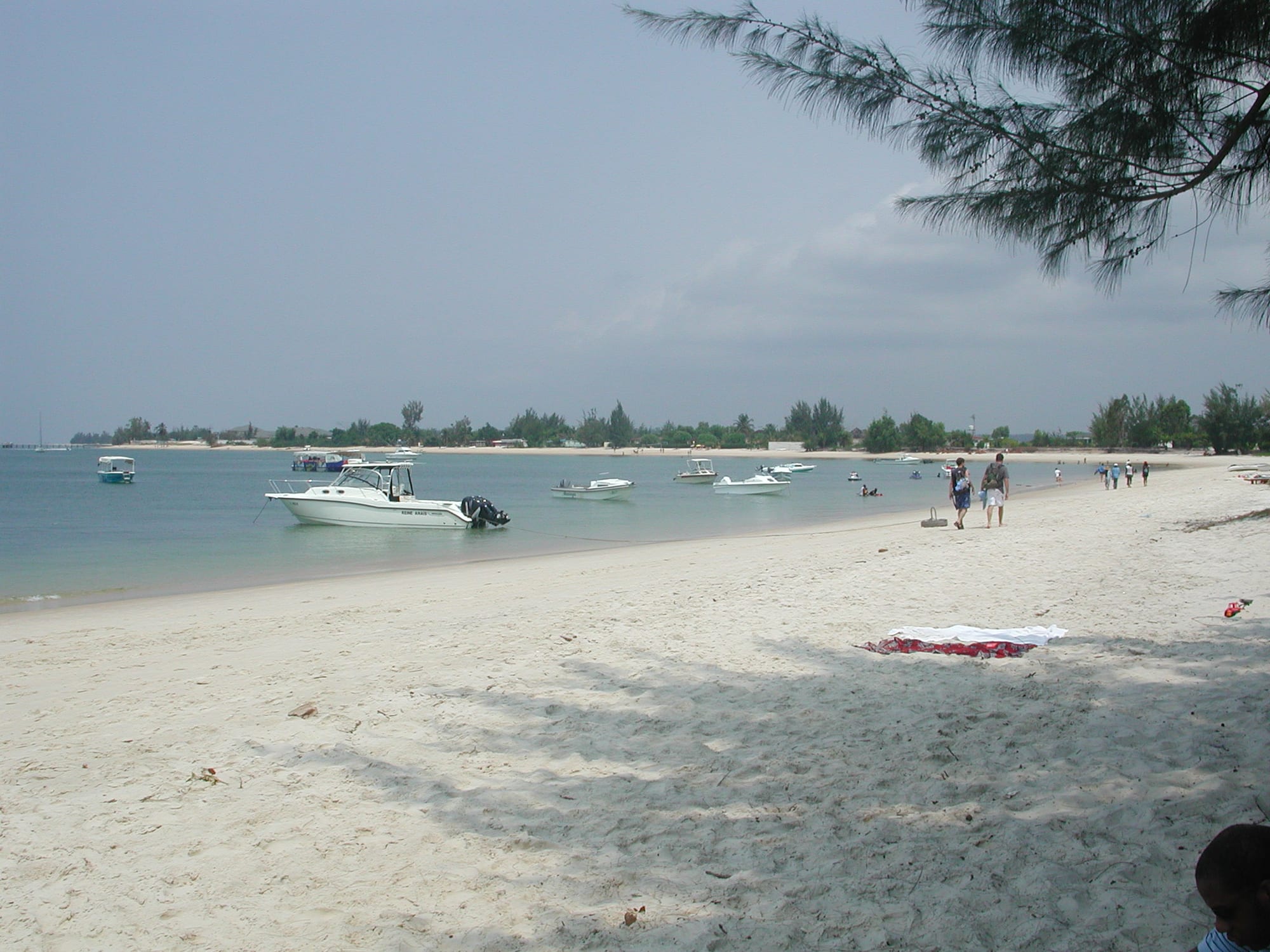
Weekends bring family visits and, for those near the coast, a trip across the water: many Libreville families cross the estuary by boat to spend a day at Pointe Denis, a sandy point with beaches just a short ride from the capital. Football is followed closely nationwide, and matches are watched together in bars and living rooms as much as in the stadiums of Libreville. Sunday church attendance is part of many households' week, reflecting a population that is overwhelmingly Christian, while in some communities, particularly in rural areas, traditional Bwiti practices continue alongside it.
A visitor's ordinary day
Gabon runs largely on cash outside Libreville's better hotels and supermarkets, and CFA francs are needed for almost everything once outside the capital. French, not English, is what gets used almost everywhere, including on menus and signs. Markets and small shops often stay open into the evening, and Sunday is the quietest day of the week for trade. Getting around a city usually means flagging a shared taxi rather than waiting at a fixed stop, and travelling further afield usually means booking a seat in a shared pick-up truck or arranging a driver rather than looking for a scheduled bus. Since the 2023 military takeover and the 2025 election that made its leader president, there has been a heavier security presence, so carrying identification is sensible. Electricity and mobile signal are reliable in the cities but can be patchy once outside them, so it is worth charging devices and confirming onward transport before leaving a town.
What to take away
What defines an ordinary day in Gabon is less the forest that covers most of the map than the fact that almost nobody actually lives in it: this is a country of cities and market halls built on oil wealth, with village and family ties still running underneath.