Food · French Polynesia
French Polynesia: Food and the National Dish
Raw tuna cured in lime and coconut milk, a fragrant vanilla grown almost nowhere else, and a food culture split between Polynesian tradition and French influence
By Worldlore Editorial · 16 September 2026
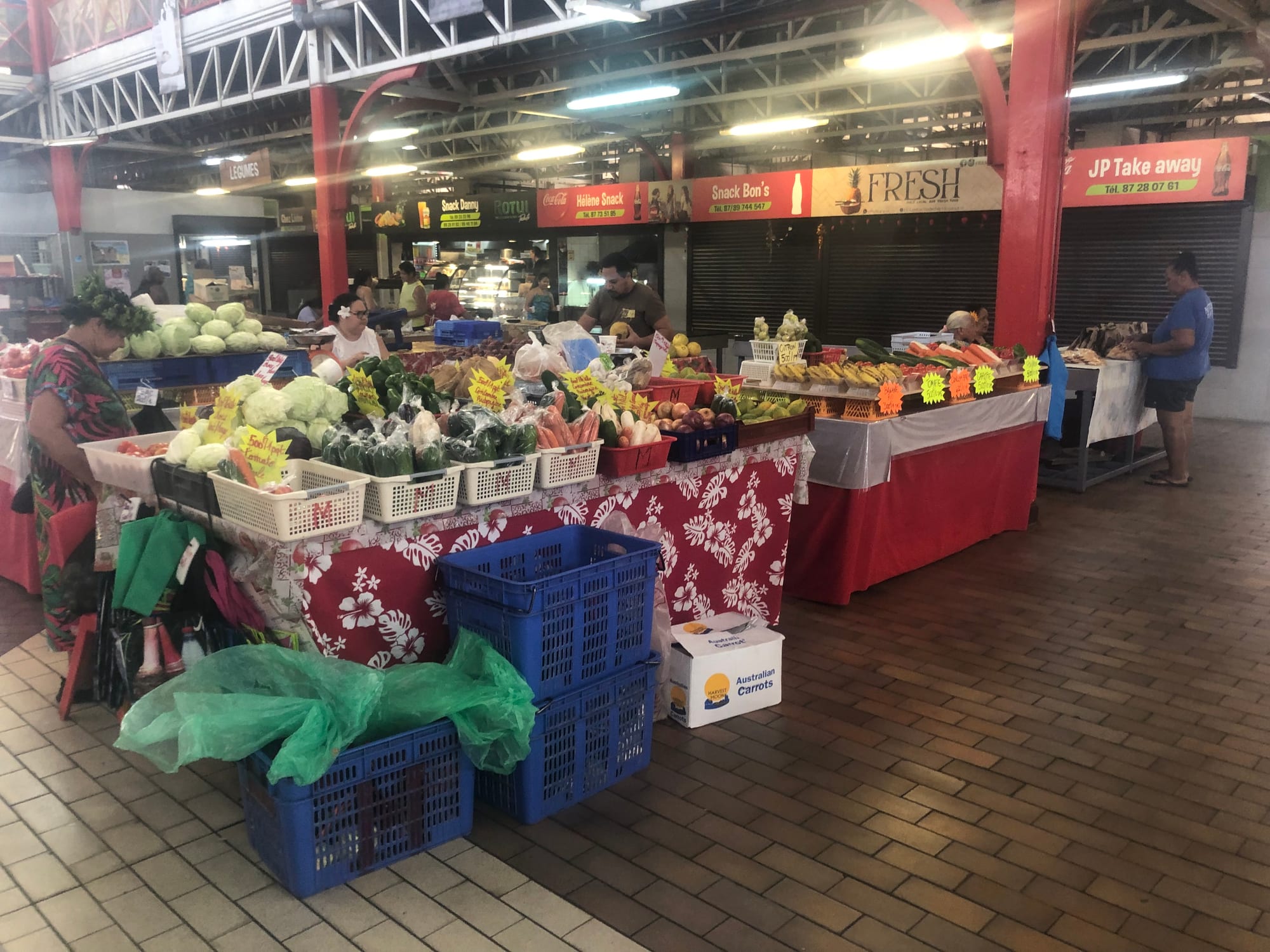
A Pacific table with a French accent
French Polynesia's food sits at the meeting point of deep Polynesian tradition and more than a century of French colonial and administrative influence: fresh fish, coconut, breadfruit and taro form the Polynesian base, while French bread, pastries and wine are just as easily found in Papeete as croissants would be in mainland France.
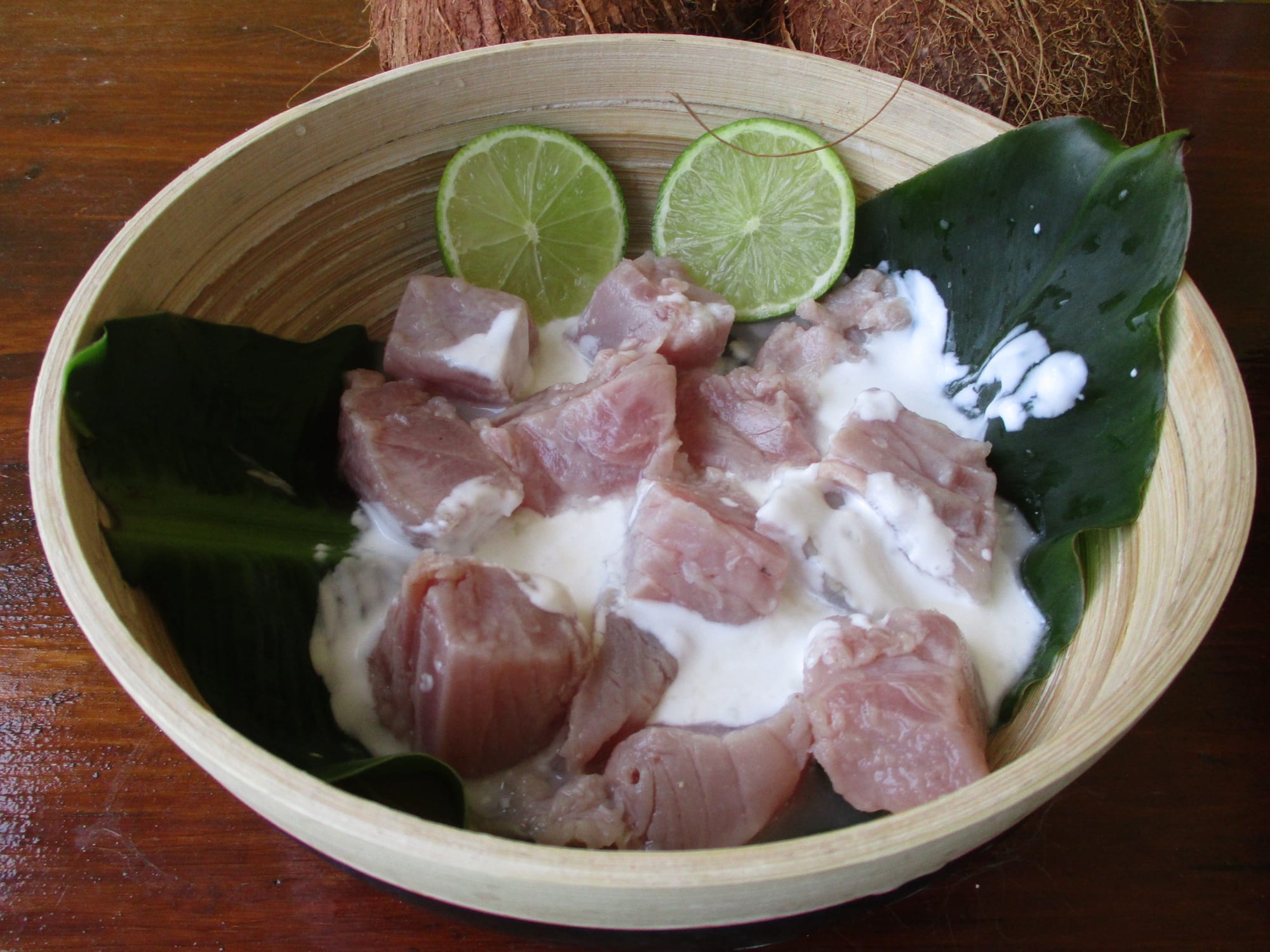
The national dish: poisson cru
Poisson cru, raw tuna diced and marinated in lime juice until lightly cured, then finished with coconut milk and chopped vegetables, is French Polynesia's national dish and the one most travellers try first. Known locally as e'ia ota in Tahitian, it is eaten everywhere from home kitchens to seaside restaurants, and its bright, citrus-coconut flavour is widely considered the definitive taste of Tahitian food.
Coconut, breadfruit and the Polynesian pantry
Coconut, in milk, cream and flesh, appears throughout French Polynesian cooking, alongside uru (breadfruit), taro and a wide range of tropical fruit. Fresh fish, caught in the lagoons and surrounding ocean, remains the primary protein, prepared raw as in poisson cru, grilled, or wrapped and cooked in an underground earth oven.
History and the vanilla trade
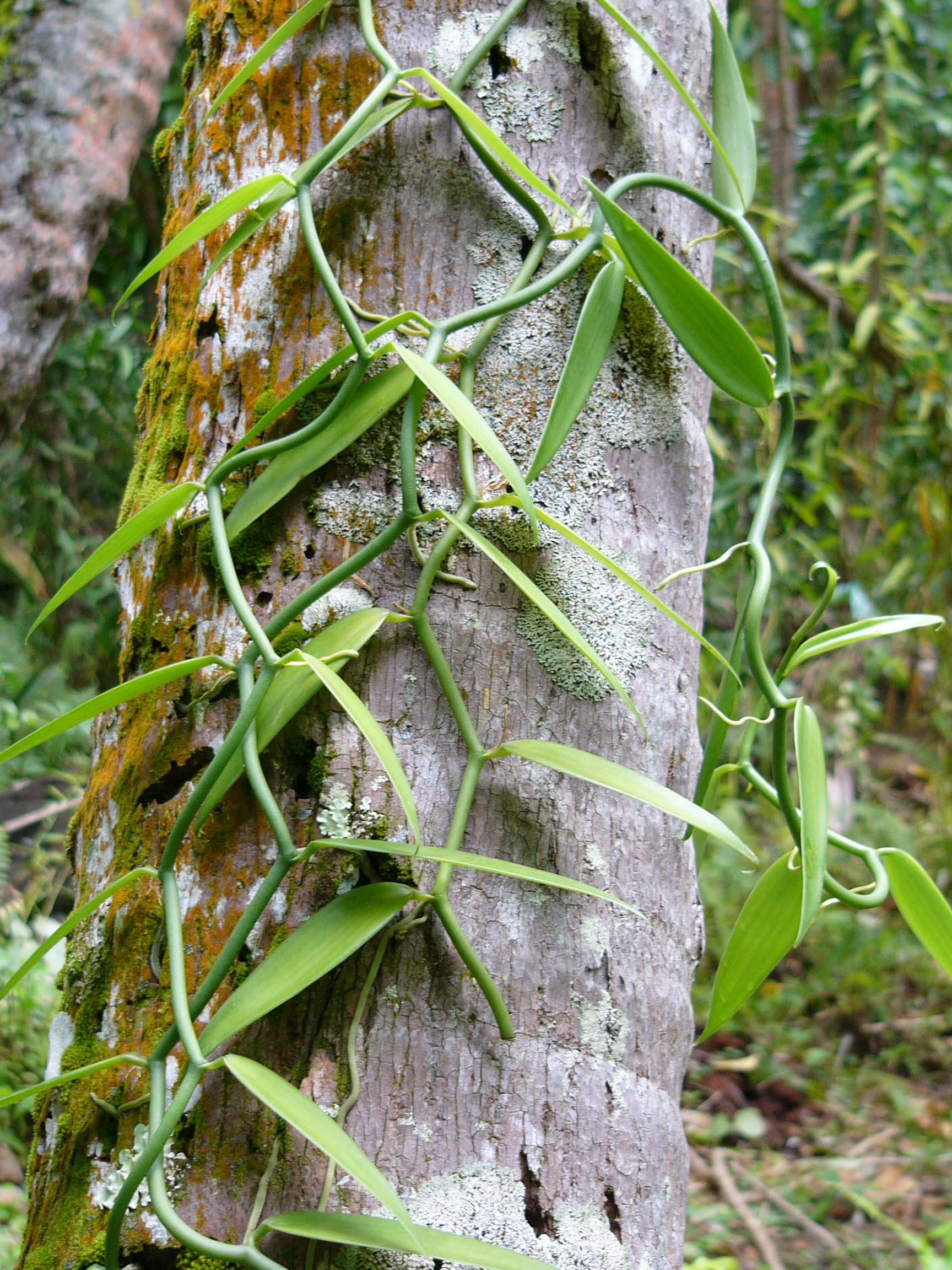
French colonial rule, established in the late 19th century, brought European staples, bakery culture and administrative ties to mainland France that remain strong today, layered onto a Polynesian food tradition with roots going back to the original Pacific voyaging societies that settled these islands. Tahitian vanilla, a distinct species grown almost nowhere else at scale, has become one of the territory's most valuable exports and a genuine point of local pride.
From Tahiti to the outer archipelagos
Tahiti and the Society Islands carry the strongest French influence and the widest restaurant scene, while the Tuamotu atolls lean heavily on fish and pearl-farming communities, and the more remote Marquesas Islands keep a distinct, less French-inflected Polynesian food tradition of their own.
Dishes to know
Five more to recognise across French Polynesia:
- Ma'a Tahiti — a traditional feast of meat, fish and root vegetables
cooked in an ahima'a, an underground earth oven, similar to feasts found elsewhere in the Pacific.
- Fafa — taro leaves cooked in coconut milk, often with chicken.
- Poisson au lait de coco — fish cooked directly in coconut milk rather
than served raw.
- Uru (breadfruit) — a starchy staple, boiled, roasted or fried.
- Firi firi — a Tahitian doughnut, a French-Polynesian breakfast pastry
found at markets across the islands.
Drinks
Hinano, a locally brewed lager, is French Polynesia's best-known beer and widely drunk across the islands. Fresh coconut water and tropical fruit juices are common everyday drinks, and French wine, imported regularly given the territory's ties to mainland France, is readily available in restaurants.
Eating as a traveller
Vegetarians will find fresh fruit, breadfruit and coconut-based dishes available, though fish is central to most traditional cooking. Tap water is generally safe in Papeete and on the main tourist islands. Trying a proper ma'a Tahiti feast, if the opportunity comes up around a local celebration, is a rare chance to see the earth-oven tradition in full.
What to take from the table
Poisson cru, bright with lime and coconut, is the dish that best represents French Polynesian food — and a plate of it eaten lagoon-side is about as close as food gets to summing up these islands in one bite.