Culture & Customs · French Polynesia
French Polynesia: A Garland for Every Arrival
Flowers for welcome and farewell, a Protestant faith sung in Tahitian, family land that holds the living and the dead, and a dance once banned that has become the islands' proudest art
By Worldlore Editorial · 30 September 2026
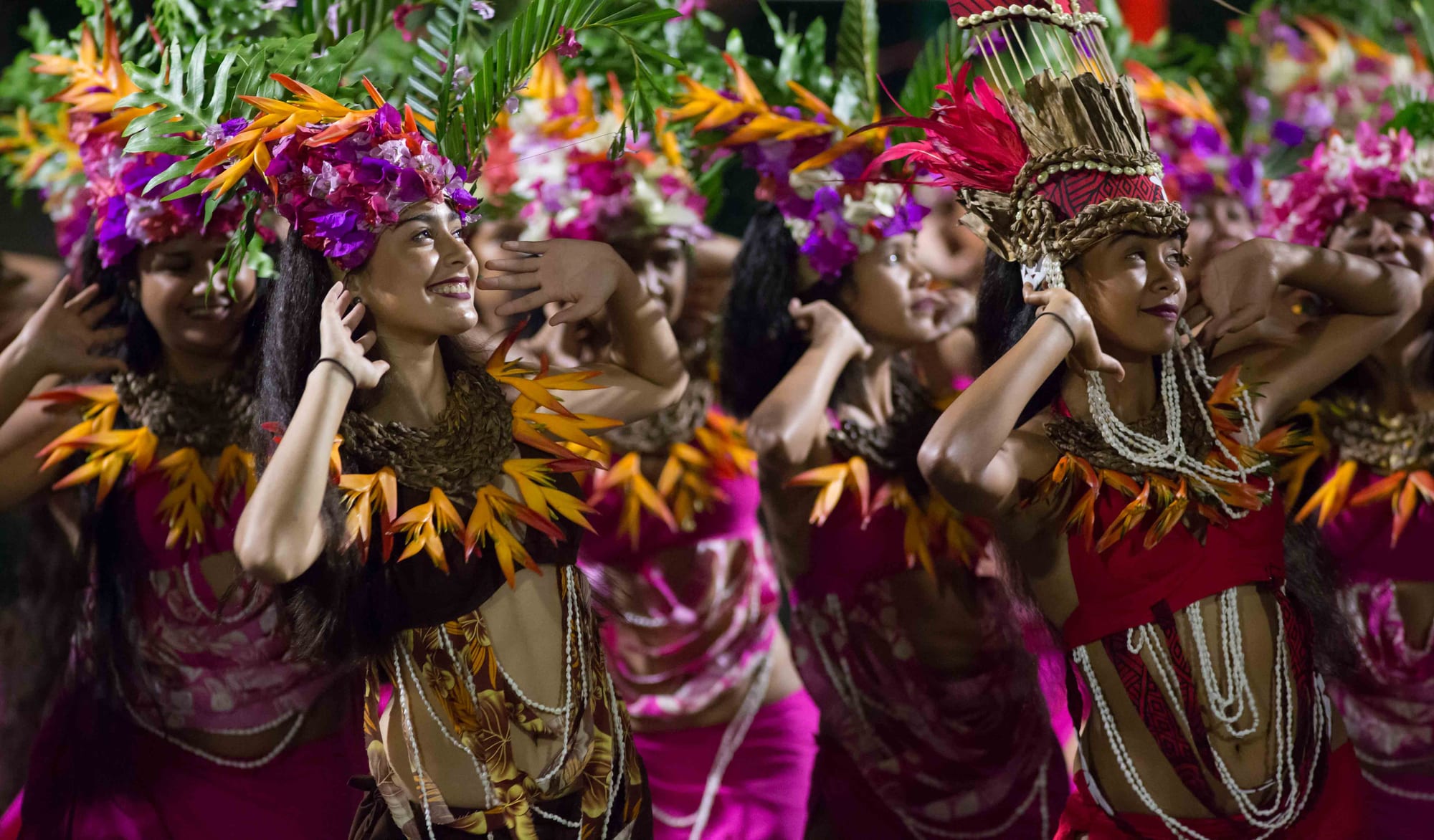
A traveller steps off the plane into warm, scented air, and before anything else a garland of tiare flowers is placed around their neck with two words of welcome: "Ia ora na." Weeks later, at the moment of leaving, the gesture is repeated in a different form. This time the garland is made of shells, a sign of protection and of the affection felt for those who go. Between the two lies a culture in which flowers, songs and ceremonies mark every important passage, and in which courtesy is shown less through rules than through generosity, warmth and a deep regard for land, family and the unseen force that Polynesians call mana.
Faith, identity and values
The islands' Mā'ohi culture rests on ideas that run through everyday life. Mana is understood as a sacred, vital force, the power of the heavens, present in people, mountains, valleys, lagoons and the ocean alike. Fenua, the land, is not simply property but the ground of identity: dancers speak of celebrating their bond with the fenua, and families remain closely attached to land handed down by their ancestors. French and Tahitian are the two most widely spoken languages, and the more distant archipelagos have their own languages and dialects, some spoken on a single island.
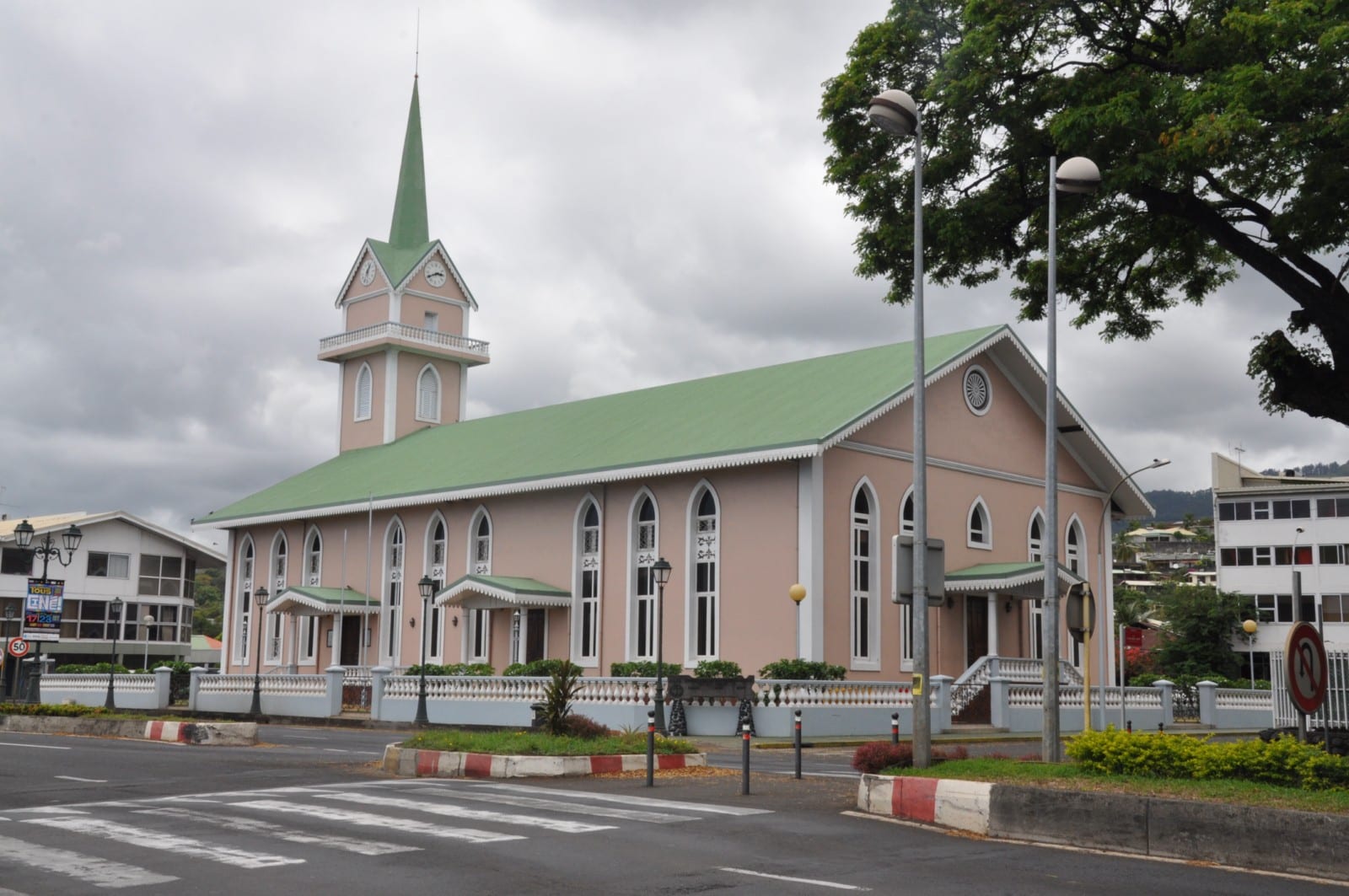
Christianity arrived with the London Missionary Society in 1797 and reshaped island life. Today the Maohi Protestant Church counts more than half the population among its members, making it the largest faith community, while Catholic and other churches also have many followers. The Protestant church uses Tahitian, Reo Mā'ohi, as its official language, and its role in preserving both the language and traditional songs is widely recognised.
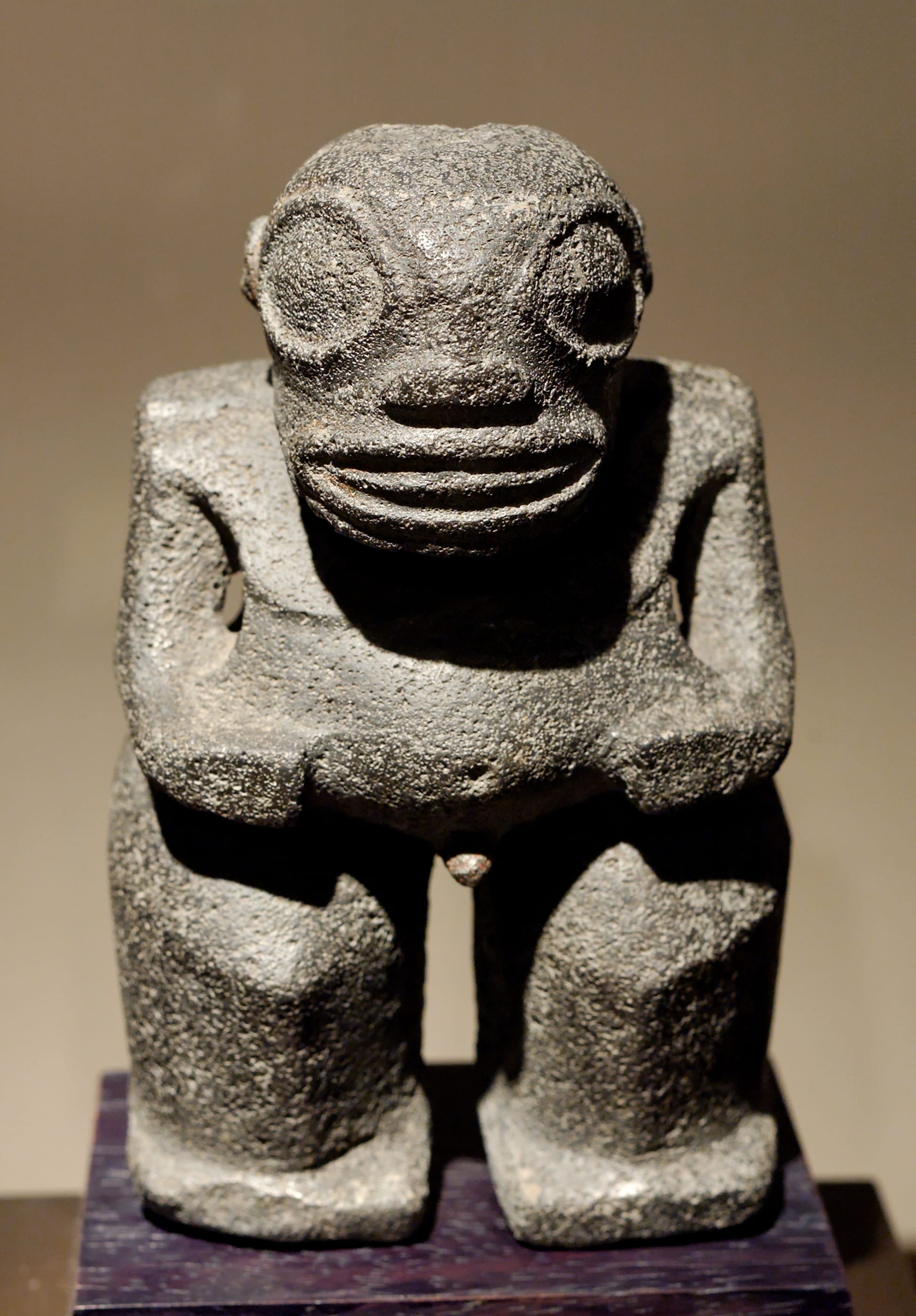
Older beliefs have not disappeared so much as settled alongside the new. Tiki, carved figures representing demigods, are regarded as sacred objects and symbols of protection, and they are still found on the marae, the stone ceremonial platforms of pre-Christian Polynesia, and at other archaeological sites across the islands. The attachment to the fenua reaches even into death: on some islands families still bury their dead on family land, in the garden or close beside the house, so that those they have lost remain near them.
Greetings and meeting people
"Ia ora na" is the everyday greeting, used at any time of day. It is often followed by "E aha to 'oe huru?", how are you, to which the reply is "maita'i", fine, or "maita'i roa", very well; "nana" is goodbye, and "maeva" or "manava" means welcome. "Mauruuru" is a sincere thank you for any kindness, pleasing moment or good experience, and to raise a glass in company, people say "manuia". Learning a few such words, Tahiti Tourisme suggests, makes any visit more authentic.
The words come with a gesture. Tahitians greet one another with a handshake, a kiss on the cheek, or both, and on arriving somewhere it is considered impolite not to shake hands with everyone present, unless the room is very crowded.
Flowers carry their own language. The tiare Tahiti, a fragrant gardenia and the islands' national flower, is worn by both women and men, often tucked behind an ear. Women usually wear the flower open and men wear it as a bud. A flower behind the right ear signals that the wearer is romantically available; behind the left, that their heart is taken. The tiare remains bound up with legend and ceremony, and its flowers are woven into the hei, the garlands of welcome. Crowns of flowers are worn by men and women alike at festivals, weddings and other celebrations, and they are understood as symbols of hospitality.
Hospitality and being a guest
Reciprocity, generosity and hospitality are central values, and they shape what happens when a visitor is invited into a Polynesian home. Shoes come off at the door, since keeping them on inside someone else's house is considered impolite. When guests are invited for a meal, the hosts are not necessarily expected to eat with them, so a family may serve its visitors and leave them to the meal.
Welcome is expressed above all through flowers. Visitors are customarily greeted with a garland of unopened tiare buds, and garlands are worn by Polynesian men and women on every important occasion. At home, many families float tiare flowers in a saucer of water so that the scent fills the room, and the flowers are soaked in coconut oil to make monoi, the perfumed oil used on skin and hair.
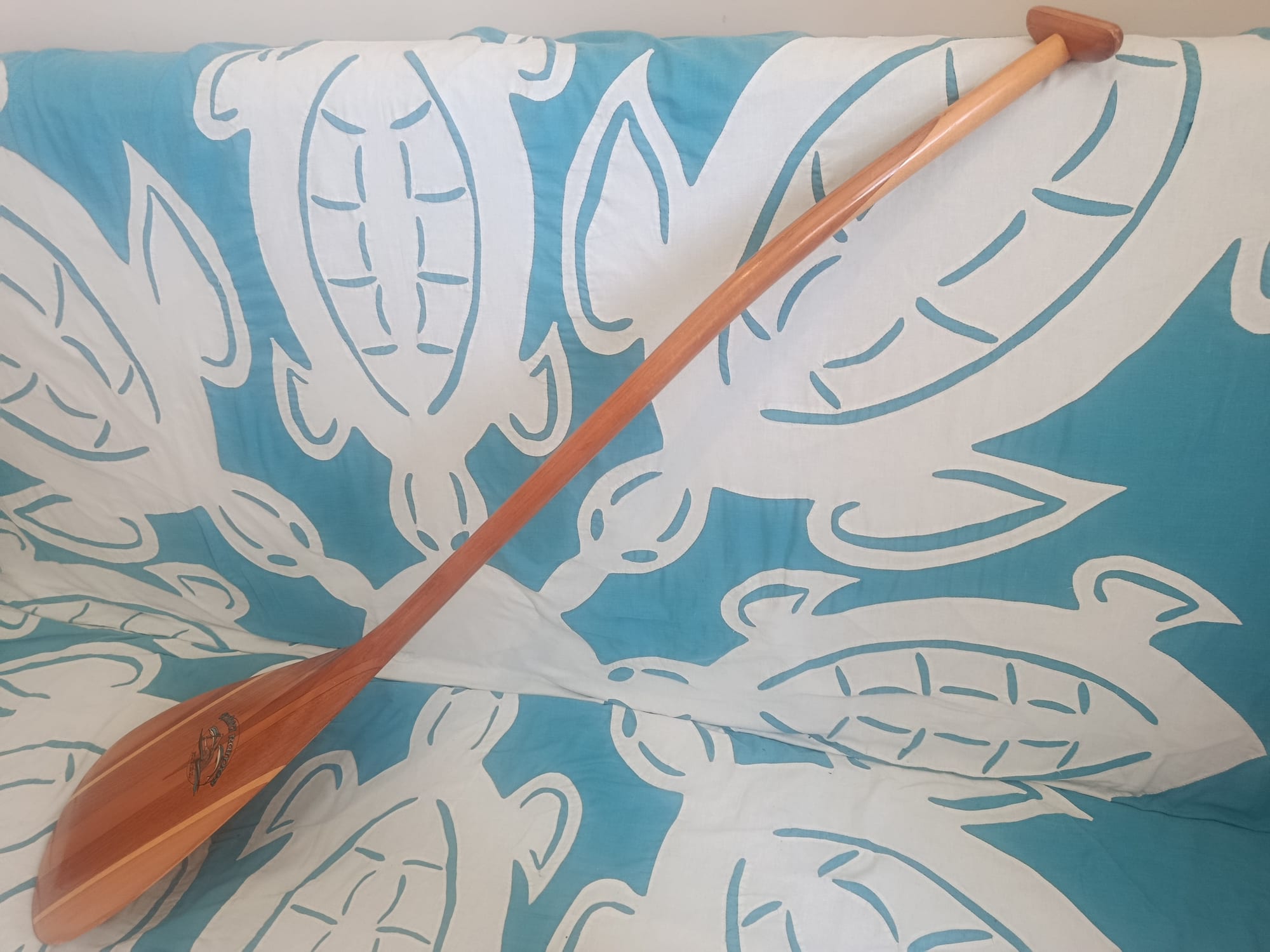
The tifaifai, a hand-sewn appliqué quilt, is another sign of the Polynesian home. Tahiti Tourisme notes that there is hardly a family in the islands without at least one, spread over a bed or a sofa. Each is the work of the māmā, the mothers, who spend months sewing bold designs of flowers, leaves and fruit, some of which evoke legends or hide a small tiki within the pattern. For many years tifaifai were made only for family members and close friends, and they remain treasured gifts. At New Year, during the Tere Matahiti procession, families display their most beautiful quilts for all to see.
Hospitality extends to farewells. A departing guest is often given a garland of shells, a sign of protection and of the love and respect felt for someone who is leaving.
Festivals and life's big moments
The Heiva i Tahiti, held every July, is the high point of the cultural year. Its roots lie in a long struggle. After Christianity took hold, the Pōmare Code of 1819 banned the heiva, the traditional festivities, along with dances, chants, floral costumes and tattooing. When public celebrations returned in 1881, as part of the 14 July festivities, they featured songs, sports and regattas, but not the old dances, which were only gradually allowed back during the twentieth century. The festival long went by the name Tiurai before becoming the Heiva in 1985. Today it brings dance and choral groups from across the islands to the open-air To'atā stage in Papeete for competitions in 'ori tahiti and hīmene, alongside traditional sports, fire walking and crafts. Smaller heiva are held in other communes, and a competition for small troupes, the Hura Tapairu, takes place later in the year.
A traditional Tahitian wedding blesses not only a couple but the union of two families. The bride and groom wear white pareos, shell necklaces and crowns and garlands of flowers. A conch shell announces the bride's arrival, often by outrigger canoe. The officiant blesses the couple, tears a leaf in two and ties each half around a wrist as a bracelet, and pours coconut water over their hands in purification before they exchange garlands and crowns. After the vows, the couple are wrapped together in a tifaifai, a symbol of royalty, love and acceptance, and the officiant announces a Tahitian wedding name said to have come to him in a dream. Traditional weddings also include the ceremonial presentation of gifts, with speeches and dancing. The legal marriage, as elsewhere in France, is conducted by the mayor.
Death, too, is bound up with the land. Burial on family property remains a living tradition, particularly outside Tahiti, where some islands have no communal cemetery and graves may lie in the garden or beneath the family home. Relatives describe the comfort of keeping those they have lost close by, on land handed down by the ancestors. On Tahiti the practice is fading, and family plots increasingly give way to municipal cemeteries.
Arts, crafts and music
No art is more closely tied to Polynesian identity than 'ori tahiti, Tahitian dance, which France added to its national inventory of intangible cultural heritage in 2017. Dance was banned by the missionaries, who saw it as indecent, but it was passed down in secret from mother to daughter and father to son, and revived from the 1950s. It takes several named forms, among them the 'ōte'a, which began as a warrior dance performed only by men; the 'aparima, which tells a story through gesture; and the hivināu, in which men and women dance in two circles, with the tāmūrē as a modern variation. Women's dancing keeps the back straight while the hips move, with the arms and hands telling the story; men's dancing favours leaps, strikes and powerful, bent-knee stances. Troupes can number from 80 to as many as 200 dancers, and joining one is a serious commitment that teaches young people history, legend and communal life. Women past forty often move into groups of māmā.
Costumes speak a symbolic language. Woven pandanus represents the land, shells the ocean and its life, feathers the grace of birds, and flowers the joy of living. The music is live, with the pahu drum, the wooden to'ere slit drum, the eight-stringed Tahitian ukulele and the deep call of the conch. Hīmene, the complex polyphonic choral singing heard in both churches and competitions, is the other great performing tradition.
Tattooing has undergone its own revival. The English word "tattoo" comes from the Polynesian tatau, a word shared by Tahitian, and designs carry particular significance for the wearer, linking body and ancestral culture. In earlier times tattoos marked the passage from adolescence to adulthood, and they are considered signs of beauty, strength and courage, above all in the Marquesas. Crafts complete the picture: pandanus hats, bags and mats; tapa, cloth beaten from the bark of the paper mulberry; carving in wood, bone and volcanic stone; and the tiki, still carved today as symbols of protection.
Dos and don'ts for visitors
- Do greet people with "ia ora na" and thank them with "mauruuru", and shake hands with everyone present unless the room is crowded.
- Do take shoes off before entering someone's home; keeping them on is considered impolite.
- Do accept a flower garland or crown graciously, since flowers are the islands' sign of welcome and hospitality.
- Do remember that a flower behind the right ear signals someone is available, and behind the left that they are taken.
- Do treat marae and tiki with respect, as sacred places and objects rather than photo props.
- Do bear in mind that family land may hold relatives' graves, and never wander onto private land uninvited.
- Do go to hear hīmene, whether at the Heiva or at a church service sung in Tahitian.
- Don't treat tatau designs as mere decoration; each carries meaning for the person who wears it.
What to take away
In French Polynesia welcome and farewell are both marked with a garland, and visitors who meet that generosity with the same warmth will find the islands' mana is something shared rather than simply seen.