History · France
France: From Gaul to the Fifth Republic
Roman Gaul, the Franks, a thousand years of monarchy, the Revolution that redefined politics for the world, Napoleon, two devastating wars on home soil, and the republic that followed
By Worldlore Editorial · 19 September 2026
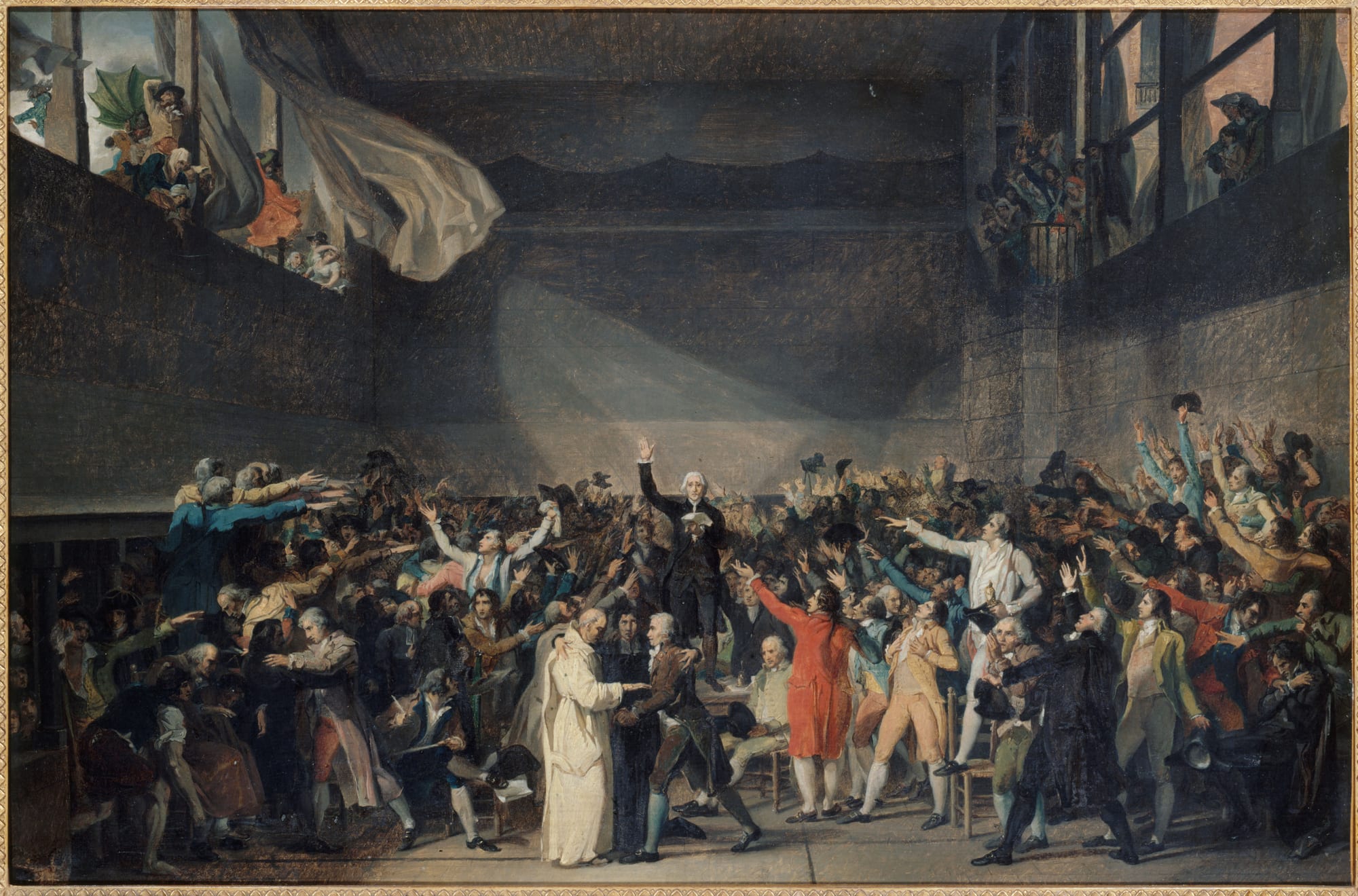
The shape of a country
France has been a recognisable country for longer than almost anywhere else in Europe — a territory, a capital and a monarchy that took clear form in the Middle Ages and grew outward from Paris for eight centuries. It has also been one of the most politically inventive: the Revolution of 1789 gave the modern world much of its vocabulary of rights, nations and citizenship, and France then spent the following two hundred years cycling through monarchies, empires and republics trying to settle what that revolution had actually decided. The current arrangement, the Fifth Republic, dates only from 1958.
A short history
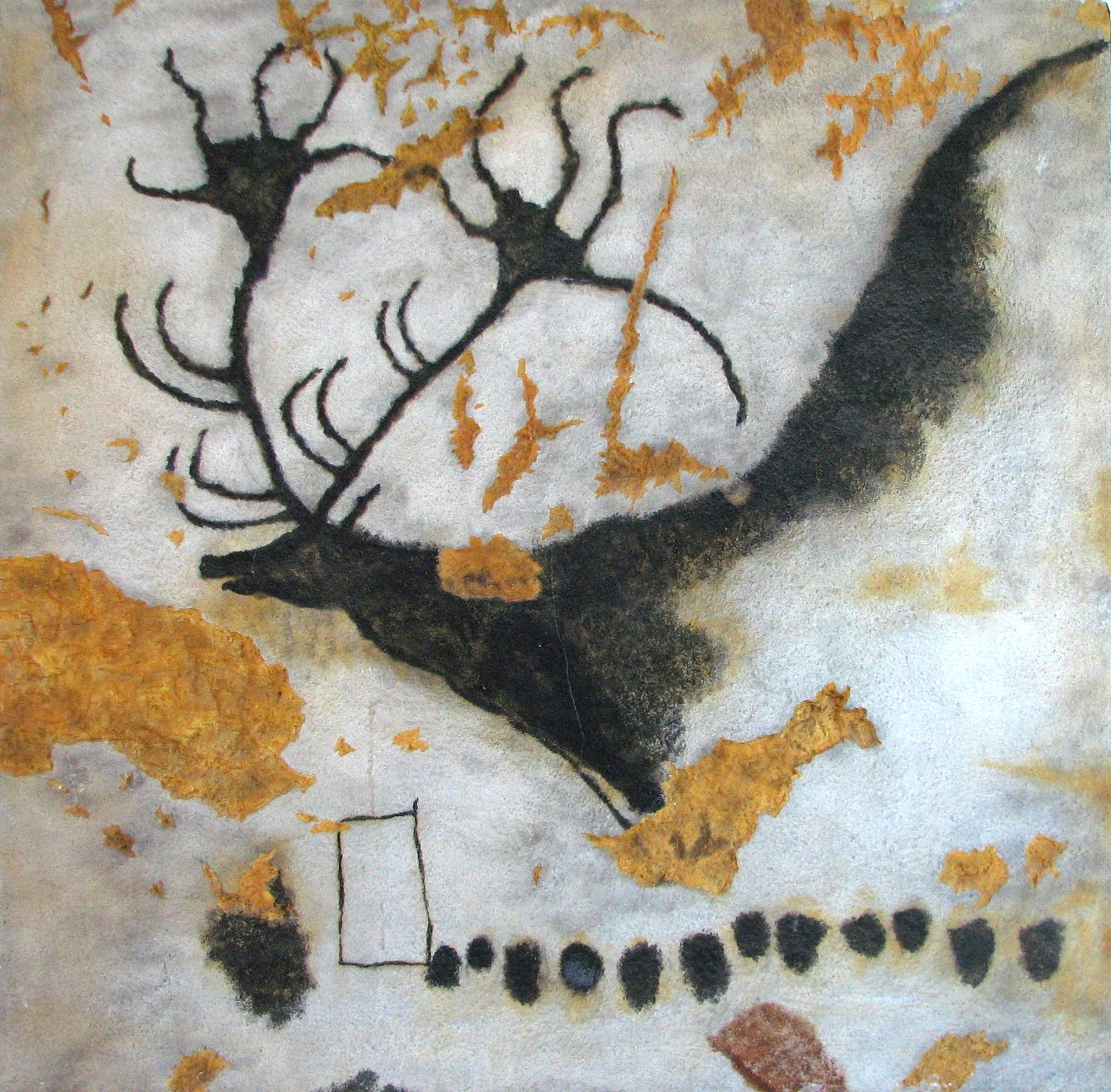
- c. 15,000 BCE
Lascaux
Cave painters work in the south-west.
- 52 BCE
Roman Gaul
Caesar defeats Vercingetorix at Alesia.
- 481–511
Clovis
The Frankish king unites Gaul and converts to Christianity.
- 800
Charlemagne
Crowned emperor; his realm later splits, and West Francia becomes France.
- 987
The Capetians
Hugh Capet founds a dynasty that rules, in its branches, until 1848.
- 1337–1453
Hundred Years' War
France expels the English after Joan of Arc.
- 1643–1715
Louis XIV
Absolute monarchy at its height, centred on Versailles.
- 1789
Revolution
The Bastille falls; the monarchy is swept away.
- 1804–1815
Napoleon
Empire, conquest of Europe, and defeat at Waterloo.
- 1914–1945
The world wars
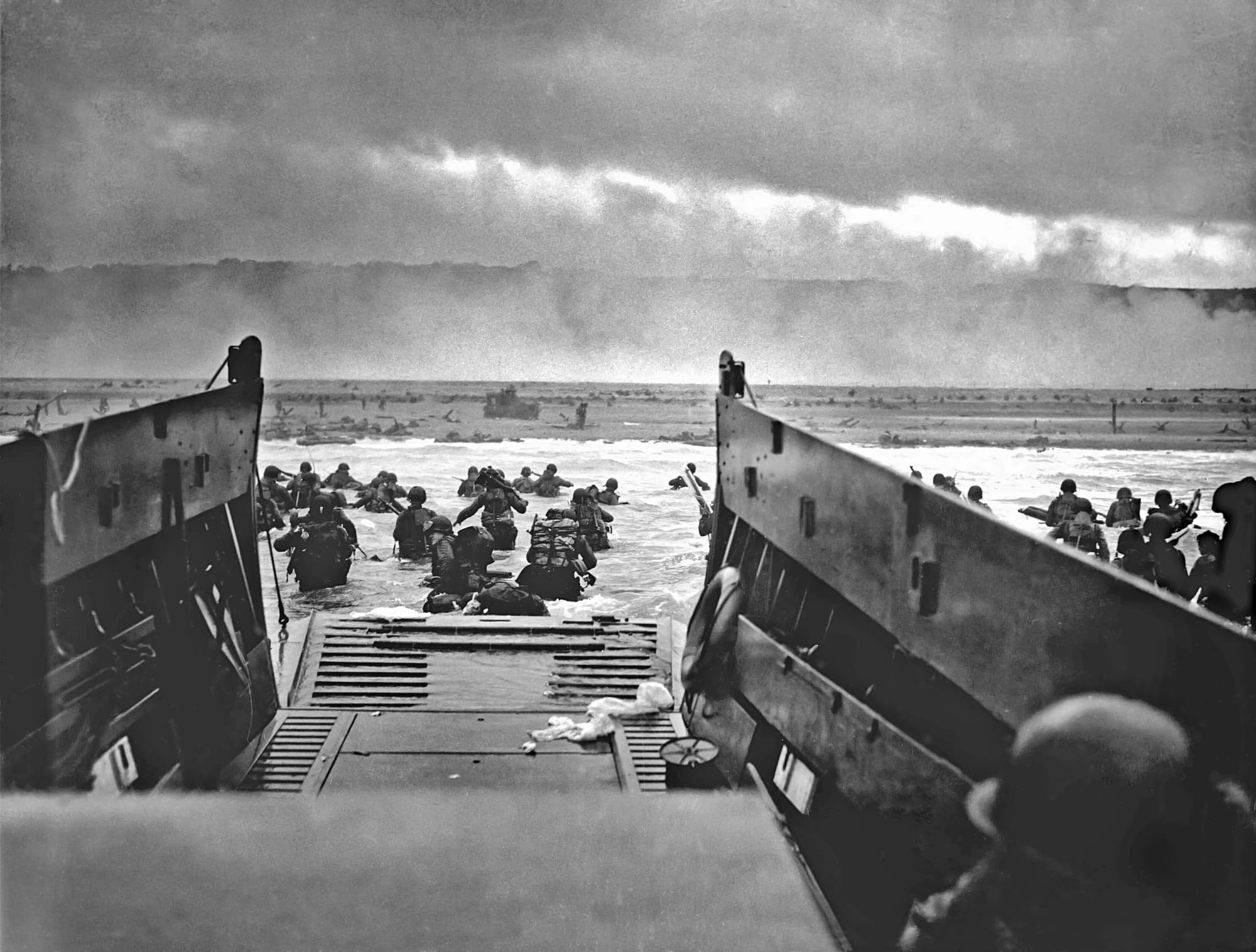
Fought largely on French soil; occupation and liberation.
- 1958
The Fifth Republic
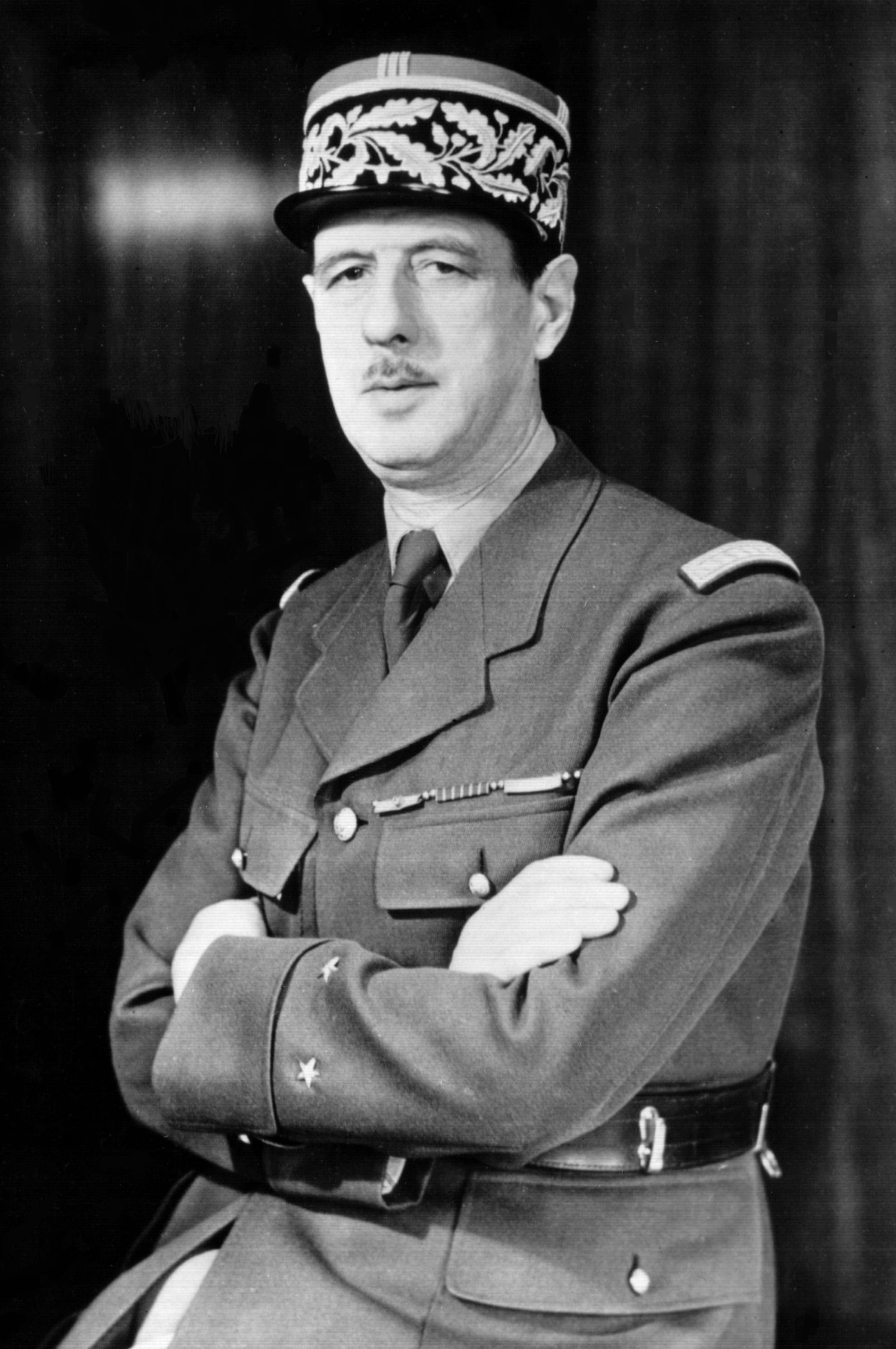
De Gaulle founds the current system.
Gaul, Rome and the Franks
The land was inhabited deep in the Palaeolithic — the painted caves of the Dordogne are among the finest anywhere.
By the Iron Age the territory was Celtic Gaul. Julius Caesar conquered it between 58 and 52 BCE, and for five centuries Gallo-Roman civilisation flourished — roads, cities, aqueducts, Latin. As Roman power failed, Germanic Franks moved in; their king Clovis united most of Gaul around 500 and converted to Catholic Christianity, a decision that tied the future France to the Church. Charlemagne, crowned emperor in 800, ruled a vast realm that his grandsons divided in 843; the western share, West Francia, is the seed of France.
The medieval kingdom
In 987 the nobles chose Hugh Capet as king. His descendants — Capetians, then the Valois and Bourbon branches — would hold the throne, with one interruption, until 1848. Early Capetian kings controlled little more than the area around Paris; patiently, over three centuries, they absorbed the great feudal duchies. The Hundred Years' War against England (1337–1453) nearly undid that work: English kings claimed the French crown and won huge victories, until a peasant girl, Joan of Arc, helped turn the war before being burned in 1431. France emerged centralised, with a standing army and a sense of itself.
Absolutism and revolution
The Wars of Religion between Catholics and Protestants tore 16th-century France apart until Henry IV, a Protestant who converted, ended them with the Edict of Nantes in 1598. The 17th century then built the absolute monarchy: Richelieu and Mazarin broke the nobles' independence, and Louis XIV, the "Sun King", ruled for 72 years from a new palace at Versailles, making the French court and French culture the model for Europe — while endless wars and the revocation of religious tolerance drained the country.
By the 1780s the monarchy was bankrupt and the social order rigid. Louis XVI called the Estates-General in 1789 for the first time since 1614; it turned into a National Assembly, and on 14 July a Paris crowd stormed the Bastille.
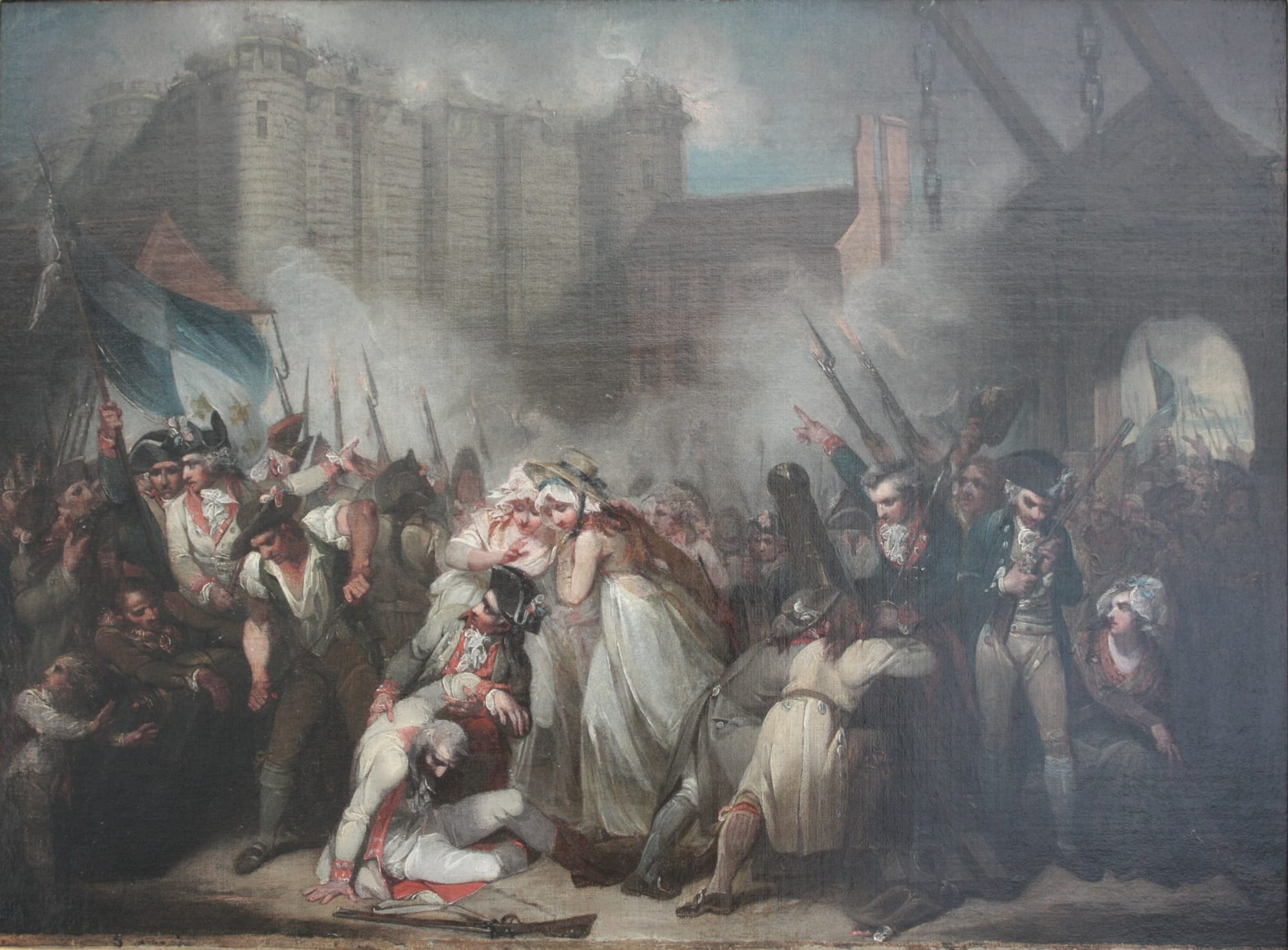
The Revolution abolished feudal privilege, declared the Rights of Man, executed the king in 1793, and then turned on itself in the Terror. Out of the chaos rose a young general.
Napoleon
Napoleon Bonaparte seized power in 1799 and crowned himself emperor in 1804. He gave France the institutions it still runs on — the Civil Code, the prefects, the Bank of France, the lycées — and conquered most of Europe.
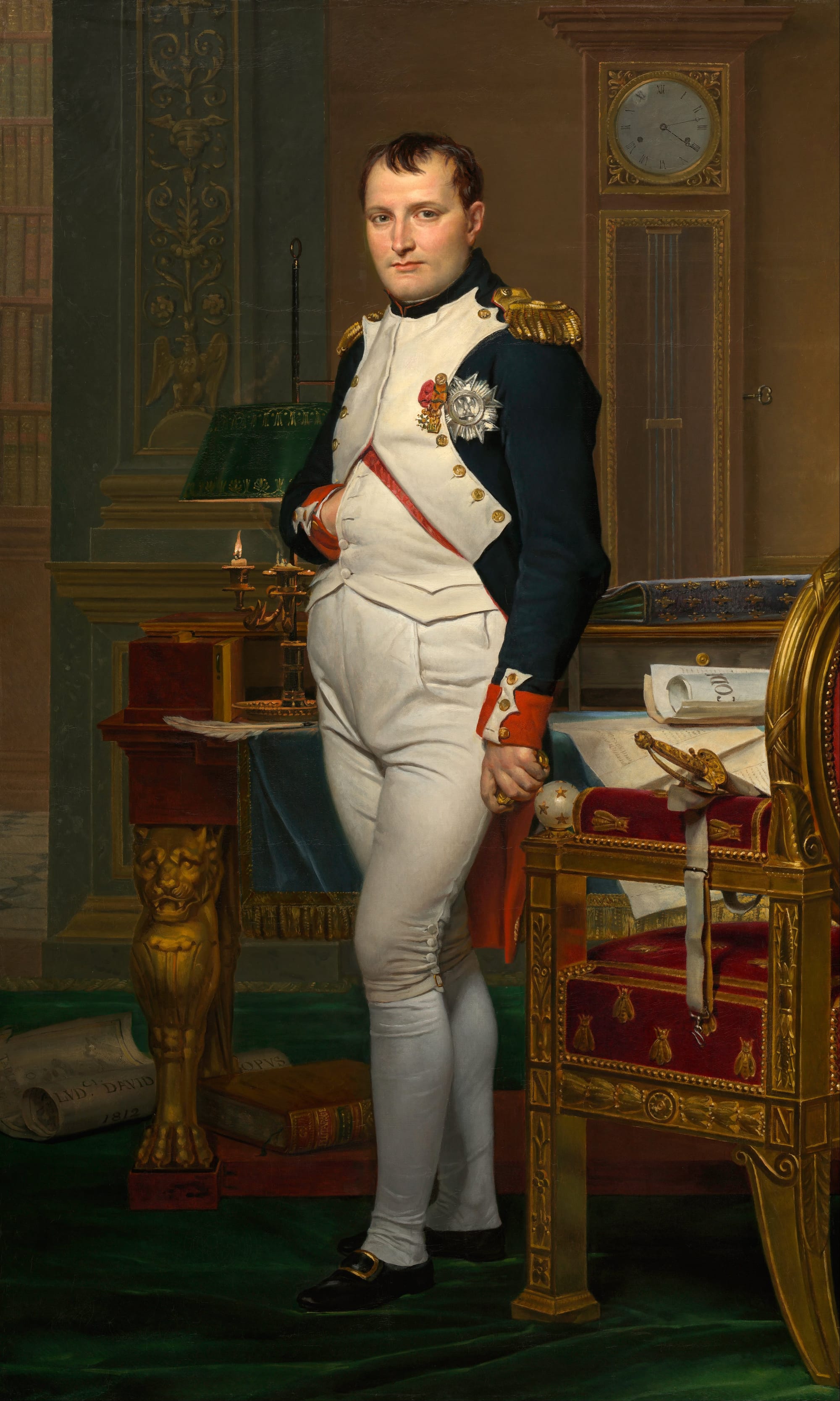
The invasion of Russia in 1812 destroyed his army; he was defeated, exiled, returned for a hundred days, and beaten finally at Waterloo in 1815. The monarchy came back — and fell again in 1830, and the new one fell in 1848, which brought a Second Republic, then a Second Empire under Napoleon's nephew, then, after defeat by Prussia in 1870, the Third Republic.
The republic, and the wars
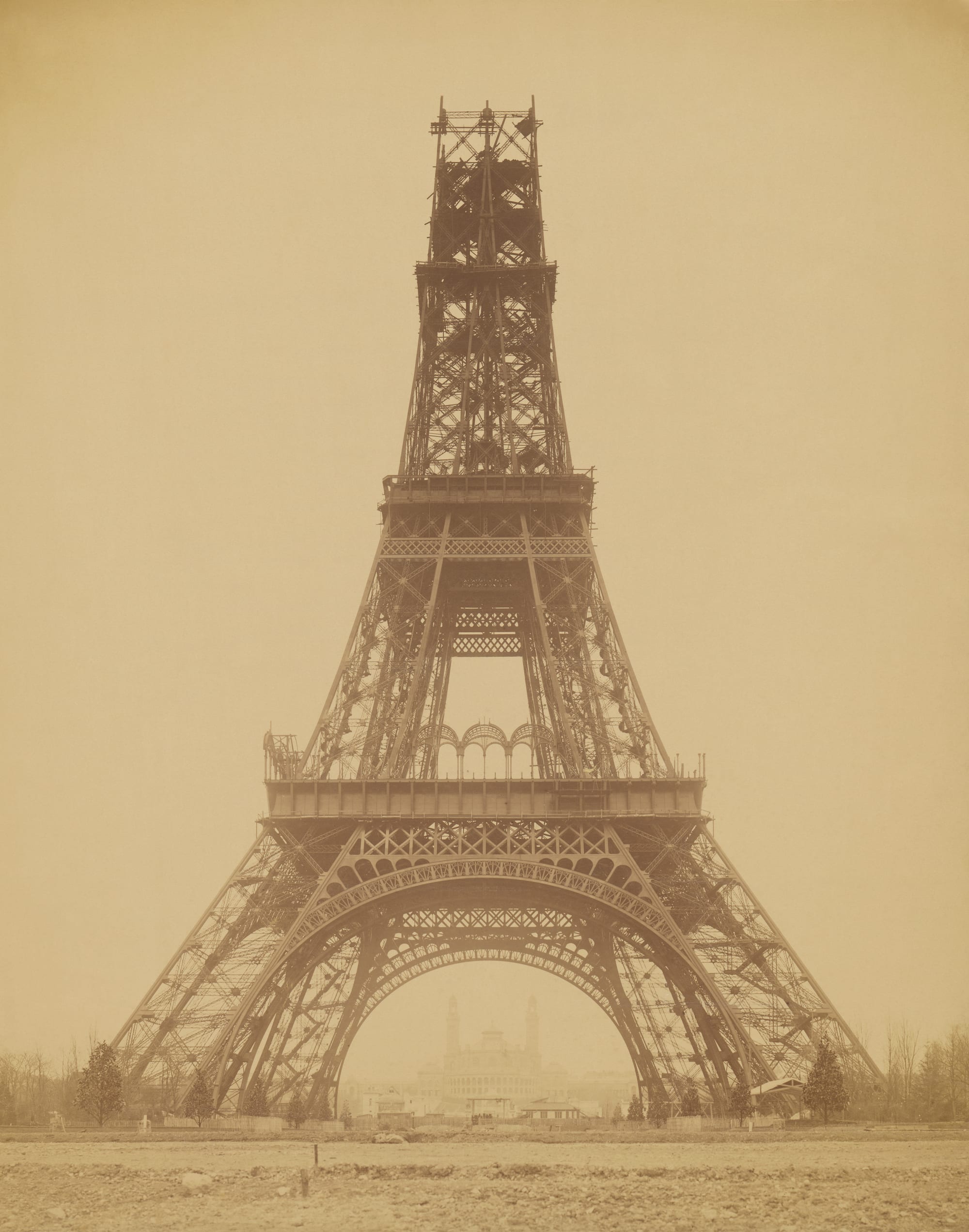
The Third Republic lasted seventy years. It built a secular school system, separated church and state in 1905, and assembled the world's second-largest colonial empire, across Africa and Indochina. Paris in the Belle Époque was the cultural capital of the West.
Then came the two great catastrophes. The First World War was fought along a line through north-eastern France for four years and killed nearly 1.4 million French soldiers. In 1940 Germany overran the country in six weeks; the north was occupied, the south governed by a collaborationist regime at Vichy, and a small Free French movement under Charles de Gaulle fought on from abroad while the Resistance organised at home.
Occupation and liberation
The Fifth Republic
The postwar Fourth Republic rebuilt the economy and helped found what became the European Union, but it was politically unstable and broke apart in 1958 over the war in Algeria. De Gaulle returned to power, wrote a new constitution with a strong presidency — the Fifth Republic — and, by 1962, granted Algeria independence after a brutal eight-year war, completing the end of the empire.
Since then France has been stable and prosperous: three decades of postwar boom, a nuclear deterrent, a central role in European integration, and repeated alternations of left and right. The old questions have not gone away — the place of religion in a strict secular state, the legacy of empire, the relationship between Paris and the rest — but they are now argued within a settled republican frame.
What France carries
France's history has a double weight. It is one of Europe's oldest continuous states, with a monarchy, a capital and a culture that shaped the continent for centuries. And it is the country of 1789, whose revolution turned subjects into citizens and gave political modernity its language. Much of French history since is the long, contested work of reconciling the two.