Attractions & Natural Wonders · France
France: Thirteen Attractions and Natural Wonders
The world's most-visited country, from the Eiffel Tower and Versailles to a tidal abbey, Roman aqueducts, Riviera beaches, and the white summit of the Alps
By Worldlore Editorial · 19 September 2026
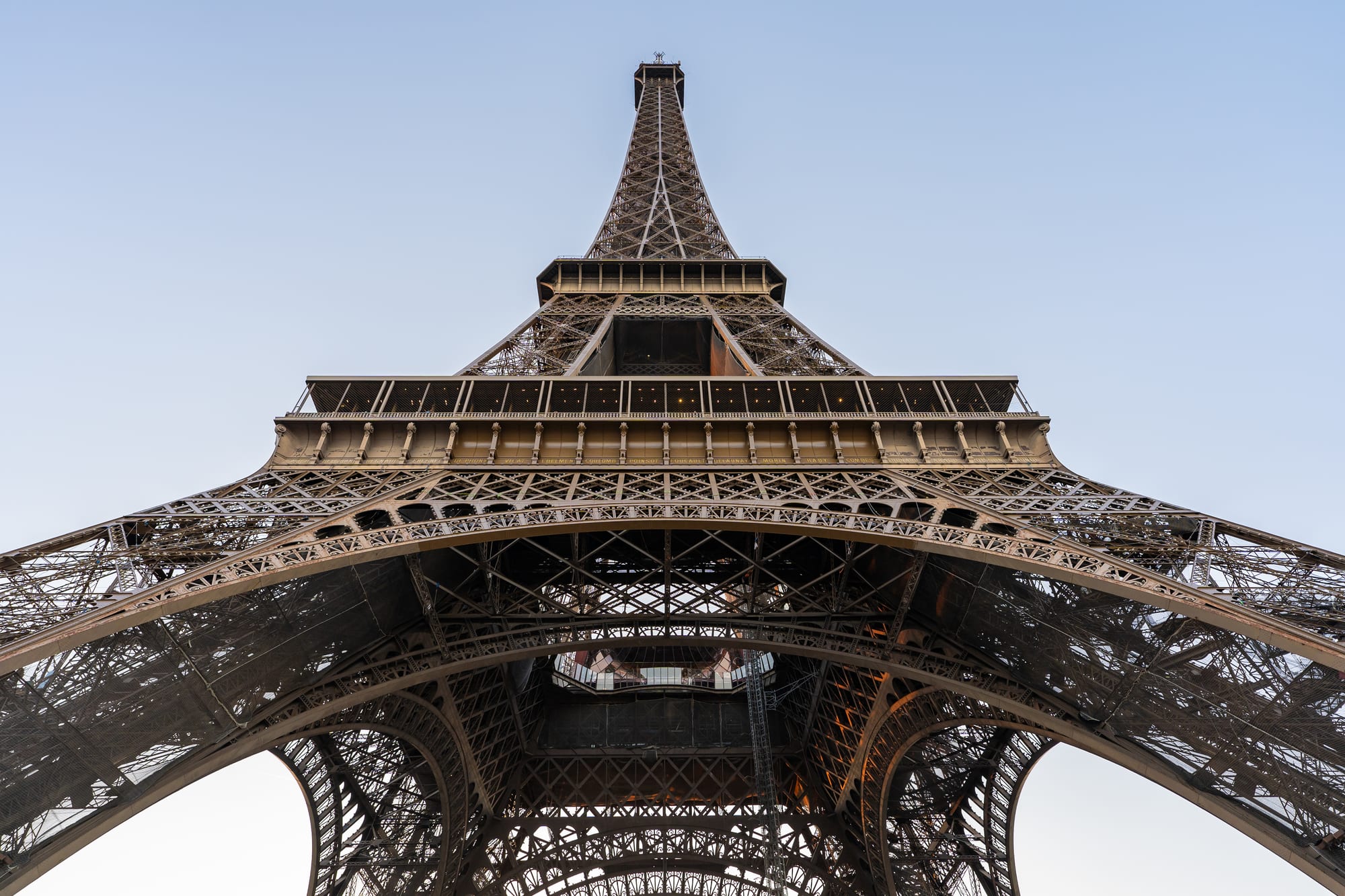
The most-visited country on earth
France draws more international visitors than any other country — around 100 million a year — and it is easy to see why: a capital that set the template for the modern city, a countryside of vineyards, hilltop villages, and cathedral towns, an Atlantic and a Mediterranean coast, and a share of the highest Alps. The food and wine are half the reason people come, and every region has its own. Fast trains (TGV) link the main cities in a few hours each.
The thirteen below run from Paris out to the coasts, the south, and the mountains. France is a year-round destination; late spring and September are the sweet spot for weather and crowds, and July–August is peak everywhere near the sea.
1. Paris
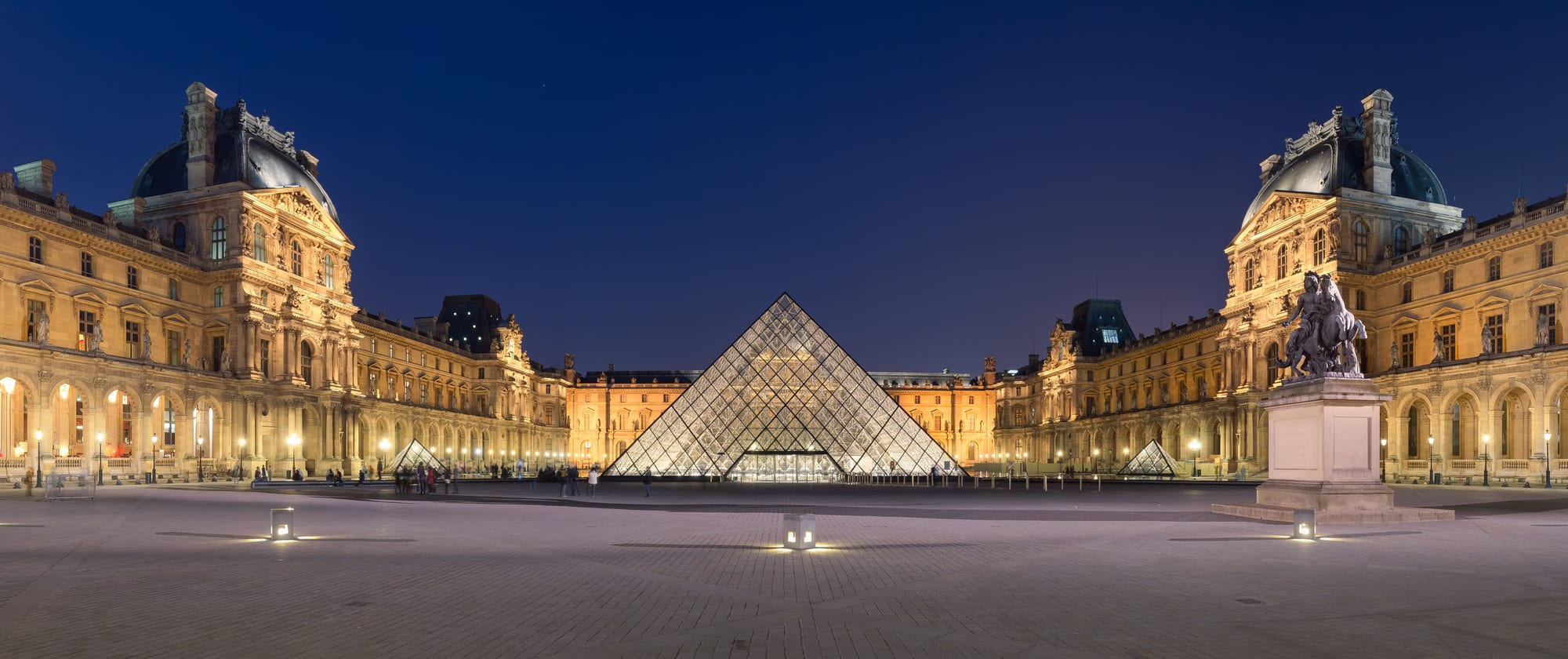
Paris packs its landmarks into a walkable centre split by the Seine: the Eiffel Tower, the Arc de Triomphe and the Champs-Élysées, the Louvre and the freshly restored Notre-Dame, the Musée d'Orsay in a former railway station, the hilltop village of Montmartre under the white Sacré-Cœur, and the Marais with its mansions and galleries. Café terraces, bakeries, and small parks are the daily texture.
Two or three days covers the essentials; a week lets you slow down, add the Orangerie, the catacombs, Père Lachaise, and a day trip.
2. The Palace of Versailles
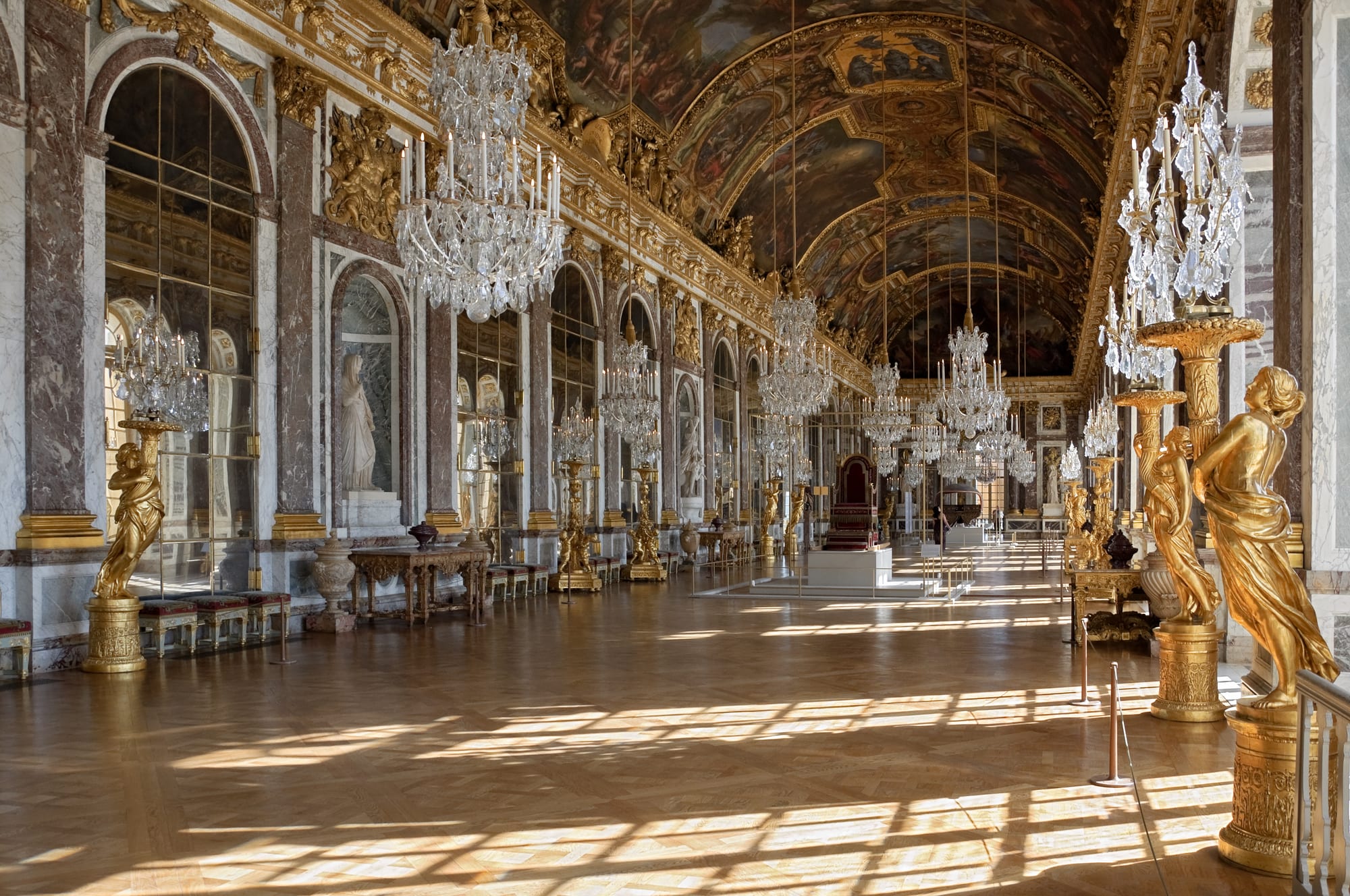
Versailles, a short train ride southwest of Paris, is the vast palace Louis XIV built from his father's hunting lodge and made the seat of government and the model of absolute monarchy. The State Apartments and the mirror-lined Grande Galerie are the set-pieces; outside are formal gardens by Le Nôtre with fountains that "play" to music in season, the Grand and Petit Trianon, and Marie Antoinette's mock farm village.
Go early or late; the gardens are free except on fountain days, and renting a bike or a rowboat on the Grand Canal is a good way to see the far end.
3. Mont-Saint-Michel
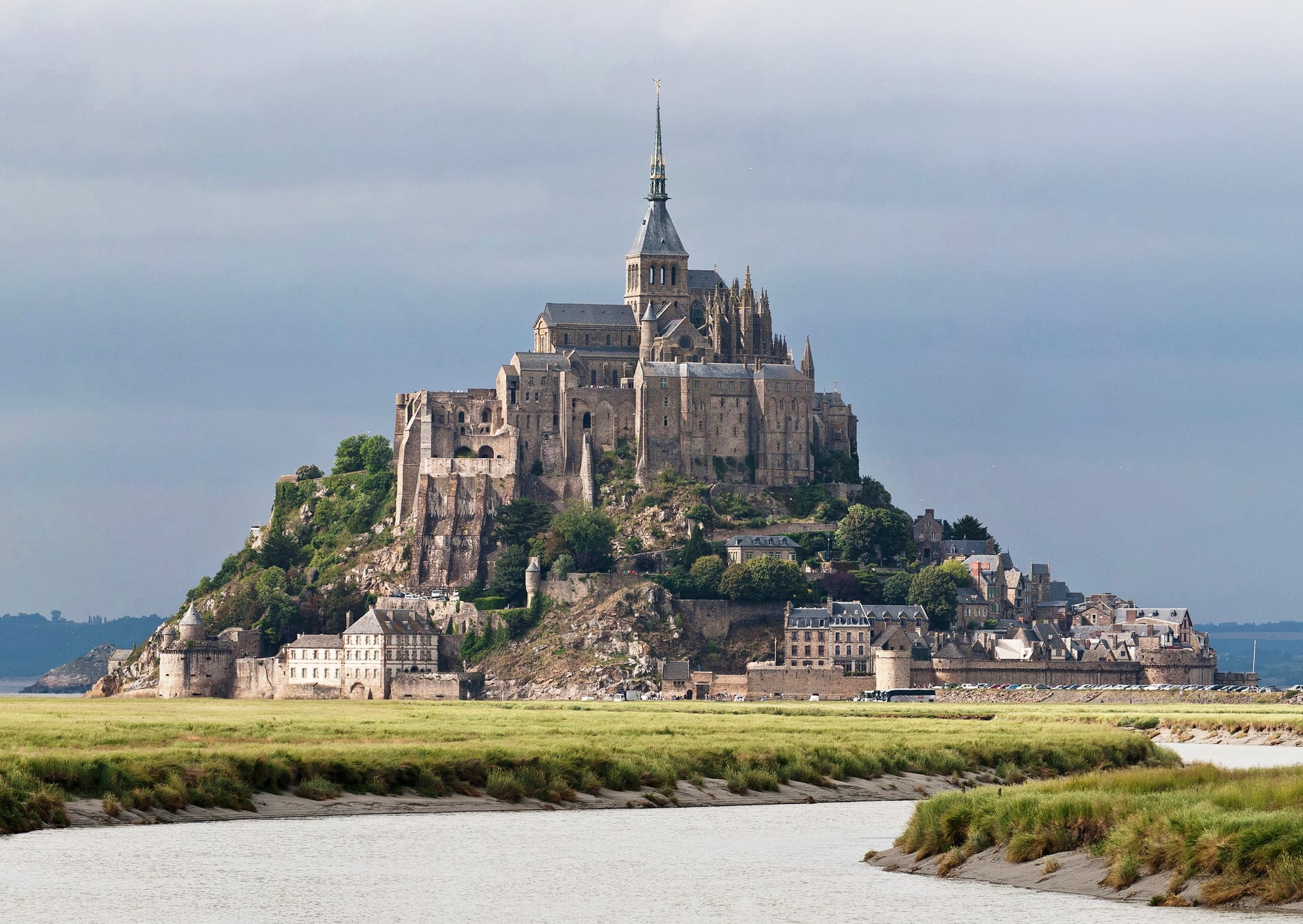
Mont-Saint-Michel is a granite islet on the border of Normandy and Brittany, crowned by a Benedictine abbey begun in the 10th century and wrapped in a tiny walled village of stepped lanes. The bay has some of the biggest tides in Europe — the sea can retreat kilometres and return fast — and a footbridge now keeps the island reachable at all times. The abbey church and its cloister sit at the very top.
It is busy by day; staying overnight, or arriving late, gives you the ramparts almost to yourself.
4. The Loire Valley châteaux
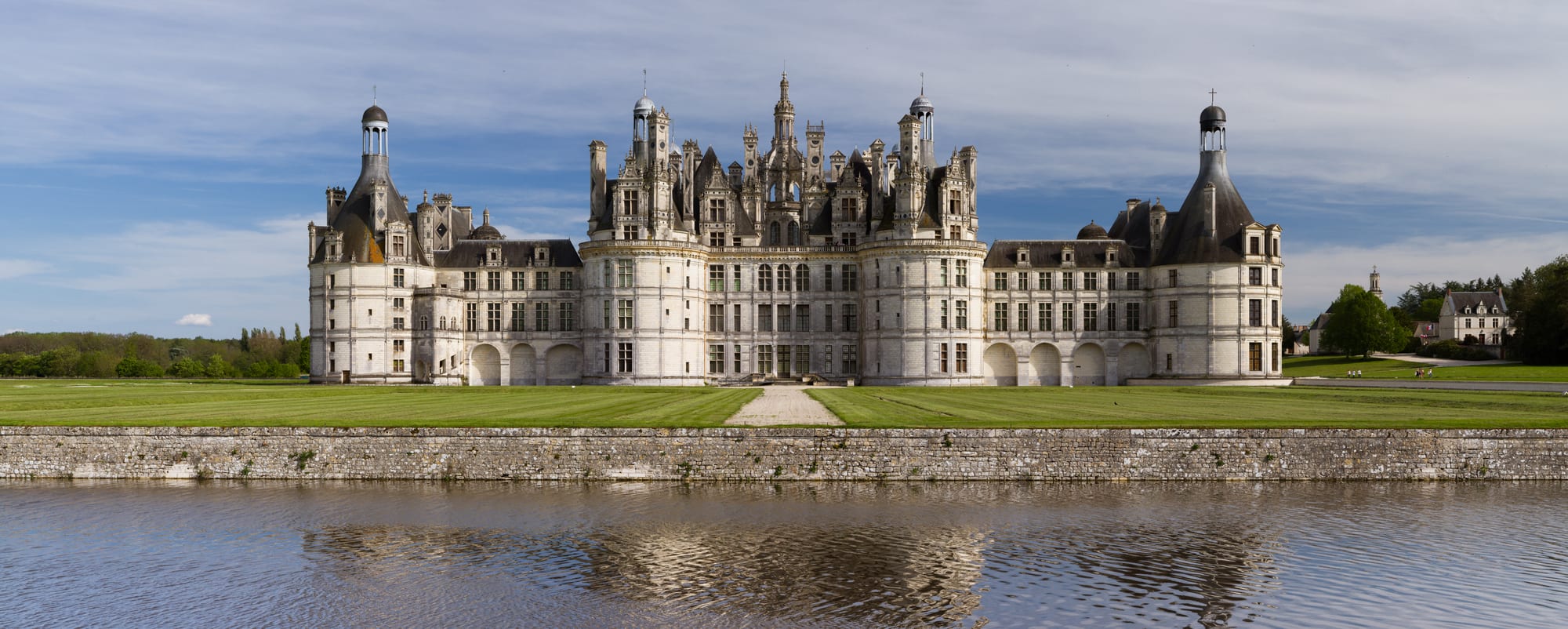
The middle Loire, a UNESCO-listed river landscape between Orléans and Angers, is lined with Renaissance and medieval châteaux built by kings and courtiers. Chambord, with its double-helix staircase attributed to Leonardo, is the grandest; Chenonceau arches over the river Cher; Amboise, Blois, Villandry (for its gardens), and Azay-le-Rideau round out a classic circuit, along with the walled town of Loches.
The valley is flat and made for cycling; Tours and Amboise are the usual bases.
5. The Normandy D-Day beaches
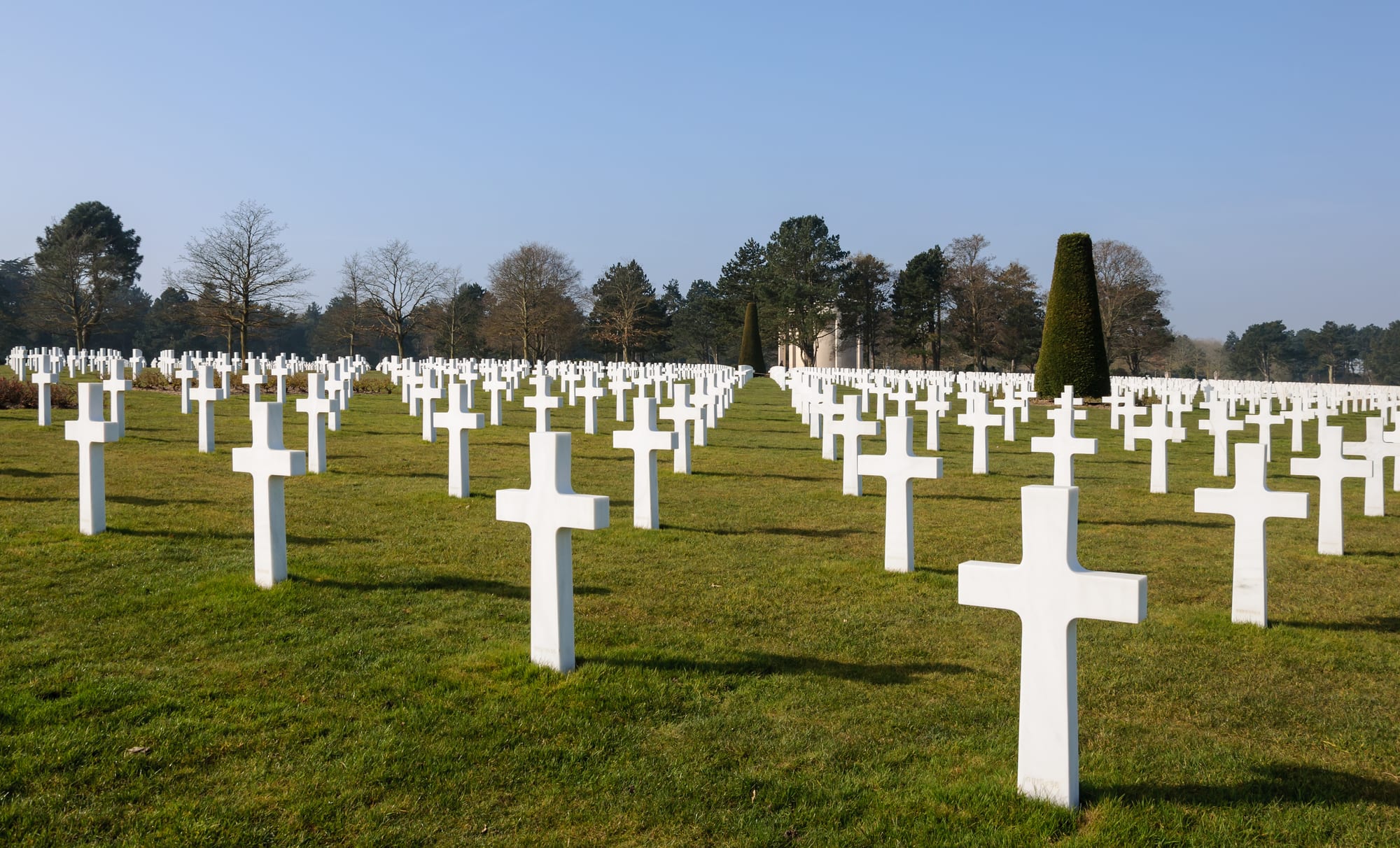
The beaches west of Caen — code-named Utah, Omaha, Gold, Juno, and Sword — were the landing grounds of the Allied invasion of 6 June 1944. The coast is now a line of memorials, museums, and cemeteries: the American cemetery at Colleville, the German battery at Longues-sur-Mer, the artificial harbour ruins off Arromanches, and Pointe du Hoc, still cratered by shellfire.
Bayeux, spared in the fighting, makes the best base and also has its famous 11th-century embroidered tapestry.
6. Étretat
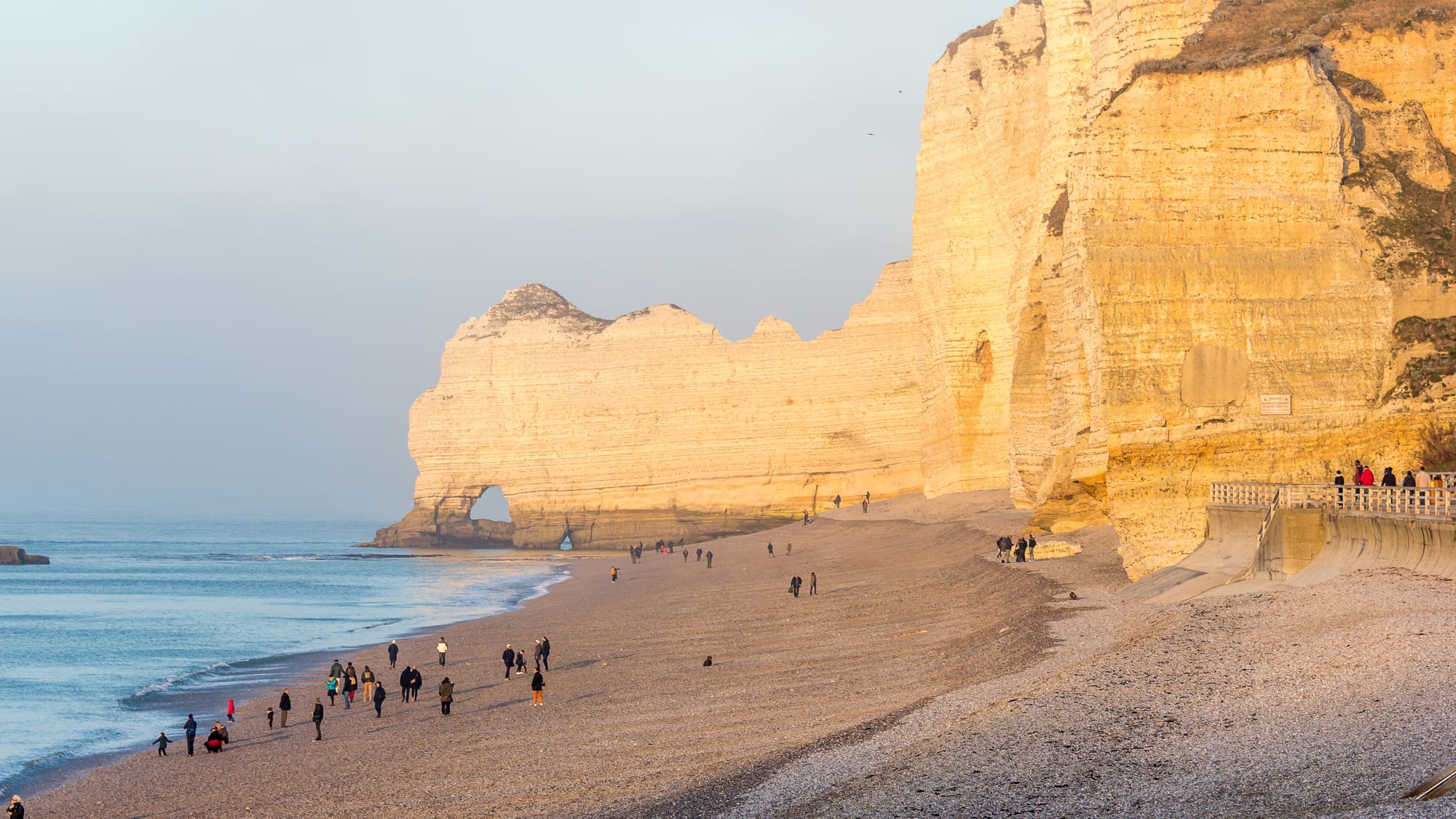
At Étretat, on the Normandy coast north of Le Havre, the white chalk cliffs have been carved by the sea into a run of natural arches and a free-standing needle, framing a pebble beach and a small resort town. Clifftop paths on both sides give the view that Monet, Courbet, and Boudin painted again and again.
It is an easy day trip from Le Havre or Rouen, and best in soft morning or evening light.
7. Alsace: Strasbourg and Colmar
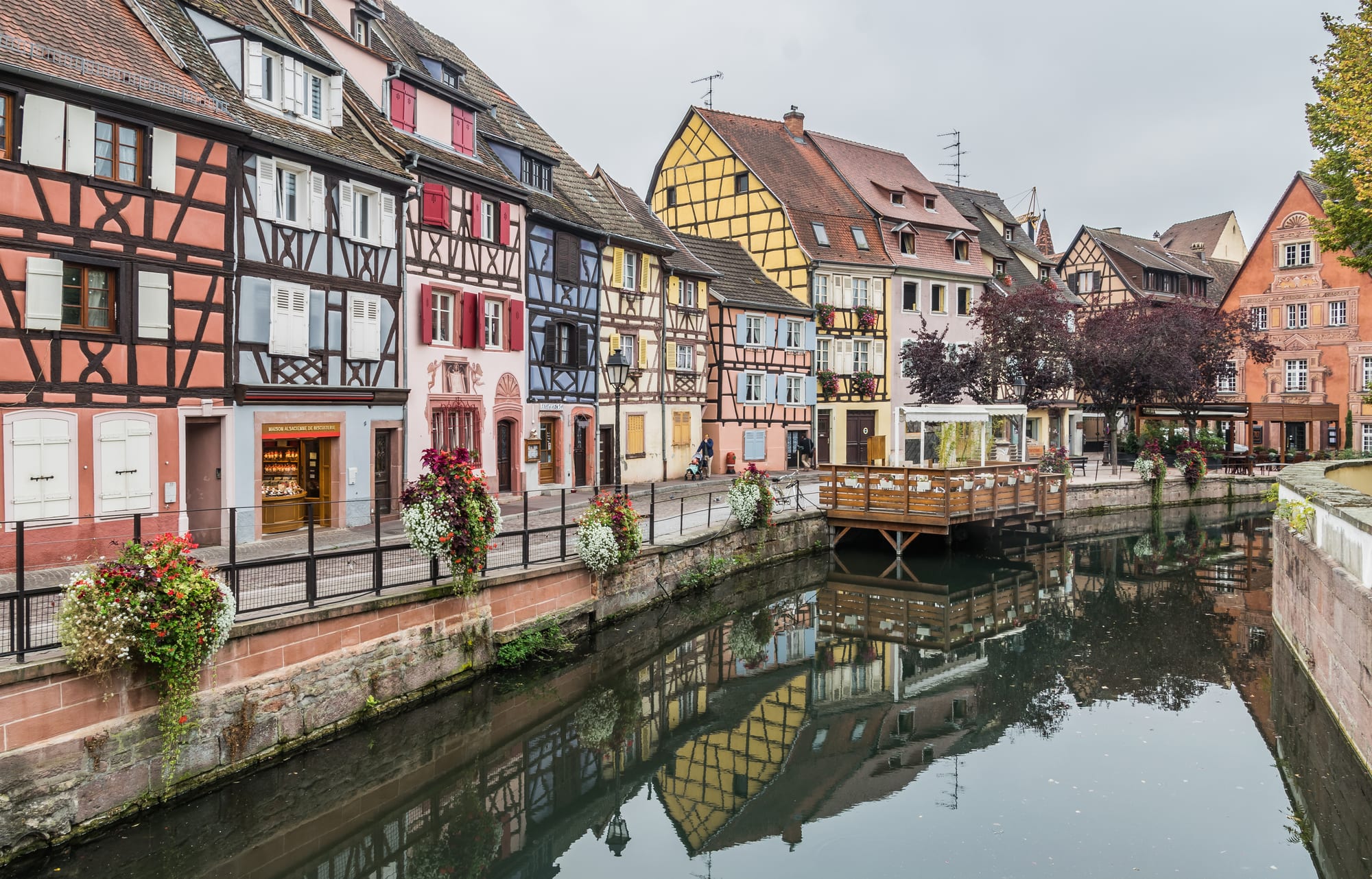
Alsace, pressed against the Rhine and German for much of its history, has a look all its own: half-timbered houses in sherbet colours, storks' nests on the roofs, winstubs serving Riesling and choucroute. Strasbourg has a soaring pink sandstone cathedral, the canal-ringed Petite France quarter, and the European Parliament. Colmar and the villages of the Route des Vins — Riquewihr, Eguisheim, Kaysersberg — are almost too pretty.
December brings some of France's best Christmas markets to the whole region.
8. The French Riviera
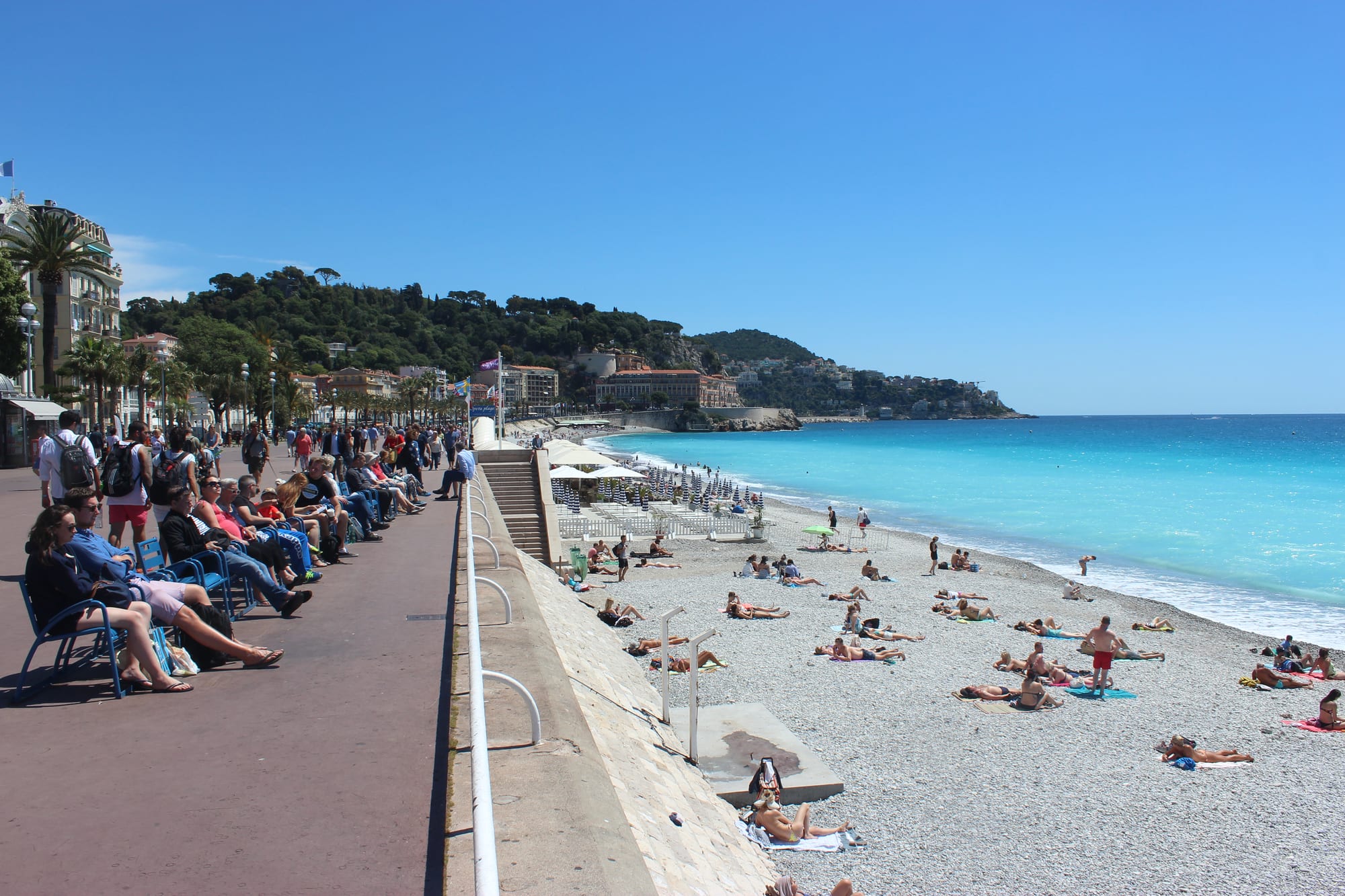
The Côte d'Azur, the Mediterranean coast from Cassis to the Italian border, has been the fashionable seaside since the 19th century. Nice anchors it with its pebble bay, old town, and Matisse and Chagall museums; along the coast are the perched village of Èze, the harbour and casino of Monaco, Antibes and its Picasso museum, Cannes, and the yacht ports of Saint-Tropez. Behind them rise the wild hills of the Estérel and the Mercantour.
Trains run right along the shore, making a car unnecessary for the main towns.
9. Provence
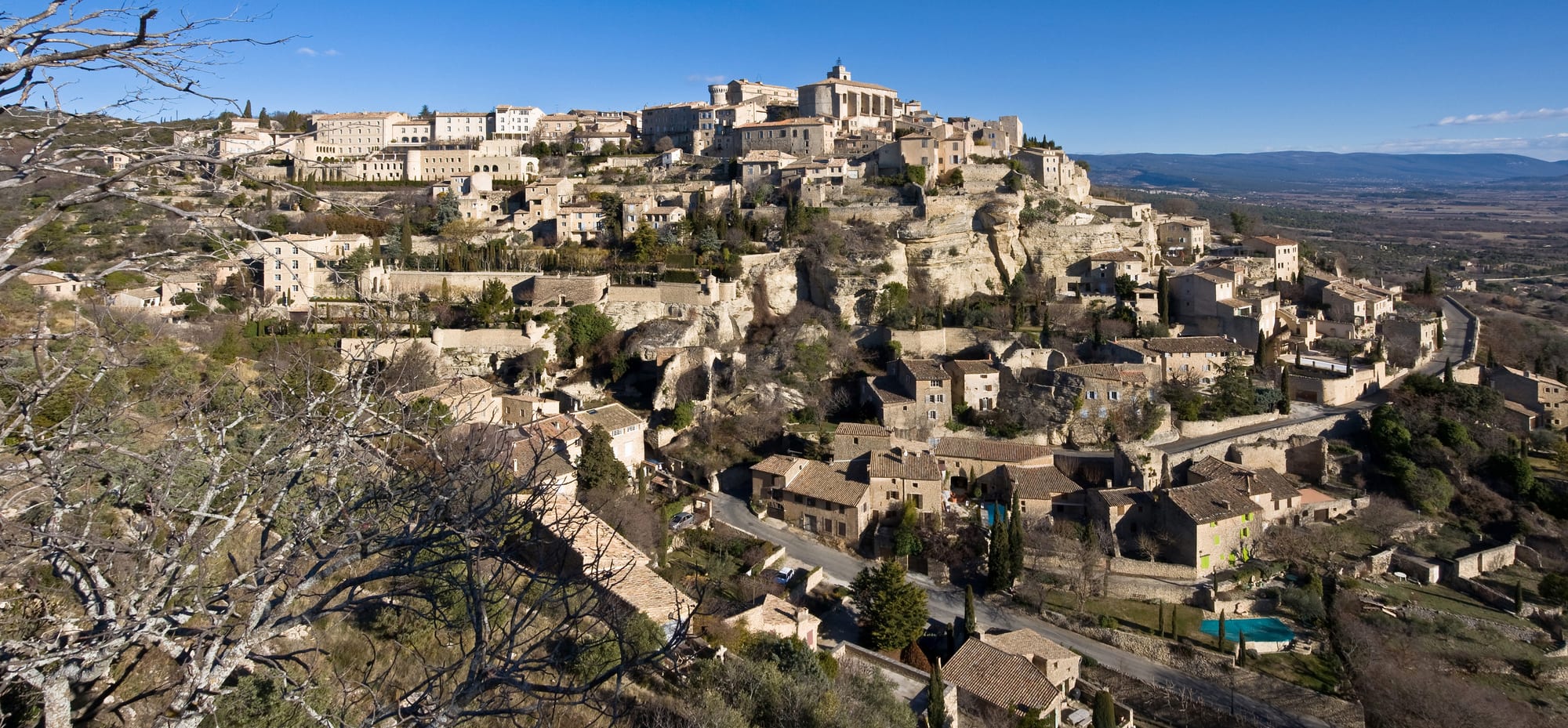
Inland Provence is the France of stone villages, plane-shaded squares, markets, and light. The Luberon has the hill towns of Gordes, Roussillon (set among ochre quarries), and Bonnieux; the Vaucluse plateau turns purple with lavender in late June and July, especially around the Abbaye de Sénanque and the Valensole plain. Aix-en-Provence, Arles (with its Roman arena and Van Gogh associations), and the Camargue wetlands are all part of the region.
A car is more or less essential to link the villages and lavender fields.
10. The Pont du Gard
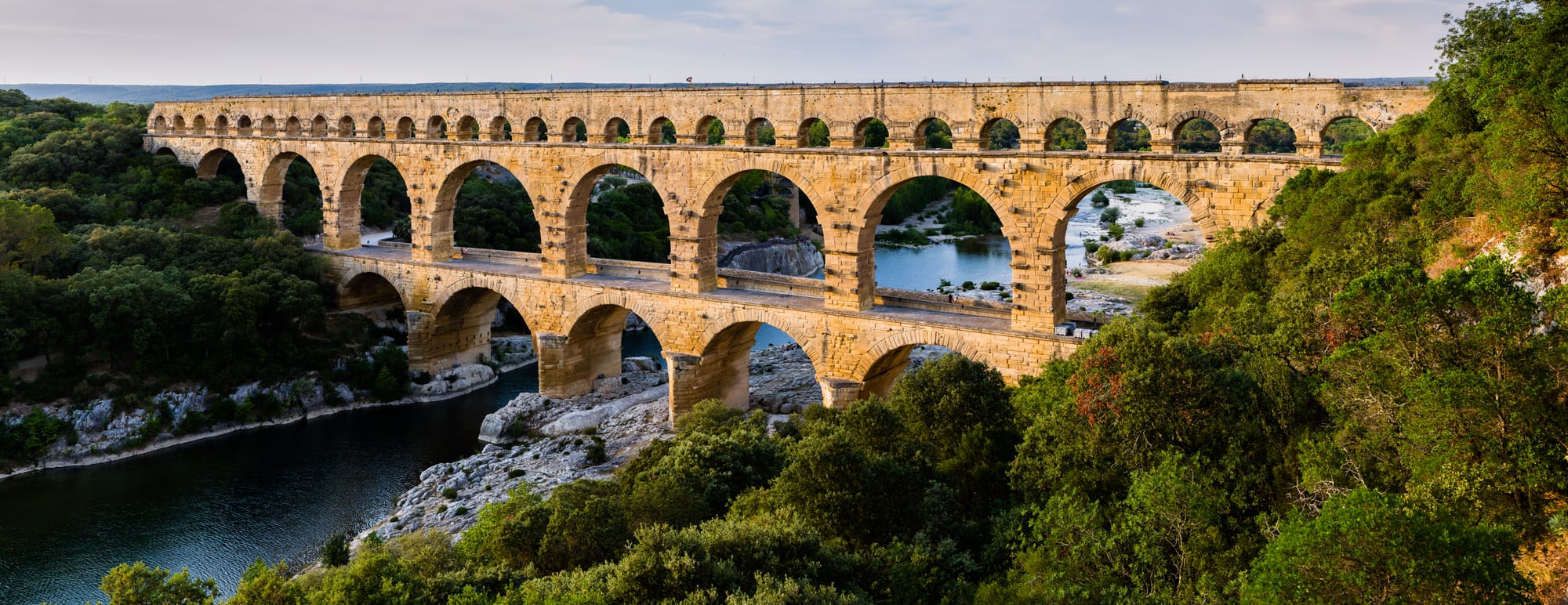
The Pont du Gard, near Nîmes, is the best-preserved section of a 50-kilometre Roman aqueduct that carried water to the city of Nîmes. Its three tiers of arches stand nearly 50 metres above the river Gardon, built of stone blocks laid without mortar around AD 60. There is a good museum on site, and you can swim and kayak in the river beneath it.
Nîmes itself, half an hour away, has an even better-preserved Roman arena and temple.
11. Carcassonne
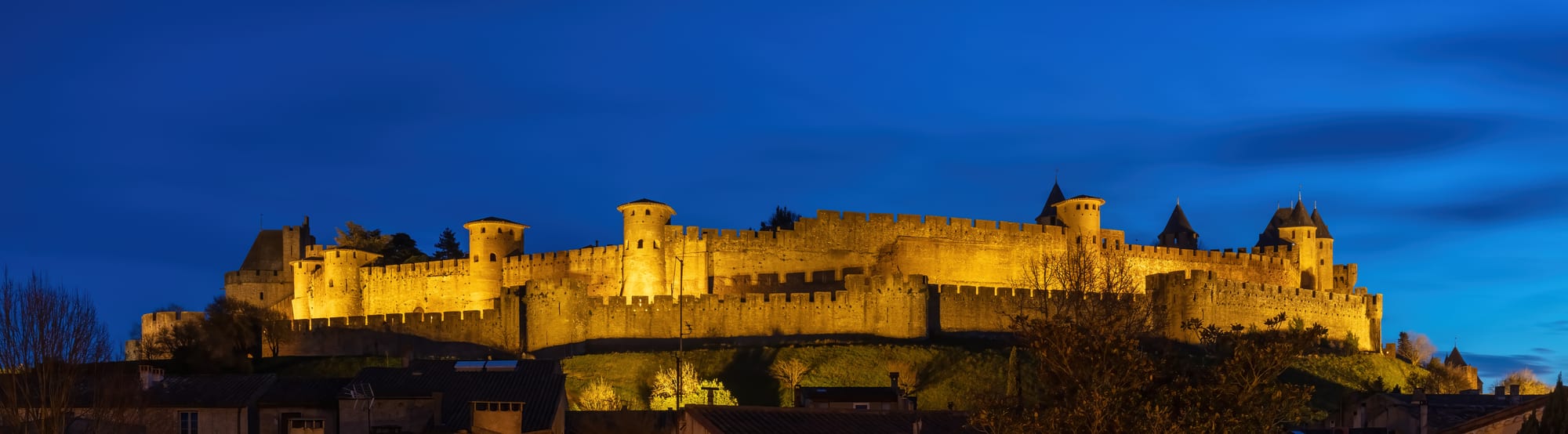
Carcassonne, in the southwest between Toulouse and the Mediterranean, has the most complete medieval fortified town in Europe — a double ring of walls with 52 towers, wrapped around a castle and a Gothic basilica, on a hill above the river Aude. Abandoned and nearly demolished in the 19th century, it was heavily restored by Viollet-le-Duc, which gives its cone-roofed towers a slightly storybook look.
The lower "new" town across the river, and the Canal du Midi, are quieter counterpoints.
12. The Dordogne and the Vézère Valley
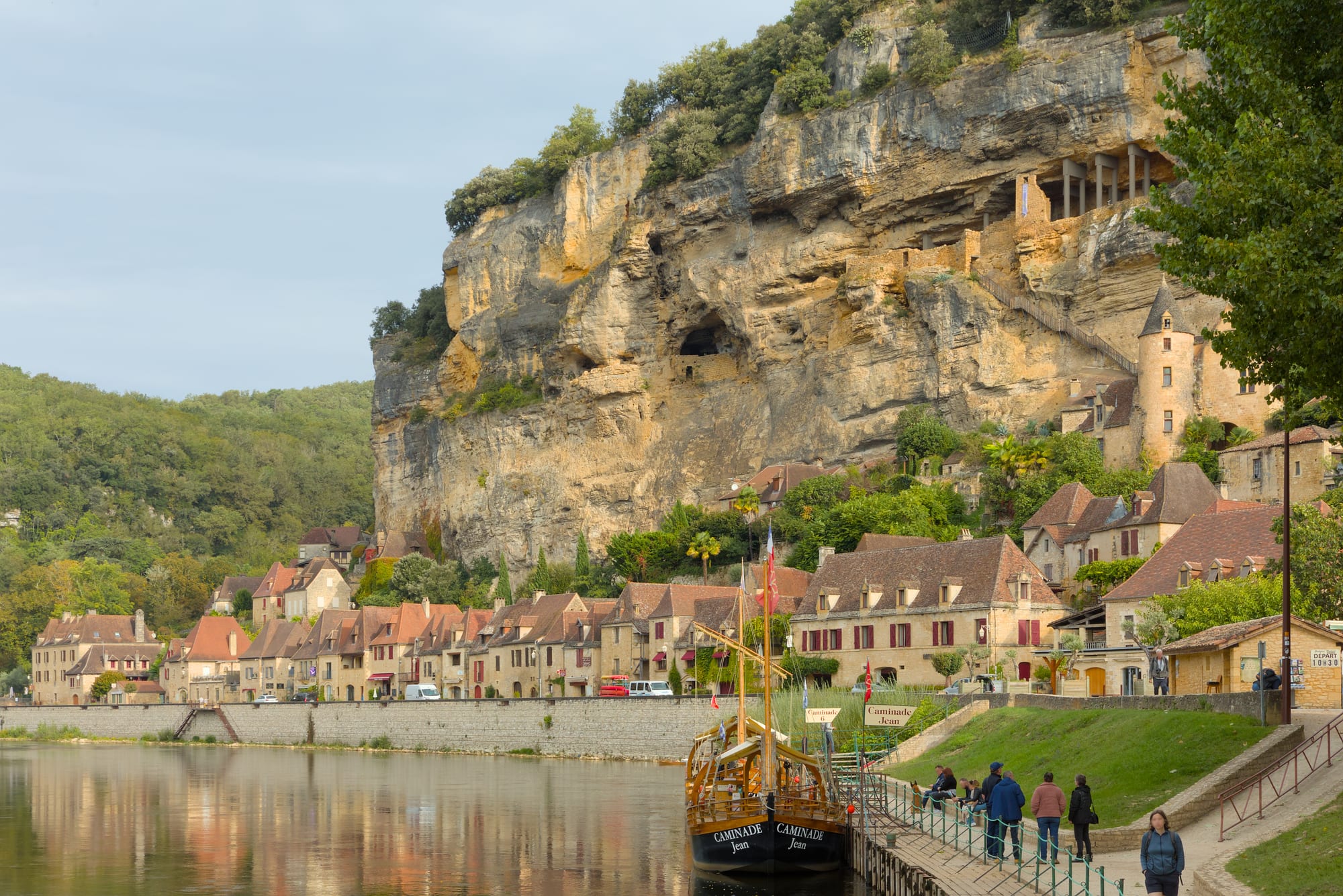
The Dordogne, in the southwest, is a landscape of walnut orchards, golden-stone villages, and clifftop castles above slow green rivers — Sarlat's medieval centre, the bastide towns, and gardens like Marqueyssac. The nearby Vézère Valley holds the greatest concentration of Ice Age art in the world: the painted caves of Lascaux (seen now as an exact replica) and Font-de-Gaume, and rock shelters at Les Eyzies.
Canoeing the Dordogne past the castles of Beynac and Castelnaud is the classic day out.
13. Chamonix and Mont Blanc
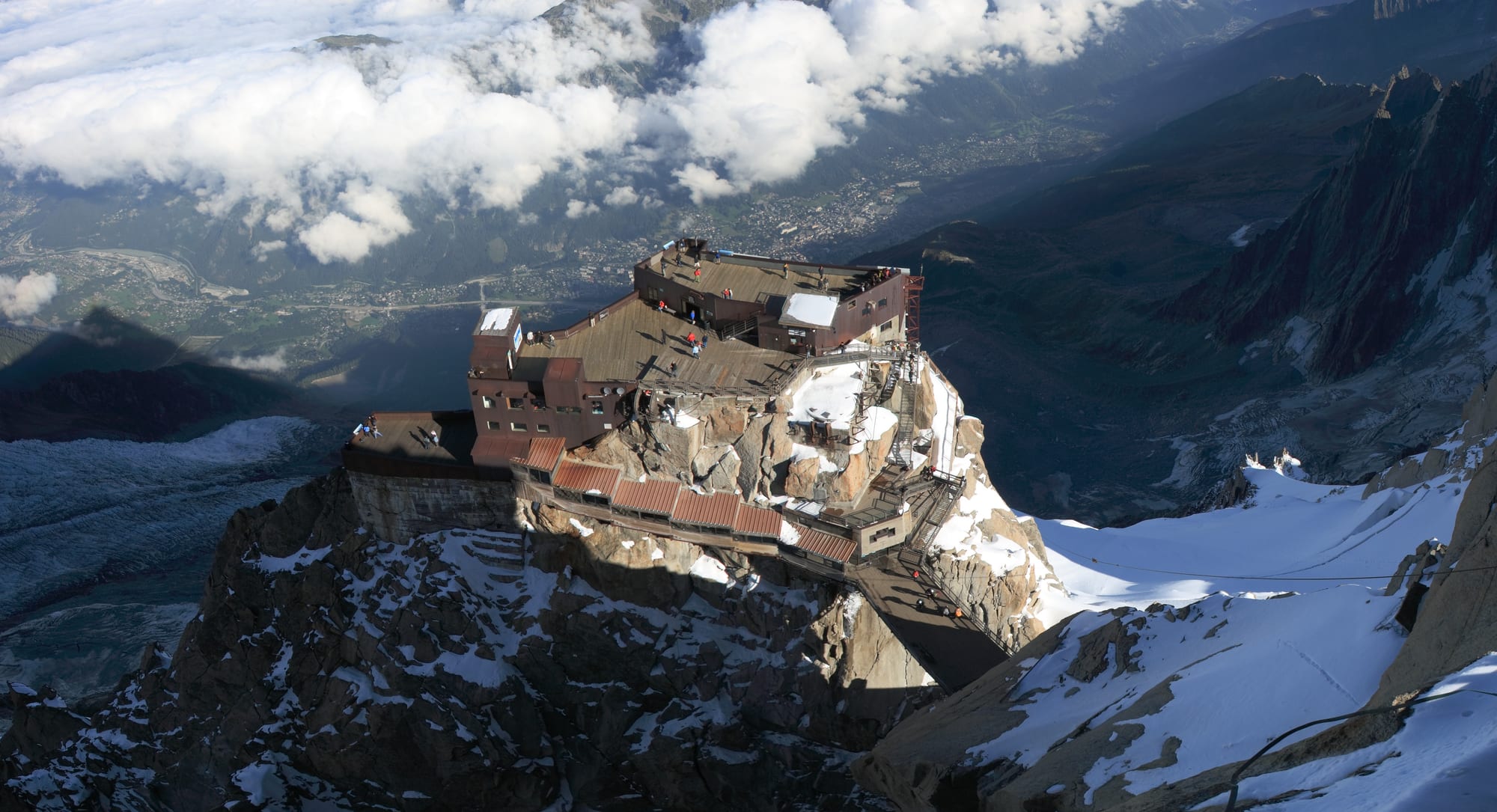
Chamonix, in the far east against the Swiss and Italian borders, sits under Mont Blanc — at 4,806 metres the highest peak in the Alps. From the town, one cable car climbs to the Aiguille du Midi and a glass "step into the void", another leads to the Mer de Glace glacier and its ice cave, and the rack railway and lifts open up a network of high trails. It is a world capital of mountaineering, skiing, and paragliding.
For something gentler, the nearby Lac Blanc hike and the Annecy lakefront are among the prettiest in the French Alps.
France rewards picking a region rather than racing across it. A common first trip is Paris plus one other area — the Loire, Normandy, Provence, or the Riviera — linked by TGV. Two weeks lets you combine two regions comfortably, or add the Alps.