Culture & Customs · France
France: A Proper Bonjour
A secular republic with a Catholic past, a greeting owed to every shopkeeper, and a set of manners that treats courtesy, conversation and the shared table as serious matters
By Worldlore Editorial · 30 September 2026
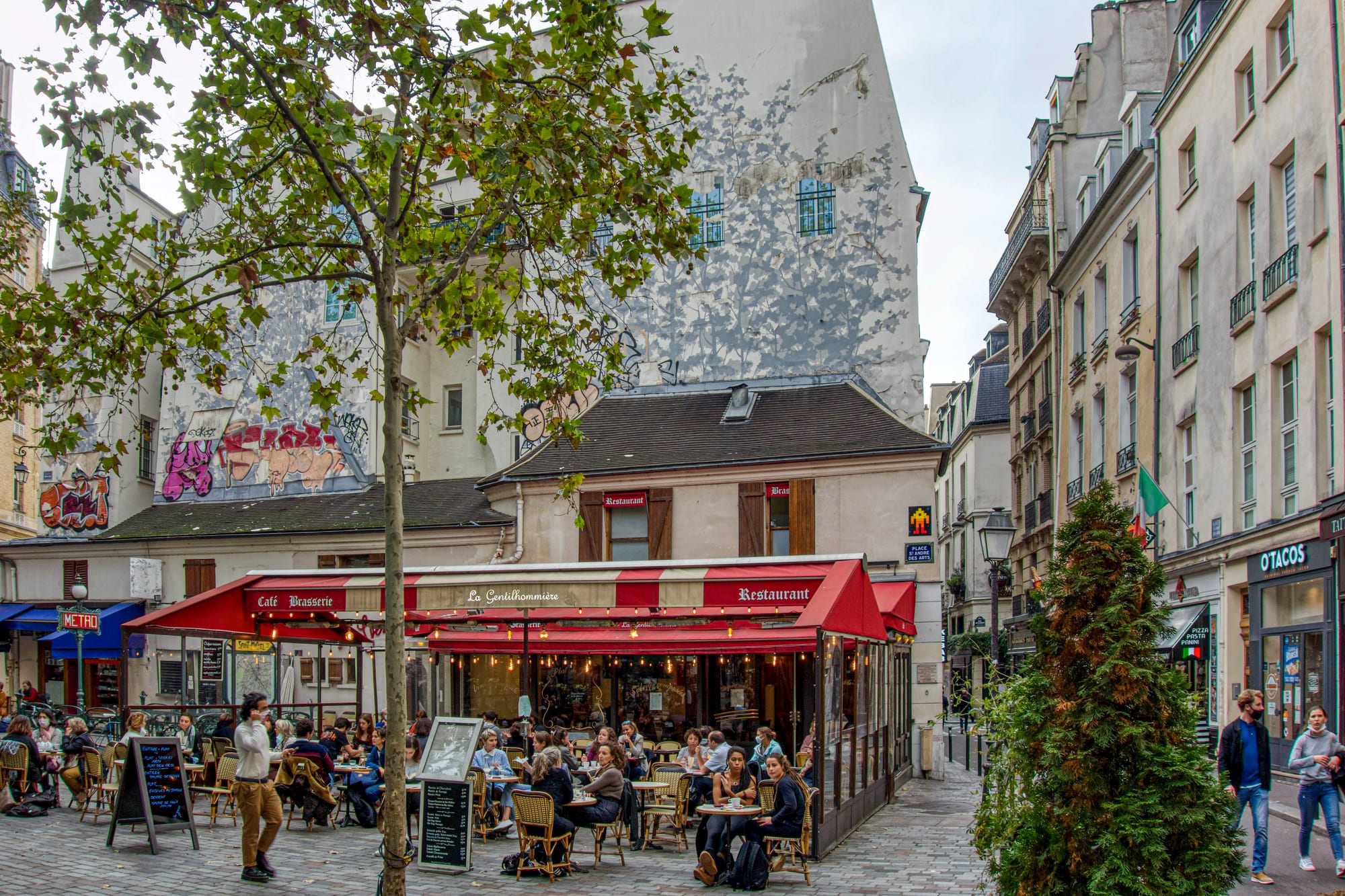
A customer pushes open the door of a small bakery. Before a word is said about bread, there is a clear "Bonjour, madame" to the woman behind the counter, answered in kind. Only then comes the order, the payment, a "merci" and an "au revoir" on the way out. The exchange takes a few seconds, and to many French people it is not optional: greeting anyone who provides a service is simply expected. The small ritual at the bakery counter says a good deal about France: a country where courtesy follows recognised forms, where people are addressed with care until they choose otherwise, and where the proper way of doing something is often felt to matter as much as the thing itself.
Faith, identity and values
France describes itself in its constitution as an indivisible, secular, democratic and social republic, and the principle of laïcité, or secularism, sits close to the centre of national identity. A law passed in 1905 separated the churches from the state: the Republic guarantees freedom of conscience and of worship, but recognises, pays for and subsidises no religion. In practice this means a firm line between public life, which is meant to be neutral, and private belief. The line is also argued over. A ban on conspicuous religious symbols in state schools, introduced in 2004, has been debated ever since, particularly in relation to Muslim headscarves.
Catholicism shaped French culture for well over a thousand years, and it still marks the calendar, the landscape and many family occasions, even as regular attendance has fallen. Surveys vary widely, but recent ones suggest that around two in five people identify as Catholic and a third or more report no religion, with Islam the second-largest faith and smaller Protestant, Jewish, Buddhist and Orthodox communities. Exact figures are hard to pin down, partly because the state, in keeping with its idea of a single French people, does not collect official statistics on ethnicity or religion. The parish church remains a symbol of local identity in much of the countryside, and devotion to the Virgin Mary lives on through shrines and pilgrimages.
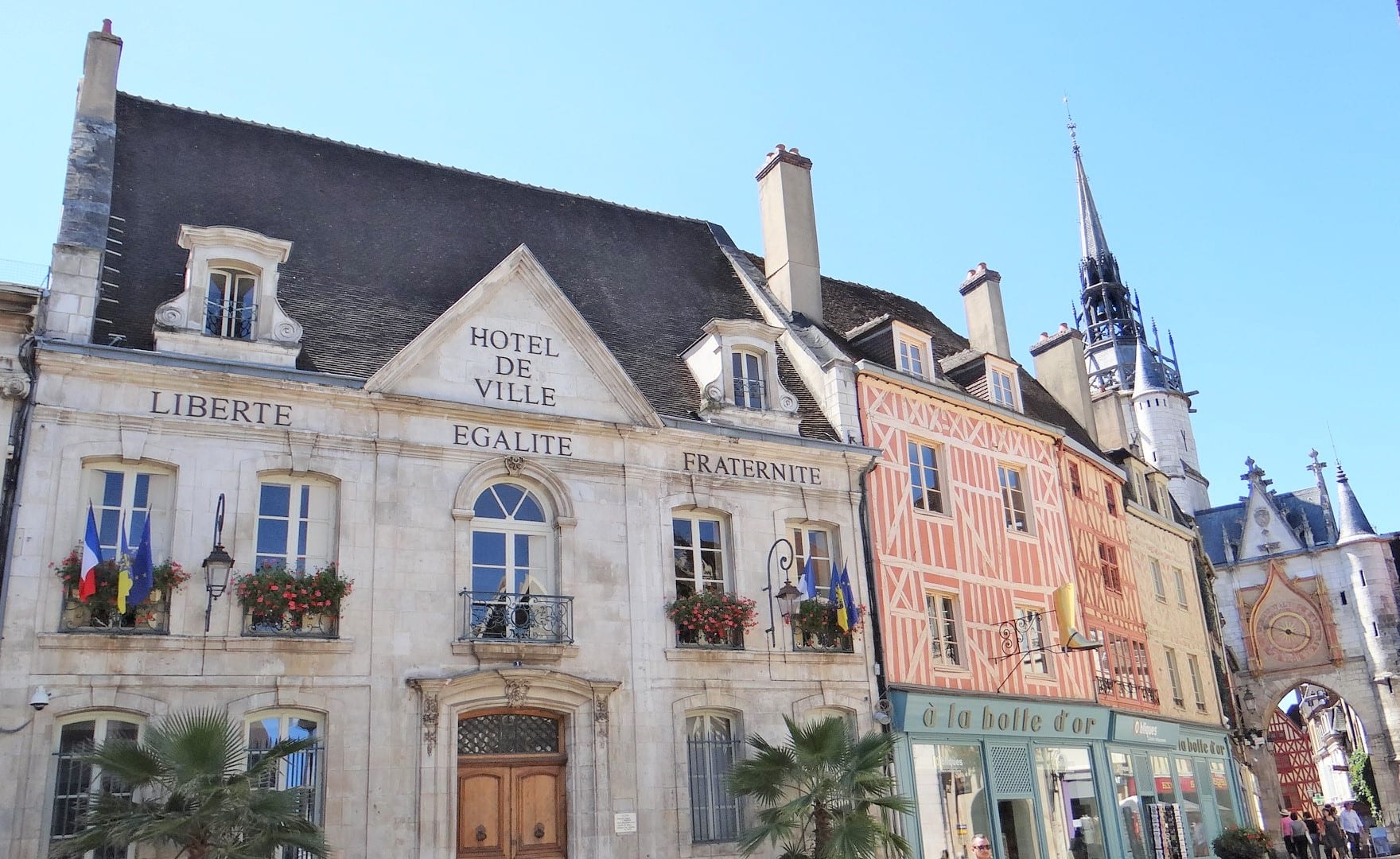
The national motto, Liberté, Égalité, Fraternité, appears over the doors of town halls and schools across the country, and the values it names are taken seriously as a civic creed. Alongside them sits a deep attachment to the French language, widely seen as bound up with French identity itself. Other values shape everyday behaviour more quietly. Private life is kept private, and questions about salary or personal finances are considered inappropriate. Intellectual discussion is prized: politics, philosophy and culture are favourite subjects, and a well-argued disagreement is often enjoyed rather than avoided. Respect for skill and quality, whether in a meal, a piece of craftsmanship or an exhibition, is something children tend to absorb early.
Greetings and meeting people
The handshake is the standard greeting in professional settings and between acquaintances, and it is usual to shake hands with everyone present on arriving and again on leaving, rather than offering a general wave to the room. Among friends and relatives the greeting is la bise: cheeks are touched lightly, with a kissing sound, first on one side and then the other. Two kisses is common, but the number varies from one part of the country to another.
Forms of address matter. Men are addressed as Monsieur and women as Madame; the older distinction that reserved Mademoiselle for unmarried women has largely given way to Madame for all adult women. In formal situations, and with older people, surnames and titles are used until an invitation to do otherwise is offered, and a title comes before any conversation or request. French also has two words for "you". Vous is the polite form used with anyone met for the first time, while tu is kept for family and close friends. Moving to tu too soon can come across as disrespectful.
Communication tends to be direct, and many French people regard frank speech as honest and even courteous rather than blunt. Steady eye contact is a sign of respect, and avoiding it is considered impolite. Humour leans towards wit, irony and satire. Compliments are appreciated but are often brushed aside modestly rather than simply accepted. A conversational distance of about an arm's length is normal between people who do not know each other well.
Hospitality and being a guest
A formal invitation to a French home is valued, and turning up unannounced is considered disrespectful. For a dinner at home, arriving a little after the stated time, perhaps fifteen to twenty minutes, is more polite than arriving early or on the dot, and guests are expected to dress neatly and greet every person present. It is courteous to ask the host whether anything can be brought. A bottle of good wine is the classic gift, and quality matters more than size; gifts are generally opened when they are received.
Many evenings begin with the apéro, drinks and small bites before the meal, which can last anywhere from half an hour to much of the evening. Anything brought for it should be chosen with a little care. UNESCO, which lists the gastronomic meal of the French as intangible cultural heritage, describes a fixed structure for a festive meal: an apéritif, then at least four courses, typically a starter, fish or meat with vegetables, cheese and dessert, and finally liqueurs, with attention paid throughout to the table setting, to matching wines to dishes and to the conversation around them.
Table manners follow settled conventions. Guests wait until everyone has been served before beginning, unless the host insists otherwise. Dishes are passed around the table, mouths are wiped after drinking, and no one talks with food in their mouth. Leaving food on the plate can suggest a lack of appreciation for the cook's efforts. When the meal is finished, the knife and fork are placed side by side on the plate. A glass left mostly full is the polite signal that no more wine is wanted; an empty glass is likely to be refilled. In restaurants, service is included in the displayed prices by law, and any tip left on top is a voluntary gesture of thanks rather than an obligation.
Festivals and life's big moments
The national holiday falls on 14 July. It recalls both the storming of the Bastille in 1789 and the Festival of the Federation held a year later to celebrate national unity, and it has been the official national day since 1880. A military parade is held on the Champs-Élysées in Paris, and across the country the day brings public dances, communal meals and, after dark, fireworks.
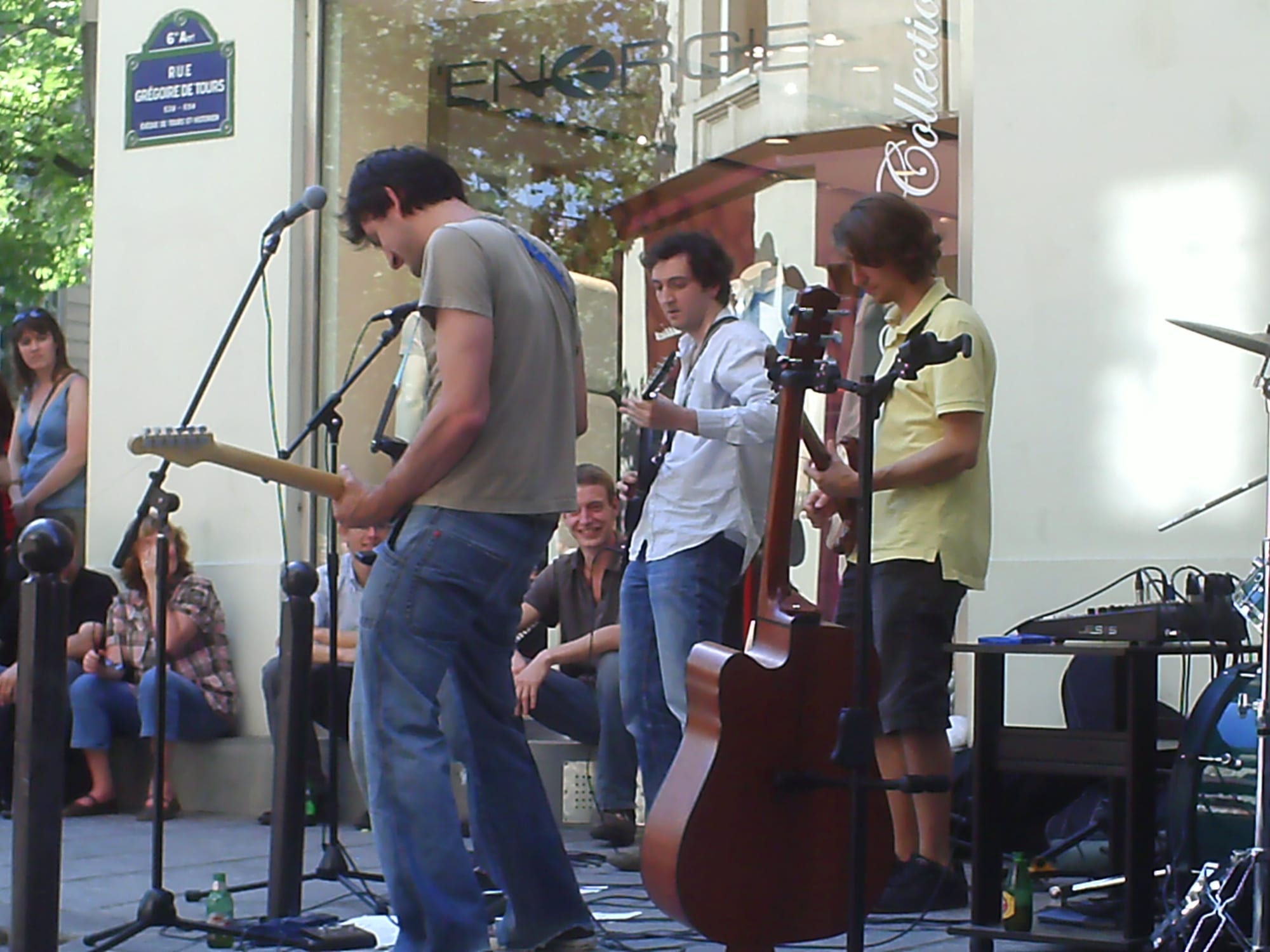
Several shared customs mark the rest of the year. Around Epiphany, on 6 January, families and colleagues share a galette des rois, a flat pastry cake hiding a small charm called the fève. By tradition the youngest person present sits under the table and calls out who should receive each slice, so that no one can be accused of cheating, and whoever finds the charm is crowned king or queen for the day. On 1 May people give one another sprigs of lily of the valley, muguet, as a token of good luck, a custom tied to the date since the early twentieth century. On 21 June, the longest day of the year, the Fête de la Musique fills streets, squares and parks with free performances by amateurs and professionals alike. Created by the Ministry of Culture in 1982 and open to every kind of music, it has since spread to more than 120 countries.
Weddings reflect the secular state. The legally binding ceremony takes place at the town hall, in a room open to the public, and is conducted by the mayor or a deputy mayor in the presence of the couple and their witnesses. Couples who want a religious wedding hold it afterwards, since French law forbids a religious ceremony from taking place before the civil one, so a religious wedding in France always follows a visit to the town hall.
The dead are remembered above all at Toussaint, All Saints' Day on 1 November, when families visit cemeteries and lay flowers on the graves of relatives. The flower of choice is the chrysanthemum, which blooms at that time of year. Its role as the flower of the dead dates from 1919, when war memorials were decorated with chrysanthemums on 11 November, and the association is now so strong that the flower is widely thought of in France as belonging to cemeteries.
Arts, crafts and music
France treats culture as a matter of national importance. The Académie française, founded in 1635, is made up of forty members, known as les immortels, charged with watching over the French language, and its dictionary, first published in 1694, remains its central work, with the final volume of the ninth edition appearing in 2024.
Craft traditions are valued as highly as the fine arts. UNESCO's list of intangible cultural heritage includes more than two dozen French elements, from Alençon needle lace and the skills of mechanical watchmaking to the craft of handmade glass and the art of dry-stone walling. One of the most distinctive is compagnonnage, a network through which young people learn trades in stone, wood, metal, leather, textiles and food. Apprentices travel from workshop to workshop around France and abroad over several years, and to be accepted as a compagnon they must produce a masterwork judged by those already in the network.
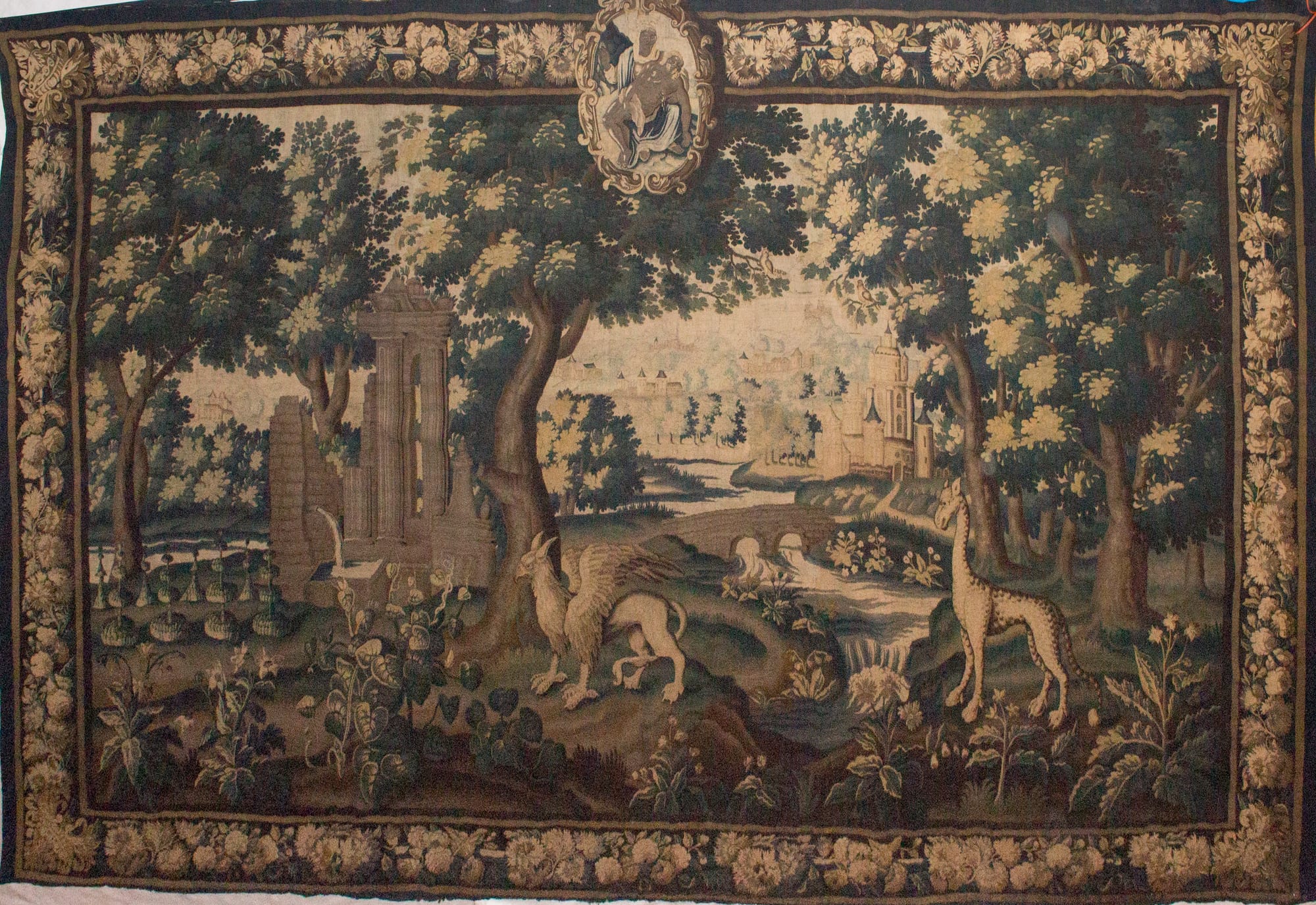
Tapestry is another living craft on UNESCO's list. In the Aubusson tradition, a designer prepares a full-size paper template called a cartoon, and a weaver, the lissier, works on a horizontal loom from the reverse side of the piece, using yarns dyed by hand. The method can translate an image in any artistic style, and produces mainly large decorative wall hangings, as well as rugs and furnishings.
Music is treated in the same open spirit. The Fête de la Musique was built on the idea, in the words of one of its founders, that music should be everywhere and the concert nowhere, and on its principle that no genre ranks above another.
Dos and don'ts for visitors
- Do say "bonjour" on entering a shop, café or office and "merci, au revoir" on leaving; skipping it is noticed.
- Do use vous and Monsieur or Madame with people met for the first time, and wait to be invited to use tu or first names.
- Do shake hands with everyone when arriving and leaving, and keep la bise for friends and family unless it is offered.
- Do arrive slightly after the stated time for a dinner at home, and bring a good bottle of wine or a quality treat.
- Do wait until everyone is served before eating, and leave the wine glass mostly full once enough has been poured.
- Don't drop in on someone's home without being invited or announcing the visit first.
- Don't ask people about their salary or finances; money is considered a private matter.
- Don't feel obliged to tip, since service is included in prices by law, though a little extra is welcome for good service.
What to take away
French manners can seem formal at first, but the forms exist to show respect, and a visitor who starts every exchange with a proper bonjour will find that much of the rest follows naturally.