Daily Life · France
France: A Day Built Around the Table
A 35-hour working week, five weeks of paid holiday, shops that still close for lunch in smaller towns, and a country that visibly slows down every August
By Worldlore Editorial · 30 September 2026
Meals, more than the clock, are what actually structure an ordinary day in France. Lunch is still widely treated as a proper pause rather than something eaten at a desk, shops in smaller towns close for an hour or two around midday, and dinner starts later than in many neighbouring countries. Around that rhythm sits a shorter legal working week than most of Europe, five weeks of statutory paid holiday, and a country that, every August, visibly empties out of its own cities as families head to the coast or the countryside. None of this is a special occasion; it is simply how the year and the day are built.
Family and home life
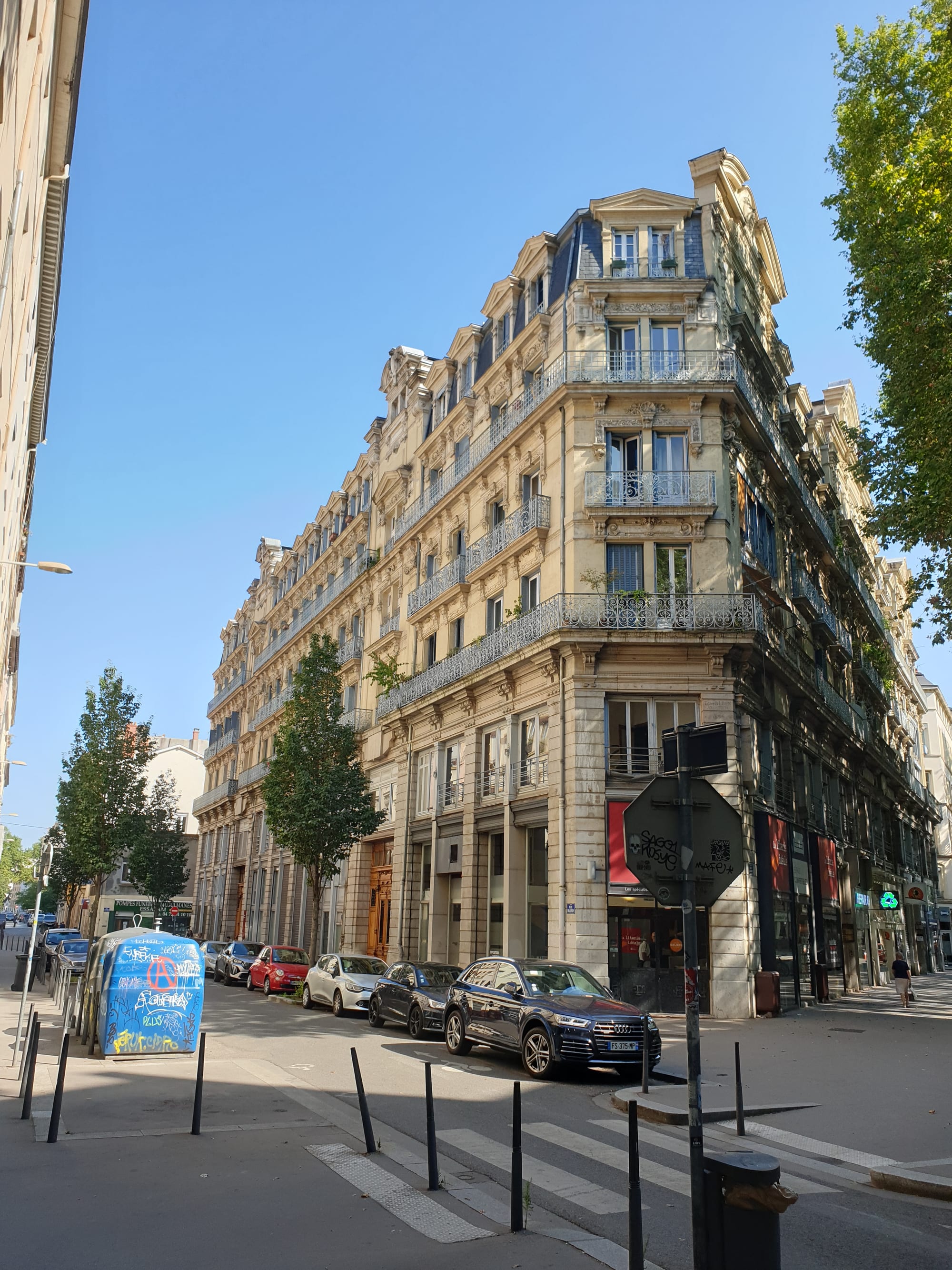
Slightly more than half of French households live in a house, but in the cities apartment buildings are the norm, a pattern set by dense nineteenth-century urban planning that shaped not just Paris but Lyon, Marseille, and most sizeable French cities. Household size has fallen over recent decades, and small households of one or two people have become far more common, though families with children are more often found in houses outside city centres. France's generous parental leave, subsidised childcare, and a strong network of public crèches and nursery schools mean that both parents working full-time is common, supported more directly by the state than in many countries.
Work, school and the rhythm of the day
The legal working week is 35 hours, introduced in 2000 (2002 for small firms), with hours worked beyond that generally paid as overtime; in practice this varies by sector and seniority, but it remains a defining reference point for how a French working day is discussed. Statutory paid holiday runs to five weeks a year, and the school and working calendar both build in regular breaks (the "vacances scolaires") that shift by zone to spread demand on transport and tourist areas. Shops and small businesses in smaller towns and rural areas still commonly close for an hour or two around midday, though supermarkets and shops in larger cities increasingly stay open through the day. August is the country's most visible seasonal rhythm: many businesses close for part of the month, and a large share of the population takes its main annual holiday then, emptying parts of Paris and other cities while the coasts and countryside fill up.
Community life and public spaces
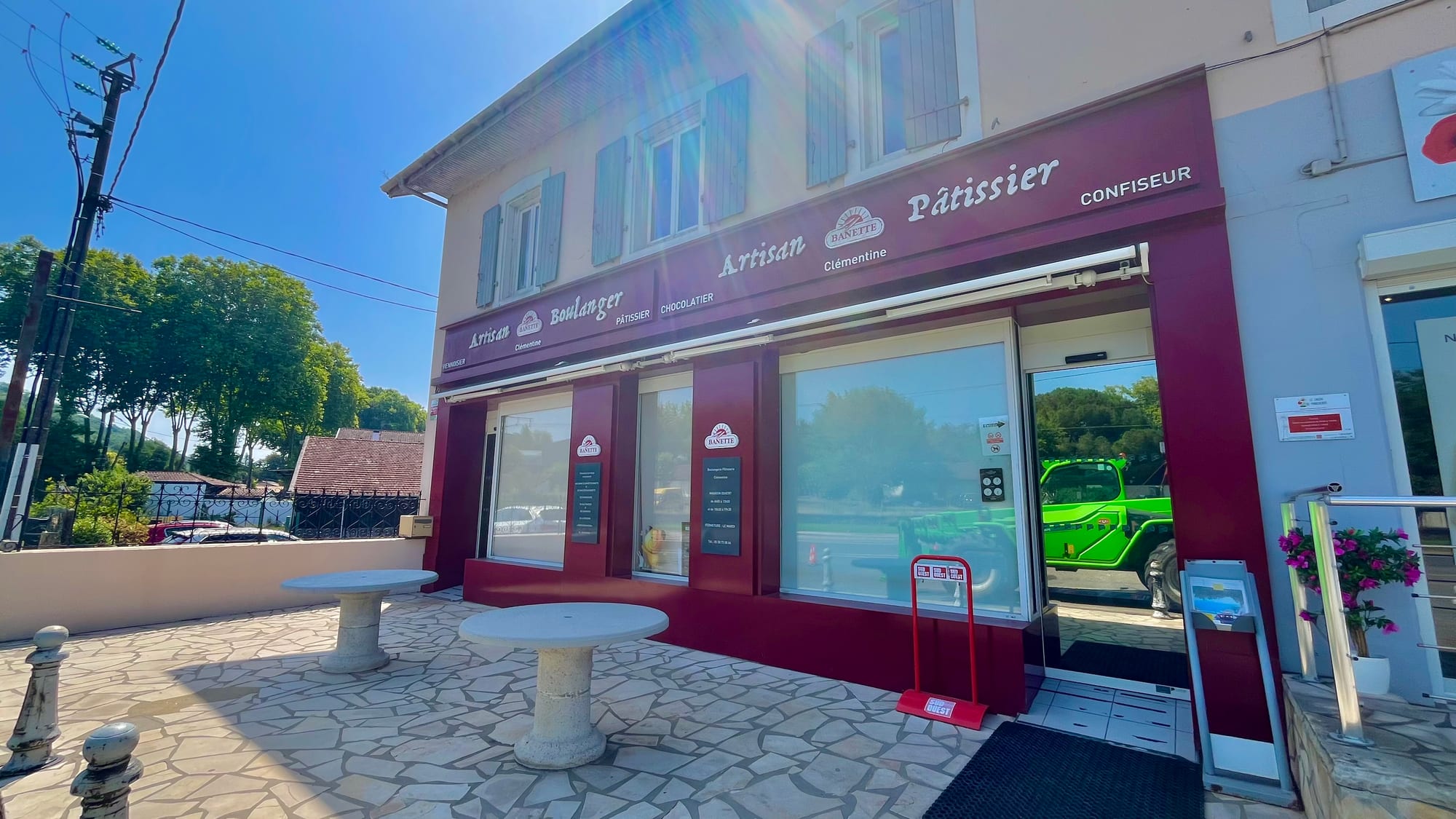
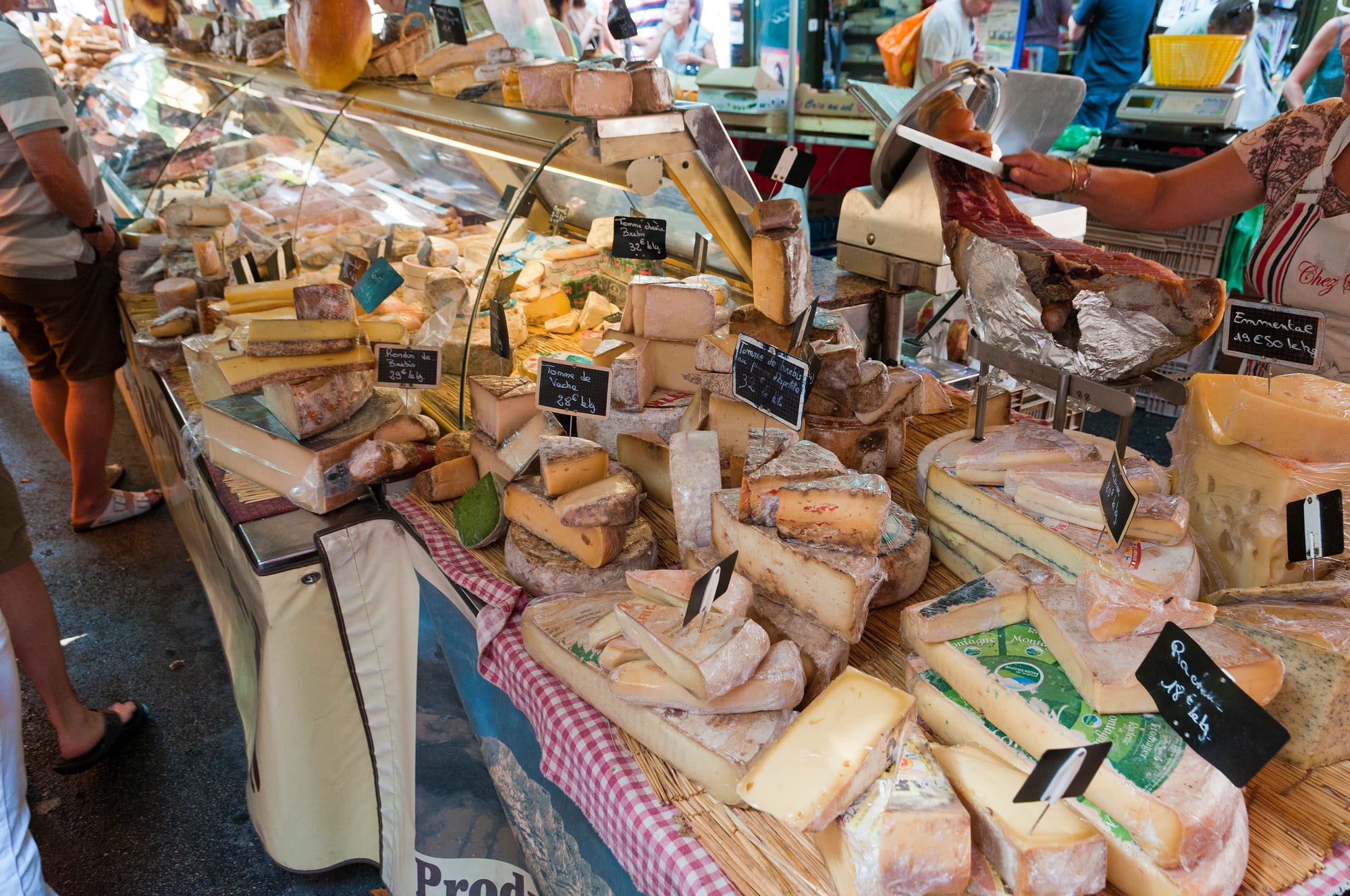
The weekly outdoor market remains a genuine fixture of public life in towns of every size, not a tourist performance: a fixed morning each week, stalls of produce, cheese, and prepared food set up in the main square, and much of a town's population passing through over the course of the morning. Covered market halls serve the same purpose in larger cities on a daily basis. The café functions as a kind of extended living room, somewhere to sit over a single coffee for as long as one likes without being rushed, and Sunday mornings in particular still draw people out to the market and the boulangerie even where the rest of the week has modernised around supermarkets and online shopping.
Free time and weekends
Sunday lunch with extended family remains a genuine institution in many households, often the week's longest and most deliberate meal. Weekends otherwise follow the seasons: skiing in the Alps and Pyrenees in winter, the coast in summer, and, year-round, a strong culture of walking, cycling, and simply spending time at the table with others. Football and rugby draw large followings, and the Tour de France each July is a genuine national event, watched roadside by large crowds as the race passes through towns and countryside alike.
A visitor's ordinary day
Cards and contactless payment are accepted almost everywhere, though it is worth carrying a little cash for small bakeries, markets, and rural tabacs. The high-speed TGV network makes moving between major cities fast and easy, but booking ahead secures far better fares than buying on the day; regional TER trains are cheaper and need no reservation. Expect many shops, and some restaurants, to close for part of August, and expect smaller-town shops to close around midday even outside that period — planning errands around, rather than through, the early afternoon avoids frustration. A fixed-price lunch menu, offered by most restaurants, is often considerably cheaper than the same food ordered in the evening.
What to take away
What defines an ordinary day in France is less any single custom than how consistently the meal, not the clock, sets its shape — a rhythm visible in everything from the 35-hour week to the empty shopfronts of August.