Daily Life · Finland
Finland: The Quiet Hours
A country with millions of saunas, a legal right to walk and forage on almost anyone's land, and a comfort with silence that Finns treat as good manners rather than unfriendliness
By Worldlore Editorial · 30 September 2026
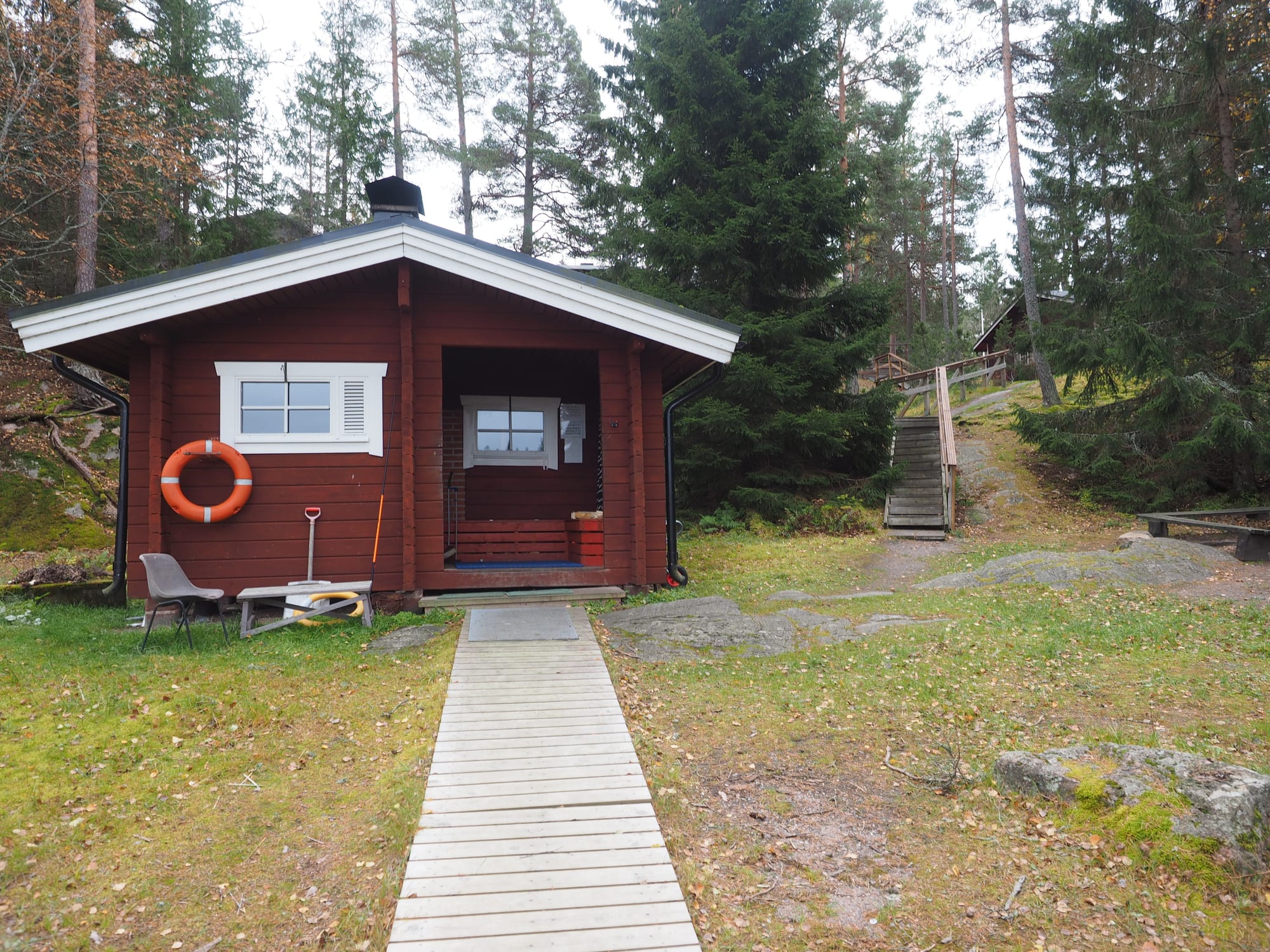
An ordinary day in Finland runs quietly, and Finns mean that as a compliment to themselves. Comfortable silence, directness over small talk, and a strong preference for personal space are treated as basic good manners rather than coldness, and the day's real punctuation comes not from conversation but from the sauna, taken by many households at least once a week, and from time outdoors, protected by a legal right that lets anyone walk, forage, and camp on almost any land regardless of who owns it. Underneath the famous quiet is a genuinely orderly, high-functioning country: strong schools, reliable public transport, and a welfare state that keeps the ordinary day running smoothly even through a long, dark winter.
Family and home life
Finnish households have grown smaller over recent decades, and a significant share of people, especially in Helsinki, now live alone or in two-person households, though families with children remain common outside the largest cities. The sauna is the one domestic institution nearly every household has some access to: Finland has an estimated two to three million saunas for a population of about 5.7 million, and taking one, traditionally on a Saturday evening though now on any day that suits, remains a normal weekly fixture rather than a special occasion. A family cottage by a lake or the sea, often modest and used mainly in summer, is common enough that access to one is close to a shared cultural experience rather than a mark of wealth.
Work, school and the rhythm of the day
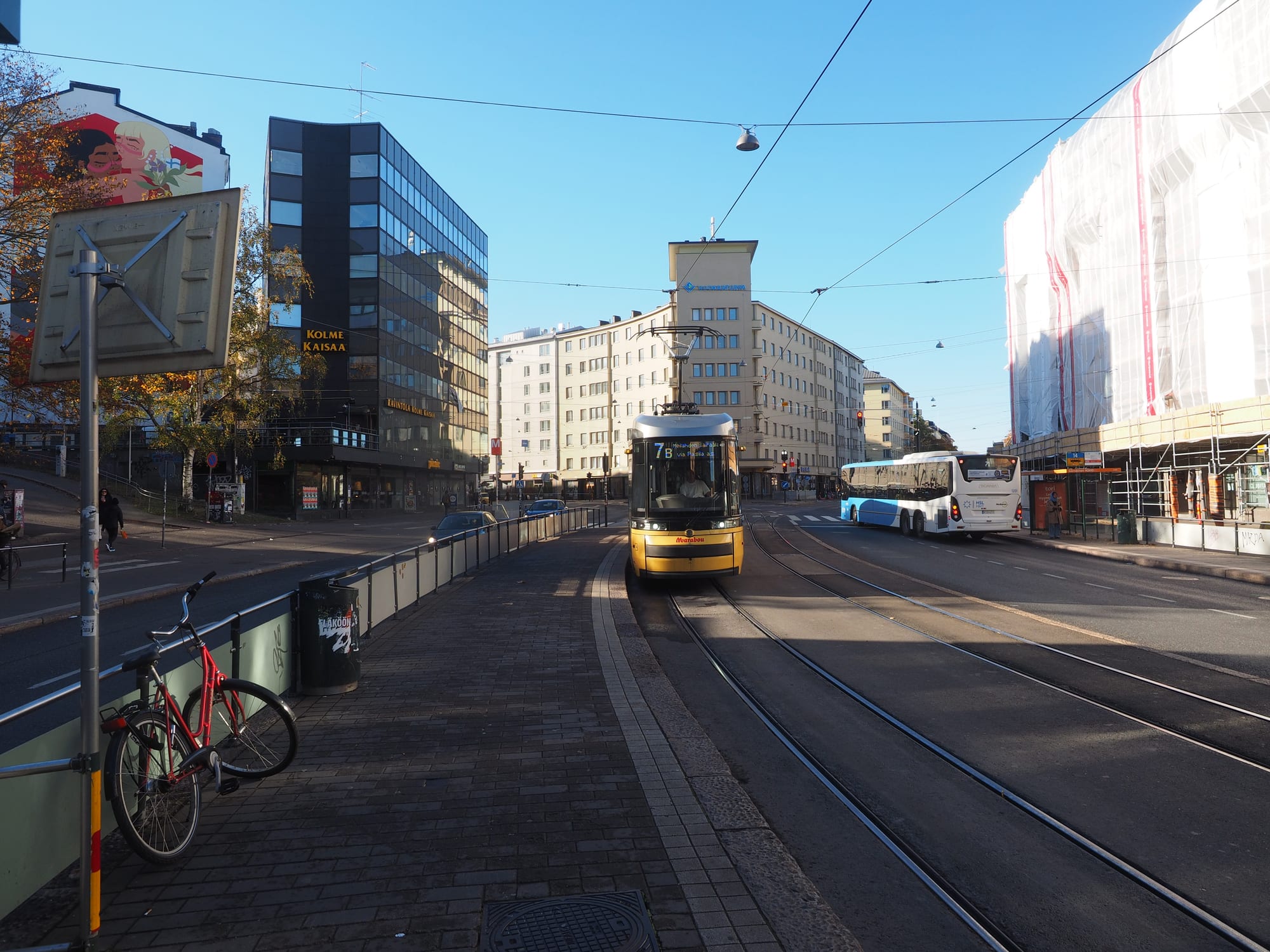
The standard working day is around eight hours, and Finland's school system, which has long ranked high in international assessments, is free through university for Finnish and other EU and EEA students. Commuting in Helsinki and the other main cities relies heavily on trams, buses, and, in the capital, a metro system, all of which run frequently and reliably enough that many city residents manage without a car. A comprehensive welfare state — universal healthcare, long parental leave, and heavily subsidised childcare and education — is treated as simply how the working day is organised, freeing both parents to work without the daily logistics that shape family life in many other countries.
Community life and public spaces
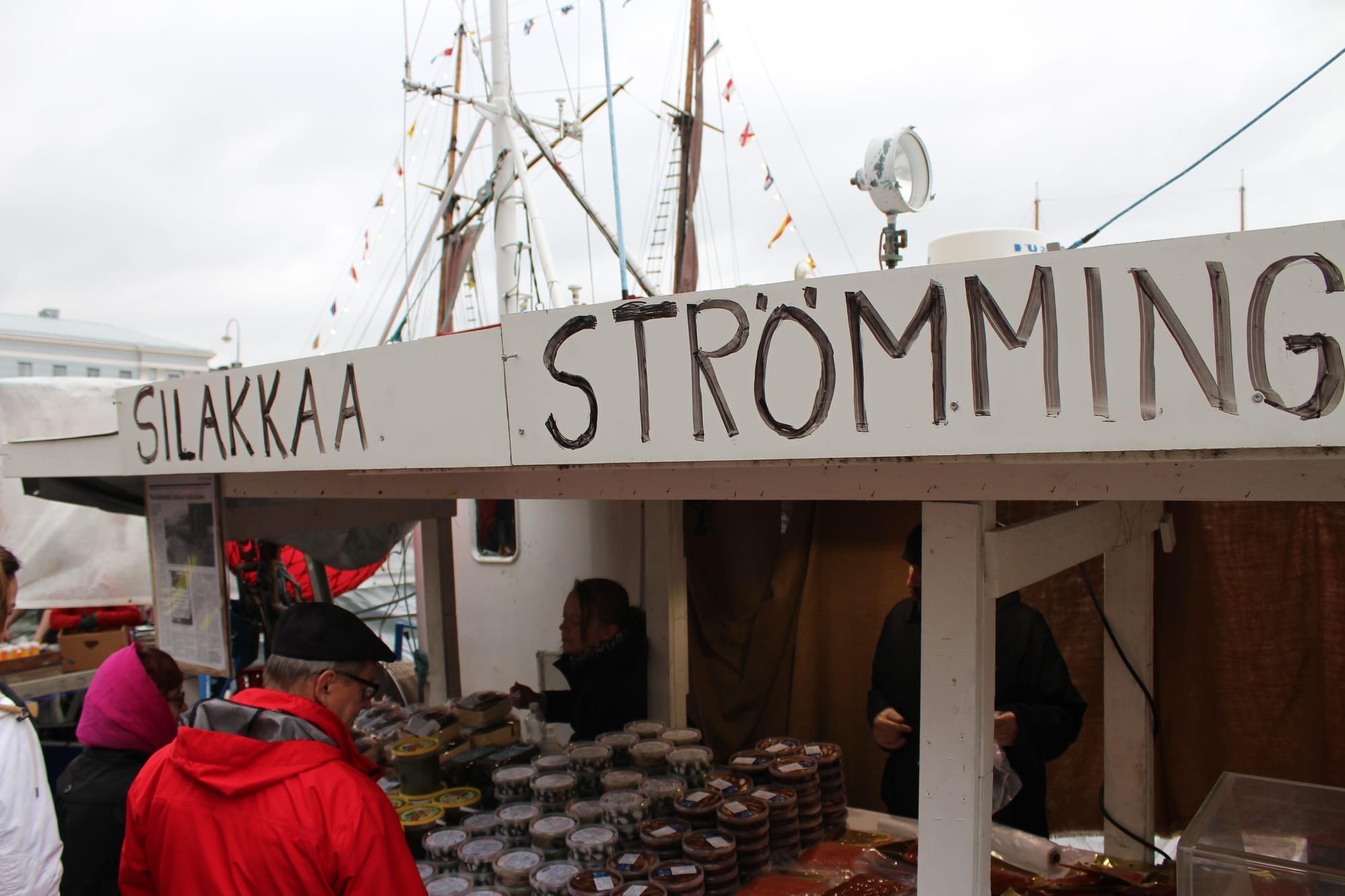
Markets remain a genuine fixture of public life even in a country this digitally advanced: Helsinki's Market Square by the harbour holds a produce and craft market from spring to autumn, and each October a dedicated Baltic herring market, a tradition with roots going back centuries, draws stalls selling smoked, salted, and pickled herring directly from fishing boats moored alongside. Public libraries are used heavily and treated as genuine community spaces rather than just book repositories. Outside the cities, the legal "everyman's right" (jokamiehenoikeus) to walk, ski, forage for berries and mushrooms, and camp on almost any land, public or private, functions as a kind of permanent shared commons that underpins a great deal of ordinary outdoor life.
Free time and weekends
Weekends and long summer evenings are spent, wherever possible, outdoors: at the family cottage, on a lake, in the forest picking berries and mushrooms under the everyman's right, or simply walking, all activities that remain popular regardless of season, including the depths of winter. Winter brings cross-country skiing and ice-related sports into the same role that hiking and swimming play in summer. Ice hockey carries genuine national weight, and a Finland match, especially against Sweden, draws the kind of shared attention that football draws elsewhere.
A visitor's ordinary day
Finland is close to a cashless society: cards and phone payment are accepted almost everywhere, and carrying cash is rarely necessary even in small towns. Public transport in Helsinki is efficient, frequent, and easy to navigate with a single ticketing app, making a car unnecessary for a city visit; a rental car is more useful for reaching the Lakeland or Lapland. Shops generally keep standard hours and are not open particularly late, so it is worth checking closing times, especially outside the capital. Expect genuine quiet in public spaces such as trams and waiting rooms — silence between strangers is normal here, not a sign that something is wrong.
What to take away
What defines an ordinary day in Finland is not any single custom so much as a comfort with quiet and a fierce protection of unstructured outdoor time, both treated as essential rather than optional, and both made possible by a state efficient enough to stay out of the way.