Food · Finland
Finland: Food and the National Dish
A rye-crusted pastry from the eastern region of Karelia, sautéed reindeer from the far north, and a food culture shaped by short summers and long, dark winters
By Worldlore Editorial · 16 September 2026
Simple food built for a hard climate
Finnish food developed around a short growing season, long winters and a landscape thick with forests, lakes and coastline, which pushed the national kitchen toward rye, dairy, root vegetables, foraged berries and mushrooms, and whatever fish and game the land and water provided. It is plain, hearty cooking, closer in spirit to its Nordic and Baltic neighbours than to anywhere further south, with little emphasis on spice and a great deal on freshness.
The national dish: karjalanpiirakka
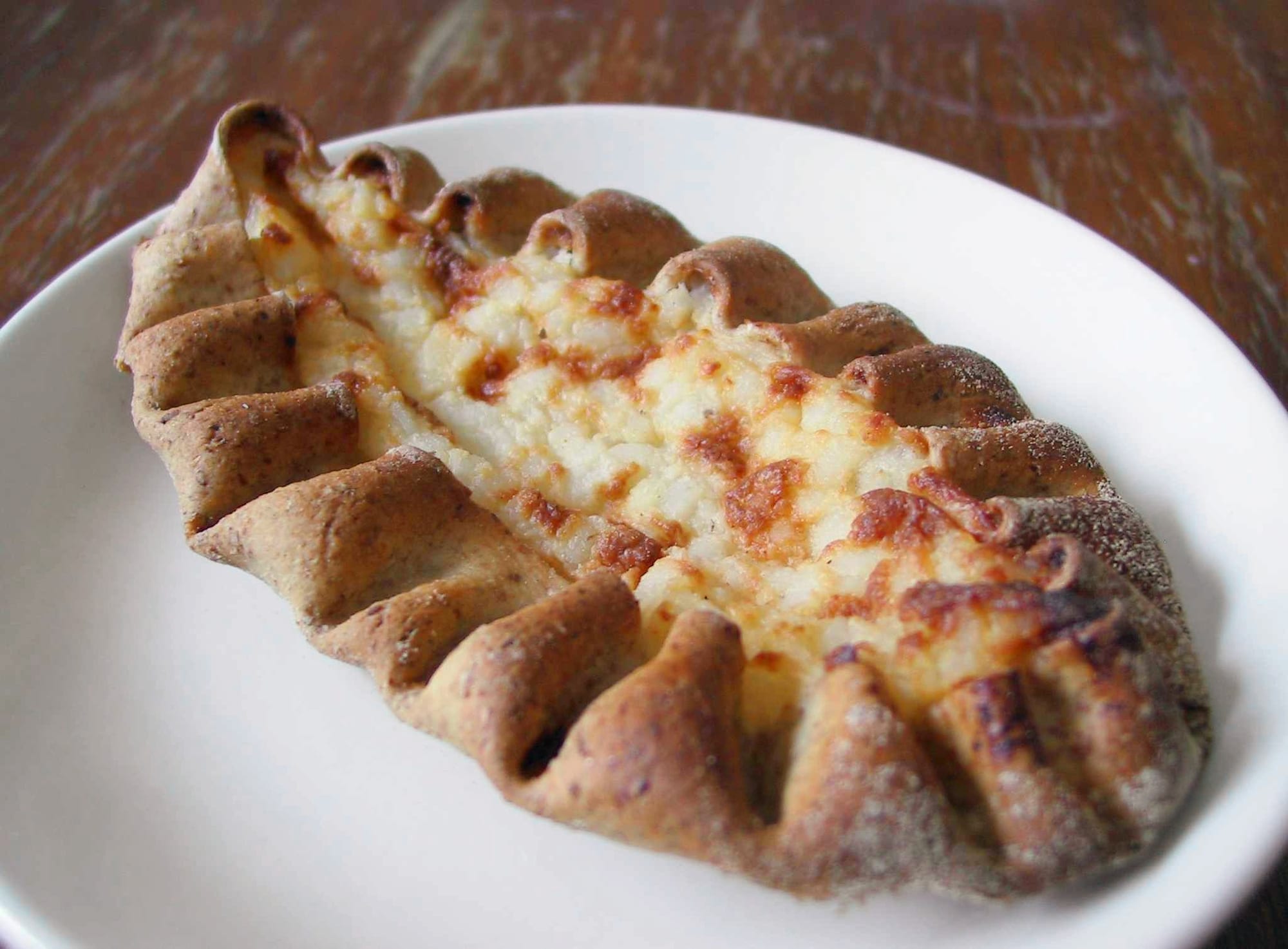
Karjalanpiirakka, small oval pastries with a thin rye crust filled with a savoury rice or barley porridge, take their name from Karelia, the historic eastern Finnish and Russian border region where the dish originated. Traditionally topped with munavoi, a spread of butter mixed with chopped hard-boiled egg, they are eaten everywhere in Finland today, from bakery counters to supermarket shelves, and have become the closest thing the country has to a single national dish.
Rye, dairy and the everyday pantry
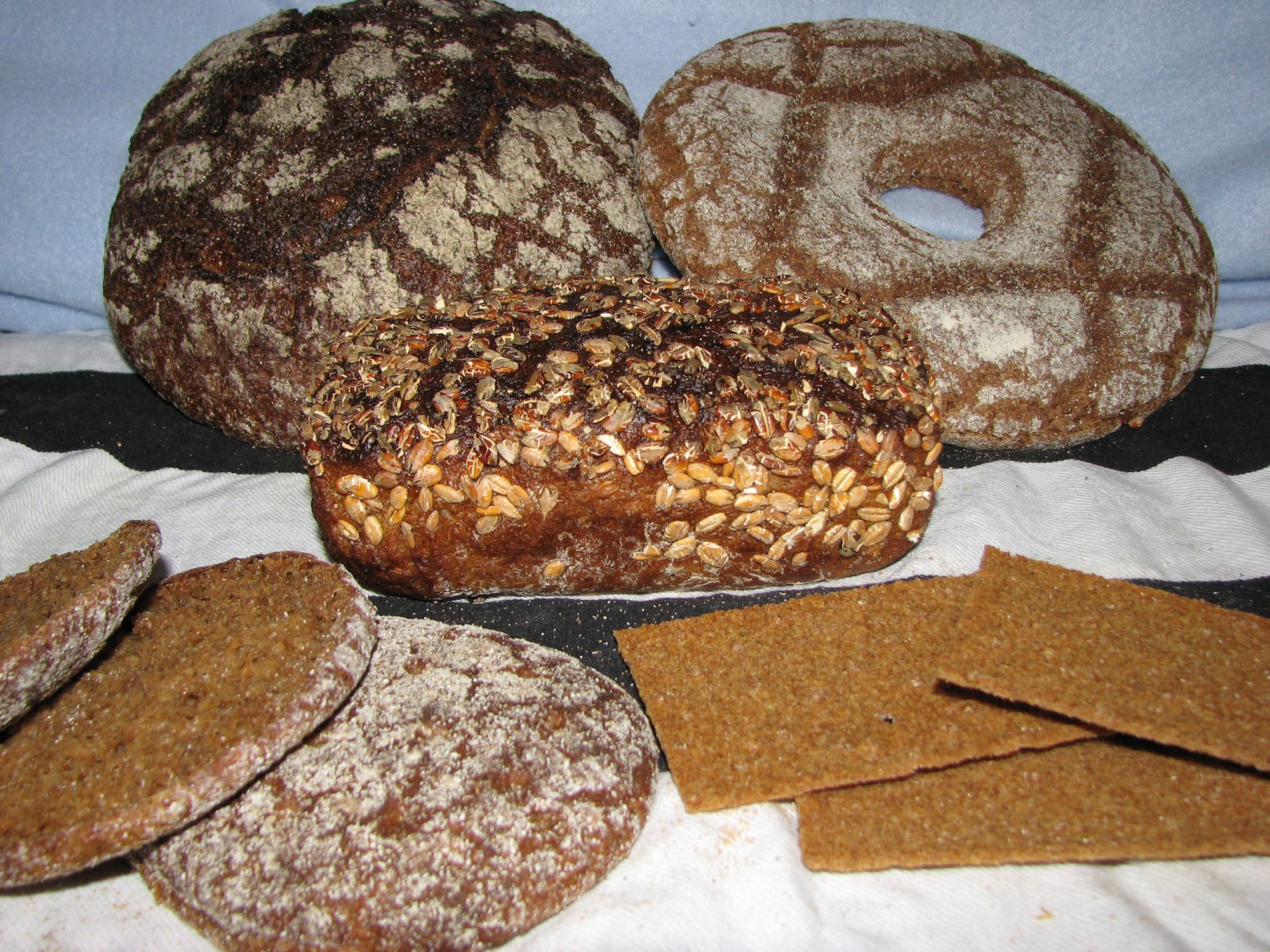
Rye bread, dark and dense, sits on the Finnish table more consistently than almost any other staple, made in several distinct regional forms from soft ruislimppu loaves to the dry, ring-shaped reikäleipä traditionally hung on poles to store through the winter. Dairy, especially in the form of piimä (a soured milk drink) and a wide range of cheeses, and freshwater and Baltic fish, particularly salmon and herring, round out the everyday diet.
History and geography on the plate
Finnish food carries a long Swedish and Russian influence from centuries under both empires, visible in dishes that echo both traditions, while Karelia's cuisine, karjalanpiirakka included, reflects the region's own distinct history straddling the modern Finnish-Russian border. Finland's huge forests and 180,000-plus lakes also explain why foraged mushrooms and berries, and freshwater fish, remain such a routine part of the diet rather than a rustic specialty.
From the south to Lapland
Southern and coastal Finland lean on Baltic fish, rye bread and dairy as the everyday base, while the far north, Finnish Lapland, is reindeer country, where herding by the Sámi and other northern communities has made reindeer meat a genuine regional specialty rather than a novelty dish for tourists.
Dishes to know
Five more to recognise across Finland:
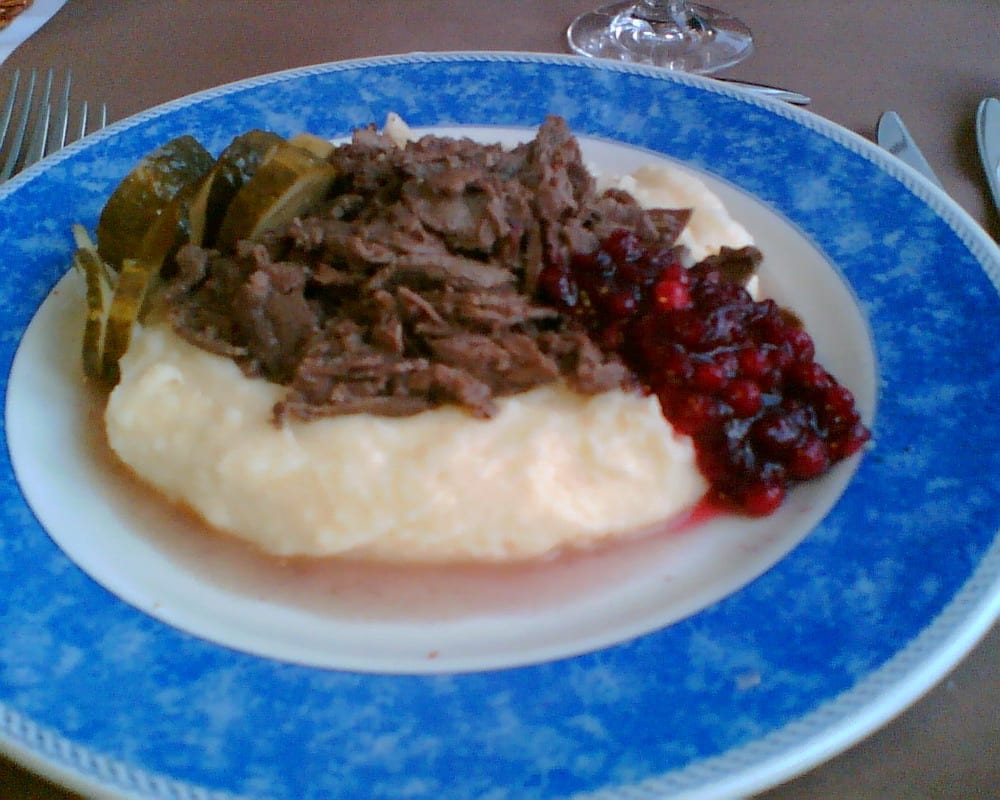
- Poronkäristys — sautéed reindeer, thinly sliced and cooked with butter,
traditionally served with mashed potatoes and lingonberry.
- Lohikeitto — a creamy salmon soup with potatoes and dill, a classic
everyday comfort dish.
- Kalakukko — a whole fish baked inside a rye-crusted loaf, a specialty
of the Savonia region.
- Mustikkapiirakka — a blueberry pie made with Finland's abundant wild
foraged blueberries.
- Ruisleipä — dense, dark rye bread, eaten at nearly every meal in one
form or another.
Drinks
Coffee is central to Finnish daily life — Finland consistently ranks among the world's highest per-capita coffee consumers — drunk throughout the day, often alongside pulla, a cardamom-spiced sweet bread. Salmiakki, salty liquorice, is a distinctly Finnish confection that divides opinion among visitors, and Finnish beer, cider and the spirit koskenkorva are the most common alcoholic choices.
Eating as a traveller
Vegetarians will find rye bread, dairy and foraged-mushroom dishes manageable, though fish and game feature heavily in traditional cooking. Tap water is safe and of very high quality throughout the country. A sauna, paired with grilled sausage and a cold drink afterward, is a genuinely central part of Finnish food and social culture, worth experiencing rather than skipping as a novelty.
What to take from the table
Karjalanpiirakka with egg butter is the simplest way into Finnish food — plain, rye-based, and quietly proud of it — while a plate of poronkäristys in Lapland shows how much the far north still shapes what the rest of the country eats.