History · Finland
Finland: Between Sweden and Russia
Six centuries as the eastern half of Sweden, a hundred years as a Russian grand duchy, a bitter birth in 1917–18, two wars against the Soviet Union — and a small democracy that kept its independence through all of it
By Worldlore Editorial · 19 September 2026
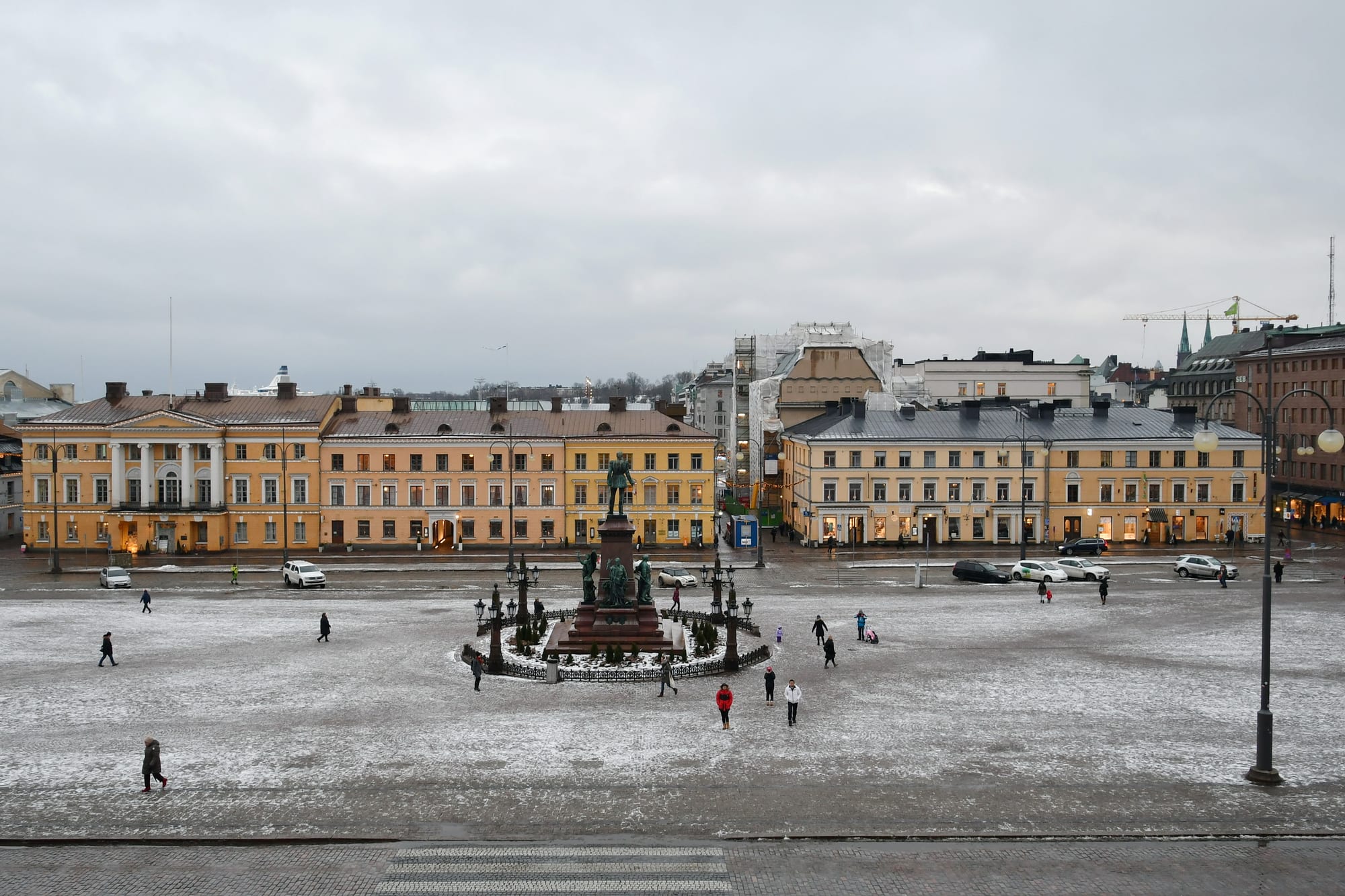
A nation defined by its neighbours
Finland's history is the history of a Finnic-speaking people living on the seam between two larger powers. For roughly 650 years it was the eastern half of the Kingdom of Sweden. For a little over a century it was an autonomous grand duchy of the Russian Empire. It has been an independent state only since 1917 — and it spent the first three decades of that independence fighting, first itself and then the Soviet Union, to keep it. That it emerged from the 20th century still free and still democratic, unlike almost every other country on Russia's western border, is the central fact of modern Finland.
A short history
- from c. 9000 BCE
Settlement
Hunters follow the retreating ice; Finnic tribes form.
- 1150s–1300s
Swedish rule
Finland is incorporated into the Kingdom of Sweden.
- 1548
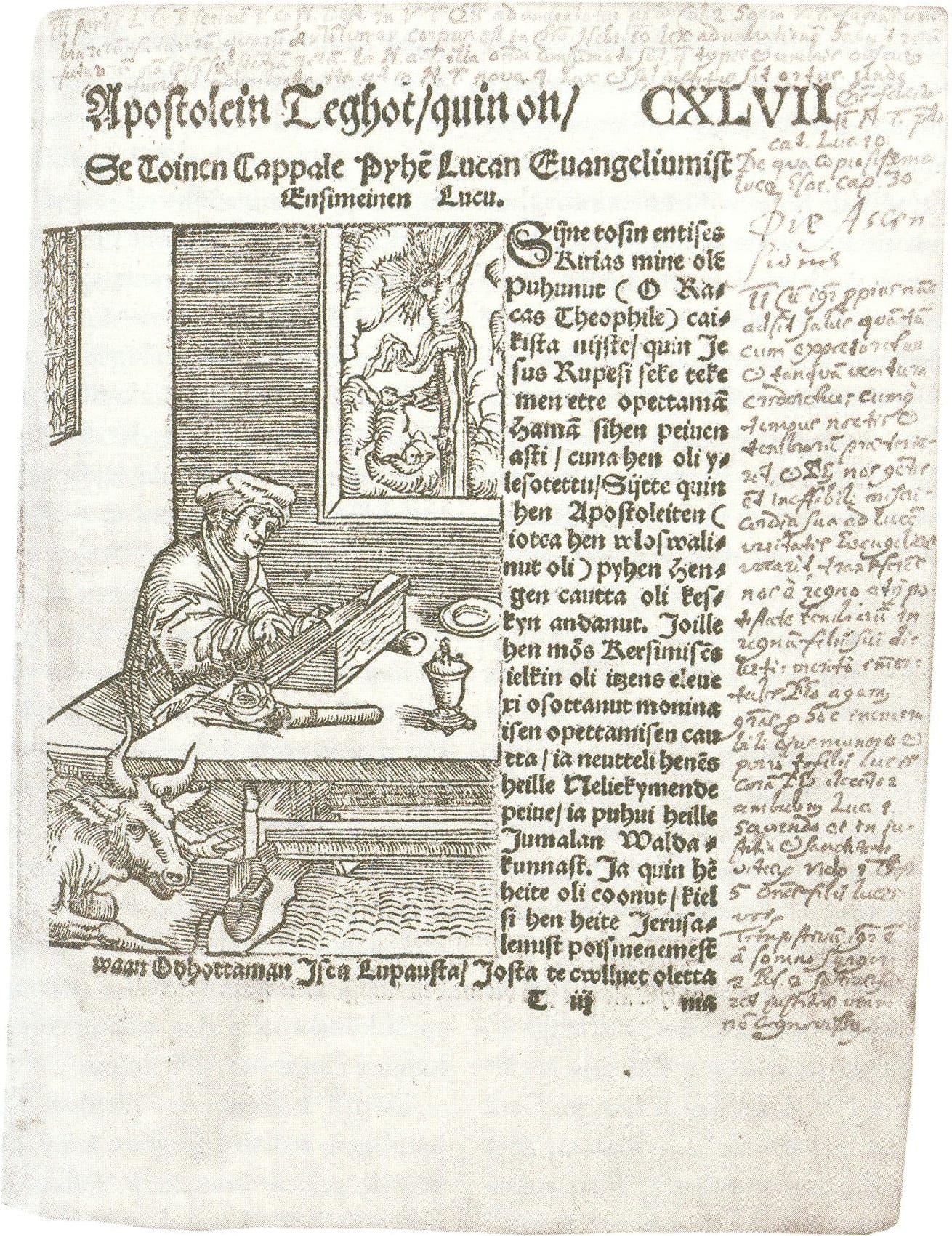
Written Finnish
Mikael Agricola publishes the Finnish New Testament.
- 1809
The Grand Duchy
Russia takes Finland from Sweden and grants it autonomy.
- 1835 / 1849
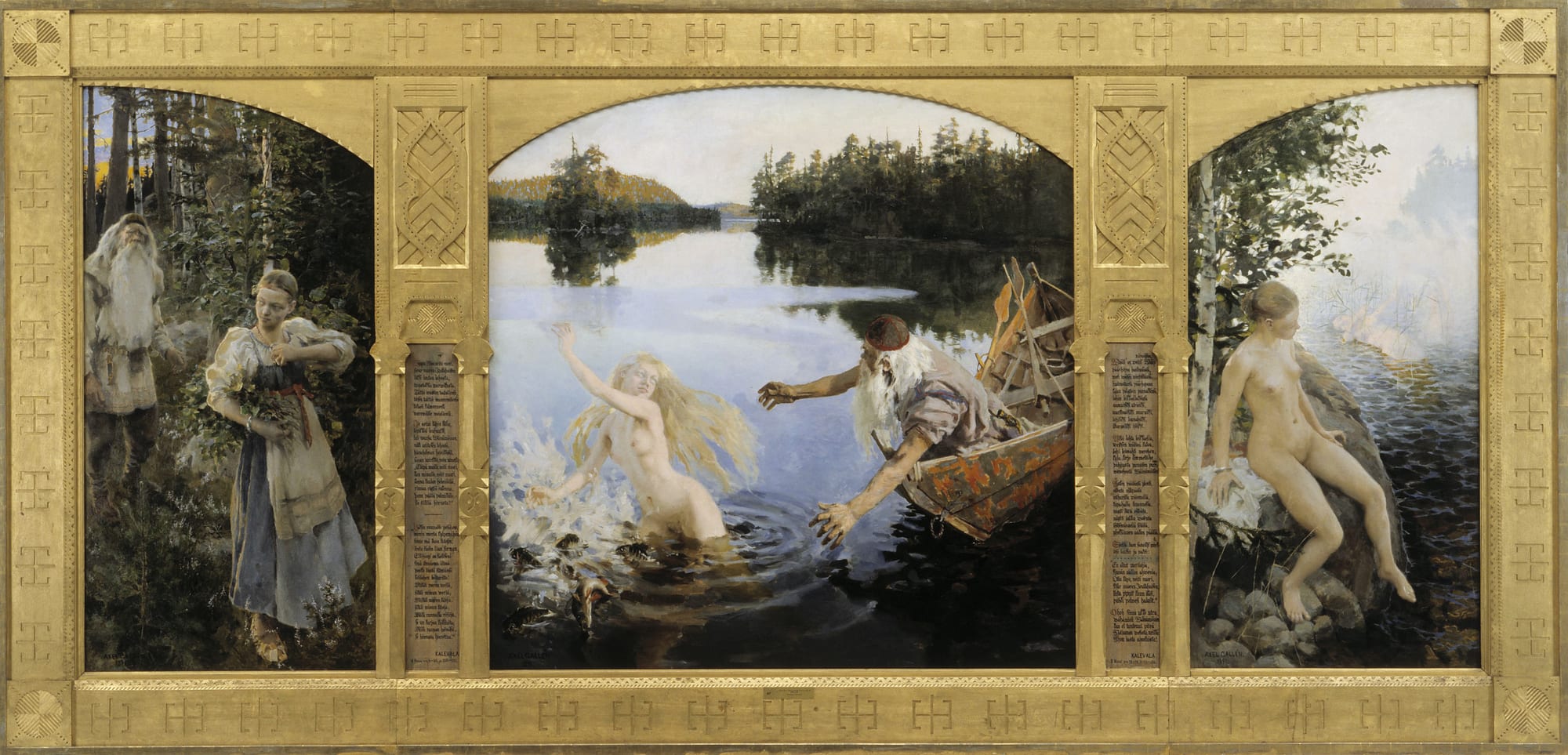
The Kalevala
Elias Lönnrot compiles the national epic.
- 1906
Universal suffrage
Finland is the first in Europe to give women full political rights.
- 1917
Independence
Finland breaks from Russia amid the revolution.
- 1918
Civil war
Reds and Whites fight; the Whites win.
- 1939–1944
The Soviet wars
The Winter War and Continuation War; Finland keeps its independence.
- 2023
NATO
Finland joins the alliance after Russia's invasion of Ukraine.
The Swedish centuries
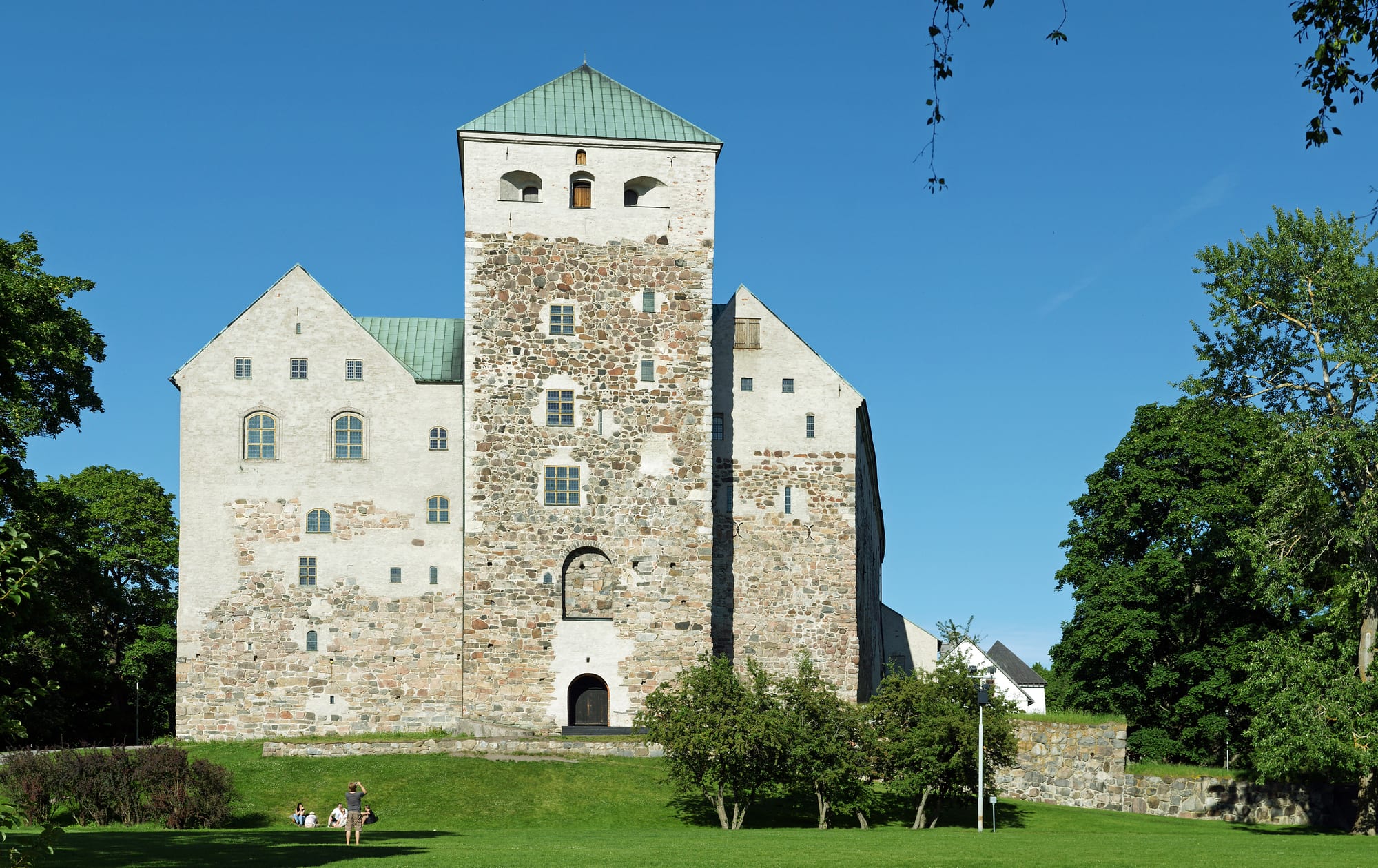
Finland had no state of its own before Sweden. Through medieval crusades and settlement from the 12th and 13th centuries, the Finnish lands were absorbed into the Swedish kingdom, with Turku as the church and administrative capital. Finland lived under Swedish law and, from the 1520s, the Lutheran Reformation — which produced written Finnish, when Mikael Agricola translated the New Testament in 1548. The eastern border with Novgorod and then Russia was fought over for centuries, and Russian armies occupied Finland outright during the Great Northern War.
The Swedish era
The Grand Duchy
In the Finnish War of 1808–09, Russia conquered Finland from Sweden. Tsar Alexander I then did something unexpected: he made Finland an autonomous Grand Duchy, with himself as Grand Duke, and let it keep its Swedish laws, its Lutheran church, its own Senate and administration, and eventually its own currency. The capital moved to Helsinki, which was rebuilt as a neoclassical showpiece. In real terms Finland governed itself more fully under Russia than it ever had under Sweden.
That autonomy nourished a national awakening. Elias Lönnrot travelled the eastern countryside collecting oral folk poetry and wove it into the Kalevala, published in 1835 and expanded in 1849 — an epic that gave Finland a mythic past and fed a generation of art and music.
From 1899 the Russian government tried to roll that autonomy back. Finns resisted with mass petitions, a general strike in 1905, and the assassination of the Russian governor-general. Out of the 1905 upheaval came a radical reform: in 1906 Finland replaced its old estates with a single-chamber parliament elected by universal suffrage — the first country in Europe where women could both vote and stand for election.
Independence and civil war
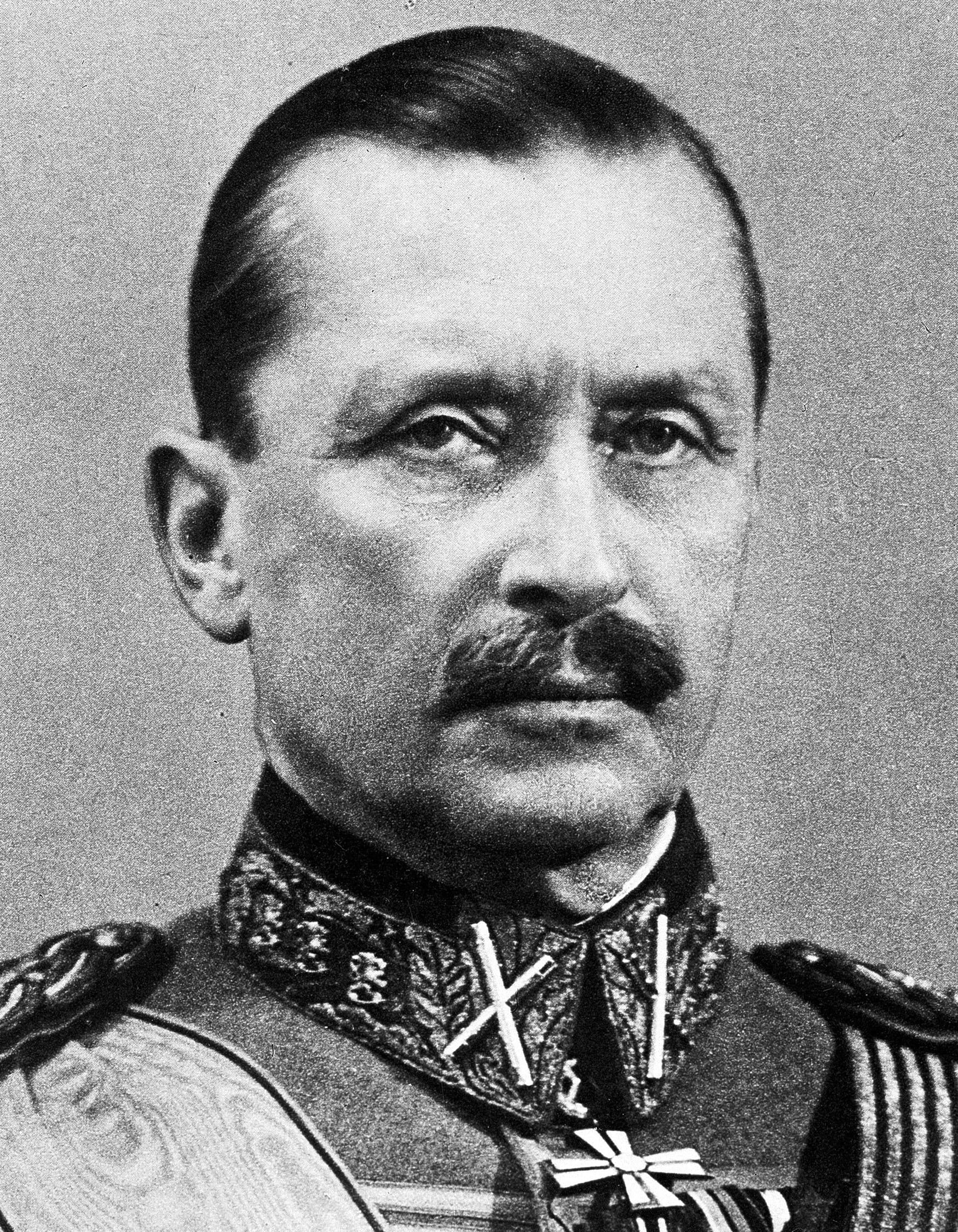
When the Russian Empire collapsed, Finland declared independence on 6 December 1917, and Lenin's government recognised it. Within weeks the country fell into civil war between socialist "Reds", supported by Soviet Russia, and conservative "Whites" under Carl Gustaf Emil Mannerheim, supported by Germany. The Whites won by May 1918; the aftermath — prison-camp deaths and reprisals — left about 37,000 dead and a divided society. A brief plan to install a German prince as king of Finland collapsed with Germany's defeat, and Finland became a republic in 1919.
The wars with the Soviet Union
On 30 November 1939 the Soviet Union invaded, after Finland refused its territorial demands. The Winter War that followed lasted 105 days. Finnish troops, using the forest, the cold and mobile tactics, inflicted enormous Soviet casualties — but the weight of numbers told, and Finland had to cede about a tenth of its territory, including Karelia and the city of Vyborg. Some 420,000 Karelians were resettled inside the new borders.
1939–1944
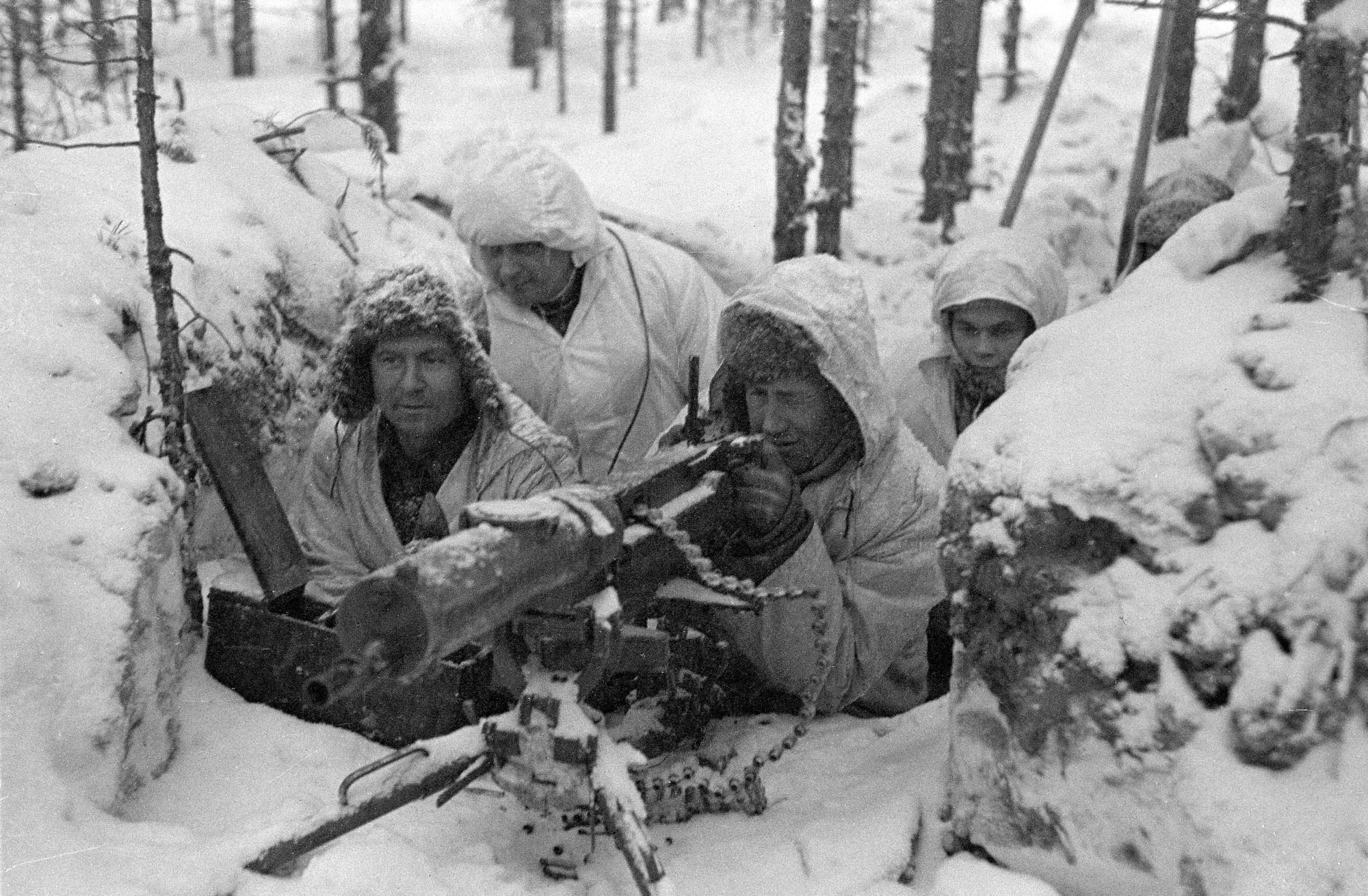
In 1941 Finland joined Germany's attack on the Soviet Union to recover the lost land. A Soviet offensive in the summer of 1944 forced an armistice: Finland ceded the same territory again plus its Arctic corridor at Petsamo, paid heavy reparations, and then had to fight German troops out of Lapland, who burned much of it as they left. But Finland was never occupied, and it kept its government, its army and its democracy.
The Cold War and after
Finland spent the Cold War walking a careful line — a Western market democracy that took pains not to provoke the Soviet Union, bound by a 1948 friendship treaty and by the caution that outsiders labelled "Finlandisation". Under President Urho Kekkonen, who held office from 1956 to 1982, it also industrialised fast and built a Nordic welfare state, turning a poor farming country into a wealthy one within a generation, and hosting the 1975 Helsinki Accords.
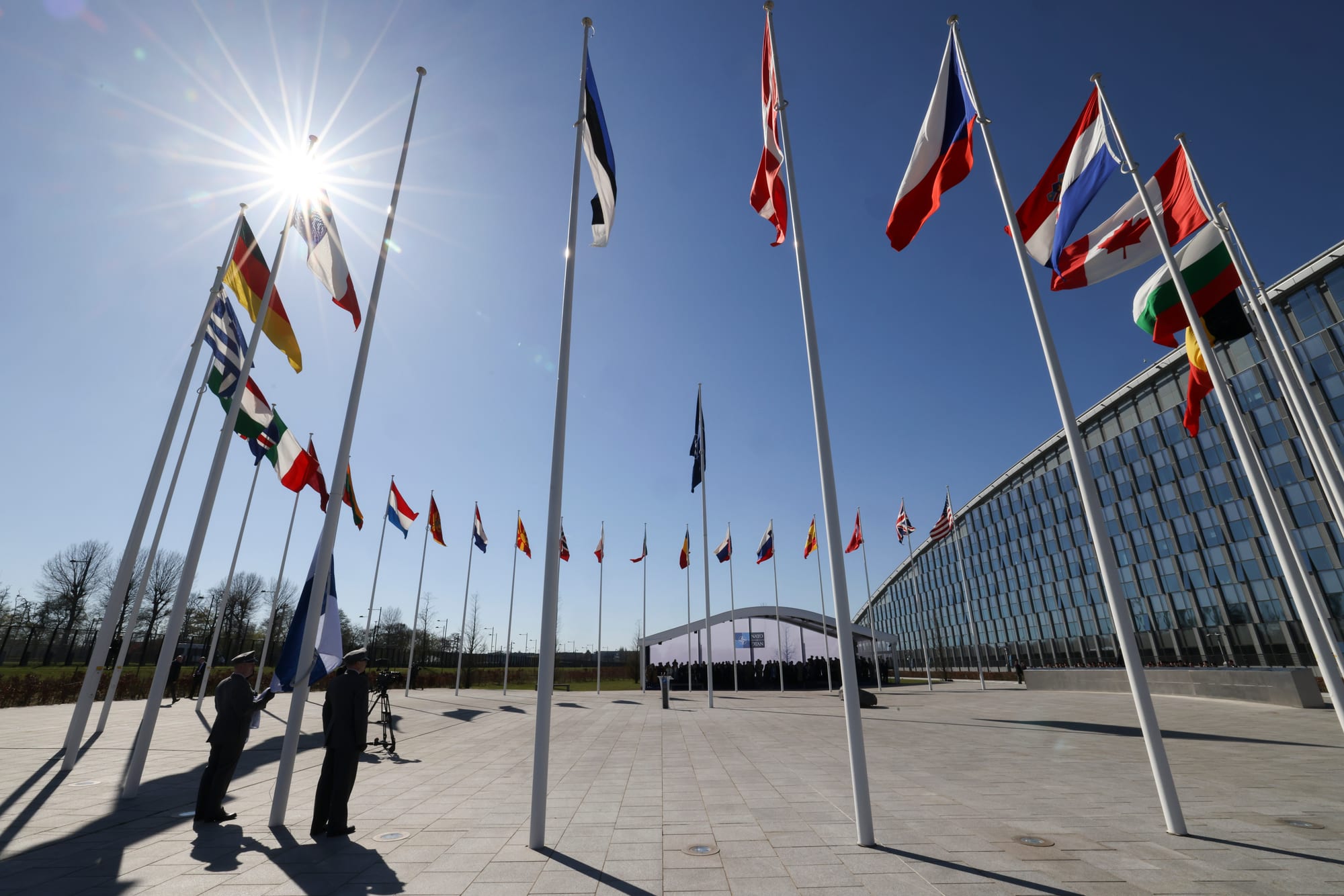
The Soviet collapse brought a savage depression in the early 1990s, then a freer hand: Finland joined the European Union in 1995 and adopted the euro, the only Nordic country to do so. Nokia made it a technology leader for a decade. It kept universal conscription and a large reserve throughout. When Russia invaded Ukraine in 2022, Finnish opinion swung to NATO almost overnight, and Finland joined the alliance on 4 April 2023, roughly doubling NATO's land frontier with Russia.
What Finland carries
Finland's geography has never changed, and neither has the problem it sets: a small nation wedged against a great power to the east. Sweden gave Finland its law, its church and its written language; Russia, almost by accident, gave it self-government and the confidence to want more. Everything since 1917 has been an argument about how a country in that position stays independent — and the answers Finland reached, armed neutrality then armed alliance, were each a response to what Russia was doing at the time.