Daily Life · Faroe Islands
Faroe Islands: A Day Ruled by Wind and Tunnels
A population of around 55,000 spread across 18 islands, a fishing and salmon economy that funds a modern welfare state, and a network of tunnels that has quietly turned a scattered archipelago into a single commuter zone
By Worldlore Editorial · 30 September 2026
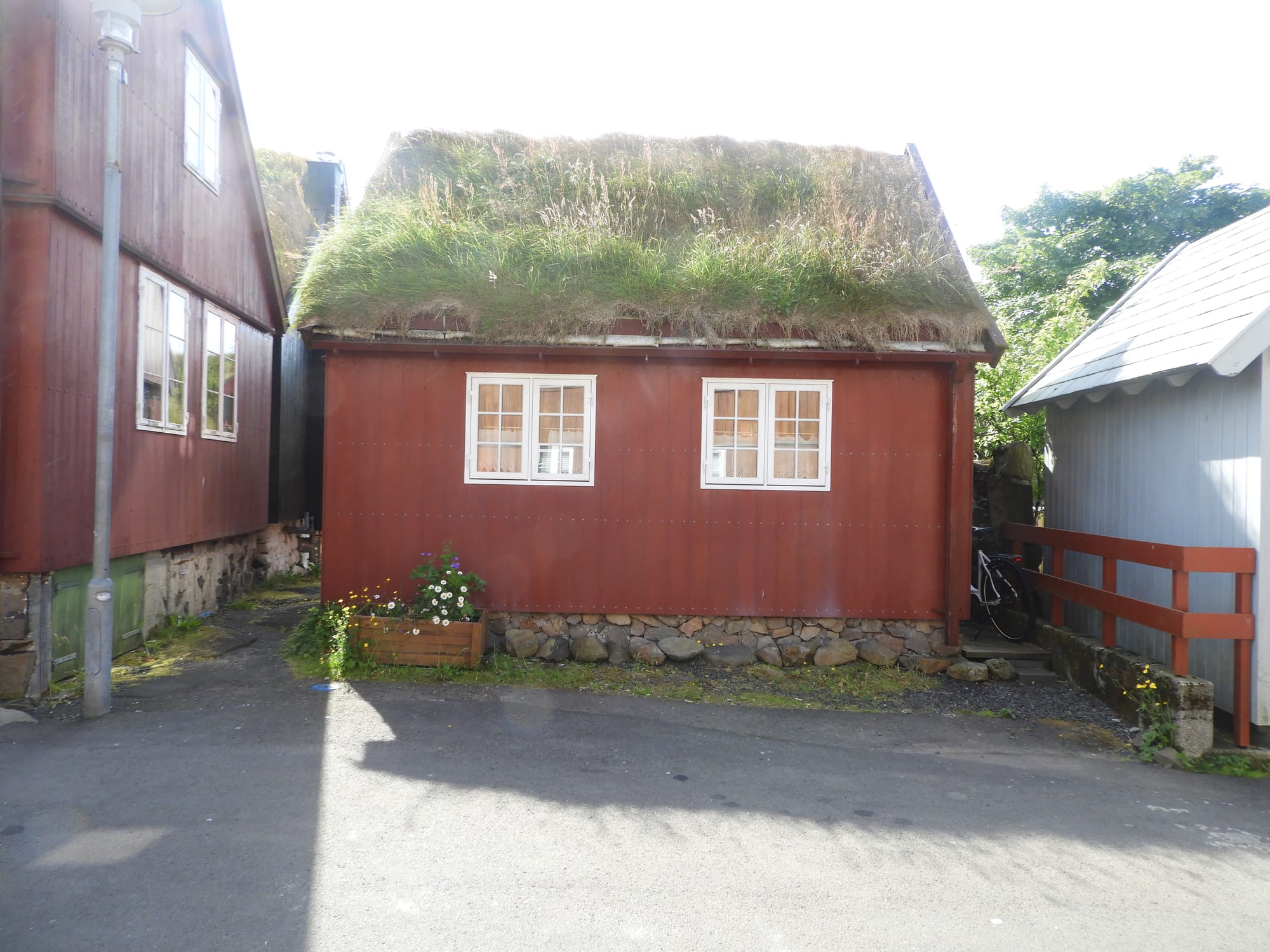
An ordinary day in the Faroe Islands answers to two things above all else: the weather, which can turn from sun to fog to driving rain within an hour, and an extraordinary run of tunnels that has stitched eighteen scattered islands into something close to a single, drivable community. Around 55,000 people live here, roughly two in five of them in or near Tórshavn, and the rest spread through villages that a generation ago could be cut off for days by weather and are now, for many, a short tunnel commute from the capital. Fishing and fish farming still set the economic rhythm underneath all of it, funding a modern welfare state on an island chain with very little farmland of its own.
Family and home life
Faroese households tend to be close-knit and increasingly concentrated around Tórshavn, though village and family ties to the outer islands remain strong even after a move to the capital for work. Traditional houses, still common in villages and in Tórshavn's old town, are timber-built and often turf-roofed, a construction method that predates modern insulation and is still valued for how well it holds heat against the near-constant wind and damp. Society is strongly Lutheran, with Sunday still treated as a quiet day in many households, and a smaller but significant Plymouth Brethren community. Emigration, long a fact of Faroese life, has reversed in recent years as the fishing and salmon economy has strengthened, and population has been growing rather than shrinking.
Work, school and the rhythm of the day
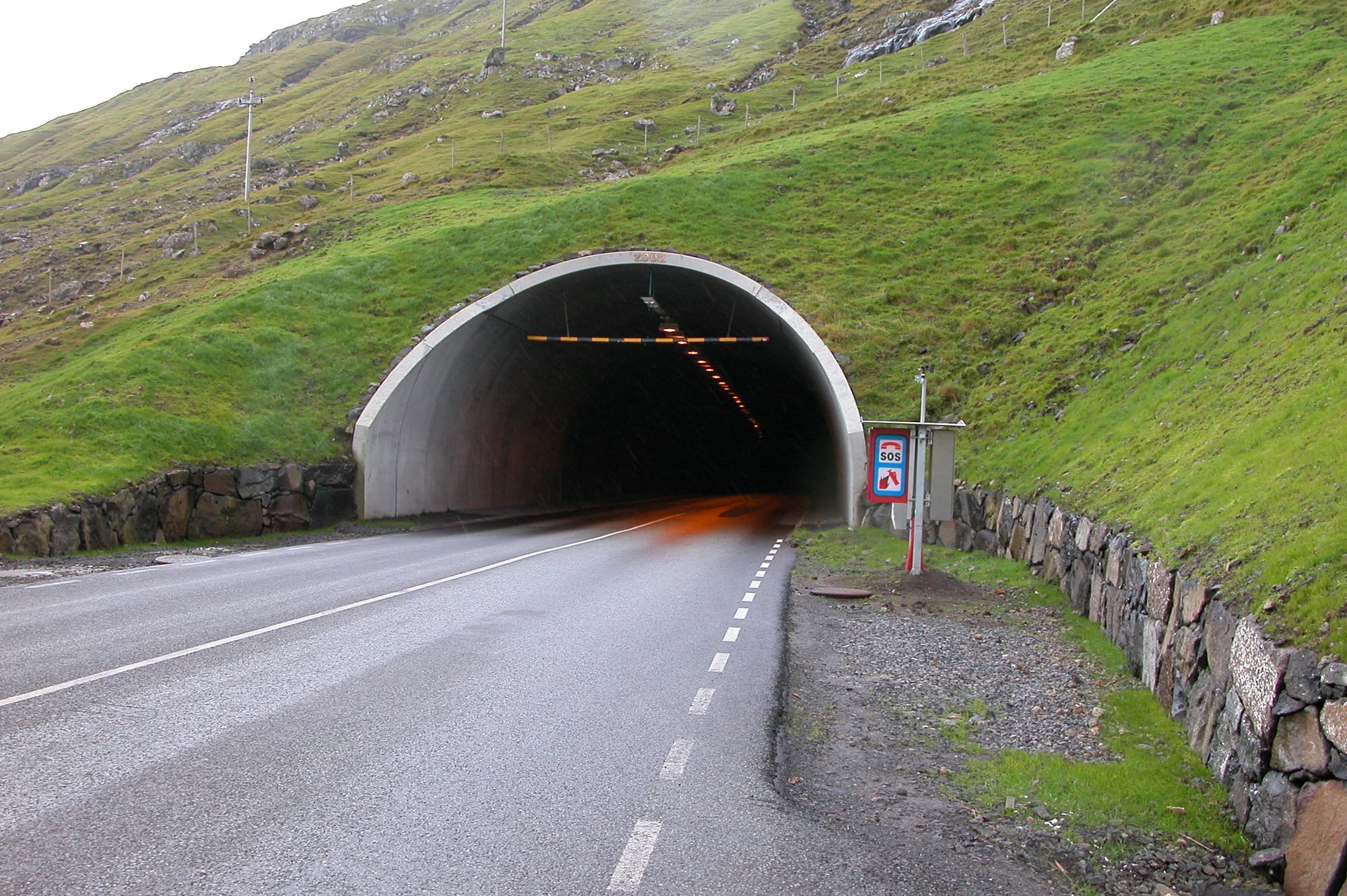
Fishing and salmon aquaculture between them account for the large majority of the islands' exports, and a great many households have some direct connection to the industry, whether through boats, processing, or fish-farm work in the fjords. Incomes are high and unemployment very low by international standards, and the day-to-day economy also includes shipping, tourism, and a large public sector funding health care and education. The standard working week resembles the wider Nordic pattern, and compulsory schooling is free, with the University of the Faroe Islands in Tórshavn offering higher education; because Tórshavn holds most of the jobs and services, tunnels and the ferry timetable now set the length of a great many people's daily commute from outlying villages, a commute that could once take hours and today, on the newest routes, takes closer to twenty minutes.
Community life and public spaces
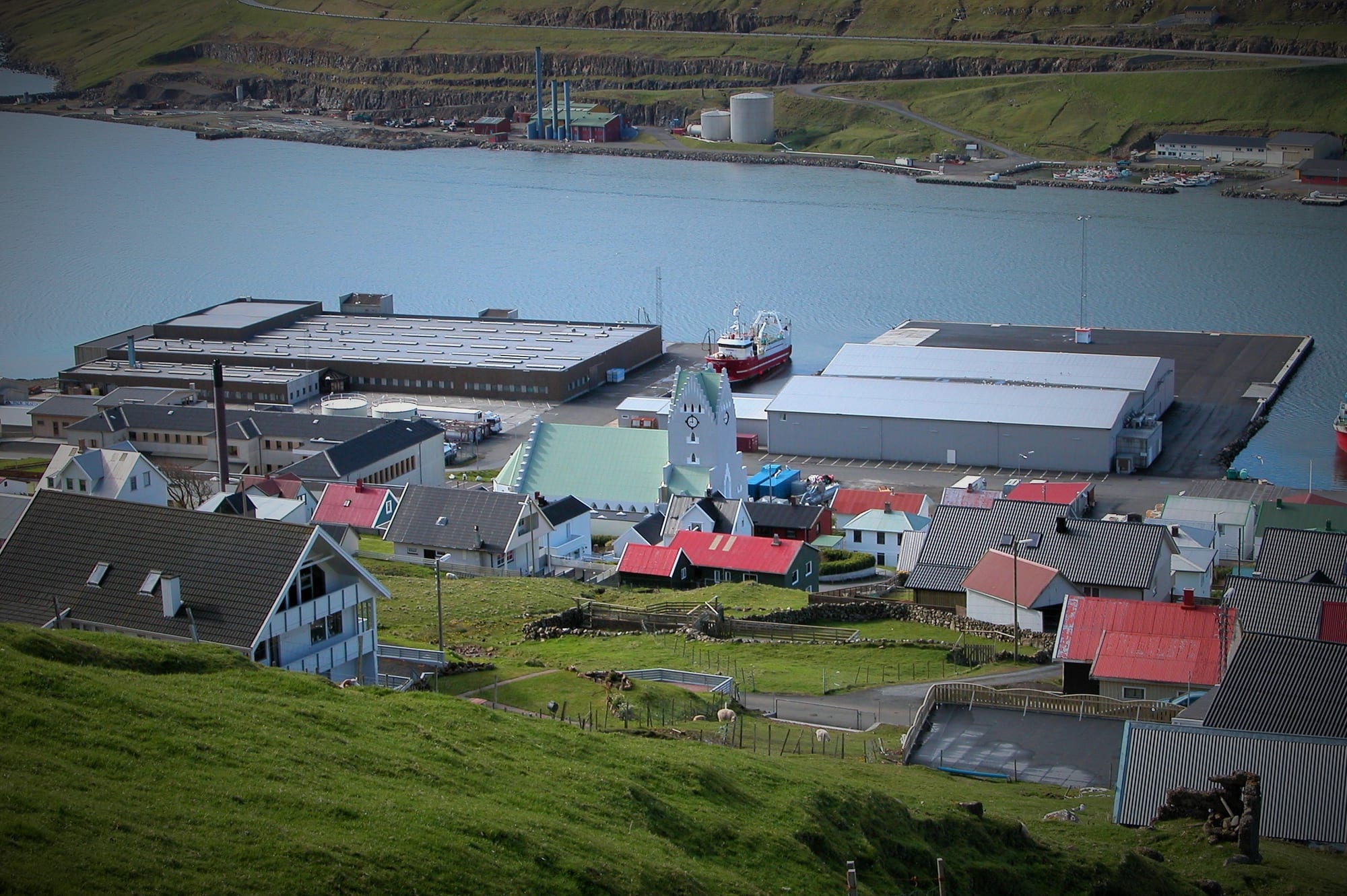
The tunnel network is, in a real sense, the country's shared public space: a system of road, undersea, and mountain tunnels — several of them tolled — along with bridges, ferries, and even helicopter links, now connects almost every settlement, and has changed what counts as a reasonable commute or shopping trip beyond recognition over the past two decades. Village life still centres on the church, the local shop, and the football pitch, since football is followed with real intensity nationwide despite the country's small population. Tórshavn's harbour, its Tinganes peninsula of historic government buildings, and its supermarkets and cafés are the closest thing to a national high street, drawing people in from across the tunnel network rather than serving Tórshavn residents alone.
Free time and weekends
Football, played and watched keenly despite the country's small population, is the closest thing to a national sporting obsession, and village teams draw real local loyalty. Getting outdoors — hiking the fells and sea cliffs, fishing, and, for many, simply making the most of a clear, calm spell of weather when one arrives — fills a large share of free time, since settled days are valued precisely because they are not guaranteed. The national holiday, Ólavsøka in late July, is the year's major shared celebration, drawing people to Tórshavn for rowing races and the chain dance, a sung, instrument-free dance still performed at festivals across the islands.
A visitor's ordinary day
Cards and phone payment are accepted almost everywhere, and cash is rarely needed. A hire car is close to essential for seeing much of the country independently, since the tunnel and ferry network, while extensive, is built around residents' commuting patterns rather than a simple tourist loop; toll tunnels charge automatically by numberplate recognition rather than at a barrier. Note that the Faroe Islands are part of Denmark but outside the Schengen Area, so a Schengen visa does not cover a visit here even for travellers who would otherwise need one. Weather can close mountain roads or cancel a ferry or helicopter link to the smaller islands with little notice, so it is worth building slack into any itinerary that depends on reaching Mykines, Kalsoy, or similar outer islands.
What to take away
What defines an ordinary day in the Faroe Islands is the quiet distance this small country has travelled from isolation to connection: villages that weather once could cut off for days now sit a short tunnel drive from the capital, even as the weather itself remains exactly as unpredictable as it always was.