Culture & Customs · Falkland Islands
Falkland Islands: Smoko, Races and the Poppy Ball
A small, self-reliant community with three churches and a whalebone arch, a calendar built around horse races, shearing and dances, and a strong sense of identity in a territory whose sovereignty remains disputed
By Worldlore Editorial · 30 September 2026
It is Boxing Day, high summer in the South Atlantic, and the racecourse on the edge of Stanley is filling up. Families have come in from farms across the islands, horses bred locally and abroad are being walked to the start, and between the races there are gymkhanas and side events for the children. A race meeting has been held here at Christmas for more than a century, and it is less a sporting fixture than a reunion. In a community of only a few thousand people, spread across two main islands and hundreds of smaller ones, days like this are how the Falklands keep in touch with themselves.
Faith, identity and values
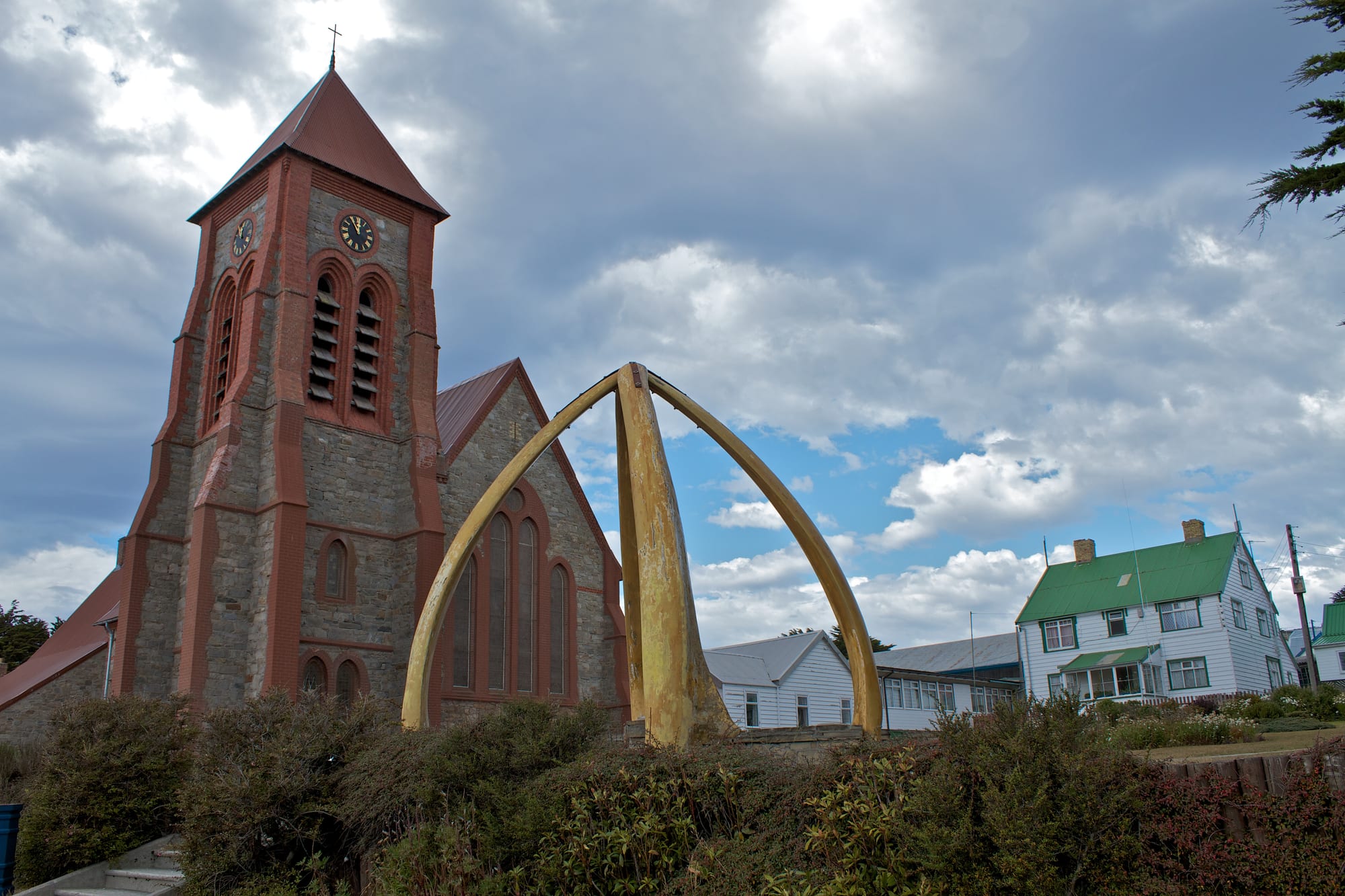
The islands' three churches all stand in Stanley. Christ Church Cathedral, consecrated in 1892 by the first Bishop of the Falkland Islands, is the southernmost Anglican cathedral in the world. Inside, alongside nineteenth- and twentieth-century stained glass, are needlepoint hassocks made locally and stitched with scenes of church and island life. St Mary's, the Catholic church, was put up in 1899 as a prefabricated kit building, and its parish covers the whole of the islands. The Tabernacle, also built from a Victorian kit in 1892 for nonconformist worship, is now the United Free Church. The cathedral is the focal point for the islands' most solemn public occasions, from Liberation Day to Remembrance Sunday.
Identity is a subject islanders feel strongly about. The Falklands had no indigenous population, and some families have now lived there for many generations, since permanent British settlement began in 1833. At the 2021 census, the islands' 3,662 residents included people from dozens of countries, above all the United Kingdom, St Helena, the Philippines and Chile, yet about 54 per cent described their identity as Falkland Islander, alone or combined with another culture, and a further 22 per cent as British or a mix of British and another background. The government describes the community as one that values fairness and tolerance.
The islands are a British Overseas Territory with internal self-government under a constitution adopted in 2008, which enshrines the right of self-determination; the United Kingdom is responsible for defence and foreign affairs. In a 2013 referendum, 99.8 per cent of those who voted chose to keep that status. Argentina, which calls the islands the Islas Malvinas, maintains its claim to sovereignty. The United Nations Special Committee on Decolonization has considered what it terms the question of the Falkland Islands (Malvinas) since 1964, and it regularly calls on Argentina and the United Kingdom to resume negotiations. Argentina argues that the dispute concerns the territory rather than the wishes of its population; representatives of the islands press for recognition of their right to self-determination. The 1982 conflict remains a central part of island memory and identity.
Greetings and meeting people
English, in its British form, is the islands' official and everyday language, though Spanish and other languages are also spoken in a population this varied. Islanders are known for their generosity and hospitality, a reputation that brings many visitors back to the islands again and again.
The one point of language that visitors are expressly warned about is the name of the islands themselves. The Falkland Islands Government advises that "Malvinas" asserts Argentina's claim and is considered offensive by islanders, and that in Spanish the islands should be called Islas Falkland and in Portuguese Ilhas Falkland.
A good deal of everyday vocabulary reflects the islands' past. Everywhere outside Stanley is known simply as camp, from the Spanish campo, meaning countryside, a legacy of the South American gauchos who worked the wild cattle herds in the early days of settlement.
Hospitality and being a guest
The best-known ritual of island hospitality is smoko, the break taken mid-morning or in the afternoon, when tea or coffee is served with home-baked cakes and biscuits piled high on the table. Visitors to farms and to the smaller islands are often invited to join, and at family-run lodges in camp, meals with the owners, coffee and conversation at smoko time and a personal tour of the land are frequently part of the stay. Accepting the invitation is the natural response, and it is often over smoko that visitors and islanders first get to know one another.
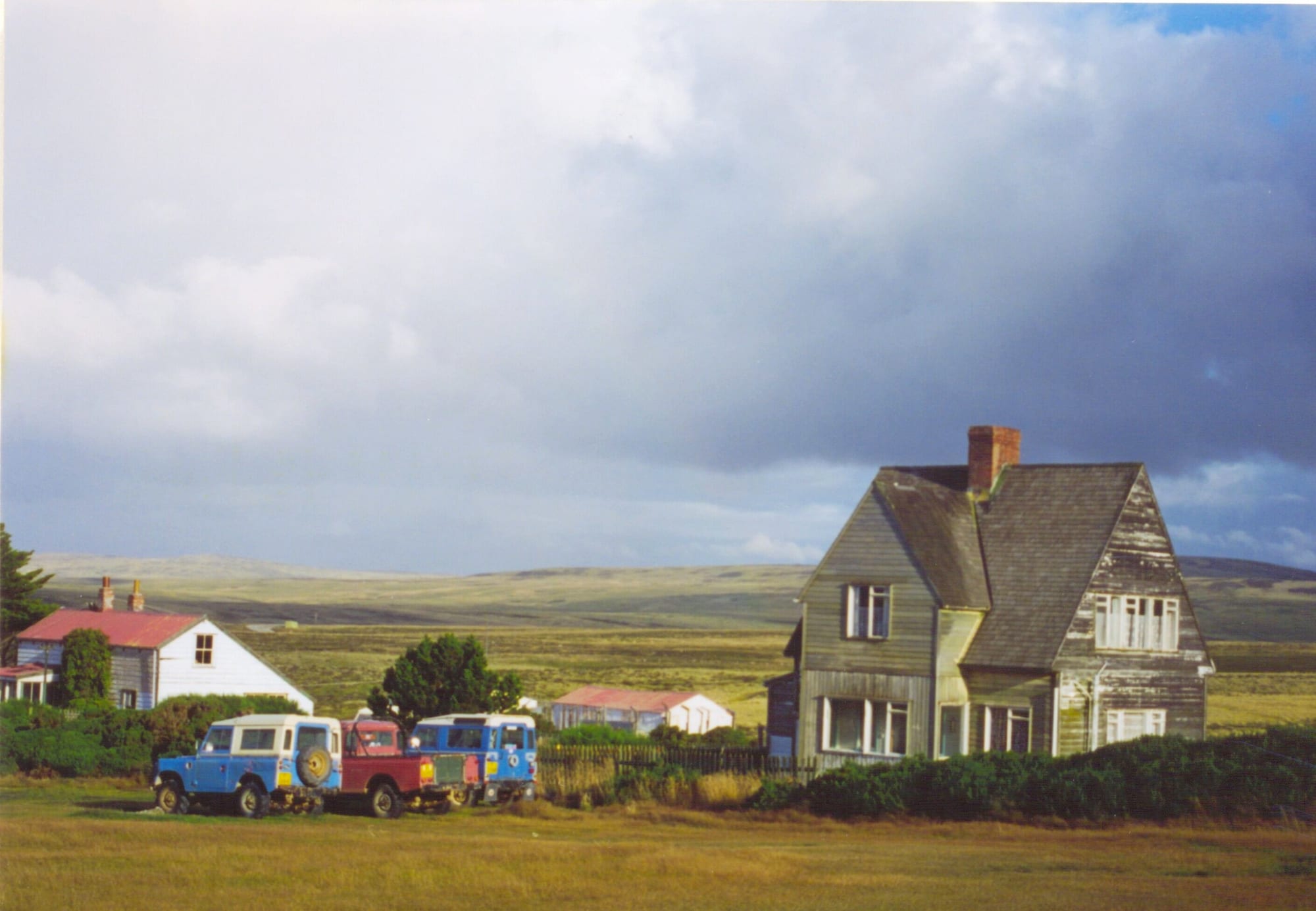
Being a good guest also means respecting the land. Most of camp is privately owned farmland, and the islands' Countryside Code asks visitors to seek the owner's permission before going onto private land, to keep to paths where possible, and to leave gates open or shut exactly as they were found. Flying a drone over private land also needs the landowner's consent. The same code sets out how to behave around wildlife: staying at least about 20 feet from penguins and other animals, never standing between an animal and its route to the sea, and never feeding, touching or chasing wild creatures. The islands were declared free of landmines in November 2020.
Festivals and life's big moments
The social year follows the seasons and the farming calendar. Christmas falls in midsummer. Father Christmas tours Stanley on Christmas Eve, carols are sung around the Whalebone Arch, and from Boxing Day the Christmas Sports take over the racecourse with two days of short, fiercely competitive horse races and family entertainment. When the main sheep work is done, camp holds its own Camp Sports, with horse racing, sheepdog trials and shearing. Ram sales and sponsored shearing events, a horticultural show at which vegetables, preserves and above all home baking are judged with friendly but fierce rivalry, and a craft exhibition complete the calendar.
Some public holidays are unique to the islands. Peat Cutting Monday, on the first Monday of October, recalls the days when peat dug from the land was the islands' main fuel, though today many islanders spend it fishing or camping instead. The King's Birthday is also a public holiday.
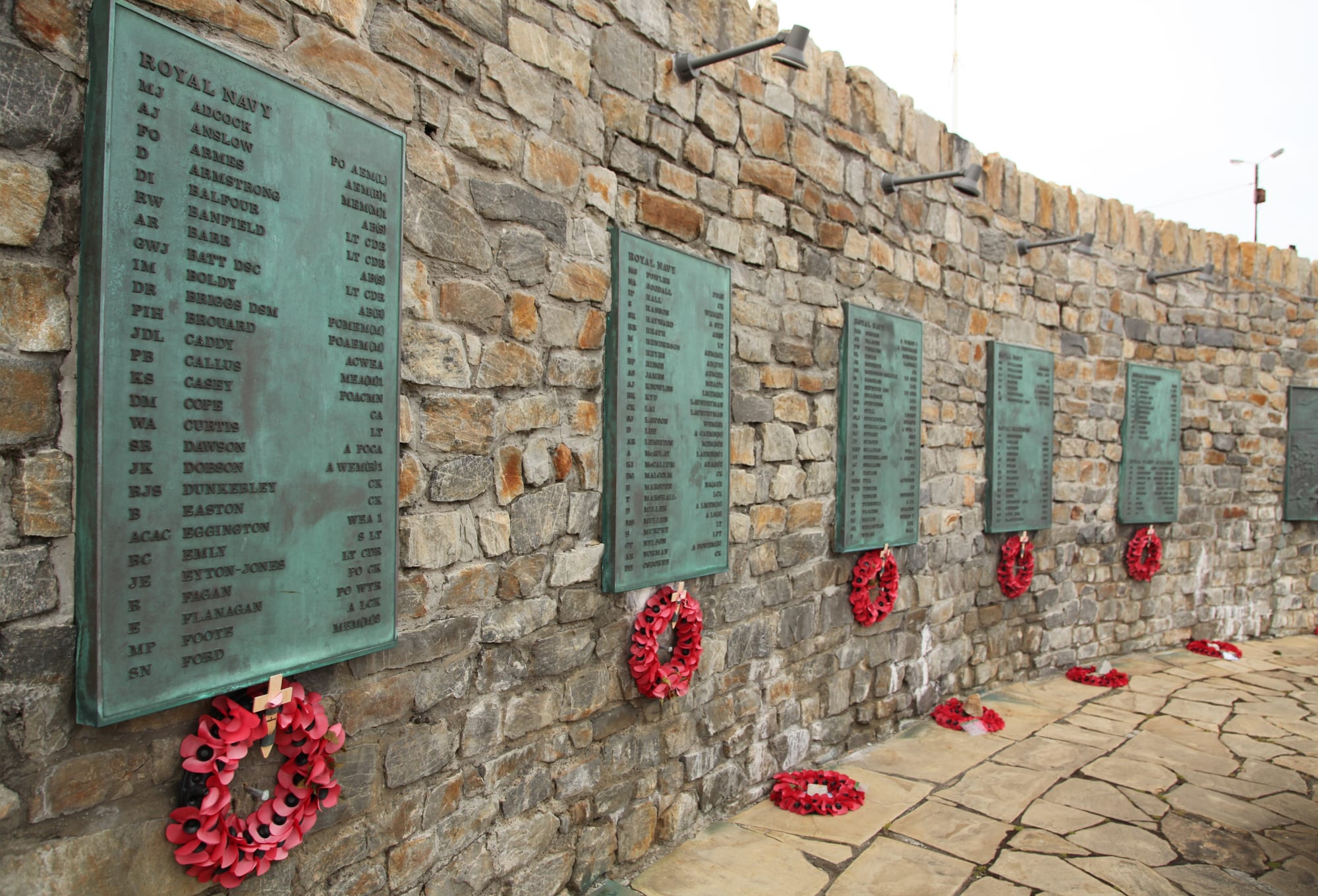
The most significant date is Liberation Day on 14 June, which marks the end of the Argentine occupation in 1982. It begins with a thanksgiving service in the cathedral, followed by a parade and the laying of wreaths at the Liberation Monument, where the Governor, members of the Legislative Assembly, service personnel, veterans and families pay their respects. A civic reception and a family party in the Town Hall follow. Argentina holds its own commemoration of the conflict on 2 April. Remembrance services for those who died in 1982 continue at other points in the year, including in settlements in camp.
Dances are central to island social life. The Conservation Ball and the Poppy Ball in spring, the Winter Ball, and the May Ball at the end of May, when the younger generation dress up in their finest, fill the Town Hall. Old-time favourites such as the Palais Glide and the Falklands Circassian Circle are still danced, and many of those present join in.
Arts, crafts and music
The islands' crafts grow out of their farming life. Falklands wool, soft and prized, is spun, knitted, woven and felted into scarves, hats, gloves, socks and slippers, and islanders also make objects from shipwreck timber and recycled materials. The annual craft exhibition, with categories for almost every craft and for adults and children alike, is the high point of the making year, and its purpose is as much to show the range of talent in the community as to hand out prizes. The Falkland Islands Museum and National Trust keeps older skills in view, running events on spinning and weaving, mat making and other crafts that were once part of ordinary household life.
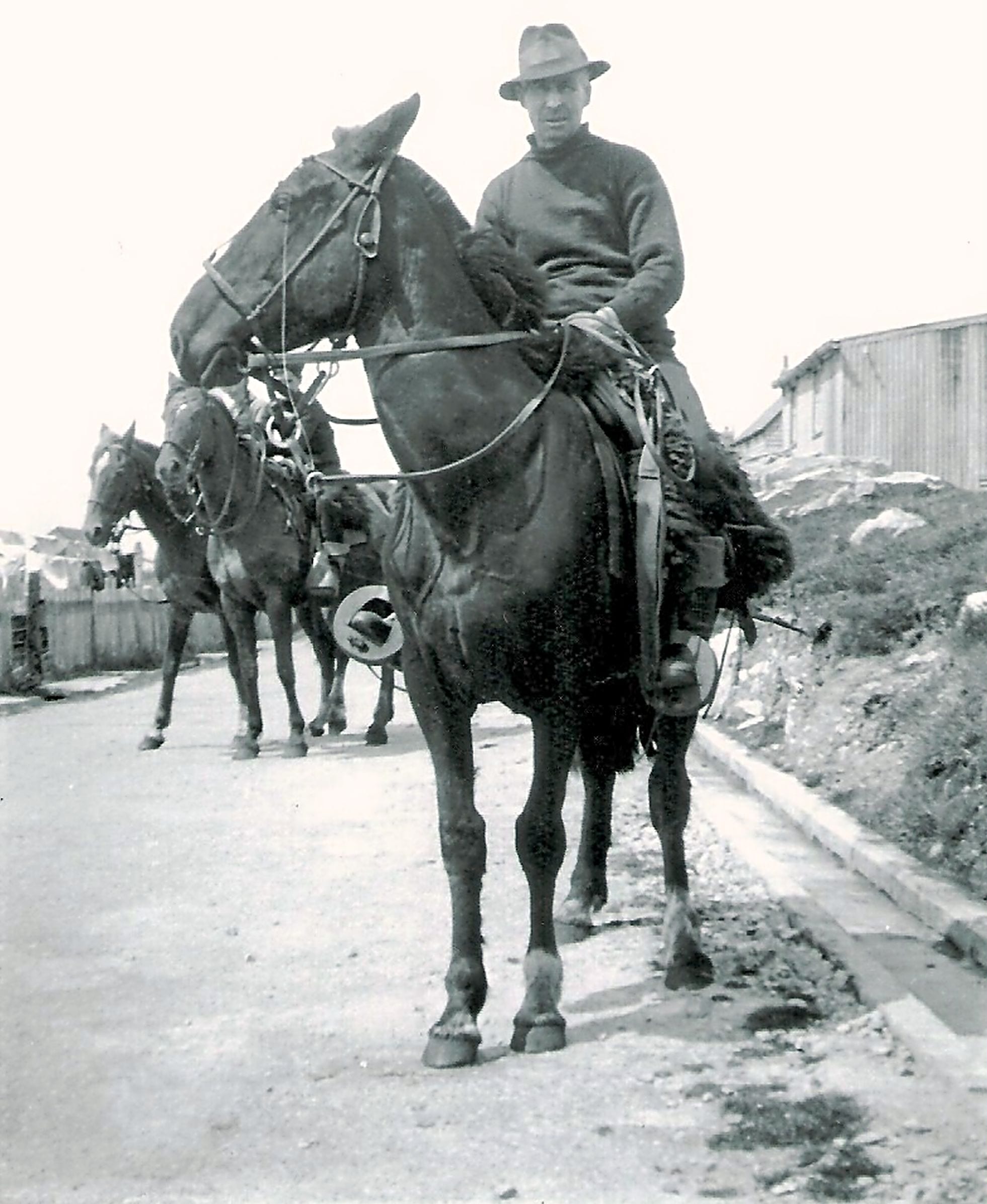
Horses shaped island culture for generations. They were the main means of travel for officials, doctors and clergy making their rounds of the settlements, and horse racing has been part of the social calendar for more than a century. The legacy of the gauchos survives in the landscape, in stone and turf corrals built for cattle drives and horses, some of them now restored as heritage sites. Museums in Stanley and in camp preserve the tools, farm memorabilia and household objects of that way of life.
Music is a community affair rather than a professional industry. Falkstock, an annual evening of performances by local bands and musicians in the Town Hall, raises money for charity and gives the islands' amateur performers a stage of their own.
Dos and don'ts for visitors
- Do ask the landowner's permission before walking or driving on private land in camp, and leave every gate as it was found.
- Do keep at least about 20 feet from penguins and other wildlife, and never come between an animal and its path to the sea.
- Do accept an invitation to smoko; it is the heart of island hospitality.
- Do refer to the islands as the Falkland Islands; the local government advises that islanders consider "Malvinas" offensive.
- Do treat memorials and 1982 battlefield sites with respect, especially around Liberation Day.
- Don't fly a drone over private land without the owner's consent.
- Don't feed, touch or chase wild birds or animals.
What to take away
Falklands culture is that of a small, self-reliant community with a strong sense of who it is, and visitors who respect its land, its memory and its hospitality will find themselves drawn into it quickly.