Daily Life · Falkland Islands
Falkland Islands: Life Timed by the Weather and the Plane
A capital of some 3,000 people, a handful of scattered sheep farms known collectively as camp, and a small aircraft whose next day's schedule is only set the evening before
By Worldlore Editorial · 30 September 2026
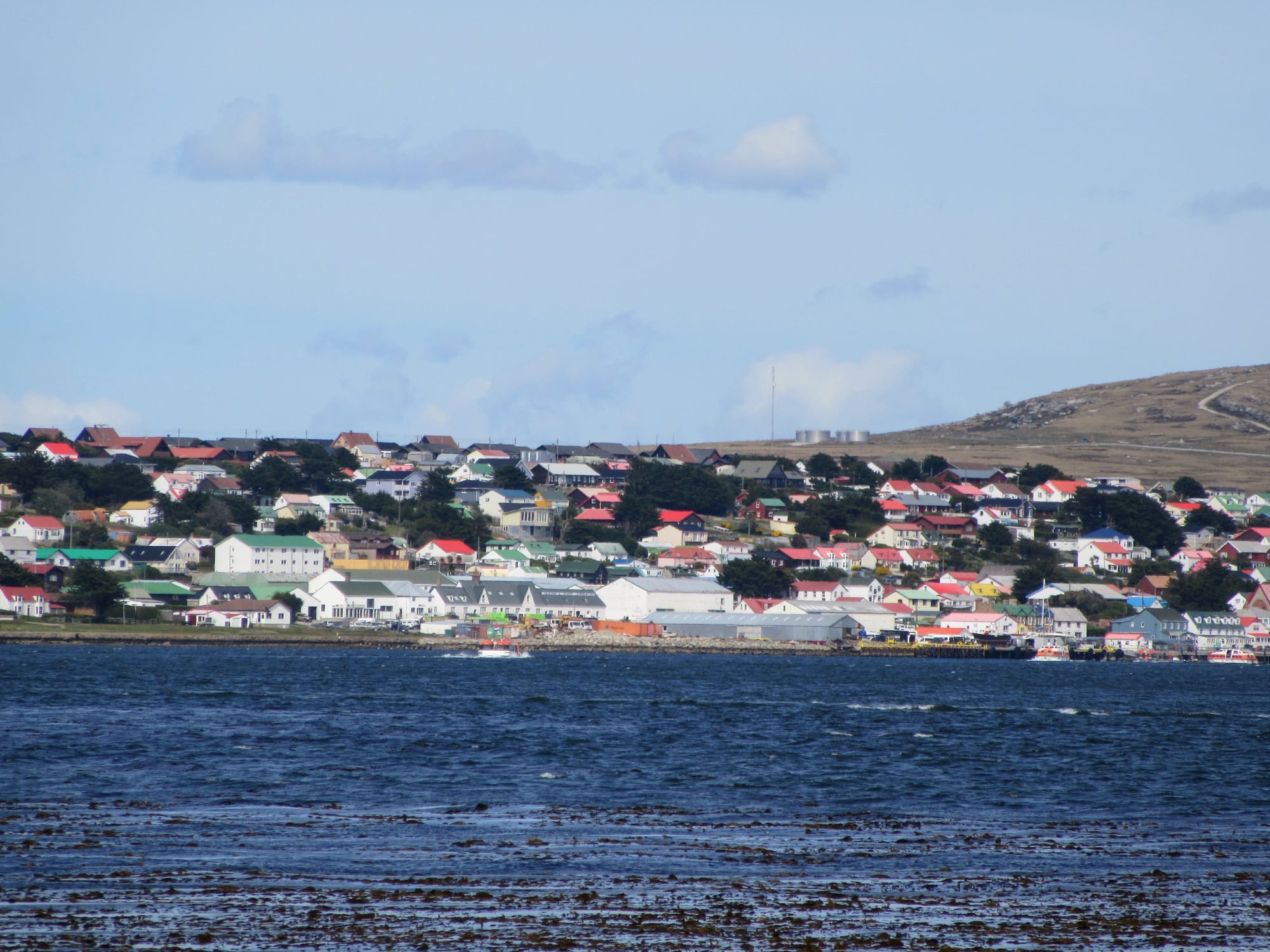
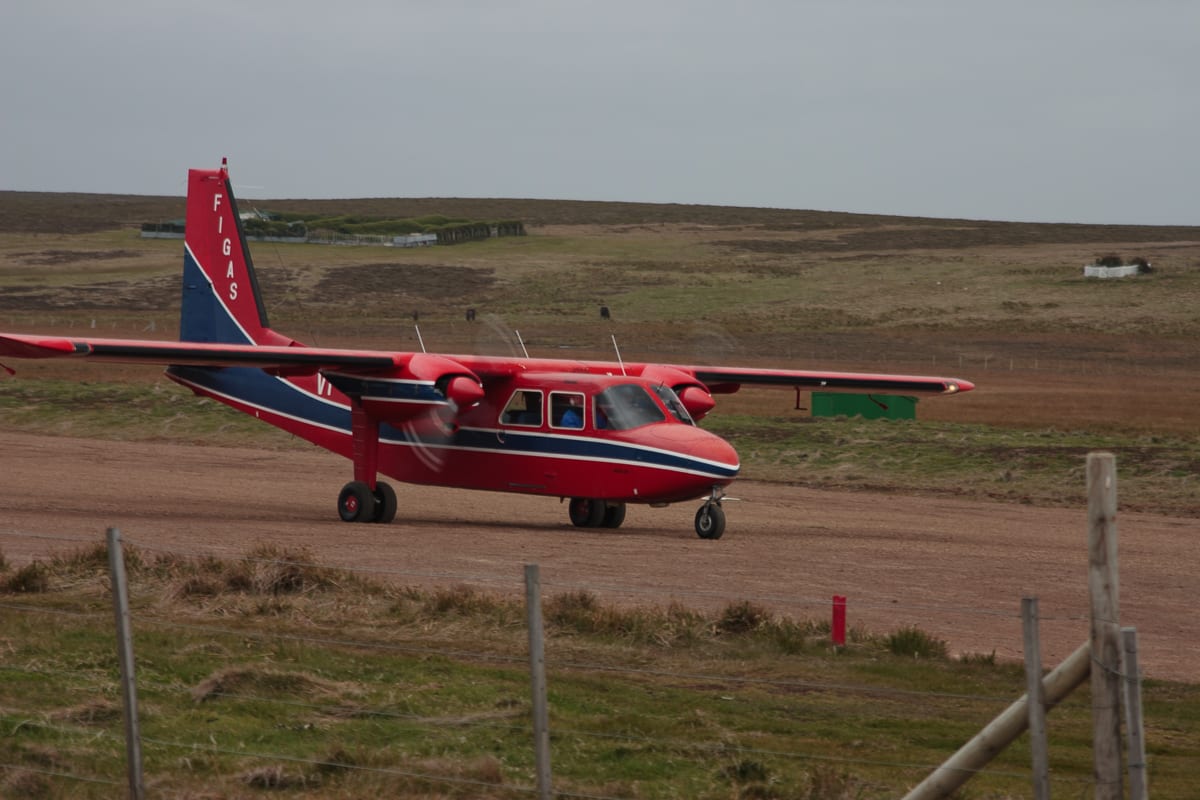
An ordinary day in the Falkland Islands divides sharply between two kinds of place: Stanley, a town of colourful houses and nearly 3,000 people that holds most of the population, and camp, the local term for everywhere else — sheep farms and small settlements spread thinly across two main islands and hundreds of smaller ones. Wherever someone lives, the day answers to the weather first and any schedule second: wind, fog, and sudden rain shape what is possible, from getting to work to flying between islands on the islands' tiny internal air service, whose next day's routes aren't fixed until the evening before.
Family and home life
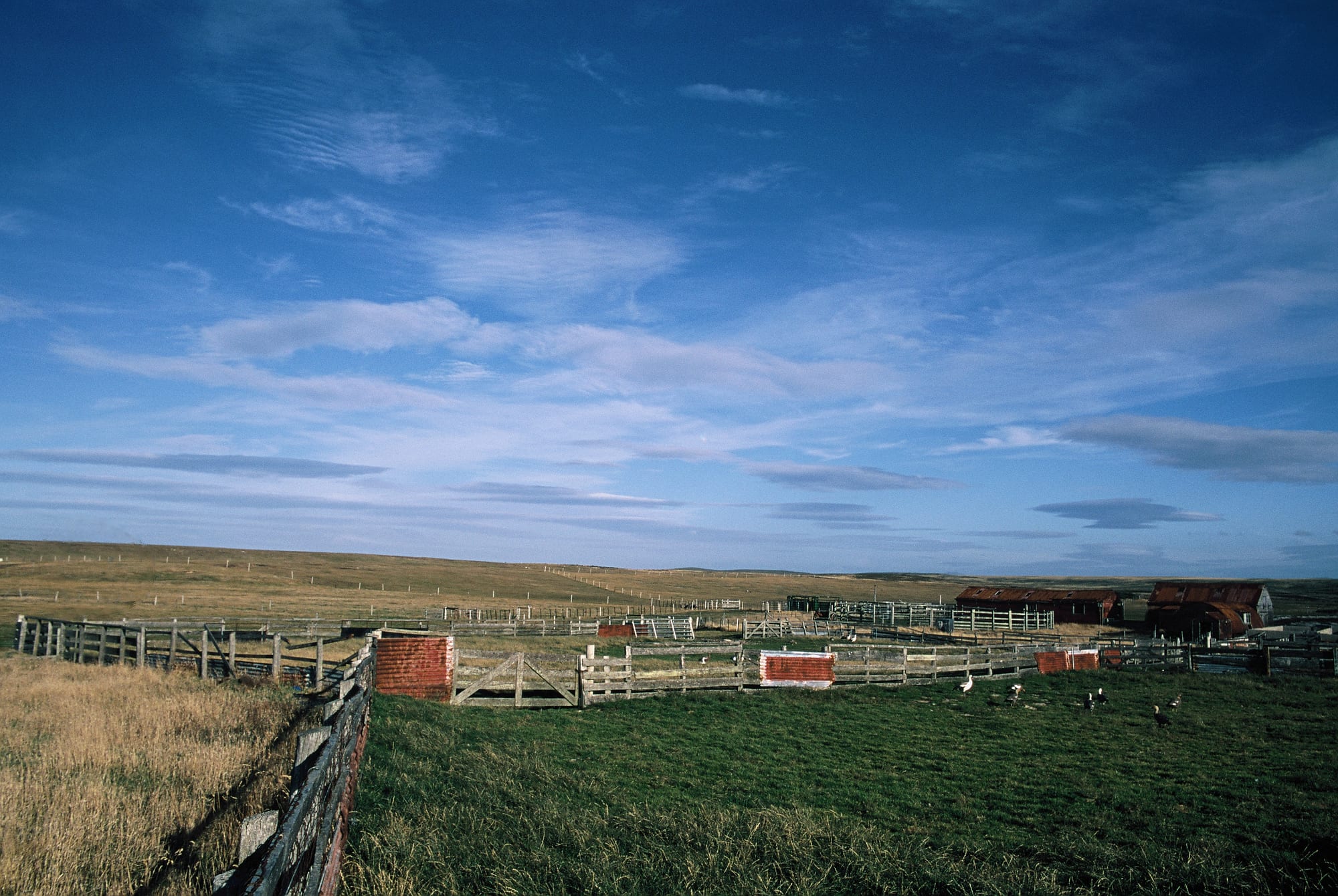
With around 3,700 people in total, family and community networks in the Falklands are small and close, and most people know, or are related to, a large share of the people they deal with day to day. At the 2016 census roughly 43 percent of residents were born in the islands, with the rest having settled from the United Kingdom, Saint Helena, Chile, and elsewhere and, in many cases, built a life described locally as "belonging to the islands." Housing in Stanley is largely detached, brightly painted houses, often with metal roofs, a practical response to the wind and damp as much as a style choice; in camp, a household is often a single farm family, sometimes with additional farm workers, living a genuine distance from their nearest neighbours.
Work, school and the rhythm of the day
Government is the largest single employer, taking a little over a quarter of the workforce, while fishing-licence revenue, mainly from squid, supplies by far the largest share of the economy despite employing relatively few people directly; agriculture, chiefly sheep farming for wool, employs around one in ten. Schooling follows the English system and is free and compulsory from age five to sixteen; Stanley has the only secondary school, so children from camp settlements typically board in term time and return home for holidays, a rhythm that shapes family life for farming households in a way that has no real equivalent in a larger country. The working week for most jobs in Stanley resembles the standard five-day pattern; farm work in camp runs instead on the shearing season, lambing, and the weather.
Community life and public spaces
Stanley's small size means its few pubs, the community hall, the church, and the weekly newspaper, The Penguin News, cover most of what a much larger town would spread across many venues, and stopping for a chat on the street is, by common account, simply part of daily life. There is no passenger railway and, outside Stanley, the roads are gravel rather than tarmac, with many places reached only by track, so a Land Rover or similar 4x4 is the standard way to get around camp. Since 2008 a ferry has linked East and West Falkland, reducing dependence on flying for that particular crossing, but the internal air service remains the only practical way to reach most of the smaller settlements and outer islands.
Free time and weekends
The Christmas horse races in Stanley, held on 26 and 27 December, and the camp sports meetings over Christmas and New Year are the closest things to a big shared event on the calendar, drawing people in from farms and settlements that otherwise rarely gather in one place. Darts and pool in Stanley's pubs, fishing, and getting out into the largely untouched landscape — tussock coastline, moorland, and the wildlife it supports — fill most weekends. Liberation Day on 14 June, marking the end of the 1982 conflict, is observed with particular weight across the islands, a reminder of how present that history remains in the rhythm of the year.
A visitor's ordinary day
The Falkland Islands pound is pegged to and interchangeable with sterling, though Falklands notes aren't accepted back in the UK; cards work in Stanley but cash is more useful in camp, where there is a single bank and very limited ATM access. There is only one scheduled international air route, a weekly LATAM flight to Punta Arenas in Chile, alongside a UK military flight to RAF Brize Norton via Ascension Island, so a visit has to be planned around a genuinely thin timetable. Getting to the outer islands and wildlife lodges means booking a FIGAS flight in advance and staying flexible, since the schedule is confirmed only the evening before and is always subject to the weather. Stanley itself is compact and entirely walkable.
What to take away
What defines an ordinary day in the Falkland Islands is how much of it still depends on things no timetable can fully control — the wind, the fog, and whether the next FIGAS flight can get through — in a community small enough that everyone feels the effect of that uncertainty together.