Food · Ethiopia
Ethiopia: Food and the National Dish
A spiced chicken stew eaten from a shared plate of fermented flatbread, a raw beef delicacy for the adventurous, and the country credited with giving the world coffee itself
By Worldlore Editorial · 16 September 2026
A cuisine built around one remarkable flatbread
Ethiopian food centres on injera, a large, spongy, slightly sour flatbread fermented from teff — a tiny grain native to Ethiopia, where it has been cultivated for thousands of years. Injera serves as plate, utensil and starch all at once: stews are ladled directly onto it, and pieces are torn off by hand to scoop everything up. Around that foundation sits berbere, a complex chilli-and-spice blend that gives most Ethiopian stews, or wats, their depth and heat.
The national dish: doro wat
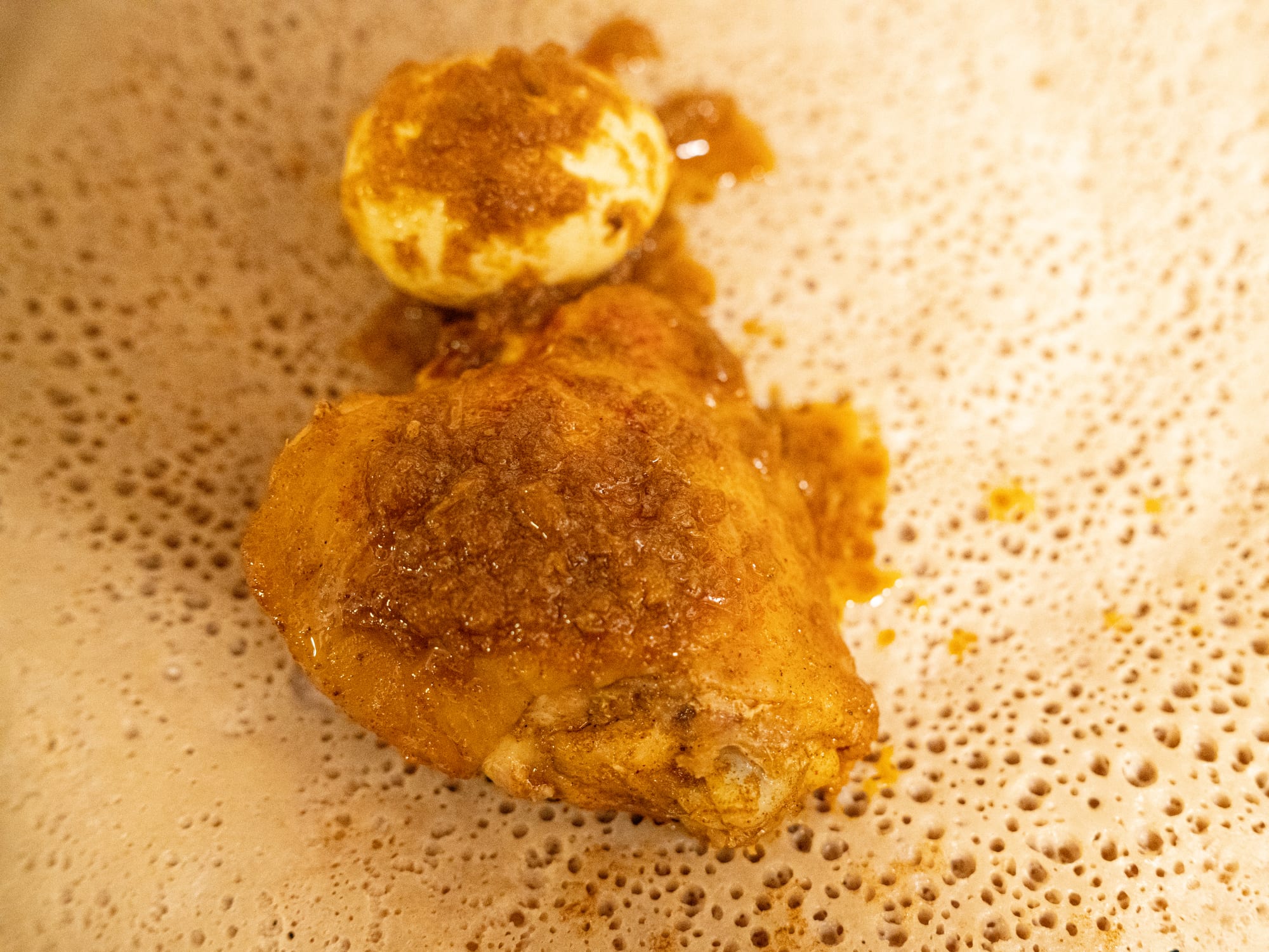
Doro wat, chicken simmered for hours in a thick, deeply spiced berbere-and-onion sauce and finished with hard-boiled eggs, is Ethiopia's national dish and its most celebrated. It takes real time to make properly — the onions alone are cooked down slowly before anything else goes in — and is treated as the dish to serve when a meal really matters, from Sunday lunches to major holidays.
Kitfo and the raw-meat tradition
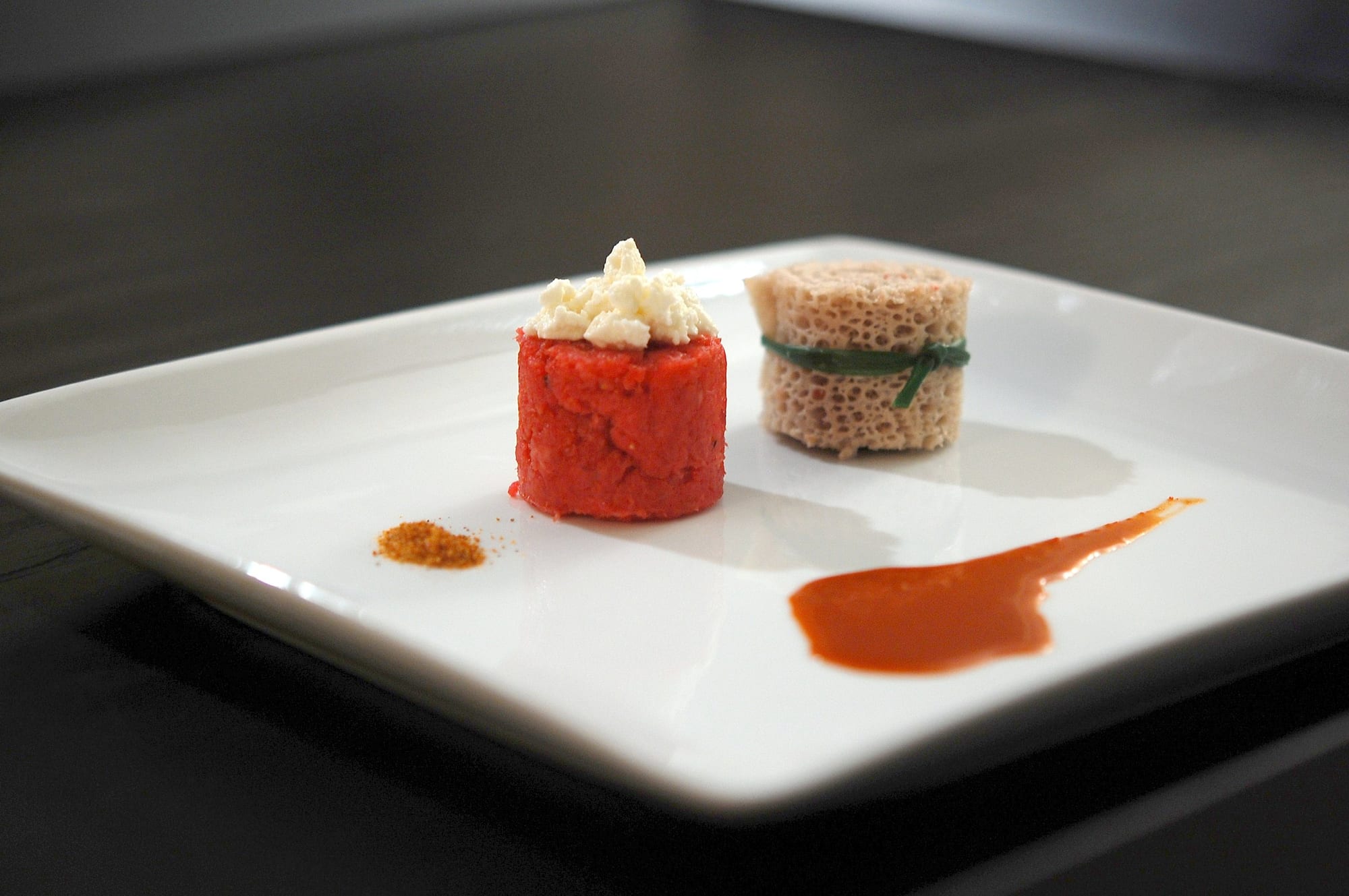
Kitfo, minced raw or lightly warmed beef seasoned with berbere and niter kibbeh (spiced clarified butter), sits somewhere between Ethiopian delicacy and adventurous order for first-time visitors, similar in spirit to steak tartare. It's usually served with ayib, a mild fresh cheese, and injera on the side.
Fasting food and a genuinely large vegetarian tradition
The Ethiopian Orthodox Church observes fasting periods that add up to roughly half the calendar year, during which meat, dairy and eggs are set aside — a tradition that has produced a deep, well-developed vegetarian cooking style rather than a compromise. Misir wat, a spiced red lentil stew, and shiro, made from ground chickpea or broad bean flour, are two of the most common fasting dishes, and yetsom beyaynetu — a platter combining several small vegetable and legume dishes on one round of injera — is a genuine showcase of that tradition.
Dishes to know
Five to recognise across Ethiopia:
- Kitfo — minced raw or lightly warmed beef with berbere and spiced
butter.
- Tibs — sautéed or pan-fried meat cubes with onion, pepper and
rosemary.
- Misir wat — a spiced red lentil stew, the classic fasting-day dish.
- Shiro — a stew made from ground chickpea or broad bean flour.
- Yetsom beyaynetu — a mixed platter of several vegetable and legume
dishes served together on injera.
Coffee, and the country that gave it to the world
Tej, a traditional honey wine drunk at dedicated tej bets (honey wine houses), and tella, a home-brewed beer, are the traditional alcoholic options.
Eating as a traveller
Vegetarians and vegans eat extremely well in Ethiopia, thanks directly to the fasting-food tradition — yetsom beyaynetu alone can cover an entire meal without meat or dairy. Tap water is not safe to drink; stick to bottled or boiled water. Eating with the right hand, tearing injera to scoop up food, is the norm, and it's common and considered a warm gesture for a host to feed a guest directly by hand, a practice called gursha.
What to take from the table
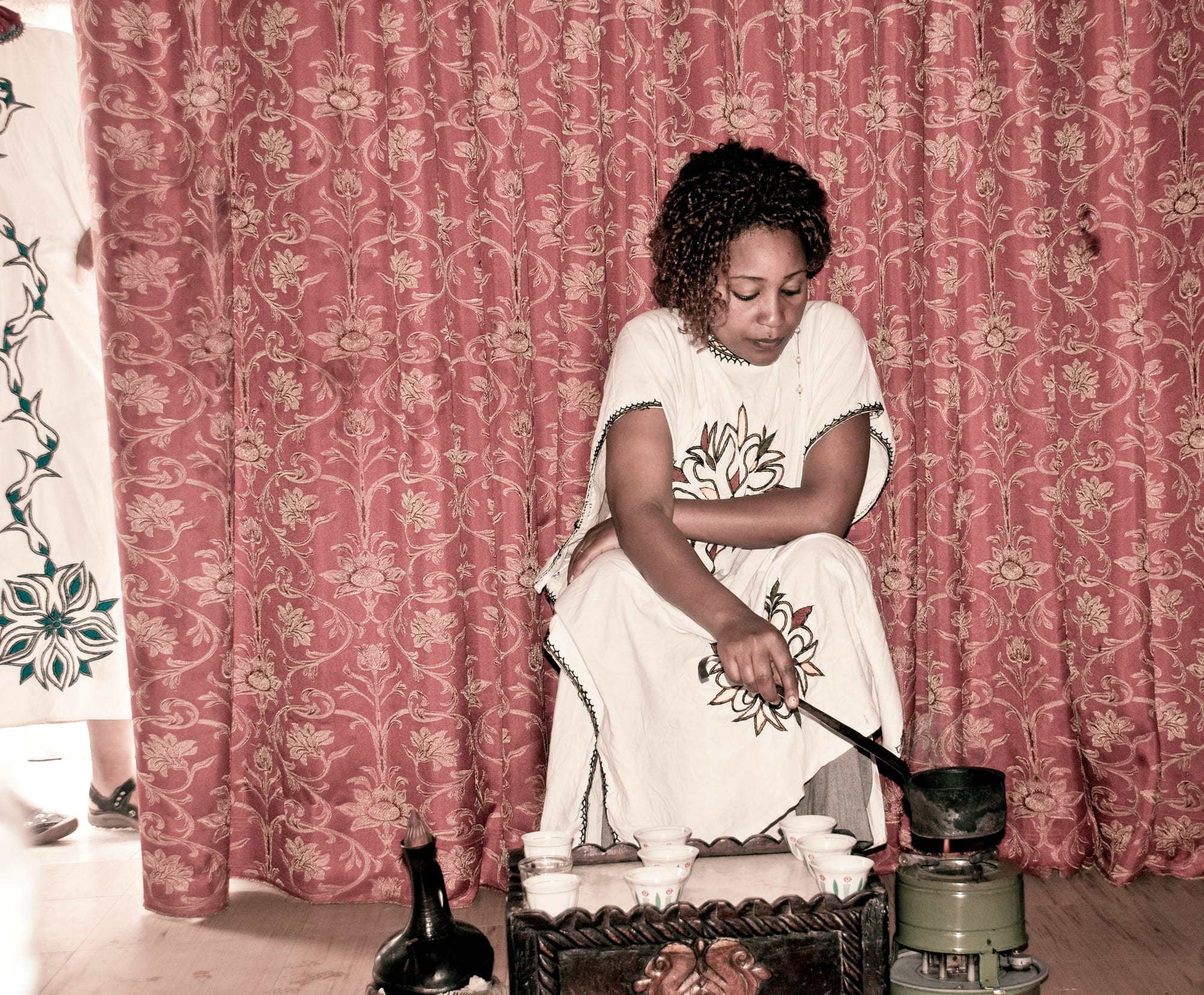
Doro wat on injera is the dish to try first, but a proper Ethiopian coffee ceremony, unhurried and genuinely ritualistic, may be the single best way to understand how central hospitality is to the country's food culture.