Daily Life · Eswatini
Eswatini: Where Wealth Still Walks on Four Legs
Homesteads built around a cattle enclosure, a wage sent home from Manzini or South Africa, and a small kingdom where many families still measure security in livestock as much as in cash
By Worldlore Editorial · 30 September 2026
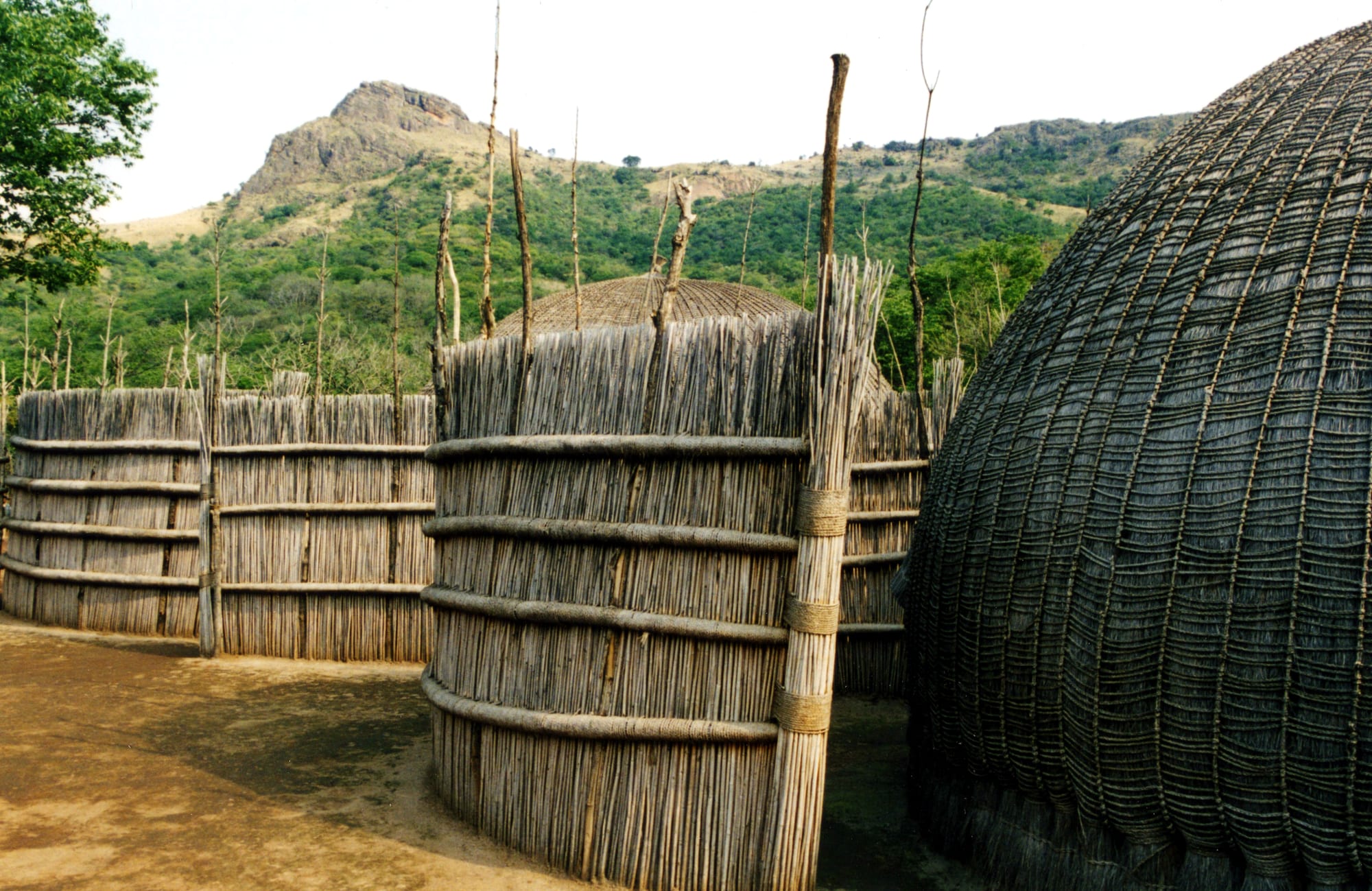
Most of Eswatini's roughly 1.2 million people wake up not in a town but on a homestead — a cluster of huts and outbuildings arranged around a fenced cattle enclosure, on land held communally rather than owned outright. The day's shape still depends heavily on that arrangement: farming maize and vegetables, tending cattle that count as savings as much as livestock, and, for a great many households, waiting on money sent home by a relative working in Manzini, Mbabane, or across the border in South Africa. Church, the school run, and the twice-daily rhythm of the minibus taxi are what connect this rural, homestead-centred life to the country's small commercial centres.
Family and home life
The Swazi homestead, not the single house, is still the basic unit of everyday life for most rural families. A typical homestead groups the huts of a male head, his mother, his wife or wives, and their children around a shared yard, with the cattle enclosure, or kraal, at its centre, facing the great hut of the headman's mother. Many homesteads keep cattle, which function less as livestock in the ordinary sense than as a store of family wealth, drawn on for major household needs and passed down between generations. Extended families frequently live within calling distance of one another on the same communal land, known as Swazi Nation Land, and grandparents commonly help raise children while parents work away in town.
Work, school and the rhythm of the day
Formal jobs are concentrated in Manzini, the commercial hub, and Mbabane, the administrative capital, with sugar, textiles, and soft-drink concentrate the leading industries alongside government. For most rural households, though, the working day is agricultural: tending maize fields and livestock, supplemented wherever possible by a wage earned in town or in South Africa and sent home. Children generally walk or catch a minibus to school, with the school day running through the morning and into early afternoon; youth unemployment is high nationally, which keeps many young adults on the homestead longer than they might otherwise stay, or pushes them to migrate for work. For those with formal jobs, the working week and office hours resemble the regional Southern African pattern, roughly eight hours a day, five days a week.
Community life and public spaces
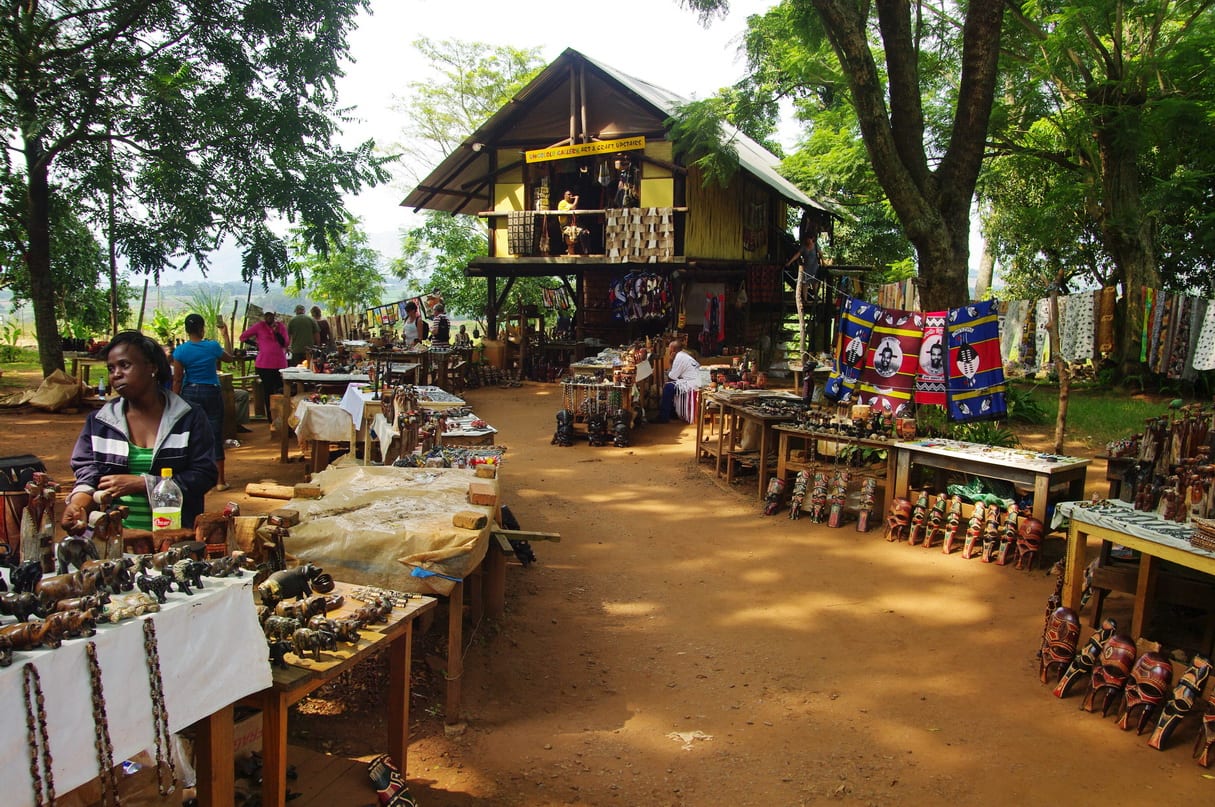
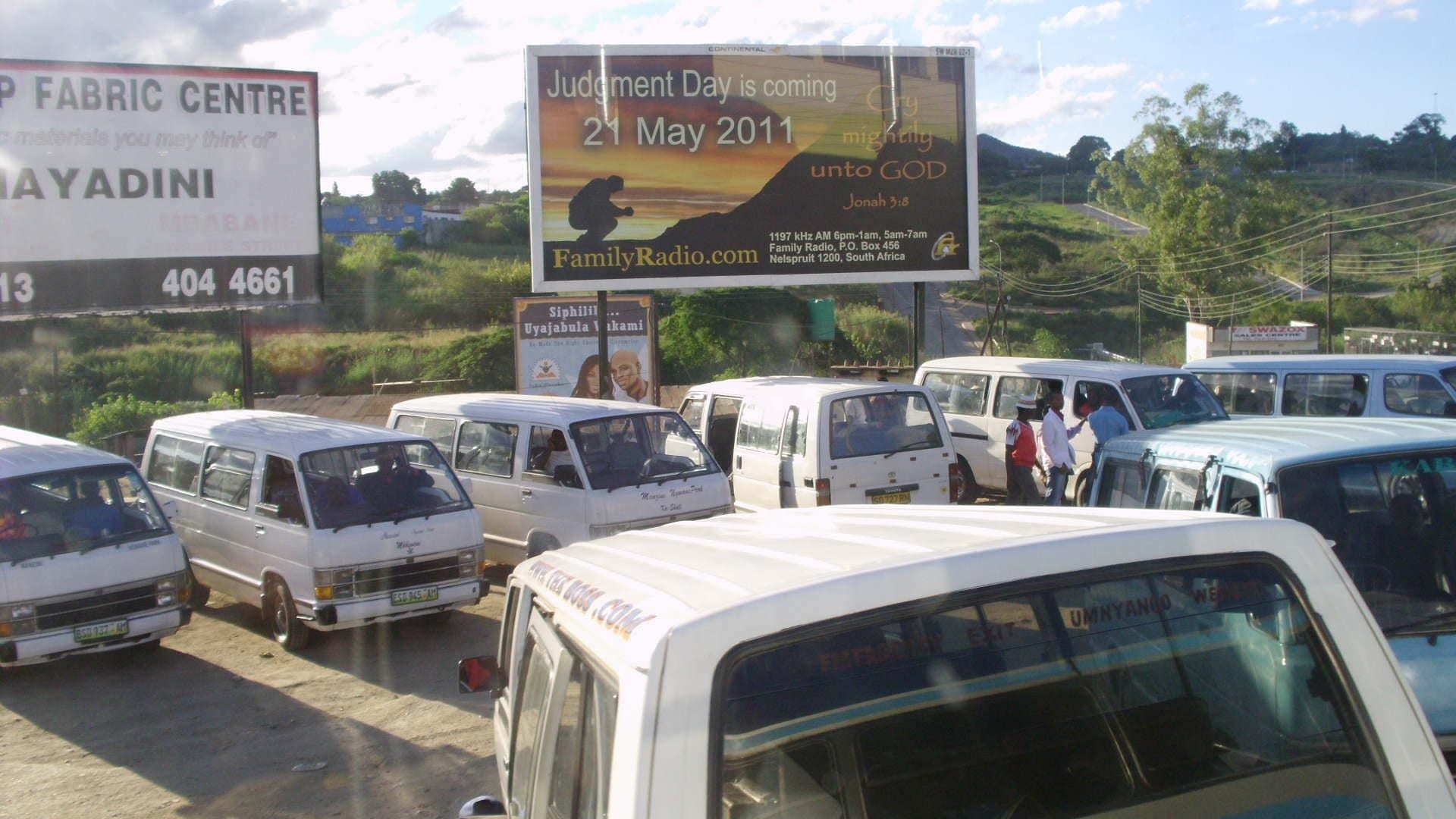
Markets are the main public gathering point for trade and information outside the homestead. Manzini's main market draws sellers of produce, crafts, and household goods from across the region, and smaller roadside stalls and craft markets, such as the ones around Malkerns and Matsapha, sell woven baskets, candles, and batik to both local buyers and passing traffic. Minibus taxis, known locally as kombis, are the backbone of everyday transport, running fixed but informal routes between homesteads, market towns, and the two main urban centres, typically busiest in the early morning and late afternoon as commuters and schoolchildren travel. Since there is no passenger rail, these market squares and taxi ranks — rather than any single street or square — function as the country's real public space.
Free time and weekends
Sunday is widely kept as a day of rest and church attendance, in a country that is largely Christian, and weekends otherwise revolve around extended family: visiting relatives on nearby homesteads, tending gardens and livestock, and, for many households, catching up on work that a formal job in town leaves no time for during the week. Football is followed closely, played and watched in homesteads and small towns alike. Where money and transport allow, a day trip to one of the country's compact wildlife reserves, such as Mlilwane, which is close enough to Manzini and Mbabane for a half-day visit, is a popular weekend outing for local families as well as visitors.
A visitor's ordinary day
Cards are accepted in the Ezulwini and Malkerns valleys and in Manzini and Mbabane, but cash — rand or emalangeni, used interchangeably — is essential elsewhere, including at markets and on minibus taxis, which run frequent but informal routes rather than a fixed timetable and generally leave once full. There is no passenger railway, so a rental car or shared taxi is the practical way to link the main towns, the craft markets, and the game reserves; roads between the principal centres are good, but rural roads are rougher and shared with livestock. Shops in Manzini and Mbabane keep standard daytime hours and are busiest in the morning and around midday.
What to take away
What defines an ordinary day in Eswatini is how much still runs on the homestead and the cattle enclosure at its centre, even as a market stall, a minibus fare, or a wage from across the South African border increasingly links that rural household to the wider cash economy.