Attractions & Natural Wonders · Eswatini
Eswatini: Eight Attractions and Natural Wonders
A tiny kingdom of granite domes and rhino reserves, the oldest mine on Earth, and one of Africa's last great royal ceremonies
By Worldlore Editorial · 19 September 2026
Africa's last absolute monarchy
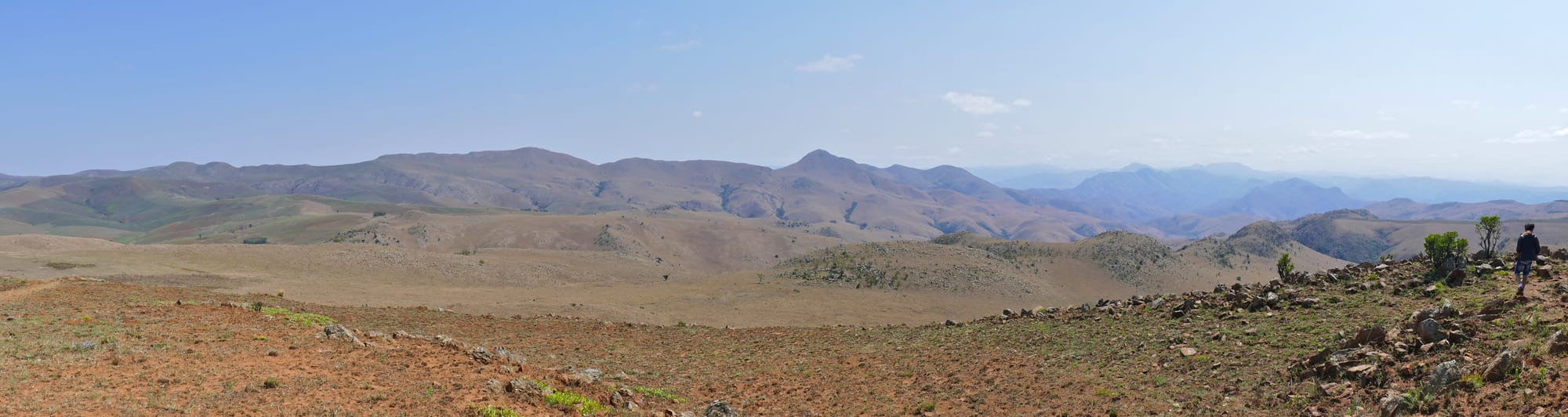
Eswatini (called Swaziland until 2018) is one of the smallest countries in Africa — a landlocked kingdom wedged between South Africa and Mozambique, ruled by King Mswati III as one of the world's few remaining absolute monarchies. It is compact and easy to drive, with a lot packed in: rhino reserves, mountain grassland, granite monoliths, and living Swazi traditions kept up around the royal capital.
The eight below cluster along the Ezulwini "Valley of Heaven" between the two capitals (administrative Mbabane and royal Lobamba) and in the game reserves east and north. The dry season, May to September, is best for wildlife.
1. Mlilwane Wildlife Sanctuary
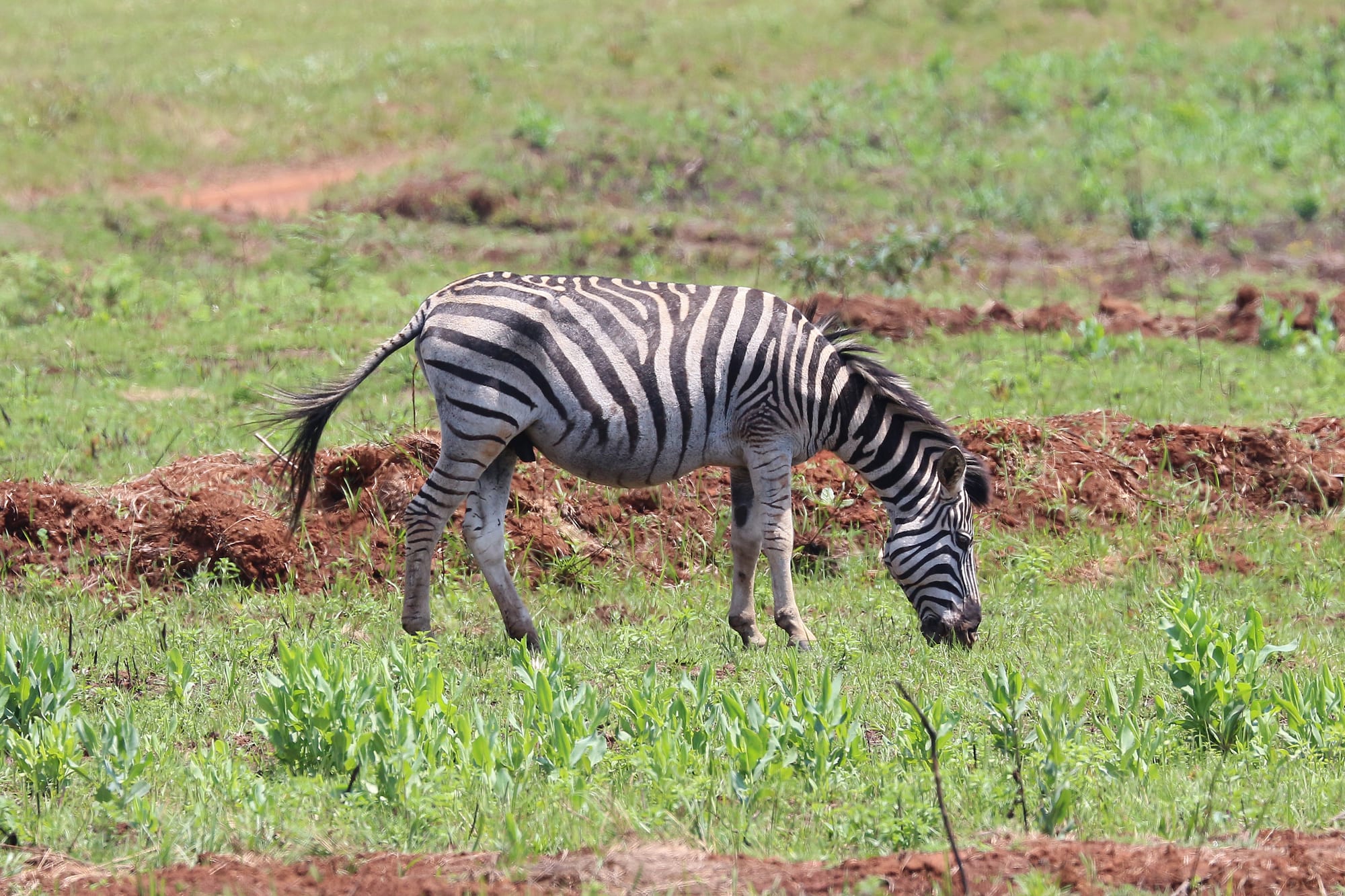
Mlilwane, a former farm and tin mine in the Ezulwini valley turned into a sanctuary in the 1960s, is the country's most visited reserve — and, because it has no big predators, one where you can walk, cycle, and horse-ride among the zebra, wildebeest, warthog, antelope, and hippos. It has affordable rondavel and beehive-hut lodging and is an easy base near both capitals.
The "Execution Rock" (Nyonyane) above it is a granite peak with a grim legend and a good hike.
2. Hlane Royal National Park

Hlane, in the eastern lowveld, is the king's private game reserve, opened to visitors — the place to see the "big" animals: lion and leopard (in a fenced section), elephant, and both white and black rhino, along with one of the densest concentrations of nesting white-backed vultures in Africa. Game drives and guided walks run from two rustic camps.
Eswatini has been notably successful at protecting rhino, with tough anti-poaching laws.
3. Mkhaya Game Reserve

Mkhaya, in the southeast, was set up specifically to save threatened species — it takes its name from a hardwood tree, and it protects rhino (both species, seen closely on foot or by open vehicle), roan and sable antelope, tsessebe, and the hardy Nguni cattle. There is no self-drive; you are collected at a set time and taken in, staying at the open-sided Stone Camp.
It is generally rated the best wildlife experience in the country.
4. Malolotja Nature Reserve
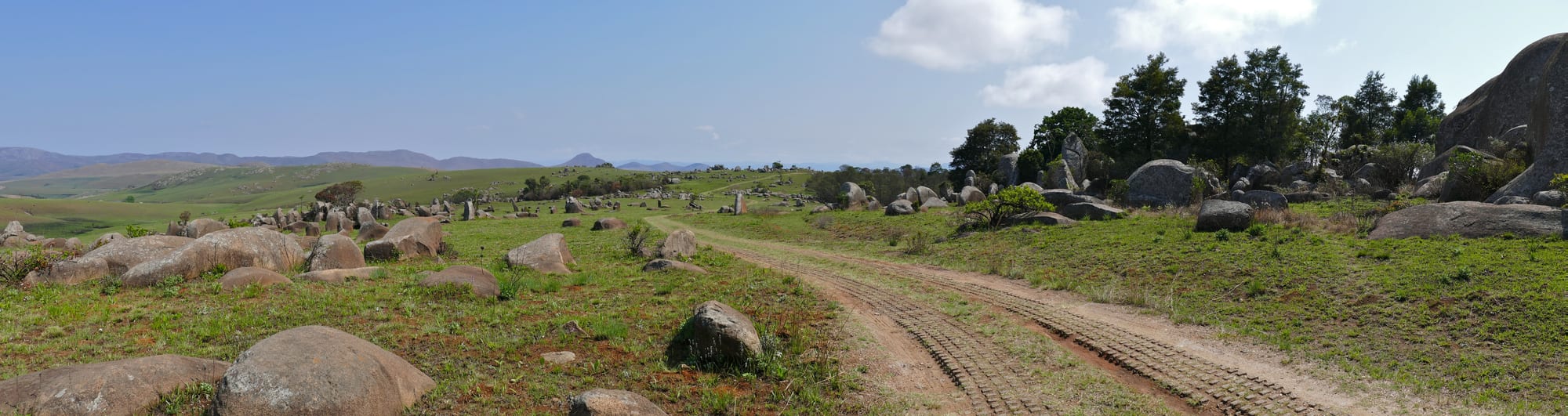
Malolotja, in the mountainous northwest, is the country's wildest reserve — 18,000 hectares of montane grassland, gorges, and Afromontane forest, with more than 280 bird species (including the rare blue swallow and bald ibis), few large mammals, and the country's highest waterfall. It is a hiking and mountain-biking reserve, with a network of backpacking trails, plus a canopy tour on zip-lines strung above a gorge.
The scenery is closer to the Drakensberg than to typical African bushveld.
5. Sibebe Rock
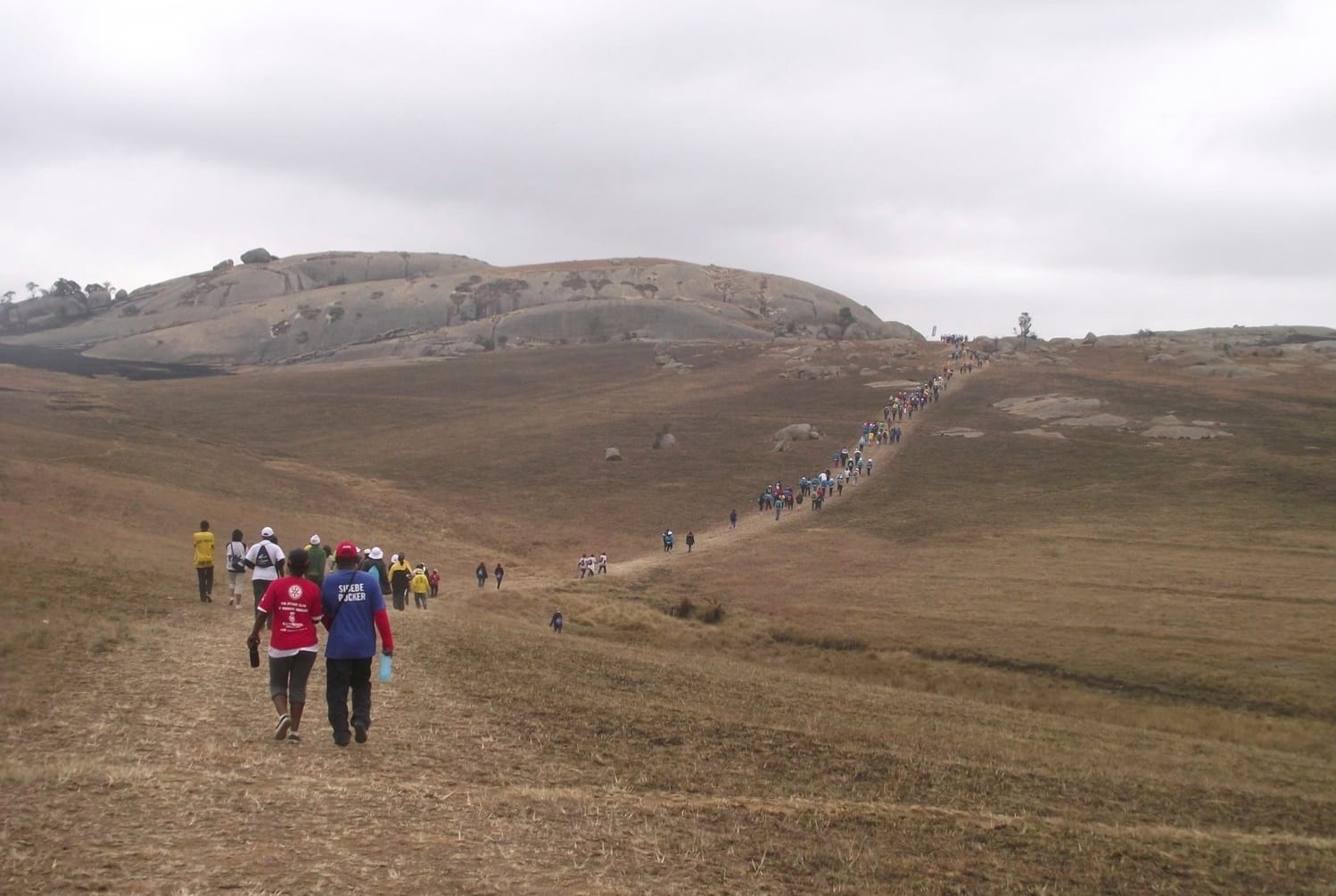
Just outside the administrative capital, Mbabane, Sibebe is an enormous exposed dome of granite — one of the largest single pieces of exposed rock anywhere, and around three billion years old. There is no path to the top as such; you scramble up the steep bare rock (a guide helps), for a wide view over the Pine Valley and the highveld. An annual charity "Sibebe Survivor" walk climbs it.
The surrounding area has San rock-shelter sites and the Ezulwini craft markets.
6. Ngwenya Mine
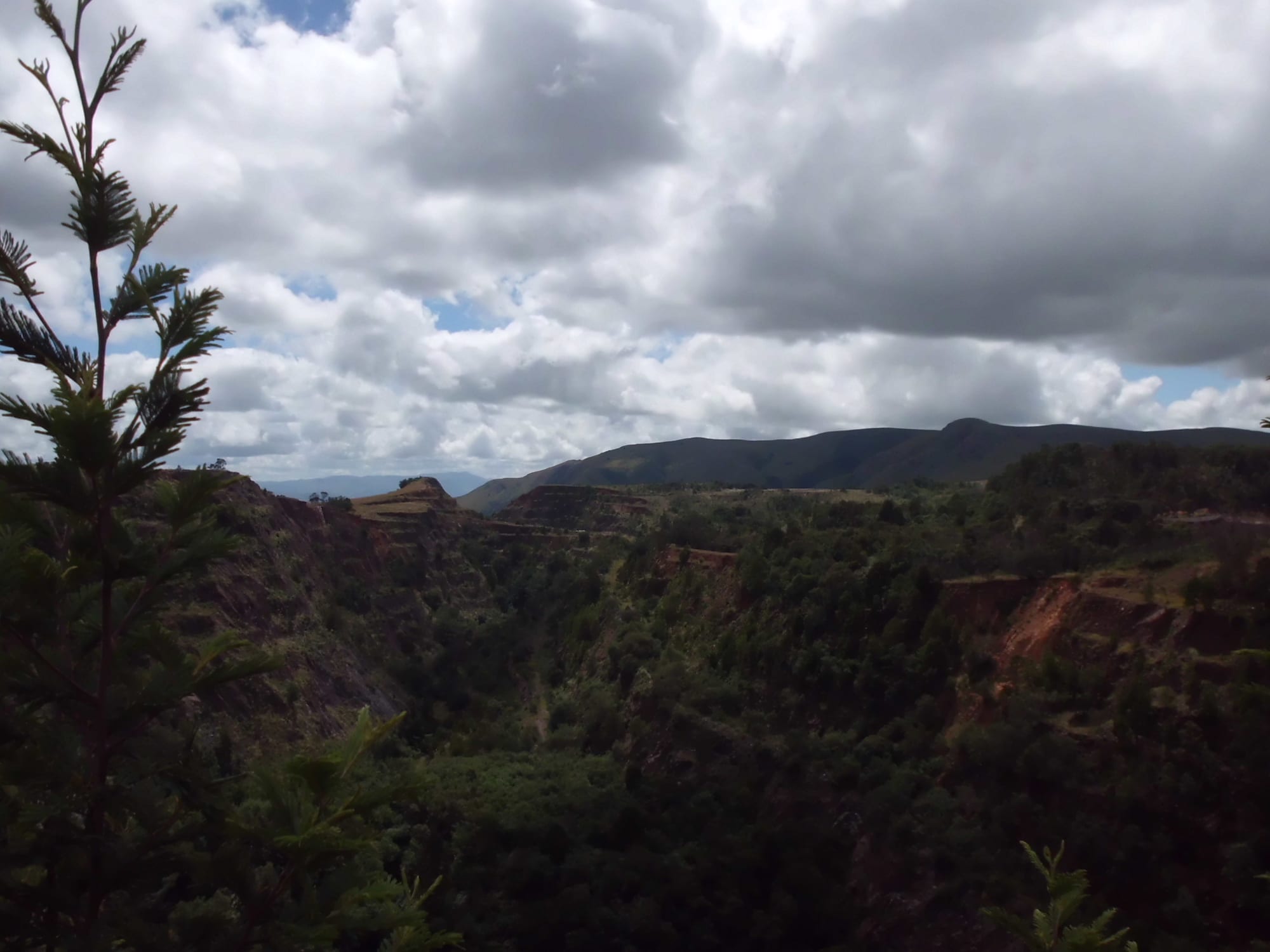
On the slopes of Ngwenya ("crocodile") mountain, on the border with South Africa, are workings where Stone Age people mined haematite and specularite — red ochre and a glittery mineral used as cosmetics and pigment — from at least 41,000 years ago, making it one of the oldest known mines in the world. A modern iron mine operated on the same hill in the 20th century.
The site is within Malolotja's western sector, with a small interpretation area and a walk to the ancient diggings.
7. The Ezulwini valley and Mantenga
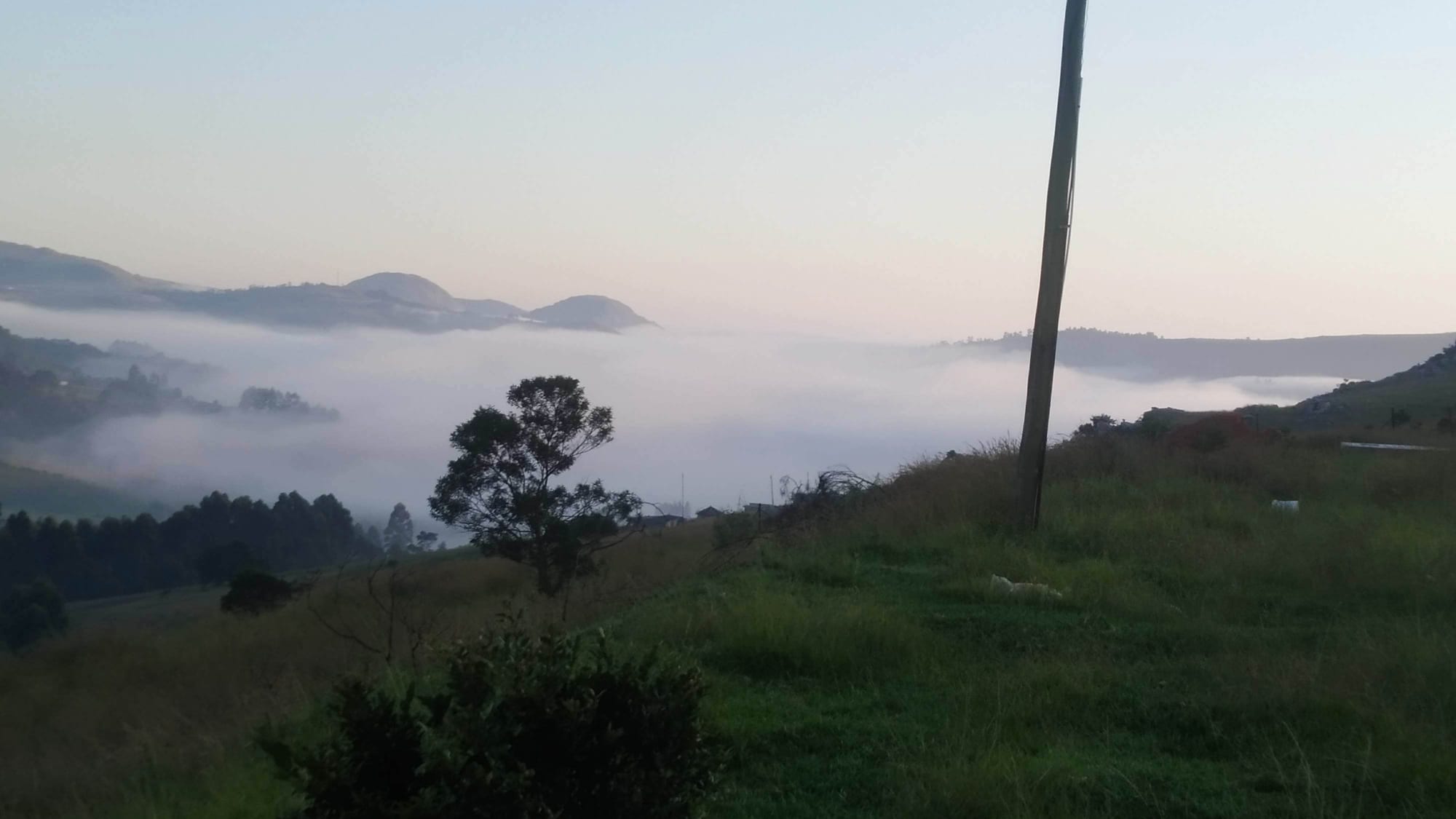
The Ezulwini "Valley of Heaven", running southeast from Mbabane toward Lobamba, is where most visitors base themselves — craft markets (Malandela's, Ezulwini, Manzini's huge Tuesday and Friday market), candle and glass workshops (Ngwenya Glass, Swazi Candles), hot springs, and the Mantenga Cultural Village, a recreated 1850s Swazi homestead with daily traditional dance shows, beside the Mantenga Falls in a small nature reserve.
Lobamba itself has the royal residences, the parliament, and the national museum.
8. The Umhlanga and Incwala ceremonies
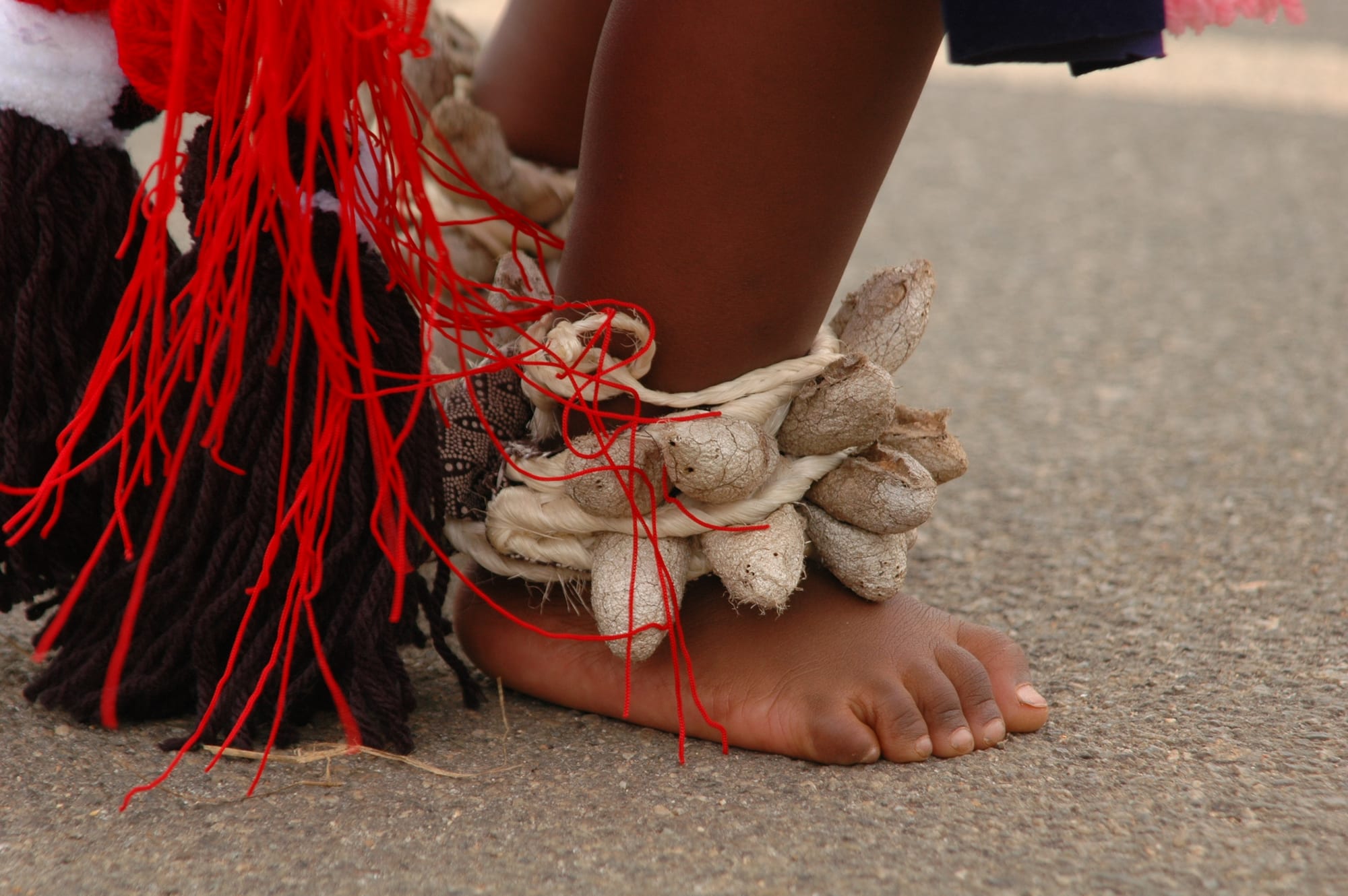
Eswatini keeps two of the largest traditional ceremonies in Africa. The Umhlanga, or Reed Dance, over several days in late August or early September, gathers tens of thousands of unmarried Swazi women and girls to cut reeds, carry them to the Queen Mother's residence at Ludzidzini, and dance before the royal family — a huge, colourful spectacle open to respectful visitors. The Incwala, the sacred kingship ritual around the December solstice, is more restricted and partly closed to outsiders.
Dates shift with the ceremonies; check ahead if you want to attend.
Eswatini is small enough to see in three or four days from an Ezulwini base, and it slots naturally into a route between South Africa's Kruger area and the Mozambican coast.