History · Eswatini
Eswatini: Africa's Last Absolute Monarchy
A small Nguni kingdom that survived the Zulu wars and the scramble for concessions, kept its throne through British rule, and threw out its own constitution after independence
By Worldlore Editorial · 19 September 2026
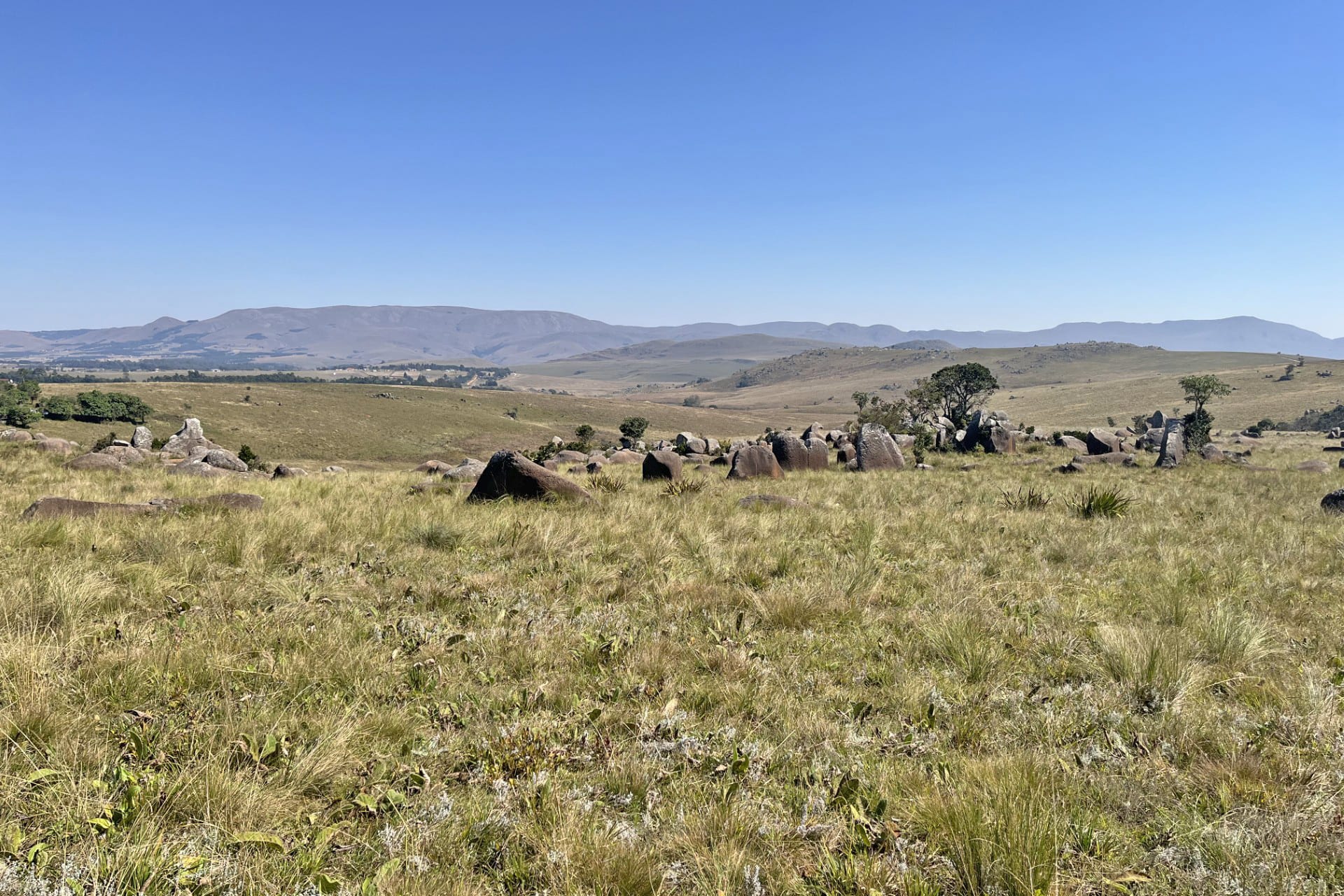
A kingdom that kept its king
Eswatini is one of the smallest countries in Africa — a landlocked square of hill country between South Africa and Mozambique — and one of the most unusual. It is the continent's last absolute monarchy, ruled jointly by a king, the iNgwenyama or "Lion", and a queen mother, the iNdlovukazi or "She-Elephant". It has had a functioning constitution for only a handful of years of its independent life, because in 1973 the king tore the first one up. And in 2018 it changed its name, from Swaziland to Eswatini — "land of the Swazi" — to shed a colonial label and stop being mistaken for Switzerland.
A short history
- late 1700s
The Dlamini migration
Ngwane III leads the ruling clan south into the region.
- c. 1815–1836
Sobhuza I
The Swazi state consolidates during the Zulu upheavals.
- 1840–1868
Mswati II
The kingdom reaches its greatest extent; the nation is later named for him.
- 1880s–1890s
The concessions
Swazi kings grant away land and mineral rights to Europeans.
- 1902–1968
British rule
Swaziland is governed as a High Commission Territory.
- 1921–1982
Sobhuza II
One of the longest reigns in recorded history.
- 1968
Independence
A constitutional monarchy with a Westminster parliament.
- 1973
The royal coup
The king repeals the constitution and bans parties.
- 1986
Mswati III
Crowned at 18; absolute rule continues.
The Dlamini state
The Swazi are a Nguni people. Their ruling Dlamini clan migrated south from near the Mozambique coast in the late 18th century and settled in the valleys of present-day Eswatini. Under Sobhuza I, in the turbulent decades of the Zulu mfecane, they built a centralised kingdom by absorbing Sotho and older Nguni communities. Mswati II, who reigned from 1840 to 1868 and after whom the modern nation is named, expanded it to its widest reach and organised the men into royal age-regiments — a system of service to the crown that still underpins Swazi political life.
The concessions and the British
From the 1880s Swazi kings granted a torrent of concessions — for land, grazing, minerals, trade, even the right to collect tolls — to British and Boer adventurers. By the 1890s these overlapping documents covered virtually the entire country. The Transvaal republic was handed administrative control in 1894; after the South African War, Britain took over, governing Swaziland from 1902 to 1968 as a High Commission Territory, deliberately kept separate from South Africa.
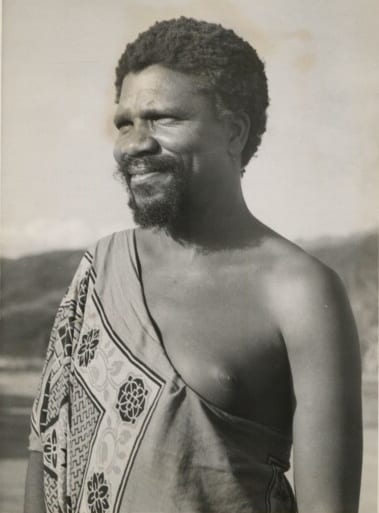
A 1907 partition gave roughly two-thirds of the land to white settlers and the crown, confining Swazi to reserves. Reversing that became the monarchy's defining project: Sobhuza II, who became king in 1921 and reigned for the rest of the century, led the legal campaign against the concessions and rebuilt the national land base with royal and communal funds.
Independence, and the royal coup
Swaziland became independent on 6 September 1968 as a constitutional monarchy with a British-style parliament. Sobhuza's royalist movement swept the elections — and then, in 1973, the king repealed the constitution, banned political parties, dissolved parliament and assumed absolute power, framing it as a return to Swazi tradition.
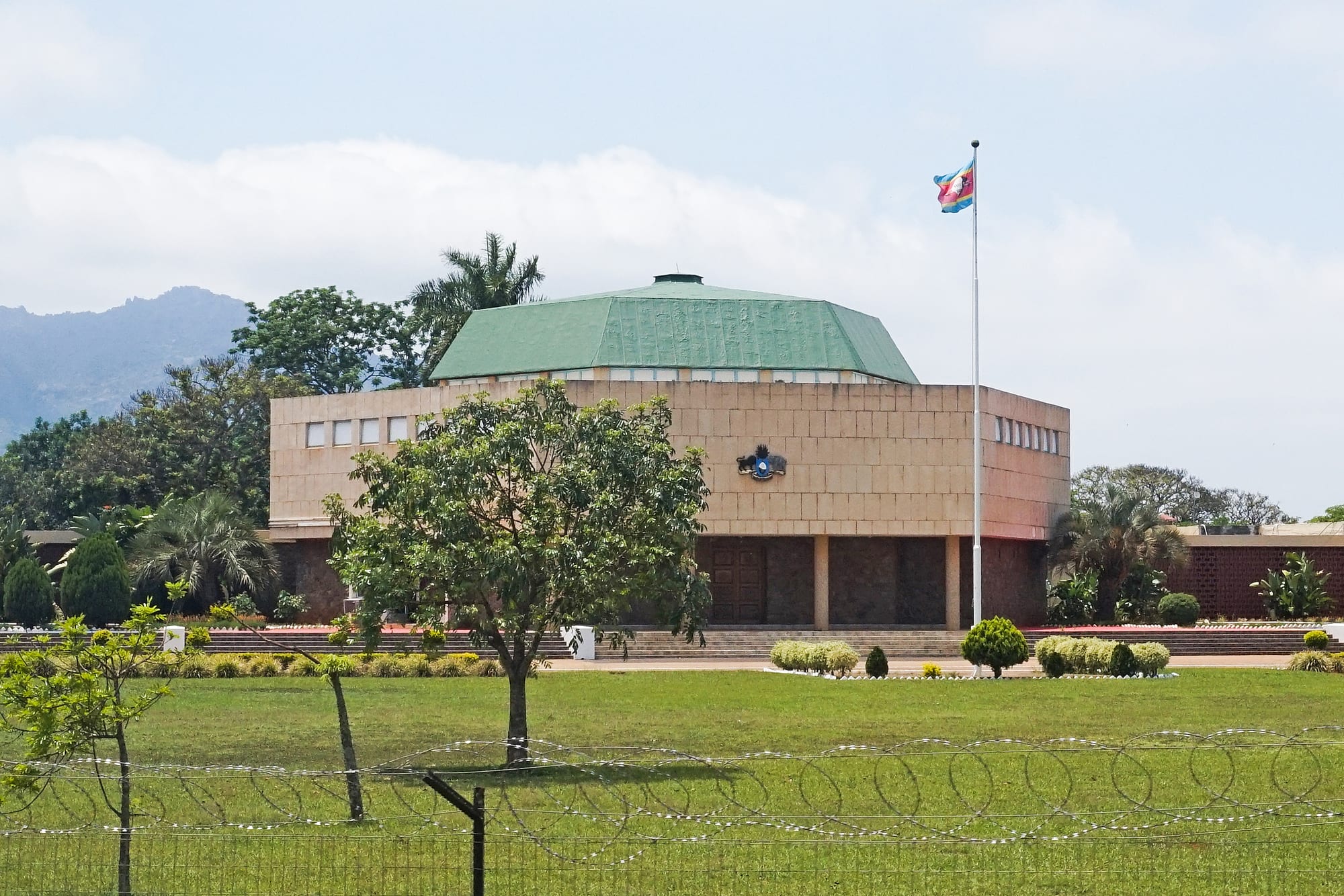
The system that replaced it, tinkhundla, channels local councils into a parliament with no party politics and limited powers. Real authority rests with the king and the royal establishment. Sobhuza's reign, counting his childhood regency, lasted about 82 years — among the longest verified of any monarch anywhere.
Mswati III
After Sobhuza's death in 1982 and a turbulent regency, his son was crowned as Mswati III in 1986, aged 18. He has continued to rule absolutely. A constitution adopted in 2005 restored some listed rights on paper but kept royal supremacy and the ban on parties.
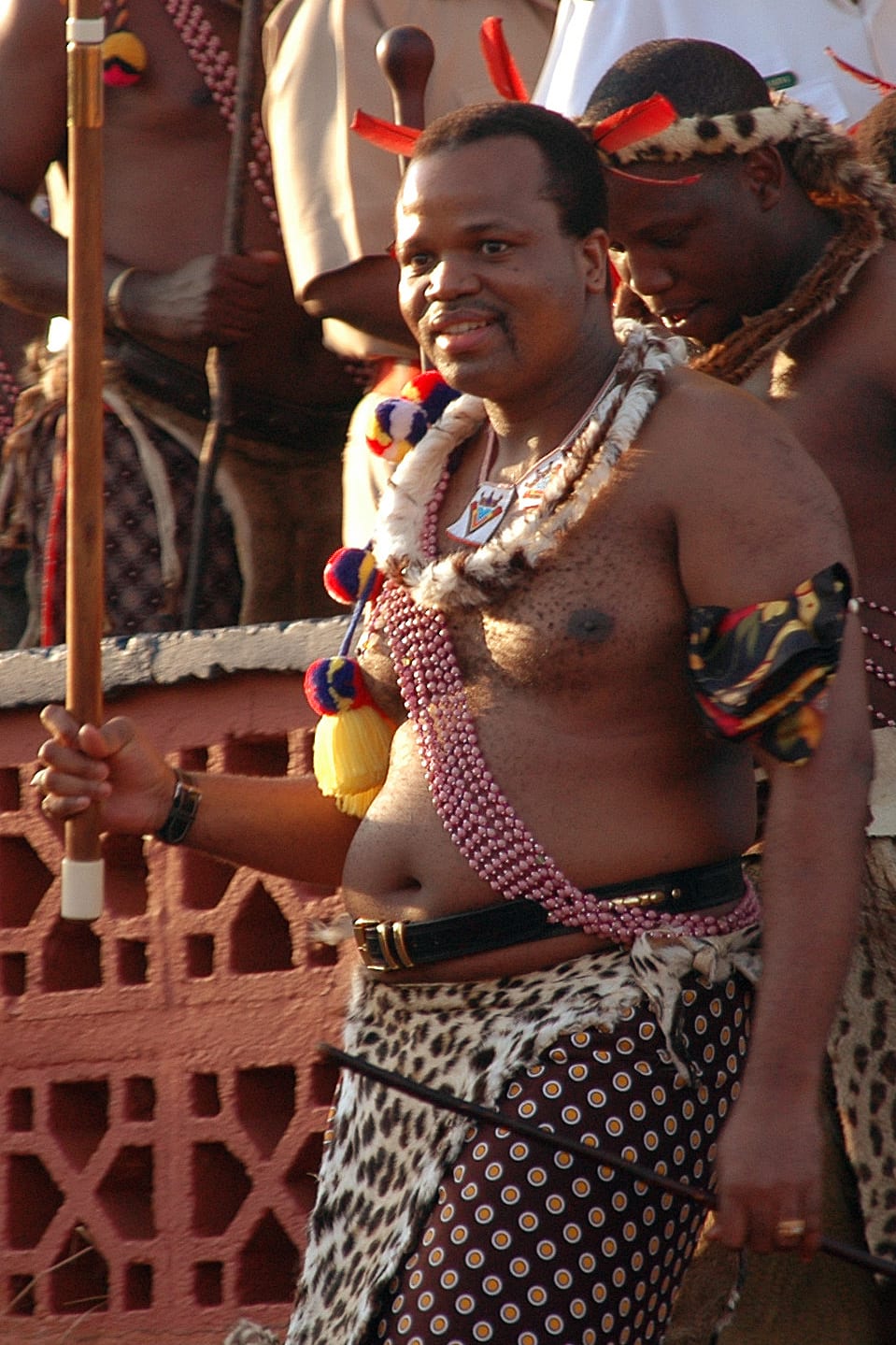
Eswatini's modern difficulties have been severe. It has one of the world's highest HIV prevalence rates, which cut life expectancy sharply in the 2000s. Its economy is closely tied to South Africa's, through a shared currency peg and customs union revenue. Pro-democracy protests have recurred for decades; the largest, in mid-2021, were met with live fire and dozens of deaths, and in 2023 the prominent human-rights lawyer and pro-democracy figure Thulani Maseko was assassinated at his home.
Eswatini now
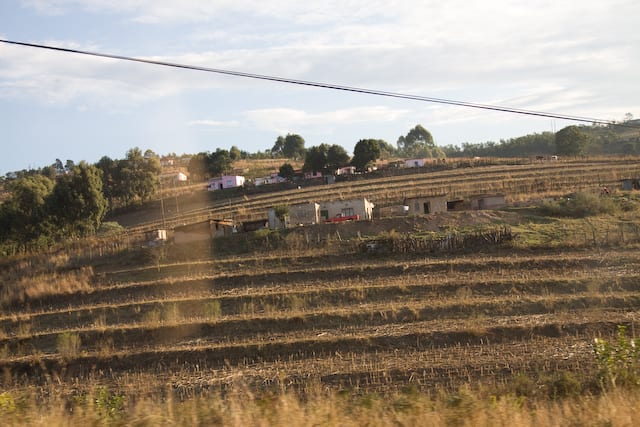
The kingdom remains what Sobhuza II remade it into in 1973: a state where custom and monarchy are fused, elections carry no parties, and the crown holds the land, the treasury's discretionary funds, and the last word.
What Eswatini carries
Eswatini's continuity is real — the same dynasty has ruled since the 18th century, through the Zulu wars, the concessions, and British administration, and it emerged from colonialism with its institutions and much of its land intact. That achievement is also the country's central tension: the monarchy that preserved the Swazi nation now stands between it and any share in power.