History · Eritrea
Eritrea: The Red Sea Coast That Became a Nation
Aksum's ancient port, Italy's first colony, an Art Deco capital, and a 30-year war of independence — followed by one of the world's most closed states
By Worldlore Editorial · 19 September 2026
A coast, a highland, and a name from the sea
Eritrea is a long curve of Red Sea coast backing onto a cool highland plateau. The name comes from the Latin for the Red Sea, Mare Erythraeum — a label pinned on the territory by Italy in 1890, when it drew a border around lands that had never before been a single country. What holds modern Eritrea together is not ancient unity but a shared modern experience: an Italian colony, a British occupation, a forced marriage to Ethiopia, and a 30-year war to get out of it.
A short history
- 1st century CE
Adulis
The Red Sea port serves the Kingdom of Aksum's trade.
- 4th century
Christianity
Arrives on the highlands via Aksum.
- 1557
Ottoman Massawa
The coast becomes an Ottoman, later Egyptian, province.
- 1890
Colonia Eritrea
Italy unites the territory as its first colony.
- 1941–1952
British rule
Italy loses East Africa; Eritrea's future goes to the UN.
- 1952
Federation
Eritrea is federated with Ethiopia, keeping its own parliament.
- 1962
Annexation
Ethiopia dissolves the federation and absorbs Eritrea.
- 1961–1991
The war
Three decades of armed struggle end with the EPLF in Asmara.
- 1993
Independence
A referendum votes 99.8% for a separate Eritrea.
Adulis and the highland
In antiquity the port of Adulis, near modern Massawa, was the sea gate of the Kingdom of Aksum, shipping ivory and gold to the Roman and Indian Ocean worlds and named in the 1st-century Greek mariner's guide, the Periplus of the Erythraean Sea. Christianity reached the highlands through Aksum in the 4th century, and the Tigrinya-speaking plateau — Orthodox Christian, agricultural — was long tied to Abyssinian kingdoms as a frontier march. The coast and western lowlands, home to Afar, Saho, Beja, Tigre and other peoples, took Islam from Arab traders across the water. That split — Christian highland, Muslim lowland — runs through Eritrea's whole story.
The Ottomans took Massawa in 1557 and held the coast, later handing it to Egypt in the 19th century, while Ethiopian emperors and local chiefs contested the interior.
Italy's first colony
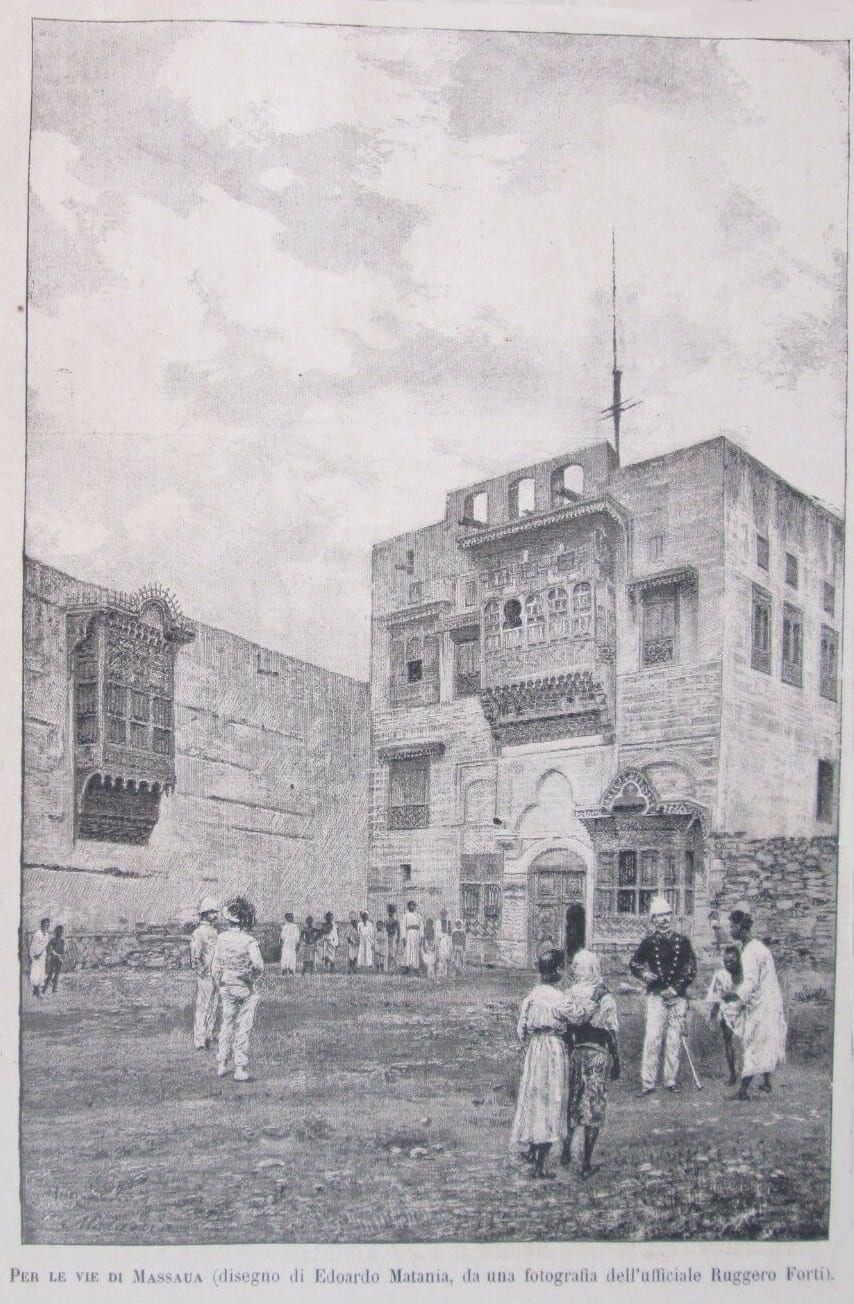
An Italian shipping company bought the southern port of Assab in 1869; Italy occupied Massawa in 1885 as Egypt withdrew, and pushed inland. On 1 January 1890 it proclaimed the Colony of Eritrea — Italy's first — with Asmara soon made the capital. Eritrea became the launch pad for Italy's assaults on Ethiopia: the humiliating defeat at Adwa in 1896, and the conquest of 1935–36.
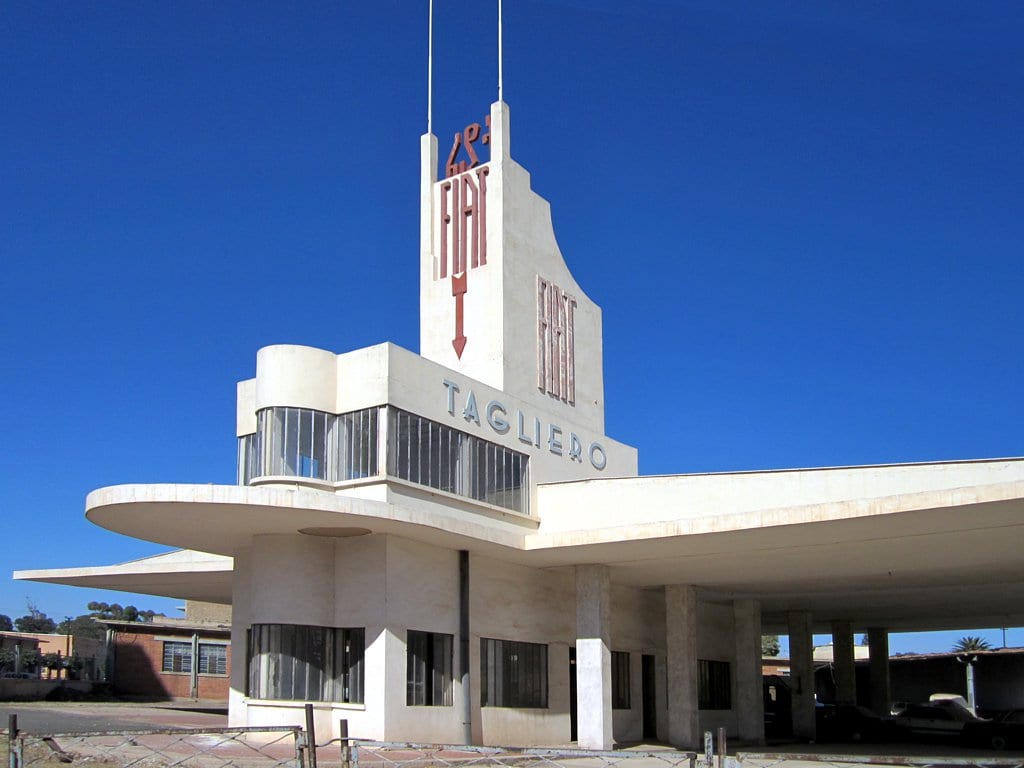
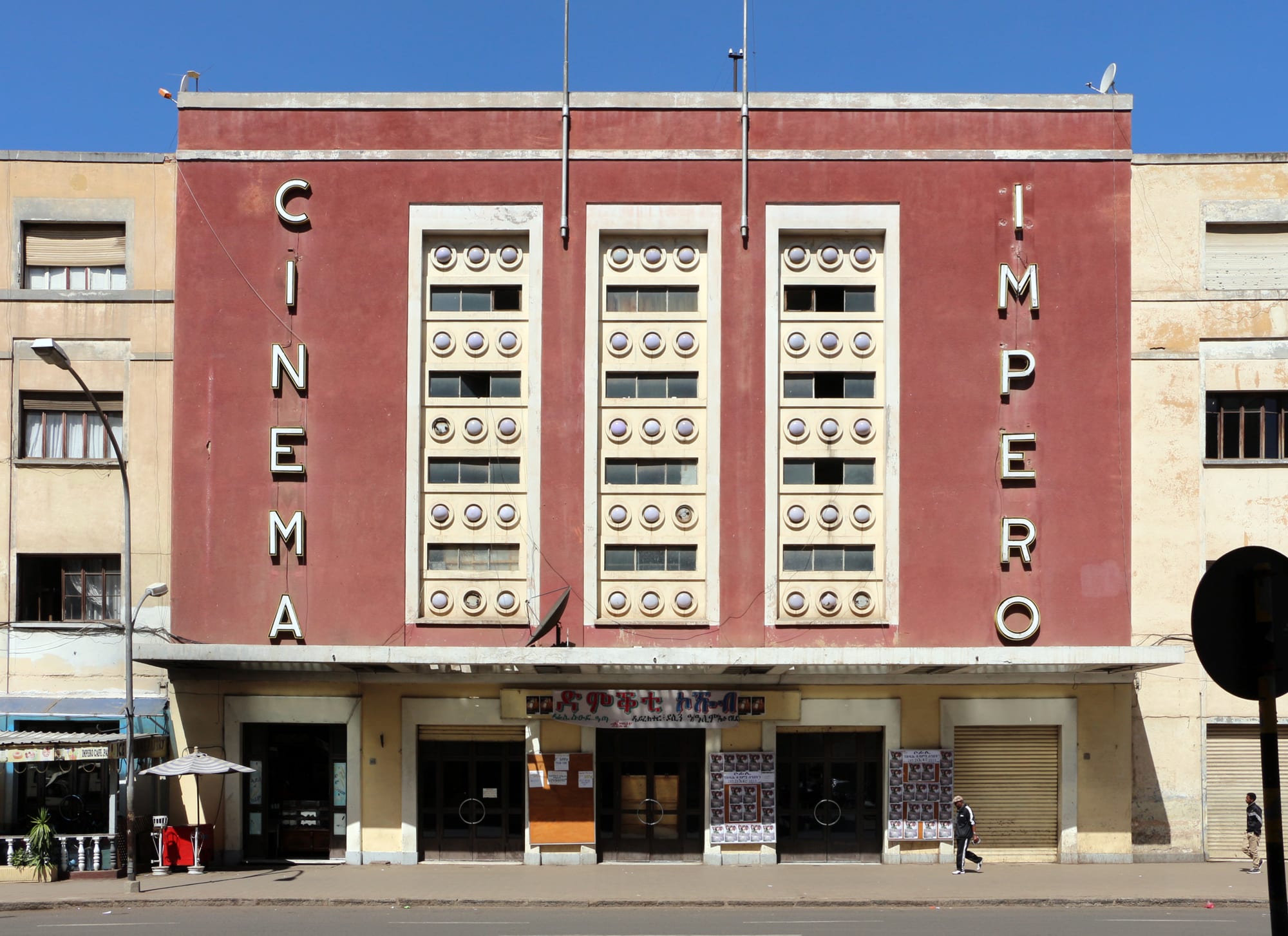
Colonial rule built a narrow-gauge railway from the coast up to the plateau, plus plantations, factories and racial segregation laws. And in the 1930s, under Fascism, Asmara filled with Rationalist, Futurist and Art Deco buildings — cinemas, garages, cafés, a service station shaped like a plane — earning it the name "Piccola Roma" and, later, a place on the World Heritage list as an almost intact modernist city.
Federation, then annexation
Britain drove the Italians out of East Africa in 1941 and administered Eritrea for a decade as occupied territory, stripping out some industry and leaving the territory's fate to the United Nations. In 1950 the UN chose a compromise: Eritrea would be federated with Ethiopia from 1952, keeping its own parliament, flag and languages under the Ethiopian crown.
Emperor Haile Selassie hollowed the arrangement out — banning parties, replacing Tigrinya and Arabic with Amharic, muzzling the press — and in 1962 the Eritrean assembly was pressured into dissolving itself. Ethiopia annexed Eritrea as a province. Armed resistance had already begun the year before.
The 30-year war
The independence war ran from 1961 to 1991. It was led first by the Eritrean Liberation Front, rooted in the Muslim lowlands, and then increasingly by the Marxist, multi-confessional Eritrean People's Liberation Front, which defeated its rival in an internal war in the early 1980s.
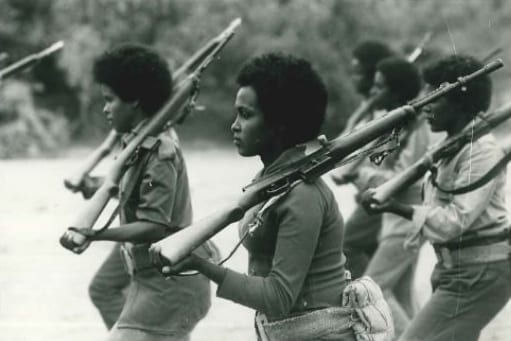
The EPLF built what amounted to a hidden state in the northern mountains, with underground hospitals and schools at Nakfa. Ethiopia's Derg regime, armed heavily by the Soviet Union after 1977, pushed the guerrillas back to that redoubt, where they held for a decade. Allied with Ethiopian rebels, the EPLF broke out in the late 1980s, took Massawa in 1990, and marched into Asmara in May 1991 as the Derg fell. A UN-supervised referendum in April 1993 returned 99.8 per cent for independence, and Eritrea became a sovereign state on 24 May 1993.
The closed state
The EPLF became the sole legal party, and its leader, Isaias Afwerki, became president — a post he still holds. No national election has ever been held. A constitution drafted in 1997 was never implemented. The private press was shut down entirely in 2001, and open-ended compulsory national service, which rights groups liken to forced labour, has driven one of the world's largest per-capita refugee outflows; for years Eritreans were among the most numerous nationalities crossing the Mediterranean.
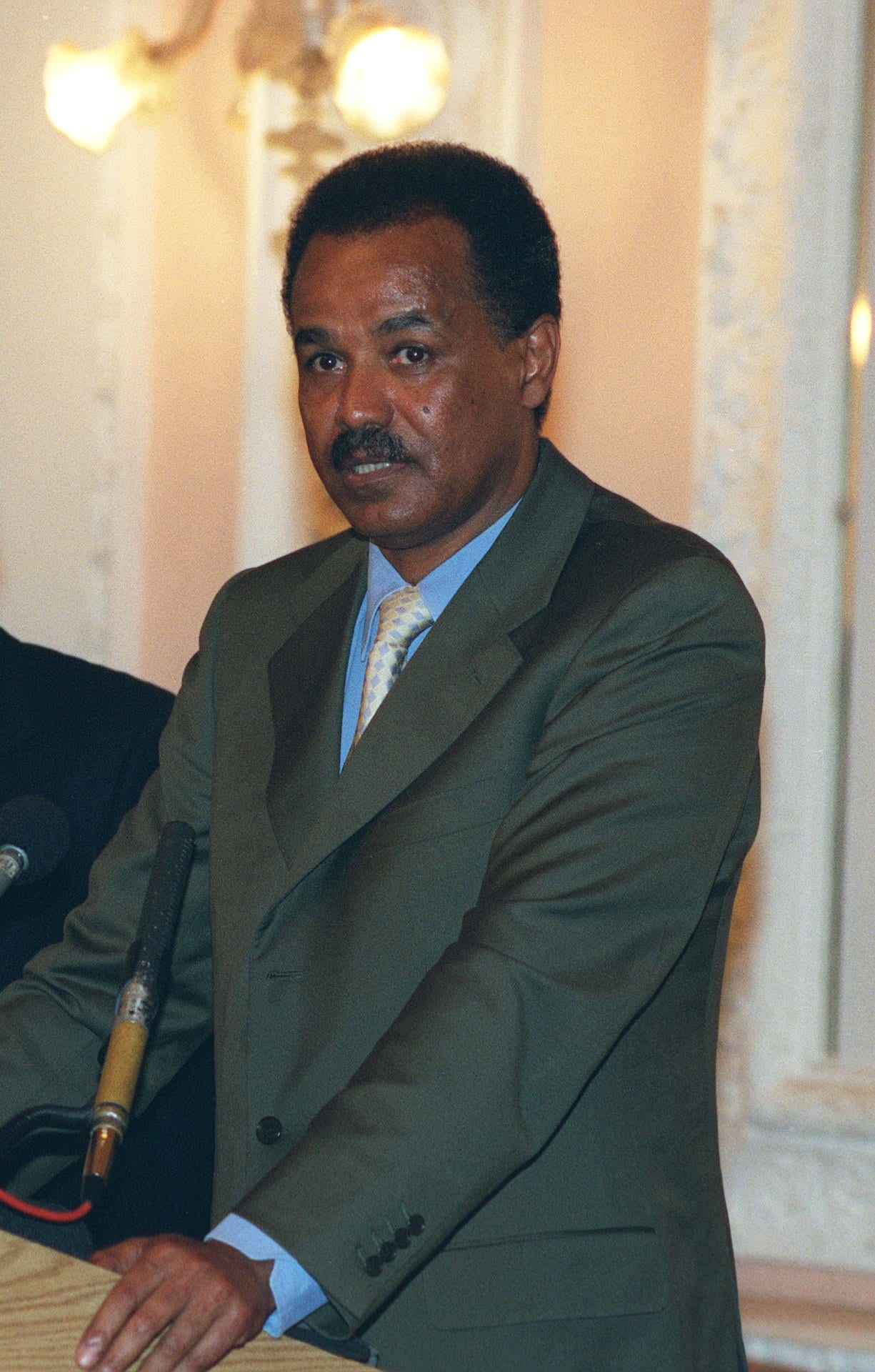
A border war with Ethiopia from 1998 to 2000, fought over the village of Badme, killed around 100,000 people. An international boundary ruling favoured Eritrea, but Ethiopia refused to withdraw, and the resulting "no war, no peace" stalemate gave Isaias a standing reason for permanent mobilisation. Ethiopia's new prime minister accepted the ruling in 2018 and the two governments signed peace — then, from 2020, Eritrean troops entered Ethiopia's Tigray region alongside federal forces and were accused of massacres and mass looting.
What Eritrea carries
Eritrea is a country defined by the fight to become one. Thirty years of war forged an extraordinary organisation and a real national identity — and also a militarised single-party state that has governed since 1991 as if the war never ended. The Art Deco capital, the ancient port, the Red Sea beaches sit inside one of the hardest countries in the world to enter or to leave.