Food · Eritrea
Eritrea: Food and the National Dish
A spongy fermented flatbread shared closely with Ethiopia, and an Italian colonial layer that shows up as pasta on the same table
By Worldlore Editorial · 16 September 2026
A Horn of Africa cuisine with an Italian layer
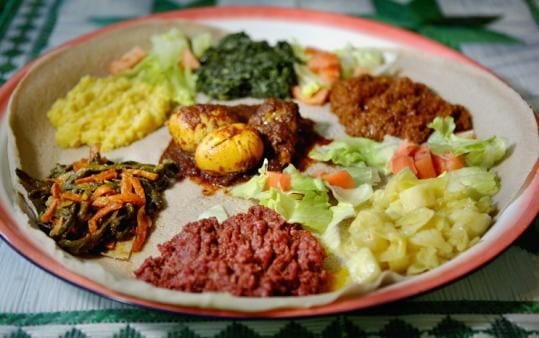
Eritrean food shares its foundation closely with Ethiopia's, a legacy of a shared history before Eritrea's 1993 independence: injera, a large, spongy, slightly sour flatbread fermented from teff flour, serves as both plate and utensil, topped with an array of spiced stews. What sets Eritrea apart is a genuine Italian colonial layer — Eritrea was an Italian colony for decades, and Asmara, the capital, is still known for its Italian colonial architecture and a café culture that would feel at home in Rome.
Injera and tsebhi
Tsebhi (also spelled zigni), a rich, spicy stew usually built on beef or lamb, tomato and berbere spice blend, is the classic topping for injera and the dish most closely associated with Eritrean identity, much as it is in Ethiopia. Shiro, a stew made from ground chickpea or broad bean flour, is the common vegetarian and fasting-day alternative, served the same way.
Where Italy meets the Horn of Africa
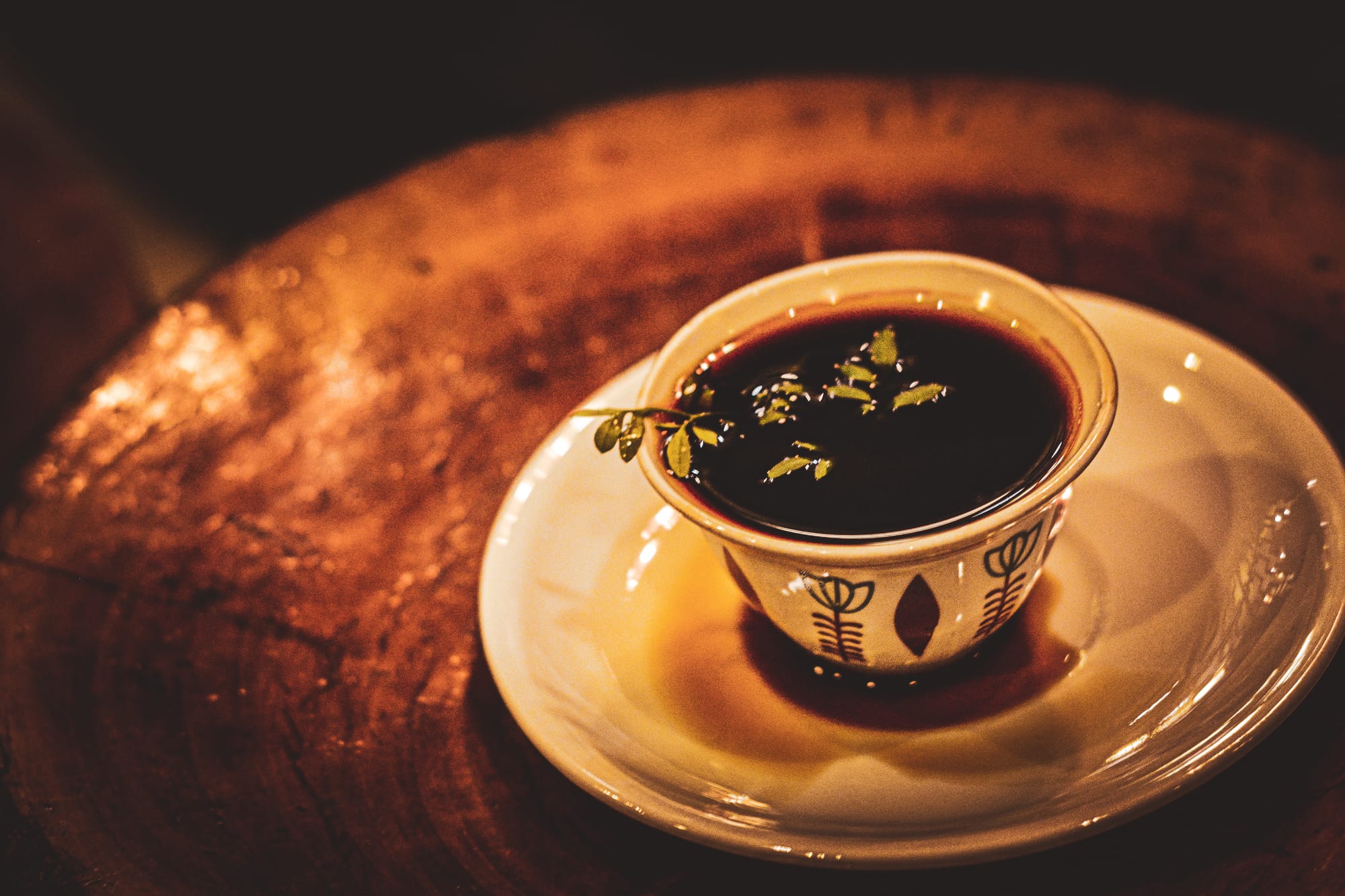
Pasta genuinely holds a place on the Eritrean table that it doesn't in neighbouring Ethiopia — dishes like pasta al sugo are ordinary weeknight food in Asmara, sitting comfortably alongside injera rather than replacing it, a direct legacy of Italian colonial rule. Coffee culture reflects the same mix: the elaborate coffee ceremony (buna), shared with Ethiopia and involving roasting green beans over charcoal in front of guests, coexists with an Italian-style espresso and cappuccino scene in Asmara's cafés.
Eating as a traveller
Vegetarians and fasting-day eaters are well served, since shiro and a range of vegetable stews are standard and widely available, reflecting the Eritrean Orthodox Church's regular fasting periods when meat and dairy are avoided. Tap water is not safe to drink; stick to bottled or boiled water. Asmara's café scene, a genuine echo of its Italian colonial past, is worth building time into a visit around.
What to take from the table
A plate of injera with tsebhi is the dish that connects Eritrea to its Horn of Africa neighbours, and a plate of pasta afterward, or an espresso in an Asmara café, is what makes Eritrean food unmistakably its own.