Attractions & Natural Wonders · Eritrea
Eritrea: Seven Attractions and Natural Wonders
A modernist Italian city frozen in the 1930s, a coral-stone port on the Red Sea, a graveyard of tanks, and an archipelago of reef islands almost no one dives
By Worldlore Editorial · 9 September 2026
A country that keeps to itself
Eritrea is a small Red Sea country that won independence from Ethiopia in 1993 after a 30-year war, and it has been one of the most closed and tightly controlled states in the world ever since — indefinite national military service, almost no free press, and, until a 2018 peace deal with Ethiopia, near-total isolation. Travel is possible but bureaucratic: foreigners need permits to leave the capital, some areas are off-limits, and photography of official sites, bridges, and military anything is forbidden. Check the current situation carefully.
The seven below are what there is to see, concentrated in the capital and along the coast. The highlands are temperate; the coast is extremely hot.
1. Modernist Asmara
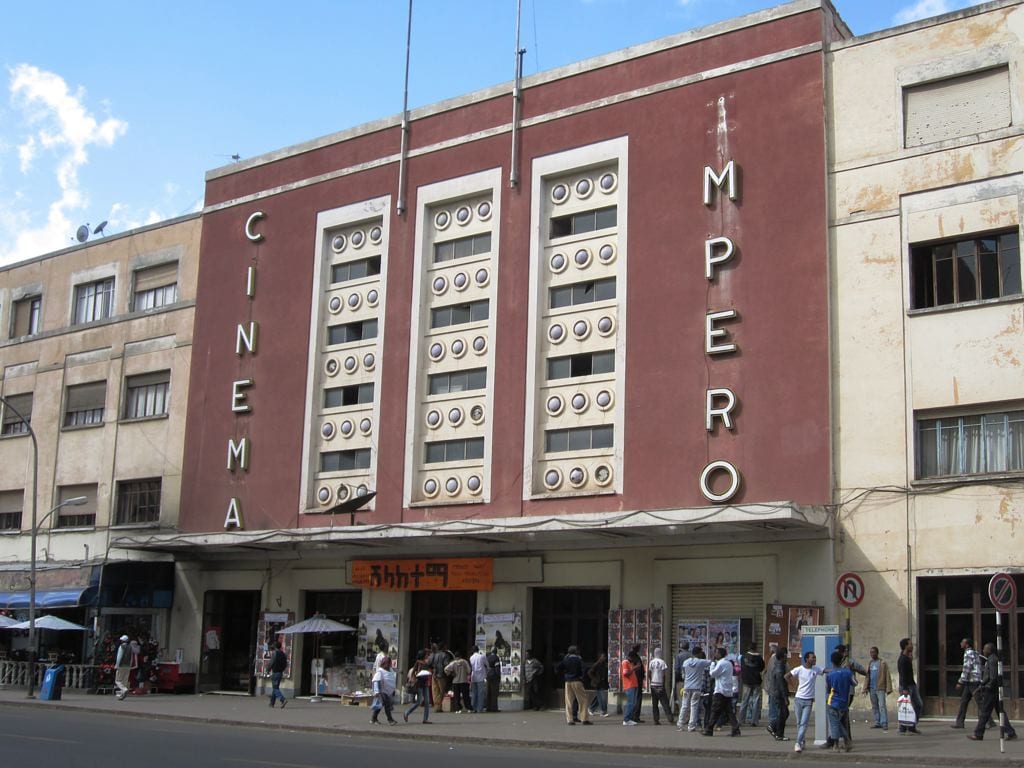
Asmara, at 2,300 metres in the highlands, was rebuilt in the 1930s as the showcase capital of Italy's east African empire, and Mussolini's architects filled it with Rationalist, Futurist, and Art Deco buildings — cinemas, garages, cafés, apartment blocks, a bowling alley. Because the country was too poor and too isolated to redevelop, it survives almost complete, and in 2017 the whole city centre became a UNESCO World Heritage Site: "a modernist African city".
You explore it on foot — the Cinema Impero, the Fiat Tagliero, the Bar Zilli, the Africa Pension — in a walkable, café-lined, jacaranda-shaded grid.
2. The Fiat Tagliero building
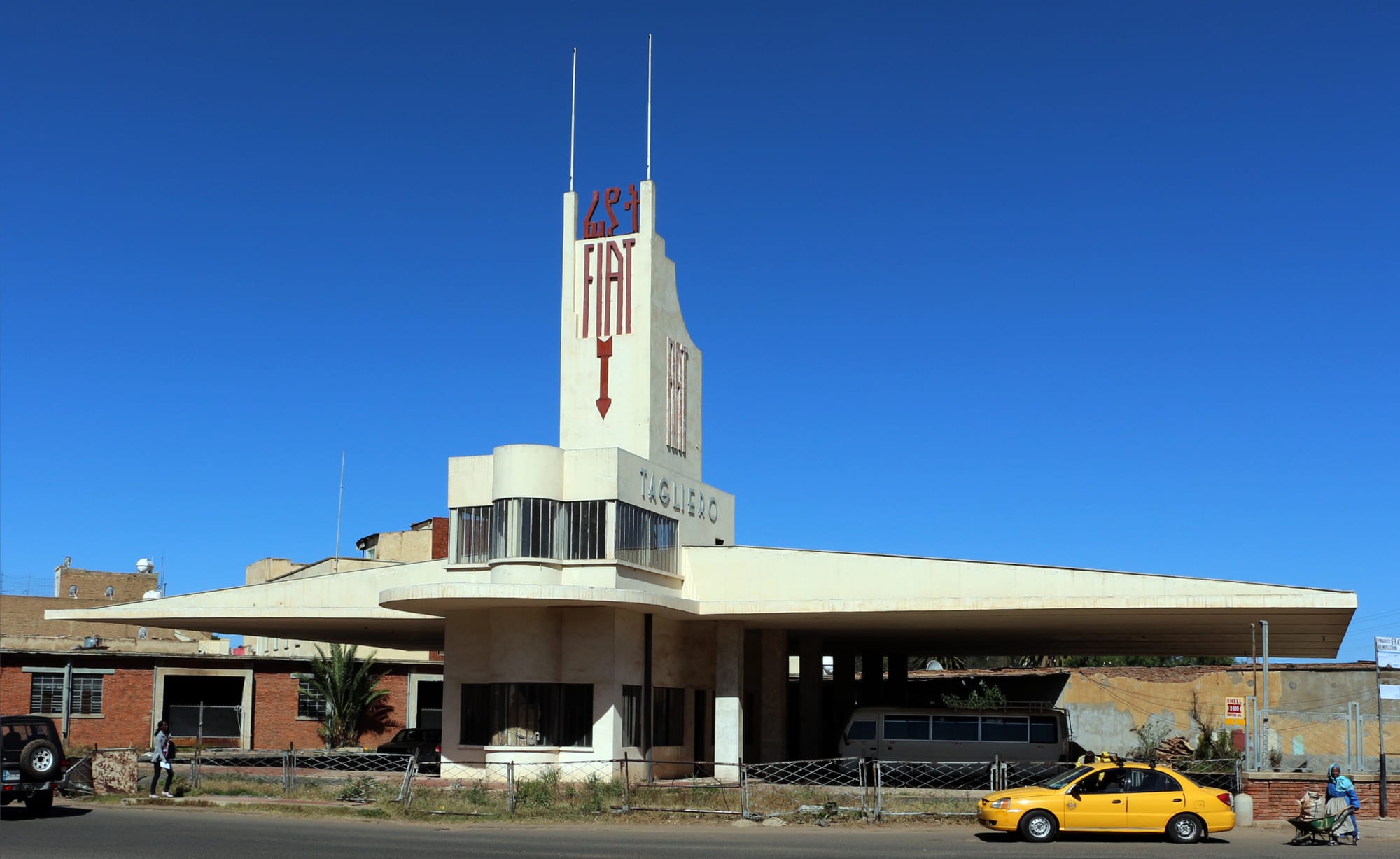
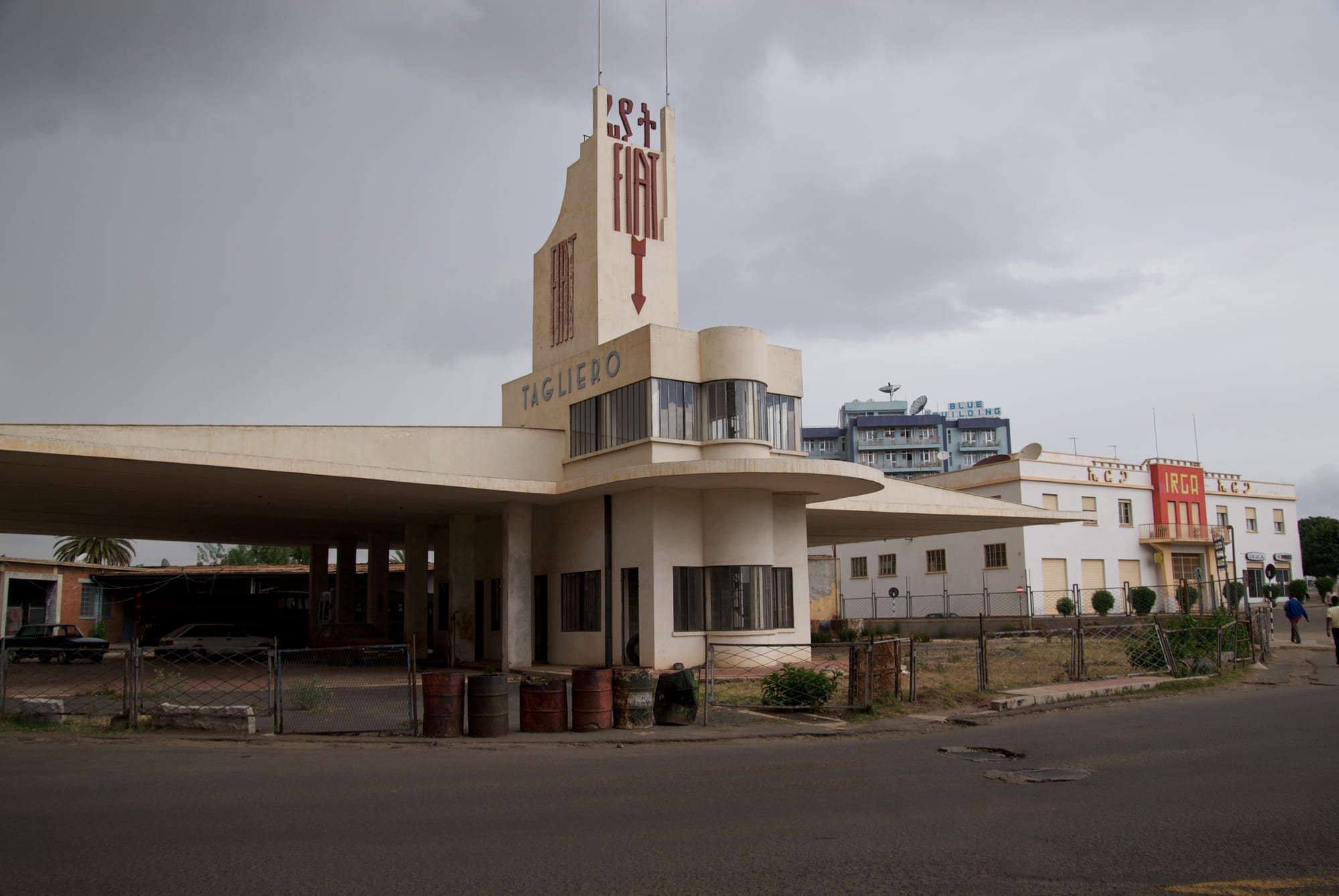
The most famous single building in Asmara is a former petrol station from 1938, designed by the engineer Giuseppe Pettazzi in the shape of an aeroplane — a central tower for a fuselage and two 15-metre reinforced-concrete wings with no props under them. The authorities, disbelieving the wings would stand, are said to have insisted on supporting pillars; Pettazzi had them removed at gunpoint once the concrete had cured.
It still stands, unsupported, and is the image of the city.
3. Asmara's cathedrals and markets
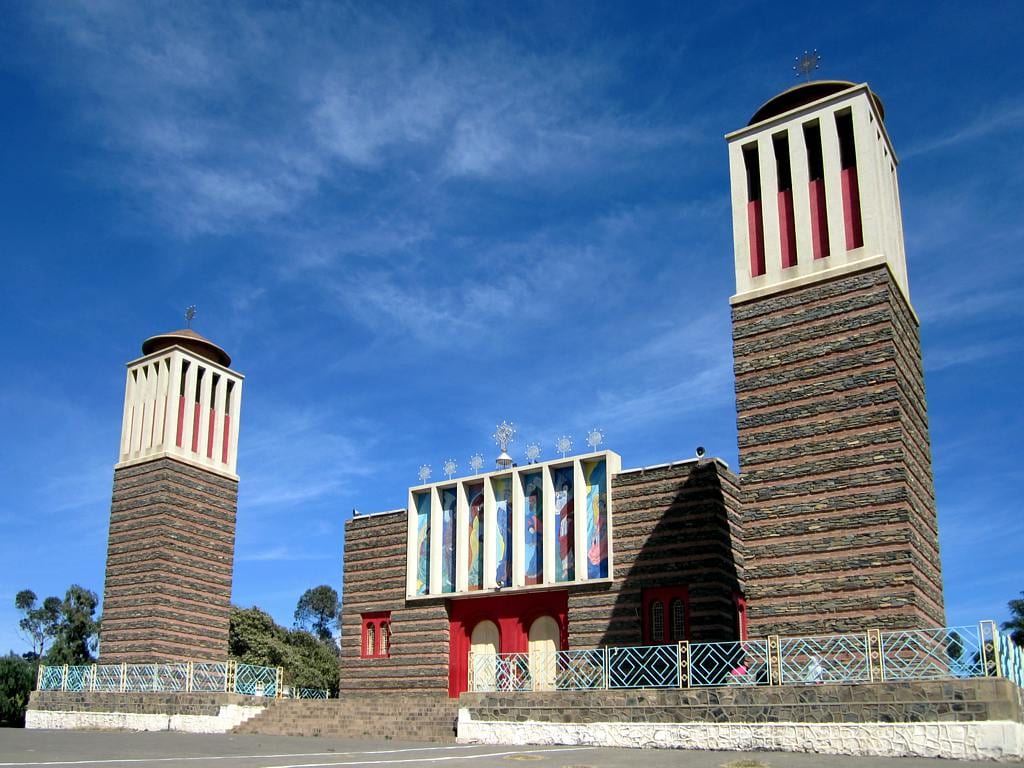
Within a few blocks of Asmara's centre stand the Roman Catholic cathedral of Our Lady of the Rosary (1923, Lombard-Romanesque), the Enda Mariam Orthodox Cathedral (1938, a bold fusion of styles), and the Al Khulafa Al Rashiudin mosque — a deliberate trio reflecting the city's mixed faith. The large covered Medebar market, where blacksmiths turn scrap metal into stoves and tools, and the adjacent recycling quarter, are the liveliest corners of the city.
4. The Tank Graveyard
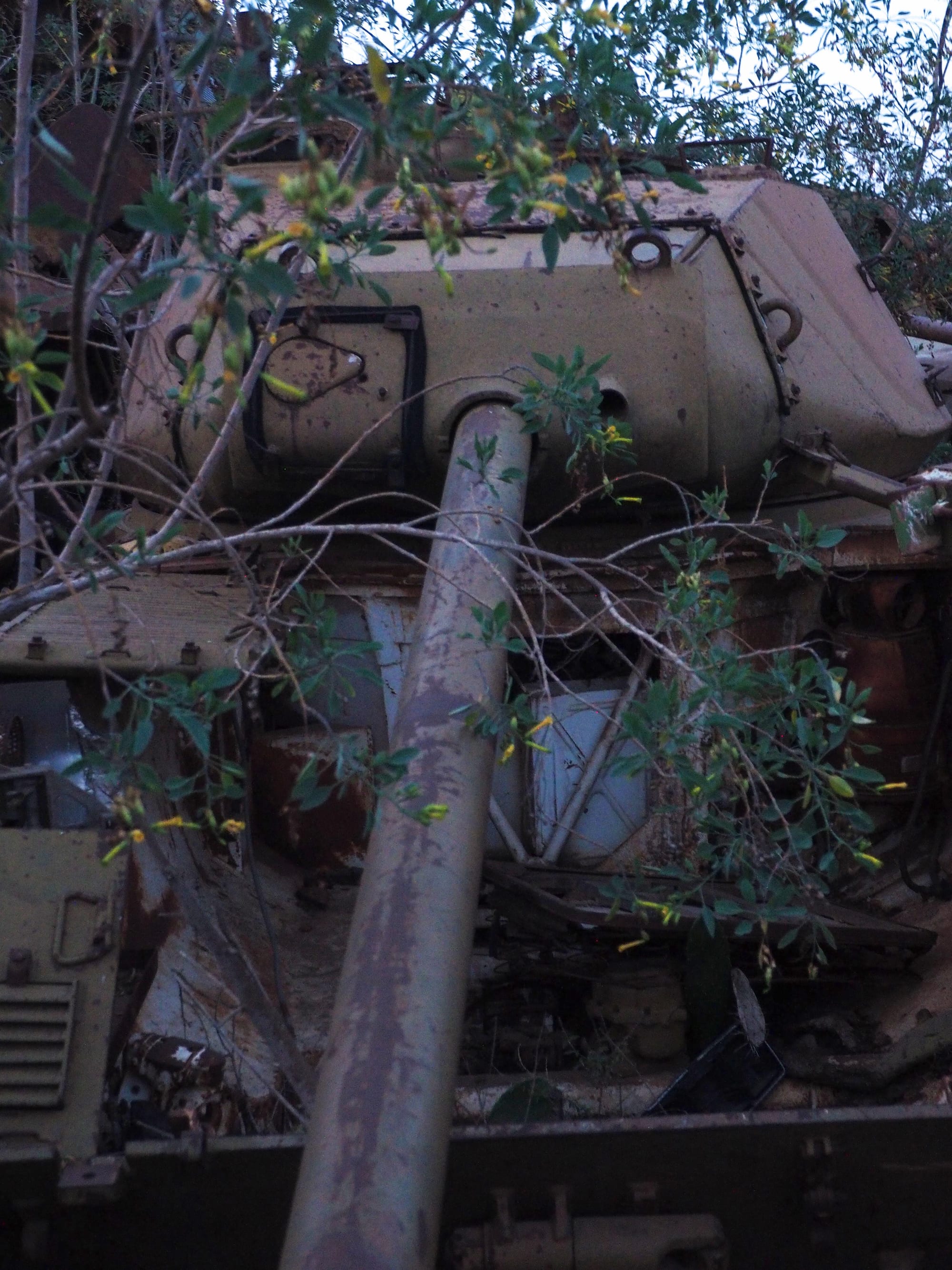
On the outskirts of Asmara, a vast open lot holds the rusting remains of the war that ended in 1991 — hundreds of Soviet-supplied Ethiopian tanks, armoured cars, trucks, and aircraft, stacked in rows. Much of the metal has been recycled over the years; what is left is a stark, quiet monument.
It is one of the few places in the country where photography is generally tolerated, but ask your guide.
5. Massawa and the Dahlak Islands
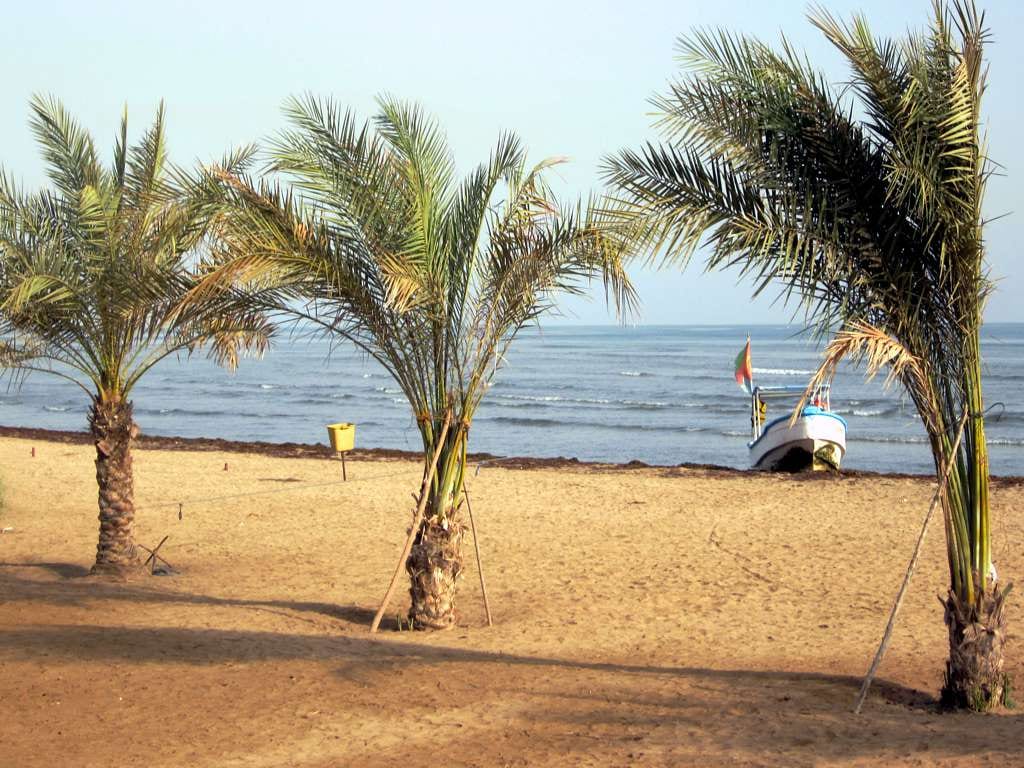
Massawa, Eritrea's main port, was for centuries an Ottoman and Egyptian trading town, and its old islands are built of coral stone in an Arab-Turkish style — much of it damaged in the war and by neglect, but atmospheric. Off the coast lie the Dahlak Islands, a low-lying archipelago of more than 200 islands with pristine reefs, dugongs, turtles, and shipwrecks, and only a handful of fishing settlements. It is one of the least-explored dive regions in the world.
Access is by permit and by charter boat from Massawa; there is very little organised tourism.
6. The Qohaito plateau
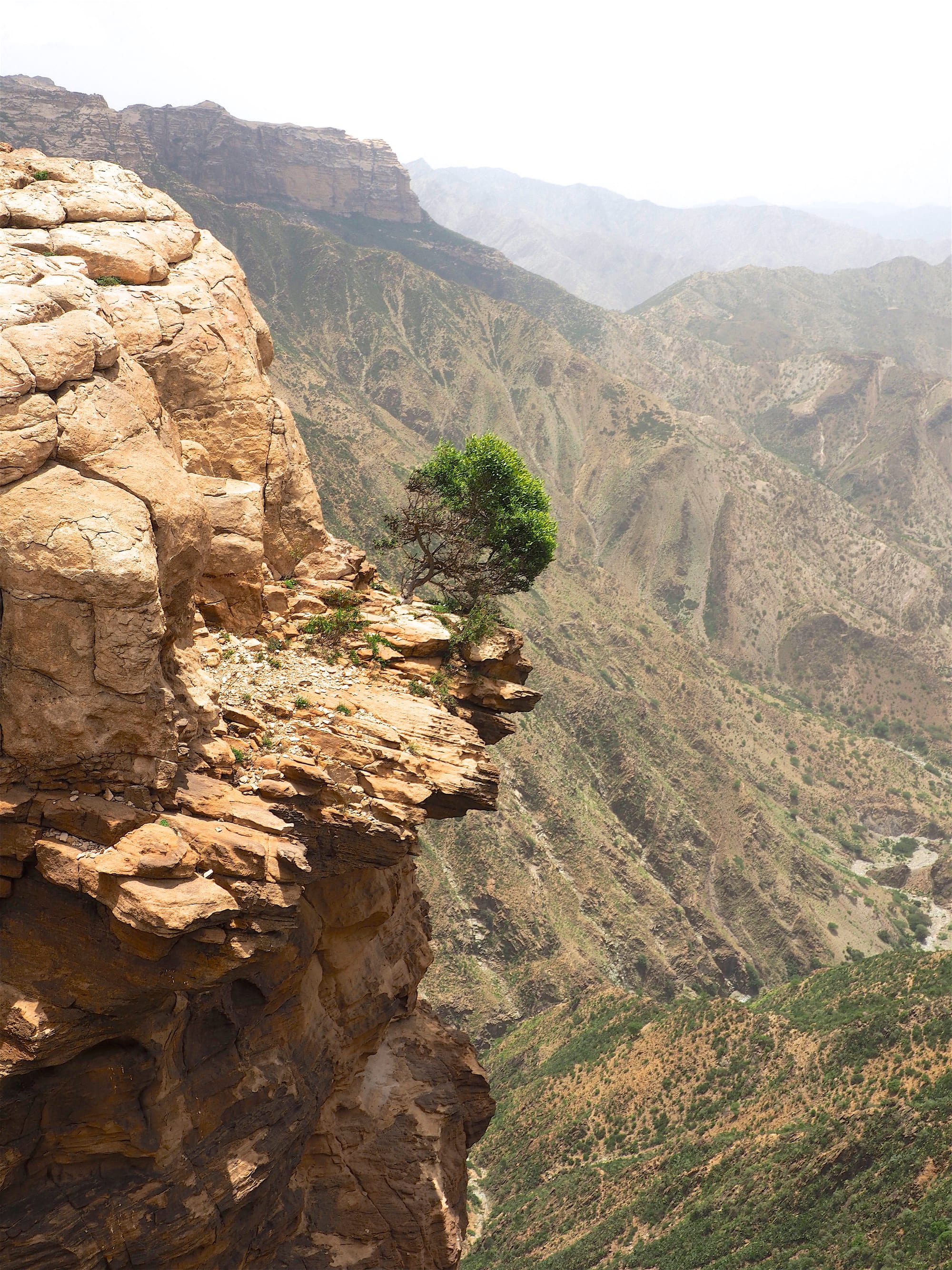
South of Asmara, near the town of Adi Keyh, the Qohaito plateau holds the ruins of an ancient city on the trade route between the Aksumite kingdom and the Red Sea port of Adulis — standing columns, a dam, and rock art in nearby shelters — perched above a dramatic canyon that drops toward the coastal lowlands.
The coastal site of Adulis itself, a major port two thousand years ago, is being excavated near Massawa. Both need permits.
7. Keren
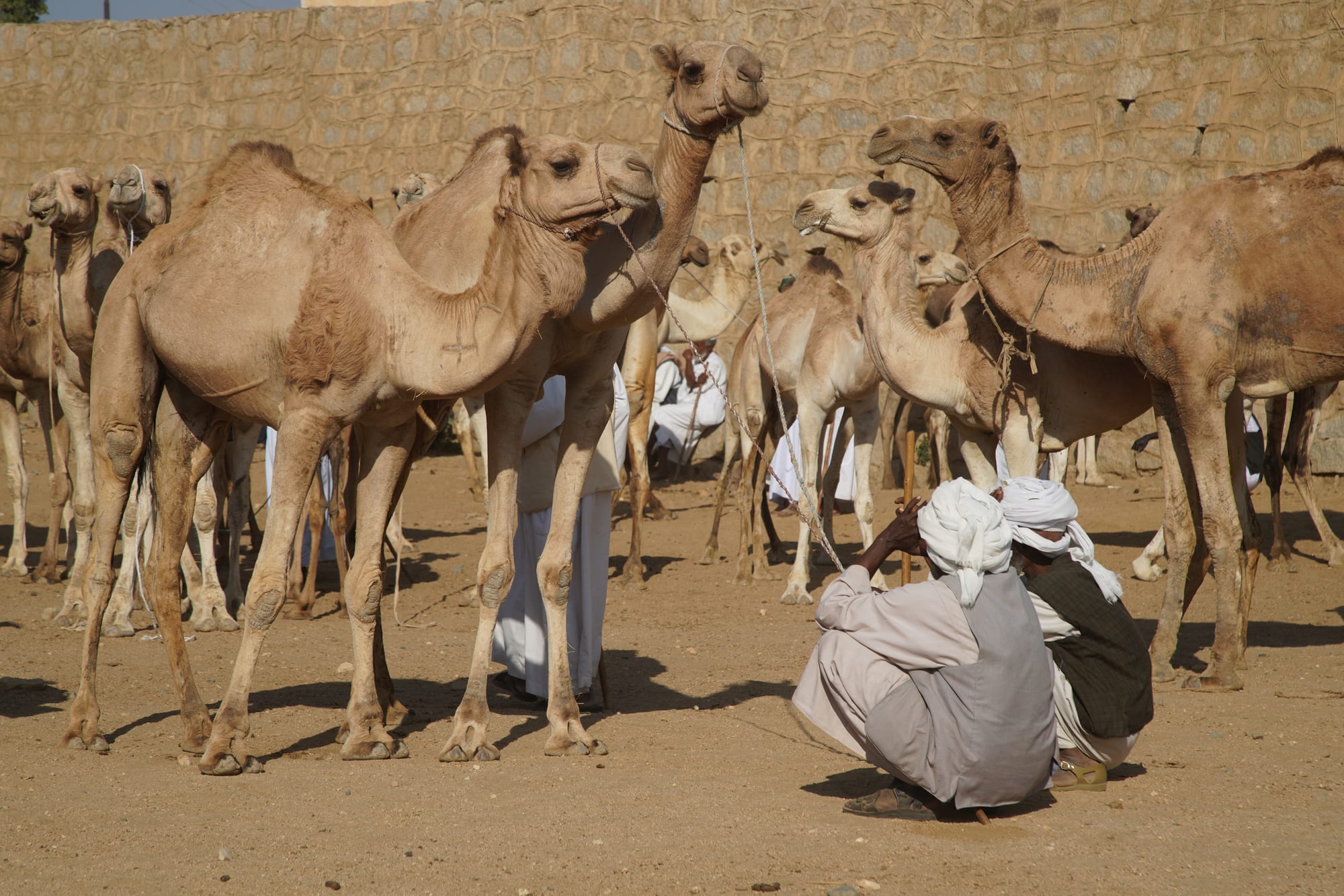
Keren, northwest of Asmara in a bowl of hills, is a mixed Muslim-Christian highland town with an Italian-era railway station, a British and Italian war cemetery from fierce 1941 battles, the shrine of a saint in a hollow baobab tree (Mariam Dearit), and — on Mondays — one of the biggest livestock and general markets in the region, drawing Bilen, Tigre, and Tigrinya traders from across the highlands.
The old narrow-gauge railway from Asmara to Keren and Massawa is partly restored and occasionally runs for charters.
Eritrea is a slow, permit-heavy trip for travellers who want somewhere genuinely untouristed. Asmara alone rewards a couple of days; the coast and the highland sites need time, patience, and the right paperwork.