Food · El Salvador
El Salvador: Food and the National Dish
A stuffed corn tortilla taken seriously enough to have its own official national day, a pickled cabbage slaw that never leaves its side, and a horchata that isn't made from rice
By Worldlore Editorial · 16 September 2026
A corn-based cuisine with Pipil roots
El Salvador's food carries a strong Mesoamerican inheritance from the Pipil people, built on corn, beans and squash, layered with Spanish colonial influence. Corn does more work here than in most of Central America — not just as a side but as the wrapper, the base and often the whole point of a dish.
The national dish: pupusas
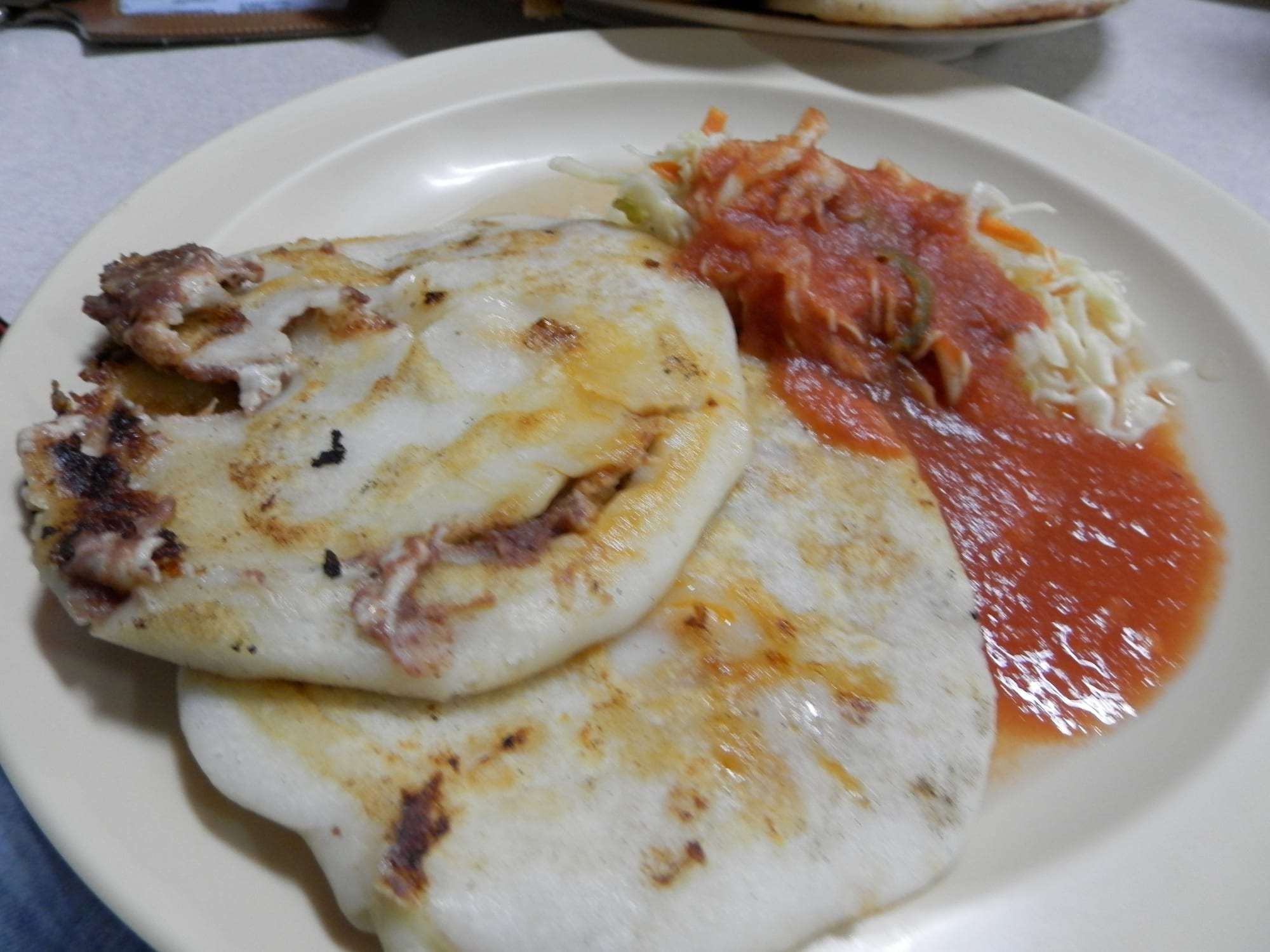
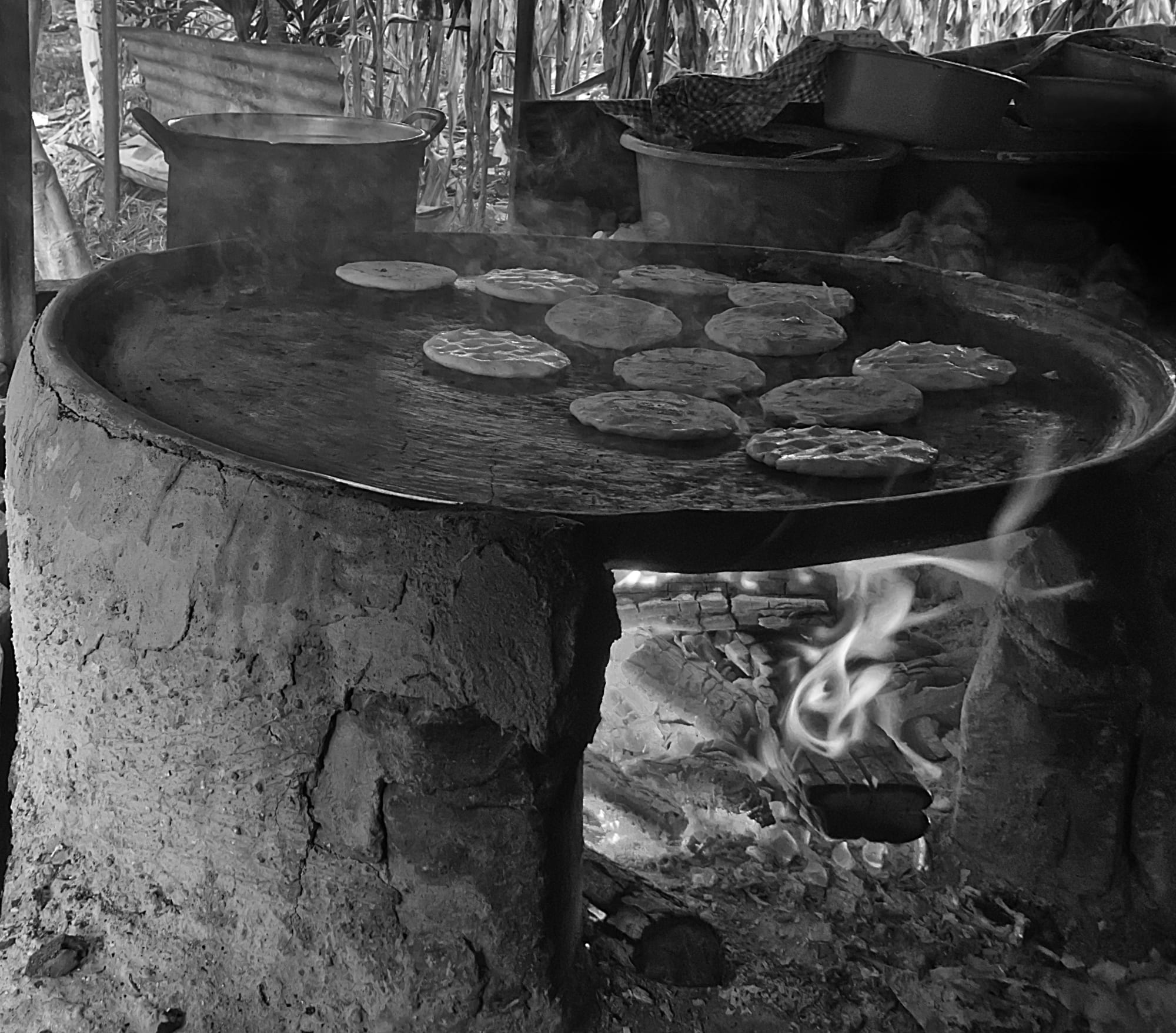
Pupusas are thick corn (or occasionally rice flour) tortillas stuffed before cooking with cheese, refried beans, chicharrón (cooked pork), or loroco, a native edible flower with a slightly earthy flavour, then griddled until the filling melts inside. They are eaten with curtido, a lightly fermented, vinegary cabbage slaw, and a thin tomato salsa spooned on top. Pupusas are taken seriously enough nationally that El Salvador has an officially declared National Pupusa Day, held each November.
Dishes to know
Five more to recognise across El Salvador:
- Curtido — a lightly fermented cabbage, carrot and onion slaw, the
standard accompaniment to pupusas and much else besides.
- Yuca frita — fried cassava, served with curtido and fried pork.
- Sopa de pata — a hearty soup built on cow's foot, with plantain, corn and
yuca.
- Panes con pollo — a chicken sandwich with a distinctive vegetable
relish, a Salvadoran speciality in its own right.
- Tamales de elote — sweet corn tamales, wrapped in corn husk or banana
leaf, a common snack and dessert.
Drinks
Salvadoran horchata is worth a specific mention: unlike the rice-based horchata found in Mexico, it's traditionally made from morro seeds (sometimes blended with other seeds and spices), giving it a nuttier, earthier flavour. Atol de elote, a warm, thick corn drink, and ensalada — a cold drink of chopped fruit in juice, not a salad despite the name — round out the everyday options, alongside Salvadoran coffee, historically one of the country's major exports.
Eating as a traveller
Vegetarians can rely on cheese and loroco pupusas, curtido and yuca frita, though chicharrón fillings and most soups are built around meat or pork stock. Tap water is not generally safe to drink; stick to bottled water. Pupuserías — small, often family-run stands and restaurants specialising in pupusas — are found everywhere and are the standard, inexpensive way to eat well.
What to take from the table
A pupusa, hot off the griddle with a spoonful of curtido, is the dish that sums up Salvadoran food best — simple, corn-based, and good enough to have earned its own day on the calendar.