Attractions & Natural Wonders · El Salvador
El Salvador: Eight Attractions and Natural Wonders
A Maya farming village buried and preserved by ash, a chain of green volcanoes over a turquoise crater lake, a road of flower-painted towns, and a black-sand surf coast
By Worldlore Editorial · 10 September 2026
The small, dense one
El Salvador is the smallest country in Central America and the only one with no Caribbean coast — a compact, mountainous, volcanic land facing the Pacific. It came through a brutal 1980–92 civil war and, more recently, years defined by gang violence; a hard-line security crackdown from 2022 has sharply reduced crime, and tourism has picked up, though the approach remains contested. The draws are volcanoes, coffee country, colonial towns, and some of the best surf in the region.
The eight below are mostly in the western highlands and along the coast, within a couple of hours of San Salvador. The dry season, November to April, is best.
1. Joya de Cerén
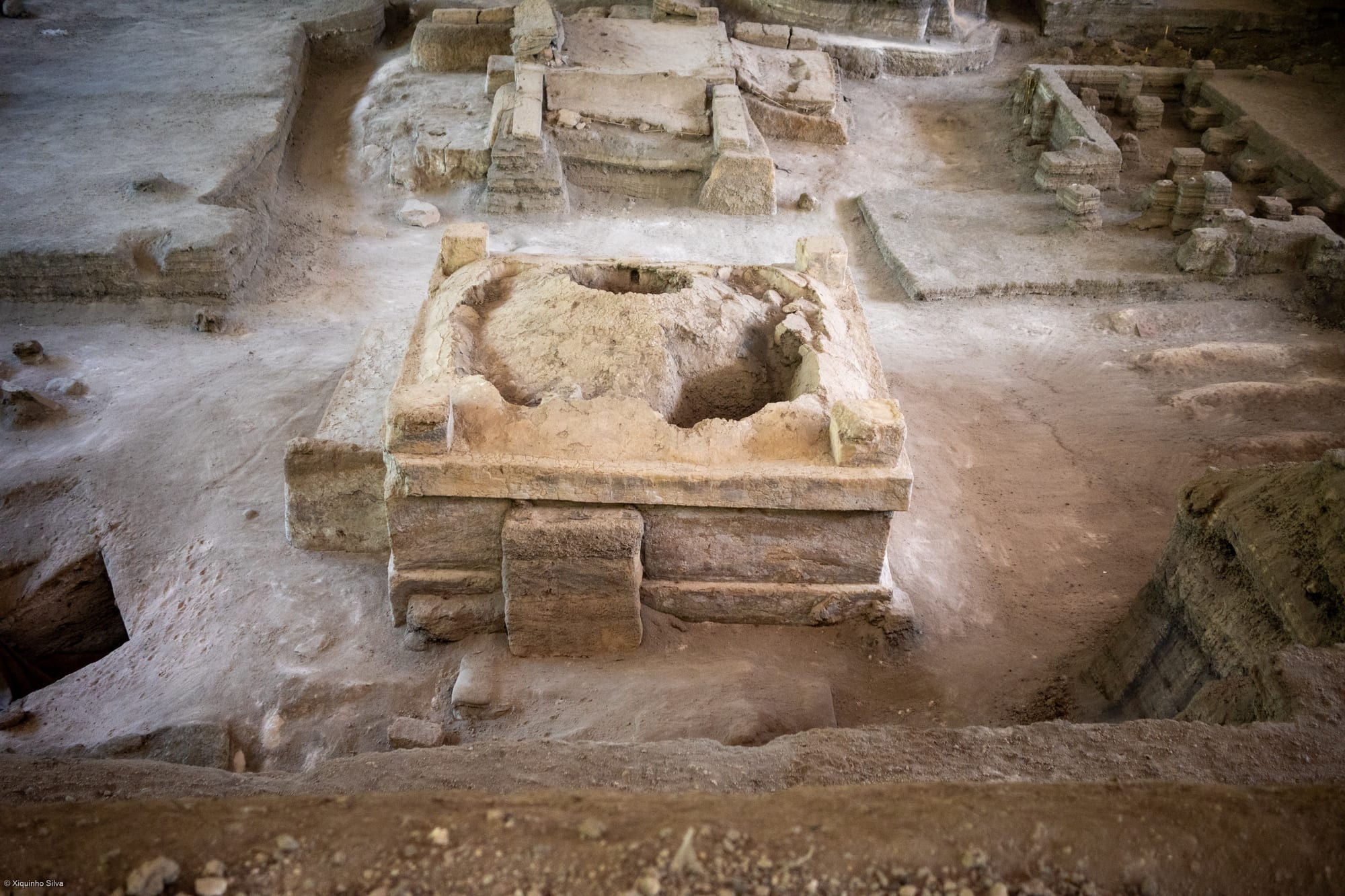
Most Maya sites are temples and palaces; Joya de Cerén, west of San Salvador, is different — a small farming village that was buried under several metres of ash from a nearby eruption around AD 660 and preserved almost intact, down to the sleeping mats, the field furrows, and a half-eaten meal. It is often called "the Pompeii of the Americas" and is El Salvador's only UNESCO World Heritage Site.
The nearby San Andrés site has larger pyramids and a good museum; both make an easy half-day from the capital.
2. The Santa Ana volcano and Cerro Verde
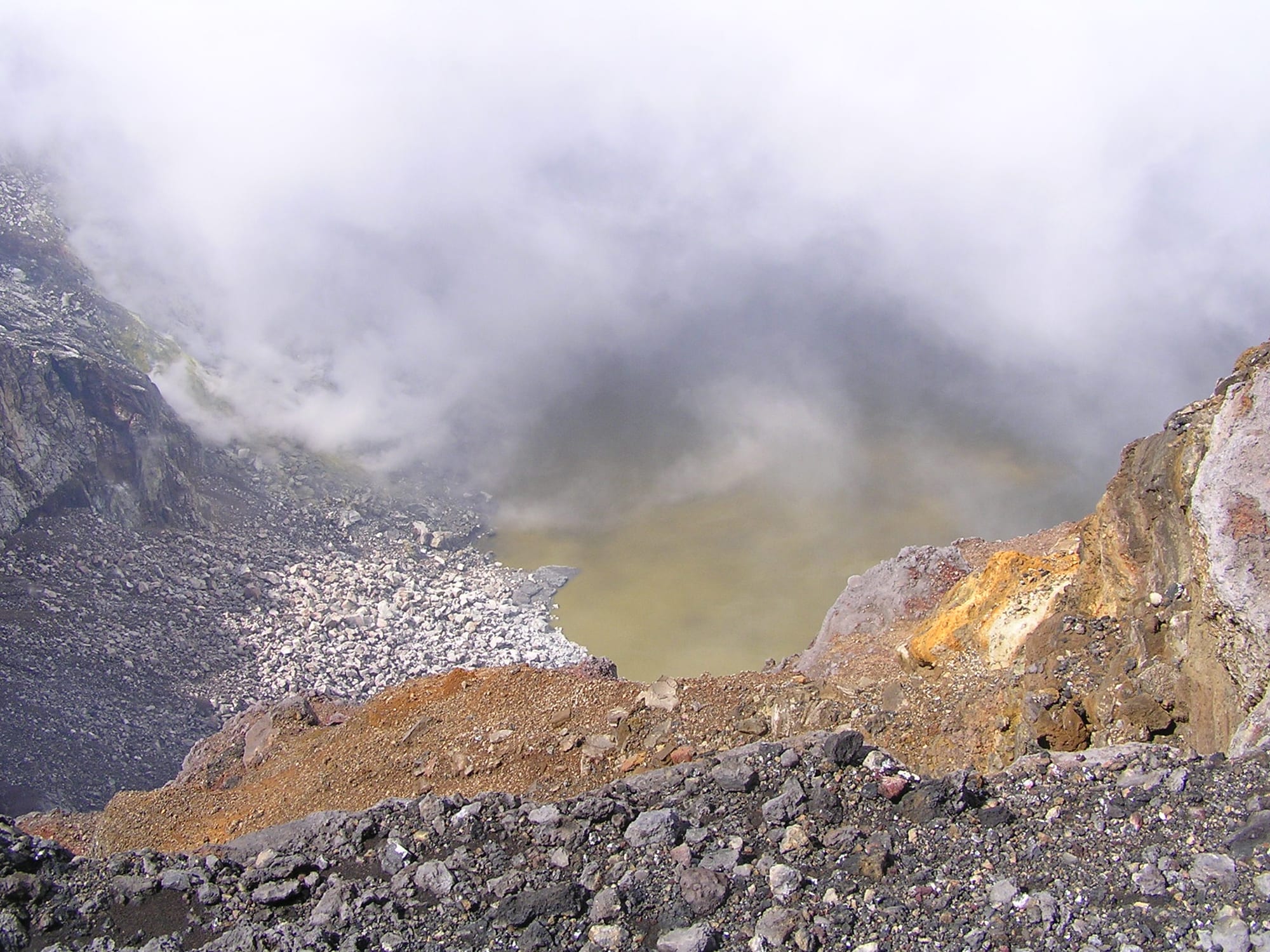
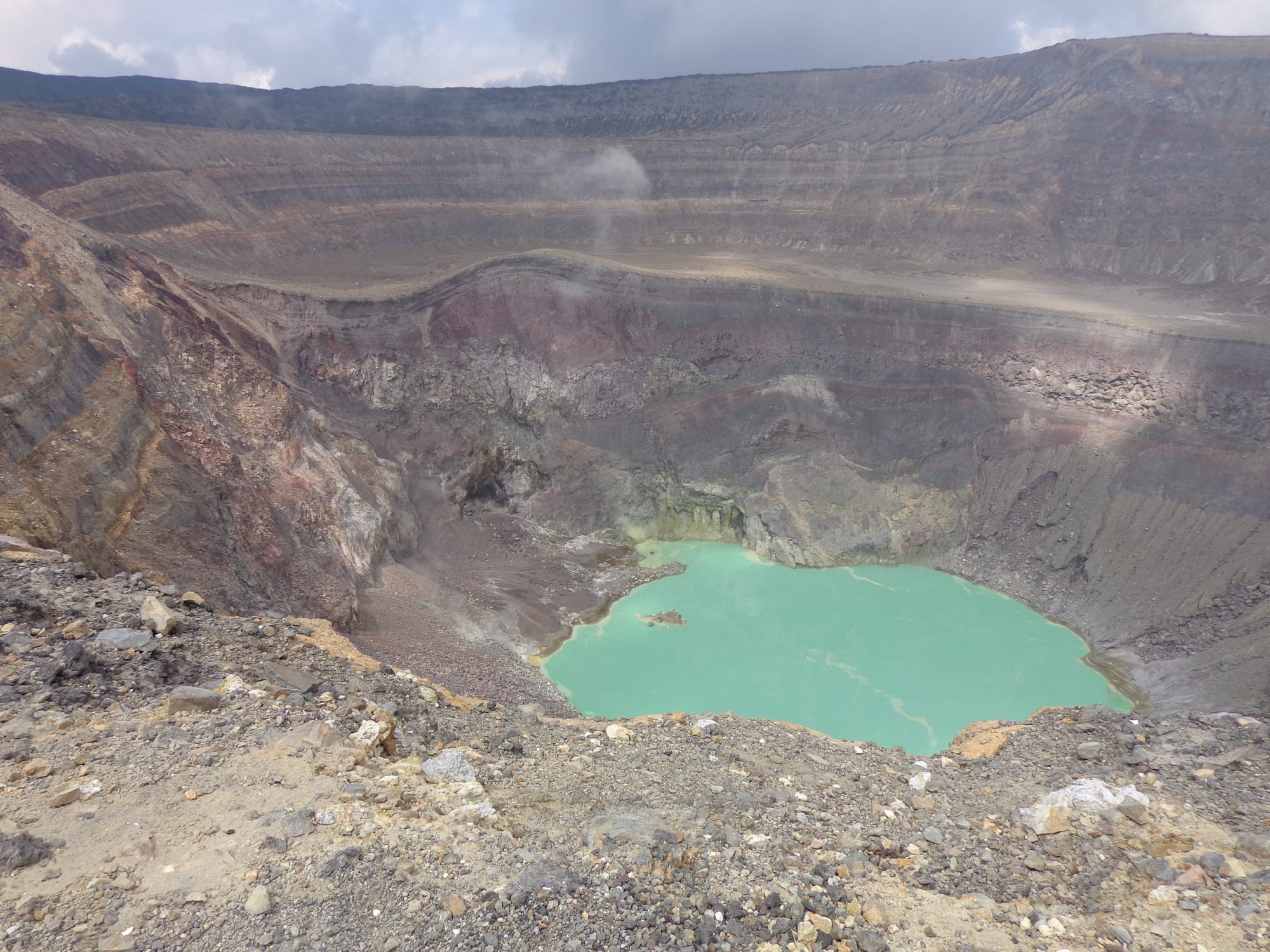
The Santa Ana volcano, or Ilamatepec, is the highest in the country, and its summit holds a small, vividly coloured acid crater lake. It is a popular guided hike of about two hours each way from the Cerro Verde National Park, which sits in a saddle with views of three volcanoes at once — Santa Ana, the perfectly conical Izalco (the "Lighthouse of the Pacific", which erupted almost continuously for 200 years), and Cerro Verde itself.
The volcano is active; it last erupted in 2005, and access is sometimes restricted.
3. Lake Coatepeque
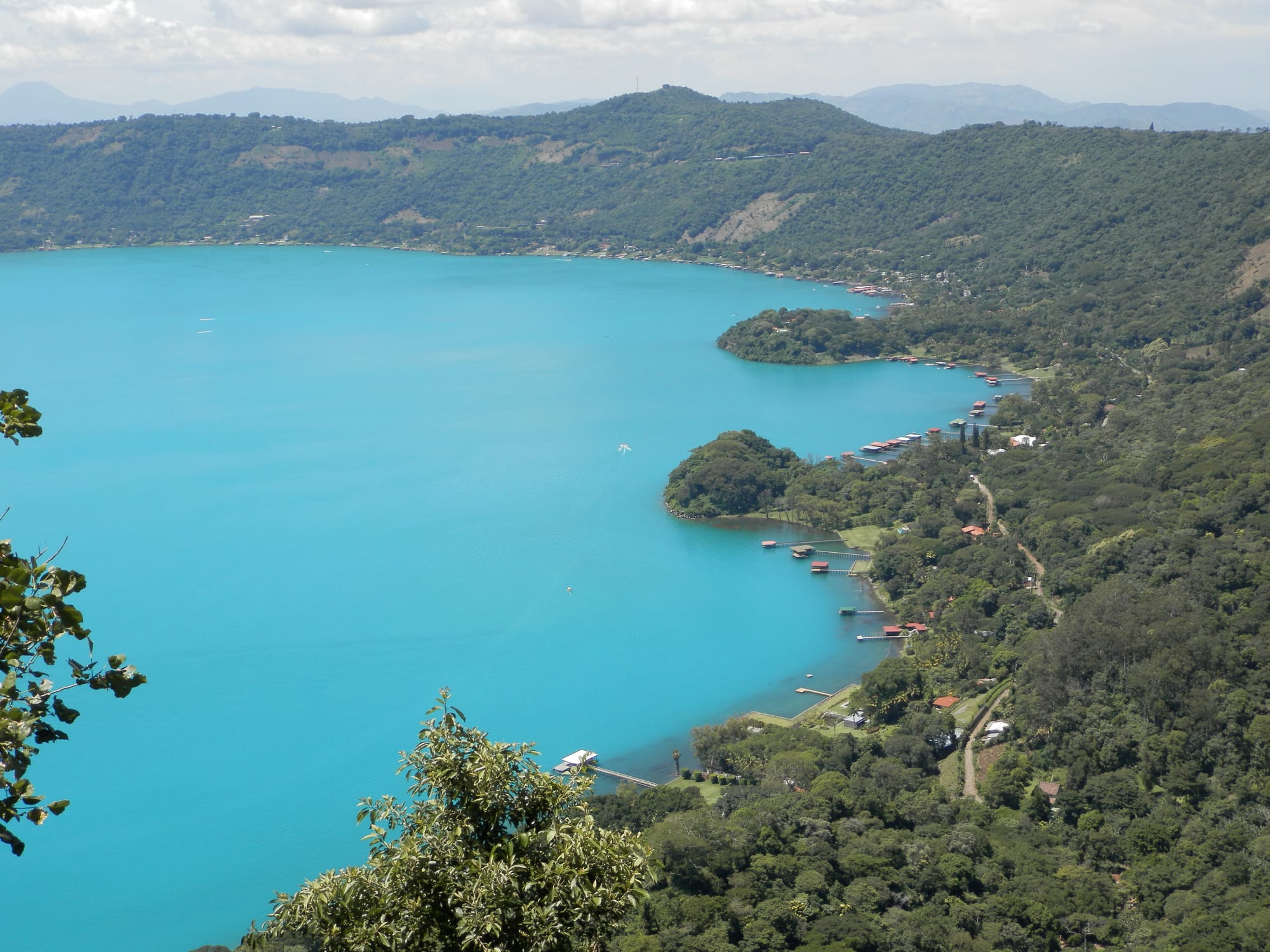
Coatepeque fills a collapsed volcanic caldera near Santa Ana, and its water — warm, deep, and normally blue — occasionally shifts to a milky turquoise when a bloom of minerals and algae rises from the geothermally active bottom. Lakeside restaurants, guesthouses, and boat operators line the accessible stretch; the water is good for swimming and kayaking.
It sits within view of the Cerro Verde volcanoes, and the two are usually combined.
4. The Ruta de las Flores
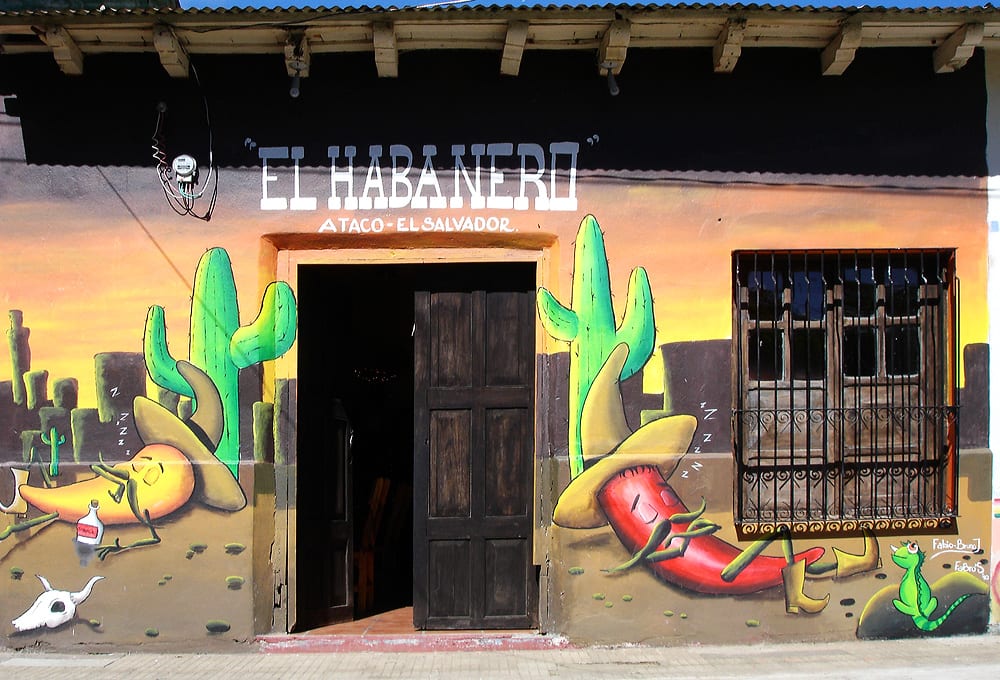
The "Route of the Flowers" is a 36-kilometre stretch of highway through the western coffee highlands, linking five small towns — Nahuizalco, Salcoatitán, Juayúa, Apaneca, and Ataco. In flowering season the roadsides bloom; year-round the towns have weekend food fairs (Juayúa's is the best known), craft markets, coffee-farm tours, waterfalls, and, at Ataco, a town centre covered in murals.
It is the country's most popular short road trip, cool and green.
5. El Tunco and the surf coast
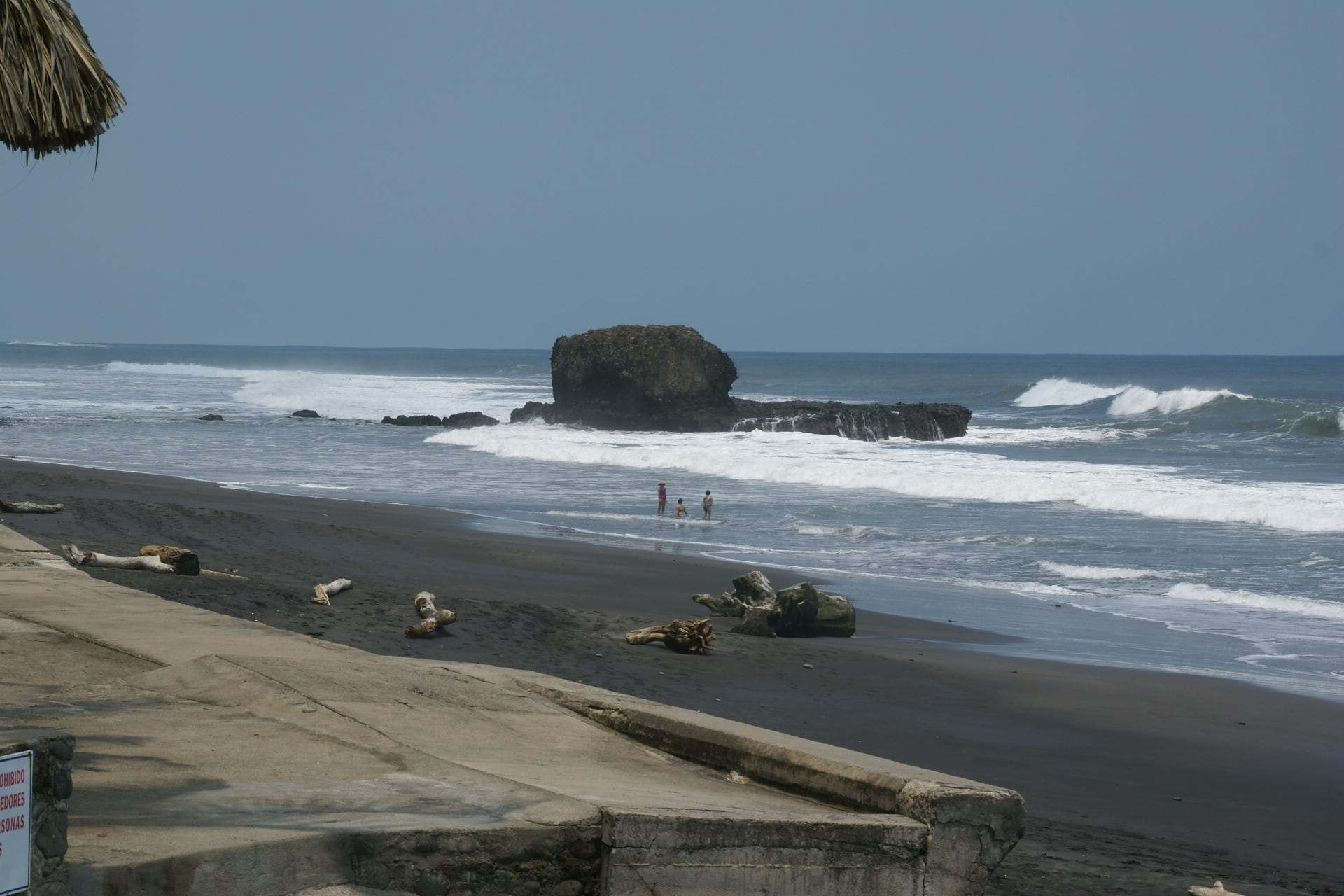
The dark-sand Pacific coast west of the port of La Libertad has a run of consistent right-hand point breaks — El Tunco, El Sunzal, El Zonte — that have made El Salvador a rising surf destination, backed by hostels, bars, and beach restaurants. El Tunco, named for a pig-shaped rock offshore, is the liveliest; El Zonte rebranded itself "Bitcoin Beach" after the country adopted the cryptocurrency.
Further east, the beaches around El Cuco and the Golfo de Fonseca are quieter.
6. Suchitoto
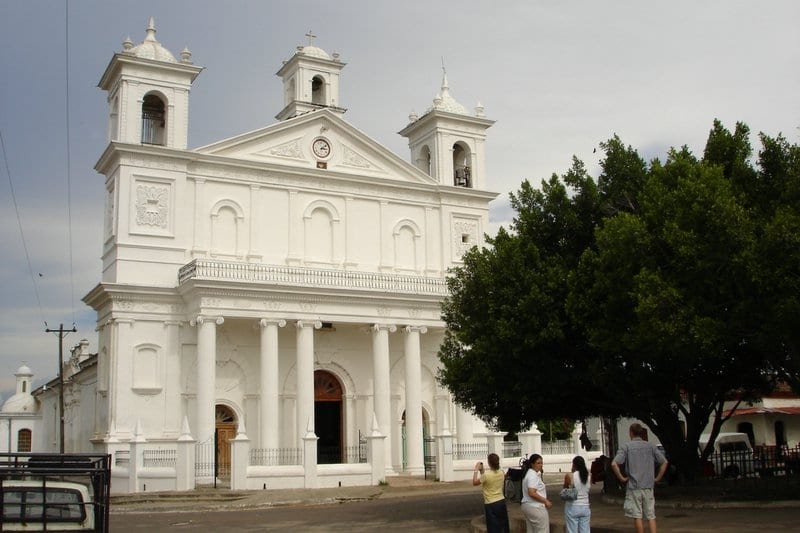
Suchitoto, an hour north of San Salvador, is the best-preserved colonial town in the country — cobbled streets, whitewashed adobe houses, and a white church on the square, above the large reservoir of Lake Suchitlán (good for birdwatching boat trips, with migratory waterfowl in winter). It was a centre of indigo production in colonial times and, later, of the civil-war insurgency; today it has an arts scene and a February festival.
The Los Tercios waterfall, a wall of hexagonal basalt columns, is a short walk from town.
7. Tazumal
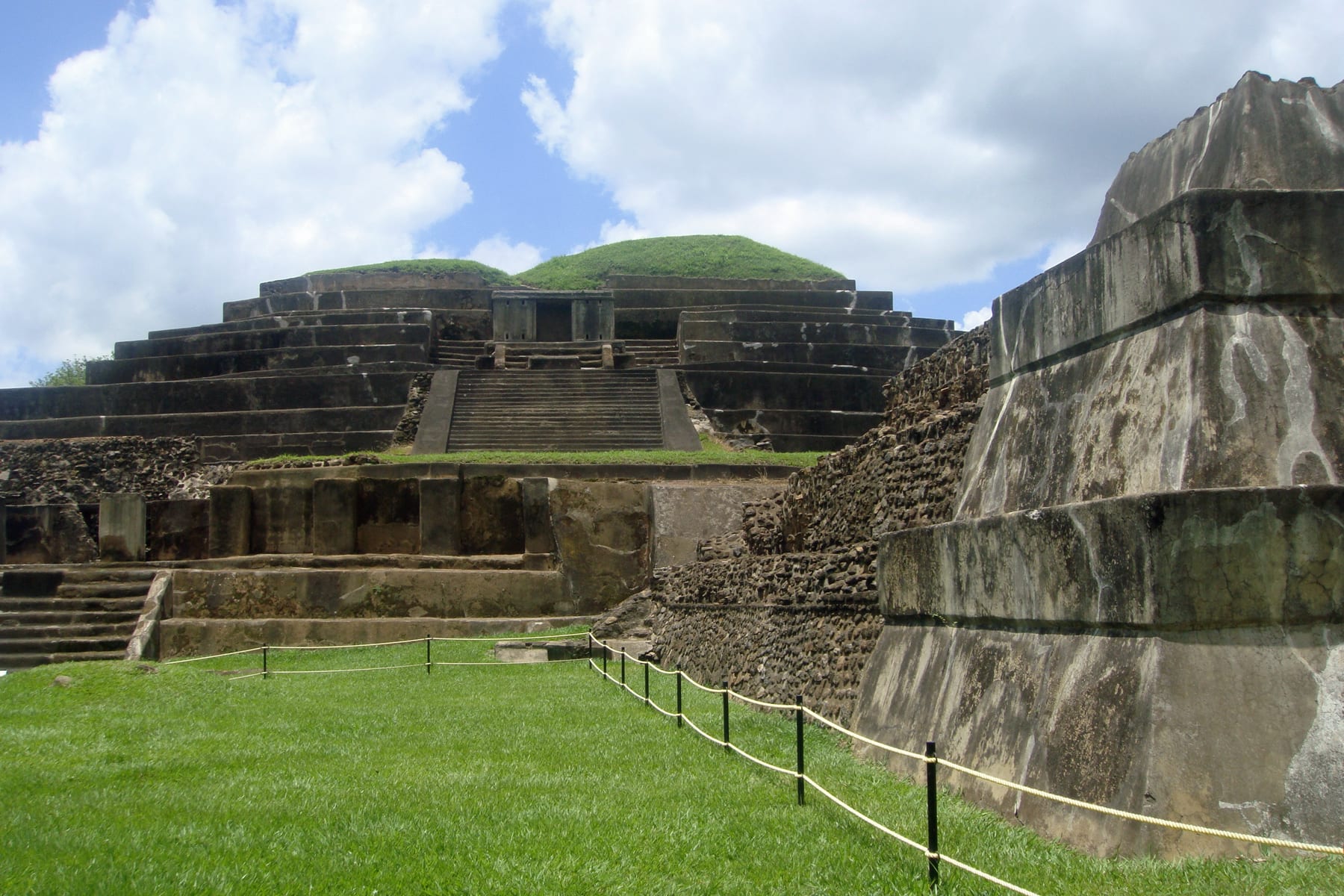
Tazumal, in the western town of Chalchuapa, is the most impressive Maya site in El Salvador — a stepped pyramid, ballcourt, and ritual platforms occupied for well over a thousand years, showing links to both the Maya lowlands and central Mexico. The reconstruction, done in the 1940s with a heavy hand and a lot of concrete, is controversial, but the site museum and the scale are worth the stop.
Chalchuapa also has the Casa Blanca site and the sacred Cushcatán lagoon nearby.
8. El Boquerón and San Salvador
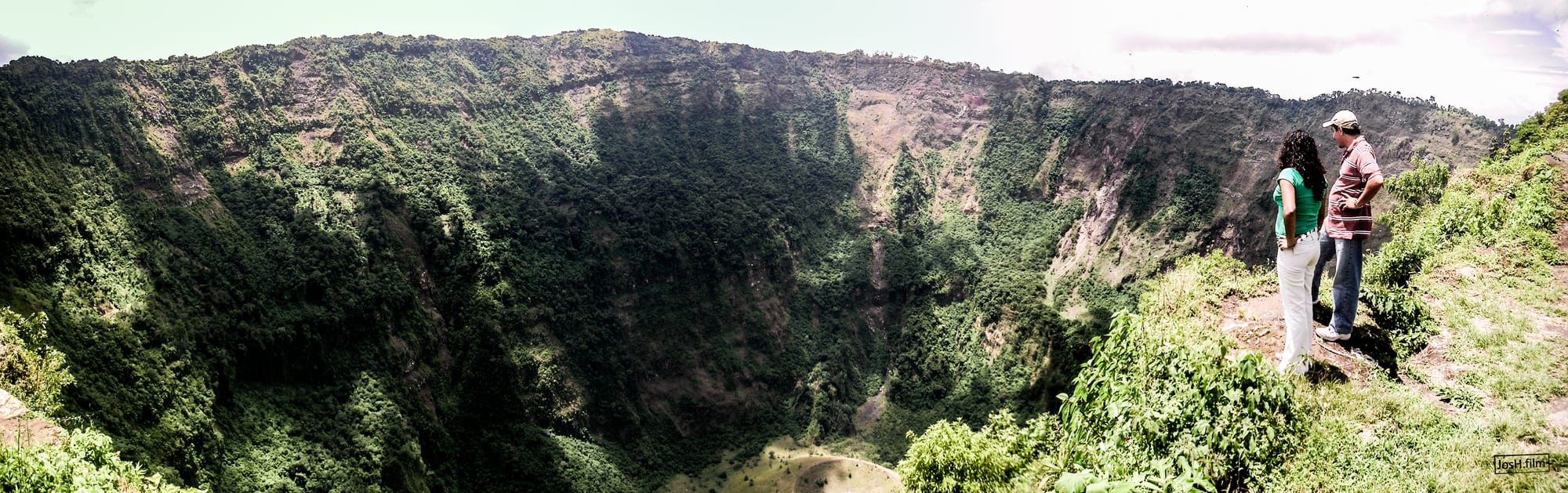
The San Salvador volcano rises right behind the capital, and its summit crater — El Boquerón, "the big mouth", 1.5 kilometres across with a small younger cone on its floor — is a national park with a rim walk, reached in under an hour from the city. The 1917 eruption partly destroyed San Salvador.
The capital itself has the modernist Metropolitan Cathedral (where Archbishop Óscar Romero, later canonised, is buried after his 1980 assassination), the National Palace, the David J. Guzmán anthropology museum, and the arts district of the Zona Rosa.
El Salvador is compact and increasingly straightforward to travel: a week from San Salvador covers the western volcanoes and coffee towns, the surf coast, and Suchitoto, with a hire car or the improving bus and shuttle network.