Daily Life · Egypt
Egypt: Crowded Along the River's Green Edge
Subsidised bread that shares its name with the word for life itself, an ahwa on every corner, and more than a hundred million people living on the sliver of land the Nile keeps green
By Worldlore Editorial · 30 September 2026
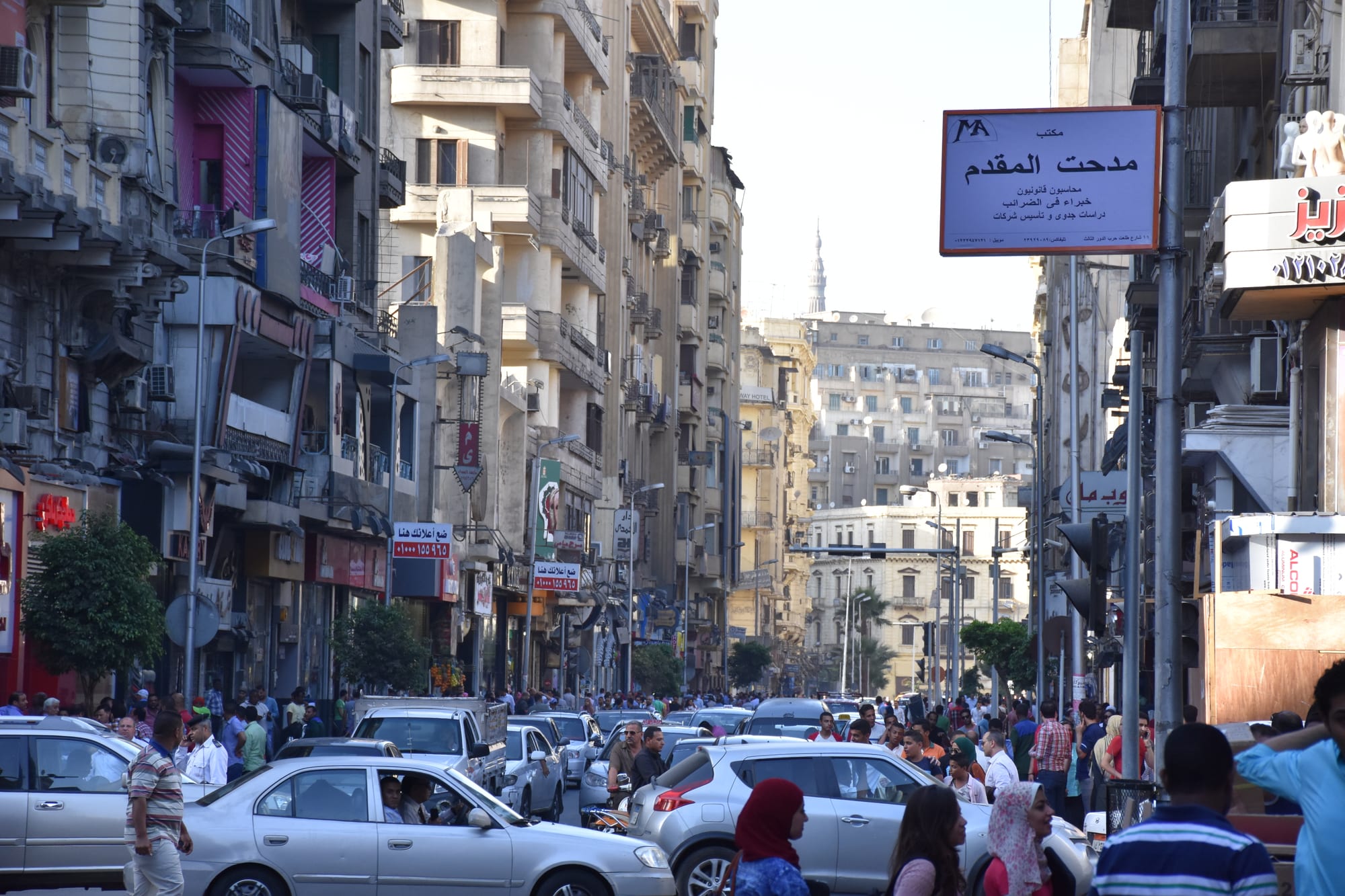
Egypt is a country squeezed onto a green thread through the desert: nearly its entire population lives on roughly five percent of the land, the strip that the Nile and its delta keep fertile, and that crowding shapes almost everything about an ordinary day. Streets stay busy from early morning until well past midnight, since the desert heat pushes much of daily life into the cooler hours, and the ahwa, the neighbourhood coffeehouse, is never far from wherever people gather. Subsidised flat bread, aish, which also means "life" in Egyptian Arabic, remains one of the most politically sensitive prices in the country, a sign of how tightly daily life and the state's ability to keep it affordable are bound together.
Family and home life
The extended family remains the basic unit of Egyptian life, and it is common for grown children to live with or near their parents until marriage, and sometimes after. Respect for elders and involvement of grandparents in raising children are the norm rather than the exception, and decisions about housing, marriage and work are typically made with the wider family rather than alone. Cairo's rapid growth has produced a mix of dense older neighbourhoods, informal unplanned housing, and new high-rise developments, with a purpose-built new capital rising in the desert east of the city to absorb some of the pressure.
Work, school and the rhythm of the day
Egyptian labour law sets the standard day at eight hours, and government offices and banks generally run Sunday to Thursday, with Friday, the Muslim holy day, and Saturday forming the weekend, though many private firms keep their own schedules. During Ramadan the whole rhythm shifts: working hours are officially shortened, many offices and shops close early so staff can be home for iftar, the sunset meal that breaks the day's fast, and streets that are quiet in the afternoon fill again after dark. Outside Ramadan, shops and street life routinely stay busy late into the evening, once the day's heat has eased.
Community life and public spaces
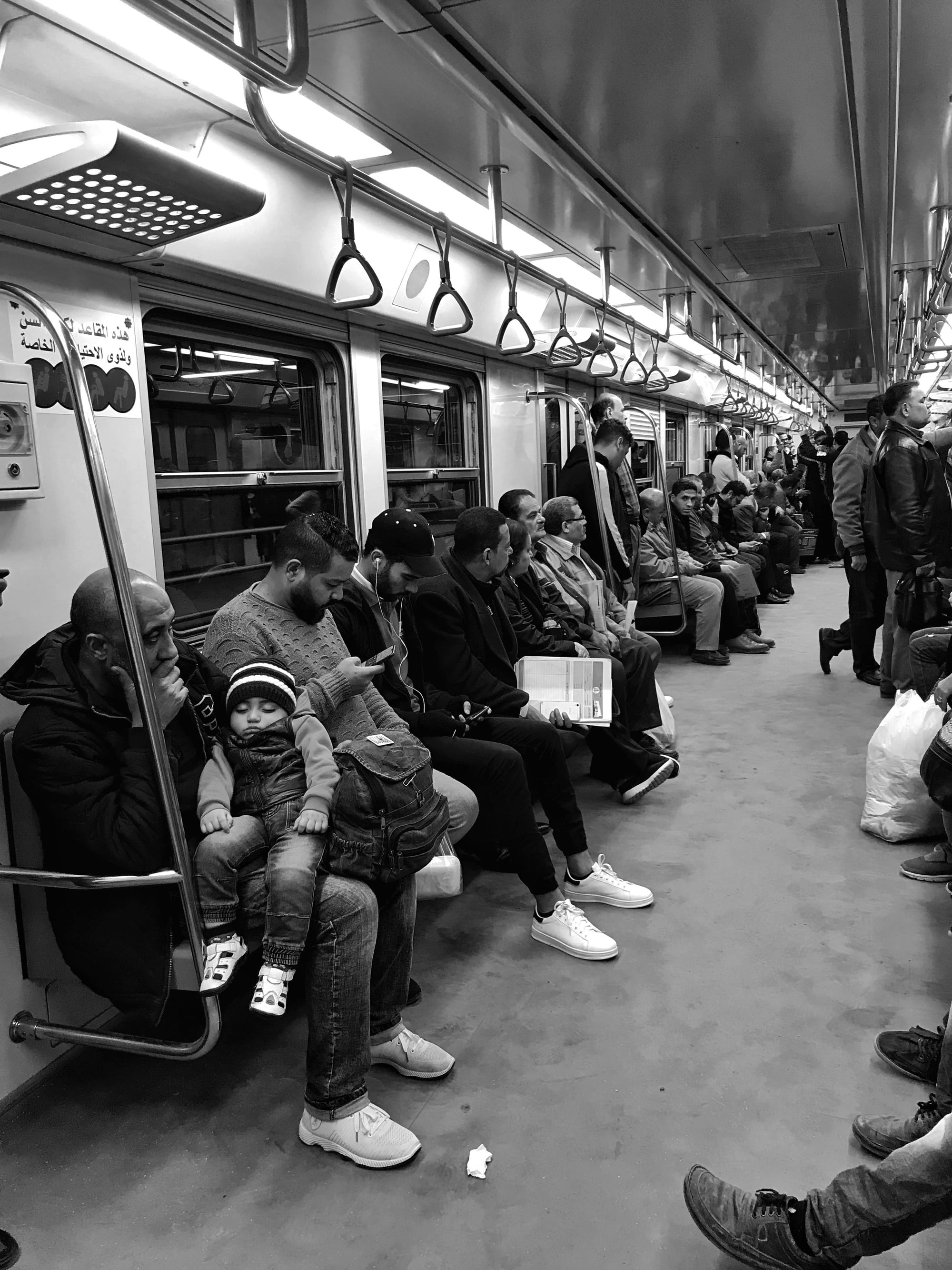
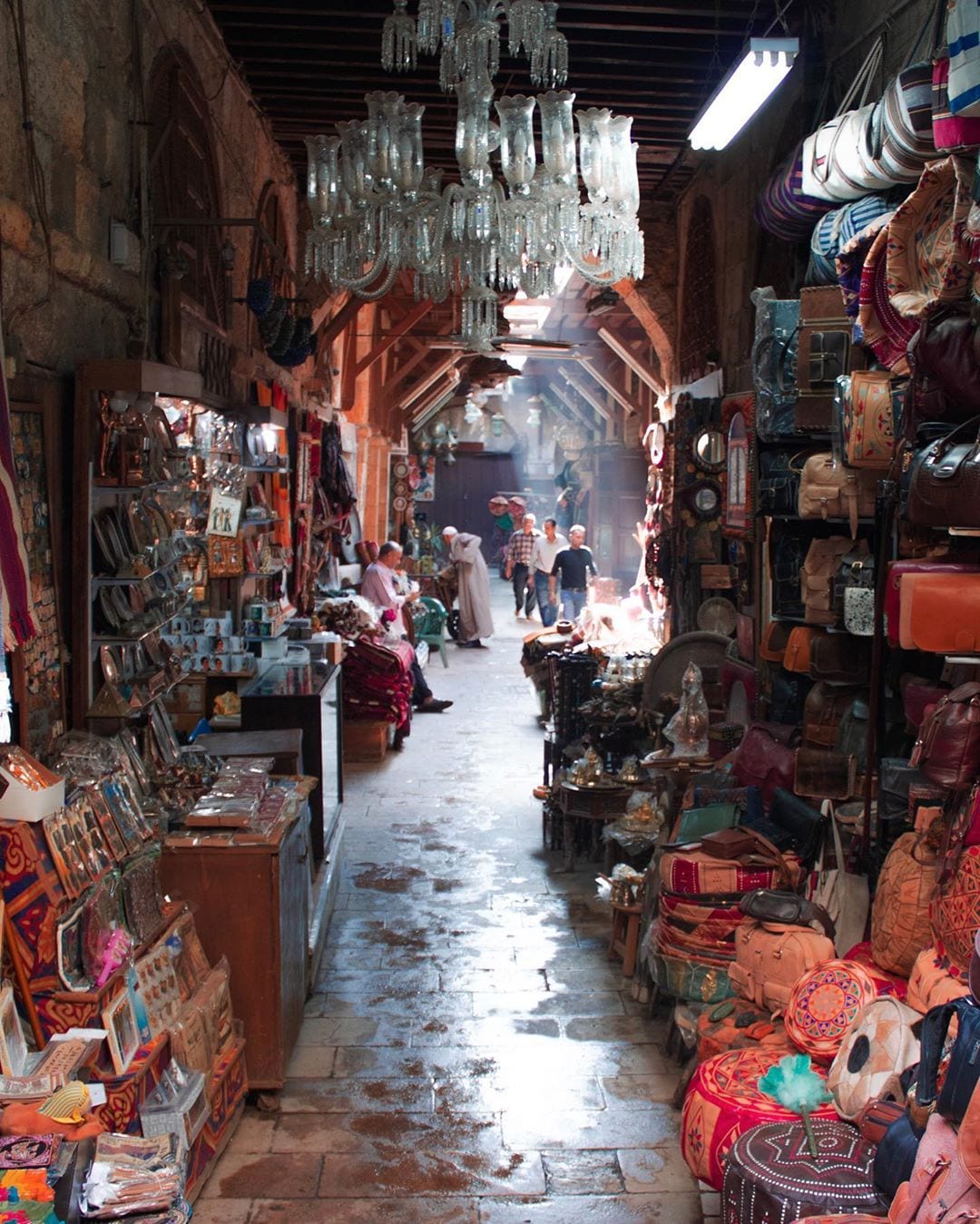
The ahwa is the country's real social institution, a coffeehouse where regulars have their usual seat, their usual order remembered without asking, and where conversation, backgammon and shisha fill the hours as much as the coffee itself. Markets and covered bazaars, old and new, remain the place most household shopping still happens, alongside a growing number of supermarkets in the cities. Getting around crowded cities means crowded microbuses, the Cairo metro, and, increasingly, ride-hailing apps, all working around traffic that rarely thins out.
Free time and weekends
Football is the most popular sport by far, followed passionately at home, in cafes and increasingly at the stadium, and the country's two biggest clubs, Al Ahly and Zamalek, both from Cairo, carry a rivalry that reaches well beyond the capital. Friday is the one day most of the country genuinely shares off work, and it centres on prayer, family visits and a late, leisurely lunch. Where money allows, weekend outings might mean a trip to the Mediterranean or Red Sea coast in summer, or simply an evening walk along the Nile corniche once the heat breaks.
A visitor's ordinary day
Egypt runs mostly on cash outside hotels, malls and better restaurants, so carrying small notes for taxis, tips and street food is essential. Trains link Cairo to Luxor and Aswan down the Nile Valley, and travelling during Ramadan means adjusting expectations: many everyday eateries close during daylight hours and reopen after sunset, while shops and offices keep shorter hours generally. Persistent hassle and touting around the major sights is common and best handled by agreeing prices upfront and staying firm but polite, and crossing Cairo's traffic on foot takes more nerve than it first appears. With war in the wider region since February 2026, flights and tour plans can be disrupted, so current official advice is worth checking before travel.
What to take away
What shapes an ordinary day in Egypt, more than any single custom, is sheer density — a country of more than a hundred million people living almost entirely along one river, its daily rhythm built to absorb the crowd rather than escape it.