Attractions & Natural Wonders · Egypt
Egypt: Ten Attractions and Natural Wonders
The last of the Seven Wonders still standing, a temple with a forest of stone columns, four seated colossi carved from a cliff, and a desert of wind-carved chalk
By Worldlore Editorial · 10 September 2026
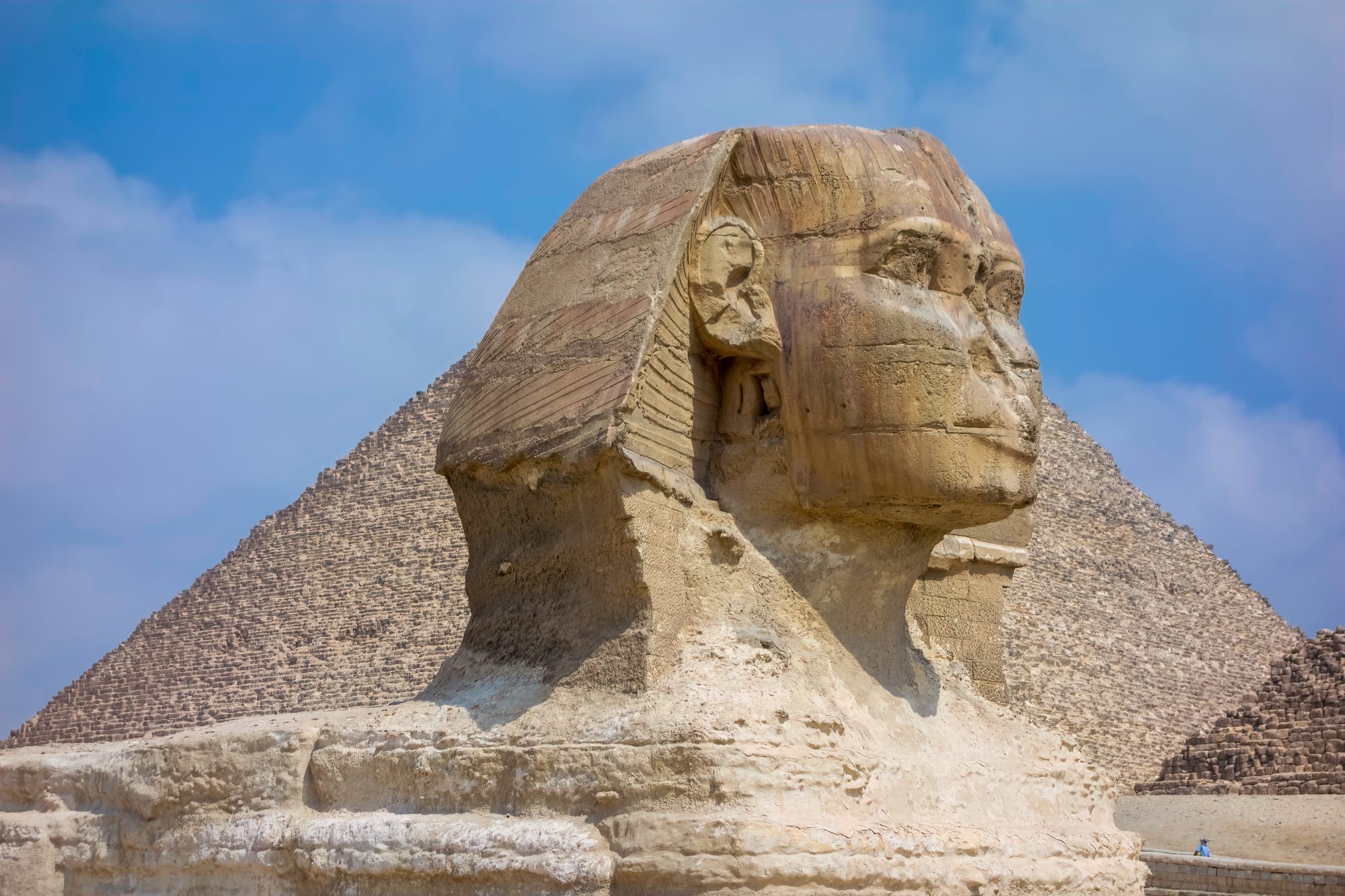
Five thousand years on the Nile
Egypt's civilisation is one of the oldest on Earth, and almost all of it grew along a thin green ribbon of Nile floodplain running through the desert. The monuments are correspondingly concentrated: around Cairo and the pyramid fields in the north, and around Luxor and Aswan in the south, linked by the river. There is also a Mediterranean coast, a Red Sea coast famous for diving, and vast deserts.
The ten below run from the Cairo area down the Nile. Most trips combine Cairo with a few days in the south, often on a river cruise. October to April is the comfortable season; the far south is hot year-round.
1. The Pyramids of Giza
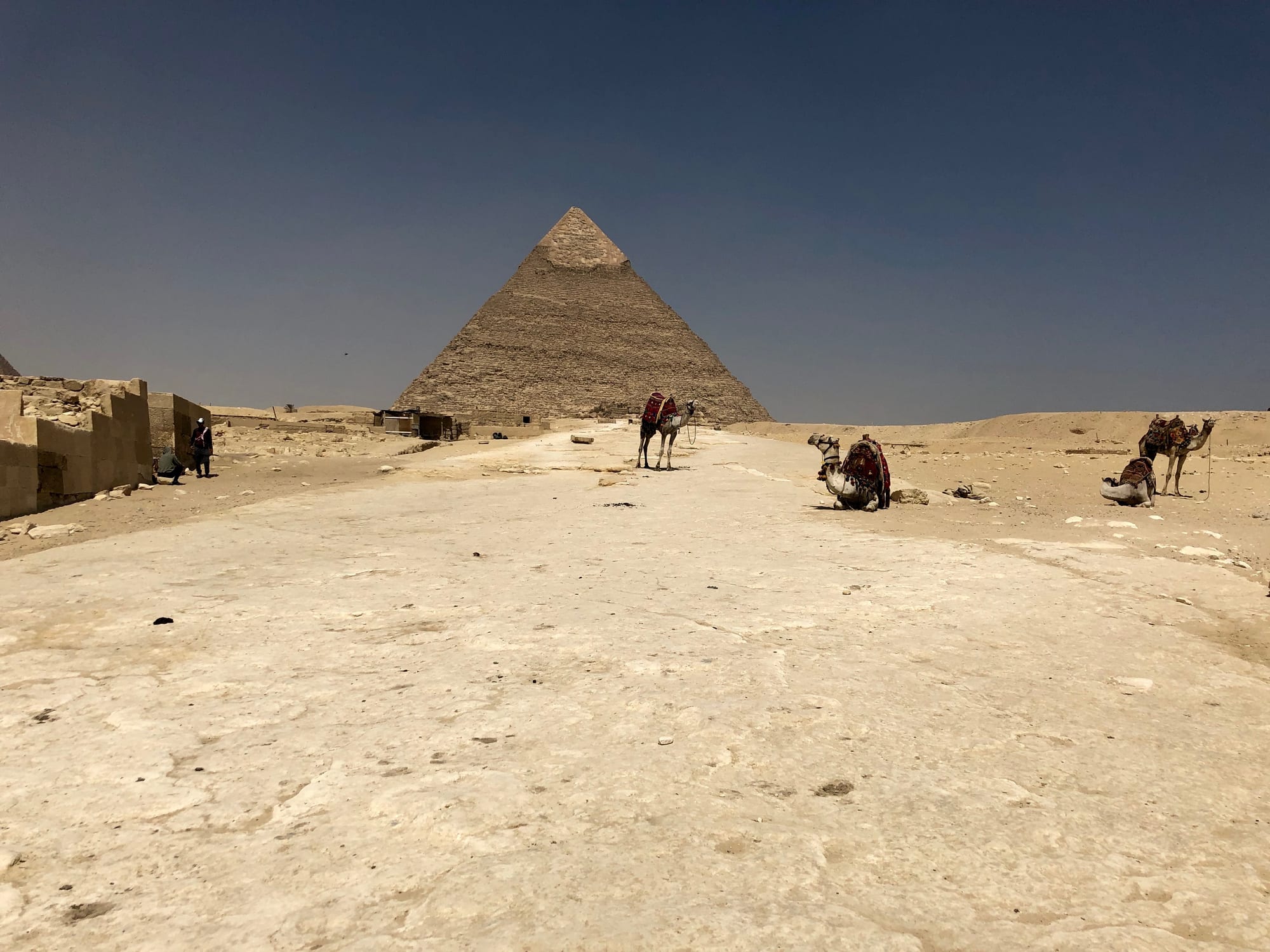
The three pyramids at Giza, built around 2600–2500 BC as tombs for the pharaohs Khufu, Khafre, and Menkaure, are the only one of the classical Seven Wonders of the World still standing. The Great Pyramid of Khufu — 146 metres when finished, made of roughly 2.3 million blocks — was the tallest structure on the planet for nearly 4,000 years. In front of them crouches the Sphinx.
They sit right on the edge of the city; you can go inside one for a claustrophobic climb to the burial chamber. Nearby Saqqara has the earlier Step Pyramid, and Dahshur the "Bent" and "Red" pyramids.
2. The Egyptian Museum(s), Cairo
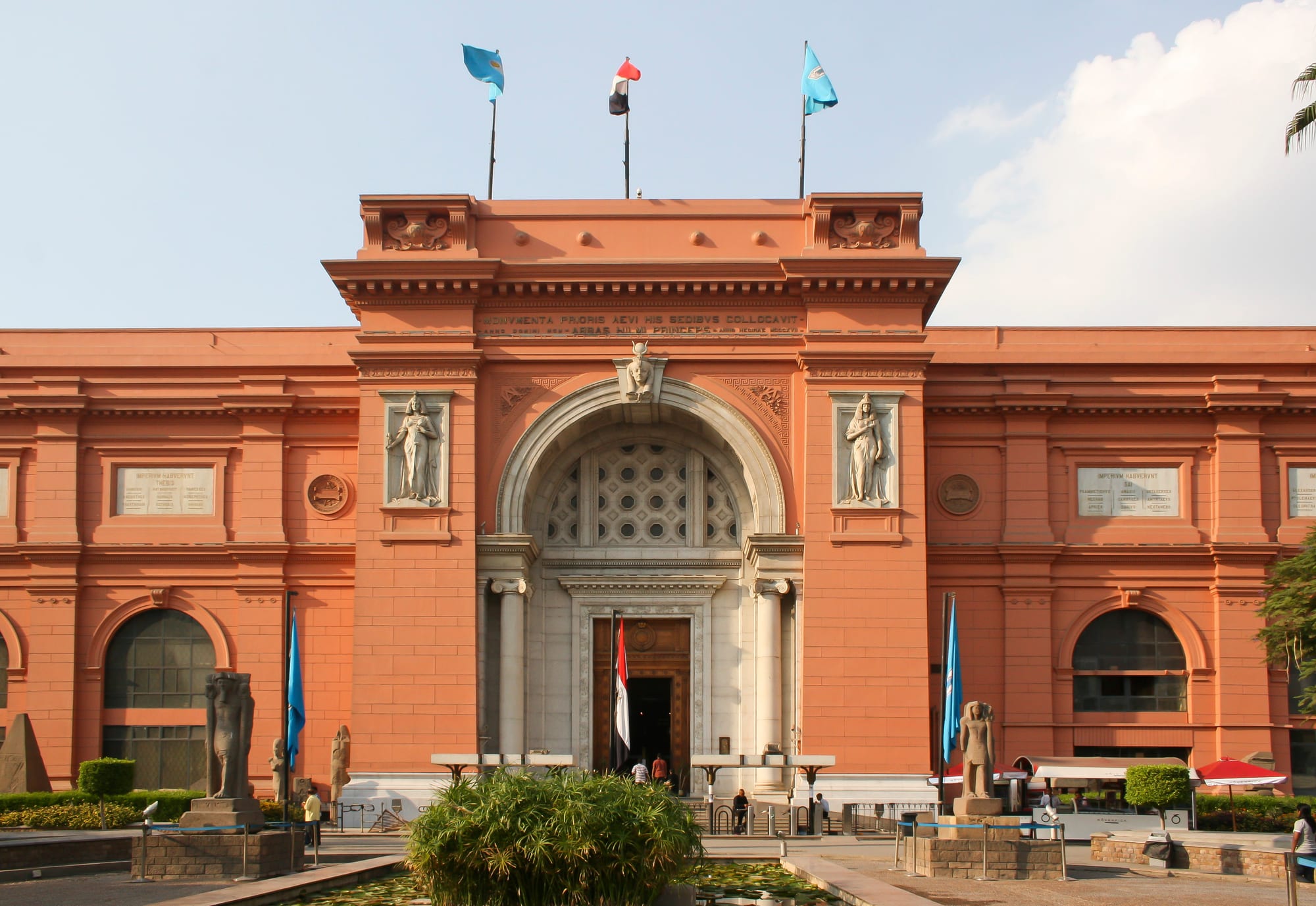
For over a century, the pink 1902 museum on Tahrir Square held the world's greatest collection of ancient Egyptian art, including the gold of Tutankhamun. Much of that is now being transferred to the enormous new Grand Egyptian Museum out by the pyramids, which displays the complete Tutankhamun trove for the first time and is one of the largest museums in the world.
The old museum keeps a still-vast collection, including the royal mummies (also shown at the separate National Museum of Egyptian Civilization).
3. Islamic Cairo and the Citadel
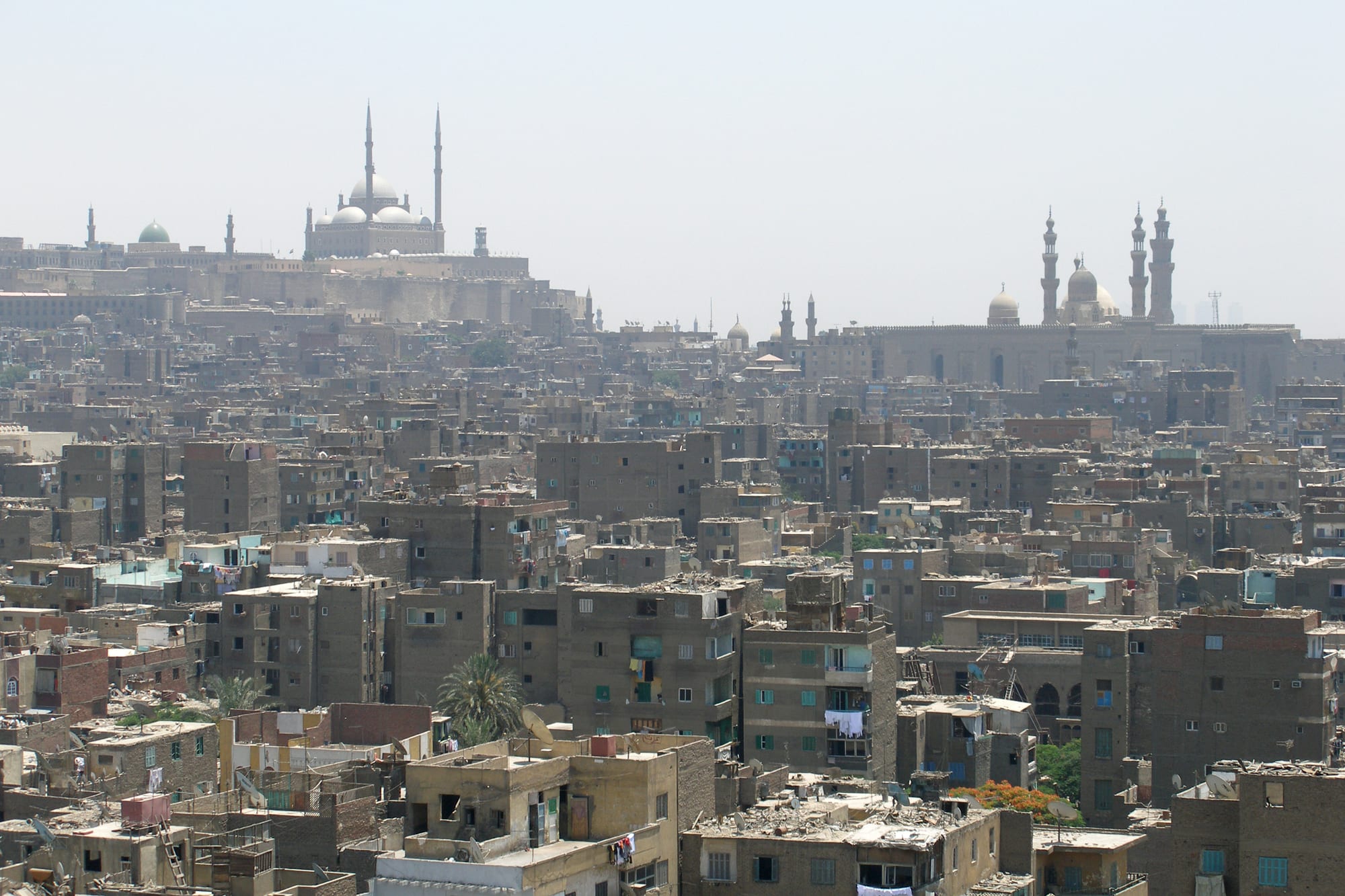
Cairo has one of the greatest concentrations of medieval Islamic architecture anywhere — a UNESCO World Heritage Site of hundreds of mosques, madrasas, mausoleums, and fountains from the 7th century on. The 12th-century Citadel of Saladin, crowned by the domed Muhammad Ali Mosque, gives the overview; below it run the great medieval streets of Al-Muizz, the Ibn Tulun and Sultan Hassan mosques, and the "City of the Dead" necropolis.
Old Coptic Cairo, with the Hanging Church and the Coptic Museum, is nearby.
4. Khan el-Khalili
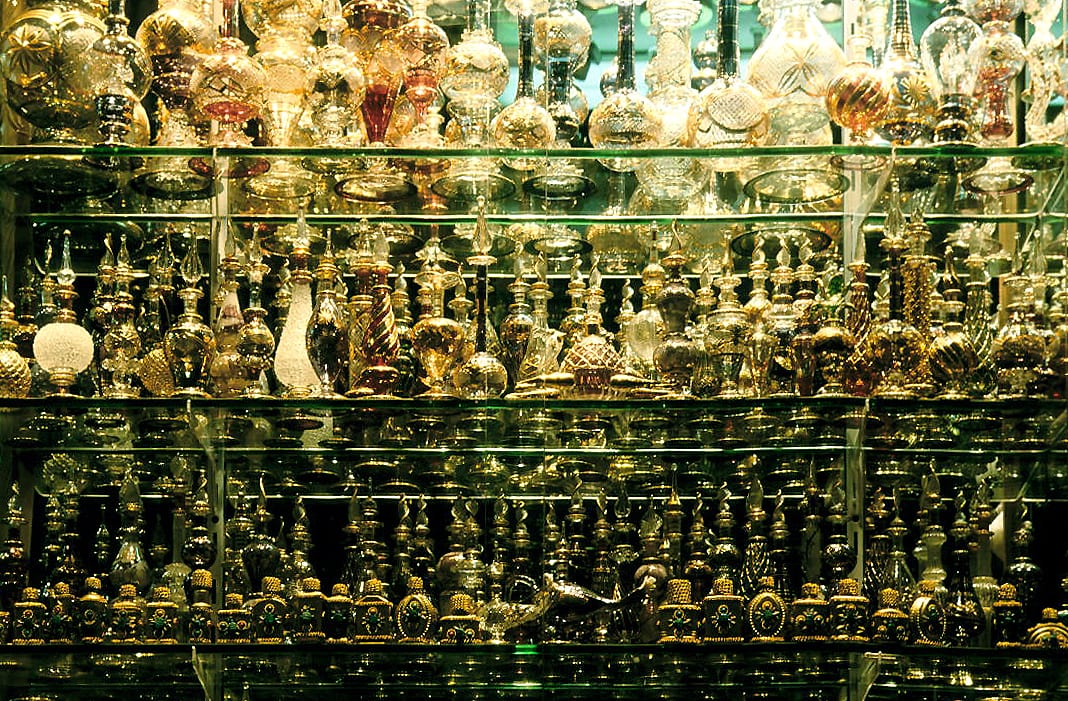
Khan el-Khalili is Cairo's great bazaar — a warren of lanes near the Al-Azhar mosque selling gold, copper, spices, perfume, lamps, and a great deal aimed at tourists, along with workshops still making the real thing. At its heart, the centuries-old Fishawi's coffeehouse has reputedly never closed.
It is chaotic, pushy, and best in the evening. The naturalist and Nobel laureate Naguib Mahfouz set much of his fiction in these streets.
5. Karnak and Luxor
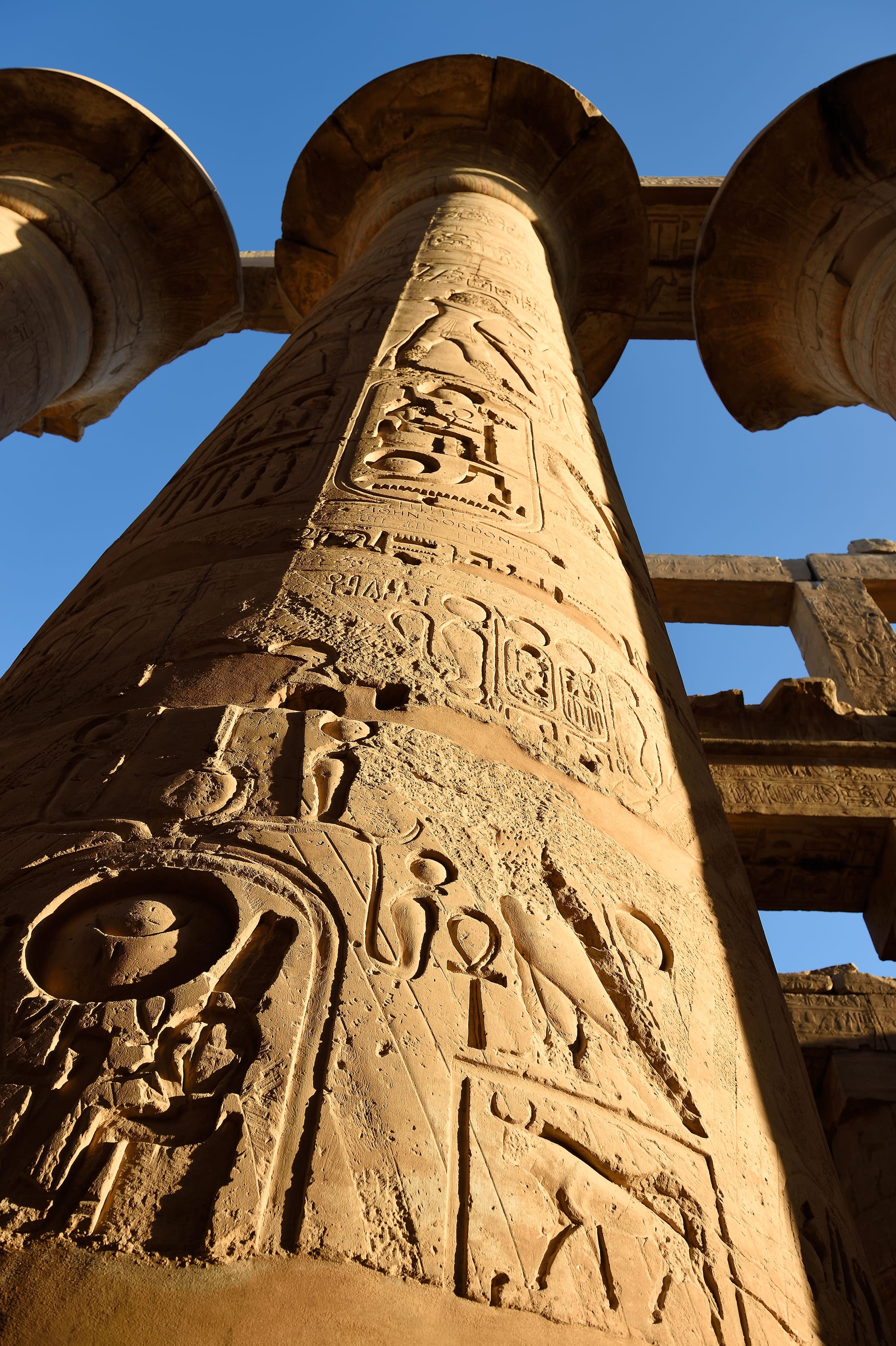
Luxor, ancient Thebes, was the capital of Egypt at its height, and it has the greatest concentration of monuments in the country — a UNESCO World Heritage Site. The Karnak temple complex, added to over 2,000 years, is vast; its Hypostyle Hall is a stone forest of 134 giant columns. In the town, Luxor Temple is floodlit at night and linked to Karnak by a re-excavated avenue of sphinxes.
Across the river lie the mortuary temples (Hatshepsut's, the Ramesseum, Medinet Habu) and the royal tombs.
6. The Valley of the Kings
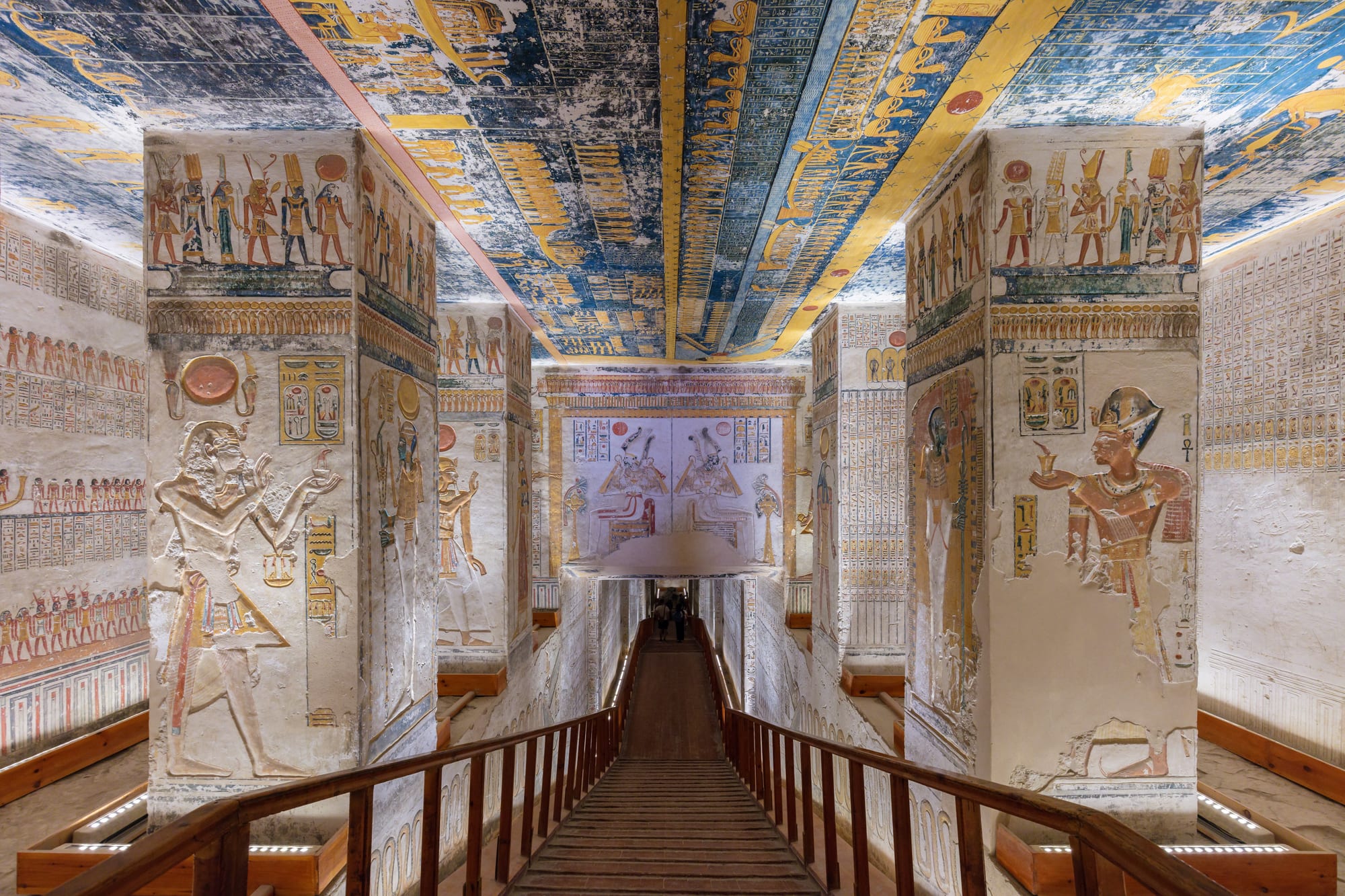
In the desert hills on the west bank at Luxor, more than 60 tombs were cut deep into the rock for the pharaohs of the 16th–11th centuries BC — long painted corridors leading to burial chambers, decorated with texts and scenes to guide the king through the afterlife. A rotating handful are open on the standard ticket; Tutankhamun's small tomb (with his mummy) and Seti I's enormous one cost extra.
Nearby are the Valley of the Queens and the artisans' village of Deir el-Medina.
7. Abu Simbel
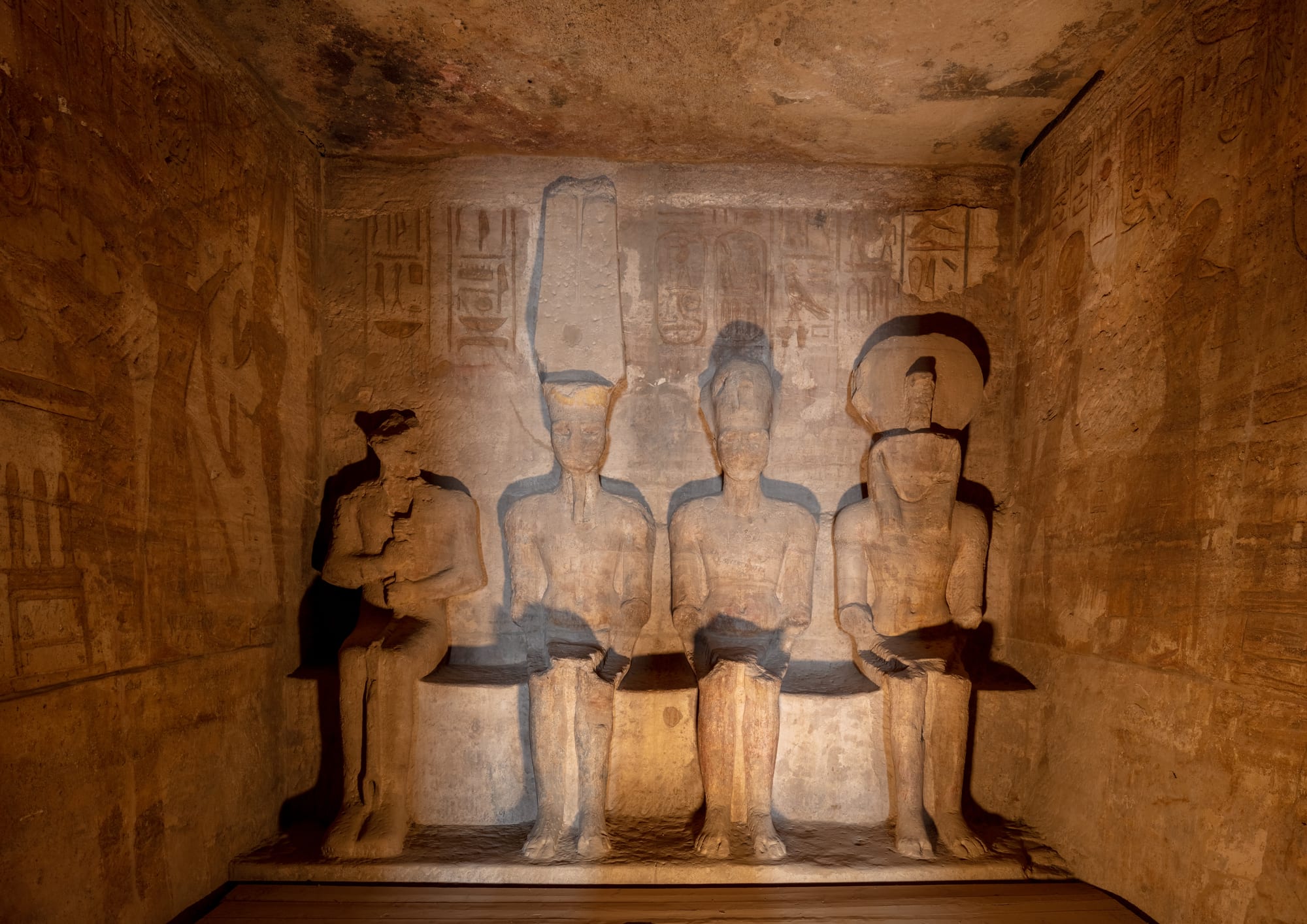
Near the Sudanese border, Ramesses II carved two temples into a cliff around 1264 BC, guarded by four seated colossi of himself. Twice a year the rising sun shines straight down the inner corridor to light the gods in the sanctuary. In the 1960s, to save the temples from the rising waters of Lake Nasser behind the new Aswan High Dam, the entire complex was cut into blocks and rebuilt 65 metres higher — a landmark of international heritage rescue, and a UNESCO World Heritage Site.
It is a long day trip or a short flight from Aswan.
8. Aswan and Philae
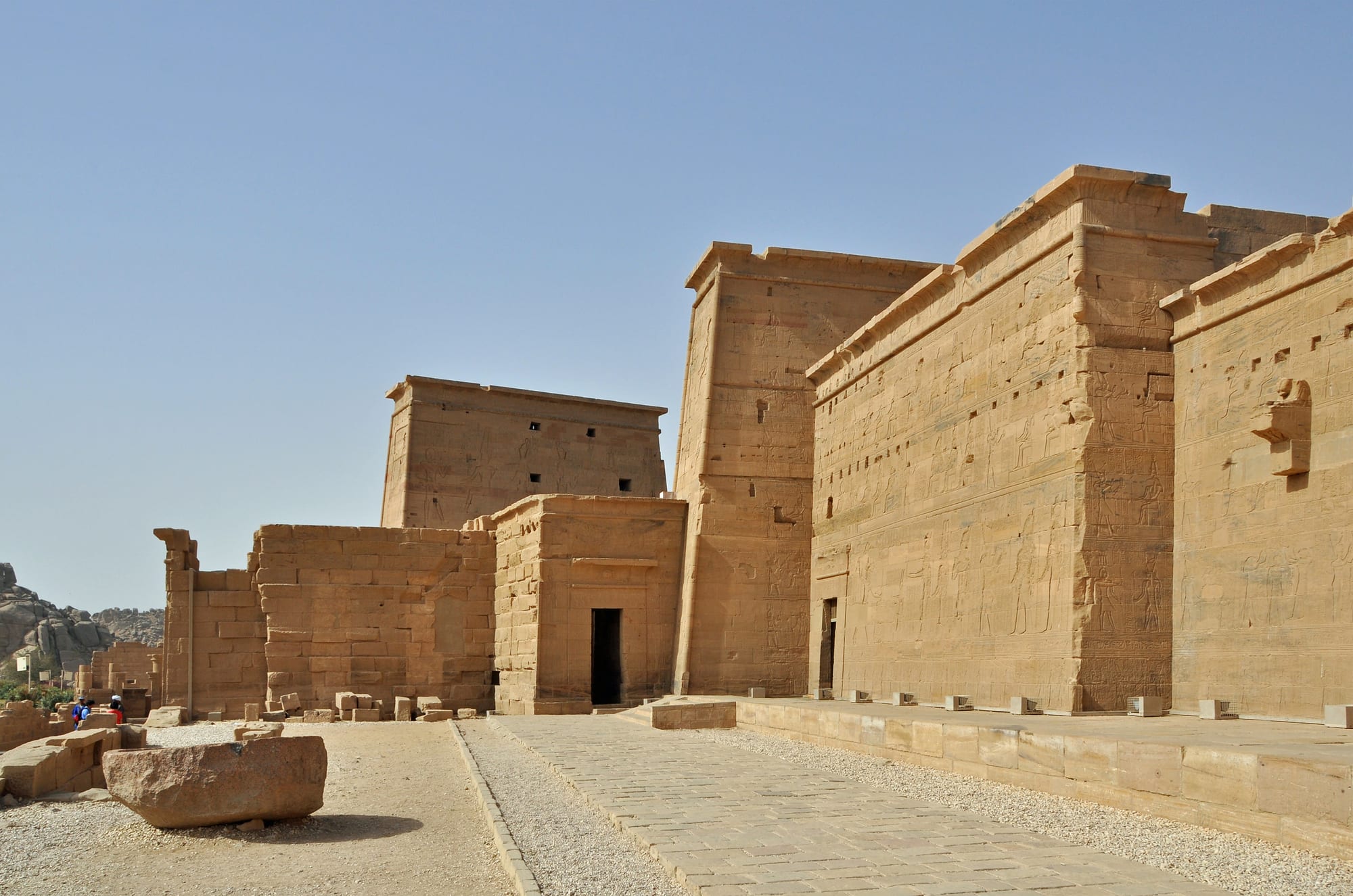
Aswan, the southern frontier town, is the most relaxed place on the Nile — a wide, island-dotted stretch of river best seen from a felucca sailboat at sunset. The Temple of Isis at Philae, relocated to its own island, is the highlight, along with the unfinished obelisk in the ancient granite quarries, the Nubian Museum, and the Nubian villages on the west bank.
The lake behind the High Dam drowned much of Nubia; several of its temples were saved and re-erected on higher ground.
9. The White Desert and the oases
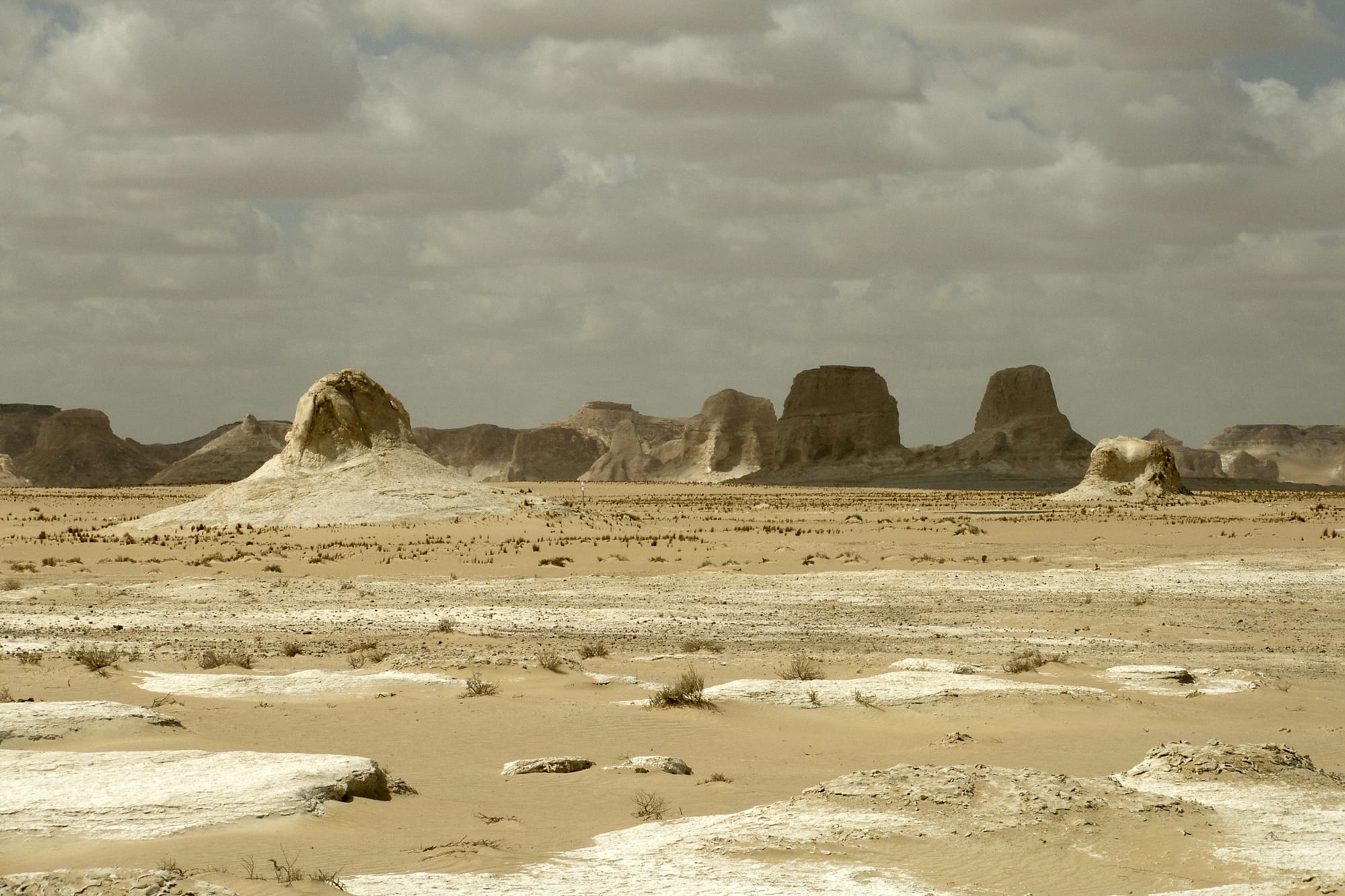
West of the Nile, the Western Desert holds a chain of oasis depressions and, near Farafra, the White Desert National Park — a plain of soft white chalk eroded by sandstorms into mushroom towers and animal shapes, glowing at dawn and under a full moon. Overnight camping trips run from Bahariya oasis, taking in the black volcanic Black Desert and the Crystal Mountain on the way.
Further out, Siwa oasis near the Libyan border has a mudbrick fortress town, salt lakes, and the oracle temple that Alexander the Great consulted.
10. Alexandria
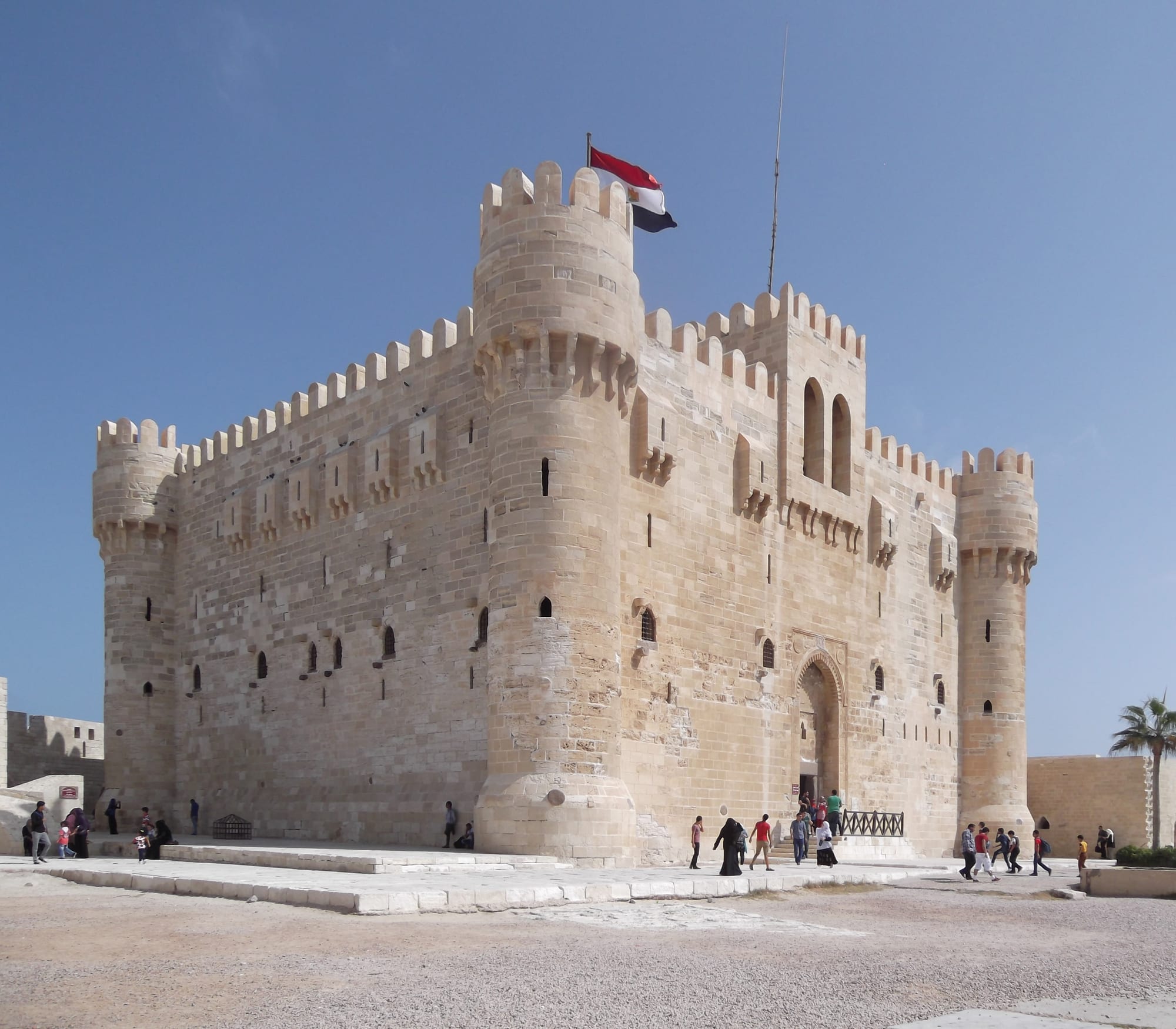
Alexander's Mediterranean city, once home to the ancient world's greatest library and one of the Seven Wonders (the Pharos lighthouse), keeps little of its classical grandeur above ground — the 15th-century Qaitbay fort stands where the lighthouse did, and the catacombs of Kom el-Shoqafa and the Roman theatre survive below. But the modern Bibliotheca Alexandrina, a striking sun-disc by the water, consciously revives the idea.
The seafront Corniche, the fish restaurants, and the faded Belle Époque cafés give Alexandria a mood quite unlike Cairo.
Egypt's classic trip is Cairo plus a Nile stretch — Luxor to Aswan by cruise boat — over about ten days. Add the Red Sea for diving, the White Desert for the landscape, or Sinai and St Catherine's Monastery for the mountains.