History · Ecuador
Ecuador: The Equator Republic
An Inca frontier and a Spanish audiencia, the smallest Andean nation, chronic instability, an oil boom, and the Galápagos
By Worldlore Editorial · 10 September 2026
A small country of four worlds
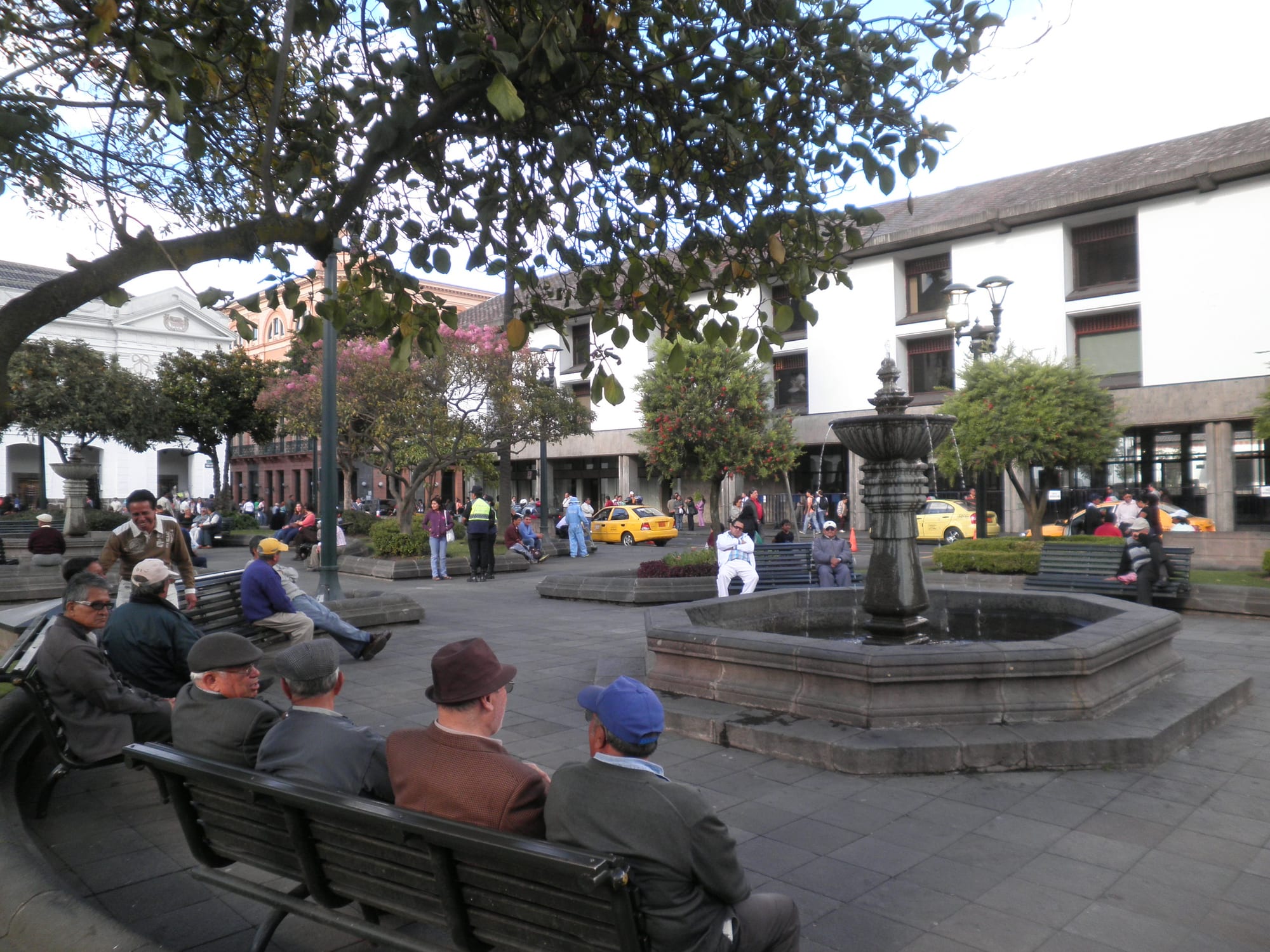
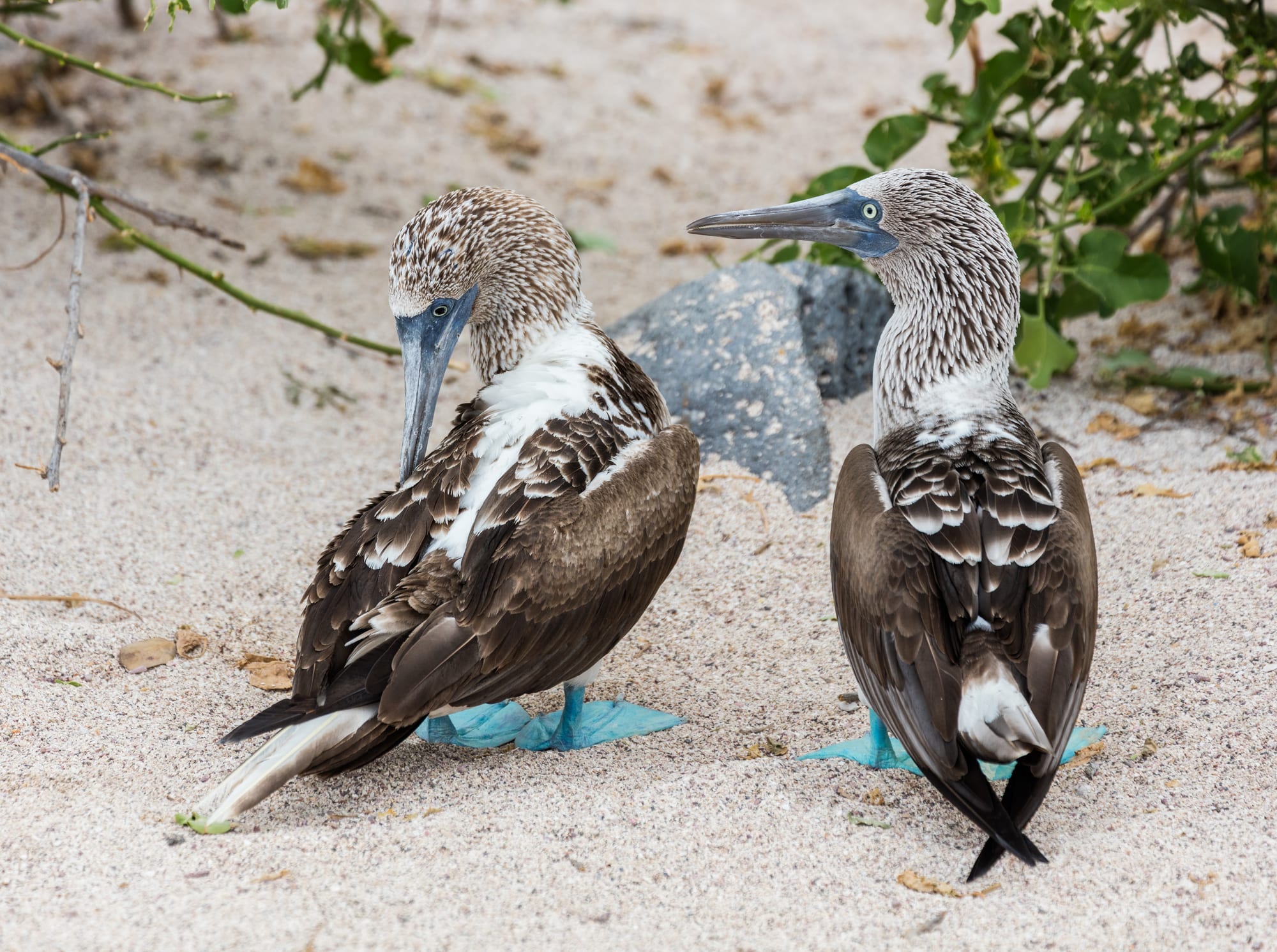
Ecuador is the smallest of the Andean republics, straddling the equator on the Pacific coast between Colombia and Peru. In a compact space it holds four different countries: a hot Pacific coast around Guayaquil, the economic engine; a high Andean spine of volcanoes and valleys around the capital, Quito; a stretch of Amazon rainforest, where the oil and much of the Indigenous population are; and, 1,000 kilometres out to sea, the Galápagos. Its 18 million people are mostly mestizo, with a large and politically powerful Indigenous minority and an Afro-Ecuadorian community on the northern coast. Two things run through its modern history: a bitter rivalry between highland Quito and coastal Guayaquil, and an extraordinary instability — dozens of governments, and several elected presidents removed by the street.
A short history
- from 3500 BCE
The first cultures
Valdivia pottery, among the oldest in the Americas; later coastal chiefdoms.
- late 1400s
The Inca
Túpac Yupanqui and Huayna Capac conquer the northern Andes; a second Inca capital at Tomebamba.
- 1534
Spanish Quito
Benalcázar refounds Quito; the Audiencia of Quito is created.
- 24 May 1822
Pichincha
Sucre's victory frees the highlands; Ecuador joins Gran Colombia.
- 1830
Independence
Gran Colombia breaks up; the Republic of Ecuador is founded.
- 1861–1875
García Moreno
A conservative Catholic authoritarian who dedicates the republic to the Sacred Heart.
- 1895
The Liberal Revolution
Eloy Alfaro separates church and state and builds the Quito–Guayaquil railway.
- 1941
War with Peru
Ecuador loses a vast area of Amazon territory.
- 1972
Oil
Amazon crude begins to flow; the military takes power.
- 2007–2017
The Correa decade
"21st-century socialism", a new constitution, and a decade of stability.
Before Spain
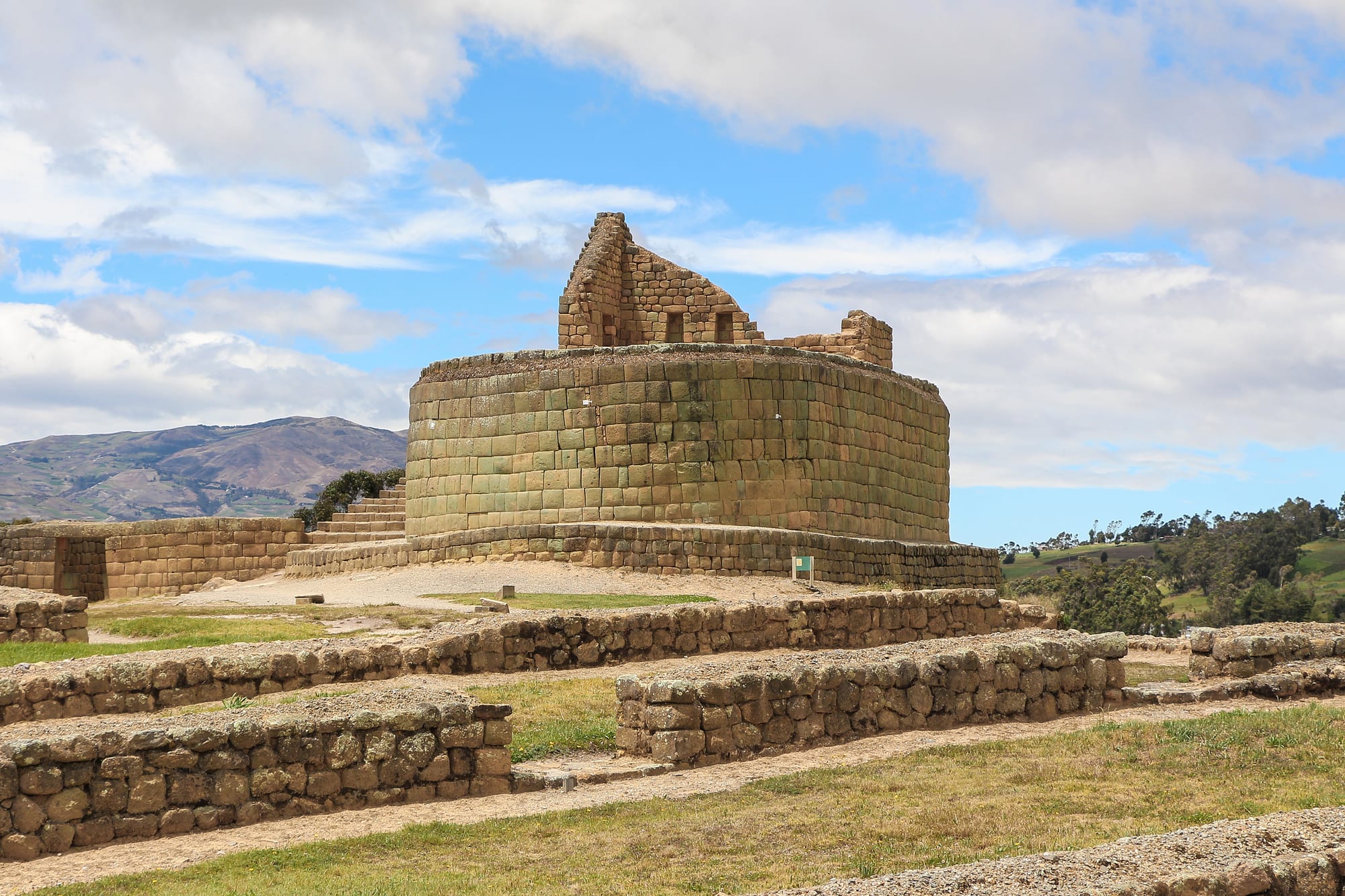
The Ecuadorian coast has one of the longest cultural sequences in the Americas: the Valdivia culture made fine pottery from around 3500 BCE, and later peoples like the Manteño sailed balsa rafts far along the Pacific to trade. In the highlands, the Cañari in the south and the Quitu-Cara around Quito resisted the Inca, who conquered the northern Andes only in the late 15th century and only after hard fighting. The Inca built a second capital at Tomebamba, modern Cuenca, and the temple-fortress of Ingapirca. The emperor Huayna Capac died at Quito around 1527, probably of a European disease that had run ahead of the Spanish, and the succession war between his sons that followed — won by Atahualpa, whose base was Quito — left the empire divided just as Pizarro landed.
The Audiencia of Quito
Spanish forces refounded Quito in 1534 — the Inca had burned it first — and founded Guayaquil as the port in 1538. The territory became the Audiencia of Quito, a judicial district shifted over time from the Viceroyalty of Peru to that of New Granada in Bogotá. Its economy ran on highland textile workshops that used coerced Indigenous labour, on haciendas, and on coastal cacao, which made Guayaquil one of the world's leading exporters. Quito also became a great centre of colonial religious art. A 1809 uprising in Quito is remembered as the first cry for independence in Spanish America, though it was crushed with massacres the following year.
Independence came with Antonio José de Sucre's victory at the Battle of Pichincha, on the slopes above Quito, in May 1822. Ecuador joined Simón Bolívar's Gran Colombia, and when that union collapsed in 1830 it became a separate republic, named for the line it sits on.
A century of instability
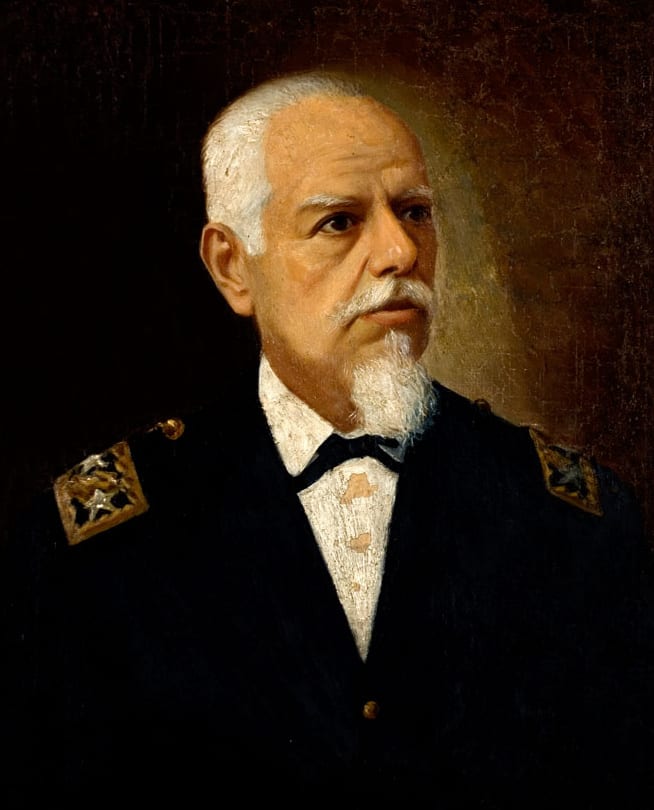
Independent Ecuador was chronically unstable, and split down the middle: a conservative, Catholic, landowning highland centred on Quito, and a liberal, commercial, export-oriented coast centred on Guayaquil. Gabriel García Moreno, twice president between 1861 and 1875, built roads and schools while making Catholicism a condition of citizenship and dedicating the nation to the Sacred Heart of Jesus; he was assassinated. In 1895 the coastal Liberal Revolution brought Eloy Alfaro to power, separating church and state, legalising civil marriage and divorce, secularising schools and cemeteries, and completing the railway that finally linked Guayaquil to Quito. Alfaro was overthrown, and in 1912 he and his followers were killed by a mob in Quito and their bodies burned.
The collapse of the cacao boom in the 1920s brought economic crisis and even deeper political chaos — more than 20 governments between 1925 and 1948 — and the recurring figure of José María Velasco Ibarra, a populist orator elected president five times and finishing only one term. In 1941 a war with Peru ended with Ecuador forced to give up a huge area of Amazon territory it claimed, a grievance that was not finally settled until 1998.
Oil, and the modern republic
Oil was found in the Ecuadorian Amazon in the late 1960s, and production began in 1972 — the same year the military seized power, partly to control the new wealth. Oil turned Ecuador from one of the poorest countries in the region into a middle-income one, funded a wave of state modernisation, and left the economy dependent on the oil price ever after. It also left a legacy of severe contamination in the rainforest and one of the longest environmental lawsuits in history.
Elected government returned in 1979, but the next quarter-century was a churn of weak presidencies, debt and, at the end of the 1990s, a banking collapse so severe that in 2000 Ecuador abandoned its own currency and adopted the US dollar. Between 1996 and 2006 the country had eight presidents; three elected leaders were driven from office early by mass protest, often led by Ecuador's powerful Indigenous movement.
Correa, and the security crisis
Stability arrived with Rafael Correa, an economist and self-described "21st-century socialist", who governed from 2007 to 2017. A new constitution in 2008 was the first in the world to grant rights to nature and it declared Ecuador a plurinational state; oil-funded social spending roughly halved poverty; and a strong, centralising, media-hostile government fell out with the Indigenous and environmental movements that had first backed it. After Correa left, his own successor turned against him and pursued him for corruption; austerity triggered violent nationwide protests in 2019.
Then came the collapse in security. Long a relatively peaceful country between the cocaine giants Colombia and Peru, Ecuador was overtaken from around 2020 by organised crime, as international cartels contracted local gangs to fight for control of the drug route through the port of Guayaquil. The homicide rate went from one of the lowest in Latin America to the highest in a few years, with prison massacres, car bombs, and the assassination of a presidential candidate during the 2023 campaign. President Daniel Noboa declared an "internal armed conflict" against the gangs in January 2024 and militarised the response.
What Ecuador carries
Ecuador has always been a country of parts that pull against each other — coast against highland, Quito against Guayaquil, the oil economy against the forest and the people who live in it — and it has never had a long stretch of political calm except when the oil price was high. The Correa years bought a decade of it. The security crisis has taken it away again, and the question now is whether a small, divided, dollarised country can hold together against forces much larger than itself.