Culture & Customs · Ecuador
Ecuador: Respeto, Minga and the Burning of the Old Year
A Catholic country threaded with Andean belief, where respect is owed to everyone, neighbours still turn out to work together, and every New Year's Eve the old year goes up in flames on the street
By Worldlore Editorial · 30 September 2026
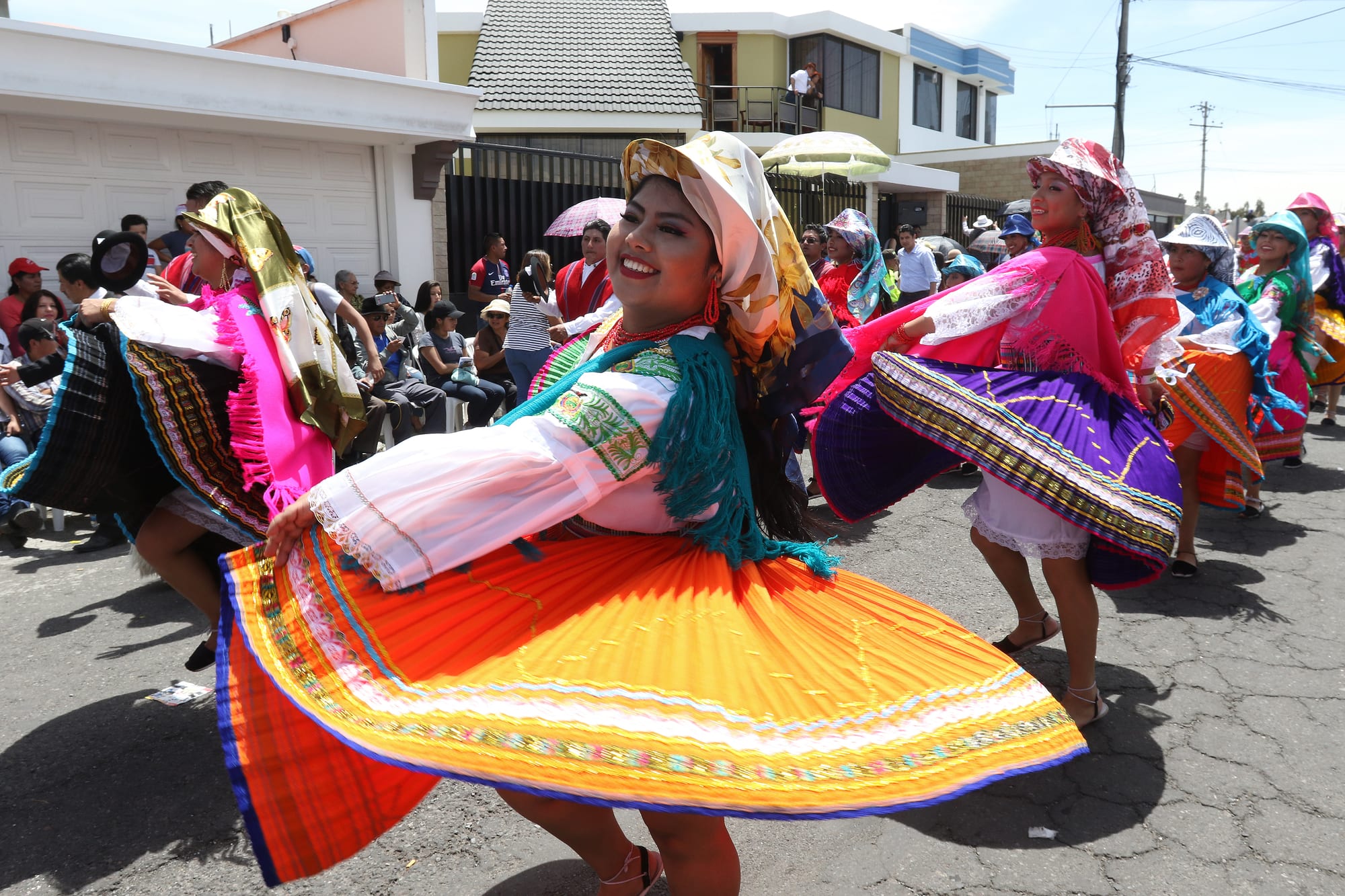
On the last day of December, the streets of Ecuador fill with strange figures. Effigies made of sawdust, cardboard and old clothes stand on platforms along the streets, many of them caricatures of politicians, film stars and cartoon characters. These are the monigotes, or años viejos, the "old years", and they are lampooned all day long. Men dressed in black as grieving "widows" dance around them and stop passers-by to beg a few coins for the funeral. Then, at midnight, the effigies are set alight, and with them, so the custom goes, everything bad the old year brought. It is a noisy, funny, faintly anarchic ritual, and it captures something essential about Ecuador: a culture that takes its faith and family seriously but has never lost its taste for satire and shared celebration.
Faith, identity and values
Religion matters in Ecuador. In a 2023 survey cited by the US State Department, 86 per cent of Ecuadorians said religion was important in their lives. About 68 per cent identified as Catholic, 12 per cent as evangelical or Protestant and 2 per cent as Pentecostal, with the rest belonging to smaller groups or practising no religion. The country is also home to 14 Indigenous nationalities, many of which keep ancestral Andean rituals marking the solstices and equinoxes, and most combine those beliefs with Catholicism or evangelical Christianity.
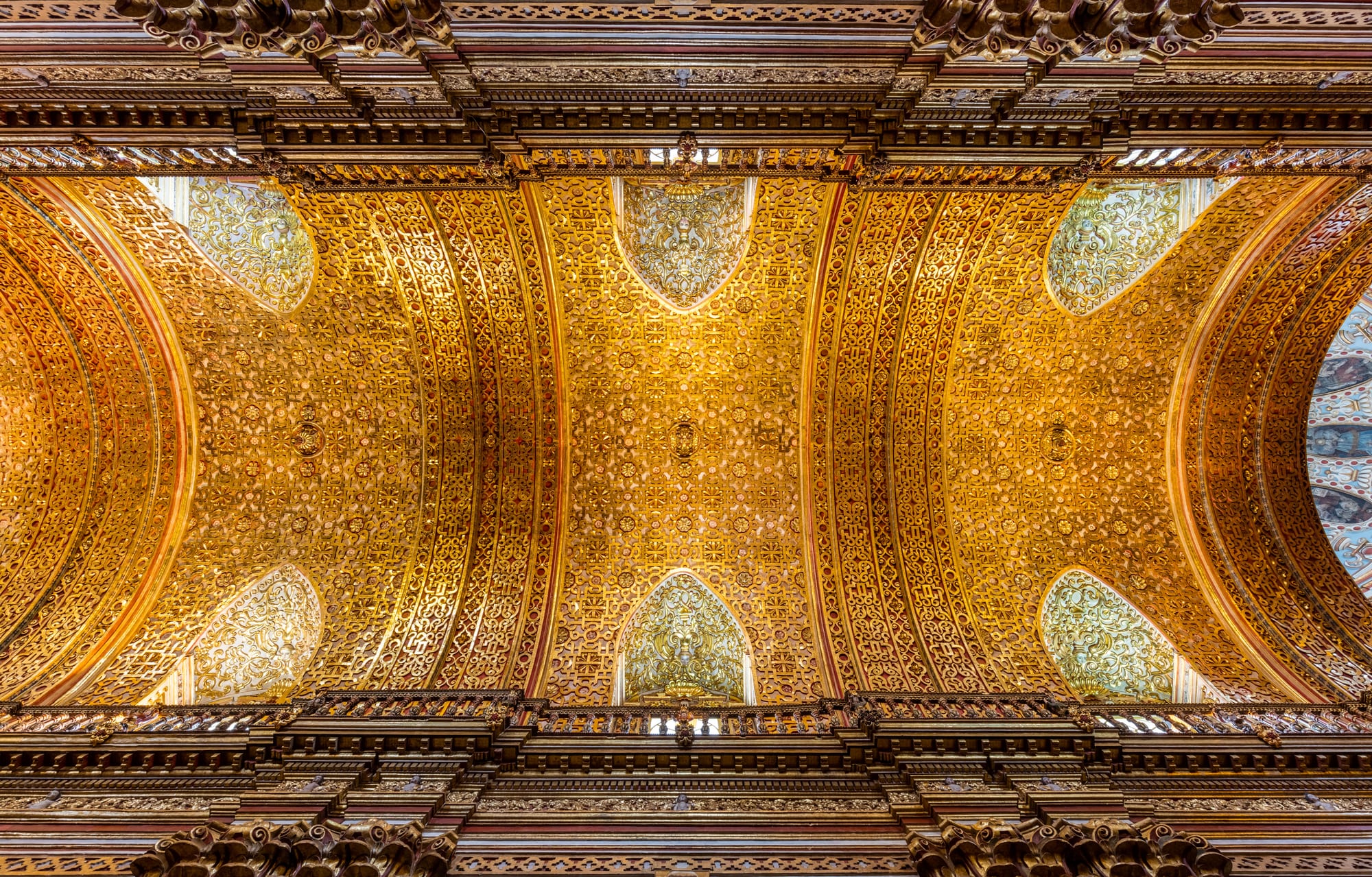
That blending is not confined to the highlands or the Amazon. Anthropologists who have studied the country describe syncretism between Catholic Christianity and local beliefs and practices as ubiquitous, running through every sector of Ecuadorian culture, so that Catholic feast days and Andean seasonal rites share the same calendar.
Beneath faith lies respeto, respect, which the same scholars identify as the key to etiquette across every divide of class, ethnicity and gender. To be granted respect is to have dignidad, dignity, and every Ecuadorian expects to be treated with it as a matter of right. The granting and withholding of respect governs a great deal of everyday life.
Two older institutions knit communities together. Compadrazgo, the ritual kinship formed between parents and the godparents they choose, creates bonds of mutual obligation that can help families move between village and city. The minga, a community work party in which everyone pitches in to accomplish a task, remains a familiar way of getting things done.
Greetings and meeting people
No conversation should begin without a greeting, and the words change with the clock: buenos días until noon, buenas tardes through the afternoon and buenas noches after dark. The same courtesy is expected on walking into a shop, an office or a small restaurant. At a first meeting, people shake hands, look the other person in the eye and add mucho gusto, "pleased to meet you"; it is normal to shake hands again when saying goodbye. Between women, or between a man and a woman who know each other, a light kiss on the right cheek is usual, and among friends an abrazo, a hug, may take the place of a handshake.
Forms of address are formal at first. Señor or Señora with the surname is the safe choice, and it is common to put a professional title before a name, doctor, ingeniero (engineer), licenciado (graduate) or arquitecto among them; using it is a courtesy. The formal usted is the right word for "you" with elders, seniors and new acquaintances, while the familiar tú waits until the relationship warms, and it is up to the Ecuadorian side to decide when first names are in order. Conversation, too, follows a pattern: small talk comes before any business, and relationships are often built over a meal before anything is agreed. Pointing at a person with a finger is considered rude; a whole open hand is used instead, and to beckon someone the hand is held palm down and waved towards the body.
Time is treated with some flexibility. Meetings and social occasions often start a little after the appointed hour, a habit known as la hora ecuatoriana, "Ecuadorian time", but foreign visitors are still expected to be punctual for business. Any effort to speak Spanish, even a few words of greeting, is appreciated.
Hospitality and being a guest
Hospitality in Ecuador flows from the same idea of respect, and a shared meal is one of the main ways of building a relationship. An invitation to a home is a mark of warmth, and arriving a little after the stated time is normal. Guests usually bring something: flowers, pastries, sweets or a good bottle are all suitable. Lilies and marigolds are best avoided because of their association with funerals, and knives or scissors can suggest cutting the relationship. Looking neat is itself a courtesy to the host, and men take their hats off indoors.
At the table, guests wait for the host to begin or to wish everyone buen provecho, "enjoy your meal"; the phrase is also offered to strangers already eating when entering or leaving a small restaurant. A toast is made with salud, looking at the person being toasted, and it is polite to leave a little food on the plate at the end. When someone issues an invitation to eat out, it is generally understood that they will pay for everyone.
Sharing food is also woven into ritual. In Indigenous communities, the ceremonial occasions of the year are marked with chicha, a fermented drink served at every such gathering. At Inti Raymi celebrations, the pampamesa is a ritual of thanksgiving in which typical foods of the Andes, maize, potatoes, beans, squash and roast guinea pig among them, are laid out and shared with everyone present. And on the Day of the Dead, the special drink and bread of the season are carried to the cemetery and shared at the graves of the family's own dead.
Festivals and life's big moments
The year is crowded with celebrations, religious and secular. Before Lent, Carnival brings water fights to streets and squares. The independence anniversaries of 24 May and 10 August are national holidays. And the year closes with the burning of the Año Viejo, a custom that goes back to the late nineteenth century, when it took the form of mock funeral processions for the year that had ended. Over time it became the satirical ritual it is today, and it is now so popular that competitions are held for the best effigies and "widows".
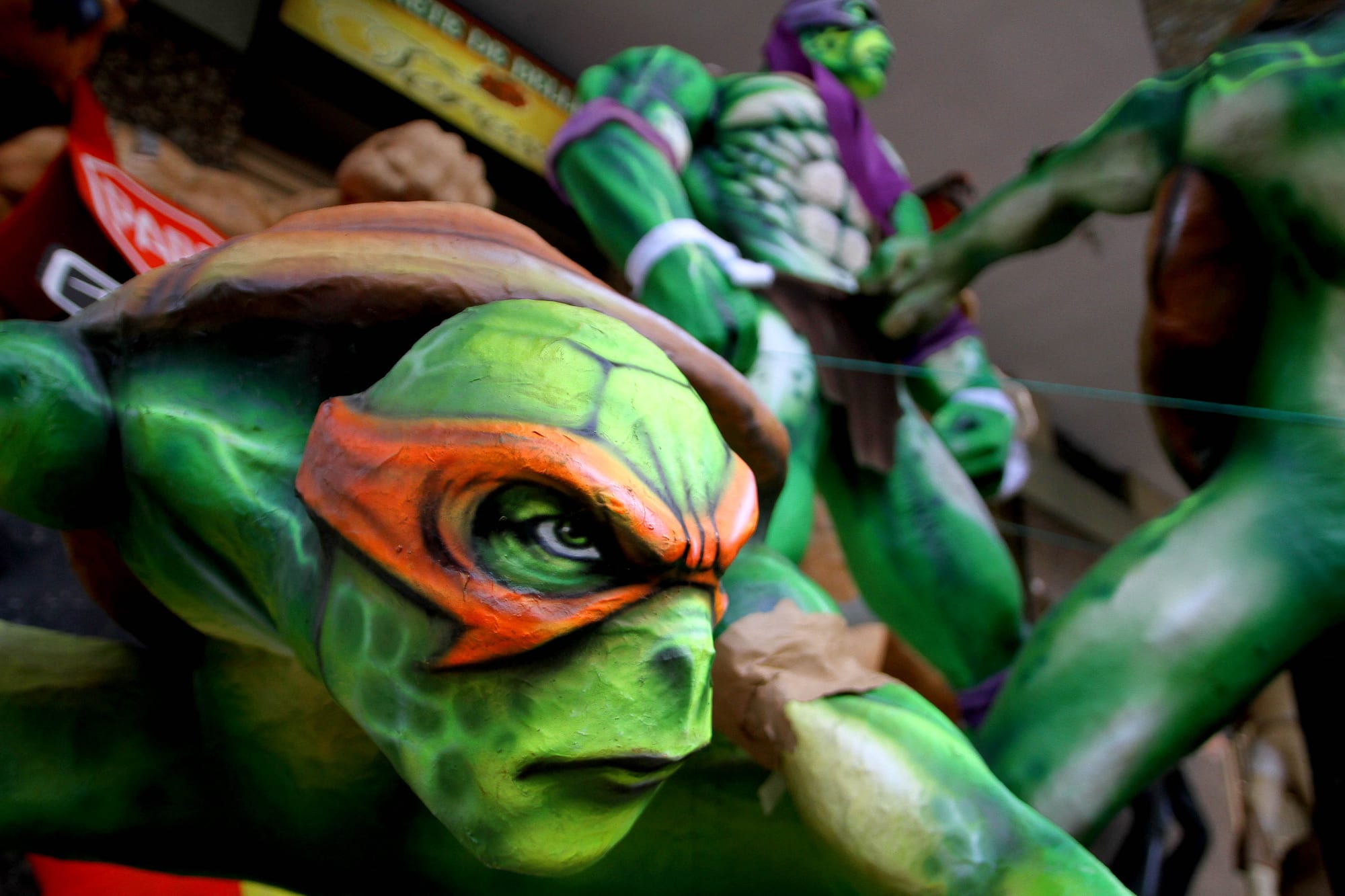
In June, Andean communities celebrate Inti Raymi, the festival of the sun, around the solstice. It is a time to give thanks for the bounty of Mother Earth, Pachamama, and on the eve of the celebrations many communities practise a ritual bath, meant to wash away the negative energy accumulated over the year and renew the spirit. The festival survived colonial-era attempts to suppress it.
On 2 November, the Day of the Dead, families across the country visit cemeteries to honour their relatives, gathering at the graves as if in the company of the dead. The day has its own food: colada morada, a thick drink of purple corn flour, fruit and aromatic herbs, and guaguas de pan, sweet bread rolls shaped and decorated to represent children. Both have roots in the traditions of the Andean peoples, and the colada is still drunk at the graveside as a way of sharing memories with those who have gone.
Life's milestones follow the Catholic pattern for most families, with baptism the moment when godparents are chosen and the ties of compadrazgo begin. Forms of marriage vary widely across the country's many communities, and godparents are central to a wedding too. Among the Saraguro, an Andean people whose weddings blend Andean and Catholic belief, the groom's parents first make a formal visit to the bride's parents with a gift, the counterpart of the mestizo pedida de mano, or asking for the bride's hand. They then choose the couple's padrinos and go to beg them to accept. The padrinos see that the couple are dressed in traditional clothes and bring them to the church, and they are expected to stand by the pair for the rest of their lives. After the service come musicians, a feast and dancing. Some Indigenous communities are also reviving ancestral weddings held at sacred sites, where offerings of flowers and seeds are made, the sun, earth, wind and water are called on as witnesses, and the couple may be bound with a woven band in place of rings.
Death, too, is marked in different ways. In the past, mourning was strictly regulated, worn for a year or two depending on how close the relative had been; today most families hold a more private farewell. Many Andean communities still keep older rites. Relatives dress in black, the wake is lit by candles and flowers, and mourners are given food and aguardiente, a cane spirit, through a vigil that can last several days. In some communities, games played with dice and boards pass the night, and the money collected goes to the bereaved family. Among Afro-Ecuadorians of the northern coast, the music of the marimba serves as a farewell to the deceased as well as a celebration of life.
Arts, crafts and music
Ecuador has four traditions on UNESCO's list of intangible cultural heritage, and each says something about the country. Pasillo, which emerged in the nineteenth century as an Andean adaptation of the European waltz and in Ecuador took on features of the Indigenous yaraví, is often described as a poem set to music. Played on guitars and the high-pitched requinto, its lyrics dwell on love, heartbreak, life, death, family and homeland, and it is passed on through families, music schools, street musicians and community bands. For many Ecuadorians it is a symbol of national identity.
On the northern coast, Afro-Ecuadorian communities keep alive the music of the marimba, a xylophone of palm wood with bamboo resonators, played with drums and maracas and accompanied by traditional chants and dances. Men and women both perform it, and elders carry the oral narratives that go with it. It is heard at festivals, in worship of the saints and at funerals, and it is shared on UNESCO's list with the neighbouring Pacific region of Colombia. The oral heritage of the Zápara people of the Amazon is also on the list.
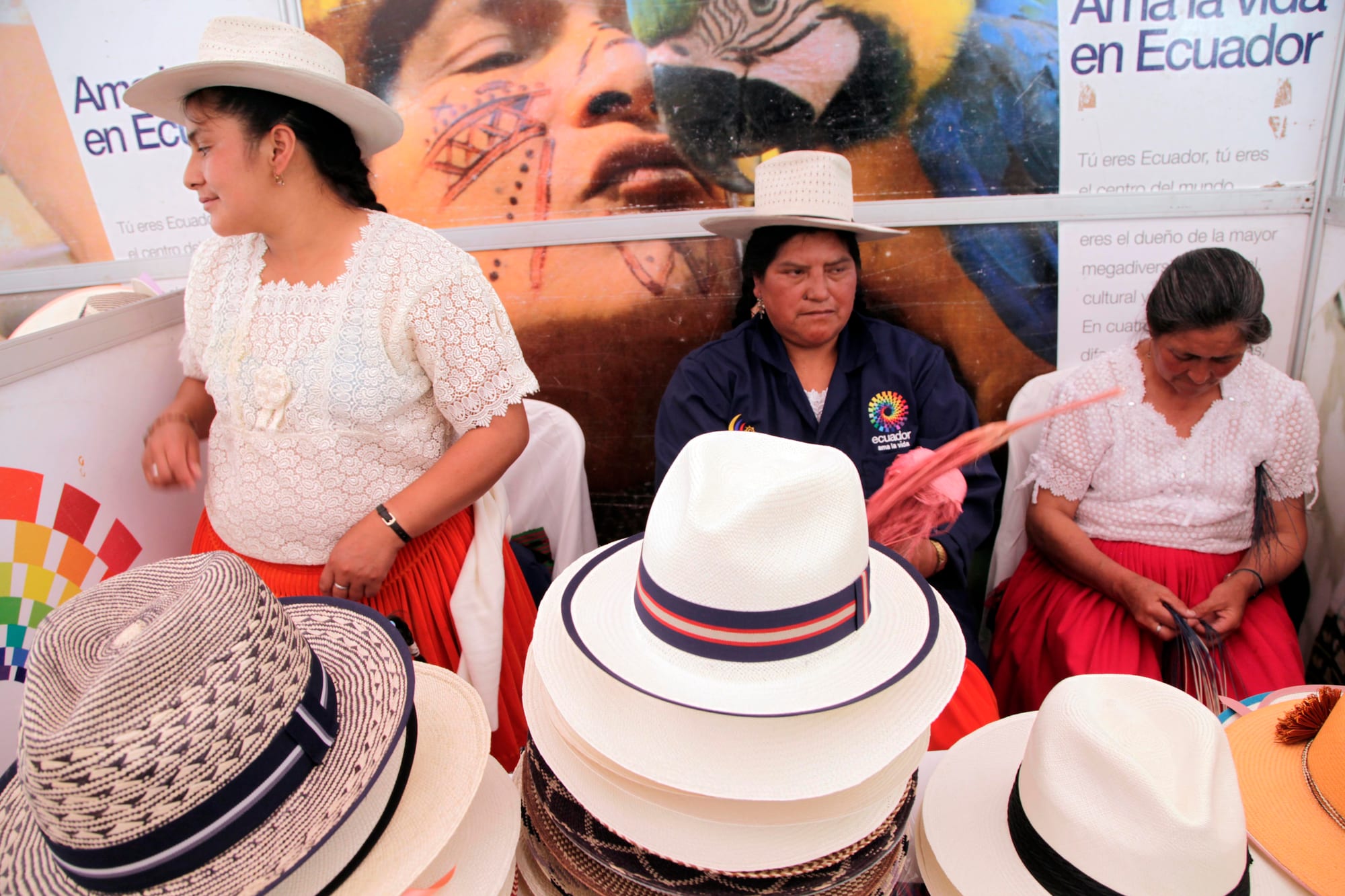
The country's most famous craft is the toquilla straw hat. The toquilla palm grows on the coast, where farmers harvest its stems for fibre, which is separated, boiled, dried and bleached before weaving begins. The weavers are mostly rural families, and the skill is handed down at home, learned from an early age by watching and copying. Once the crown and brim are woven, the hat is washed, bleached, moulded, ironed and pressed. For the communities that make them, the hats are a mark of identity worn in daily life and at festivals alike.
Dos and don'ts for visitors
- Do say buenos días, buenas tardes or buenas noches on entering a shop, office or small restaurant, and shake hands on meeting and leaving.
- Do use Señor, Señora or a professional title with the surname, and the formal usted, until invited to be less formal.
- Do allow time for small talk before turning to business or practical matters.
- Do arrive on time for business appointments, even if meetings start a little late.
- Do bring flowers, pastries or sweets when invited to a home, but not lilies or marigolds, which are linked with funerals.
- Do dress neatly, avoid shorts in churches, and expect to get wet around Carnival, when water fights fill the streets.
- Don't point at people with a finger; gesture with the whole hand instead.
- Don't withhold the basic courtesies of a greeting and respectful manner; respeto is the foundation of every exchange.
What to take away
Ecuador asks for little from visitors beyond respect, and those who greet people properly, give conversation its time and join in the country's many celebrations will find that respect warmly returned.