Daily Life · Ecuador
Ecuador: A Day Measured by Altitude
A long midday almuerzo, a weekly market day that draws the countryside into town, and a country split so cleanly by elevation that it keeps two different school calendars
By Worldlore Editorial · 30 September 2026
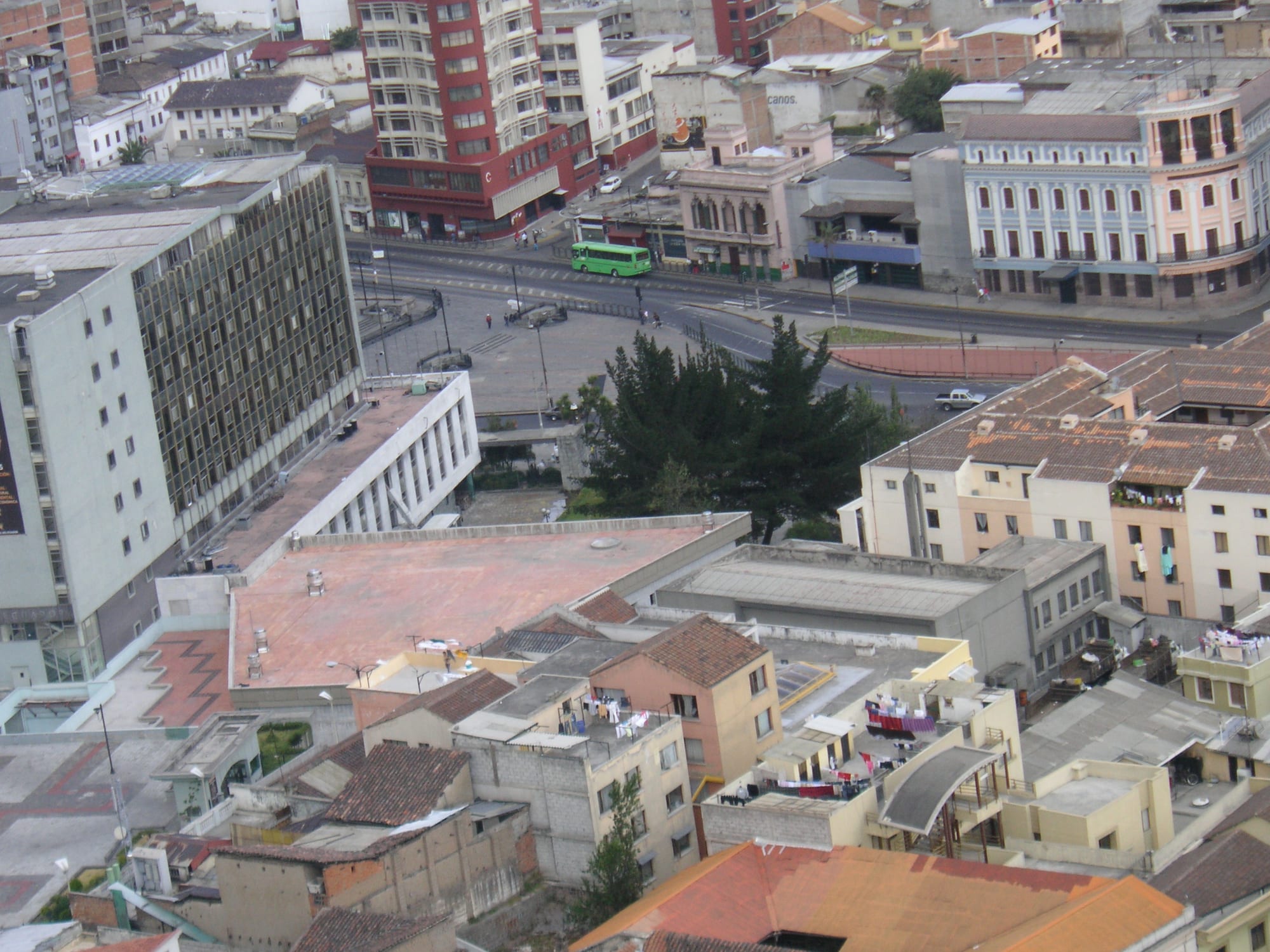
Ecuador is small enough to cross in a day, yet altitude splits it into different rhythms of life: the highlands wake to cool, clear mornings and spring-like afternoons, the coast to heat and humidity, and the Amazon to rain that can fall at any hour. What holds the day together nationwide is the almuerzo, a substantial midday meal that pulls many workers home or into a set-menu comedor, and a working week that, by law, still leaves Saturday and Sunday free.
Family and home life
Ecuadorian households remain close-knit, and it is common for grandparents, parents and children to share a home or live within easy reach of one another, with elders generally cared for by the family rather than independently. Mornings in most households start early: children are readied for school, and a fair share of domestic work, including washing clothes to dry in the morning sun, falls to whoever runs the household, still mostly women, though this is slowly shifting in cities. Indigenous households in the highlands often keep smallholdings alongside town life, weaving and farming worked into the household routine rather than separated from it.
Work, school and the rhythm of the day
The legal working week is 40 hours, usually spread over five days with Saturday and Sunday off, and the standard day runs eight hours, with limited paid overtime beyond that. Much of the day pauses for the almuerzo, served from around midday into the early afternoon, the day's main meal and typically eaten without being rushed. Ecuador runs two separate school calendars rather than one: the Sierra and Amazon regions follow a September-to-June year, while the Costa and Galápagos regions run April or May through January or February, each suited to its own climate.
Community life and public spaces
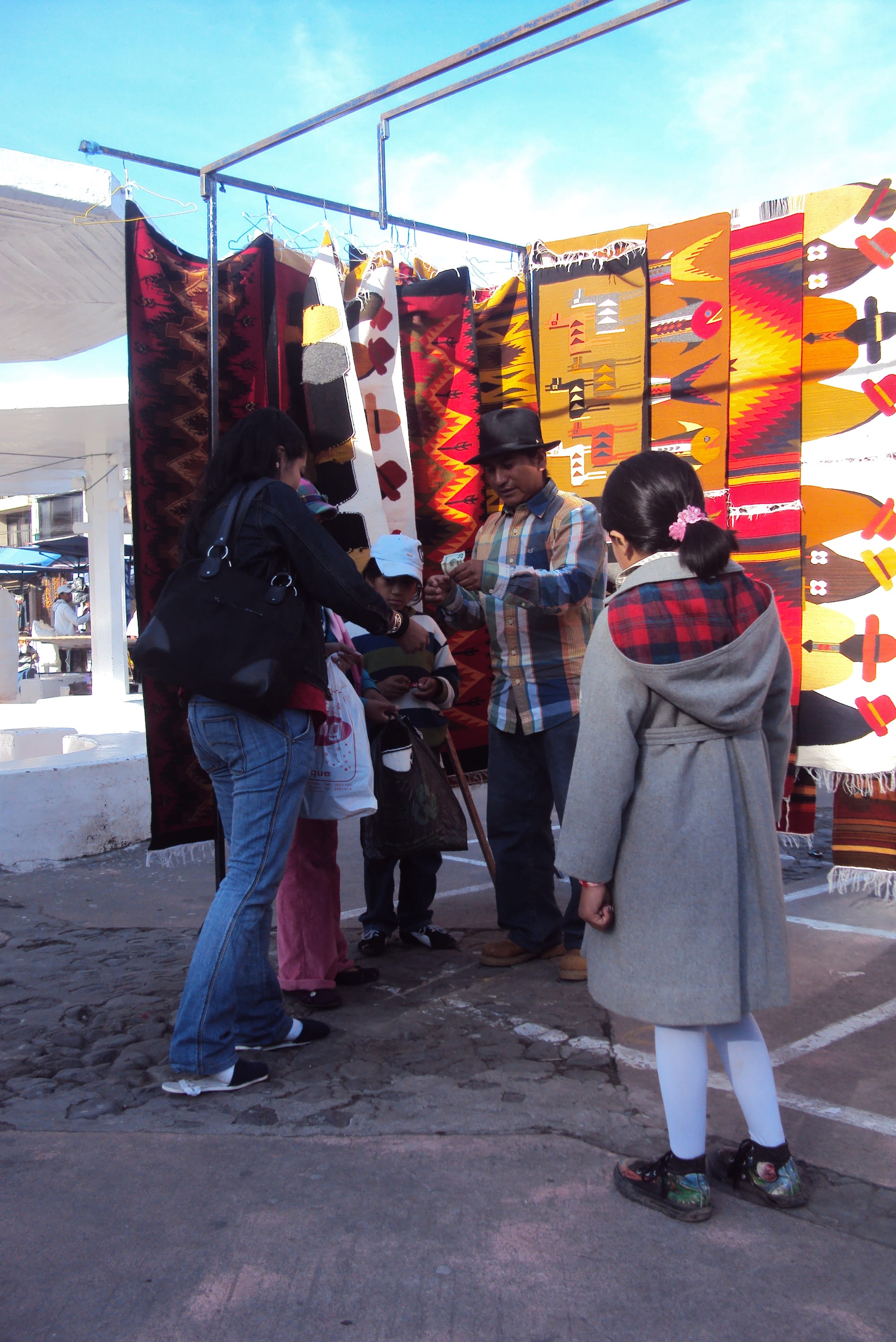
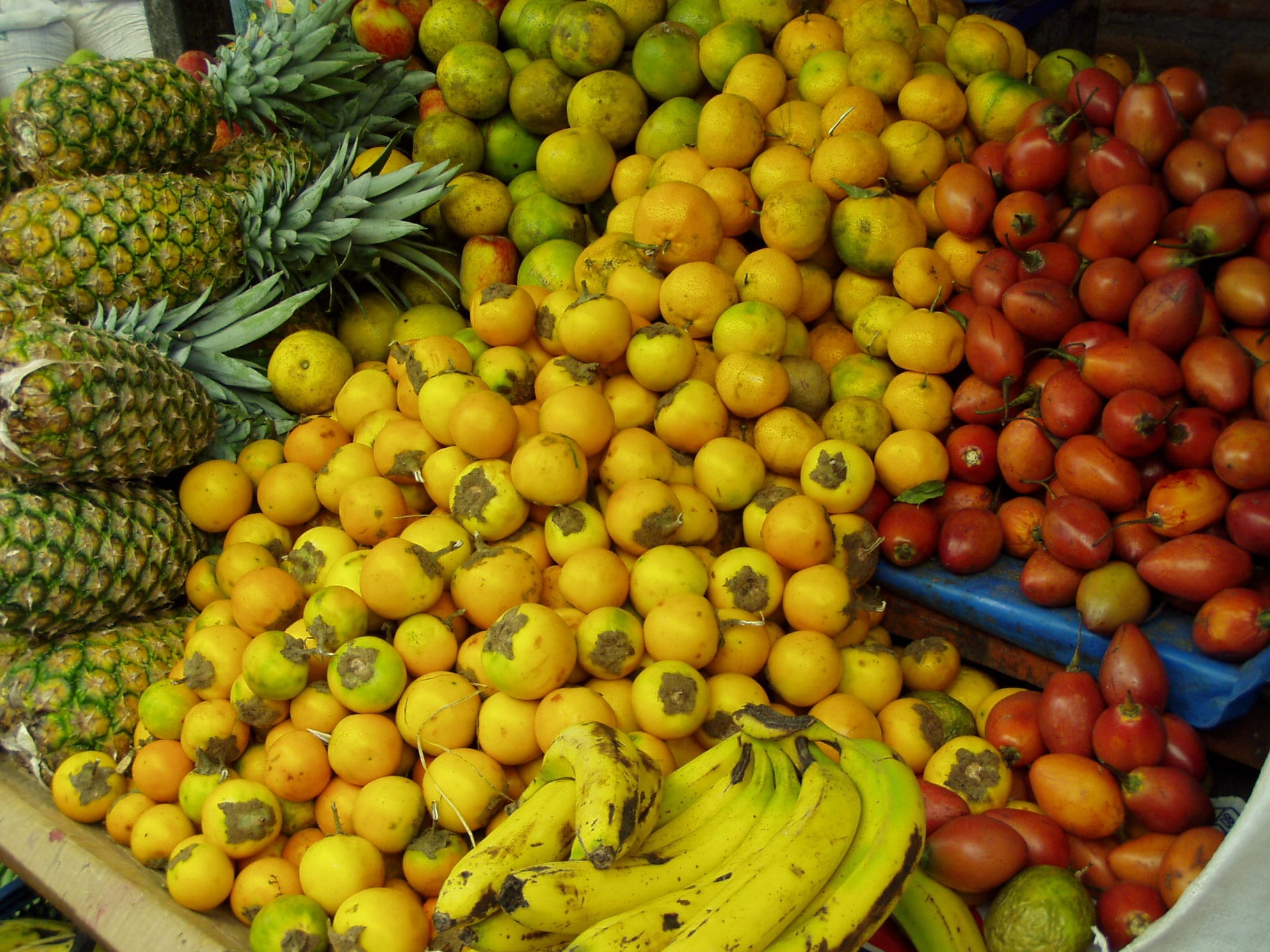
Markets remain the everyday meeting point in both highland towns and coastal cities, selling produce, textiles and household goods, and in indigenous highland communities a weekly market day still draws farmers and weavers in from the surrounding countryside to sell and trade. Buses and shared colectivo minibuses are the everyday way of getting around cities and between towns, inexpensive and frequent though rarely running to a posted timetable. Central plazas, anchored by a church and often a market building, remain the default public gathering space in towns of every size.
Free time and weekends
Saturday mornings are often given over to errands: markets, shopping and the week's household tasks. Football is the dominant weekend pastime and a genuine national obsession, watched at home or in the street rather than only at the stadium. Where distance and money allow, weekends bring family outings to a nearby town, a lake or the coast, and Sunday, like the almuerzo on weekdays, is generally kept for an unhurried family meal.
A visitor's ordinary day
Ecuador uses the US dollar, which removes exchange-rate guesswork but makes small change important: breaking a large note away from a bank or big shop can be difficult, and worn or torn bills may be refused. An almuerzo at a local comedor is the cheapest reliable meal of the day and widely available from late morning. Long-distance buses reach almost everywhere cheaply, if slowly on mountain roads, while a rental car or domestic flight saves time between the highlands, the coast and the Amazon. Outside the capital and the main tourist circuit, cash is still more useful than cards. Security has worsened since about 2019, and states of emergency and curfews have been imposed repeatedly, mostly in coastal provinces, so current official advice is worth checking before travel.
What to take away
What shapes an ordinary day in Ecuador is less the clock than the altitude: the same country runs on a cool highland rhythm, a hot coastal one and a wet Amazonian one, all at once, joined mainly by the shared pause of the midday almuerzo.