Daily Life · Dominica
Dominica: The People Who Never Left
Home to the eastern Caribbean's last Indigenous Kalinago community, descended from the islands' pre-Columbian people, and a rhythm of daily life where bathing in a river is routine, not recreation
By Worldlore Editorial · 30 September 2026
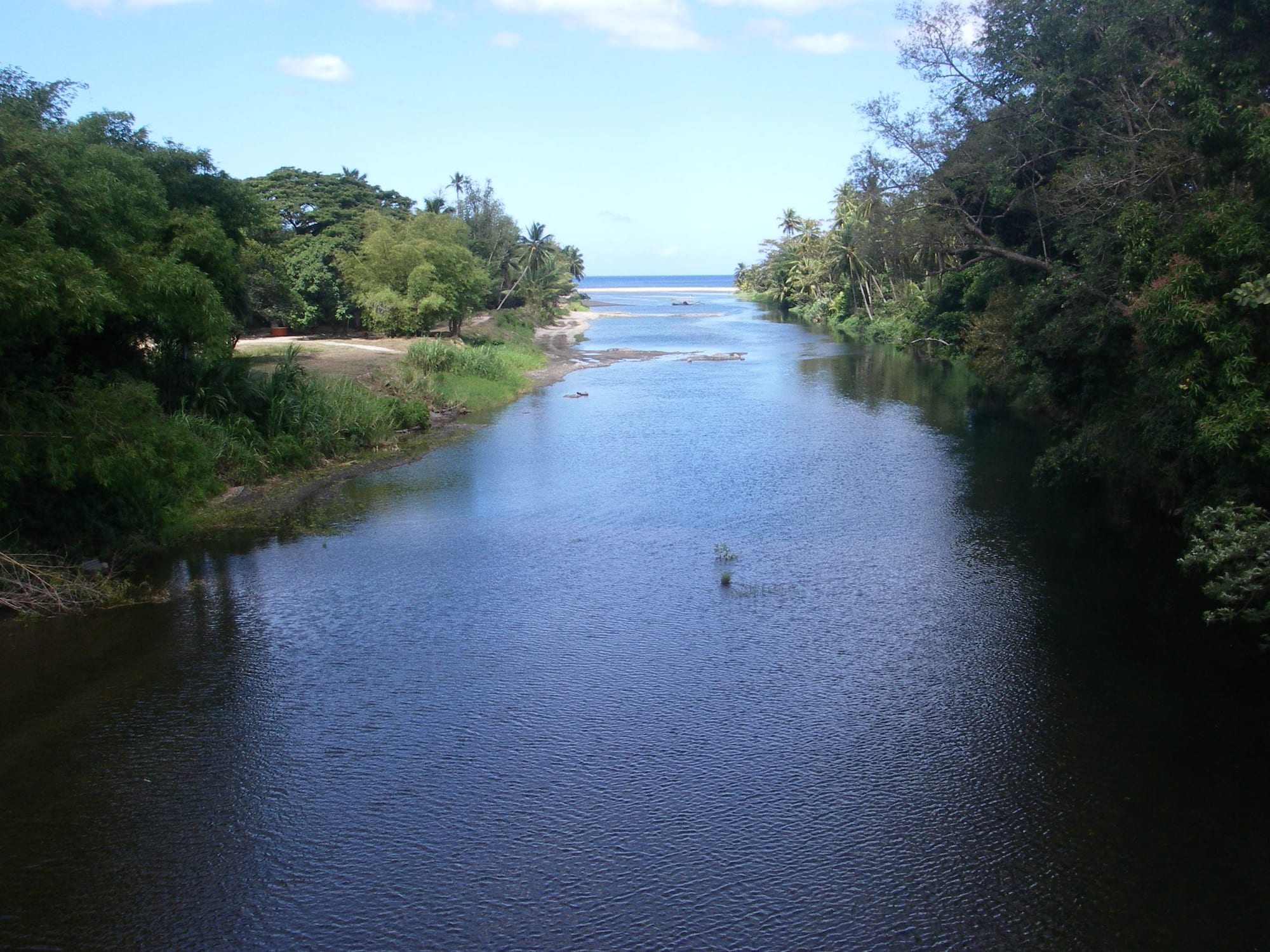
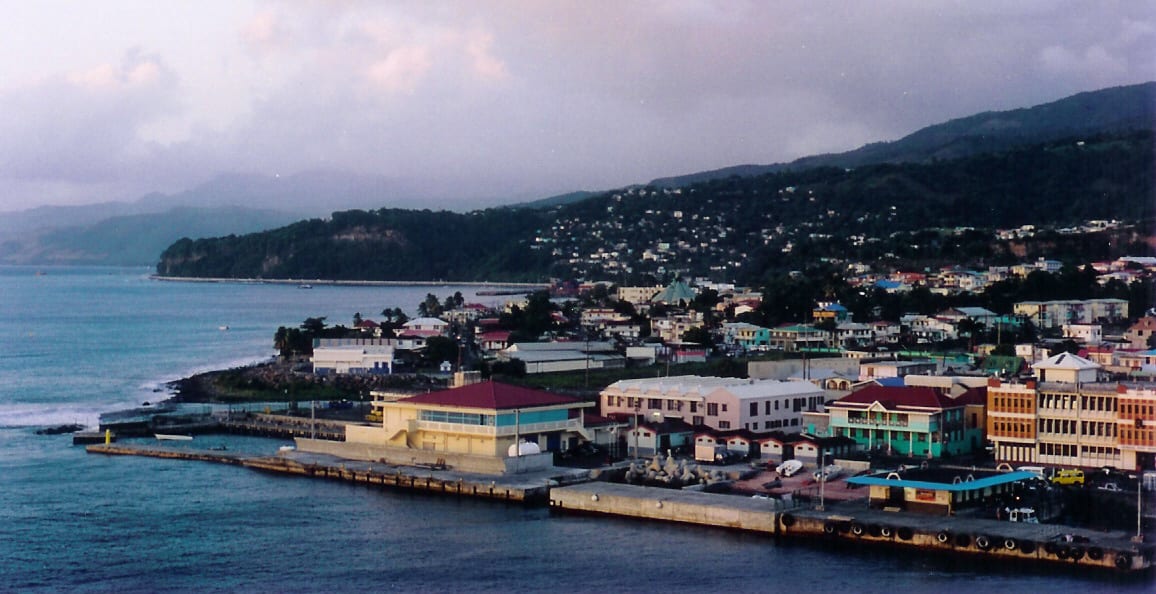
Dominica, nicknamed the Nature Isle for its rainforest, waterfalls and rivers, is also home to something no other eastern Caribbean island can claim: the Kalinago Territory, a communally owned stretch of the Atlantic east coast whose people descend from the Kalinago who lived across the Lesser Antilles before European colonisation. Outside the capital, Roseau, daily life still runs largely through small villages, where the church, the school, the rum shop and the local market anchor an ordinary week.
Family and home life
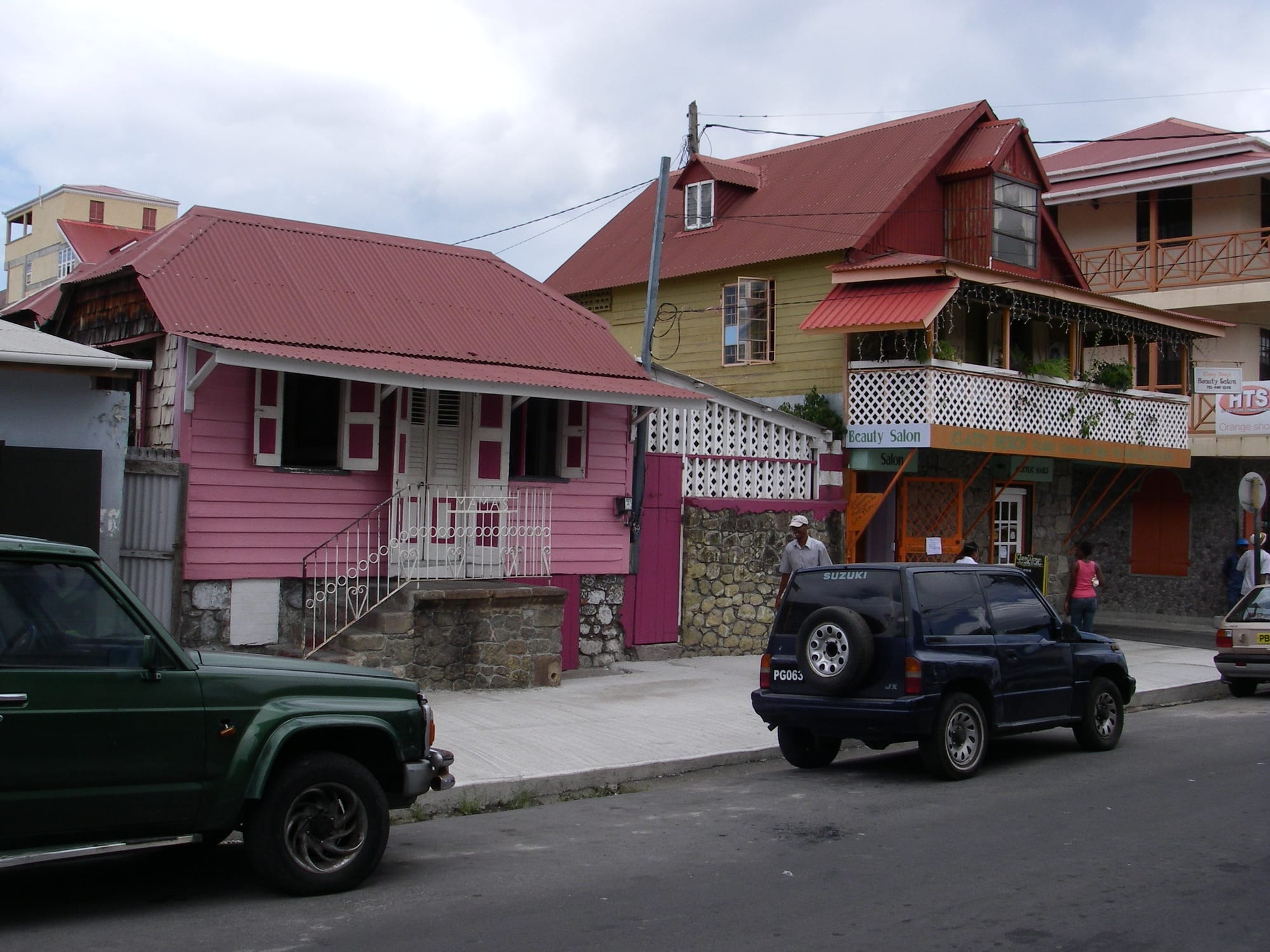
Many rural homes are traditionally built of wood with a galvanised metal roof, some raised on stilts. Extended family ties remain strong, and it is common for grandparents to help raise children while parents work, particularly in villages where several related households live close together. In the Kalinago Territory, land is held communally rather than individually owned, a distinct arrangement from the rest of the island, reflecting the territory's own system of local government.
Work, school and the rhythm of the day
Agriculture, particularly bananas and other tree crops grown in Dominica's rich volcanic soil, remains a significant source of rural livelihood, alongside government jobs, tourism and fishing. Village life outside Roseau is genuinely central to how people spend their day, with the local market, church, school and sports field, especially for cricket, functioning as the real social infrastructure of a village rather than the capital.
Community life and public spaces
Rivers and waterfalls are not only tourist attractions here; bathing, swimming and washing in a local river is a routine part of daily life for some households, given how much of the island's abundant rainfall feeds its rivers. Roseau's Old Market Square, a former colonial-era trading square, was renovated in 1988 as a craft centre and still functions as a public gathering point in the capital, with stalls selling crafts, jewellery and spices.
Free time and weekends
Hiking, river bathing and time in or around water fill much of the island's free time, treated as an ordinary weekend activity rather than something reserved for visitors. Cricket draws real community interest on village playing fields, and church attendance remains a genuine part of many people's Sunday.
A visitor's ordinary day
Cash remains useful outside Roseau and the larger towns, and card acceptance is inconsistent in villages and smaller businesses. Public transport runs on privately operated minibuses that leave when reasonably full rather than on a fixed timetable, similar to much of the wider Caribbean. Roads into the interior can be steep, winding and, after heavy rain, temporarily impassable, so building in extra time for any inland trip is worth doing.
What to take away
What defines an ordinary day in Dominica is how little separation there is between daily life and the island's rainforest and rivers, and how, in the Kalinago Territory, that daily life still carries a line of continuity nowhere else in the eastern Caribbean can claim.