History · Dominica
Dominica: The Nature Island and the Last Caribs
The most rugged of the Lesser Antilles — the last stronghold of the Kalinago, a colony fought over by France and Britain, and a poor, disaster-prone republic
By Worldlore Editorial · 19 September 2026
The island Europe could not take
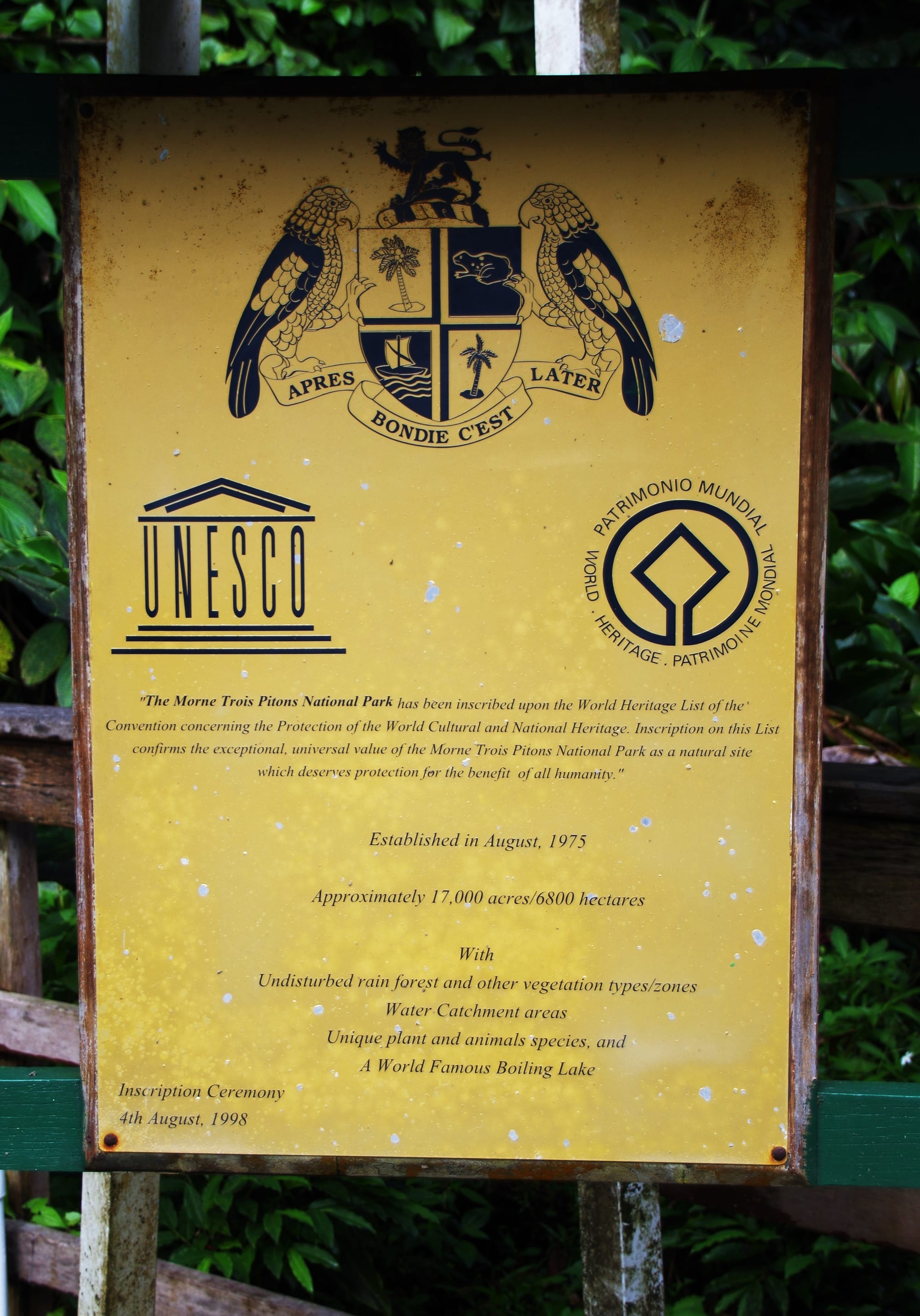
Dominica — not the Dominican Republic, which is a different country — is a small, steep, densely forested volcanic island squeezed between the French islands of Guadeloupe and Martinique. It has 365 rivers, a boiling lake, dense rainforest, and black volcanic sand instead of the white beaches that made its neighbours rich. Its 67,000 people are mostly of African descent, but it is also home to the Kalinago, around 3,000 people in a territory on the east coast — the largest surviving Indigenous community in the Caribbean. That survival is the key to Dominica's early history: the island was so rugged, and the Kalinago so effective at defending it, that Europeans could not settle it for two hundred years.
A short history
- to 1400s
Waitukubuli
Arawak, then Kalinago settlement; the Kalinago name means "tall is her body".
- 1493
Named
Columbus sights the island on a Sunday and calls it Dominica.
- 1660
Left to the Kalinago
Britain and France agree to treat Dominica as neutral Carib territory.
- 1700s
De facto French
French settlers from Martinique grow coffee with enslaved labour.
- 1763–1805
The contest
The island changes hands repeatedly; Britain finally holds it.
- 1785–1814
The Maroon Wars
Escaped enslaved people wage guerrilla war from the interior.
- 1838–1865
The Mulatto Ascendancy
A Black-majority elected assembly, then abolished for Crown Colony rule.
- 3 November 1978
Independence
Dominica becomes a republic within the Commonwealth.
- September 2017
Hurricane Maria
A Category 5 storm destroys most of the island's buildings.
The Kalinago holdout
Dominica was settled by Arawak-speaking people and then, by around 1400, by the Kalinago, or Island Caribs, from South America. They called the island Waitukubuli. When Columbus sighted it in 1493, and for two centuries after, Europeans found the mountains impassable and the Kalinago impossible to dislodge — they raided the neighbouring colonies and melted back into the forest. In 1660 Britain and France formally agreed to leave Dominica and St Vincent to the Kalinago as neutral ground, and Dominica became the last major refuge of a people being exterminated everywhere else in the region.
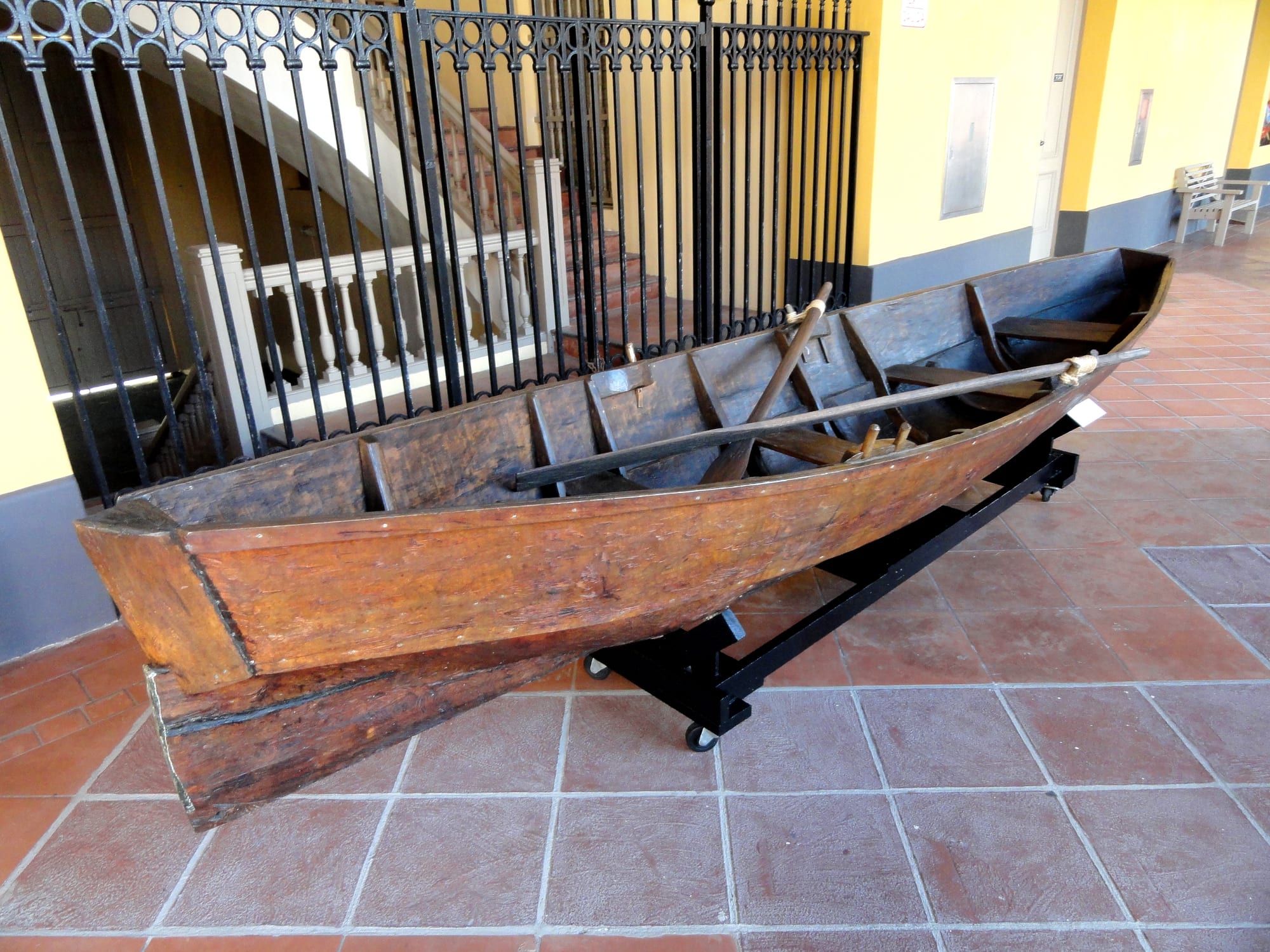
French missionaries and planters from Martinique moved in anyway from the early 1700s, growing coffee and cutting timber with enslaved African labour, and the island became French in practice.
Fought over, and held from within
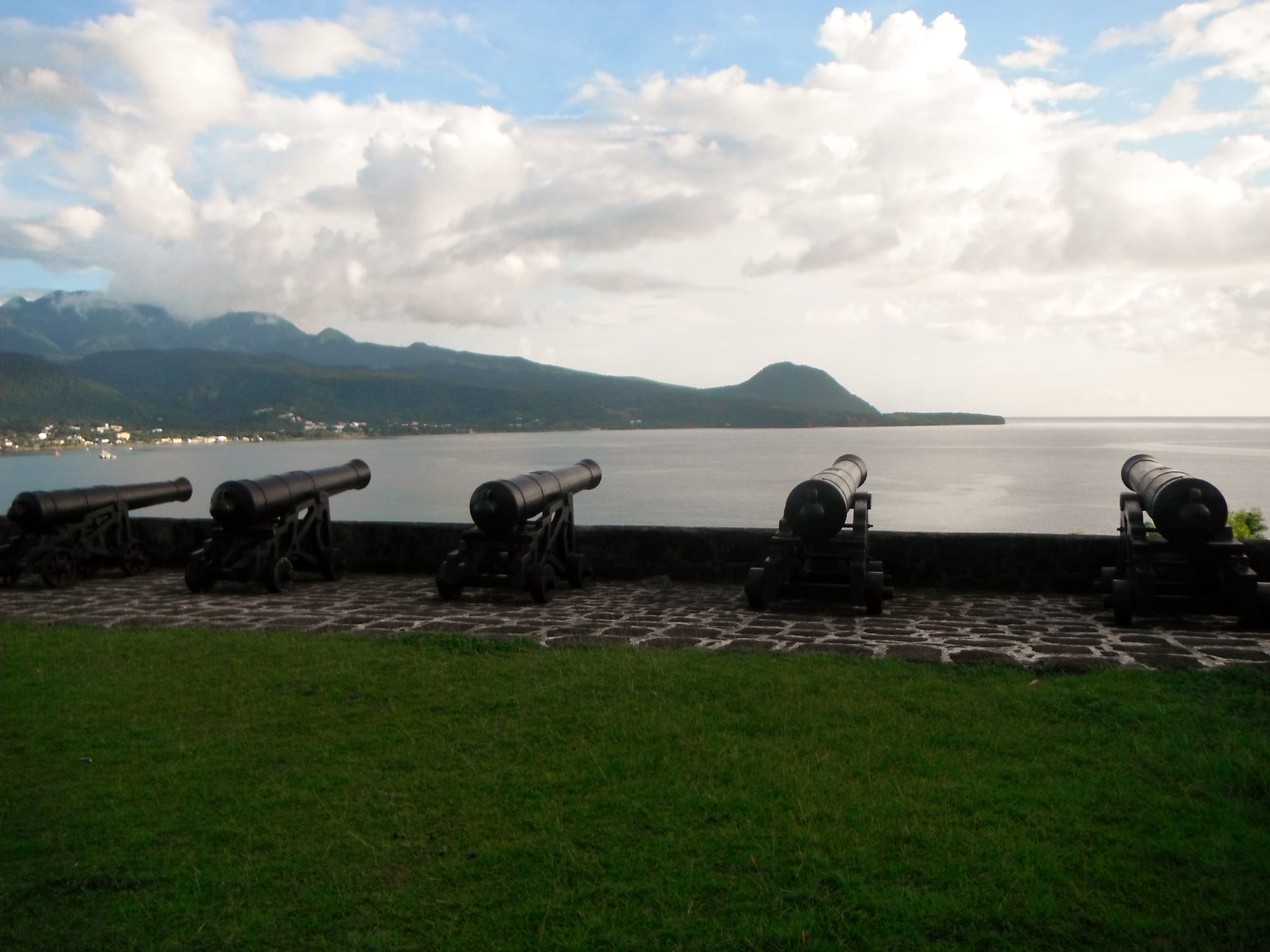
Dominica changed hands again and again in the 18th century — to Britain by treaty in 1763, back to France in 1778, to Britain once more in 1783 — and a French assault that burned Roseau in 1805 failed to take it. Meanwhile the rugged interior sheltered the Maroons: communities of escaped enslaved people who raided the estates and fought two guerrilla wars against the British, in the 1780s and again from 1809, before they were finally crushed.
Britain abolished slavery in 1834. Dominica then did something unusual: its post-emancipation legislative assembly had a majority of Black and mixed-race members — one of the few such elected bodies anywhere in the British Empire — until London, alarmed, abolished it in the 1860s and imposed direct Crown Colony rule.
Independence and disaster
Universal suffrage came in 1951 and self-government in 1967. Dominica became fully independent on 3 November 1978 — as a republic, with no British monarch, unlike most of its Caribbean neighbours. The first years were chaotic: the first prime minister was forced out in 1979 and later jailed over a farcical 1981 coup plot involving American mercenaries. Eugenia Charles then became prime minister in 1980, the Caribbean's first woman head of government, and governed for 15 years.
Independent Dominica has been poor and exposed. It leaned on banana exports until world trade rules ended its European preferences in the 2000s, then on ecotourism, remittances, and a lucrative and much-criticised programme selling citizenship to foreign investors. And it has been battered by hurricanes: Tropical Storm Erika in 2015, and then Hurricane Maria in September 2017, a Category 5 storm that hit the island head-on, killed dozens, destroyed roughly nine in ten buildings, and stripped the rainforest bare. Dominica responded by declaring the goal of becoming "the world's first climate-resilient nation".
What Dominica keeps
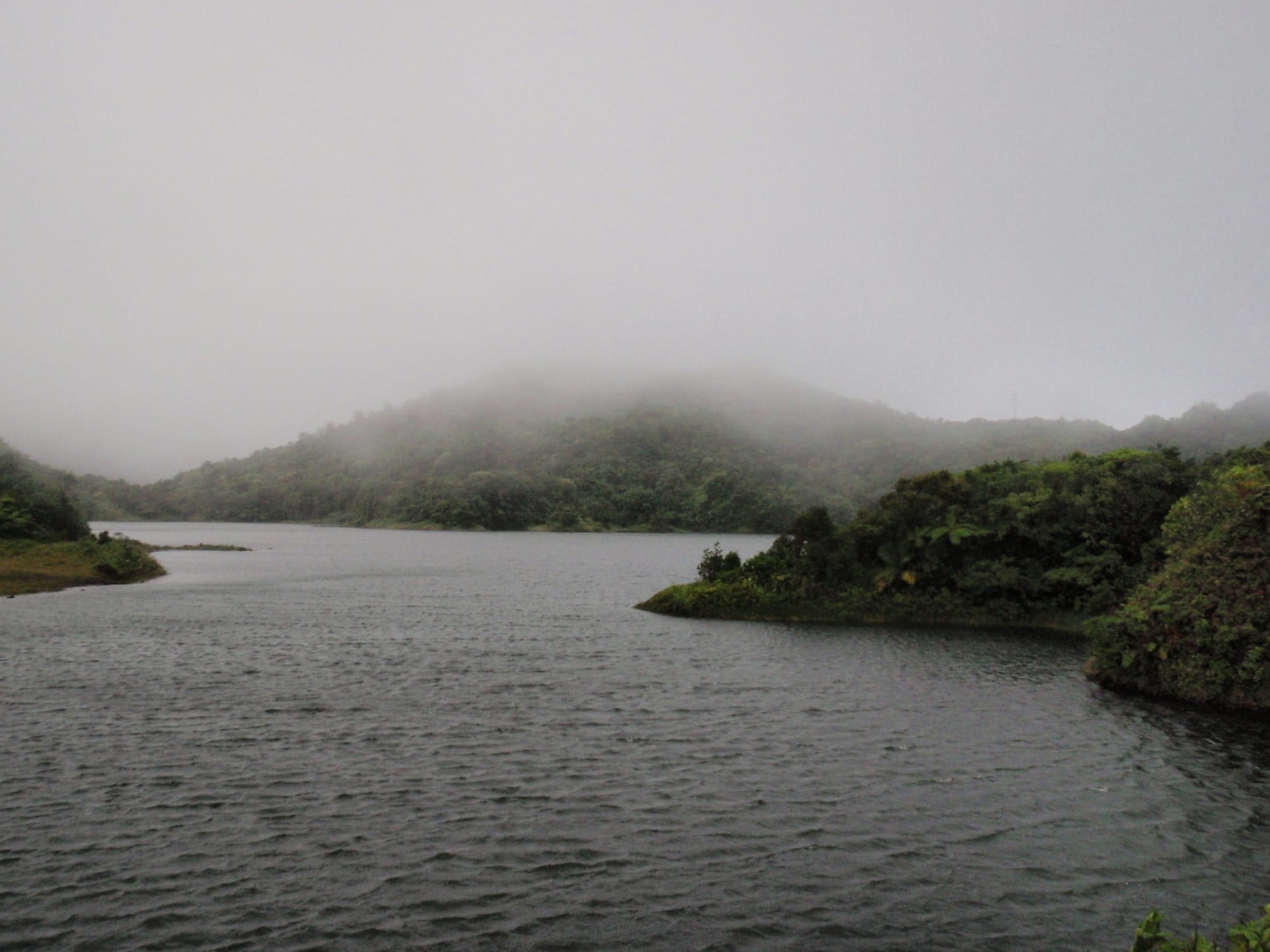
Dominica's mountains defined it twice over: they kept the Europeans out long enough for the Kalinago to survive there when they survived nowhere else, and they kept the island poor and marginal through the plantation centuries and after. The same terrain is now the country's main asset as "the Nature Island" — and its main vulnerability, as the forests that draw the visitors are also what the hurricanes tear down.