Attractions & Natural Wonders · Dominica
Dominica: Nine Attractions and Natural Wonders
The world's second-largest hot spring, a rainforest of 365 rivers, warm bubbles rising through a reef, and the last Indigenous territory in the Caribbean
By Worldlore Editorial · 19 September 2026
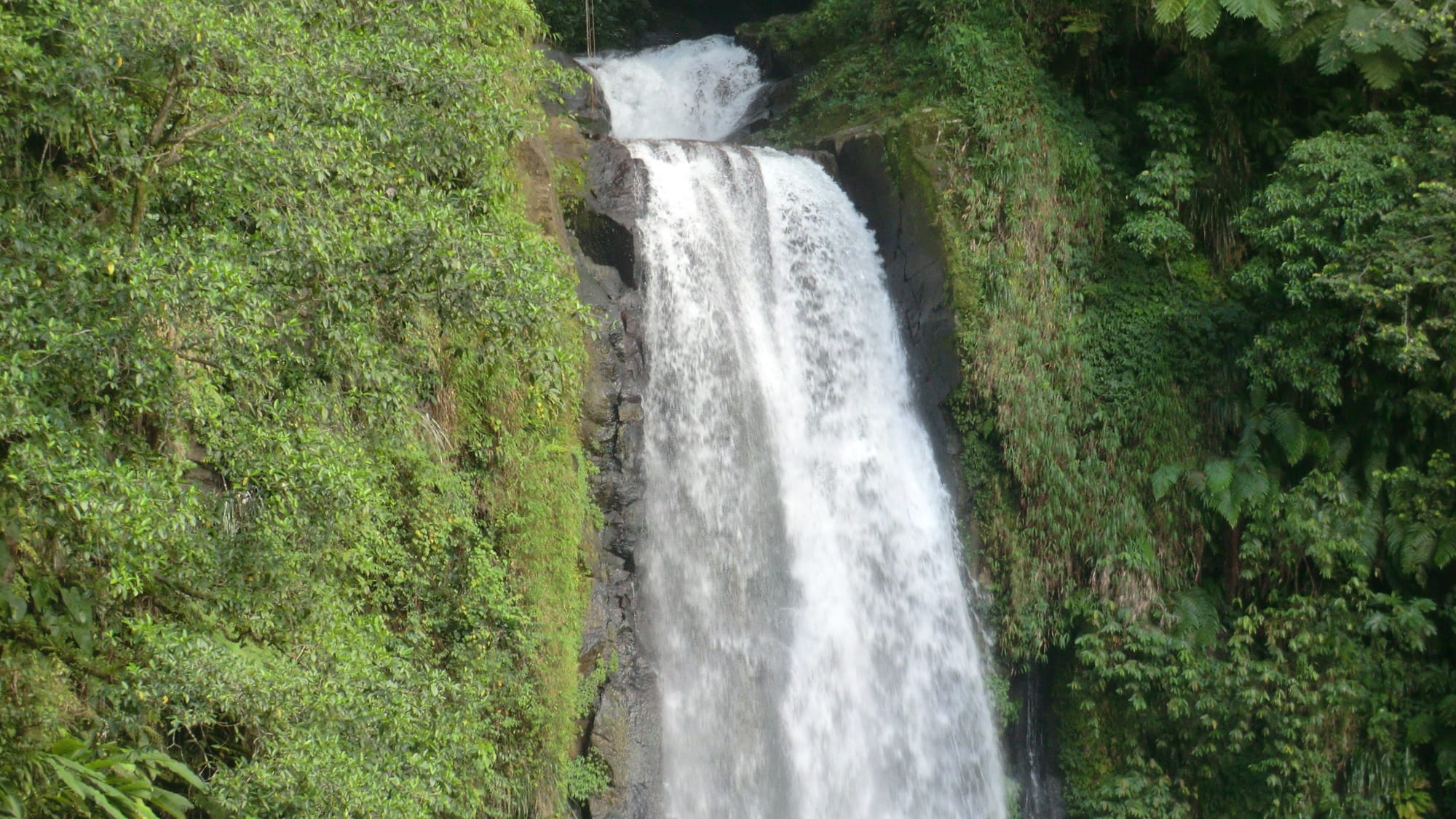
The "Nature Island"
Dominica (not to be confused with the Dominican Republic) is a small, steep, volcanic island in the eastern Caribbean, still almost entirely covered in rainforest. It has no big resorts, no golden-sand mega-beaches, and no direct long-haul flights — and that is the point. It markets itself as the "Nature Island": nine potentially active volcanoes, hundreds of rivers, hot springs, and the region's best hiking. Hurricane Maria devastated it in 2017; it has rebuilt, with an explicit goal of becoming the world's first "climate-resilient" nation.
The nine below are almost all in the mountainous interior and the southwest. The dry season, roughly February to June, is best for hiking.
1. The Boiling Lake
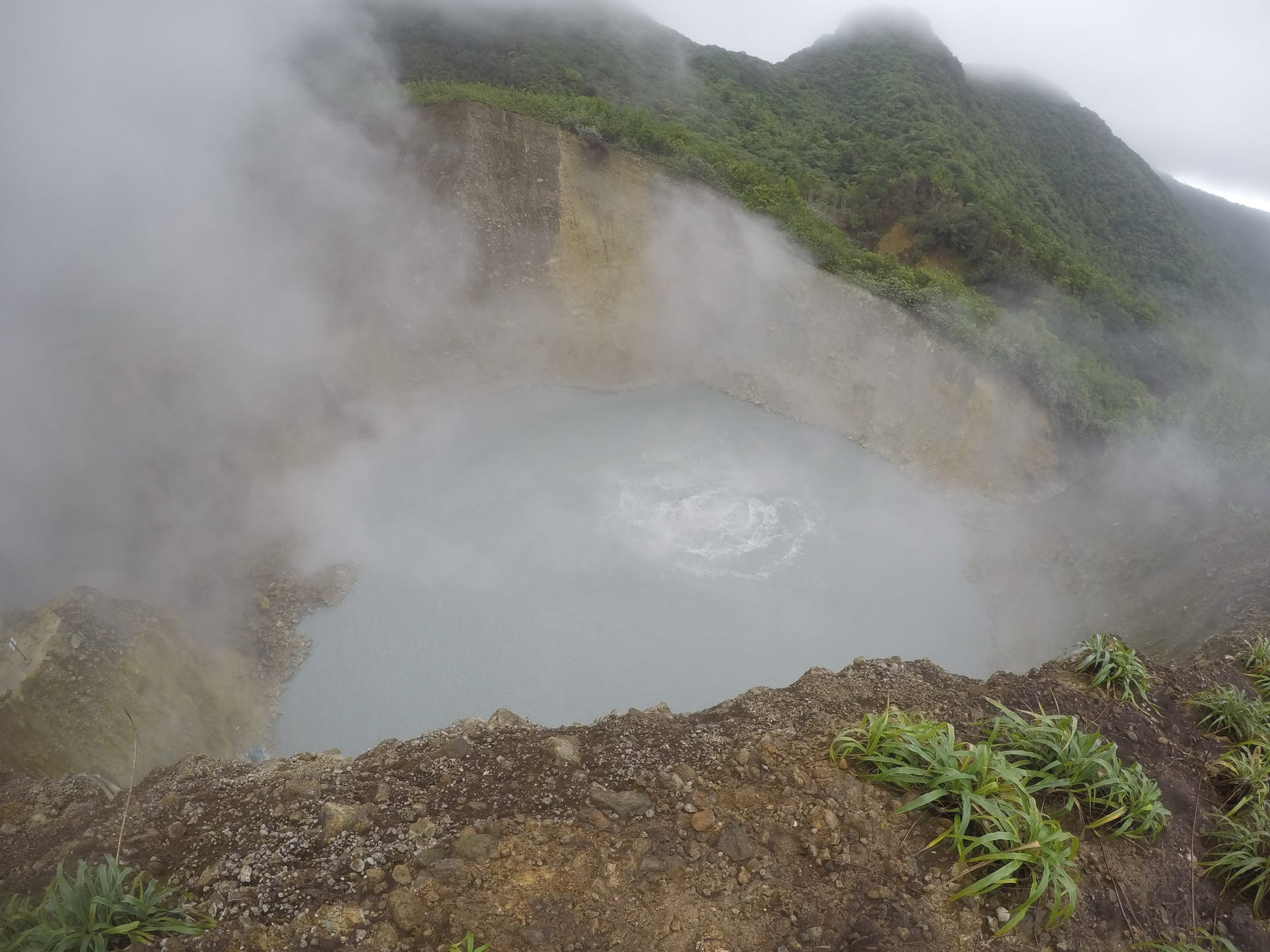
Dominica's signature sight is a lake of greyish water, about 60 metres across, that genuinely boils — a flooded fumarole heated by molten rock close below, churning at the centre and wreathed in steam. It is the second-largest hot lake in the world after one in New Zealand.
Reaching it is a demanding hike of about six hours round trip from Titou Gorge, through rainforest, over a ridge, and across the sulphurous, fumarole-hissing Valley of Desolation. A guide is required; the lake's level and activity vary, and it has drained and refilled before.
2. Trafalgar Falls and Titou Gorge
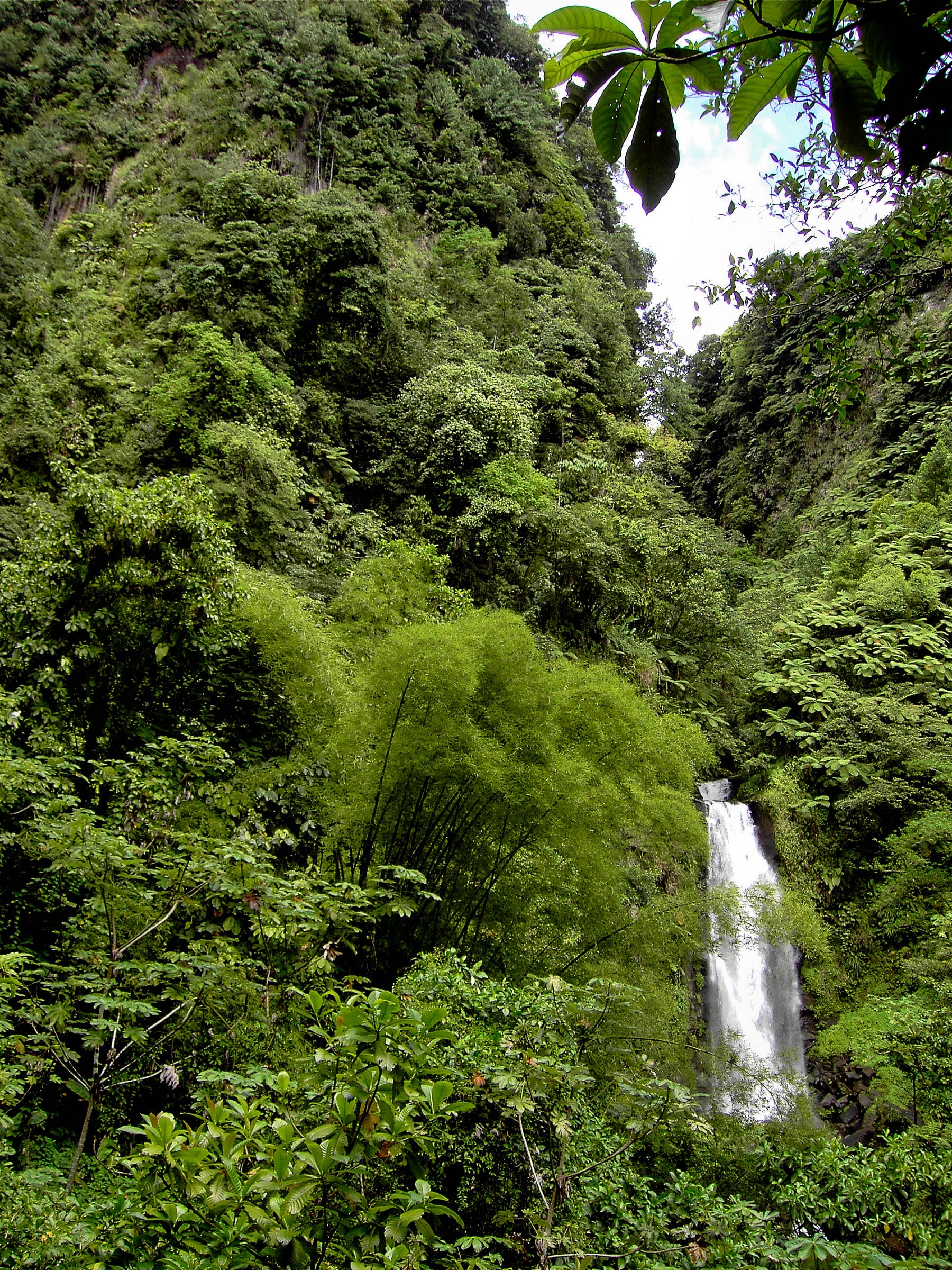
The twin Trafalgar Falls, ten minutes' walk from the road above Roseau, are the easiest of the island's big waterfalls to see: two cascades side by side, one of them warmed by a sulphur spring so that you can find a spot where hot and cold water mix in the pools below.
Nearby, Titou Gorge is a narrow slot canyon you swim up, between mossy walls a few metres apart, to a hidden waterfall — the start of the Boiling Lake trail, and a location in the second Pirates of the Caribbean film.
3. The Emerald Pool
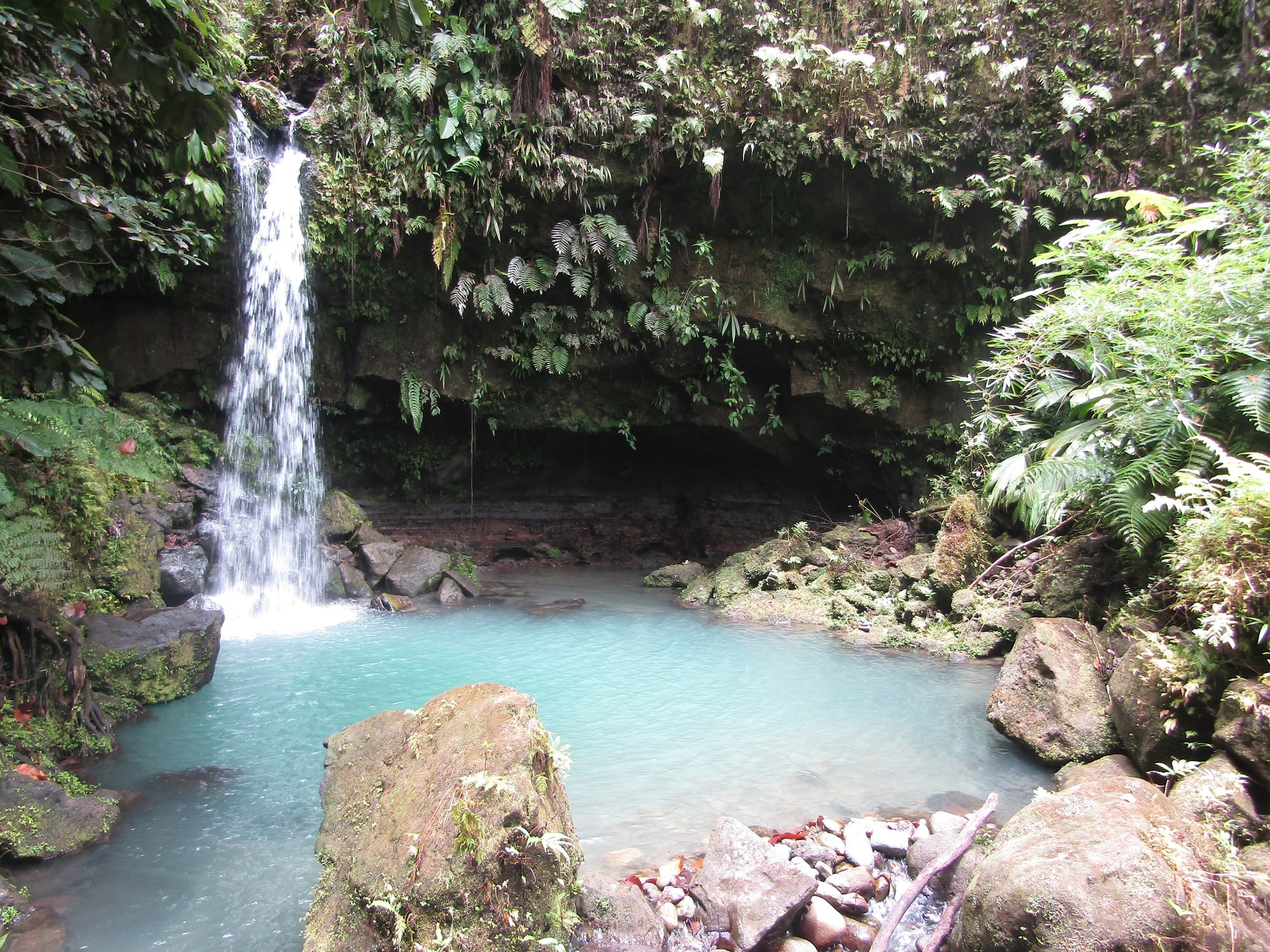
The Emerald Pool is the island's most accessible piece of rainforest scenery: a 15-minute loop trail leads to a small waterfall dropping into a clear green plunge pool in a fern-hung grotto, fed by the Belle Fille river. It sits within Morne Trois Pitons National Park, Dominica's UNESCO World Heritage Site, which protects the volcanic core of the island — five volcanoes, the Boiling Lake, the Valley of Desolation, freshwater lakes, and boiling springs.
Because the walk is easy and short, it can be busy when a cruise ship is in.
4. Middleham Falls
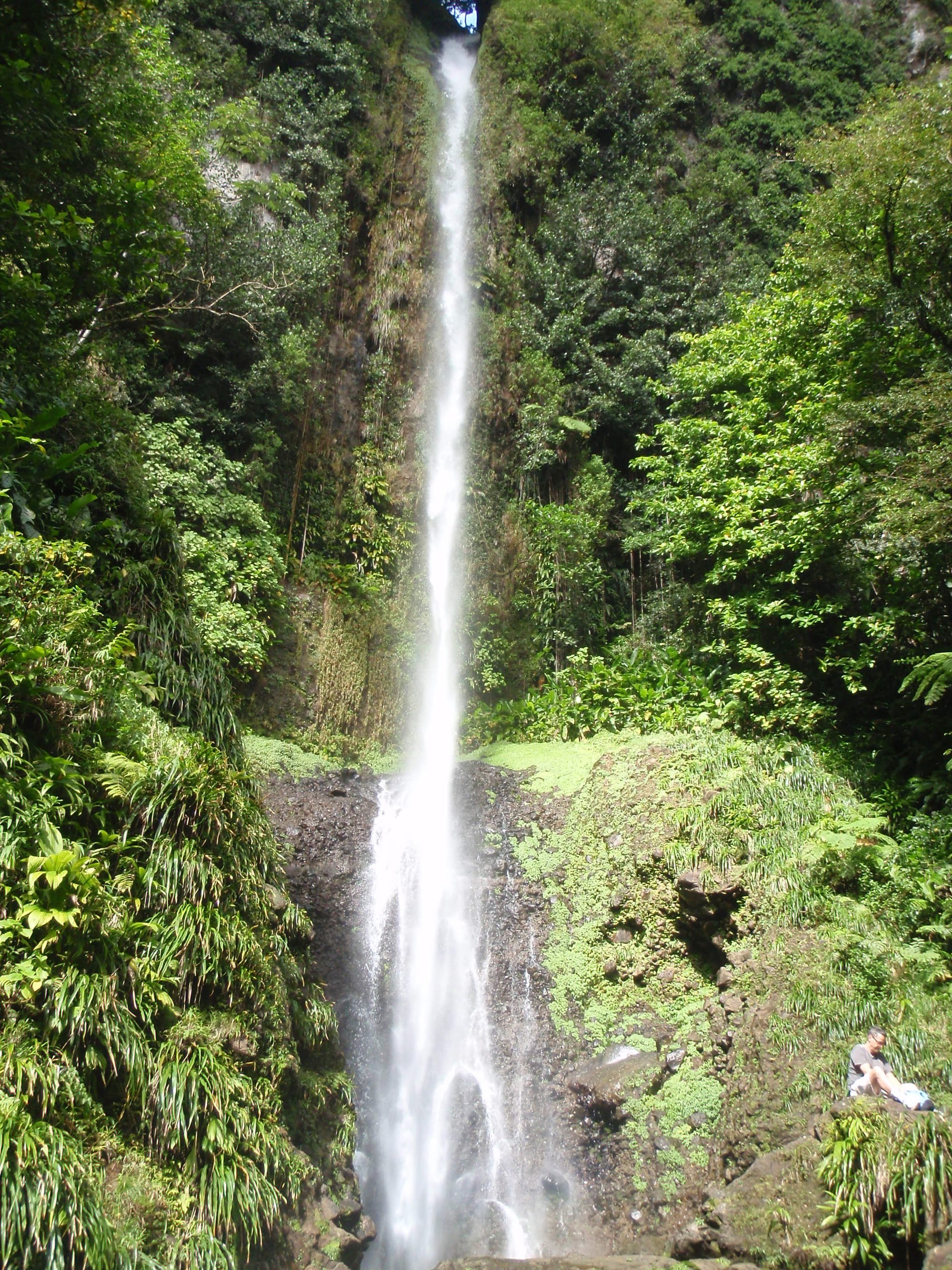
Middleham Falls, in the rainforest above the village of Cochrane, is one of the island's tallest — a thin ribbon of water dropping about 60 metres off a cliff into a cold pool you can swim in. It is reached by a jungle trail of around 45 minutes each way, over roots and boardwalk, through some of the oldest forest on the island.
The nearby Ti Tou (Stinking Hole) is a bat cave; the trailheads connect to the 115-mile Waitukubuli National Trail, which runs the length of Dominica.
5. Scotts Head and Champagne Reef
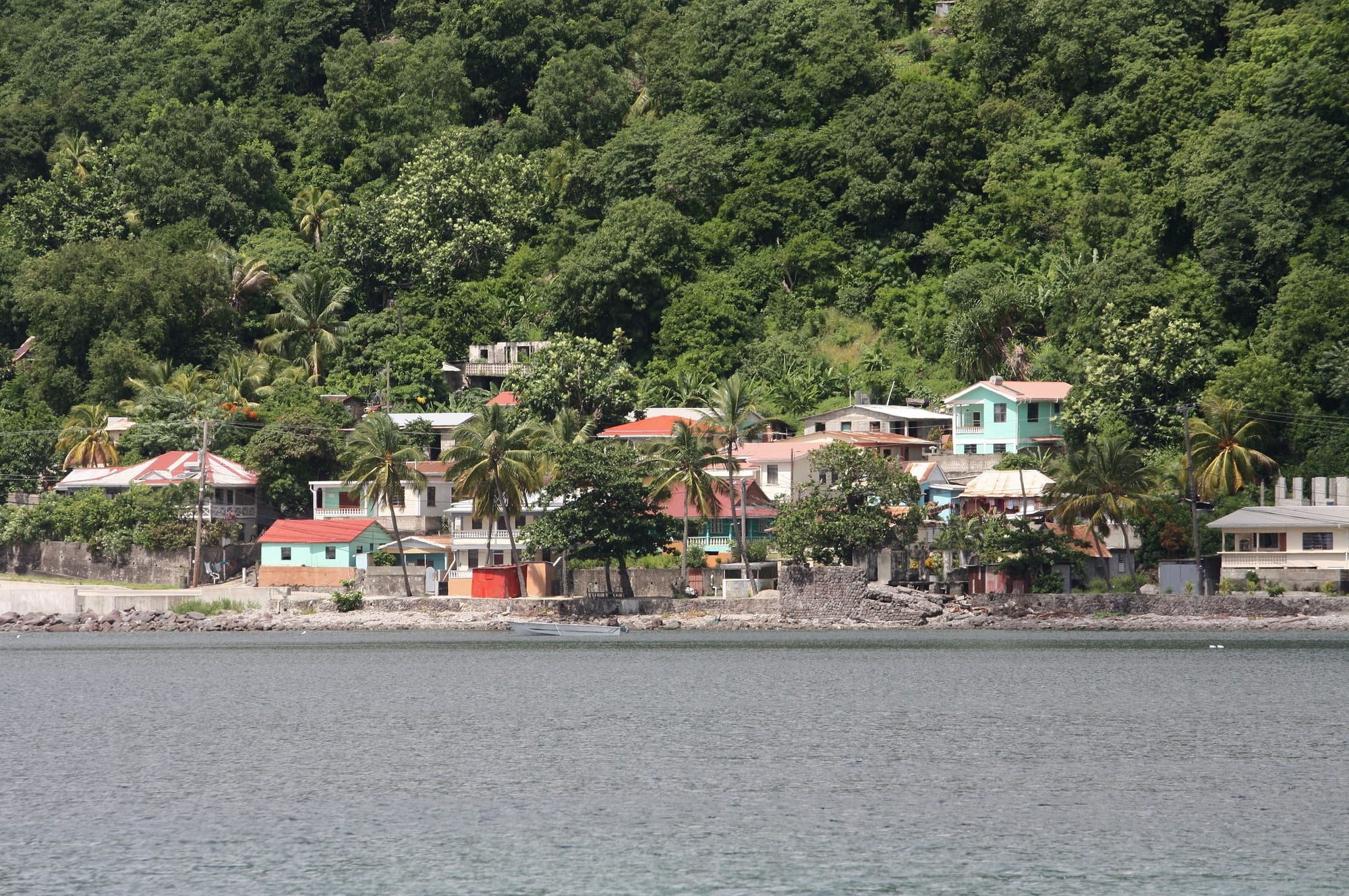
At the southern tip of the island, a slim isthmus links the mainland to a small headland (topped by a ruined French fort), with the calm Caribbean on one side and the choppier Atlantic on the other. The submerged crater of Soufrière Bay just north is the heart of a marine reserve.
Its most famous spot is Champagne Reef, where volcanic gas bubbles up through the seabed and rises past you in streams while you snorkel — a genuinely strange sensation, over a reef of sponges and sea fans.
6. The Indian River
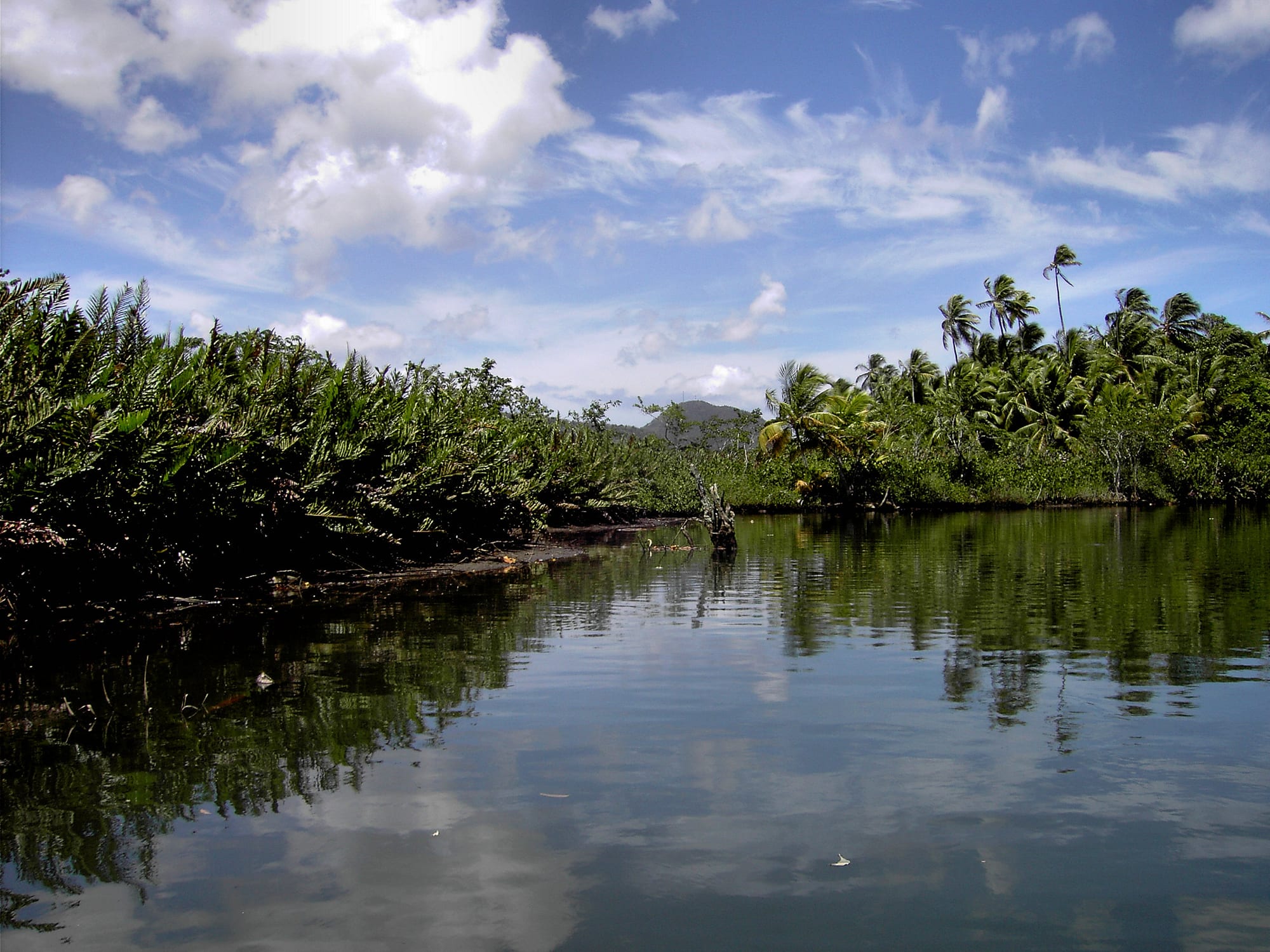
On the northwest coast near Portsmouth, the Indian River is a short, slow, tea-coloured river that you travel by rowing boat — engines are banned — between the dramatic buttress roots of swamp bloodwood trees, with herons, crabs, and iguanas along the banks. A hut used in the Pirates of the Caribbean films (as the witch Tia Dalma's shack) sits upstream.
It is a gentle hour, best in the early morning for the birds and the light.
7. The Kalinago Territory
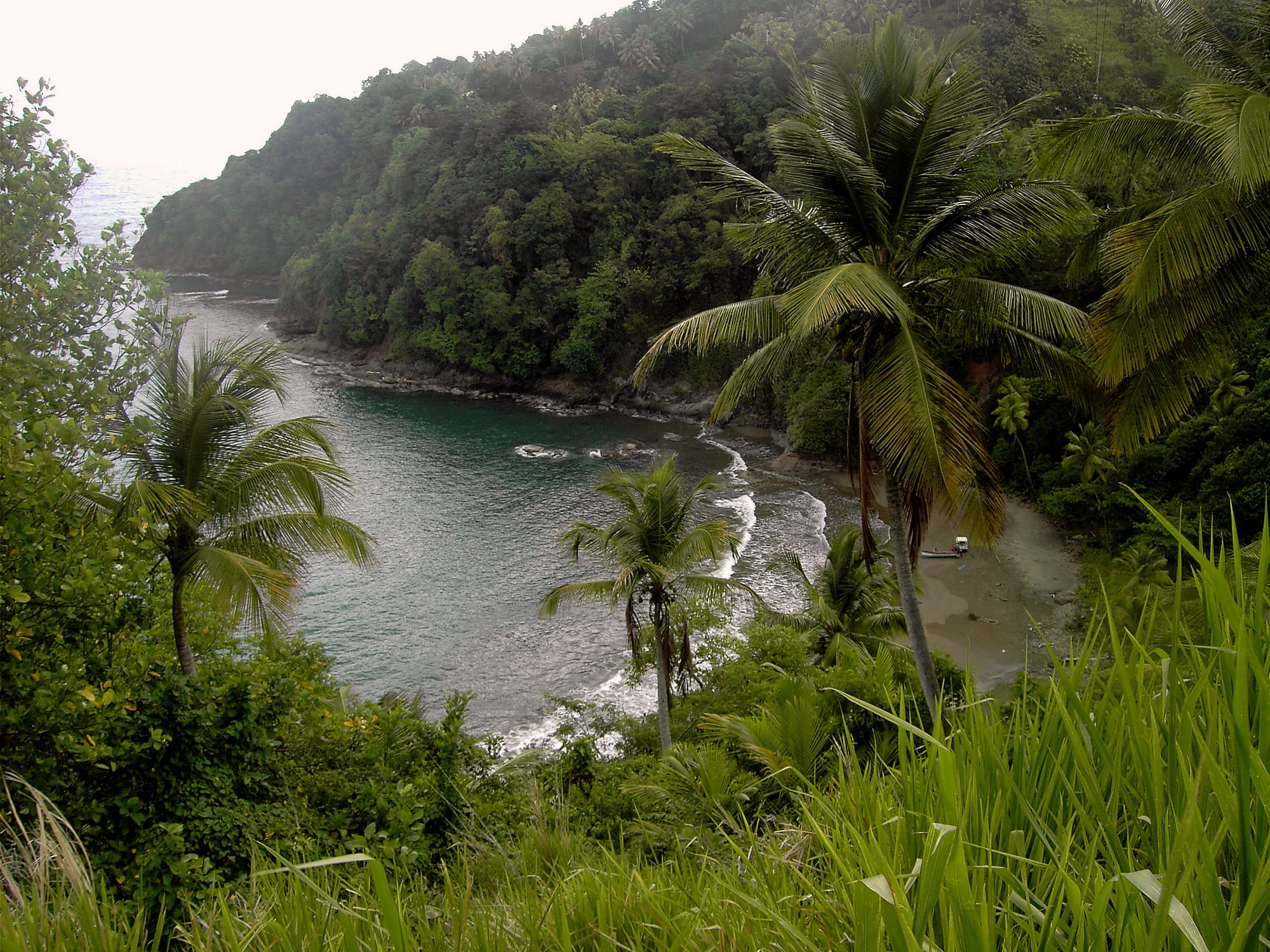
On the windward east coast, a 15-square-kilometre reserve is home to around 3,000 Kalinago (Island Carib) people — the only organised Indigenous community left in the Caribbean, with an elected chief. At the Kalinago Barana Autê cultural centre you can see traditional carbet houses, canoe-building, cassava bread-making, and basketry woven from larouma reed in patterns unchanged for centuries.
The coast here is wild and cliffy, with the L'Escalier Tête Chien lava ridge running into the sea.
8. Roseau
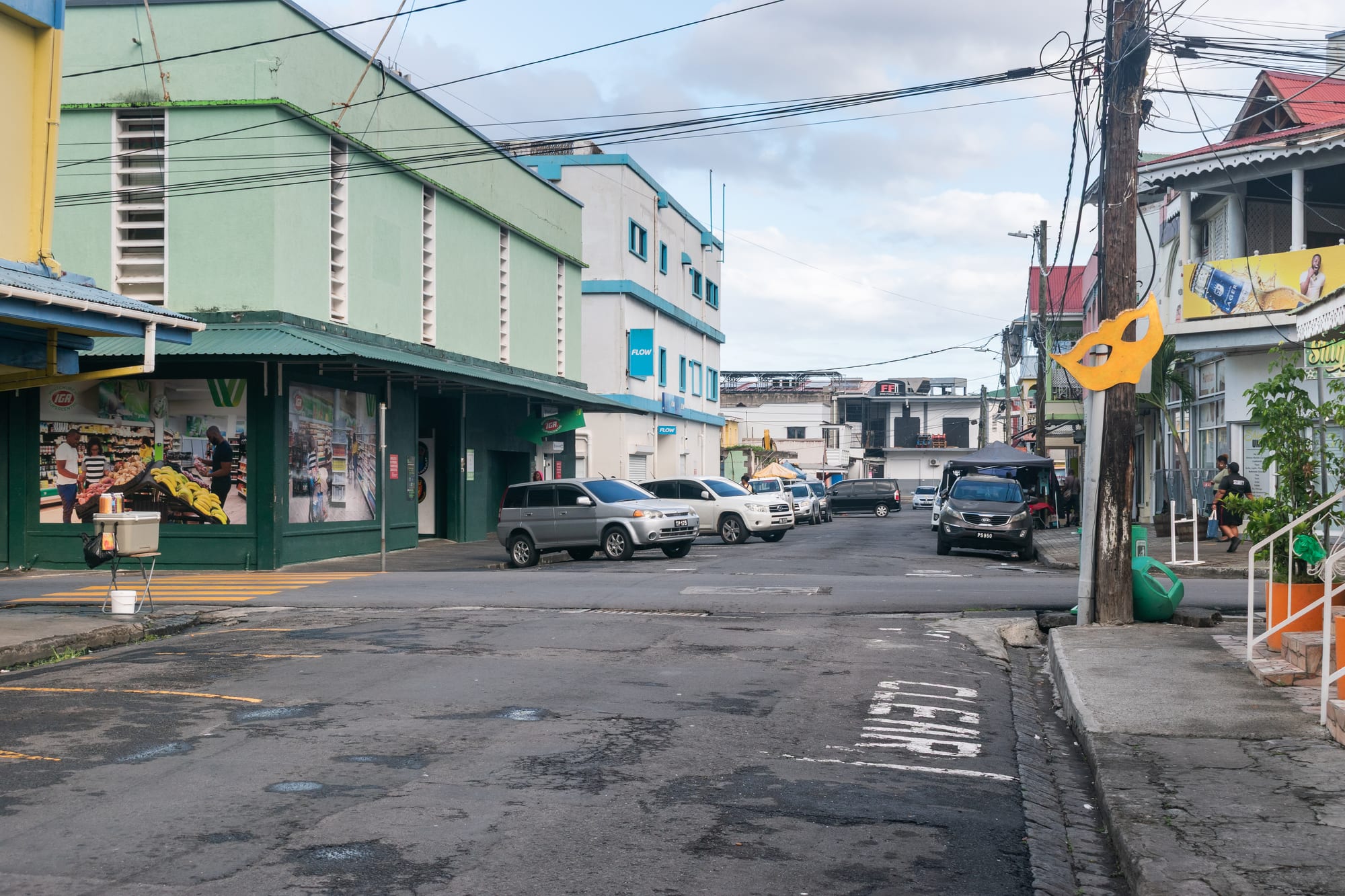
Roseau is one of the smallest and least-developed capitals in the Caribbean — a grid of narrow streets of weathered French-and-British colonial houses, a stone Catholic cathedral, a lively Saturday market by the river, and the Old Market square with a small museum. The 19th-century Botanical Gardens on the edge of town still have a bus crushed under a baobab that a 1979 hurricane dropped on it.
It is a place to walk for an hour or two rather than a destination in itself; the cruise ships dock here.
9. Hiking and the Waitukubuli Trail
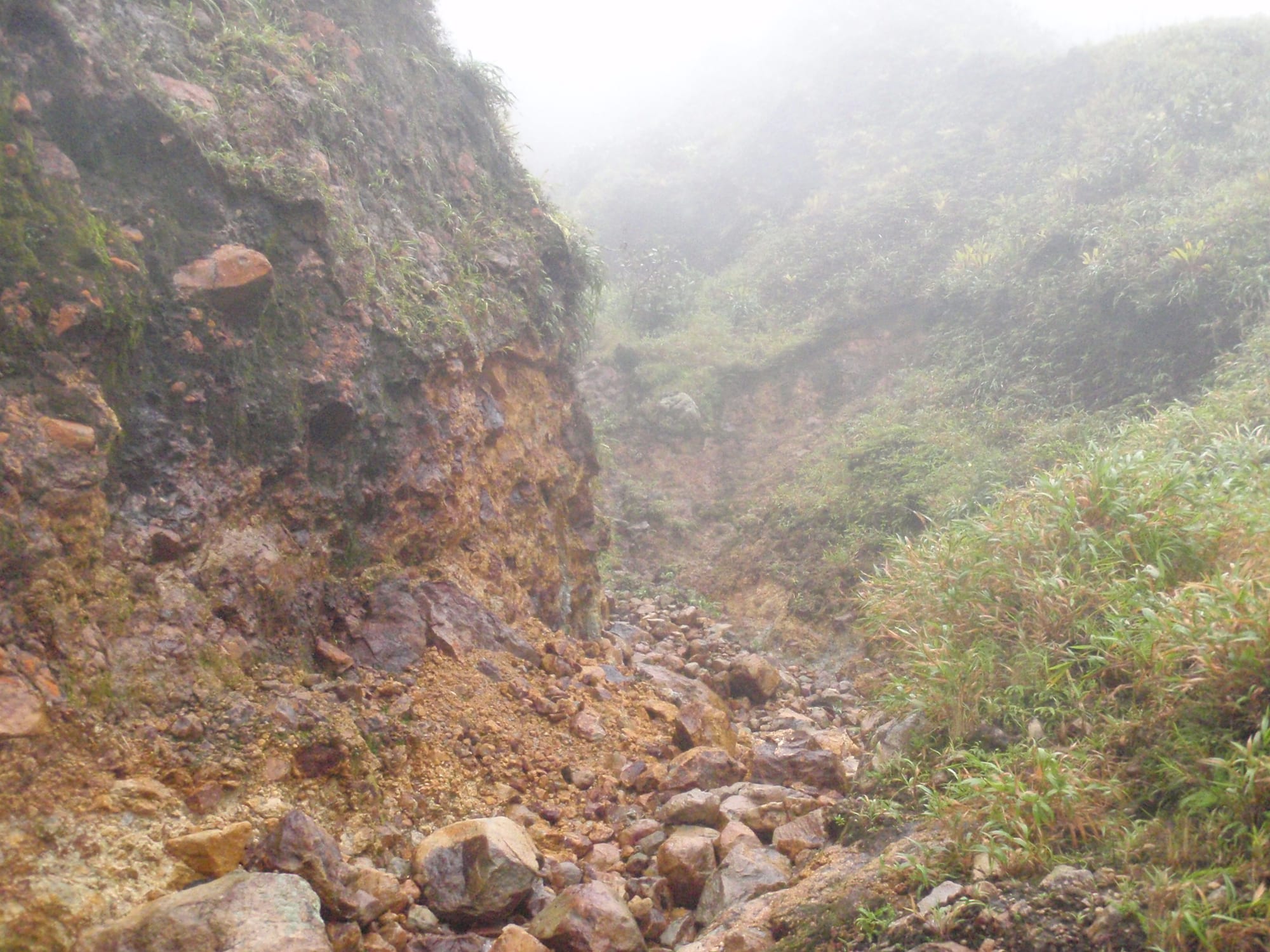
Dominica's real attraction is walking. Beyond the Boiling Lake route through the Valley of Desolation, there are the freshwater crater lakes of Boeri and Freshwater, the twin peaks of Morne Trois Pitons and Morne Diablotins (the island's highest, at 1,447 m), and the Waitukubuli National Trail — a 184-kilometre, 14-segment route the length of the island, the Caribbean's first long-distance path.
Trails are often muddy, steep, and unmarked; local guides are strongly advised for the harder ones.
Dominica is a hiking-and-diving trip rather than a beach holiday. A week based near Roseau covers the waterfalls, the Boiling Lake, and Champagne Reef, with the Kalinago coast and the northern rivers for a longer stay.