Culture & Customs · Denmark
Denmark: Modesty, Trust and a Flag on Every Cake
A quietly secular Lutheran nation where no one is meant to think they are better than anyone else, strangers are trusted by default, and every birthday, graduation and midsummer night has its own small ritual
By Worldlore Editorial · 30 September 2026
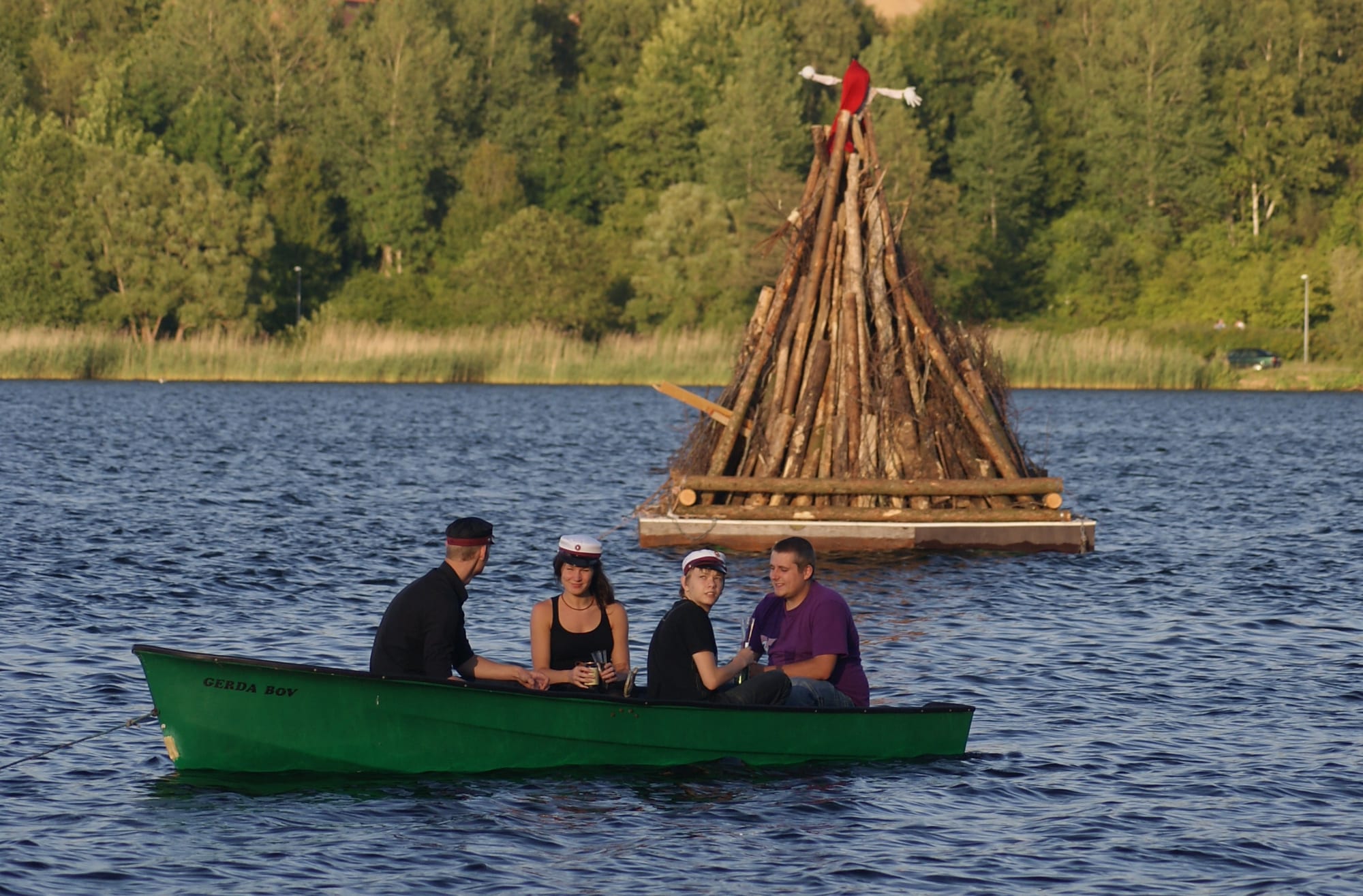
On the evening of 23 June, when the summer light in Denmark lingers until almost midnight, families and friends finish dinner at home and stroll down to the community bonfire, on a beach, in a park or at the edge of a lake. On top of the stacked wood sits a witch, a figure made of old clothes, and as the fire catches, the crowd sings "Midsommervisen", the midsummer song that almost everyone knows by heart. Among them, in the last week of June, may be groups of newly graduated students in their white-topped caps, still celebrating their exams. Nobody is in charge, nobody makes a speech of note, and the whole thing runs on a shared sense of how it is done. Sankt Hans is a good introduction to Danish culture: informal, communal, a little ironic about its own traditions, and deeply attached to them all the same.
Faith, identity and values
Denmark has a national church, the Evangelical Lutheran Church of Denmark, and around 70 per cent of the population are registered members, according to official figures. Its supreme secular authority rests with the monarch and parliament, more than half of its priests are women, and same-sex couples have been able to marry in its churches since 2012. Membership is voluntary and comes with a church tax, but belonging is more a matter of national identity than of personal devotion: relatively few Danes describe themselves as very religious, and many go to church only once a year, usually on Christmas Eve. Muslims make up an estimated five per cent of the population, and there are small Catholic, Jewish and other communities.
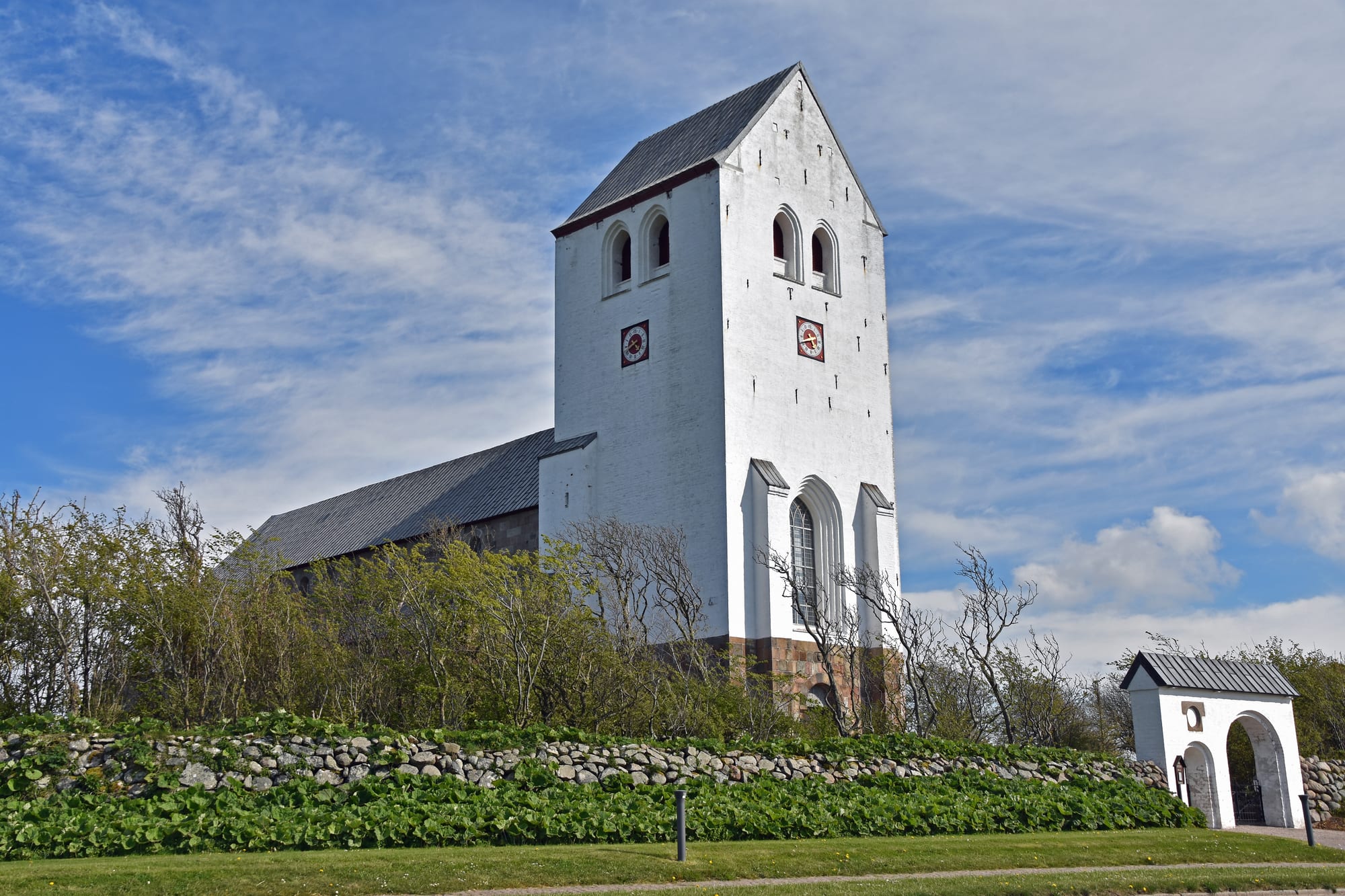
Even so, the church remains the place where life's milestones are marked. Baptisms, weddings and funerals are still commonly held there, and holding them in a church generally depends on membership, which comes with the voluntary tax.
The values that shape everyday behaviour are less religious than social. The best known is Janteloven, the Law of Jante, named after a fictional small town in a 1930s novel by the Danish-Norwegian writer Aksel Sandemose, where everyone was expected to be modest and part of the collective. The novel was satire, but the phrase stuck. Today it stands for an unwritten rule that no one should think they are better than anyone else: as one Danish cultural specialist has put it, if someone sticks their neck out, it will be pushed back in. Boasting is frowned upon, and schools tend to praise children for friendship and helpfulness more than for coming top. Danes themselves debate its downside, that it can discourage people from standing out.
Alongside modesty sits trust. People are assumed to be honest and reliable unless they prove otherwise, and that confidence extends to government, police, courts and health services. Babies are left sleeping in prams outside, lost wallets are returned with the money still inside, and roadside stands selling berries or honey rely on buyers to leave the money in a jar. Hygge, the Danish art of cosy, unhurried time together, reflects the same values of equality and consensus, though the government's own guide admits it can be hard for newcomers to be invited in.
Greetings and meeting people
Greetings are simple and informal. "Hej", pronounced like the English "hi", works in almost any situation, and on being introduced to someone a handshake and a "hej" with one's own name is enough. Danes usually introduce themselves by first name alone. More formal greetings exist, godmorgen, goddag and godaften among them, and they are more polite than a plain "hej", while the jokey "halløj" is kept for people one already knows well.
The informality should not be mistaken for casualness about time. Danes are punctual, for social occasions as much as for work, and arriving late to a dinner or a party is a real faux pas. Personal space is also valued. Newcomers are often struck by how reserved Danes can be with strangers, and physical affection, such as a hug, tends to wait until a friendship is established.
Language shapes manners in a quieter way. Danish has no everyday word for "please", so requests that sound blunt in translation are not meant rudely, and politeness is carried instead by tone and by the word "tak", thank you, which appears everywhere. One phrase is worth learning above all: "tak for sidst", thanks for last time, said on meeting someone again after they have been a host, ideally as the very first thing.
Hospitality and being a guest
An invitation into a Danish home comes with a clear set of expectations. Guests arrive on time. For a birthday, a present is expected, since simply turning up does not count as a gift; for other gatherings, a small box of good chocolates, flowers, a bottle of wine or a few good beers is a welcome gesture.
At the table, the toast matters. When glasses are raised for "skål", the polite thing is to look into the eyes of each person in turn. At the end of the meal comes "tak for mad", thanks for the food, which is said at the end of every Danish meal, and should wait until everyone has completely finished eating; saying it before the meal is a classic newcomer's slip. Offering to help with the dishes, or asking where to take the plates, is appreciated.
Birthdays turn some expectations on their head. The person celebrating a birthday brings the cake or sweets to work or school rather than waiting to be treated, and forgetting to do so is noticed. Small paper Danish flags decorate the birthday cake, and at important birthdays friends and relatives often write a song for the occasion, usually a humorous one, and the guests sing it together at the party.
Festivals and life's big moments
Christmas dominates December and much of November. The main celebration falls on Christmas Eve, when the family joins hands and dances around the Christmas tree singing carols, often round a tree lit with real candles. Dessert is risalamande, a cold rice pudding with hot cherry sauce, with a single peeled almond hidden in the bowl and a prize for whoever finds it. On New Year's Eve the country tunes in to the monarch's speech, and at midnight people jump off chairs or sofas "into the new year".
In February or early March, children celebrate Fastelavn by dressing up in costumes and taking turns to beat a hanging wooden barrel until it breaks open; the barrel is known as the cat barrel, and today it is simply decorated with cut-out black cats. At Easter comes the gækkebrev, a teasing letter of folded, cut paper containing a short rhyme and signed with dots, one for each letter of the sender's name; a recipient who guesses the sender wins an Easter egg. Midsummer brings the Sankt Hans bonfires.
Life's milestones have their own customs. Confirmation, part of the national church since 1736, is still taken by around two-thirds of young people, usually at around 13 or 14, and many families treat it less as a statement of faith than as a coming-of-age. The ceremony is followed by a large family party with several courses, speeches and homemade songs between each one, and gifts of money; the following Monday, known as blå mandag, blue Monday, the teenagers spend it together. For those who want the party without the church, there is now a secular "nonfirmation". At the end of upper-secondary school, graduates wear their student caps through the last week of June, with rules about what may be written on or cut into them.
Unmarried people have their own milestone. Anyone still single on their 25th birthday can expect friends to cover them from head to toe in cinnamon, and at 30 the joke is repeated with pepper. At weddings, guests stamp their feet to make the couple kiss under the table, or clink their cutlery to make them stand on their chairs and kiss. At funerals, the flag that brightens every birthday is flown at half-mast as a sign of mourning.
Arts, crafts and music
Danes love to sing together. Joining a choir or a local band is a popular way to make friends at any age, and community singing, fællessang, fills school assemblies, family parties and public gatherings. Its bible is the Højskolesangbogen, a songbook first published in 1894, now in its 19th edition and one of the best-selling books in the country. During the German occupation in the Second World War, singing together became a quiet form of protest. Among the composers who fill its pages, Carl Nielsen stands out; his opera Maskarade is regarded as the Danish national opera, and his six symphonies won him international recognition.
Literature has carried Danish culture far beyond its six million speakers. Hans Christian Andersen wrote plays, novels and travel books, but it was his fairy tales, among them "The Ugly Duckling" and "The Little Mermaid", that made him world famous and have been translated into more than 125 languages. His contemporary Søren Kierkegaard is widely recognised as the father of existentialism, and Karen Blixen's "Out of Africa", published in 1937 under the pen name Isak Dinesen, became an international classic.
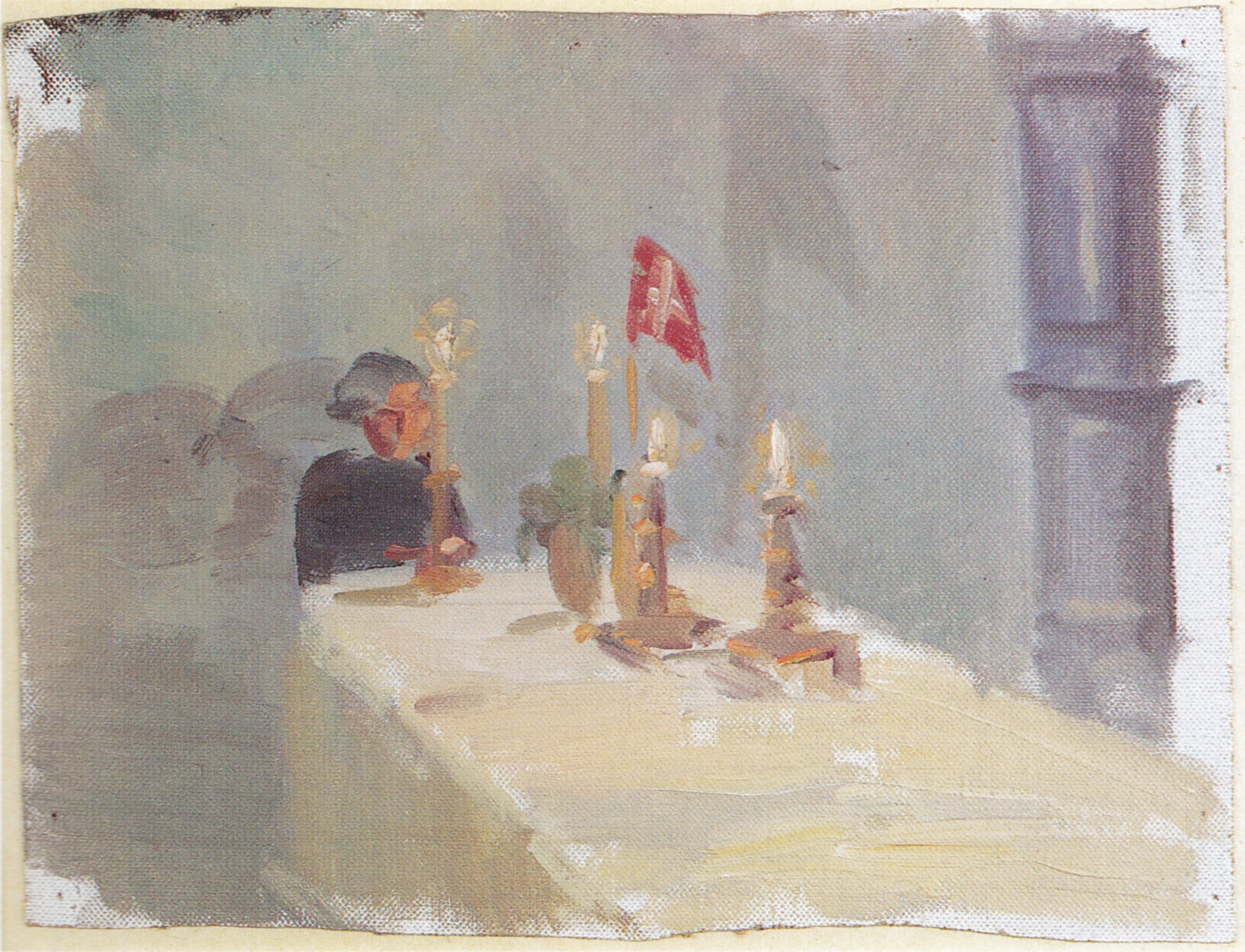
Painting has its own place in the story. In the late nineteenth century an artists' colony gathered at Skagen, on the northern tip of Jutland, and Anna Ancher, the only one of the Skagen Painters born in the town itself, became known for small, quiet interior scenes, often of women going about their day, painted in a realistic, unidealised way.
Craft traditions live on too. Denmark shares with Finland, Iceland, Norway and Sweden a place on UNESCO's list for Nordic clinker boat traditions: small, open wooden boats between five and ten metres long, built from overlapping planks fastened to a wooden backbone. Learning the trade under a master could take up to ten years, and the boats, once used for fishing and transport, are now sailed and rowed at festivals, regattas and sporting events. The same instinct for simple, well-made things runs through modern Danish design, and through the country's best-known toy: the LEGO brick, which the Danish Lego company began making in 1949.
Dos and don'ts for visitors
- Do arrive on time for dinners and parties, not just for meetings.
- Do say "tak for mad" once everyone has finished eating, and "tak for sidst" on meeting the hosts again.
- Do look each person in the eye when glasses are raised for "skål".
- Do bring a present to a birthday party; turning up is not considered a gift in itself.
- Do expect first names from the start; Danes usually introduce themselves by first name alone.
- Don't boast or talk up personal achievements; modesty is the national virtue.
- Don't mistake a blunt-sounding request for rudeness; Danish simply has no everyday word for "please".
What to take away
Denmark's customs are mostly unwritten and lightly worn, but they rest on a serious idea, that everyone deserves the same respect and trust, and visitors who turn up on time, keep it modest and remember to say "tak" will find themselves welcomed in.