Food · Denmark
Denmark: Food and the National Dish
A pork-and-parsley-sauce dish voted into the top spot by the public, an open sandwich treated almost as an art form, and a pastry the rest of the world names after the one country that doesn't
By Worldlore Editorial · 16 September 2026
A simple, hearty Nordic table — reinvented for the world stage
Danish food has traditionally been plain and practical: rye bread, pork, potatoes and dairy, built for a cold climate and a farming economy rather than for show. That changed dramatically from the mid-2000s, when Denmark, led by Copenhagen's Noma restaurant, became the centre of the "New Nordic Cuisine" movement — an approach built on foraging, hyper-local ingredients and minimalist presentation that reshaped how much of the world thinks about Scandinavian food. Both traditions, the old and the reinvented, sit comfortably in Denmark today.
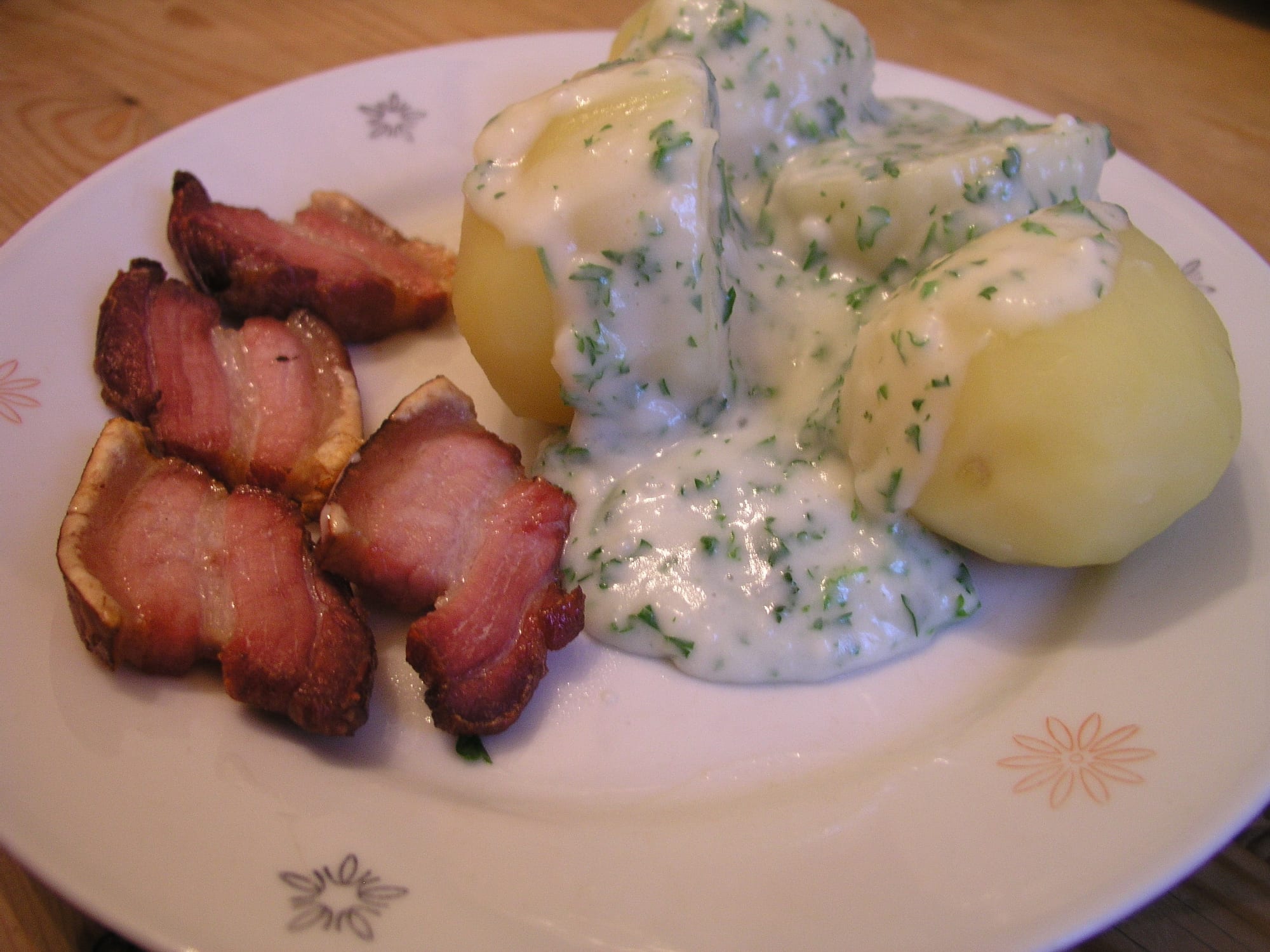
The national dish: stegt flæsk med persillesovs
Denmark settled the question of its national dish democratically: in a 2014 public poll organised with the Ministry of Food, Agriculture and Fisheries, Danes voted stegt flæsk med persillesovs — fried slices of pork belly served with boiled potatoes and a creamy parsley sauce — into first place, ahead of other strong contenders. It remains simple home cooking rather than restaurant showpiece food, exactly the kind of dish a public vote for "the nation's favourite" tends to reward.
Smørrebrød and the art of the open sandwich
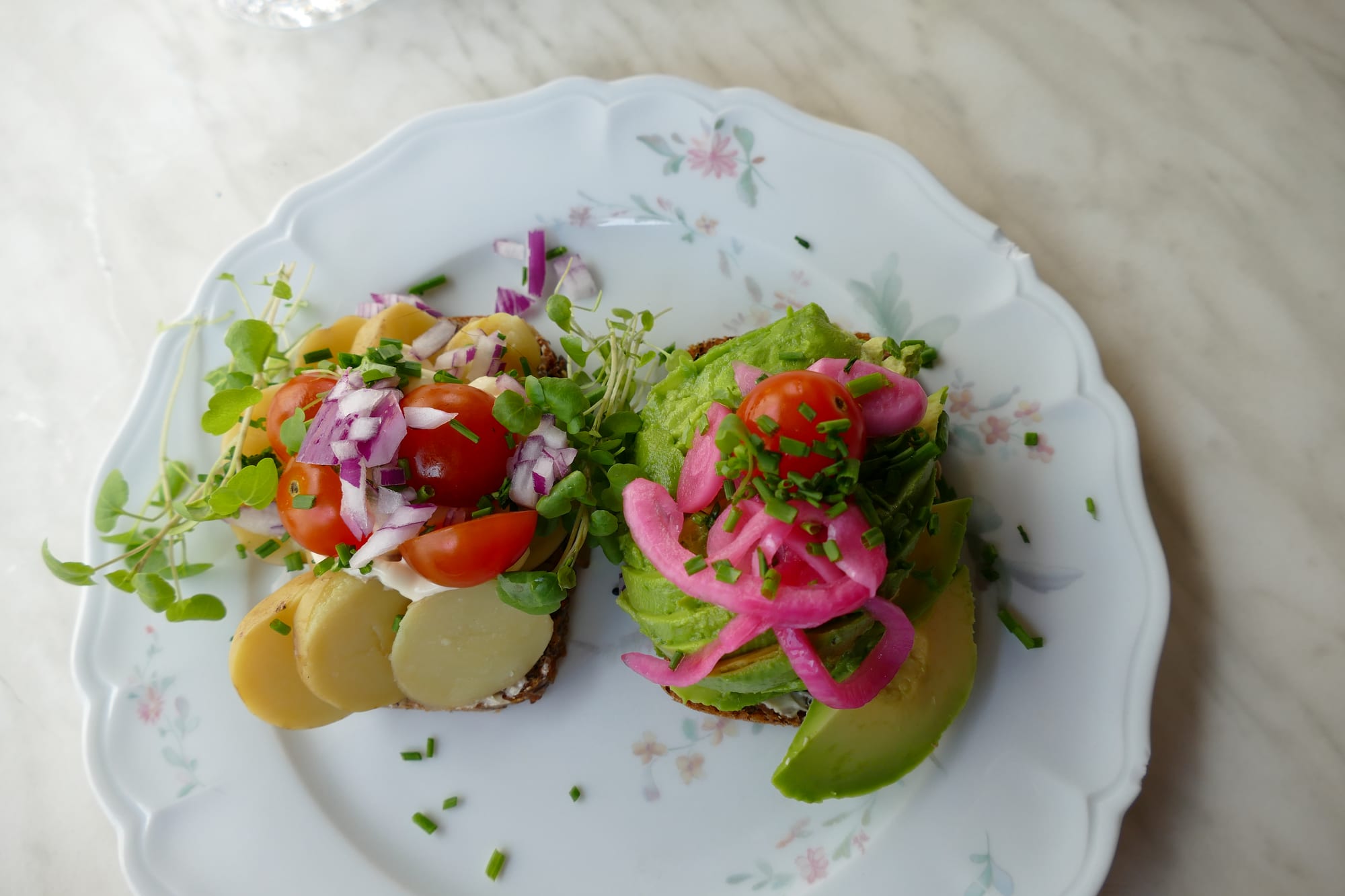
Smørrebrød, dense rye bread topped elaborately with combinations like pickled herring, liver pâté, roast beef or egg and shrimp, is treated with real seriousness in Denmark — specific topping combinations have their own names and expected garnishes, and a proper smørrebrød lunch can run to several rounds, each with a different topping.
Dishes to know
Five more to recognise across Denmark:
- Smørrebrød — open-faced rye bread sandwiches with elaborate, specific
topping combinations.
- Frikadeller — pan-fried pork and veal meatballs, classic home cooking
served with potatoes and gravy or cold on rye bread.
- Flæskesteg — roast pork with crackling, the centrepiece of a traditional
Danish Christmas Eve dinner.
- Rugbrød — dense, dark rye bread, the base ingredient behind smørrebrød
and much of the everyday diet.
- Æbleskiver — round, fluffy pancake balls dusted with sugar, a Christmas
treat.
Beer, akvavit and drinks
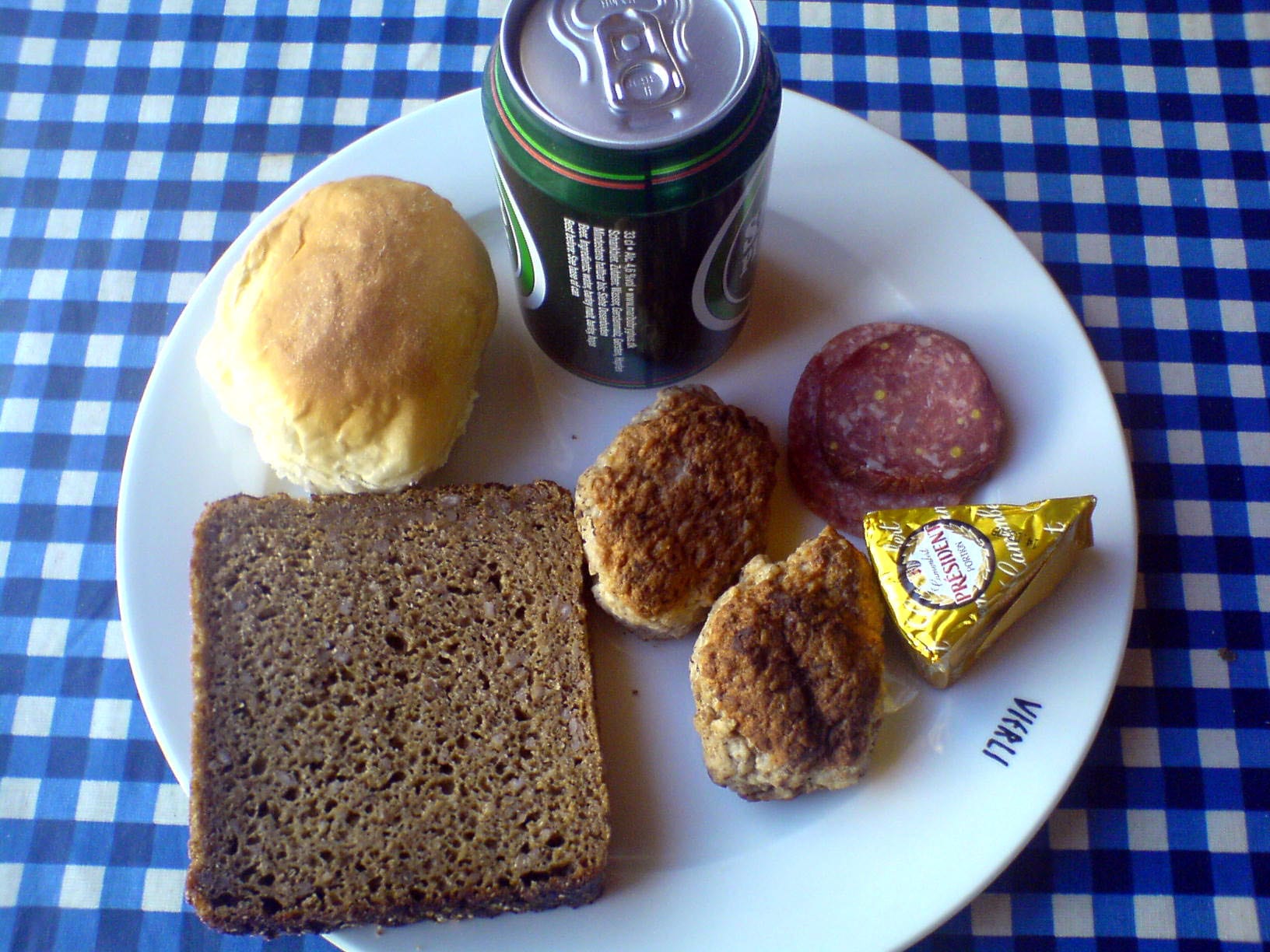
Carlsberg and Tuborg, both major global beer brands, originated in Denmark, and beer remains the standard everyday drink. Akvavit, a caraway- or dill-flavoured spirit, is drunk in small shots alongside herring and smørrebrød at festive lunches, especially around Christmas and Easter, usually with a formal toast of "skål".
Eating as a traveller
Vegetarians can rely on rye bread, cheese and egg-based smørrebrød toppings, and Copenhagen in particular has a strong modern vegetarian and vegan restaurant scene, though traditional home cooking leans heavily on pork. Tap water is safe and of very high quality throughout Denmark. Copenhagen's food scene, thanks to the New Nordic movement, now spans everything from simple rye-bread lunches to some of the most acclaimed fine dining in the world.
What to take from the table
Stegt flæsk med persillesovs is the officially voted answer, but a proper smørrebrød lunch, taken slowly through several rounds, shows Danish food at its most distinctive and its most quietly ambitious.