Attractions & Natural Wonders · Denmark
Denmark: Ten Attractions and Natural Wonders
A canal of coloured merchant houses, a Renaissance castle that plays Hamlet's Elsinore, white chalk cliffs falling into the Baltic, and a rainbow ring on a museum roof
By Worldlore Editorial · 19 September 2026
A small, flat, well-organised kingdom
Denmark is the smallest and southernmost of the Nordic countries — a low peninsula (Jutland) and an archipelago of about 400 islands, none of it far above sea level or far from the coast. It has no mountains and no dramatic wilderness; the appeal is in the details — a very old monarchy, beautifully kept towns, design and "hygge", and a coastline of beaches, dunes, and the occasional chalk cliff.
The ten below are concentrated on Zealand (around Copenhagen) and eastern Jutland. Everything is close and superbly connected by train. Late spring to early autumn is the season; Copenhagen is also a strong Christmas-market destination.
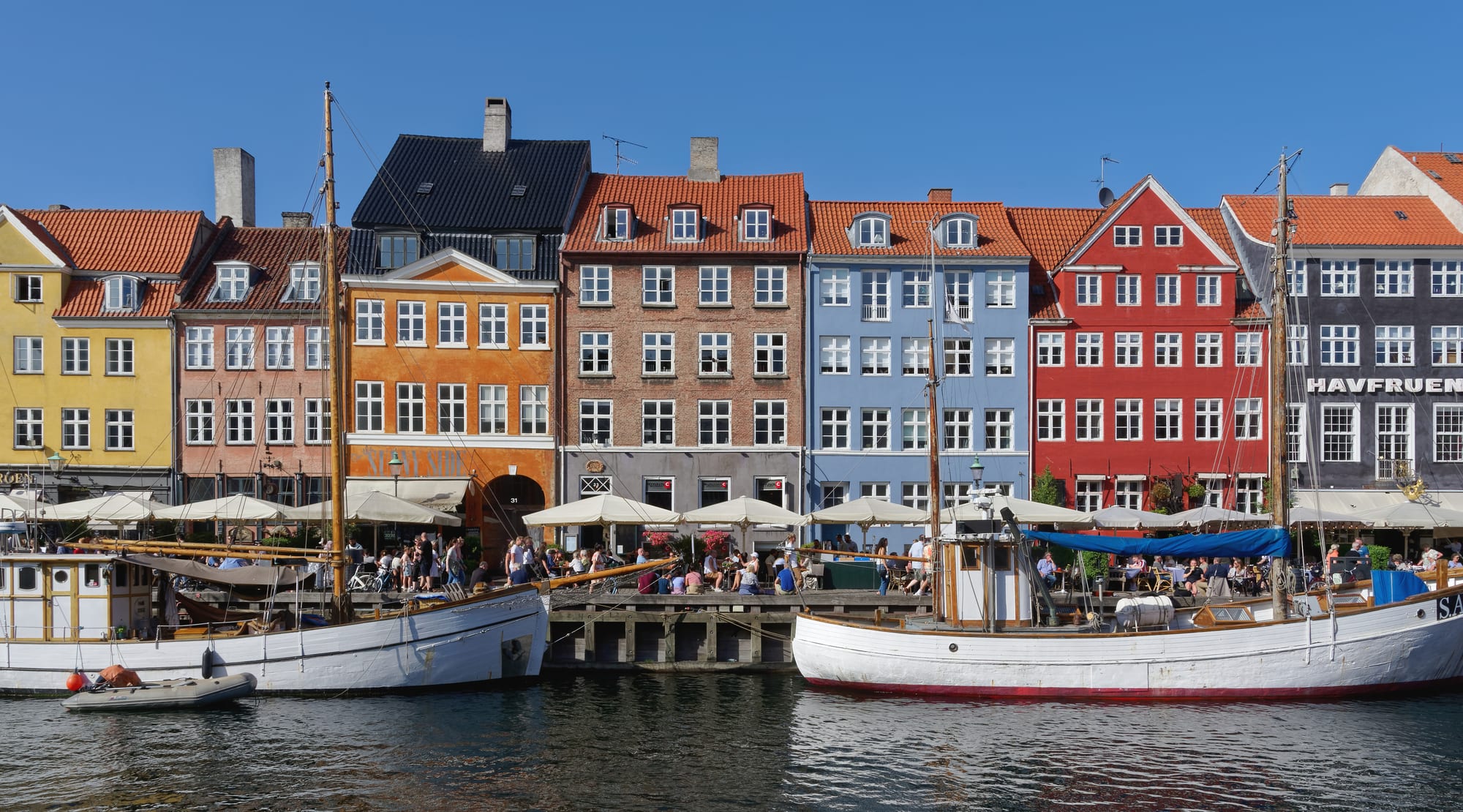
1. Copenhagen: Nyhavn and Tivoli
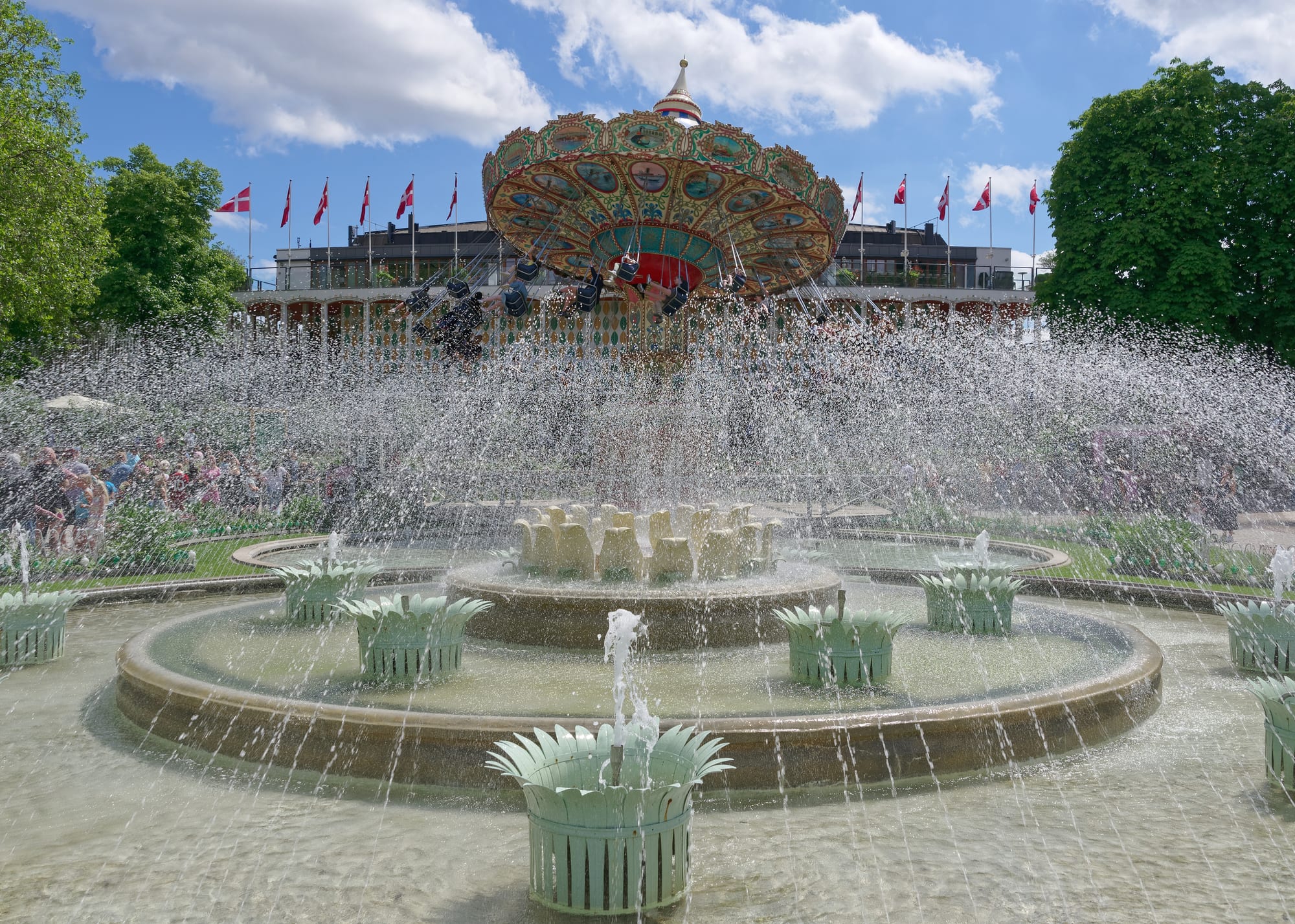
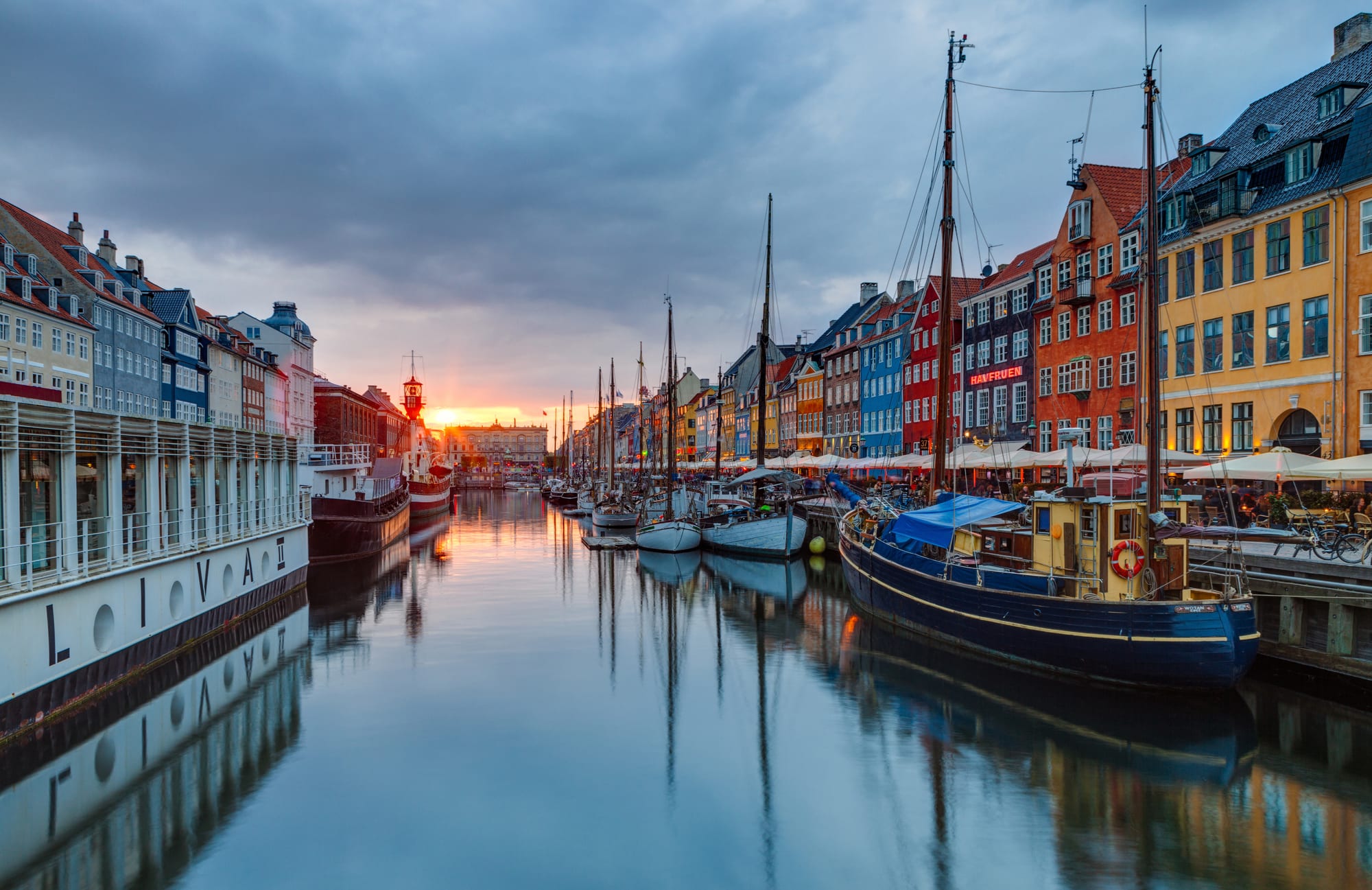
Copenhagen is compact, bike-borne, and easy to like. Nyhavn, the photogenic canal of coloured gabled houses where Hans Christian Andersen lived, is the picture everyone takes; from its head, harbour buses and canal tours set off past the opera house and the Little Mermaid. In the centre, Tivoli Gardens — part funfair, part pleasure garden, said to have inspired Walt Disney — has wooden roller coasters, concert stages, and a famous lights-and-fireworks tradition.
Add the pedestrian Strøget, the food halls, and the alternative "free town" of Christiania, and the city fills two or three days easily.
2. Rosenborg Castle and the crown jewels
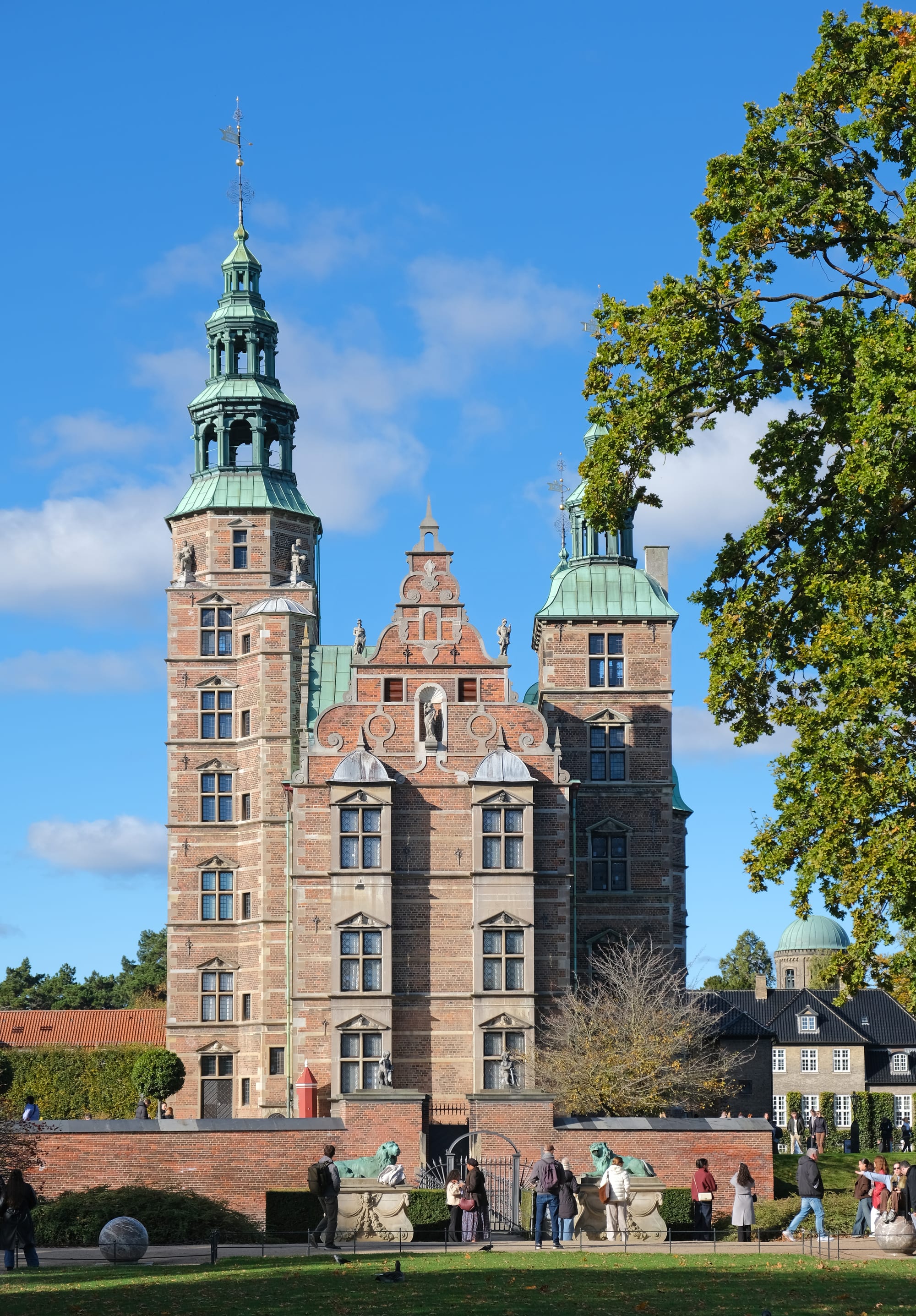
Rosenborg, a small Dutch-Renaissance castle set in the King's Garden, was built as a summer house by Christian IV in the early 1600s and kept as a royal treasury. Its rooms are still hung with tapestries and portraits, and the basement holds the crown regalia of the Danish monarchy, guarded and on display.
The wider royal Copenhagen also includes Amalienborg, the working royal residence (with a noon changing of the guard), and the vast Christiansborg on Slotsholmen, which houses parliament, the supreme court, and royal reception rooms.
3. Kronborg Castle (Elsinore)
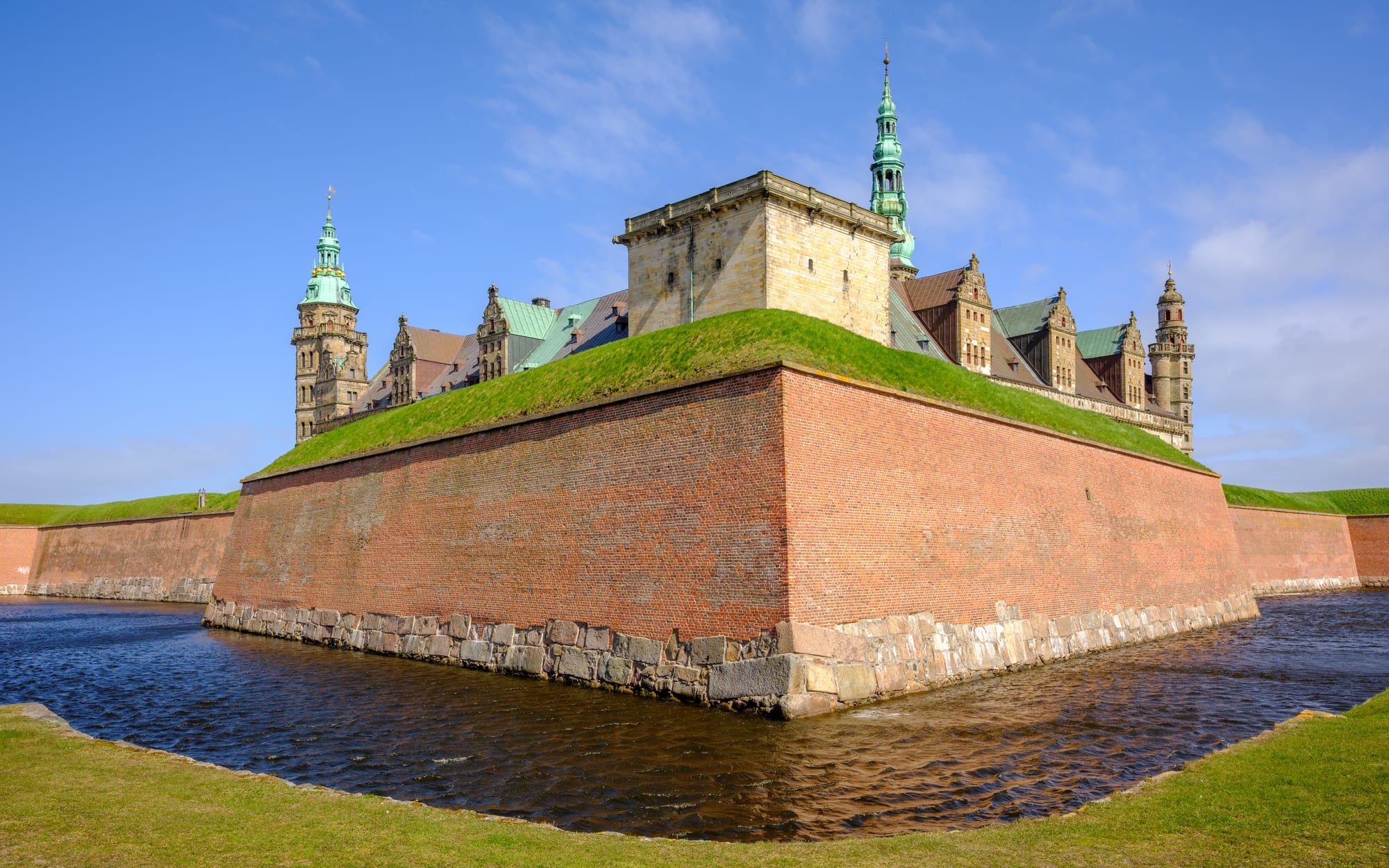
At Helsingør, 45 minutes north of Copenhagen by train, Kronborg is a star-fortified Renaissance castle that for centuries let Denmark charge a toll on every ship passing through the sound. Shakespeare made it "Elsinore", the setting of Hamlet, and the play is performed here in the courtyard each summer. In the casemates below sits a statue of Holger the Dane, who is meant to wake and defend the country in its hour of need. It is a UNESCO World Heritage Site.
The town also has a good maritime museum, built into a former dry dock.
4. Frederiksborg Castle
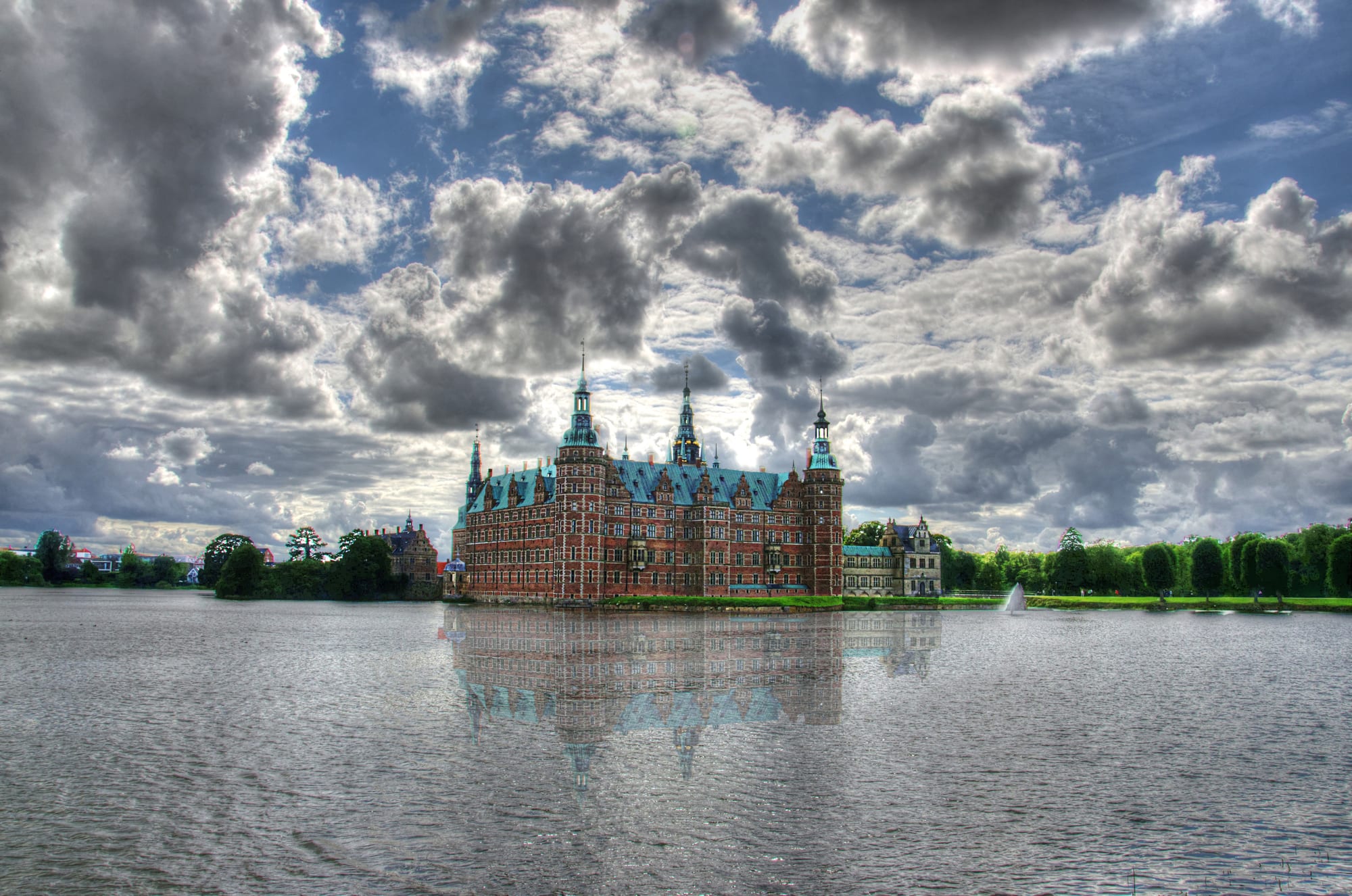
Also built by the prolific Christian IV, Frederiksborg spreads across three islets in a lake at Hillerød — a Dutch-Renaissance palace of red brick and sandstone, rebuilt after an 1859 fire with money from the brewer J.C. Jacobsen and turned into the national history museum. The chapel, the Great Hall, and the baroque garden with its cascade are the highlights.
It is an easy trip from Copenhagen, often paired with Kronborg on a "castles" day.
5. Roskilde: cathedral and Viking ships
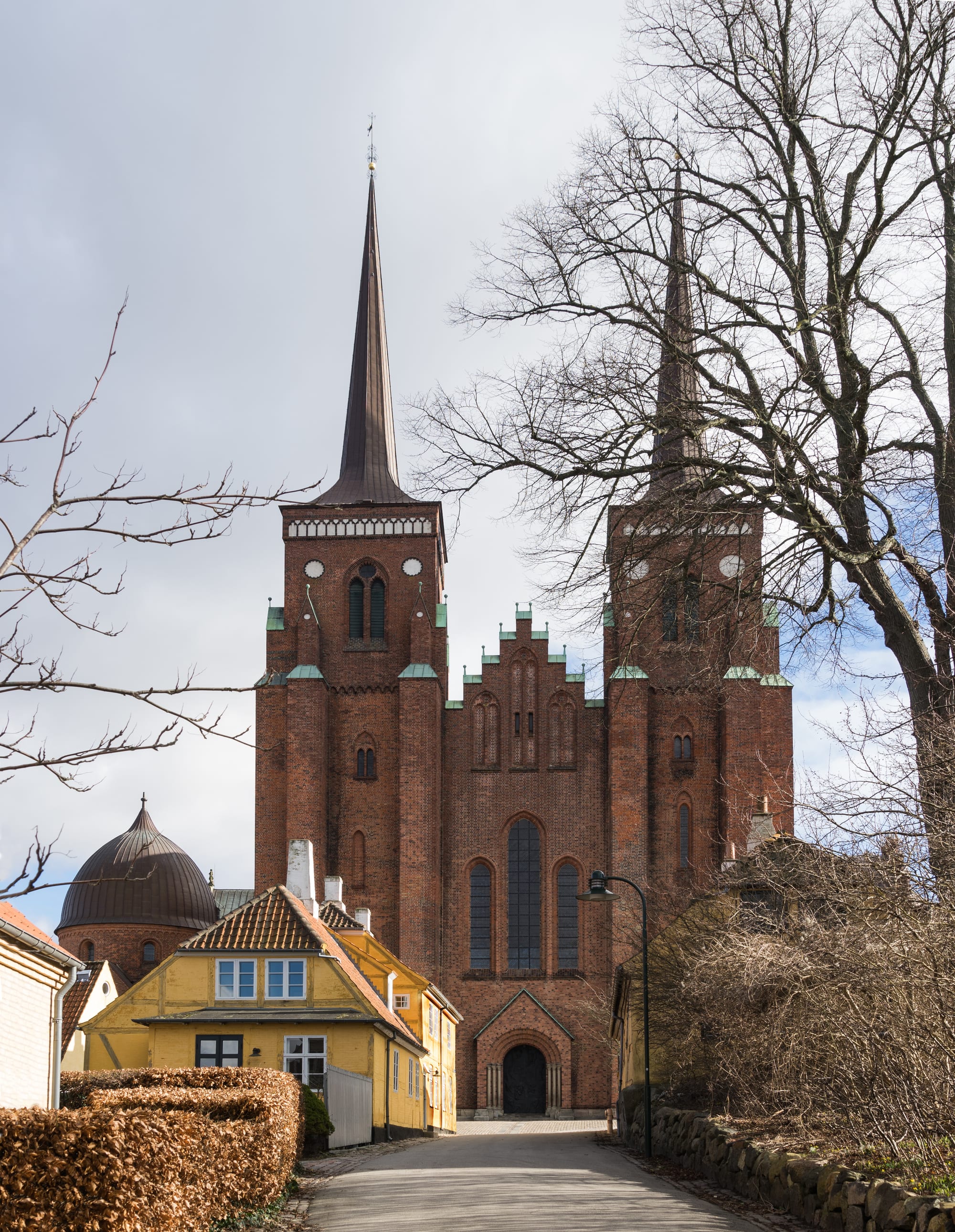
Roskilde, 25 minutes west of Copenhagen, was the medieval capital. Its brick Gothic cathedral — Scandinavia's first, and a UNESCO World Heritage Site — holds the tombs of some 40 Danish kings and queens in a series of chapels spanning 600 years of changing taste.
Down at the fjord, the Viking Ship Museum displays five 11th-century ships deliberately scuttled to block the harbour, raised in the 1960s, along with a working yard that builds and sails reconstructions.
6. Møns Klint
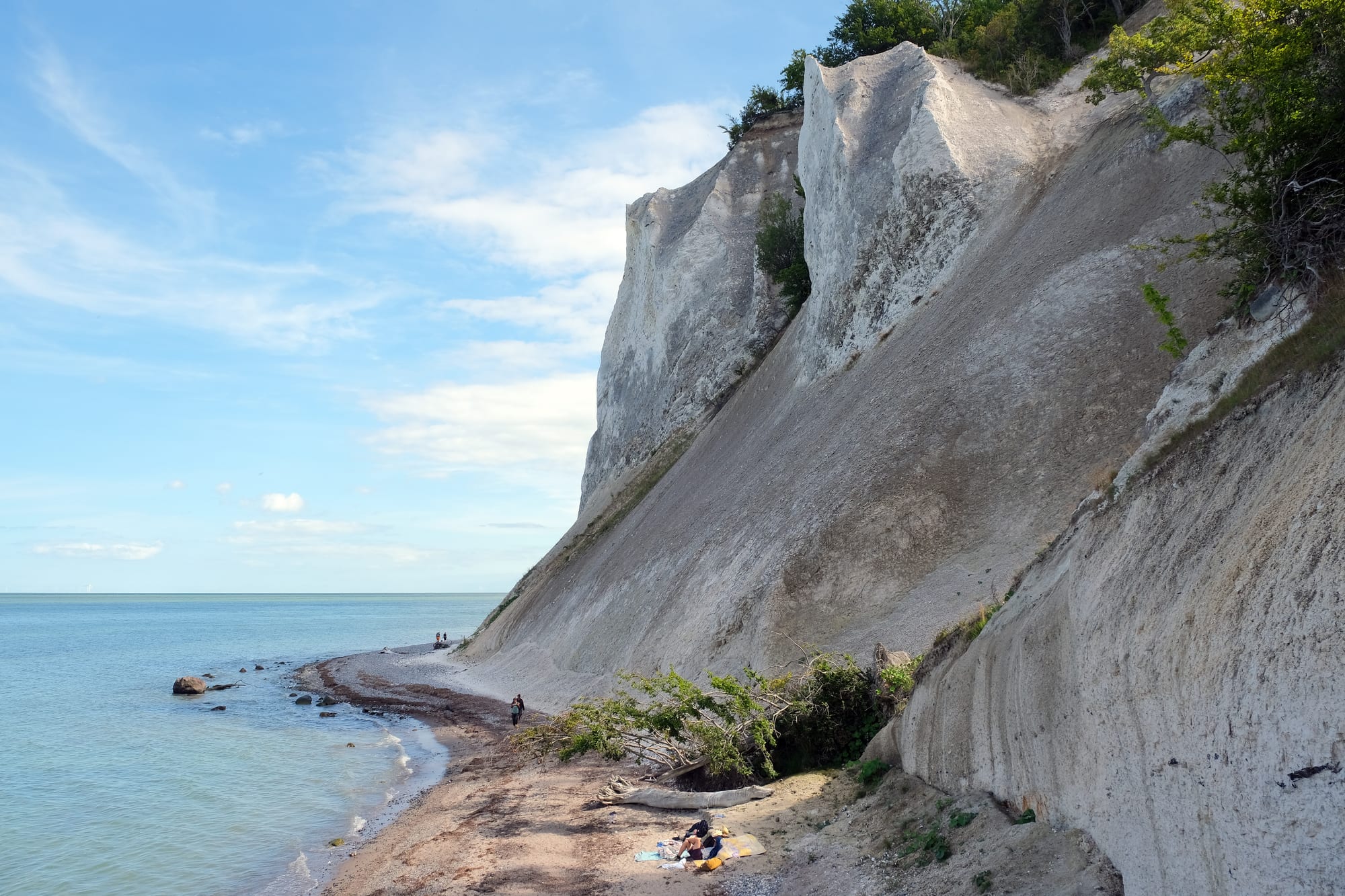
On the southeastern island of Møn, the land ends in a wall of white chalk laid down under a Cretaceous sea and shoved up by ice-age glaciers — the most dramatic natural feature in the country. A staircase of about 500 steps drops to a beach where you can hunt for fossils; beech forest full of rare orchids covers the top, and a modern geocenter explains it all.
Møn is also Denmark's first "Dark Sky" park, and has a cluster of medieval churches with naive lime-wash frescoes.
7. Aarhus
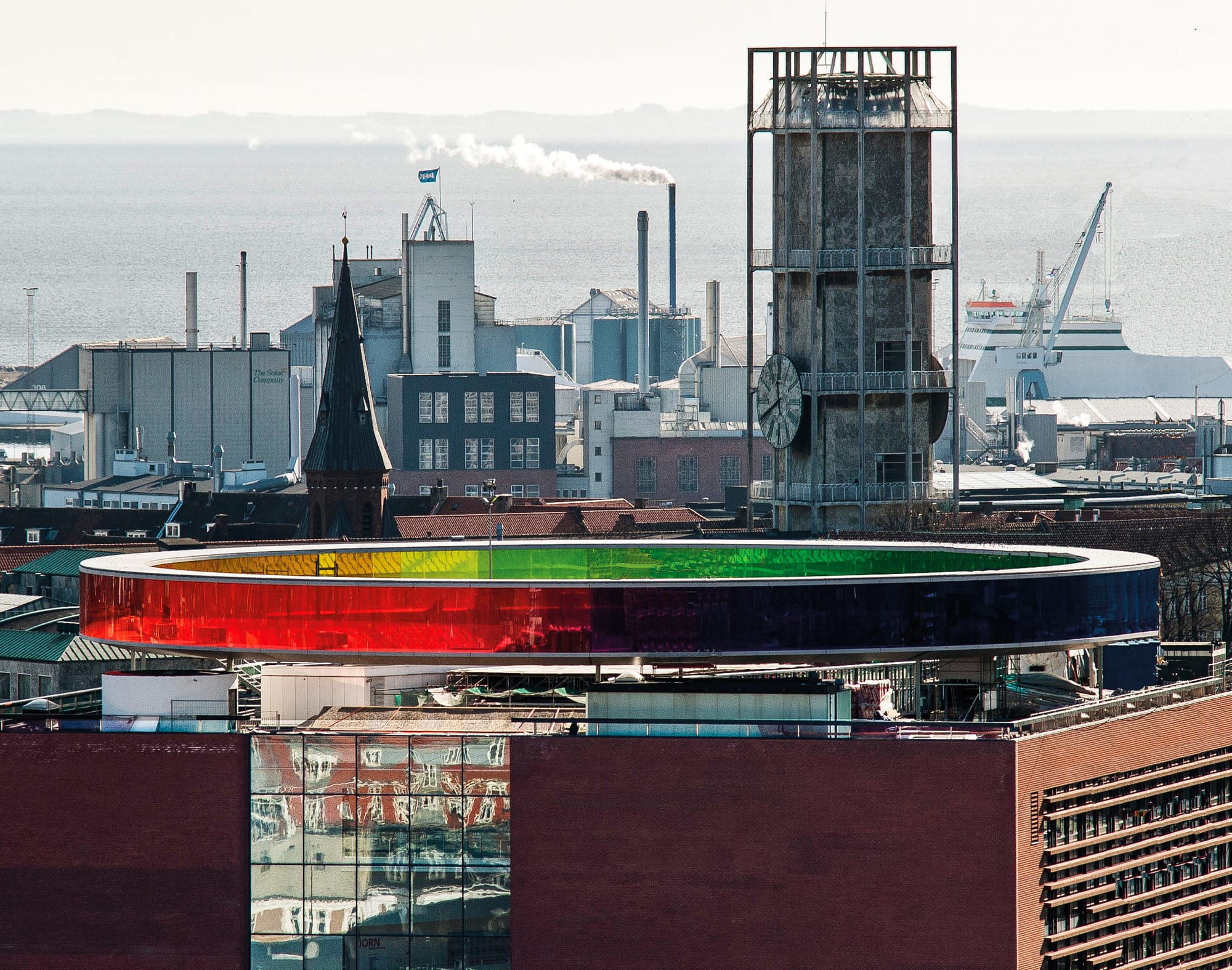
Aarhus, Denmark's second city, on the Jutland coast, has become a cultural weekend destination. Its landmark is the ARoS art museum, topped by Olafur Eliasson's ring of coloured glass that you walk through, seeing the city in every hue. Nearby, Den Gamle By ("the Old Town") is an open-air museum of 75 historic buildings relocated from around the country and arranged as a living town.
The Moesgaard Museum, in a striking grass-roofed building south of the city, holds the 2,000-year-old bog body known as Grauballe Man.
8. Ribe and the Wadden Sea
Ribe, near the southwestern coast, is the oldest town in Scandinavia — a Viking-age trading centre that kept its medieval street plan, its half-timbered houses, its cathedral, and a night watchman who still walks the streets singing the hours in summer. A reconstructed Viking market lies on the edge of town.
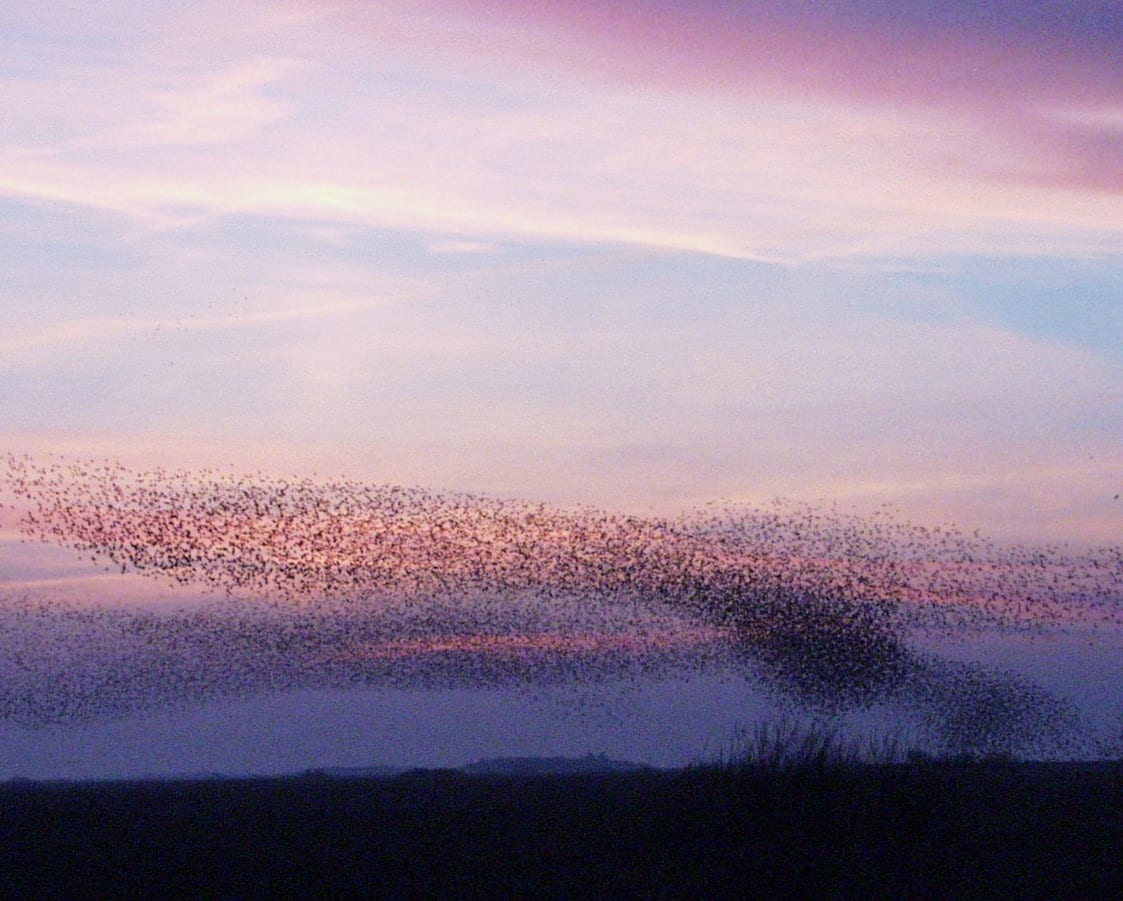
Ribe sits on the Wadden Sea, the vast tidal flats shared with Germany and the Netherlands (a UNESCO World Heritage Site) — famous for its seal colonies, its migrating birds, and the spring and autumn "black sun", when up to a million starlings wheel over the marsh at dusk.
9. Legoland Billund
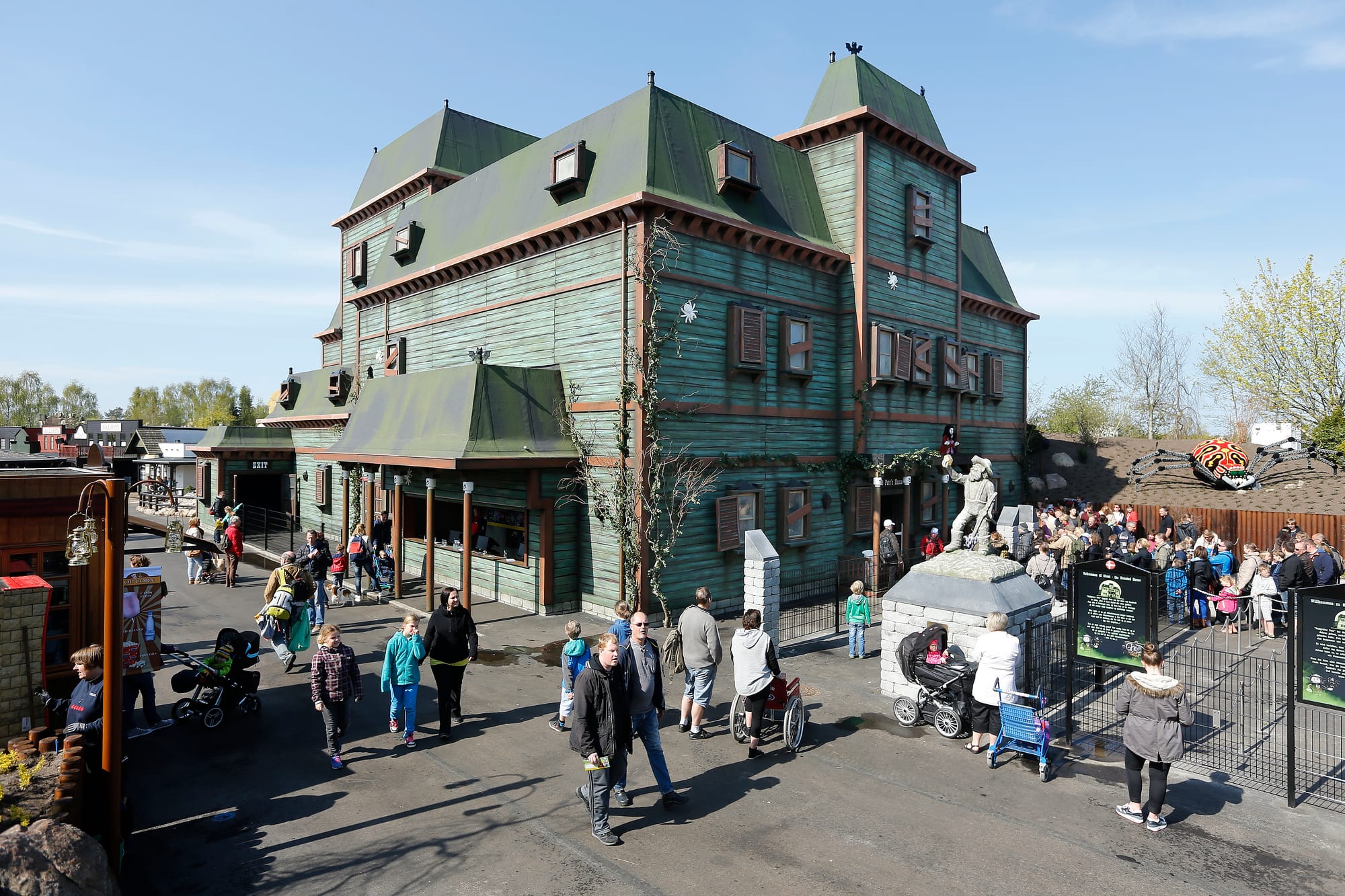
The original Legoland opened in 1968 in Billund, the small Jutland town where Ole Kirk Christiansen founded the toy company in 1932 (the name is a contraction of "leg godt", "play well"). The park is built around "Miniland", scale models of world landmarks and Danish scenes made from tens of millions of bricks, alongside rides pitched mainly at families with younger children.
It is Denmark's most-visited attraction outside Copenhagen, and shares the town with the Lego House "experience centre" and the company's headquarters.
10. Danish design and the coast
Beyond the set-piece sights, Denmark's appeal is atmospheric: the design museum and the furniture shops of Copenhagen; the "New Nordic" restaurant scene that Noma launched; the harbour baths you can swim in from the city centre; and, on the coast, the long white beaches and shifting dunes of north Jutland around Skagen, where the two seas visibly meet in a line of clashing waves at Grenen, and where a 19th-century artists' colony painted the northern light.
It is a country to enjoy at a gentle, well-cushioned pace.
Denmark is easy: Copenhagen and the Zealand castles fill four or five days by train, and adding Aarhus, Ribe, and Møn makes a comfortable week to ten days.