Culture & Customs · Democratic Republic of the Congo
Democratic Republic of the Congo: Rumba, Elders and the Well-Pressed Suit
A deeply Christian nation that still keeps faith with its ancestors, where a greeting comes before any business, elders are served and saluted first, and rumba plays at weddings and wakes alike
By Worldlore Editorial · 30 September 2026
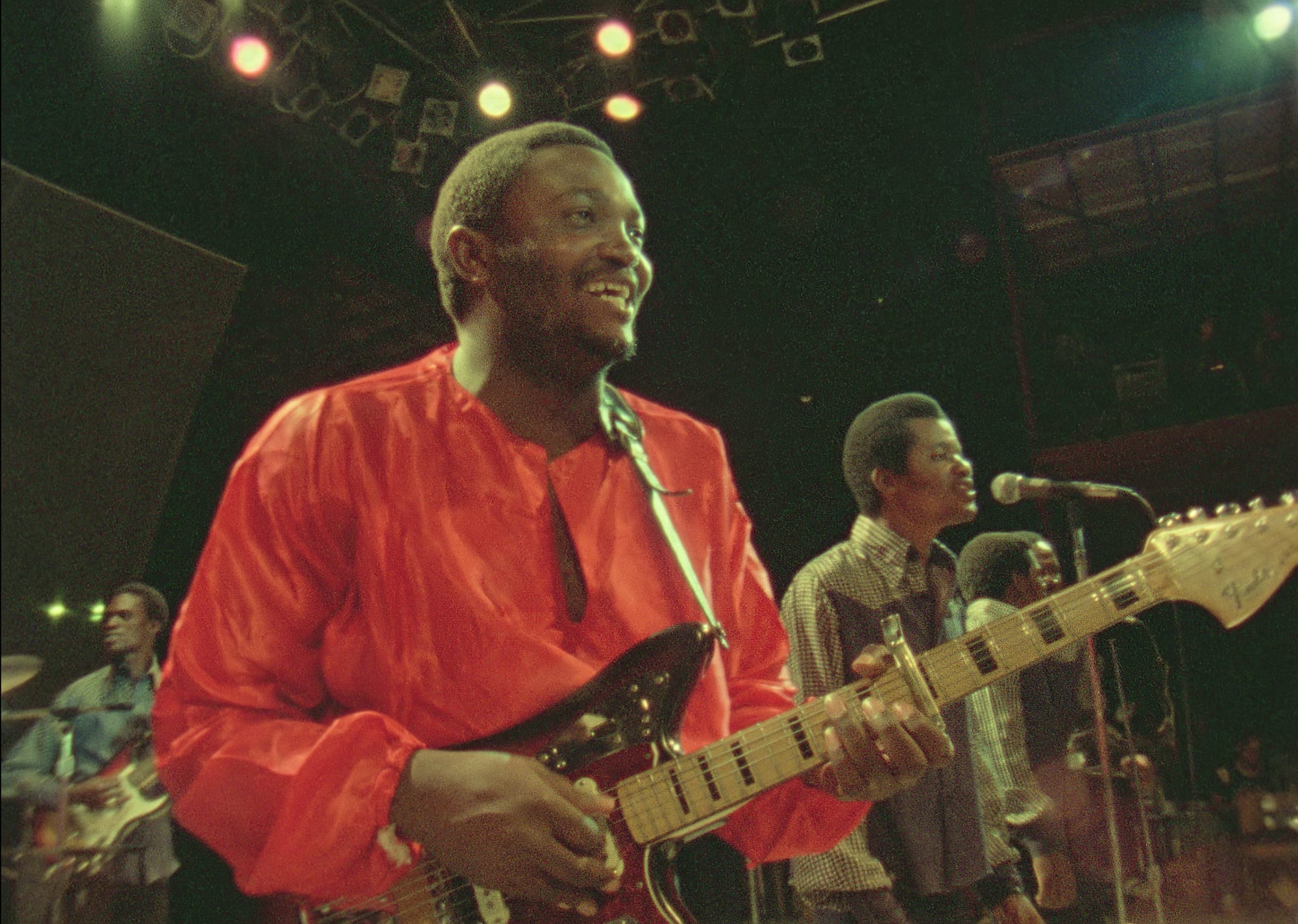
When someone dies in the Democratic Republic of the Congo, the family home does not fall quiet. Relatives, neighbours, colleagues and friends arrive for the wake, and they keep arriving in the days before the burial. Custom expects the family of the dead person to feed every guest who comes, and the guests in turn put money towards the costs. There is often music, and it may well be rumba, the country's great popular art, which Congolese play for mourning as readily as for celebration. The scene brings together much of what matters most in Congolese life: the weight of family obligation, the duty to turn up, a generosity that can stretch a household to breaking point, and a conviction that the dead remain part of the family long after they are buried.
Faith, identity and values
The Democratic Republic of the Congo is overwhelmingly Christian. Figures cited by the US State Department put Christians at about 95 per cent of the population, split roughly evenly between Roman Catholics and Protestants, a group that includes many evangelical churches and the country's own Kimbanguist Church. Muslims are a small minority, and estimates of their share vary widely. Churches carry real weight in public life: by law, eight major religious groups, from the Catholic Church to the Muslim community and the Kimbanguists, nominate the head of the national electoral commission.
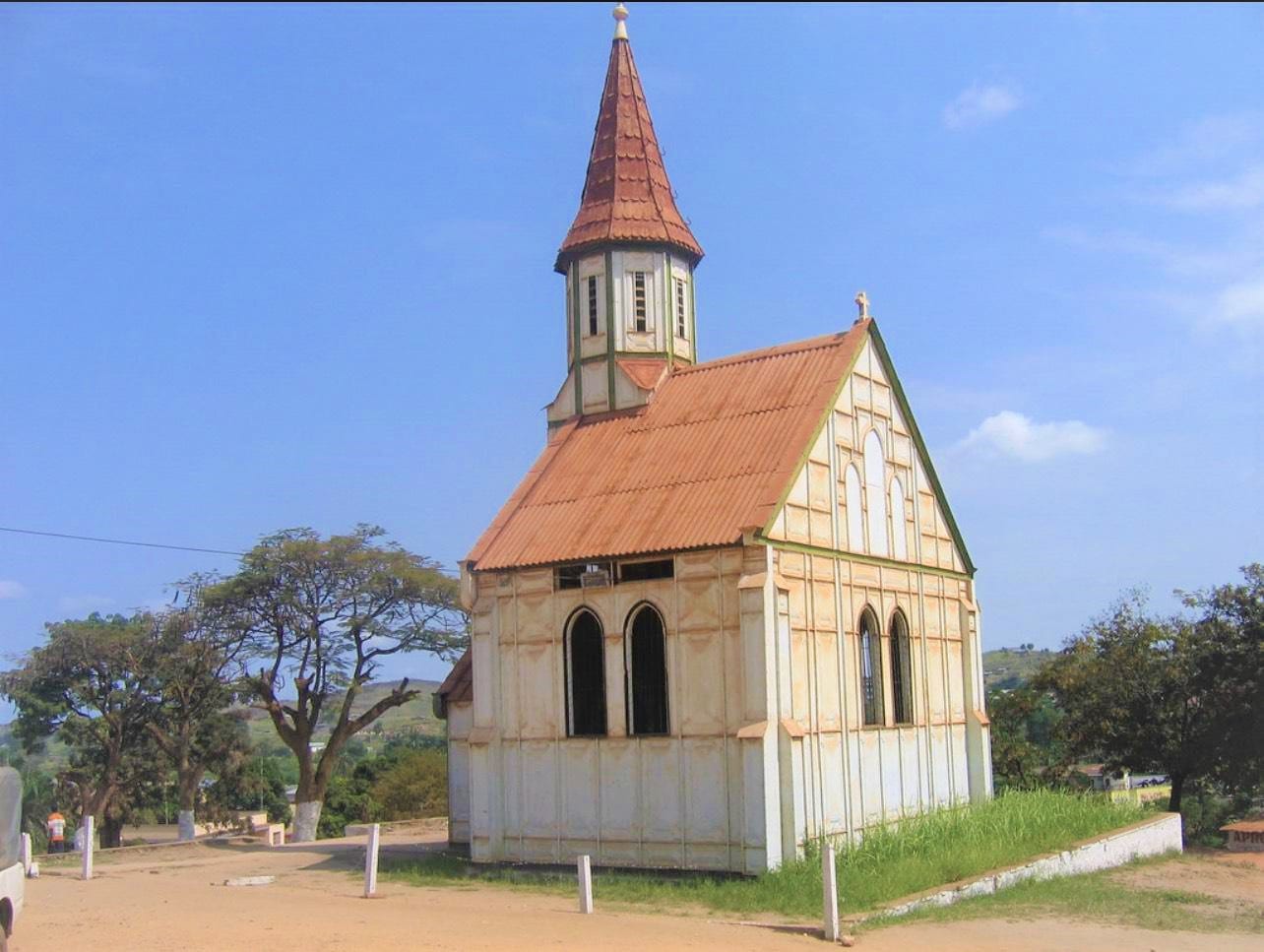
The Kimbanguist Church, officially the Church of Jesus Christ on Earth through the Prophet Simon Kimbangu, is the country's best-known home-grown faith. Its founder led a religious movement that the Belgian colonial authorities saw as a threat; he spent some 30 years in prison and died in detention, far from home. Today the church claims several million followers. Its principles include a ban on polygamy, peaceful settlement of disputes, community solidarity and investment in education, it produces its own sacred music, and its members make pilgrimages to Nkamba, a village south of the capital nicknamed the New Jerusalem.
Christianity has not displaced older beliefs so much as joined them. The State Department notes that a significant part of the population combines traditional beliefs and practices with Christianity, and many Congolese hold that the spirit world influences daily life. Ancestors in particular are thought to remain active in the life of a family for generations, and respect for them is part of everyday life.
Beneath faith lie family and hierarchy. The country is home to hundreds of ethnic groups and more than 200 languages, with Lingala, Swahili, Kikongo and Tshiluba as national languages and French the language of schooling, but across that diversity the extended family is the basic unit of loyalty and elders are treated with a great deal of respect. Appearance matters as well. An unwritten rule holds that the better a person looks, the more respect they receive, an idea taken to its extreme by the sapeurs, whose elegance is described below.
Greetings and meeting people
Greetings are taken seriously. Saying hello and asking after the other person and their situation must come before any other business, and launching straight into a request or a transaction without that exchange can seem rude. A handshake is the customary greeting, and on entering a room it is usual to shake hands with the people present and offer a word of greeting, often in French or in a national language such as Swahili. To show deep respect, the right forearm is held with the left hand while shaking hands, a gesture also used when money changes hands in the market. Between men, and sometimes between women, a warmer greeting may involve touching heads from side to side and then at the forehead. Friends who have not met for a while may remark that the other has put on weight; the comment is meant kindly, since a fuller figure is read as a sign of health and a good life.
Forms of address carry respect. Women are often called "Mama" and men "Papa", as a mark of respect or of friendship, and a married woman may also be addressed by her husband's name. In formal and professional settings, titles and surnames are the norm, and moving on to first names does not remove the hierarchy beneath.
Age shapes every encounter. Special respect is shown when greeting elders, and to village heads and other figures of authority, above all when the person approaching is the younger of the two, and it is considered better not to rush up to an older person the moment they enter a room. In churches and at meetings a place of honour at the front is often kept for elders and visitors, and anyone invited to speak is expected to thank the leaders by name.
Relations between men and women in public are formal. Showing affection to someone of the opposite sex in public is considered inappropriate, even between married couples, and looking straight into the face of someone of the opposite sex can be taken as improper. A few questions are best avoided altogether: asking someone which ethnic group they belong to is considered off limits, and sex is not a subject for public conversation.
French is the language taught in schools and used in government, but everyday conversation is more often in Lingala, which dominates in the capital and the army, in Swahili, widely spoken in the east and often a common tongue between people with no other language in common, or in Kikongo or Tshiluba.
Hospitality and being a guest
Sharing food is at the heart of hospitality. Eating in front of others without sharing is considered rude, and accepting food or drink from someone is understood as a sign of accepting the person; a small gift for the hosts is appreciated. An invitation to eat, or a gift, may be politely turned down at first even by someone who would like it, so an offer is often repeated before it is accepted.
Guests are usually offered the chance to wash their hands before a meal: the host brings a bowl and a pitcher, pours water over the guest's hands and offers soap. The staple is often eaten from a communal bowl, and the rules at the table follow from a single principle: only the right hand is used for eating, because the left is associated with the toilet and using it for any exchange can give offence. The same applies to passing food, paying, and giving or receiving anything else, from a gift to a handful of change. In some rural areas all meals are eaten with the hands. In more formal company, the host guides the seating, the ordering and the pace of the meal, which is treated as a time for conversation rather than for pressing business.
In the traditional way of eating, women serve the men first, and the women and children share what remains afterwards, often sitting on the floor while the men take the chairs.
Special occasions demand generosity beyond a family's everyday means. A household's only chicken or goat may be slaughtered for a holiday, a wedding, a birth or a funeral, and palm wine and traditional beer are prepared for the gathering, which usually involves singing and dancing.
Dress is part of good manners. Casual clothes are acceptable, but the smarter a visitor looks, the more respect they are likely to be shown. Modesty matters too: short clothing and low-cut tops are best avoided by women, and in some areas tattoos carry unwelcome associations and are better kept covered. Photography is a sensitive subject, and it is best avoided altogether near military sites, official buildings, checkpoints and borders.
Festivals and life's big moments
The national calendar turns on 30 June, Independence Day, which marks the day in 1960 when the country's independence from Belgium was formally declared. The anniversary is remembered not only for the ceremony but for the speech given that day by Patrice Lumumba, the first prime minister, who spoke bluntly of the injustices of colonial rule. Kimbanguists honour their prophet with their own round of observances, celebrated with songs, dances and pilgrimages to Nkamba.
Coming of age has traditionally been marked in ritual form too. In many communities boys were sent to an initiation camp away from their villages for a period, learning to hunt and ending with a festival and circumcision as their passage into adulthood.
Marriage is an alliance between two families as much as between two people, sealed by the dot, the dowry paid by the groom's side to the bride's family. Congolese law requires a dowry for an official marriage, though it can be symbolic. A generation or two ago it might amount to a goat and a bottle of local beer; today a family may hand over a list that includes motorcycles, televisions and smartphones, with costs reported at between 1,500 and 5,000 US dollars. As one Congolese sociologist has put it, the dot is about bonding, not bargaining or buying a wife as a commodity.
Death brings the largest gatherings of all. During the wake and the days leading up to the burial, and sometimes afterwards, the bereaved family is expected to feed all the guests, while guests chip in financially. With the morgue, the wake, the burial and the catering for mourners to pay for, a funeral can cost as much as a year's wages for many families, who often turn to relatives abroad to meet it. Small gifts may be placed around the body for the journey into the spirit world, and in some communities women in mourning may paint their faces white as a sign both of grief and of strength in overcoming it. The dead are believed to remain with the family in very tangible ways, and funeral custom carries such weight that refusing to follow it can cause serious friction within a family or a community.
Arts, crafts and music
Congolese rumba is the country's defining art, on UNESCO's list and described there as an essential part of the identity of Congolese people and their diaspora. It is a music and a dance of the cities, performed in private, public and religious spaces, for celebration and mourning alike, by professional and amateur orchestras, choirs and solo musicians. Women have played a particular part in developing its religious and romantic forms. It is handed on through neighbourhood clubs, formal training schools and community groups, and musicians still train apprentices and make instruments. Its faster, dance-driven descendants carried Congolese music across Africa, and the capital is regarded by many as one of the continent's great music centres.
Style is an art form too. La Sape, the Société des Ambianceurs et des Personnes Élégantes, the Society of Ambiance-Makers and Elegant People, traces its roots to the colonial era, and its heartland spans Kinshasa and Brazzaville on either side of the Congo River. Its members, the sapeurs, dress with extraordinary care, and the movement has its own set of ten "commandments" governing how a sapeur behaves. The late rumba star Papa Wemba, one of its best-known figures, is credited with reviving la Sape in Kinshasa in the 1970s.
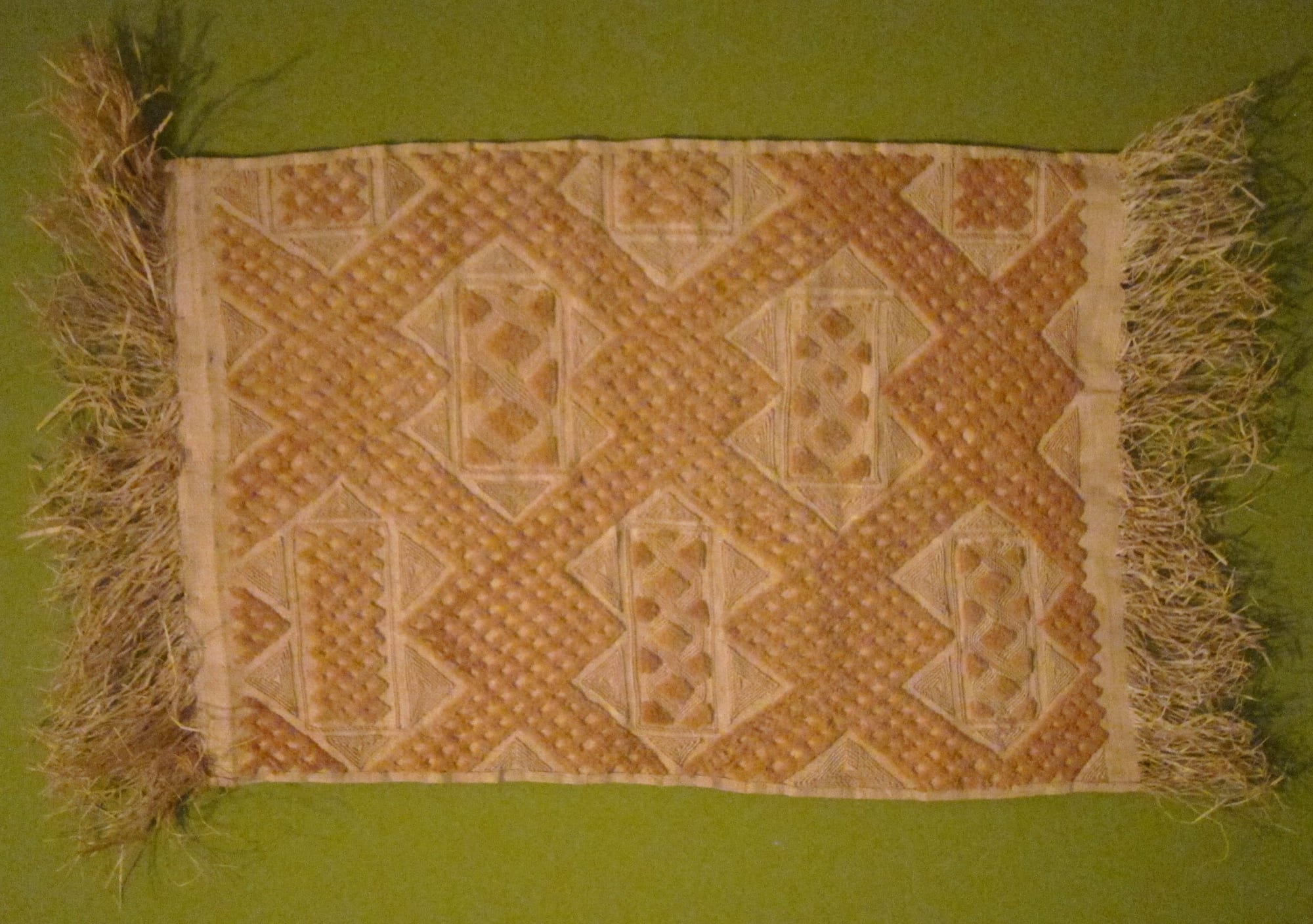
Older crafts remain a source of pride. The textiles of the Kuba peoples are woven from the fibre of the raffia palm and decorated with dense geometric embroidery, openwork and a plush cut-pile stitch that gives the surface a texture like velvet. Ceremonial dance skirts made this way were worn at important ritual occasions, among them the itul, a rare dance festival held only with the king's permission. Singing traditions are just as distinctive: the Mbuti forest peoples are renowned for a vocal style in which many voices sing different, independent melodies at once.
Dos and don'ts for visitors
- Do check the latest government travel advice before any trip; most governments advise against all travel to the east of the country and all-but-essential travel to much of the rest, and consular help is very limited.
- Do greet people properly, shake hands and ask after them before raising any business or request.
- Do greet elders and people in authority with particular respect, and let them set the pace.
- Do use only the right hand to eat, pay, and give or receive anything; holding the right forearm with the left hand adds extra respect.
- Do share if eating in front of others, and accept food when it is offered; it signals acceptance of the host.
- Do dress as smartly and as modestly as circumstances allow; good appearance earns respect.
- Don't show affection in public, and don't ask people which ethnic group they belong to.
- Don't take photographs near military sites, official buildings, checkpoints or borders, and ask before photographing anyone.
What to take away
In the Democratic Republic of the Congo, respect is shown in the details, a proper greeting, the right hand, a well-pressed shirt, and visitors who take the time to observe them will find a people of extraordinary warmth, resilience and style.